Honeycrisp Apple and Feta Salad Recipe Guide
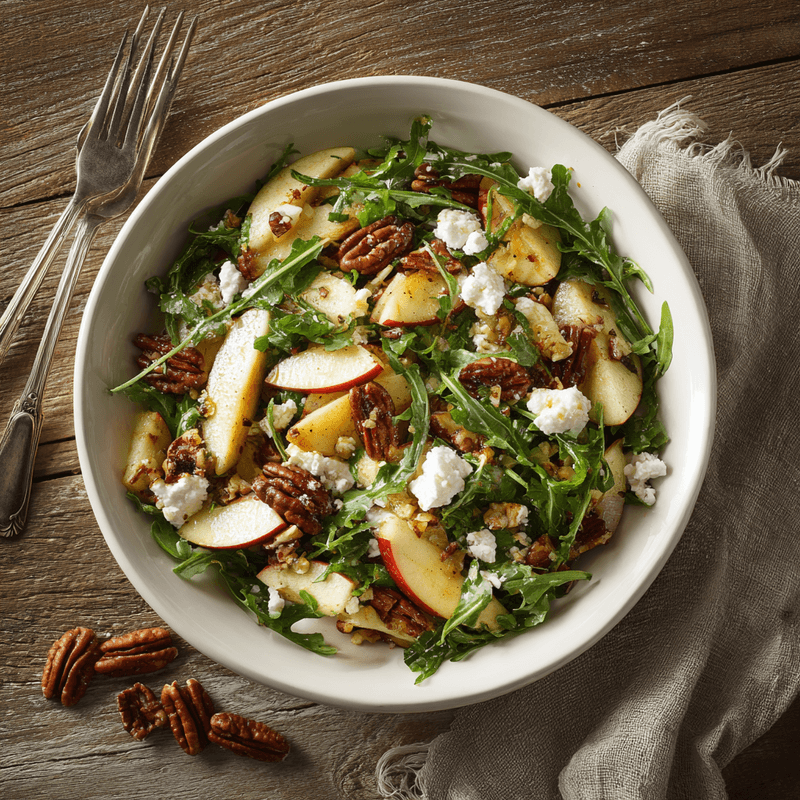
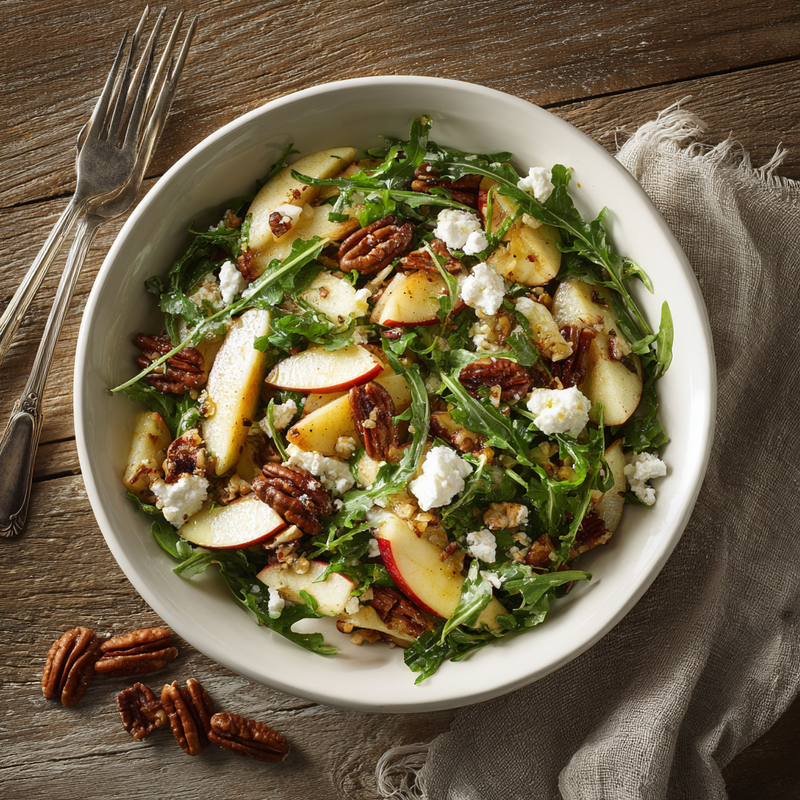
Master this crisp, tangy Honeycrisp Apple and Feta Salad with candied nuts, fresh greens, and homemade vinaigrette. Perfect for gatherings year-round.
cookwithlucia.com/recipes/honeycrisp-apple-and-feta-salad
Few salads command attention quite like a perfectly composed Honeycrisp Apple and Feta Salad. This isn't just a bowl of greens tossed with fruit—it's a carefully orchestrated symphony of textures and tastes that has earned its place as a centerpiece at family gatherings and elegant dinners alike. The dish emerged from North American culinary traditions in the late 20th century, when chefs began exploring the tension between sweet and savory in composed salads. The Honeycrisp apple, developed at the University of Minnesota and released to the public in 1991, became the star ingredient that elevated this salad from simple to spectacular.
I'll never forget tasting a version of this salad that truly got everything right—the apples were cut into perfect matchsticks that stayed crisp, the feta was creamy rather than crumbly, and the candied nuts provided exactly the right amount of sweet crunch against the tangy vinaigrette. That experience taught me that this seemingly simple dish demands attention to detail and respect for each component. Yes, this Honeycrisp Apple and Feta Salad requires more than just opening a bag of lettuce, but the reward is a dish that impresses every single time.
This guide will walk you through every element—from selecting the perfect apples to crafting a vinaigrette that ties everything together. You'll learn the science behind keeping cut apples from browning, the art of balancing sweet and savory, and the techniques that transform ordinary ingredients into something guests will request again and again. Let's master this salad together.
The Origins and History
The concept of pairing fruit with cheese in salads traces back to European culinary traditions, particularly French cuisine where pear and Roquefort combinations have been beloved for centuries. When this idea crossed the Atlantic, American cooks began experimenting with locally available ingredients, leading to the development of apple-based salads that showcased regional produce. The explosion of specialty salad culture in the 1980s and 1990s created the perfect environment for dishes like the Honeycrisp Apple and Feta Salad to flourish.
The Honeycrisp apple itself revolutionized this type of salad. Before its introduction, most apples either turned mushy when cut or lacked the perfect balance of sweetness and acidity. The Honeycrisp's exceptional crispness—a result of cells that are actually larger than those in other apple varieties—meant it could hold its texture even when dressed. This biological quirk made it ideal for salads in a way no previous apple had been. Restaurants in the Upper Midwest were among the first to feature Honeycrisp apples prominently, and the trend quickly spread nationwide.
Regional variations developed based on local preferences and available ingredients. West Coast versions often incorporate candied pecans and a lighter champagne vinaigrette, while Northeastern interpretations might feature maple-glazed walnuts and a more robust cider vinaigrette. Southern renditions sometimes add dried cranberries for extra sweetness and color. What remains constant across all versions is the fundamental interplay between crisp apple, tangy cheese, crunchy nuts, and fresh greens—a combination that has proven timeless precisely because it honors the integrity of each ingredient while creating something greater than the sum of its parts.
Understanding the Flavor Profile
The Honeycrisp Apple and Feta Salad succeeds because it creates perfect tension across multiple flavor dimensions. The Honeycrisp apple contributes both sweetness and a subtle tartness, with honey notes that justify its name and a refreshing acidity that keeps the sweetness in check. This dual nature makes it far more interesting than a purely sweet fruit would be. The feta cheese counters with salty, tangy, slightly funky notes—a creamy brininess that grounds the apple's brightness. When you bite into a forkful containing both elements, your palate experiences a push-and-pull that keeps you coming back.
The candied nuts add another layer entirely: caramelized sweetness with toasted, almost bitter undertones from the Maillard reaction during cooking. This complexity prevents the salad from feeling one-dimensional. The greens—whether you choose peppery arugula, mild mixed lettuces, or slightly bitter radicchio—provide an herbaceous backdrop that allows the star ingredients to shine while contributing their own subtle flavors. The vinaigrette serves as the conductor of this orchestra, typically bringing acidity from vinegar, richness from oil, and often a touch of sweetness from honey or maple syrup to echo and amplify the apple's natural sugars.
Texturally, this salad is a masterclass in contrast. The explosive crunch of fresh Honeycrisp apple—that signature snap that releases juice—plays against the creamy yielding of good feta. Candied nuts provide a different kind of crunch, one that's brittle and shatters rather than snapping cleanly. The greens contribute a delicate, leafy texture that helps distribute the other ingredients across your palate. When properly dressed and assembled, each bite should deliver multiple textures in sequence, creating an eating experience that's as engaging physically as it is flavorfully.
Essential Ingredients Explained
The Honeycrisp apple is non-negotiable in this recipe—its name is literally in the title, but more importantly, no other variety delivers the same experience. Honeycrisp apples have an unusually high water content and large cells that rupture rather than compress when you bite them, creating that signature explosive crunch. They also resist browning better than many varieties due to their particular enzyme composition. When shopping, look for apples that feel heavy for their size (indicating high juice content) with taut, unblemished skin and no soft spots. The color should be predominantly red with yellow undertones, not pale or greenish. If Honeycrisp is truly unavailable, Pink Lady or Fuji apples can substitute, though you'll sacrifice some of that signature texture.
Feta cheese quality varies dramatically. Authentic feta is made from sheep's milk or a sheep-goat blend and has a creamy, almost fluffy texture quite different from the crumbly, dry blocks often sold in supermarkets. Bulgarian feta tends to be tangier and creamier, while Greek feta is slightly firmer with a more pronounced saltiness. For this salad, seek out feta stored in brine rather than vacuum-sealed blocks, as the moisture keeps it creamy. The cheese should taste tangy and complex, not just salty. If you find authentic feta too strong, French feta tends to be milder while maintaining good texture. Always rinse feta briefly before using to remove excess salt and allow its true flavor to emerge.
The nuts you choose dramatically affect the final dish. Pecans offer buttery richness and a softer crunch, while walnuts bring slight bitterness and firmer texture. Almonds provide the most neutral backdrop, allowing other flavors to dominate. Whichever you select, they must be candied or glazed—raw nuts lack the sweetness needed to balance the feta's saltiness. Making your own candied nuts is straightforward and allows you to control sweetness levels. Use a combination of sugar or honey with a pinch of salt and perhaps warm spices like cinnamon or cayenne for complexity. Toast them until deeply golden and fragrant, but watch carefully as the line between perfectly caramelized and burnt is thin.
Your choice of greens shapes the entire salad's character. Arugula brings peppery bite that complements the sweet apples beautifully, creating a more sophisticated, grown-up salad. Mixed spring greens offer a milder, more universally appealing base that lets the apples and feta shine. Spinach contributes earthy notes and holds up well to dressing without wilting immediately. For special occasions, consider adding radicchio for gorgeous color and pleasant bitterness, or butter lettuce for luxurious, tender leaves. Always wash greens thoroughly and dry them completely—water clinging to leaves will dilute your vinaigrette and make the salad soggy.
The vinaigrette deserves as much attention as any other component. A classic choice pairs apple cider vinegar with extra virgin olive oil, honey, and Dijon mustard. The cider vinegar echoes the apple's fruit notes while providing necessary acidity to cut through the cheese's richness. Good olive oil should taste fruity and slightly peppery, not bland or rancid. The honey adds sweetness that bridges the gap between candied nuts and fresh fruit, while Dijon mustard acts as an emulsifier and contributes subtle complexity. Some versions use balsamic vinegar for deeper, more caramelized notes, or champagne vinegar for lighter, more delicate acidity. Whichever route you choose, the ratio should balance three parts oil to one part acid, adjusted to taste.
Mastering the Technique
The foundation of an exceptional Honeycrisp Apple and Feta Salad begins with proper apple preparation. Cut your apples no more than 30 minutes before serving to ensure maximum crispness and minimal browning. Use a sharp knife—dull blades crush the apple's cells rather than cutting them cleanly, releasing enzymes that accelerate browning and compromising texture. Cut the apple into quarters, remove the core, then slice each quarter into thin matchsticks or bite-sized chunks, depending on your preference. Immediately toss the cut apples with a small amount of lemon juice or your prepared vinaigrette to coat all surfaces and prevent oxidation. This acid barrier slows enzymatic browning while adding complementary flavor. Many cooks make the mistake of soaking apples in acidulated water, but this waterlog the fruit and dilutes its flavor—a light coating is all you need.
Candying your nuts properly requires attention and timing. Start by toasting raw nuts in a dry skillet over medium heat until they smell fragrant and have deepened slightly in color—this usually takes 4-5 minutes with constant stirring. Remove them briefly while you make the glaze in the same pan. Combine sugar or honey with a small amount of water and heat until it begins to bubble and thicken into a syrup. Return the nuts to the pan and stir constantly until each nut is coated and the coating begins to harden and crystallize. This crystallization happens quickly, often within 60-90 seconds, so stay focused. Transfer immediately to parchment paper, spreading them in a single layer so they don't clump together as they cool. Once completely cool, they'll be crunchy and sweet with a beautiful glaze. Store in an airtight container if making ahead, as humidity can make them sticky.
Creating a properly emulsified vinaigrette transforms your Honeycrisp Apple and Feta Salad from good to restaurant-quality. Place your mustard in a bowl first—it acts as an emulsifier that helps oil and vinegar, which naturally want to separate, stay combined. Add your vinegar, honey, salt, and pepper, then whisk vigorously. Begin adding oil in a very slow, thin stream while whisking constantly. The mixture should thicken and lighten in color as it emulsifies, becoming creamy rather than looking like separated oil and vinegar. If you add oil too quickly, the emulsion will break and look greasy. If this happens, start over with fresh mustard and vinegar in a clean bowl and slowly whisk in the broken mixture as if it were the oil. A properly emulsified vinaigrette clings to greens evenly rather than pooling at the bottom of the bowl.
Assembling the salad requires strategy, not just tossing everything together. Start with completely dry greens in a large bowl—water is the enemy of good salad. Add just enough vinaigrette to barely coat the leaves, using far less than you think you need. Toss gently but thoroughly with your hands or salad servers, ensuring every leaf gets a whisper of dressing. The greens should glisten but not be soaked. Add the prepared apple pieces and half the feta, tossing gently once or twice to distribute. Transfer to your serving bowl or individual plates, then artfully arrange the remaining feta, candied nuts, and any additional garnishes on top. This layered approach ensures even distribution while creating an visually appealing presentation that showcases each component.
Timing your Honeycrisp Apple and Feta Salad is crucial. The dressed greens will begin to wilt within 10-15 minutes, and apples will start releasing juice that can make everything soggy. Prepare all components in advance—wash and dry greens, make vinaigrette, candy nuts, crumble feta—but don't cut apples or assemble until just before serving. If you must prep slightly ahead, cut apples and toss with lemon juice, keeping them separate, and store dressed greens and toppings separately, combining only at the last moment. For gatherings, consider setting out components separately and letting guests build their own salads, which also accommodates different preferences and dietary needs while ensuring everyone gets a perfectly fresh salad.
Common Pitfalls and How to Fix Them
The most frequent mistake with this salad is overdressing, which turns crisp ingredients soggy and masks their individual flavors. If you've added too much vinaigrette, don't try to fix the already-dressed portion—instead, add more undressed greens to absorb the excess and rebalance the ratio. Better yet, serve extra vinaigrette on the side and let people add more if desired. Remember that you can always add more dressing, but you can't take it away. Start with what seems like too little, toss thoroughly, taste, and adjust. The leaves should look glossy but not wet, and no liquid should pool at the bottom of the bowl.
Brown, oxidized apples immediately make your Honeycrisp Apple and Feta Salad look tired and unappetizing. If your apples have already started browning, you can't reverse it, but you can prevent it in future preparations. Always use a very sharp knife to minimize cell damage, cut apples at the last possible moment, and immediately toss with acid. Some cooks use a product called Fruit-Fresh or crushed vitamin C tablets dissolved in water, which prevents browning more effectively than lemon juice without adding citrus flavor. If you must prepare apples more than a few minutes ahead, keep them submerged in the vinaigrette rather than water, as the oil coating provides a better oxygen barrier.
Choosing the wrong feta results in a salad that's either too dry and salty or bland and rubbery. If you've purchased vacuum-sealed feta that's crumbly and dry, you can improve it by soaking it in milk for 30 minutes before using—the milk will soften it and mellow the saltiness. If your feta is too salty, rinse it thoroughly under cool water before crumbling. If it's bland, dress it separately with a little olive oil, lemon zest, and black pepper 15 minutes before adding to the salad, allowing it to marinate and develop more complex flavor. In the future, always buy feta stored in brine from specialty cheese shops or well-stocked grocery stores.
Soggy nuts ruin the textural contrast that makes this salad special. This happens when nuts aren't completely cooled before adding to the salad, when they're stored improperly and absorb moisture, or when they sit on dressed greens too long. If your candied nuts have become sticky or soft, you can re-crisp them by spreading on a baking sheet and heating in a 300°F oven for 5-7 minutes, watching carefully to prevent burning. Always store candied nuts at room temperature in an airtight container with a silica packet if you live in a humid climate, and add them to the salad at the absolute last moment—ideally, scatter them on top after plating rather than tossing them with the dressed greens.
Wilted, sad greens doom even the best Honeycrisp Apple and Feta Salad. This usually results from dressing the salad too far in advance, using wet greens, or using low-quality lettuce that was already past its prime. If your greens have wilted, there's no recovery—you'll need fresh ones. For future success, wash greens several hours ahead and dry them thoroughly using a salad spinner, then wrap in paper towels and store in a plastic bag in the refrigerator until ready to use. When shopping, choose the freshest, crispest greens available, checking that they're not slimy, brown-edged, or limp. Store properly in the crisper drawer at the right humidity level for leafy vegetables.
Regional Twists Worth Trying
The California-style version of this salad incorporates elements of West Coast produce culture and health-conscious eating. Use a base of mixed baby greens with peppery arugula, add thin slices of Honeycrisp apple rather than chunks, and include creamy avocado pieces alongside the feta. The vinaigrette typically features champagne vinegar with a touch of honey and poppy seeds, creating a lighter, more delicate flavor profile. Candied pecans are the nut of choice, sometimes with a hint of orange zest in the candying mixture. This version often includes dried cranberries for extra sweetness and gorgeous color contrast, making it particularly popular at wellness retreats and health-focused cafes.
A Mediterranean interpretation takes the Honeycrisp Apple and Feta Salad in a more savory direction, reflecting the flavor profiles of Greek and Turkish cuisines. The greens often include bitter radicchio or endive alongside romaine, and the feta might be marinated in olive oil with oregano and garlic before crumbling over the salad. Toasted walnuts replace candied ones, reducing sweetness and emphasizing the nutty, almost bitter quality that pairs beautifully with olive oil. The vinaigrette uses red vinegar with copious amounts of high-quality extra virgin olive oil, dried oregano, and sometimes a touch of sumac for tart, lemony notes without actual citrus. This version might also include thinly sliced red onion and Kalamata olives for additional savory depth.
The New England harvest version celebrates autumn flavors and the region's apple-growing heritage. It features the Honeycrisp apple as expected, but adds roasted butternut squash cubes for sweetness and substance, making it hearty enough to serve as a light main course. Maple-candied walnuts replace plain candied nuts, bringing quintessentially New England flavors. The vinaigrette incorporates maple syrup and apple cider vinegar, sometimes with a touch of whole grain mustard for texture. Dried cranberries and pepitas (pumpkin seeds) often make appearances, and the feta might be replaced or supplemented with sharp cheddar cheese, creating a salad that works beautifully for weekend dinners when the weather turns cool.
The Perfect Spread
The Honeycrisp Apple and Feta Salad shines as part of a composed meal that balances its bright, light qualities with complementary dishes. Serve it alongside roasted chicken with herbs, where the salad's acidity and crunch cut through the rich, savory poultry. The combination works beautifully for family gatherings, offering something refreshing alongside heartier protein options. Grilled fish, particularly salmon or trout, also pairs wonderfully, as the salad's sweetness complements the fish's natural oils without competing with delicate flavors. For a lighter meal, serve the salad as the centerpiece with crusty bread and a smooth soup like butternut squash or roasted tomato.
Consider the temperature and texture contrast on the plate. If you're serving the salad with something hot and soft like risotto or creamy polenta, the cold crispness provides welcome relief. If the main dish is grilled or roasted with crispy edges, you might want to include a smooth element like hummus or a yogurt-based sauce to round out the textural experience. The salad's sweetness pairs particularly well with dishes that have a slight spicy kick—grilled chicken with harissa, blackened fish, or roasted vegetables with red pepper flakes all benefit from the cooling, sweet-tart contrast.
For gatherings, arrange the meal to flow from light to substantial. Start with the Honeycrisp Apple and Feta Salad in smaller portions as a first course, allowing guests to awaken their palates with its bright flavors. Follow with heartier dishes like herb-crusted lamb, grilled kebabs, or stuffed vegetables. The salad can also work beautifully on a mezze-style spread alongside grain salads, roasted vegetables, dips, and flatbreads, offering a fresh, crisp element among richer options. Include drinks that complement rather than compete—sparkling water with lemon, mint tea, or fresh fruit juices that echo the apple notes without overwhelming them.
Keeping and Reheating
The Honeycrisp Apple and Feta Salad is fundamentally a fresh dish that doesn't keep well once assembled, which is why timing and preparation strategy matter so much. Once dressed and tossed, the salad begins deteriorating immediately as the acid in the vinaigrette wilts the greens and the salt draws moisture from both the apples and cheese. You should plan to serve it within 10-15 minutes of final assembly for optimal texture and appearance. Any leftovers will be significantly compromised—the greens will be wilted and soggy, the apples will have released their juice, and the nuts will have lost their crunch. If you must save dressed salad, store it in an airtight container in the refrigerator and plan to eat it within a few hours, understanding it will be more of a slaw than a crisp salad.
The smart approach is to prepare and store components separately, which allows you to create fresh salad over several days. Wash and thoroughly dry your greens, wrap them in paper towels, and store in a plastic bag in the crisper drawer—they'll stay fresh for 3-4 days. Make your vinaigrette and store it in a jar in the refrigerator for up to a week, bringing it to room temperature and shaking vigorously before using. Candied nuts keep at room temperature in an airtight container for up to two weeks. Store feta in its brine in the refrigerator for up to a week after opening. Only cut apples at the moment you're ready to serve, and you can enjoy this salad multiple times throughout the week without any component losing quality.
If you have leftover components that weren't combined, you have many options. Extra candied nuts are delicious sprinkled over oatmeal, yogurt, or other salads. Leftover feta can be crumbled over grain bowls, tossed with roasted vegetables, or used in omelets. Extra vinaigrette works beautifully on other salads or as a marinade for chicken. If you have cut apples tossed with lemon juice or vinaigrette that you didn't use, they'll keep refrigerated for about 24 hours—add them to morning oatmeal, blend into smoothies, or include in a breakfast grain bowl with yogurt and granola. This component-based approach to meal prep means nothing goes to waste while you can still enjoy freshly assembled salad whenever the craving strikes.
Your Questions Answered
Can I make this salad ahead for a gathering?
You can and should prep all components ahead, but don't assemble until just before serving. Wash and dry greens up to a day in advance, make vinaigrette up to a week ahead, candy nuts up to two weeks before, and crumble feta the morning of your gathering. Set out all components in separate containers and assemble the Honeycrisp Apple and Feta Salad 10 minutes before you plan to serve it, or create a DIY salad bar where guests build their own, ensuring everyone gets the freshest possible version. This approach actually reduces last-minute stress while delivering superior results.
What if I can't find Honeycrisp apples?
While Honeycrisp apples are ideal for their signature crunch and sweet-tart balance, several varieties can substitute successfully. Pink Lady apples offer similar crispness with slightly more tartness, while Fuji apples bring exceptional sweetness and good texture retention. Gala apples work in a pinch but are softer and less tart, so you might want to add a bit more lemon juice to compensate. Jazz apples, a cross between Braeburn and Gala, provide nice crunch and complex flavor. Whatever variety you choose, select firm, unblemished apples and use them at peak ripeness for best results in your salad.
Can I use a different cheese instead of feta?
Feta's tangy, salty character is central to this salad's identity, but if you need alternatives, choose carefully. Fresh goat cheese provides similar tanginess with a creamier, milder flavor that some people prefer. Blue cheese can work if you enjoy stronger flavors, though it will significantly change the dish's character toward something more pungent. Ricotta salata—a firm, salted ricotta—offers feta-like saltiness with a milder taste. For those avoiding dairy, some nut-based cheeses can work, though the flavor profile will differ substantially. Whatever you choose, ensure it has some tanginess to balance the sweet apples and nuts.
How do I prevent apples from browning if I must cut them early?
The most effective method is tossing cut apples immediately with an acidic liquid—lemon juice, lime juice, or your prepared vinaigrette. The acid denatures the enzymes responsible for browning while adding complementary flavor. For minimal flavor impact, dissolve 500mg of vitamin C (crushed tablet or powder) in 2 cups of cold water and soak apple slices for 3-5 minutes, then drain and pat dry. This provides superior browning prevention without adding citrus flavor. Store treated apples in an airtight container in the refrigerator and they'll stay relatively crisp and pale for 6-8 hours, though fresher is always better for optimal texture.
Can I turn this into a main course salad?
Absolutely, and it's delicious with the right additions. Add grilled chicken strips, seared shrimp, or chickpeas for protein, making the Honeycrisp Apple and Feta Salad substantial enough for a complete meal. Include cooked grains like quinoa, farro, or wild rice for additional substance and texture. Double the amount of greens and nuts to increase volume. You might also add roasted vegetables like butternut squash or sweet potato for heartiness and seasonal appeal. These additions transform the salad from a side dish into a satisfying main course perfect for lunch or light dinner, while maintaining the fundamental flavor profile that makes it special.
What's the best way to scale this recipe for a crowd?
For large gatherings, multiply your component quantities but keep assembly strategy smart. Prepare triple or quadruple batches of candied nuts and vinaigrette days ahead. On the day of serving, set up a salad bar with all components in separate bowls—greens in one large bowl, cut apples (tossed with a little vinaigrette to prevent browning) in another, crumbled feta, candied nuts, and extra vinaigrette in individual containers. Provide tongs and let guests build their own Honeycrisp Apple and Feta Salad to their preferences. This approach ensures everyone gets a fresh salad while dramatically reducing your workload and eliminating concerns about wilting or sogginess from pre-dressed greens sitting out.
Honeycrisp Apple and Feta Salad
A crisp, refreshing salad featuring sweet Honeycrisp apples, tangy feta cheese, candied nuts, and fresh greens tossed in a homemade apple cider vinaigrette.
Prep Time
20 min
Cook Time
10 min
Total Time
30 min
Servings
6 servings
Ingredients
For 6 servings
- 8 cups mixed greens or arugula, washed and dried
- 2 large Honeycrisp apples, cut into matchsticks or bite-sized pieces
- 6 ounces feta cheese, crumbled (preferably stored in brine)
- 1 cup pecans or walnuts, raw
- 3 tablespoons granulated sugar or honey
- 1 tablespoon water
- 1/4 teaspoon sea salt for candying
- 1/4 cup apple cider vinegar
- 2 tablespoons honey
- 1 tablespoon Dijon mustard
- 3/4 cup extra virgin olive oil
- 1/2 teaspoon sea salt for vinaigrette
- 1/4 teaspoon freshly ground black pepper
- 1 tablespoon fresh lemon juice
Instructions
- 1
Prepare the greens
Wash the greens thoroughly in cold water, then spin them completely dry in a salad spinner. Any residual moisture will prevent the vinaigrette from adhering properly and will make the salad soggy. Wrap the dried greens loosely in paper towels and refrigerate until ready to assemble the salad.
- 2
Toast the nuts
Place the raw pecans or walnuts in a dry skillet over medium heat. Stir constantly for 4-5 minutes until the nuts are fragrant and have deepened slightly in color. Remove the nuts from the pan temporarily and set aside on a plate.
- 3
Make candied nuts
In the same skillet, combine the sugar or honey with 1 tablespoon water and 1/4 teaspoon salt. Heat over medium heat until the mixture begins to bubble and thicken into a syrup, about 2-3 minutes. Return the toasted nuts to the pan and stir constantly until each nut is coated and the coating begins to crystallize, about 60-90 seconds. Immediately transfer to parchment paper, spreading in a single layer to cool completely.
- 4
Prepare the vinaigrette
In a medium bowl, whisk together the Dijon mustard, apple cider vinegar, honey, salt, and pepper until well combined. While whisking constantly, add the olive oil in a very slow, thin stream. The vinaigrette should thicken and become creamy as it emulsifies. Taste and adjust seasoning if needed. Set aside at room temperature.
- 5
Prepare the feta
If using feta stored in brine, remove it from the liquid and rinse briefly under cool water to remove excess salt. Pat dry with paper towels and crumble into bite-sized pieces. If the feta is very firm, you can break it into small chunks instead of crumbles for better texture in the salad.
- 6
Cut the apples
Using a very sharp knife, cut the Honeycrisp apples into quarters and remove the cores. Slice each quarter into thin matchsticks or bite-sized chunks, depending on your preference. Work quickly to minimize browning. Immediately toss the cut apples with the lemon juice or a small amount of the prepared vinaigrette to coat all surfaces and prevent oxidation.
- 7
Dress the greens
Place the dried greens in a large salad bowl. Add about half of the prepared vinaigrette and toss gently but thoroughly with clean hands or salad servers, ensuring every leaf gets a light coating. The greens should glisten but not be soaked. Add more vinaigrette only if needed, saving extra to serve on the side.
- 8
Add apples and cheese
Add the prepared apple pieces and about half of the crumbled feta to the dressed greens. Toss gently once or twice to distribute the ingredients throughout the salad without overworking, which can cause the greens to bruise and wilt.
- 9
Final assembly
Transfer the salad to a serving platter or individual plates. Arrange the remaining crumbled feta artfully on top, then break apart any clusters of candied nuts and scatter them over the entire salad. The nuts should be added at the very last moment to maintain their crunch.
- 10
Serve immediately
Serve the salad within 10-15 minutes of final assembly for optimal texture and appearance. Provide additional vinaigrette on the side for guests who prefer a more heavily dressed salad. Any components not yet combined can be stored separately in the refrigerator for later use.
Nutrition Facts
Per serving (estimated)
385 calories
Calories
28g
Carbs
8g
Protein
29g
Fat
5g
Fiber
520mg
Sodium
18g
Sugar