Homemade Sourdough Discard Focaccia Recipe
Turn sourdough discard into fluffy, golden focaccia in minutes. This easy homemade sourdough discard focaccia uses simple ingredients for bakery-quality bread at home.
cookwithlucia.com/recipes/homemade-sourdough-discard-focaccia
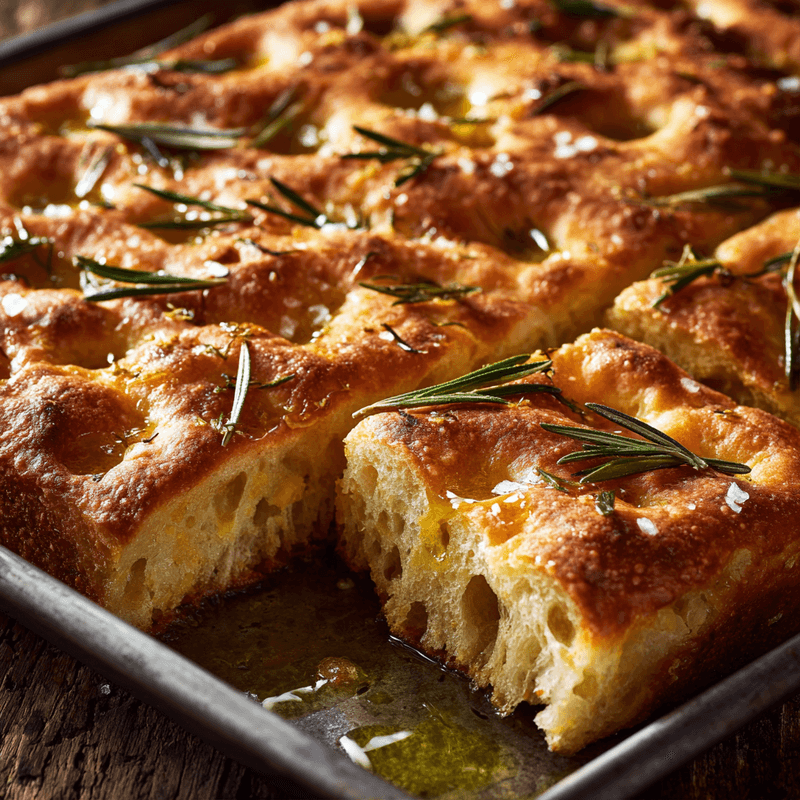
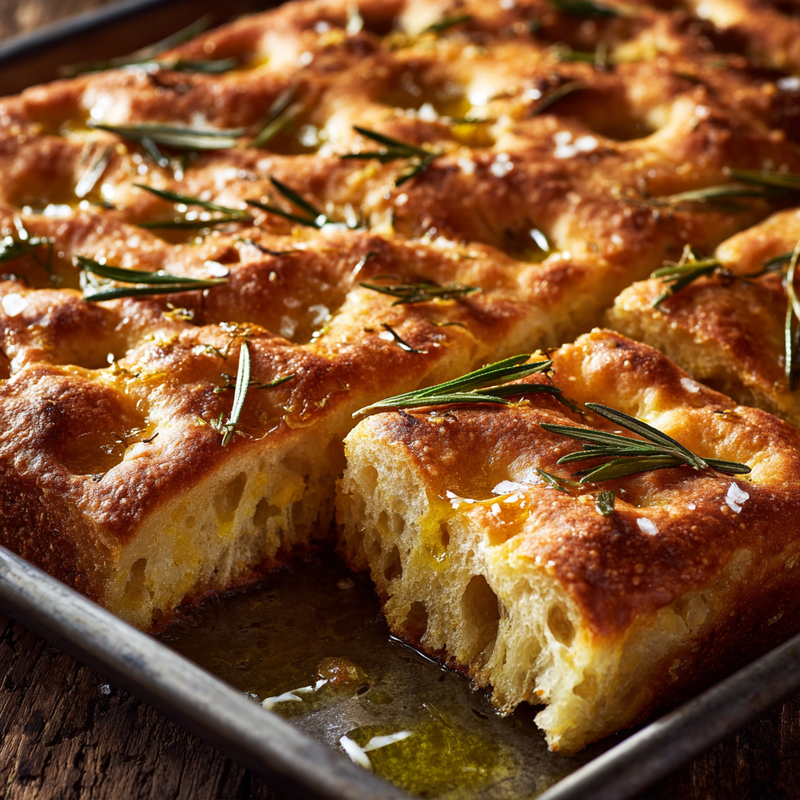
We've all been there—staring at a jar of sourdough discard, wondering if we should toss it or find a way to use it. The guilt of wasting those precious fermented bubbles is real, especially when you've been nurturing your starter like a beloved plant. But what if I told you that your discard is the secret ingredient to the most incredible, pillowy, olive-oil-drenched focaccia you'll ever make? This homemade sourdough discard focaccia transforms what many bakers consider waste into a show-stopping bread that looks like it came from an artisan bakery. Picture this: a golden-brown crust dimpled with your fingertips, glistening with olive oil, scattered with flaky salt and fresh herbs, hiding an airy, tender crumb underneath that practically melts on your tongue. The slight tang from the discard adds a complexity that regular focaccia simply can't match, while the fermentation helps create those beautiful air pockets that make each bite so satisfying. From mixing bowl to your dinner table, you're looking at maybe three hours total, with most of that being hands-off rise time while you go about your day. This isn't one of those recipes that demands your constant attention—it's forgiving, flexible, and absolutely worth every minimal minute of effort you'll put in.
Why This Is Your New Weeknight Go-To
It uses what you already have sitting in your fridge. That sourdough discard you've been collecting doesn't need to go down the drain anymore. Instead of feeling guilty about waste, you'll actually look forward to discard days because it means fresh focaccia is on the horizon. The tangy, complex flavor it brings to this bread is something you simply can't buy at the store.
Minimal hands-on time means maximum freedom. While traditional bread recipes demand kneading and constant monitoring, this homemade sourdough discard focaccia practically makes itself. You'll spend maybe ten minutes actively working, then let time and fermentation do the heavy lifting while you answer emails, fold laundry, or simply relax with a cup of tea.
One bowl, one pan, done. I'm not about to dirty every dish in my kitchen for one recipe, and I'm guessing you're not either. This focaccia keeps cleanup ridiculously simple—mix everything in one bowl, let it rise there, then transfer to your baking pan. No stand mixer required, no complicated equipment, just your hands and basic tools.
Everyone devours it, every single time. Whether you're serving picky eaters or adventurous food lovers, this bread wins them all over. The crispy, salty exterior combined with that soft, airy interior has universal appeal. Serve it alongside soup, turn it into sandwiches, or watch it disappear as an appetizer before the main course even hits the table.
It looks impossibly impressive with zero effort. Those signature dimples, the herb-speckled golden surface, the rustic shape—this homemade sourdough discard focaccia photographs like a dream and makes you look like a serious baker, even if this is your first attempt at bread-making.
Simple Ingredients, Big Flavor
The beauty of this recipe lies in how it transforms everyday pantry staples into something truly special. Your sourdough discard is the star here—anywhere from one to two cups works perfectly, and it doesn't matter if your discard is a day old or a week old, fed or unfed. That tangy, slightly fermented flavor is exactly what gives this focaccia its signature depth and helps create those beautiful air pockets in the crumb.
All-purpose flour forms the foundation, and I love that you don't need fancy bread flour for excellent results. Regular all-purpose creates a tender crumb that's perfect for focaccia—not too chewy, not too cake-like, just right. If you happen to have bread flour on hand, you can absolutely use it, but don't make a special trip to the store.
Olive oil plays a dual role here, both in the dough and generously drizzled on top. Don't skimp on quality—since olive oil is such a prominent flavor, especially in that crispy, golden crust, using something you'd actually want to taste makes a noticeable difference. I'm not saying you need the most expensive bottle, just something fresh and fruity that you enjoy.
Warm water activates the yeast and brings everything together into a shaggy, sticky dough. The temperature matters here—you want it warm to the touch but not hot, around body temperature. Too hot and you'll kill the yeast; too cold and the rise will take forever.
Active dry yeast or instant yeast gives the dough its lift and creates that airy texture. Even though we're using sourdough discard, we need commercial yeast to ensure a reliable, relatively quick rise. The discard contributes flavor and texture, while the yeast handles the heavy lifting.
Salt is crucial for flavor development—it brightens everything and makes the bread taste like bread rather than bland dough. I use fine sea salt in the dough and finish with flaky salt on top for textural contrast and little bursts of salinity in every bite.
Fresh rosemary or whatever herbs you love bring aromatic complexity. Rosemary is classic for focaccia, but thyme, oregano, or even za'atar work beautifully. If fresh herbs aren't available, dried work in a pinch, though you'll want to use about half the amount since dried herbs pack more concentrated flavor.
Step-by-Step in Plain English
Stage one is all about mixing and initial rest. In your large bowl, whisk together the flour, yeast, and salt until evenly distributed. Add your sourdough discard, warm water, and a generous glug of olive oil, then stir everything with a wooden spoon or your hands until no dry flour remains. The dough will look shaggy, sticky, and quite wet—this is exactly right. Don't be tempted to add more flour; that moisture is what creates the open, airy crumb. Cover the bowl with a damp towel and let it rest for about thirty minutes. This short rest allows the flour to fully hydrate and gives the gluten a head start on developing without any kneading required.
Stage two involves stretch and folds for structure. After that initial rest, you'll perform a series of gentle stretch and folds. With wet hands to prevent sticking, grab one edge of the dough, stretch it up, and fold it over onto itself. Rotate the bowl a quarter turn and repeat. Do this four times total—north, east, south, west. This technique builds strength in the dough without aggressive kneading, creating those beautiful air pockets while developing just enough structure to hold its shape. Cover again and rest for thirty minutes, then repeat this stretch-and-fold process two more times. Each time, you'll notice the dough becoming smoother, more elastic, and increasingly cooperative.
Stage three is the bulk rise where magic happens. After your final stretch and fold, cover the bowl and let the dough rise until it's doubled in size and looking puffy and alive with bubbles. Depending on your kitchen temperature, this takes anywhere from one to two hours. Warmer kitchens move faster; cooler spaces take their time. You'll know it's ready when you see a noticeable increase in volume and the surface looks aerated. This is when the yeast is working overtime, creating all those gases that will become air pockets in the finished bread.
Stage four is shaping and the final proof. Generously oil your baking pan—and I mean generously, with at least three to four tablespoons of olive oil coating the bottom and sides. Turn your risen dough out into the pan and gently coax it toward the edges. It probably won't reach the corners yet, and that's fine. Let it rest in the pan for fifteen minutes, then return and gently press and stretch it to fill the pan completely. Those iconic focaccia dimples come next—use your fingertips to press straight down through the dough to the bottom of the pan, creating deep indentations all over the surface. Drizzle more olive oil over the top, letting it pool in those dimples. Scatter your herbs and flaky salt across the surface, then cover and let it rise for another forty-five minutes to an hour until puffy and pillowy.
Stage five is baking to golden perfection. Slide your pan into a preheated oven and let the heat work its magic for twenty to twenty-five minutes. You're looking for a deep golden-brown color across the top, with the edges taking on an even darker, almost caramelized hue. The olive oil will be sizzling around the edges, and your kitchen will smell absolutely incredible. When you pull it from the oven, the bottom should sound hollow when tapped, and the bread should easily release from the pan. Let it cool for at least ten minutes before cutting—I know it's torture to wait, but those first few minutes allow the interior crumb to set properly.
Stage six is savoring your success. Transfer your homemade sourdough discard focaccia to a cutting board and slice it into generous squares or rectangles. The exterior should shatter slightly under your knife, giving way to that tender, hole-riddled interior. Serve it warm, at room temperature, or even the next day toasted—each way offers its own pleasures.
Pro Shortcuts and Time-Savers
Prepare your discard mixture the night before and let it sit in the refrigerator overnight for an extended cold fermentation. This slow rise develops even more complex flavors while fitting perfectly into a busy schedule. In the morning, bring it to room temperature for about an hour, then proceed with shaping and the final rise. You'll have fresh focaccia by lunchtime with almost no morning effort.
Use a stand mixer with the dough hook if you prefer a more hands-off approach to the initial mixing. Combine all ingredients and let the mixer run on low for about three minutes until the dough comes together. You'll still want to do the stretch-and-fold technique for best results, but the initial mixing becomes even easier.
Prep your toppings in advance by washing and chopping fresh herbs, measuring out your finishing salt, and even mincing garlic if you're using it. Store everything in small containers in the fridge so when it's time to top your focaccia, you just grab and sprinkle. This is especially helpful when you're trying to get the bread into the oven quickly.
Double the batch and freeze one before baking. After the dough has completed its bulk rise, divide it between two pans, shape both, then wrap one tightly in plastic wrap and freeze. When you're ready to bake it, let it thaw in the refrigerator overnight, bring to room temperature, dimple, top, give it a quick final rise, and bake. Fresh bread with half the work.
Invest in a quality quarter sheet pan if you make this homemade sourdough discard focaccia regularly. The heavy-duty pans conduct heat evenly, preventing burnt bottoms and ensuring that gorgeous golden crust forms uniformly. They're inexpensive, last forever, and make a noticeable difference in your final product.
Ways to Switch It Up
Try a cherry tomato and garlic version by pressing halved cherry tomatoes into the dimples alongside thinly sliced garlic cloves before the final rise. The tomatoes release their juices during baking, creating little pockets of concentrated sweetness that contrast beautifully with the salty, herby bread. Add fresh basil after baking for an aromatic finish.
Go Mediterranean with olives and sun-dried tomatoes scattered across the top along with oregano or za'atar. The briny olives and concentrated tomato flavor transform this homemade sourdough discard focaccia into something that tastes like it came from a coastal village bakery. Use a mix of olives—both green and dark—for visual interest and complex flavor.
Make it caramelized onion and thyme focaccia by slowly cooking sliced onions until golden and jammy, then spreading them across the dough before baking. The sweetness of the onions against the tangy sourdough and earthy thyme creates an incredibly sophisticated flavor profile. This version is stunning served alongside roasted vegetables or soup.
Create a spicy version with red pepper flakes and garlic for those who like heat. Mix red pepper flakes into the olive oil you drizzle on top, and press thin garlic slices into the dimples. The oil carries the spice throughout, and the garlic mellows and sweetens as it bakes. This pairs incredibly well with creamy dips or sharp cheeses.
Turn it into a sweet breakfast focaccia by reducing the salt slightly and topping with honey, fresh figs, and a sprinkle of coarse sugar before baking. After it comes out of the oven, drizzle with more honey and perhaps add some chopped nuts. It's an unexpected twist that makes for an impressive brunch offering.
Storing Leftovers the Right Way
Store your homemade sourdough discard focaccia at room temperature wrapped in aluminum foil or in an airtight container for up to three days. The olive oil in and on the bread helps keep it moist longer than typical bread would stay fresh. Just keep it away from direct sunlight and heat sources, somewhere cool and dry like your countertop or breadbox.
For longer storage, freeze individual portions wrapped tightly in plastic wrap, then placed in a freezer bag with as much air pressed out as possible. Properly stored, frozen focaccia maintains its quality for up to three months. When you're ready to enjoy it, thaw at room temperature for a few hours or overnight in the refrigerator.
Reheating focaccia correctly makes all the difference between sad, rubbery bread and something nearly as good as fresh. The oven method reigns supreme—wrap pieces in foil and warm at 350°F for about ten minutes, then unwrap and let them crisp for another two to three minutes. This restores both the tender interior and that coveted crispy exterior. The stovetop works too: heat a dry skillet over medium heat and warm slices for a minute or two per side until crispy outside and soft within. The microwave is your last resort—it works in a pinch for softening the bread but won't restore any crispiness, so if you must microwave, do it in ten-second bursts and consider finishing in a toaster.
Repurpose leftover focaccia by cutting it horizontally to make incredible sandwiches—the sturdy bread holds up to generous fillings without falling apart. Cube it and toast for the most flavorful croutons you've ever tossed on a salad. Or tear it into chunks and use it as the base for a bread salad, letting the pieces soak up a bright vinaigrette along with ripe tomatoes, cucumbers, and fresh herbs.
Quick Answers to Common Questions
Can I prep this homemade sourdough discard focaccia ahead of time?
Absolutely, and there are several make-ahead approaches that work beautifully. The most hands-off method is mixing your dough the night before and letting it rise slowly in the refrigerator overnight. In the morning, let it come to room temperature for about an hour, then proceed with shaping, dimpling, and the final rise. You can also shape it in the pan and refrigerate overnight, then let it come to room temperature and give it a short final rise before baking fresh.
What if I don't have a stand mixer or dough whisk?
You absolutely don't need any special equipment for this recipe—your hands and a sturdy wooden spoon work perfectly. The dough is quite wet and sticky, which actually makes it easier to mix by hand than stiffer bread doughs. Just stir until no dry flour remains, then use the stretch-and-fold technique to develop the gluten. This is actually a wonderful recipe for beginning bakers because it proves you don't need fancy tools to make impressive bread.
Can I double the recipe and bake it in a larger pan?
Yes, doubling works great if you're feeding a crowd or want leftovers for the week ahead. Use a 9x13-inch pan or a large rimmed baking sheet, making sure to adjust the oil accordingly so the bottom and sides are well-coated. The baking time might increase by five to ten minutes for a thicker focaccia, so keep an eye on the color and use the hollow-sound test to check for doneness.
How can I make this spicier or add more flavor?
The beauty of homemade sourdough discard focaccia is how well it accepts different toppings and mix-ins. For heat, mix red pepper flakes into your topping oil or sprinkle them directly on the dough before baking. Incorporate roasted garlic cloves into the dimples, or brush the finished bread with garlic-infused olive oil while it's still hot. You can also fold additions like chopped olives, sun-dried tomatoes, or caramelized onions directly into the dough during the final stretch and fold.
What are the best alternatives if I want to use different toppings?
Focaccia is incredibly versatile when it comes to toppings. Grapes halved and pressed into the dimples create a sweet-savory combination that's surprisingly addictive. Thinly sliced red onion becomes mellow and slightly sweet as it bakes. Fresh or roasted garlic cloves add pungent depth. Seeds like sesame, nigella, or sunflower provide crunch and visual interest. Even thin slices of vegetables like zucchini or bell pepper work beautifully. The key is not to overload the dough—choose two or three toppings maximum so each flavor can shine.
Does the age or feeding schedule of my discard matter?
Not really, which is what makes this recipe so forgiving and practical. Whether your discard is freshly removed from a recently fed starter or it's been sitting in the fridge for a week, it'll work in this focaccia. Older, more mature discard tends to have a tangier flavor, which many people prefer for the extra complexity it brings to the bread. Very fresh discard will be milder. Since we're using commercial yeast for the rise rather than depending on wild yeast activity, the fermentation state of your discard affects flavor more than leavening power, giving you lots of flexibility in how you use it.
Homemade Sourdough Discard Focaccia
Transform sourdough discard into golden, pillowy focaccia with crispy edges, tender crumb, and aromatic herbs. Simple ingredients create bakery-quality bread at home.
Prep Time
20 min
Cook Time
25 min
Total Time
3h 15m
Servings
8 servings
Ingredients
For 8 servings
- 1 cup (240g) sourdough discard, unfed
- 3 cups (360g) all-purpose flour
- 1 cup (240ml) warm water
- 1/4 cup (60ml) olive oil, plus more for pan and topping
- 2 teaspoons active dry yeast
- 2 teaspoons fine sea salt
- 1 tablespoon fresh rosemary, chopped
- Flaky sea salt, for topping
- Additional fresh herbs for topping, optional
Instructions
- 1
Mix the dough
In a large mixing bowl, whisk together the all-purpose flour, active dry yeast, and fine sea salt until evenly combined. Add the sourdough discard, warm water, and 1/4 cup olive oil to the dry ingredients. Using a wooden spoon or your hands, mix everything together until no dry flour remains and you have a shaggy, sticky dough. The dough will appear quite wet—this is correct and creates the airy texture.
- 2
Initial rest period
Cover the bowl with a damp kitchen towel or plastic wrap and let the dough rest at room temperature for 30 minutes. This autolyse period allows the flour to fully hydrate and begins gluten development without kneading. The dough will start to relax and become more cohesive during this time.
- 3
First stretch and fold
Wet your hands to prevent sticking, then grab one edge of the dough and stretch it upward, folding it over onto itself. Rotate the bowl 90 degrees and repeat this stretching and folding motion three more times, working your way around the bowl. Cover and let rest for 30 minutes. This gentle technique builds structure in the dough.
- 4
Additional stretch and folds
Repeat the stretch and fold process two more times, with 30-minute rest periods between each set. After each round, you'll notice the dough becoming smoother, more elastic, and easier to handle. By the final stretch and fold, the dough should feel noticeably stronger and hold its shape better.
- 5
Bulk fermentation rise
After the final stretch and fold, cover the bowl and let the dough rise at room temperature until doubled in size, about 1 to 2 hours depending on your kitchen temperature. The dough should look puffy and aerated with visible bubbles on the surface. A warmer kitchen will speed up this process, while cooler temperatures will take longer.
- 6
Prepare the pan
Generously coat a 9x13-inch baking pan or similar-sized rimmed baking sheet with 3 to 4 tablespoons of olive oil, making sure to cover the bottom and sides completely. This abundant oil creates the signature crispy bottom crust and prevents sticking. Turn the risen dough out into the prepared pan and gently coax it toward the edges, though it won't reach the corners yet.
- 7
Shape and dimple
Let the dough rest in the pan for 15 minutes to relax, then gently press and stretch it to fill the pan completely, reaching into all corners. Using your fingertips, press straight down through the dough to the bottom of the pan, creating deep dimples across the entire surface. These dimples are the hallmark of focaccia and will hold pools of olive oil and toppings.
- 8
Add toppings and final rise
Drizzle another 2 to 3 tablespoons of olive oil over the dimpled surface, letting it pool in the indentations. Scatter the fresh rosemary and flaky sea salt evenly across the top, along with any additional herbs or toppings you're using. Cover the pan and let the dough rise for 45 minutes to 1 hour until noticeably puffy and pillowy.
- 9
Preheat the oven
While the dough completes its final rise, preheat your oven to 425°F (220°C). Position the oven rack in the center for even heat distribution. The hot oven is crucial for achieving that golden, crispy exterior while keeping the interior tender.
- 10
Bake to golden perfection
Place the pan in the preheated oven and bake for 20 to 25 minutes, until the focaccia is deeply golden brown on top with darker, caramelized edges. The olive oil around the edges should be sizzling and bubbling. The bread is done when the bottom sounds hollow when tapped and the bread easily releases from the pan.
- 11
Cool and serve
Remove the focaccia from the oven and let it cool in the pan for 10 minutes to allow the interior crumb to set. Transfer to a cutting board and slice into squares or rectangles. Serve warm, at room temperature, or toasted. The bread is best enjoyed the day it's made but stays fresh for up to three days stored properly.
Nutrition Facts
Per serving (estimated)
285 calories
Calories
38g
Carbs
6g
Protein
12g
Fat
2g
Fiber
590mg
Sodium
1g
Sugar