Homemade Soup Dumplings Meal Prep Guide | Xiao Long Bao
Master homemade soup dumplings for weekly meal prep. Learn to batch-cook authentic xiao long bao, store them properly, and enjoy restaurant-quality dumplings all week.
cookwithlucia.com/recipes/homemade-soup-dumplings-xiao-long-bao
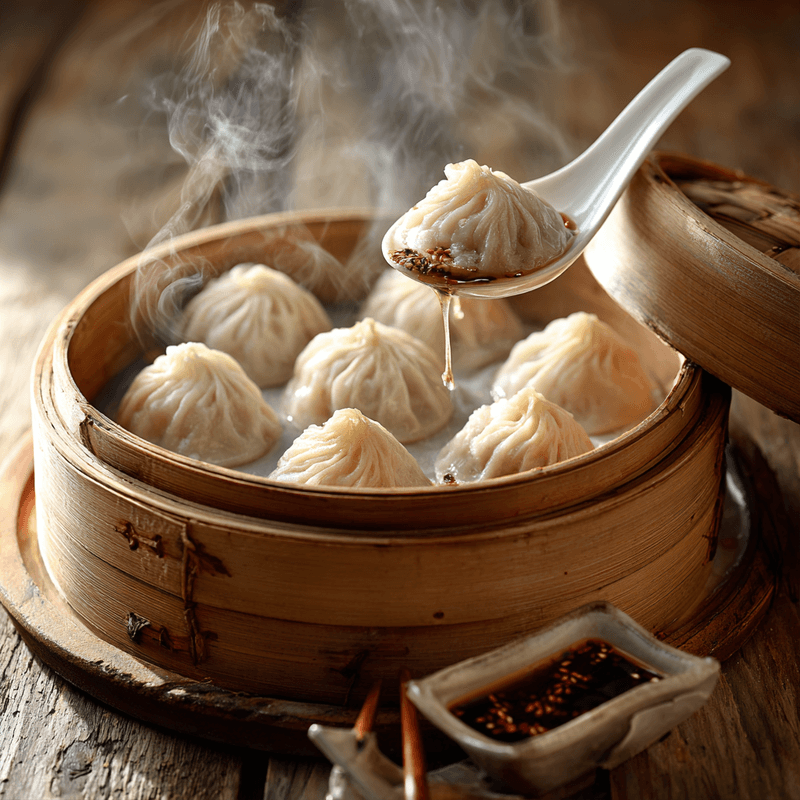
There's something magical about cracking open a delicate dumpling and watching aromatic broth spill onto your spoon. But most of us think homemade soup dumplings are reserved for restaurants or special weekend projects. What if I told you that you could dedicate one Sunday afternoon to preparing a week's worth of these incredible xiao long bao, ready to steam whenever hunger strikes? The frustration of deciding what to cook every single evening, the takeout bills piling up, the 6 PM scramble through the refrigerator—all of that disappears when you've got beautiful homemade soup dumplings waiting in your freezer. This recipe transforms what seems like an intimidating restaurant specialty into your weekly meal prep superpower.
I've designed this approach specifically for batch preparation, because making just eight dumplings takes nearly the same effort as making eighty. The dough comes together in one mix, the filling gets prepared in one bowl, and the gelatin-based broth (we'll use halal beef gelatin) sets in one pan. Once you've got your assembly line set up, you'll find a rhythm that's almost meditative. Picture this: Sunday afternoon, your favorite playlist going, and by evening you'll have portioned containers of homemade soup dumplings ready for five days of satisfying lunches or quick dinners. Each bite will remind you why you invested that time, and your coworkers will absolutely ask where you ordered from when that steam rises from your lunch container.
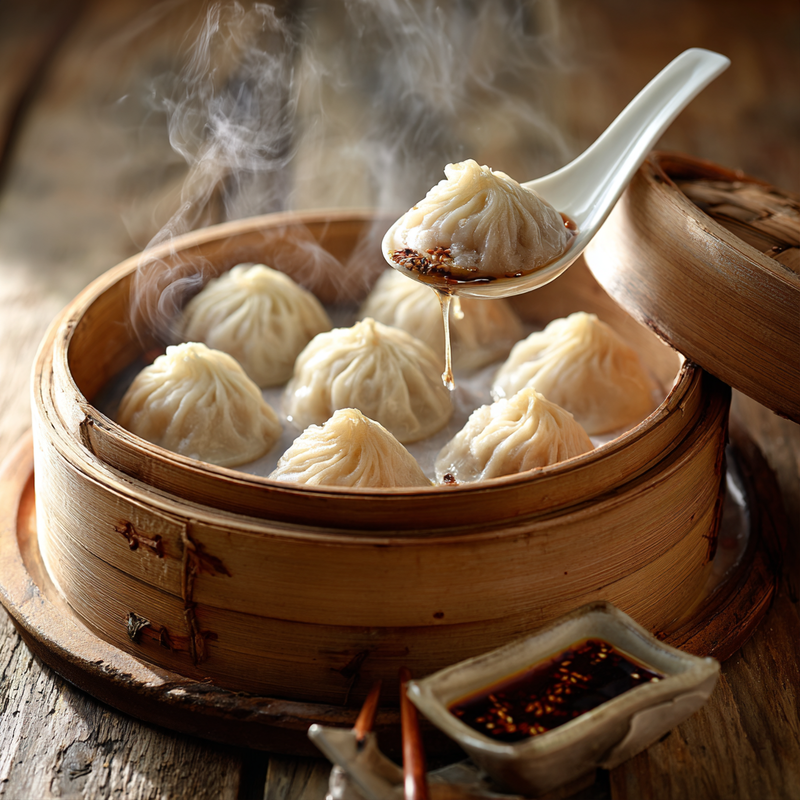
Why Homemade Soup Dumplings Are Perfect for Meal Prep
The genius of xiao long bao for meal prep lies in how well they freeze. Unlike many delicate dishes that suffer from advance preparation, homemade soup dumplings actually benefit from the freezing process. The dough remains pliable and doesn't dry out when properly stored, while the filling stays perfectly encapsulated. The magic gelatin broth inside solidifies completely when cold, making these dumplings incredibly stable during freezing and easy to handle without breaking.
Flavor development is another major advantage. The ginger, garlic, and aromatics in the filling meld together beautifully over the first day or two in the refrigerator. By midweek, your dumplings taste even more cohesive than they did fresh. The filling seasonings penetrate throughout, creating a more harmonious bite. This is one of those rare recipes where day three might actually be better than day one.
Nutritionally, these dumplings offer a complete meal in each little package. You've got protein from the meat, carbohydrates from the wrapper, and rich broth that provides hydration and mineral content. The filling vegetables add fiber and vitamins, while the broth gelatin supports joint health and digestion. When you pair five or six dumplings with a quick cucumber salad or some steamed greens, you've got a balanced meal that rivals anything you'd order out.
The texture holds up remarkably well through refrigeration and reheating. The pleated wrapper maintains its delicate-yet-sturdy structure, the filling stays juicy, and the broth reliquefy perfectly during steaming. Unlike fried foods that go soggy or grain bowls that get mushy, homemade soup dumplings emerge from reheating nearly identical to their freshly made state. This reliability makes them ideal for people who need consistency in their weekly meal rotation.
What You'll Need for Batch Soup Dumpling Production
The wrapper dough requires just three ingredients: all-purpose flour, hot water, and a pinch of salt. For meal prep purposes, I always make a double or triple batch of dough because it freezes beautifully for up to three months. The hot water method creates a pliable dough that's easier to work with than cold water versions, and it holds up better during freezing. Buy your flour in bulk if you're planning to make homemade soup dumplings regularly—a five-pound bag will carry you through several weeks of meal prep sessions.
For the filling, you'll need ground chicken or beef (ensure it's halal certified), fresh ginger, green onions, soy sauce, sesame oil, and white pepper. The key to meal prep success here is using meat with about 15-20% fat content. Too lean and your filling becomes dry after storage; too fatty and the dumplings become greasy. I buy my ground meat from a trusted halal butcher and portion it immediately when I get home, freezing what I won't use within two days. This advance organization makes your actual meal prep day much smoother.
The soup element comes from halal beef gelatin sheets or powder mixed with a rich broth you'll make from beef bones, ginger, and green onions. This is the component that requires the most advance planning because the broth needs to simmer for at least two hours, then chill completely until firm. I actually make my gelatin broth the day before my dumpling assembly session, letting it set overnight in the refrigerator. When firm, you'll cut it into small cubes that get wrapped inside each dumpling. During steaming, these cubes melt back into that signature hot soup.
Storage containers make or break meal prep success with xiao long bao. Invest in shallow, wide containers rather than deep ones—you want dumplings in a single layer, never stacked, to prevent sticking and breaking. Parchment paper squares between layers work if you must stack them. For freezing uncooked dumplings, I use rimmed baking sheets lined with parchment, freeze until solid, then transfer to freezer bags. This prevents them from freezing into one giant clump. You'll also want a bamboo steamer or metal steamer basket lined with cabbage leaves or parchment to prevent sticking during the actual cooking.
The Batch Cooking Method for Xiao Long Bao
Start your meal prep session by making the broth gelatin, but only if you didn't prepare it the day before. Simmer beef bones with ginger slices, green onion, and a splash of soy sauce for two to three hours until deeply flavored. Strain completely, then bloom your halal beef gelatin according to package directions and whisk it into the hot broth. Pour into a shallow pan and refrigerate for at least four hours or overnight. You need this completely firm before you can dice it into the tiny cubes that will become your soup.
While the broth chills (or if it's already ready), prepare your filling. Mince ginger and green onions extremely fine—this is crucial because large pieces can tear the delicate wrapper. Mix your ground meat with the aromatics, soy sauce, sesame oil, white pepper, and a small amount of sugar to balance the flavors. The mixture should be sticky and cohesive. Refrigerate this for at least thirty minutes to let the flavors develop and make it easier to handle. Cold filling is significantly easier to portion onto wrappers than room temperature filling.
The wrapper dough comes next. Bring water to a boil, then pour it over your flour and salt, stirring quickly with chopsticks or a wooden spoon. Once cool enough to handle, knead for eight to ten minutes until silky smooth. This dough needs to rest for at least thirty minutes covered with a damp towel. During this rest, the gluten relaxes, making rolling much easier. For batch cooking, I make three or four dough balls and let them rest while I portion the filling and cut the gelatin into tiny cubes.
Assembly is where the time investment pays off. Set up a production line: rolled wrappers on your left, a small bowl of cold water, your filling and gelatin cubes in the center, and a parchment-lined tray on your right. Roll each wrapper to about three inches in diameter, slightly thicker in the center than at the edges. Place a teaspoon of filling in the center, top with one or two gelatin cubes, then pleat around the edges—aim for at least twelve pleats for authenticity. The first ten will feel clumsy, but by dumpling twenty, your hands will find their rhythm. This is why batch cooking makes sense: the learning curve is steep at first, but once you're in the zone, you can produce dozens efficiently.
The Weekly Game Plan for Soup Dumpling Meal Prep
Saturday is your planning and shopping day. Write out your full ingredient list, check your pantry for soy sauce and sesame oil, and make sure you have enough halal beef gelatin. Visit your butcher for fresh ground meat and your Asian grocery for any specialty items. This is also when I check my freezer inventory—if I have leftover dumplings from a previous batch, I adjust my quantities accordingly. I also portion out time for Sunday: typically three to four hours for a batch of sixty to eighty homemade soup dumplings.
Sunday morning starts with broth making if you didn't do it Saturday night. Get those bones simmering early so the gelatin has maximum time to set. While it cooks, I usually prep other components of my weekly meals—washing salad greens, chopping vegetables for quick stir-fries, cooking a pot of rice. Multitasking during the passive cooking time makes the whole day more efficient. By early afternoon, your broth should be strained, gelatin added, and setting in the refrigerator.
Sunday mid-afternoon is dumpling assembly time. Clear your largest work surface, set out all your tools, and put on something enjoyable to listen to—this is meditative work once you get going. Make your dough, prepare your filling, and once your gelatin is firm enough to cube, begin the assembly process. I typically aim to have all dumplings formed by early evening. Then comes the decision: steam some for dinner tonight, refrigerate some for the next two days, and freeze the rest for later in the week.
Monday through Wednesday, you'll work from your refrigerated dumplings. These stay fresh for up to three days and steam up beautifully with just eight to ten minutes of cooking time. I usually pack four to six dumplings in a container with a separate small container of dipping sauce made from soy sauce, rice vinegar, and fresh ginger. At lunch, I steam them in the microwave with a small amount of water or use a desk steamer if my workplace has one. Thursday and Friday, I pull from the frozen stash, which needs just two extra minutes of steaming time.
Smart Storage and Reheating for Maximum Quality
Container selection matters enormously for homemade soup dumplings. Glass containers with tight-fitting lids are my top choice for refrigerated dumplings because they don't absorb odors and maintain consistent temperature. Look for wide, shallow containers—a nine-inch square with two-inch sides is perfect for a single layer of eight to twelve dumplings. Line the bottom with parchment paper cut to size, and if you must add a second layer, place another parchment sheet between them. Never let the dumplings touch each other if possible, as they'll stick together and tear when you try to separate them.
Refrigerated xiao long bao last three days maximum. Beyond that, the wrappers start absorbing moisture from the filling and become gummy. The filling itself remains safe to eat, but the texture declines noticeably. I always label my containers with the prep date and eat the oldest first. For dumplings you won't consume within three days, freezing is essential and actually produces better results than extended refrigeration.
Freezer storage requires a two-step process. First, arrange uncooked dumplings on a parchment-lined baking sheet with space between each one. Freeze uncovered for two to three hours until completely solid. Then transfer to freezer bags, removing as much air as possible. This flash-freezing method prevents the dumplings from becoming one frozen mass. Properly frozen homemade soup dumplings maintain quality for up to three months. Always write the date on your freezer bag and rotate your stock.
Reheating technique determines whether you get restaurant-quality results or disappointing mush. For refrigerated dumplings, bring your steamer water to a rolling boil before adding the dumplings. Steam for eight to ten minutes—you'll know they're done when the wrappers become translucent and you can see the filling inside. For frozen dumplings, don't thaw them first; steam directly from frozen for twelve to fourteen minutes. The microwave works in a pinch: place dumplings in a microwave-safe bowl with two tablespoons of water, cover with a damp paper towel, and microwave on high for three to four minutes. The texture isn't quite as perfect as traditional steaming, but it's acceptable for a quick office lunch.
Customization Ideas to Keep Your Week Interesting
The beauty of mastering homemade soup dumplings is that the technique stays the same while the fillings can vary infinitely. Swap ground chicken for ground lamb seasoned with cumin and coriander for a Central Asian twist. Use ground turkey with lots of fresh herbs like cilantro and mint for a lighter version. Beef remains traditional, but try mixing it with finely minced mushrooms for extra umami depth. Each protein variation changes the character of your weekly meals while using the same wrapper and technique you've already mastered.
Vegetable additions can dramatically shift the nutritional profile. Finely minced napa cabbage mixed with the meat adds moisture and fiber. Shiitake mushrooms contribute meaty texture and deep flavor. Water chestnuts provide a pleasant crunch that survives cooking and storage. Bamboo shoots add traditional authenticity. For each cup of meat, you can incorporate up to half a cup of vegetables without compromising the structural integrity of the dumpling. This flexibility means you can adapt based on what's fresh and affordable each week.
Sauce variations keep your palate from getting bored. The classic combination of soy sauce, rice vinegar, and ginger never disappoints, but try a spicy version with chili oil and Szechuan peppercorns. A sesame-based sauce with tahini, soy sauce, and a touch of honey creates creamy richness. For something bright and fresh, combine rice vinegar with thinly sliced cucumber and a pinch of sugar. I make three different sauces on my prep day and rotate them throughout the week, so the same xiao long bao feel like different meals.
Scaling strategies depend on your household size and freezer space. The recipe provided yields about sixty to seventy dumplings, perfect for one person eating them four to five times per week or a couple sharing them twice weekly. Double everything if you're feeding a family or want to build a larger freezer stash. Halve the recipe if you're just testing the meal prep waters. The time investment doesn't scale linearly—making twice as many dumplings doesn't take twice as long because so much of the work is in setup and the learning curve.
Meal Prep FAQ: Your Soup Dumpling Questions Answered
How long do homemade soup dumplings really last in the refrigerator?
Uncooked xiao long bao stay fresh for three days maximum when refrigerated properly in airtight containers lined with parchment. After three days, the wrappers begin absorbing moisture from the filling, becoming sticky and prone to tearing. The filling remains safe to eat for up to five days, but I never push it beyond three for quality reasons. If you know you won't eat them within that window, freeze them instead—frozen dumplings maintain better texture than over-refrigerated ones.
What containers work best for work lunches?
I recommend divided glass containers with one large compartment for dumplings and a smaller section for dipping sauce. The Pyrex Simply Store 4-cup rectangle works perfectly for six to eight dumplings. Make sure your container is microwave-safe if you'll be reheating at work. Bring a small amount of water in a separate container to add moisture during microwaving, which prevents the wrappers from drying out. Some offices have steamer baskets available in the kitchen—check before defaulting to the microwave.
Can kids take these in their lunchboxes?
Absolutely, though I recommend steaming them the night before and packing them cold with an ice pack rather than sending raw dumplings. Most schools don't have steaming facilities, and cold homemade soup dumplings are still delicious, just different—the soup inside stays gelatinous rather than liquid. Kids often love them this way. Pack with a thermos of hot broth on the side if your child has access to hot liquids. For older kids with access to microwaves, send reheating instructions: one minute on high with a damp paper towel covering them.
How do I avoid meal prep fatigue when eating the same thing multiple times?
This is where sauce rotation and side dish variation become crucial. I never eat homemade soup dumplings the exact same way twice in one week. Monday might be dumplings with spicy chili sauce and cucumber salad. Wednesday could be the same dumplings with ginger-soy sauce and miso soup. Friday might feature them with sesame sauce and quick-pickled vegetables. The dumplings themselves stay consistent, but the supporting elements create entirely different eating experiences. Also, I rarely do more than four dumpling meals per week—mixing in other meal prep recipes prevents burnout.
What's the best way to reheat at work without a steamer?
The microwave method works surprisingly well with the right technique. Place four to six dumplings in a microwave-safe bowl, add three tablespoons of water, and cover with a microwave-safe plate or damp paper towel. Microwave on high for two and a half to three minutes for refrigerated dumplings, or four to five minutes for frozen ones. Let them sit covered for one minute after microwaving to finish steaming. The wrappers won't be quite as perfectly translucent as traditional steaming produces, but they'll still be tender and delicious with hot soup inside.
Can I make the components ahead on different days?
Yes, and this is actually my preferred method when I'm short on time. Make the broth gelatin on Thursday evening, let it set overnight, and it's ready for Sunday assembly. Prepare the dough Saturday night and refrigerate it—just bring it to room temperature thirty minutes before rolling. Mix the filling Sunday morning and let it chill while you're doing other prep work. Breaking the process into stages makes it feel less overwhelming and fits better into busy schedules. The only component that doesn't hold well is rolled-out wrappers, which dry quickly and should be filled within minutes of rolling.
Homemade Soup Dumplings (Xiao Long Bao)
Delicate steamed dumplings filled with seasoned meat and rich, gelatinized broth that melts into hot soup when cooked. Perfect for meal prep and freezing.
Prep Time
90 min
Cook Time
10 min
Total Time
100 min
Servings
60 dumplings
Ingredients
For 60 dumplings
- 3 cups all-purpose flour
- 1 cup hot water (just boiled)
- 1/2 teaspoon salt
- 1 pound ground chicken or beef, halal certified
- 2 tablespoons fresh ginger, minced
- 4 green onions, finely chopped
- 3 tablespoons soy sauce
- 1 tablespoon sesame oil
- 1/2 teaspoon white pepper
- 1 teaspoon sugar
- 2 cups beef broth, homemade or halal certified
- 2 tablespoons halal beef gelatin powder
- 1 tablespoon soy sauce for broth
- 3 slices fresh ginger for broth
- 2 green onions for broth
- Parchment paper squares for steaming
Instructions
- 1
Prepare gelatin broth
In a medium pot, combine beef broth, ginger slices, green onions, and soy sauce. Simmer for 30 minutes to concentrate flavors. Strain out solids, then bloom gelatin in cold water for 5 minutes. Whisk bloomed gelatin into hot broth until completely dissolved. Pour into a shallow pan and refrigerate for at least 4 hours or overnight until completely firm.
- 2
Make the wrapper dough
Place flour and salt in a large bowl. Pour hot water over flour and stir quickly with chopsticks or a wooden spoon until a shaggy dough forms. Once cool enough to handle, knead on a clean surface for 8-10 minutes until smooth and elastic. Cover with a damp towel and let rest for 30 minutes.
- 3
Prepare the filling
In a large bowl, combine ground meat, minced ginger, chopped green onions, soy sauce, sesame oil, white pepper, and sugar. Mix in one direction with chopsticks or your hands for 3-5 minutes until the mixture becomes sticky and cohesive. Refrigerate for 30 minutes to firm up and develop flavors.
- 4
Cube the gelatin
Remove the firm broth gelatin from the refrigerator and cut into small cubes, about 1/4 inch in size. Keep these refrigerated until you're ready to assemble the dumplings. The gelatin should be completely solid and easy to cut cleanly.
- 5
Roll the wrappers
Divide the rested dough into four equal portions. Keep three covered while working with one. Roll the portion into a long rope about 3/4 inch in diameter, then cut into small pieces weighing about 10 grams each. Roll each piece into a thin circle about 3 inches in diameter, keeping the center slightly thicker than the edges.
- 6
Fill the dumplings
Place a wrapper in your palm. Add about 1 teaspoon of filling in the center, then top with 1-2 cubes of the gelatin. Be careful not to overfill, as this will make pleating difficult and can cause the dumplings to burst during cooking.
- 7
Pleat and seal
Using your dominant hand, make small pleats around the edge of the wrapper while rotating the dumpling in your other palm. Aim for at least 12-14 pleats for a traditional appearance. Pinch and twist the top to seal completely, ensuring no filling is exposed. The dumpling should look like a small money bag with pleated sides.
- 8
Arrange for cooking
Place completed dumplings on parchment paper squares or a parchment-lined steamer basket, leaving space between each one to prevent sticking. If meal prepping, arrange on baking sheets and freeze until solid before transferring to freezer bags.
- 9
Steam the dumplings
Bring water to a rolling boil in your steamer. Place dumplings in the steamer basket, still on their parchment squares, leaving space between each. Cover and steam for 8-10 minutes for fresh dumplings, or 12-14 minutes for frozen ones. The wrappers should become translucent and you should see the filling inside.
- 10
Serve immediately
Carefully remove the steamer from heat. Transfer dumplings to serving plates with a thin spatula or chopsticks, being gentle to avoid breaking them. Serve hot with dipping sauce made from soy sauce, rice vinegar, and fresh ginger. To eat, gently bite a small hole in the wrapper, sip the hot soup, then eat the rest of the dumpling.
Nutrition Facts
Per serving (estimated)
45 calories
Calories
5g
Carbs
3g
Protein
1.5g
Fat
0.5g
Fiber
95mg
Sodium
0.5g
Sugar