Homemade Soup Dumplings That Will Amaze Your Guests
Learn to make impressive homemade soup dumplings with silky wrappers and flavorful broth inside. Restaurant-quality results in your own kitchen!
cookwithlucia.com/recipes/homemade-soup-dumplings
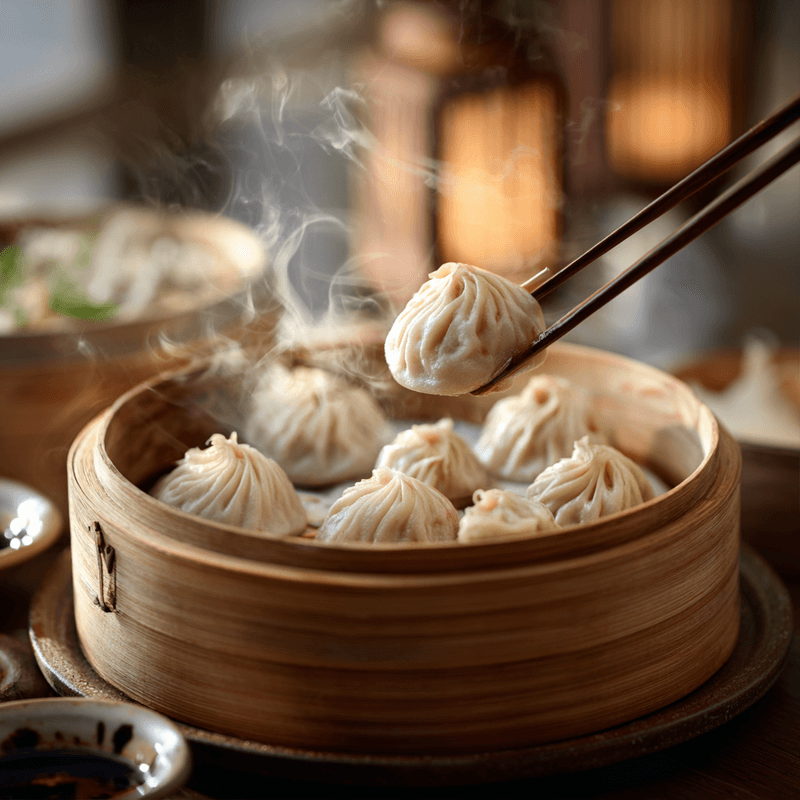
Picture this: you set down a bamboo steamer basket at the table, lift the lid, and watch as steam rises to reveal translucent dumplings sitting in neat rows. Your guests lean forward, eyes widening as they notice the way each dumpling seems to glow with an internal liquid shimmer. Someone inevitably asks if you ordered takeout from that famous spot downtown. When you tell them you made these homemade soup dumplings yourself, the room goes quiet with impressed disbelief.
I understand that moment of hesitation before you attempt something this special. Homemade soup dumplings have a reputation for being intimidating, reserved for dim sum masters with decades of experience. But here's what I've learned: the technique is surprisingly manageable once you understand the simple science behind it. The magic lies in creating a gelatinized broth that melts into liquid when steamed, encased in a delicate wrapper you'll learn to pleat with practice.
What makes homemade soup dumplings truly special is the way they transform ordinary ingredients into an interactive dining experience. Each dumpling is a complete sensory journey: you bite carefully into the thin skin, sip the hot savory broth, then savor the seasoned filling. It's theater on a plate, and you're about to become the director of this culinary production.
What Makes This a Showstopper
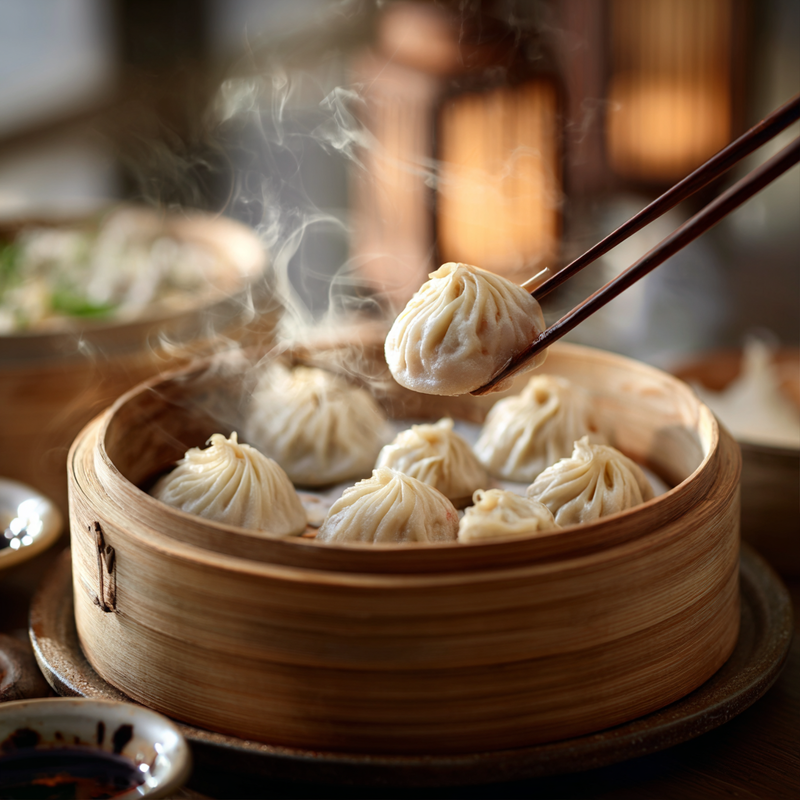
The visual impact of homemade soup dumplings cannot be overstated. When light hits those translucent wrappers just right, you can actually see the liquid broth swirling inside like a tiny snow globe of flavor. The pleated tops gather in delicate folds that demonstrate care and attention, while the bottoms rest flat and sturdy in the steamer. These aren't messy, rustic dumplings—they're architectural marvels that happen to be edible.
The flavor experience begins before the first bite. As you lift a dumpling with your chopsticks or spoon, the weight of the soup inside becomes apparent. You can feel the liquid moving. That first careful nibble releases a burst of hot, savory broth infused with ginger and aromatics that floods your palate. The meat filling follows with its own seasoned richness, while the wrapper provides a silky, almost noodle-like texture that ties everything together.
What truly impresses is that homemade soup dumplings require no exotic equipment or professional training. You're working with basic pantry ingredients, a rolling pin, and a steamer setup you can improvise with items you likely already own. The technique is repetitive and meditative rather than complex. After your third or fourth dumpling, your hands begin to understand the motion, and by the end of a batch, you'll have developed genuine muscle memory.
These are the dumplings people pay premium prices for at renowned dim sum restaurants. When you serve them at home, you're offering an experience that feels luxurious and rare, yet you've created it with patience and attention rather than expensive ingredients or specialized training.
The Ingredients That Matter Most
The wrapper dough for homemade soup dumplings is deceptively simple: all-purpose flour and hot water. The heat is crucial because it partially cooks the flour, creating a more pliable dough that rolls paper-thin without tearing. Some recipes add a touch of salt, but the minimalism is intentional. You want wrappers that taste clean and delicate, never distracting from the broth and filling they contain.
The gelatin base transforms ordinary broth into soup magic. I use unflavored beef gelatin mixed with rich chicken stock, though you can make your own gelatinized stock by simmering chicken feet or bones until the liquid sets when chilled. This solidified broth is what you'll chop into cubes and wrap inside each dumpling. When steamed, it melts back into liquid form, creating that signature soup pocket.
For the filling, ground chicken or beef works beautifully in homemade soup dumplings. I prefer meat with some fat content—around fifteen to twenty percent—because it stays moist and contributes to the overall juiciness. The meat gets seasoned with fresh ginger, which provides aromatic warmth without overwhelming the delicate broth. Soy sauce adds depth and saltiness, while a touch of sesame oil brings nutty richness.
Fresh ginger root is non-negotiable. The bright, zingy heat of freshly grated ginger cuts through the richness of the meat and complements the savory broth perfectly. Dried ginger powder cannot replicate this flavor. Similarly, using fresh green onions adds a mild allium sweetness and visual appeal with those tiny green flecks throughout the filling.
Quality soy sauce makes a noticeable difference in the final flavor profile. Look for naturally brewed varieties with short ingredient lists. The soy sauce seasons the meat filling and can also be served alongside your homemade soup dumplings as a dipping option for those who want extra savory intensity.
Building It Step by Step
The process begins with creating your soup base, which needs several hours to solidify completely. Bloom your gelatin in cold water, then heat your chicken stock until steaming. Whisk the bloomed gelatin into the hot stock along with soy sauce and grated ginger, stirring until everything dissolves completely. Pour this mixture into a shallow dish and refrigerate for at least four hours or overnight. You'll know it's ready when you can tap the surface and it jiggles like firm pudding. Dice this gelatinized broth into small cubes and keep them cold until assembly time.
While your soup base chills, prepare your wrapper dough. Bring water to a full boil, then pour it over your flour while stirring with chopsticks or a fork. The mixture will look shaggy at first. Once it's cool enough to handle, knead it for eight to ten minutes until it becomes smooth and elastic. This develops the gluten structure that allows the wrappers to stretch thin without breaking. Wrap the dough tightly and let it rest for thirty minutes at room temperature. This resting period allows the gluten to relax, making rolling much easier.
For the filling, combine your ground meat with minced ginger, chopped green onions, soy sauce, sesame oil, and a pinch of white pepper. Mix in one direction for about two minutes until the mixture becomes slightly sticky and cohesive. This develops the protein structure that helps the filling hold together during steaming. Refrigerate the filling until you're ready to assemble your homemade soup dumplings.
Assembly is where patience pays off. Roll your dough into a long rope and cut it into equal portions—about twelve to fourteen grams each. Roll each portion into a thin circle, thinner at the edges than in the center. Place a small amount of filling in the middle, top with one or two cubes of the gelatinized broth, then pleat the edges together. The goal is twelve to eighteen pleats that gather at the top, though your first batch might have fewer. Each dumpling should be sealed completely with no gaps where soup could escape.
Steaming happens fast and requires attention. Line your steamer baskets with perforated parchment or cabbage leaves to prevent sticking. Arrange your homemade soup dumplings with space between them because they'll expand slightly. Steam over high heat for eight to ten minutes until the wrappers turn translucent and you can see the filling has cooked through. The wrappers should look glossy and slightly see-through, with the soup clearly visible as a liquid pool inside.
Presentation and Plating Tips
Serve your homemade soup dumplings directly in the bamboo steamer basket for maximum authenticity and visual impact. The natural bamboo provides beautiful contrast against the pale, glistening dumplings, and keeping them in the steamer maintains their temperature. Set the entire basket on a plate or tray to catch any drips and create a stable base at the table.
Garnish sparingly to let the dumplings themselves be the stars. A small dish of julienned fresh ginger and another of quality soy sauce provide classic accompaniments. Some people appreciate black vinegar for its complex, slightly sweet acidity. A few fresh cilantro leaves scattered around the steamer basket add a pop of green color without overwhelming the presentation.
If you want to elevate the plating further, serve each guest an individual small steamer basket with three to four dumplings inside. This creates a personal dining experience and makes it easier for everyone to access their dumplings while they're still piping hot. Individual servings also photograph beautifully from above, showing the neat arrangement of dumplings in their own basket.
When photographing your homemade soup dumplings, capture them immediately after removing the steamer lid while steam is still rising. The wisps of vapor add drama and convey freshness. Side angles that show the dumpling profile work well, as do overhead shots that display the pleated tops. Natural light from the side creates dimension and highlights the translucent quality of the wrappers.
Scaling Up for a Crowd
Doubling or tripling a batch of homemade soup dumplings is completely manageable with proper planning and workflow organization. The recipes scale linearly, so simply multiply all ingredients by your desired factor. The key is to work in stages rather than trying to prepare everything simultaneously. Make your gelatinized broth the day before, prepare double or triple the dough, and mix a larger batch of filling.
When making large quantities, recruit help for the assembly stage. Dumpling folding is inherently social and becomes faster with multiple hands. Set up a production line where one person rolls wrappers, another fills them, and a third person pleats and seals. This assembly-line approach can produce sixty to seventy dumplings in under an hour once everyone finds their rhythm.
For timing strategy, prepare your gelatinized broth two days ahead. Make your dough and filling the night before, keeping both refrigerated. On the day of serving, assemble your homemade soup dumplings two to three hours before your guests arrive, then arrange them on parchment-lined trays and refrigerate until steaming time. Uncooked dumplings can sit in the refrigerator for up to four hours before steaming without any quality loss.
Steaming in batches works perfectly fine since these are meant to be savored slowly rather than consumed all at once. Keep your first batches warm in a low oven while subsequent batches steam. Each round only takes eight to ten minutes, so you can maintain a steady flow of hot dumplings throughout your gathering.
Storing Any Leftovers
Uncooked homemade soup dumplings freeze exceptionally well, making them perfect for advance preparation. Arrange assembled dumplings on a parchment-lined baking sheet with space between each one, then freeze until solid, about two hours. Once frozen, transfer them to freezer bags or airtight containers where they'll keep for up to three months. Steam them directly from frozen, adding just two to three extra minutes to the cooking time.
Cooked dumplings are trickier to store because the wrappers lose their delicate texture and the soup tends to leak out as they cool. If you must store cooked leftovers, place them in an airtight container and refrigerate for up to twenty-four hours. The wrappers will become gummy and the soup will be absorbed into the filling, transforming them into regular dumplings rather than soup dumplings. They're still edible and tasty, just different.
For reheating cooked dumplings, steaming again for three to four minutes is your best option. This refreshes the wrappers somewhat, though they won't return to their original translucent glory. Alternatively, you can pan-fry refrigerated dumplings to create a crispy bottom, which gives them a new texture profile that compensates for the lost soup.
The gelatinized broth base keeps in the refrigerator for up to five days or frozen for three months. Extra filling can be refrigerated for two days or frozen for one month. Having these components prepared means you can roll out fresh dough and assemble a small batch of homemade soup dumplings whenever the craving strikes.
Variations to Explore
Shrimp and chicken combination filling creates a luxurious variation with added sweetness and a different texture. Mince raw shrimp coarsely and combine with ground chicken, adding a bit more ginger to complement the seafood. The resulting homemade soup dumplings have a slightly bouncy texture and a more delicate flavor profile that pairs beautifully with the savory broth.
Spicy variation lovers can add chili oil or fresh minced chilies to the filling mixture. Keep the heat level moderate so it enhances rather than overwhelms the soup experience. A few drops of chili oil in the broth base itself creates a spicy soup dumpling where the heat comes from the liquid rather than the meat.
Vegetable-forward versions replace the meat with finely chopped mushrooms, cabbage, and carrots seasoned generously with soy sauce and sesame oil. The gelatinized broth remains the same, providing that signature soup element. These lighter homemade soup dumplings work wonderfully as a first course or for guests who prefer plant-based options.
Mini soup dumplings made with smaller dough portions create adorable bite-sized versions perfect for serving as appetizers at gatherings. Use about eight grams of dough per wrapper instead of twelve, and reduce the filling and broth cube accordingly. These steam in just six minutes and can be eaten in one bite.
For weeknight simplicity, make larger wontons instead of traditionally pleated dumplings. Use purchased wonton wrappers and fold them into simple triangles or rectangles with the soup cube and filling inside. They won't have the impressive pleated appearance, but they'll deliver the same delicious soup-filled experience in half the assembly time.
Questions You Might Have
Can I make homemade soup dumplings a day ahead?
Absolutely, and this is actually my preferred method for entertaining. Assemble your dumplings completely, arrange them on parchment-lined trays, and cover tightly with plastic wrap before refrigerating. They'll hold beautifully for up to twenty-four hours. Steam directly from the refrigerator, adding just one extra minute to ensure the filling heats through completely.
Why did my soup leak out during steaming?
Leaking usually happens when the dough isn't sealed properly or when there are thin spots in the wrapper. Make sure you're pinching the pleats firmly and checking for any gaps before steaming. Also ensure your wrappers are rolled evenly—thin spots will burst under the pressure of the expanding soup. Using dough that's rested properly makes sealing much easier.
Can I use store-bought wrappers instead of homemade?
You can use dumpling wrappers from Asian grocery stores, though they're typically thicker than ideal for homemade soup dumplings. Look for the thinnest wrappers available, often labeled as Shanghai-style dumpling wrappers. Let them come to room temperature before using so they're pliable enough to pleat without cracking. The texture won't be quite as delicate as homemade, but they work in a pinch.
How many dumplings should I plan per person?
For a main course, plan on six to eight homemade soup dumplings per person. As an appetizer or part of a larger meal with multiple dishes, three to four per person is appropriate. These are rich and satisfying, so people tend to eat them slowly and mindfully rather than consuming large quantities quickly.
What's the best way to transport them to a potluck?
Transport uncooked dumplings in a sturdy container with parchment between layers, keeping them refrigerated until arrival. Bring your steamer setup with you and steam them on-site. If that's not possible, steam them just before leaving, keep them in the covered steamer, and reheat briefly when you arrive. They're best served within an hour of cooking.
Can I bake them instead of steaming?
Baking doesn't work for homemade soup dumplings because the soup inside would evaporate before the wrappers cooked through. The steaming environment is essential for keeping the liquid inside while cooking the dough and filling. If you don't have a bamboo steamer, you can improvise with a metal colander set over a pot of boiling water, covered with a lid.
Homemade Soup Dumplings
Delicate steamed dumplings filled with seasoned meat and hot savory broth that bursts when you bite into the silky wrapper. An impressive dish that's easier than you think.
Prep Time
90 min
Cook Time
10 min
Total Time
5h
Servings
24 dumplings
Ingredients
For 24 dumplings
- 2 cups all-purpose flour
- 3/4 cup boiling water
- 1 cup chicken stock
- 2 teaspoons unflavored beef gelatin
- 1 tablespoon soy sauce
- 1 teaspoon fresh ginger, grated
- 12 ounces ground chicken or beef
- 2 tablespoons fresh ginger, minced
- 3 green onions, finely chopped
- 2 tablespoons soy sauce
- 1 tablespoon sesame oil
- 1/4 teaspoon white pepper
- 1/4 teaspoon salt
Instructions
- 1
Prepare gelatinized broth
Sprinkle the gelatin over 3 tablespoons of cold water and let bloom for 5 minutes. Heat the chicken stock until steaming, then whisk in the bloomed gelatin, soy sauce, and grated ginger until completely dissolved. Pour into a shallow dish and refrigerate for at least 4 hours or until firmly set.
- 2
Make the dough
Place flour in a large bowl. Pour the boiling water over the flour while stirring with chopsticks or a fork until a shaggy dough forms. Once cool enough to handle, knead for 8-10 minutes until smooth and elastic. Cover tightly with plastic wrap and rest at room temperature for 30 minutes.
- 3
Prepare the filling
In a medium bowl, combine ground meat, minced ginger, green onions, soy sauce, sesame oil, white pepper, and salt. Mix in one direction for about 2 minutes until the mixture becomes sticky and cohesive. Refrigerate until ready to use.
- 4
Dice the broth
Remove the chilled gelatinized broth from the refrigerator. Cut it into small cubes, about 1/2 inch in size. Keep refrigerated until assembly to maintain firmness.
- 5
Portion the dough
Roll the rested dough into a long rope about 1 inch in diameter. Cut into 24 equal pieces, each weighing about 12-14 grams. Cover the pieces with a damp towel to prevent drying.
- 6
Roll the wrappers
Take one dough piece and flatten it with your palm. Using a small rolling pin, roll it into a thin circle about 3-4 inches in diameter, keeping the edges thinner than the center. The wrapper should be thin enough to be slightly translucent.
- 7
Fill the dumplings
Place about 1 tablespoon of filling in the center of a wrapper. Top with 1-2 cubes of the gelatinized broth. Be careful not to overfill or the dumpling will be difficult to seal.
- 8
Pleat and seal
Hold the wrapper in one hand and use your other hand to make small pleats around the edge, gathering them toward the center. Aim for 12-18 pleats, pinching firmly to seal completely with no gaps. Twist the top gently to close. Place on a parchment-lined tray.
- 9
Prepare for steaming
Line bamboo steamer baskets with perforated parchment paper or lightly oiled cabbage leaves to prevent sticking. Arrange dumplings in the steamer with about 1 inch of space between them as they will expand slightly during cooking.
- 10
Steam the dumplings
Bring water to a boil in your steamer pot. Place the steamer baskets over the boiling water, cover with the lid, and steam over high heat for 8-10 minutes. The wrappers should turn translucent and glossy, and you should be able to see the liquid soup inside.
- 11
Serve immediately
Carefully remove the steamer baskets from the heat. Serve the dumplings immediately in the steamer basket with small dishes of soy sauce, black vinegar, and julienned ginger on the side. Instruct guests to bite carefully and sip the hot soup first before eating the dumpling.
Nutrition Facts
Per serving (estimated)
65 calories
Calories
8g
Carbs
4g
Protein
2g
Fat
0.5g
Fiber
180mg
Sodium
0.5g
Sugar