Homemade Chocolate Lollipops: Weekly Meal Prep Guide
Make homemade chocolate lollipops once and enjoy sweet treats all week. Perfect batch recipe with storage tips and customization ideas.
cookwithlucia.com/recipes/homemade-chocolate-lollipops
There's something magical about opening your refrigerator and seeing a row of beautiful homemade chocolate lollipops waiting for you. Instead of scrambling to satisfy sweet cravings throughout the week or reaching for store-bought options, imagine having perfectly portioned, delicious treats ready whenever you need them. This batch cooking approach transforms a simple Sunday afternoon into a week's worth of delightful moments.
The beauty of making homemade chocolate lollipops in bulk lies in the efficiency and control it offers. One focused cooking session means you're melting chocolate, setting up molds, and decorating just once instead of five separate times. You choose the quality of ingredients, adjust sweetness levels, and create portion sizes that fit your needs. Whether you're preparing treats for your children's lunchboxes, planning sweet rewards throughout your week, or getting ready for a family gathering, this meal prep method delivers consistency and convenience without compromising on quality or taste.
This isn't just about saving time, though that's certainly a benefit. Making homemade chocolate lollipops as a batch project allows you to experiment with different flavor combinations, try various decorating techniques, and create a diverse collection that prevents treat fatigue. You'll discover that chocolate work, when done in larger quantities, becomes more economical and enjoyable. The process itself becomes meditative rather than rushed, and the results speak for themselves in both appearance and flavor.
Why This Recipe Is Perfect for Meal Prep
Chocolate is inherently meal-prep friendly, which makes homemade chocolate lollipops an ideal candidate for batch preparation. Unlike many confections that require precise timing or delicate handling immediately before serving, these treats actually benefit from resting time. The chocolate fully sets and hardens, developing a satisfying snap and stable structure that holds up beautifully throughout the week. The flavors you incorporate, whether vanilla, mint extract, or fruit essences, meld seamlessly with the chocolate base during storage, creating more harmonious taste profiles than freshly made versions.
The shelf stability of properly tempered chocolate means your homemade chocolate lollipops maintain their quality for extended periods without special storage requirements beyond basic refrigeration. They won't weep moisture, develop frost, or lose their glossy appearance when stored correctly. This resilience makes them perfect for portioning into daily treat containers or packing into lunchboxes without worry about texture degradation or melting issues, especially if you're working in climate-controlled environments.
From a nutritional standpoint, making homemade chocolate lollipops allows you to control portion sizes with precision. Each lollipop becomes a measured treat rather than an indefinite indulgence, helping with mindful eating practices throughout the week. You can adjust the size of your molds to create smaller everyday treats or larger special occasion lollipops, and you'll know exactly what goes into each one. The absence of preservatives, artificial colors, and stabilizers found in commercial versions means you're offering cleaner ingredients to your family while still satisfying sweet cravings in a controlled, planned manner.
What You'll Need
The foundation of exceptional homemade chocolate lollipops starts with quality chocolate, and for meal prep purposes, I recommend investing in compound chocolate or melting wafers specifically designed for candy making. These products contain stabilizers that make them more forgiving during the melting and setting process, and they don't require tempering like pure chocolate does. You'll need approximately two pounds of chocolate to create twenty to twenty-four lollipops, depending on your mold sizes. Choose semi-sweet, milk, or dark chocolate based on your family's preferences, or purchase multiple varieties to create assortment boxes.
Lollipop sticks are your structural component, and quality matters here for meal prep success. Food-grade paper sticks hold up better than plastic alternatives when stored in the refrigerator, as they don't become brittle or transfer any unwanted flavors. Purchase sticks that are appropriately sized for your molds, typically four to six inches for standard lollipops. For a week's worth of treats, you'll want at least twenty-five sticks to account for any mishaps during the preparation process.
Your decorating ingredients should be chosen with storage longevity in mind. Sprinkles, crushed freeze-dried fruit, finely chopped nuts, and edible glitter all maintain their texture and appearance throughout refrigerated storage. Avoid fresh fruit pieces or moisture-heavy toppings that could compromise the chocolate's integrity over time. For flavoring your homemade chocolate lollipops, use oil-based extracts rather than alcohol-based versions, as they incorporate more smoothly into melted chocolate without causing seizing. Vanilla, peppermint, orange, and almond extracts all work beautifully and remain potent throughout the week.
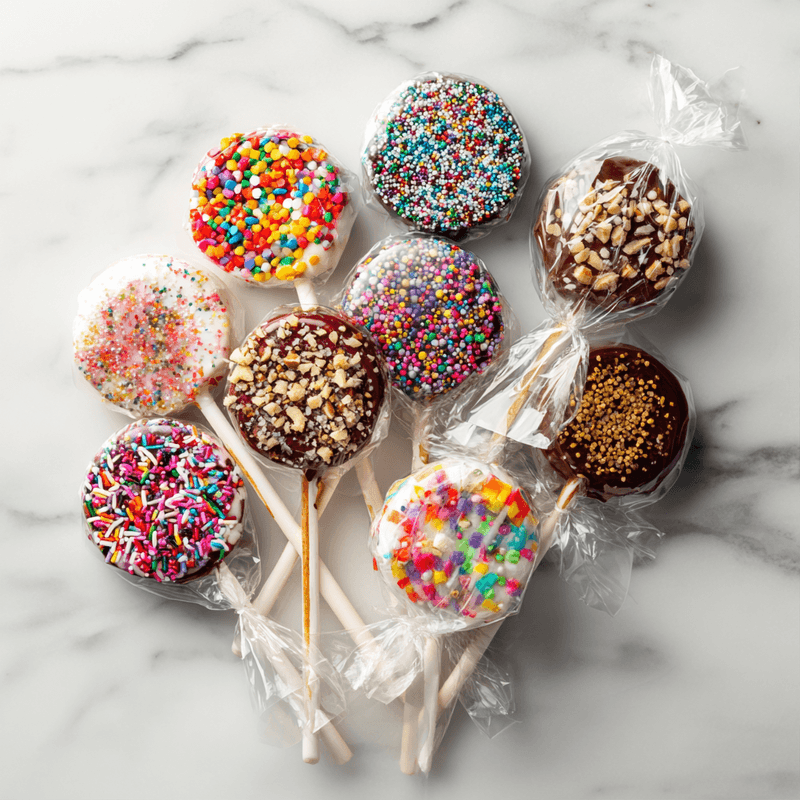
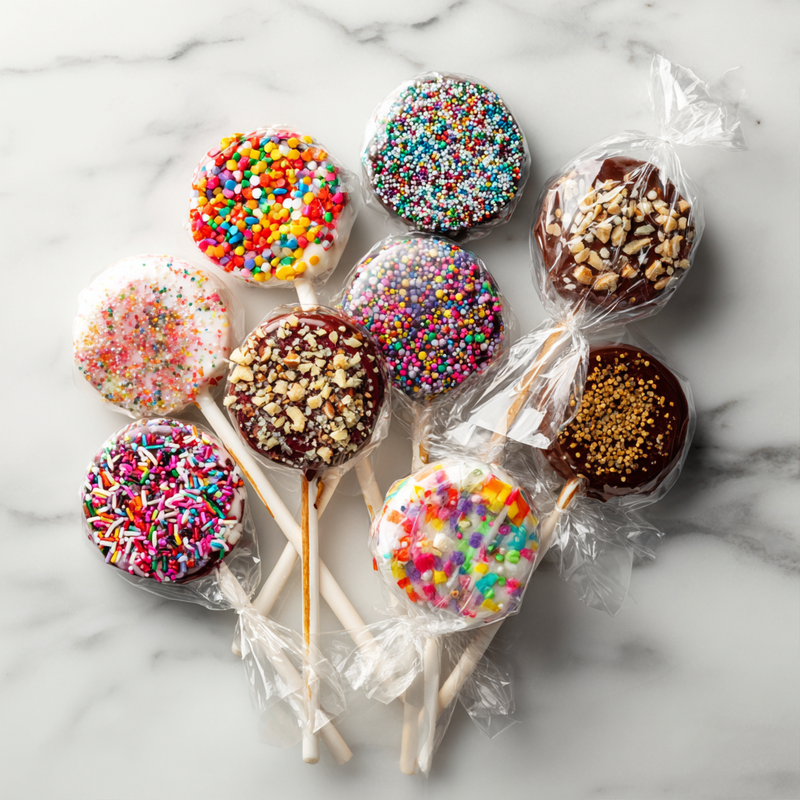
Container selection is crucial for successful meal prep. Individual cellophane bags with twist ties allow you to portion each lollipop separately, making grab-and-go access effortless throughout the week. Alternatively, a large airtight container with parchment paper layers between lollipops works well if you're storing them all together. Silicone lollipop molds are your primary tool investment, and I recommend purchasing two to three molds so you can work more efficiently during your batch cooking session. Look for molds with varied shapes to keep visual interest high throughout the week.
The Batch Cooking Method
Begin your homemade chocolate lollipops batch session by organizing your workspace into distinct zones: melting, molding, decorating, and cooling. This assembly-line approach maximizes efficiency and prevents the chocolate from hardening before you've completed all your lollipops. Set out all your molds on a large baking sheet that fits in your refrigerator, and arrange your lollipop sticks, decorating ingredients, and any flavoring extracts within easy reach. This preparation phase takes about ten minutes but saves considerable time and frustration during the active cooking process.
Melt your chocolate using a double boiler method or microwave in thirty-second intervals, stirring thoroughly between each heating period. For two pounds of chocolate, you'll need approximately three to four minutes of total microwave time, or eight to ten minutes over simmering water. The chocolate should reach between 105°F and 115°F for optimal working consistency. Once melted, add your chosen extracts at a ratio of one-quarter teaspoon per pound of chocolate, adjusting to taste but being cautious not to oversaturate, which could affect the setting process.
Filling your molds requires a steady hand and patience, but the process becomes rhythmic after the first few lollipops. Use a small ladle or spouted measuring cup to pour chocolate into each mold cavity, filling them about three-quarters full. Immediately place a lollipop stick into each cavity, twisting it slightly to ensure the chocolate coats the stick end completely. This step is time-sensitive, you want to work while the chocolate is still fluid enough to grip the stick but not so hot that it pools excessively. For twenty-four lollipops using two molds, expect this filling phase to take approximately fifteen minutes.
Decorating happens in two possible windows: immediately after pouring while the chocolate is still wet, or after a brief setting period if you're adding a contrasting chocolate layer. For single-layer homemade chocolate lollipops with sprinkles or nuts, add your toppings within two minutes of pouring, gently pressing them into the surface. If you're creating swirled or layered designs, allow the first layer to set for five minutes at room temperature before adding contrasting chocolate colors. Work systematically across all your molds rather than completing one lollipop at a time, which ensures even setting and prevents the chocolate from hardening before you've decorated all pieces.
The Weekly Game Plan
Sunday afternoon between one and three o'clock is the ideal window for creating your week's supply of homemade chocolate lollipops. This timing allows the lollipops to fully set and harden overnight, making them ready for Monday's distribution into individual containers or lunchboxes. Your total active working time will be approximately forty-five minutes, with an additional two hours of hands-off cooling and setting time. I recommend making twenty to twenty-five lollipops during this session, which provides four to five treats per weekday with a few extras for weekend enjoyment or unexpected moments.
Monday morning becomes effortless when you've already portioned your homemade chocolate lollipops into individual storage solutions. Spend ten minutes on Sunday evening, after the lollipops have fully set, wrapping each one in cellophane or placing them in small containers. Label containers with days of the week if you're using this as a structured treat system, or simply store them all together for flexible access. This pre-portioning eliminates decision fatigue during busy mornings and helps maintain the one-treat-per-day boundary if that's part of your family's routine.
Mid-week refreshment comes not from making new lollipops, but from varying how you present them. Tuesday and Wednesday lollipops might come with a small handful of fresh berries on the side, creating a more substantial dessert experience. Thursday's treat could be crushed and sprinkled over yogurt for a different textural experience. This variation strategy keeps your homemade chocolate lollipops interesting throughout the week without requiring additional cooking time. The base preparation remains the same, but the context and presentation evolve, preventing the monotony that sometimes accompanies meal prep approaches.
By Friday, you'll have a clear sense of whether your batch size was appropriate for your household's consumption patterns. Some families discover they need thirty lollipops per week, while others find that fifteen is plenty. Use Friday evening to assess your inventory and plan for the following week's batch. If you have extras remaining, they store beautifully for an additional week, or they can be frozen for up to three months, giving you a head start on future weeks when time might be tighter.
Smart Storage and Reheating
Glass containers with tight-fitting lids rank highest for storing homemade chocolate lollipops because they don't absorb odors, maintain consistent internal temperatures, and allow you to see your inventory at a glance. Layer your lollipops with parchment paper between each level to prevent sticking, and ensure the container is completely dry before adding the chocolate to avoid any moisture-related bloom. A standard nine-by-thirteen-inch glass container can hold approximately fifteen to eighteen standard-sized lollipops when layered properly. Store these containers on a middle refrigerator shelf where temperature fluctuations are minimal, avoiding the door compartments where repeated opening and closing creates temperature instability.
Individual cellophane bags offer maximum flexibility for grab-and-go convenience and portion control. After wrapping each lollipop, gather all bags into a larger airtight container or gallon-sized storage bag to create a double-barrier system against moisture and odors. This method works exceptionally well for households where different family members access the refrigerator at various times throughout the day. The individual wrapping also makes your homemade chocolate lollipops perfect for packing in lunchboxes or bags without additional containers, reducing the items you need to track and wash.
Refrigerated homemade chocolate lollipops maintain peak quality for ten to fourteen days when stored properly in airtight containers. The chocolate remains firm, the colors stay vibrant, and the flavors continue to taste fresh throughout this period. However, I find the best texture and flavor exist within the first seven days, which aligns perfectly with a Sunday-to-Sunday meal prep cycle. If you're planning to keep them longer, freezer storage extends their life to three months without quality degradation.
For freezer storage, wrap each lollipop individually in plastic wrap, then place all wrapped lollipops in a freezer-safe container or heavy-duty freezer bag with as much air removed as possible. Label the container with the preparation date and flavor notes for future reference. When you're ready to enjoy a frozen lollipop, transfer it to the refrigerator the night before, allowing it to thaw gradually. This slow thawing process prevents condensation from forming on the chocolate surface, which would create an unappealing appearance and potentially compromise texture. Alternatively, frozen homemade chocolate lollipops can be enjoyed directly from the freezer for a different sensory experience, the chocolate takes longer to melt in your mouth, intensifying the flavor experience and making the treat last longer.
Customization Ideas
Transforming your base homemade chocolate lollipops recipe into multiple flavor variations requires minimal additional effort during your batch cooking session. Divide your melted chocolate into separate bowls before adding flavoring extracts, creating three or four distinct varieties from a single melting session. Peppermint-infused dark chocolate lollipops appeal to adults, while vanilla-enhanced milk chocolate versions often become children's favorites. Orange extract paired with semi-sweet chocolate creates a sophisticated flavor profile, and almond extract with milk chocolate delivers a marzipan-like sweetness that feels special without being overwhelming.
Dietary modifications for homemade chocolate lollipops are straightforward when you control the ingredients from the start. Sugar-free chocolate chips or melting wafers create lollipops suitable for diabetic family members or those reducing sugar intake, though you'll want to note that sugar alcohols in these products can have digestive effects if consumed in large quantities. For dairy-free requirements, high-quality dark chocolate or specifically labeled dairy-free chocolate chips work beautifully, delivering rich flavor without milk solids. The preparation method remains identical regardless of which chocolate variety you choose, making these substitutions seamless.
Texture variations add interest to your weekly lineup without complicating the preparation process. Stir crushed freeze-dried strawberries or raspberries into white chocolate before molding for fruit-studded lollipops that deliver both visual appeal and flavor complexity. Finely chopped pistachios or almonds folded into milk chocolate create a more substantial treat that bridges the gap between candy and nutrition. For crunch without nuts, consider crushed rice cereal or quinoa puffs, which add texture while remaining allergy-friendly for most households.
Scaling your batch size up or down follows simple mathematics. The base recipe produces twenty-four standard lollipops from two pounds of chocolate, so halving the ingredients yields twelve lollipops perfect for a smaller household or a trial run. Doubling creates forty-eight lollipops, ideal for larger families or for preparing treats that extend across two weeks. When scaling up significantly, work in separate batches rather than melting four or more pounds of chocolate at once, which becomes difficult to manage before it begins to set. Your molds become the limiting factor, so having multiple sets allows you to work more efficiently during larger batch sessions.
Meal Prep FAQ
How long do homemade chocolate lollipops actually stay fresh?
Properly stored homemade chocolate lollipops maintain excellent quality for ten to fourteen days in the refrigerator, though I find them at their absolute best during the first week. The chocolate remains firm and snappy, decorations stay vibrant, and flavors taste fresh throughout this period. Beyond two weeks, you might notice slight flavor fading or texture changes, though they remain safe to eat for up to three weeks if stored in airtight conditions.
What containers work best for office or work storage?
For taking homemade chocolate lollipops to work, individual cellophane bags placed inside a small insulated lunch container with a slim ice pack work perfectly. The insulation prevents temperature fluctuations during your commute, and the ice pack keeps them firm until you reach refrigeration. Once at work, transfer them to a communal refrigerator or keep them in your desk if your office maintains cool temperatures below seventy degrees.
Can children safely pack these in their lunchboxes?
Homemade chocolate lollipops travel beautifully in children's lunchboxes when wrapped individually and placed in an insulated compartment. Include a small ice pack in the lunchbox to maintain cool temperatures, especially during warmer months. The lollipop stick makes them easy for small hands to hold without creating mess, and the pre-portioned size prevents overindulgence. Many parents find that including the treat in the lunch reduces requests for less nutritious alternatives.
How do I prevent getting tired of the same treat every day?
Meal prep fatigue with homemade chocolate lollipops is easily avoided through strategic variety within your weekly batch. Make six lollipops in dark chocolate with peppermint, six in milk chocolate with vanilla, six in white chocolate with crushed freeze-dried fruit, and six with nuts. This creates four distinct eating experiences throughout the week. Additionally, vary when and how you serve them, sometimes as an afternoon pick-me-up, other times crushed over fruit, occasionally enjoyed slowly after dinner.
What's the best way to reheat or refresh lollipops that have been frozen?
Frozen homemade chocolate lollipops don't require reheating, but they do need proper thawing for the best texture. Transfer them from freezer to refrigerator twelve hours before you plan to eat them, allowing gradual temperature adjustment. This slow thaw prevents condensation formation that can make the chocolate appear cloudy or develop sugar bloom. If you notice any surface moisture after thawing, gently pat with a paper towel before serving. Some people actually prefer eating them partially frozen for a firmer, longer-lasting treat.
Do homemade chocolate lollipops really save money compared to store-bought?
The economics of homemade chocolate lollipops strongly favor the homemade version when you calculate cost per piece. Two pounds of quality melting chocolate costs approximately eight to twelve dollars and produces twenty-four lollipops, making each one cost roughly thirty-five to fifty cents. Comparable quality store-bought chocolate lollipops typically retail for two to four dollars each. Over a year of weekly batch preparation, you could save several hundred dollars while maintaining complete control over ingredients, portion sizes, and flavor profiles that align with your family's preferences and dietary requirements.
Homemade Chocolate Lollipops
Simple batch-prepared chocolate lollipops perfect for weekly meal prep. Customize with your favorite flavors and decorations for treats that last all week.
Prep Time
15 min
Cook Time
10 min
Total Time
2h 25m
Servings
24 lollipops
Ingredients
For 24 lollipops
- 2 pounds chocolate melting wafers or compound chocolate (milk, dark, or semi-sweet)
- 24-30 lollipop sticks (4-6 inches long)
- 1 teaspoon flavoring extract (vanilla, peppermint, orange, or almond), oil-based
- 1/2 cup assorted sprinkles, optional for decoration
- 1/3 cup finely chopped nuts (pistachios or almonds), optional
- 1/4 cup crushed freeze-dried fruit, optional
- Cooking spray or neutral oil for greasing molds
Instructions
- 1
Prepare workspace
Arrange silicone lollipop molds on a large baking sheet that fits in your refrigerator. Lightly spray molds with cooking spray or wipe with a thin layer of neutral oil using a paper towel. Organize lollipop sticks, decorating ingredients, and flavoring extracts within easy reach of your work area.
- 2
Melt chocolate
Break chocolate into small, uniform pieces and place in a microwave-safe bowl. Heat in 30-second intervals, stirring thoroughly after each interval, until chocolate is completely melted and smooth. Alternatively, melt chocolate in a double boiler over simmering water, stirring constantly until smooth. Total melting time should be 3-4 minutes in microwave or 8-10 minutes on stovetop.
- 3
Add flavoring
Once chocolate is fully melted and smooth, add your chosen oil-based flavoring extract. Use 1/4 teaspoon extract per pound of chocolate as a starting point, adjusting to taste. Stir thoroughly for 30 seconds to distribute flavor evenly throughout the chocolate.
- 4
Fill molds
Using a small ladle or spouted measuring cup, carefully pour melted chocolate into each lollipop mold cavity, filling approximately three-quarters full. Work steadily but calmly to fill all cavities before the chocolate begins to set. Tap the baking sheet gently on the counter 2-3 times to release any air bubbles.
- 5
Insert sticks
Immediately after filling each mold, insert a lollipop stick into the designated slot or directly into the chocolate if using flat molds. Twist the stick slightly as you insert it to ensure chocolate coats the stick end completely. The stick should be inserted at least half an inch into the chocolate for secure attachment.
- 6
Add decorations
If using sprinkles, crushed nuts, or freeze-dried fruit, add them within 2 minutes of pouring while chocolate is still wet. Gently press decorations into the surface to ensure they adhere properly. For layered designs, allow first layer to set for 5 minutes before adding contrasting chocolate colors or additional decorative elements.
- 7
Initial cooling
Allow filled molds to rest at room temperature for 10 minutes to begin the setting process. This brief room temperature rest helps prevent condensation from forming when you transfer them to the refrigerator. Ensure molds are on a level surface during this time to prevent lopsided lollipops.
- 8
Refrigerate to set
Transfer the baking sheet with molds to the refrigerator and chill for at least 2 hours, or until chocolate is completely firm and has pulled slightly away from the edges of the molds. For faster setting, you can place molds in the freezer for 30-45 minutes instead, though refrigerator setting produces better texture.
- 9
Remove from molds
Once fully set, gently flex silicone molds to release the lollipops. They should pop out easily without requiring force. If lollipops resist, return to refrigerator for 15 additional minutes. Handle lollipops by their sticks to avoid fingerprints on the chocolate surface.
- 10
Wrap individually
Place each lollipop in an individual cellophane bag or wrap in plastic wrap, securing with twist ties or ribbon. This individual wrapping prevents sticking during storage and makes portion control easier throughout the week. Alternatively, layer unwrapped lollipops in an airtight container with parchment paper between each layer.
- 11
Store properly
Place wrapped or containerized lollipops in the refrigerator on a middle shelf where temperature remains most consistent. Store for up to 2 weeks for best quality, though they remain safe to eat for up to 3 weeks. For longer storage, freeze wrapped lollipops in an airtight container for up to 3 months.
- 12
Serve throughout week
Remove lollipops from refrigerator 5-10 minutes before serving for optimal texture and flavor. The slight warming allows the chocolate to soften just enough for pleasant eating while maintaining its shape. If serving from frozen, either thaw overnight in refrigerator or enjoy directly from freezer for a firmer, longer-lasting treat.
Nutrition Facts
Per serving (estimated)
145 calories
Calories
18g
Carbs
2g
Protein
8g
Fat
1g
Fiber
15mg
Sodium
16g
Sugar