Healthy Honey Lime Chicken with Mango Salsa Recipe
Master this vibrant Healthy Honey Lime Chicken with Mango Salsa! Tender grilled chicken meets tropical fruit in a halal-friendly weeknight dinner.
cookwithlucia.com/recipes/healthy-honey-lime-chicken-with-mango-salsa
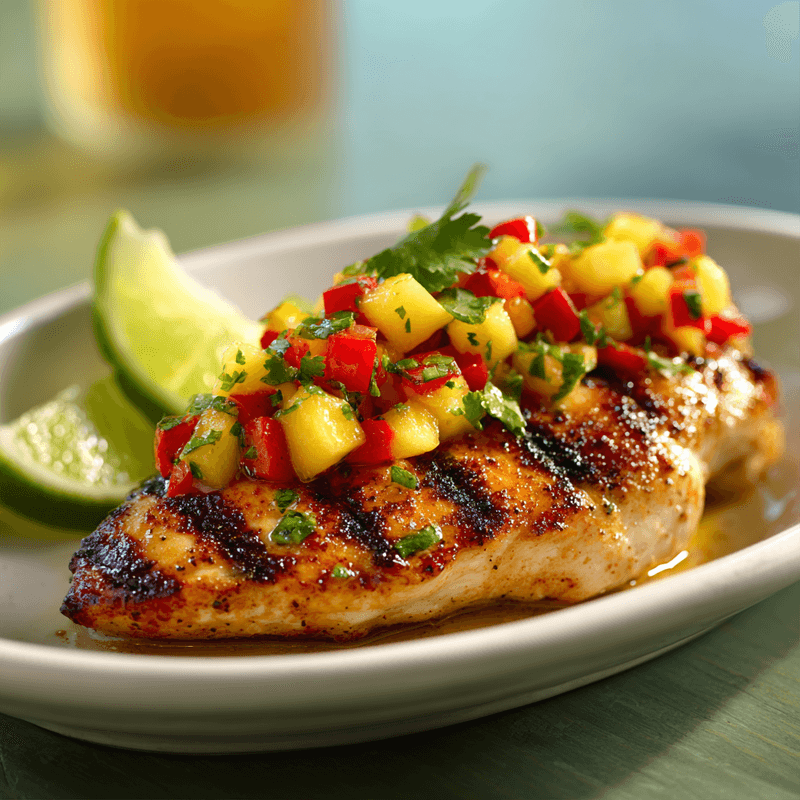
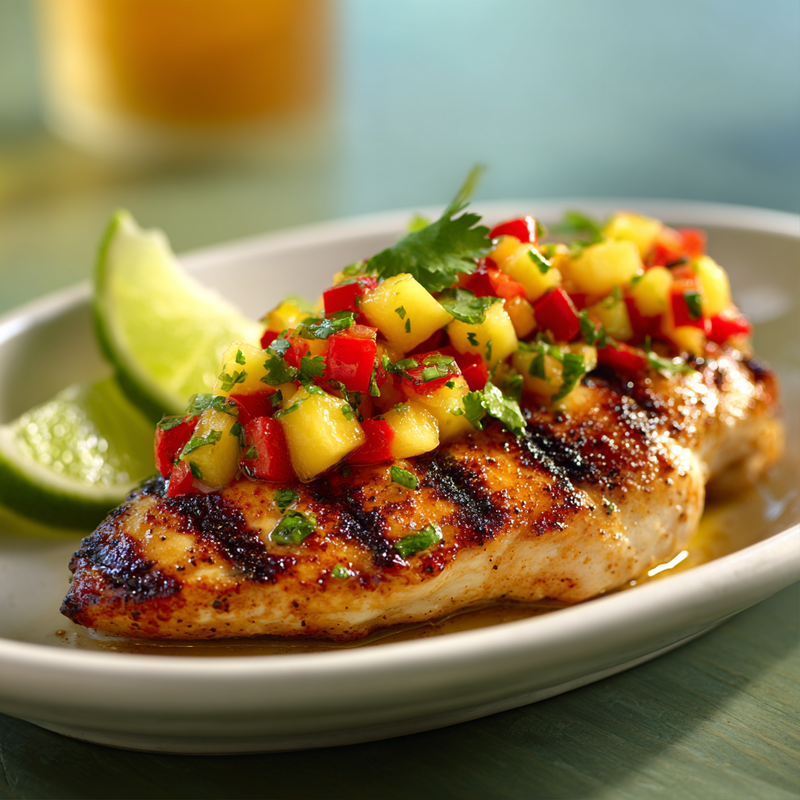
There's something utterly captivating about the marriage of citrus and honey with perfectly grilled chicken, especially when crowned with a vibrant, jewel-toned mango salsa. This healthy honey lime chicken with mango salsa represents everything I love about modern cooking: it's nourishing without being austere, bursting with flavor without relying on heavy sauces, and beautiful enough to serve at a family gathering yet simple enough for a Tuesday evening. The first time I tasted a truly exceptional version of this dish, I was struck by how the caramelized honey glaze created those gorgeous char marks on the chicken, how the lime juice brightened every bite, and how the cool, sweet mango salsa provided the perfect counterpoint to the warm, savory protein.
I won't pretend this healthy honey lime chicken with mango salsa is a thirty-minute miracle meal that requires zero attention. The chicken needs proper marinating time to absorb those bright citrus notes, and you'll want to give care to getting that beautiful sear on your grill or grill pan. The salsa deserves your attention too, with careful dicing and thoughtful seasoning to let each ingredient shine. But here's what I promise: every minute you invest will return dividends in flavor, in the satisfaction of serving something truly restaurant-worthy, and in the way your family will ask for this dish again and again. This is my comprehensive guide to not just making this dish, but truly mastering it, understanding the why behind every step so you can cook with confidence and maybe even improvise once you've made it a few times.
The Origins and History
The beautiful fusion of honey, lime, and tropical fruit with grilled chicken reflects the global kitchen we all cook in today, where Caribbean influences meet Latin American flavors and Asian glazing techniques. While you won't find this exact dish in any single culinary tradition, its components tell stories from around the world. Honey-glazed meats have been part of Middle Eastern and Asian cooking for millennia, prized for the way sugars caramelize under high heat to create complex flavors. Lime, a cornerstone of Latin American and Southeast Asian cuisines, brings that essential brightness that makes rich dishes sing.
Mango salsa itself emerged from the fusion cuisine movement of the 1980s and 1990s, when chefs began playing with traditional Mexican salsa frameworks by incorporating tropical fruits. What started as restaurant innovation quickly moved into home kitchens because it simply made sense: the sweetness of ripe mango balances beautifully against the heat of chiles and the punch of fresh cilantro and lime. Today, this style of cooking, sometimes called "nuevo Latino" or tropical fusion, has become so mainstream that we barely think of it as fusion anymore.
The evolution of this healthy honey lime chicken with mango salsa in modern home kitchens reflects our collective desire for meals that feel indulgent while supporting wellness goals. We've moved away from heavy cream sauces and butter-laden preparations toward bright, acid-forward marinades and fresh fruit salsas that deliver tremendous flavor with a lighter nutritional profile. This dish represents the best of contemporary home cooking: globally inspired, health-conscious, and absolutely delicious.
Understanding the Flavor Profile
The magic of healthy honey lime chicken with mango salsa lies in its masterful balance of contrasting yet complementary flavors. The chicken itself rides the delicious line between sweet and tangy, with honey providing floral sweetness that caramelizes into deeper, almost toffee-like notes under high heat, while fresh lime juice cuts through with bright acidity that keeps each bite lively rather than cloying. There's a subtle savory foundation from the chicken itself and any garlic or aromatics in your marinade, creating that essential umami backbone that makes the dish satisfying rather than one-dimensional.
The mango salsa transforms the entire experience by adding another layer of complexity. Ripe mango contributes tropical sweetness with slight tangy undertones, while red onion provides sharp bite, cilantro adds herbaceous freshness, and jalapeño or other chiles introduce gentle heat that builds gradually. A squeeze of lime juice in the salsa echoes the marinade, creating cohesion across the plate. Some versions include a whisper of cumin or a handful of diced bell pepper for additional depth.
Texturally, you're aiming for tender, juicy chicken with a slightly sticky, caramelized exterior that yields to each bite without resistance. The salsa should be fresh and crisp, with each component diced small enough to get multiple flavors in one forkful but large enough that you can still identify individual pieces. When you take a bite with both chicken and salsa together, you experience warm and cool temperatures, tender and crisp textures, and that perfect sweet-tart-savory-spicy progression that keeps you reaching for another bite.
Essential Ingredients Explained
The honey you choose genuinely matters for this healthy honey lime chicken with mango salsa. Raw, unfiltered honey offers more complex flavor than highly processed varieties, with floral notes that vary depending on what plants the bees visited. Look for honey that's still slightly opaque or crystallized, which indicates minimal processing. If you follow a strict interpretation of ingredient sourcing, seek out local beekeepers who can verify their harvesting methods. Honey not only sweetens but also helps create that gorgeous caramelized crust on the chicken while keeping the interior moist.
Fresh lime juice is absolutely non-negotiable, never use bottled. Fresh limes contain aromatic oils in addition to citric acid, giving you brightness plus complexity. You'll need both juice and zest for maximum impact. When shopping, choose limes that feel heavy for their size and give slightly when squeezed, indicating they're juicy inside. The general rule: one medium lime yields about two tablespoons of juice, but roll it firmly on the counter before cutting to break down interior membranes and release more juice.
For the chicken itself, boneless, skinless chicken breasts are traditional, but I actually prefer chicken thighs for this preparation. Thighs have more intramuscular fat, which means they stay juicier during grilling and are much more forgiving if you accidentally overcook them slightly. They also have richer flavor that stands up beautifully to the bold marinade. If you do choose breasts, look for ones that are similar in size so they cook evenly, and consider pounding them to even thickness.
Mango selection can make or break your salsa. You want fruit that's ripe but still firm enough to dice cleanly. A ripe mango will smell fragrant at the stem end and yield just slightly to gentle pressure, similar to a ripe avocado. The skin will show more yellow or red and less green. Varieties like Ataulfo (honey mango) are sweeter and less fibrous, while larger Tommy Atkins mangoes are more widely available. Avoid mangoes with wrinkled skin, dark spots, or those that feel mushy, as they're overripe and will make your salsa watery.
Garlic in the marinade provides essential savory depth. Fresh cloves that you mince yourself offer more pungent flavor than pre-minced jarred garlic. Look for firm heads with tight, papery skin. Cilantro is equally important in the salsa, though I know it's polarizing. If you're among those for whom cilantro tastes like soap due to genetic variations in smell receptors, substitute fresh parsley or a combination of parsley and fresh mint for a different but still bright herbal note.
Your choice of fresh chile for the salsa determines the heat level. Jalapeños offer moderate heat with fruity undertones, serranos are hotter and more citrusy, while poblanos (if you can find fresh green ones) provide mild heat with earthy flavor. Remember that most of the capsaicin, the compound that creates the burning sensation, resides in the white membranes and seeds. Remove these for milder salsa, or leave some in if you enjoy heat. Always taste a tiny piece of your chile raw to gauge its heat level, as individual peppers vary wildly.
Mastering the Technique
The foundation of exceptional healthy honey lime chicken with mango salsa begins with proper marinating technique. Don't just toss your chicken in marinade five minutes before cooking. The acids in lime juice need time to penetrate the meat and begin breaking down proteins, which tenderizes the chicken while infusing flavor throughout. However, there's a sweet spot: marinate for at least one hour but no more than four hours. Beyond that, the acid can make the exterior texture mushy rather than tender. Always marinate in the refrigerator in a non-reactive container like glass or food-grade plastic, never aluminum, which can react with acidic ingredients and create off flavors.
When you're ready to cook, the single most important step is bringing your chicken to room temperature. Remove it from the refrigerator thirty minutes before grilling, keeping it covered. Cold chicken hitting a hot grill will cook unevenly, with the exterior overcooking before the interior reaches safe temperature. While the chicken comes to temperature, prepare your grill or grill pan. For outdoor grills, you want medium-high heat, around 375-400°F. For stovetop grill pans or regular skillets, preheat over medium-high heat until a drop of water sizzles and evaporates within two seconds.
The actual grilling requires attention and restraint. Remove chicken from marinade and let excess drip off, but don't wipe it completely dry; that clinging layer of honey and lime will create your glaze. Place chicken on the grill and resist the urge to move it. Leave it completely undisturbed for five to six minutes. This allows the Maillard reaction to occur, creating those beautiful brown grill marks and complex flavors. The chicken will release naturally from the grill when it's ready to flip. If it sticks, it needs more time. Flip only once, then cook another five to seven minutes on the second side.
During the final minutes of cooking, you can baste with additional marinade that's been boiled for food safety, but honestly, I rarely do this because the chicken already has plenty of flavor. Instead, I focus on gauging doneness accurately. An instant-read thermometer inserted into the thickest part should read 165°F for breasts or 175°F for thighs, which can handle the higher temperature due to their connective tissue. The chicken should feel firm but still springy when pressed, not hard or rubbery.
Resting is the step too many cooks skip, and it's devastating to the final result. When chicken comes off the heat, the exterior is much hotter than the interior, and the juices have been driven toward the center by the cooking process. If you cut immediately, all those flavorful juices run out onto your cutting board instead of staying in the meat. Let your healthy honey lime chicken with mango salsa rest for at least five minutes, loosely tented with foil. During this time, the temperature equalizes and the proteins relax, allowing juices to redistribute throughout the meat. The result is chicken that's noticeably juicier and more tender.
Common Pitfalls and How to Fix Them
The most frequent mistake I see with healthy honey lime chicken with mango salsa is burnt honey on the grill. Honey is essentially sugar, and sugar burns easily at high heat, especially with prolonged cooking. If you notice your chicken developing very dark, almost black char marks within the first few minutes, your heat is too high. Immediately move the chicken to a cooler part of the grill or reduce your stovetop heat to medium. You can also try a thinner layer of marinade clinging to the chicken, or reserve some honey to brush on only during the final minute of cooking when it won't have time to burn but will still create that glossy finish.
Dry, overcooked chicken is the eternal nemesis of home cooks, and it's particularly tragic when you've invested time in a flavorful marinade. Prevention is far easier than cure here. Invest in an instant-read thermometer and trust it over timing guidelines, which can vary based on your equipment and the actual thickness of your chicken. If you've already overcooked your chicken, your best remedy is generous application of that bright, juicy mango salsa, which will add moisture and distract from the dryness. For next time, remember that chicken continues cooking from residual heat during the resting period, so you can actually pull it off the grill at 160°F and let it coast to 165°F while resting.
Watery salsa is another common disappointment, turning your beautiful mango salsa into mango soup that makes everything on the plate soggy. This happens when you use overripe, too-soft mangoes, include the liquid that accumulates during dicing, or add lime juice too far in advance. The fix: dice your mango on a cutting board with a groove to catch juice, and discard that liquid rather than adding it to your salsa. If your tomatoes or mangoes are particularly juicy, you can also lightly salt your diced ingredients, let them sit in a colander for ten minutes to release some moisture, then blot dry before mixing your salsa. Assemble salsa no more than thirty minutes before serving for optimal texture.
Insufficient flavor in the marinade often results from timid seasoning or using old, flavorless limes. Your marinade should taste quite intense on its own, almost too strong, because much of it will drip off the chicken rather than being absorbed. If you taste your marinade and it seems bland, it definitely won't be enough on the chicken. Boost it with more lime zest, additional garlic, a pinch of cumin or coriander, and always include adequate salt, which helps carry other flavors and aids in the tenderizing process.
Sticky, gloppy marinade that won't coat evenly happens when honey is too cold and thick. Honey crystallizes and becomes nearly solid when stored in the refrigerator. If your honey is thick, warm it gently in the microwave for ten to fifteen seconds or set the jar in warm water until it becomes fluid again. Mix your marinade thoroughly with a whisk to ensure the honey is fully incorporated with the lime juice and other liquid ingredients before adding chicken. The marinade should be thin enough to coat the chicken evenly but thick enough that some honey clings to the surface.
Regional Twists Worth Trying
A Thai-inspired version of healthy honey lime chicken with mango salsa transforms the dish with Southeast Asian aromatics. Replace half the honey with a touch of fish sauce for umami depth, add fresh ginger and lemongrass to your marinade, and incorporate Thai basil and mint into your mango salsa along with the cilantro. A small amount of red curry paste in the marinade introduces complex spice without overwhelming heat. The mango salsa can include finely diced cucumber and crushed roasted peanuts for additional texture. This version pairs beautifully with jasmine rice and brings more herbal, aromatic complexity to the dish.
Caribbean jerk-style preparation adds warming spices and more aggressive heat for those who love bold flavors. Include allspice, thyme, cinnamon, and nutmeg in your marinade along with the honey and lime, and increase the scotch bonnet or habanero peppers in your salsa for authentic island fire. Some cooks add a tablespoon of fresh orange juice to balance the heat. The mango salsa can incorporate diced pineapple alongside the mango, and substitute red bell pepper for some of the onion. This version is perfect for gatherings where you want food that makes a statement.
A Middle Eastern fusion brings warmth and depth through spices like cumin, coriander, and cardamom added to the honey-lime marinade. The mango salsa transforms with the addition of pomegranate seeds for jewel-like pops of tart sweetness, fresh mint alongside cilantro, and finely diced Persian cucumber. A drizzle of tahini thinned with lemon juice over the finished dish creates beautiful contrast. This version pairs wonderfully with warm flatbread and showcases how adaptable the honey-lime-mango combination is to different spice profiles.
The Perfect Spread
Healthy honey lime chicken with mango salsa is a substantial main course, but the right accompaniments turn a good meal into a memorable spread. Traditional Latin American sides work beautifully here: cilantro-lime rice provides a mild, aromatic base that soaks up any juices from the chicken and salsa, while black beans seasoned with cumin and finished with fresh lime juice add protein and earthy richness that grounds the bright, sweet flavors of the main dish. Warm corn tortillas on the side transform the meal into an interactive experience where everyone can make their own tacos.
For a lighter approach that keeps the meal firmly in healthy territory, consider a crisp green salad with avocado, pepitas, and a citrus vinaigrette that echoes the lime in your chicken. Grilled vegetables, particularly zucchini, bell peppers, and red onions brushed with olive oil and sprinkled with cumin, provide smoky depth and satisfying texture. Cauliflower rice makes an excellent low-carb base that lets the chicken and salsa remain the stars while still providing substance.
Don't overlook the importance of temperature and texture contrast on your plate. The warm, tender chicken and cool, crisp salsa already provide contrast, so your sides should add variety too. If you're serving rice or grains, consider something with texture like quinoa or farro. A small dish of additional lime wedges and a sprinkle of fresh cilantro leaves for garnish lets everyone customize their plate to their taste preferences. For gatherings, chips or plantain chips with extra mango salsa as a dip turn the meal into a festive occasion.
Keeping and Reheating
Properly stored healthy honey lime chicken with mango salsa maintains quality for three to four days in the refrigerator, though I recommend keeping the chicken and salsa separate during storage for best results. Transfer the chicken to an airtight container once it has cooled completely, which should take no more than thirty minutes at room temperature. Leaving it out longer risks bacterial growth, especially on chicken. The mango salsa should also go into a separate airtight container and will stay fresh for two to three days. After this time, the ingredients begin breaking down, the flavors muddle together, and the texture becomes less appealing.
Interestingly, this is one dish that doesn't necessarily improve overnight the way braised dishes or stews do. The fresh, bright qualities are really at their peak within a few hours of cooking. However, the chicken itself remains delicious as leftovers, and some people prefer the way the marinade flavors continue to penetrate the meat. The salsa is definitely best fresh, so if you're planning to have leftovers, consider making only enough salsa for your initial meal and preparing a fresh batch when you're ready to eat the leftover chicken.
For reheating, the microwave is quick but can make the chicken rubbery and dry. A better method is slicing the chicken and warming it gently in a covered skillet over medium-low heat with a tablespoon of water or chicken stock to create steam. This takes only three to four minutes and helps the chicken retain moisture. Alternatively, you can serve leftover chicken cold or at room temperature, which works particularly well if you're slicing it for salads or grain bowls. The mango salsa should always be served cold or at room temperature, never heated, as the fruit will become unpleasantly soft and lose its fresh appeal.
Your Questions Answered
Can I make healthy honey lime chicken with mango salsa ahead for gatherings?
Absolutely, and strategic advance preparation actually reduces stress when hosting. Marinate your chicken up to four hours ahead, keeping it refrigerated until thirty minutes before cooking. You can dice all your salsa ingredients and store them separately in the refrigerator, then toss everything together with lime juice and seasonings just fifteen minutes before serving. The chicken can be grilled up to two hours ahead and served at room temperature, which is actually quite pleasant, or gently rewarmed as described above.
What if I can't find ripe mangoes?
Unripe mangoes are too firm and tart for this salsa, so if good mangoes aren't available, consider substituting fresh pineapple, which provides similar tropical sweetness and holds up better when slightly underripe. Peaches or nectarines during summer months also work surprisingly well, offering floral sweetness that complements the honey in the chicken. Avoid using canned or frozen fruit, which lack the texture and fresh flavor that make this salsa special.
Can I use this marinade for other proteins?
This healthy honey lime chicken with mango salsa marinade works beautifully on other proteins with minor adjustments. Shrimp need only fifteen to twenty minutes of marinating time due to their delicate texture, and they cook in just two to three minutes per side. Firm fish like halibut or mahi-mahi can marinate for twenty to thirty minutes and pair wonderfully with mango salsa. Turkey cutlets work exactly like chicken breasts, and even cubed extra-firm tofu can marinate for several hours before grilling for a plant-based version.
How do I scale this up for a larger gathering?
The beauty of this dish is that it scales beautifully without becoming more complicated. Simply multiply your ingredients proportionally, but be aware that you may need to work in batches if your grill or stovetop space is limited. Don't try to crowd too much chicken onto the cooking surface, or you'll steam rather than sear it. For the salsa, larger batches actually work better because they're easier to mix evenly. Consider setting up a buffet-style spread where people assemble their own plates, which reduces last-minute plating stress.
What's the best way to get perfect grill marks?
Gorgeous grill marks require adequate preheating, clean grates, and patience. Heat your grill until the grates are extremely hot, then clean them thoroughly with a grill brush. Lightly oil the grates using a paper towel dipped in oil and held with tongs. Place your chicken on the grill at a forty-five degree angle to the grates, leave it untouched for three minutes, then rotate it ninety degrees without flipping and cook another two to three minutes. This creates a crosshatch pattern. Flip once and repeat if desired, though usually marks on one side are sufficient.
Can I bake this instead of grilling?
You can definitely bake this healthy honey lime chicken with mango salsa, though you'll lose some of the caramelized exterior and smoky notes from grilling. Preheat your oven to 425°F and arrange marinated chicken on a baking sheet lined with parchment paper. Bake for eighteen to twenty-two minutes for breasts or twenty-two to twenty-eight minutes for thighs, until the internal temperature reaches 165°F. For better color and caramelization, broil for the final two minutes, watching carefully to prevent burning. The salsa remains exactly the same regardless of cooking method.
Healthy Honey Lime Chicken with Mango Salsa
Tender grilled chicken marinated in honey and fresh lime juice, topped with vibrant fresh mango salsa. A healthy, tropical-inspired dish perfect for weeknight dinners or entertaining.
Prep Time
20 min
Cook Time
15 min
Total Time
35 min
Servings
4 servings
Ingredients
For 4 servings
- 1.5 pounds boneless, skinless chicken breasts or thighs
- 3 tablespoons honey
- 3 tablespoons fresh lime juice (about 2 limes)
- 1 tablespoon lime zest
- 3 cloves garlic, minced
- 2 tablespoons olive oil
- 1 teaspoon ground cumin
- 1 teaspoon kosher salt
- 1/2 teaspoon black pepper
- 2 ripe mangoes, peeled and diced (about 2 cups)
- 1/2 red bell pepper, finely diced
- 1/4 red onion, finely diced
- 1 jalapeño pepper, seeded and minced
- 1/4 cup fresh cilantro, chopped
- 2 tablespoons fresh lime juice
- 1/4 teaspoon salt
- Fresh cilantro leaves for garnish
- Lime wedges for serving
Instructions
- 1
Prepare the marinade
In a medium bowl, whisk together honey, 3 tablespoons lime juice, lime zest, minced garlic, olive oil, cumin, salt, and black pepper until well combined and the honey is fully incorporated. The marinade should be smooth and slightly thick.
- 2
Marinate the chicken
Place chicken in a large zip-top bag or glass container. Pour marinade over chicken, turning to coat all sides evenly. Seal the bag or cover the container and refrigerate for at least 1 hour and up to 4 hours, turning once halfway through for even marinating.
- 3
Prepare mango salsa
While chicken marinates, combine diced mangoes, red bell pepper, red onion, jalapeño, and cilantro in a bowl. Add 2 tablespoons lime juice and salt, tossing gently to combine. Cover and refrigerate until ready to serve, allowing flavors to meld.
- 4
Bring chicken to temperature
Remove chicken from refrigerator 30 minutes before cooking to bring to room temperature. This ensures even cooking throughout. Keep covered while it sits at room temperature.
- 5
Preheat grill or pan
Preheat outdoor grill to medium-high heat (375-400°F) or heat a grill pan or large skillet over medium-high heat until very hot. If using a grill, clean grates thoroughly and oil lightly to prevent sticking.
- 6
Grill the chicken
Remove chicken from marinade, letting excess drip off but leaving a thin coating. Place chicken on hot grill and cook without moving for 5-6 minutes until golden brown with grill marks. Flip once and cook another 5-7 minutes until internal temperature reaches 165°F for breasts or 175°F for thighs.
- 7
Rest the chicken
Transfer cooked chicken to a clean plate and tent loosely with aluminum foil. Let rest for 5-7 minutes to allow juices to redistribute throughout the meat. This resting period is crucial for juicy, tender chicken.
- 8
Slice and serve
After resting, slice chicken against the grain into strips or leave whole. Transfer to serving plates and top generously with cold mango salsa. Garnish with fresh cilantro leaves and serve with lime wedges on the side for squeezing.
Nutrition Facts
Per serving (estimated)
340 calories
Calories
32g
Carbs
38g
Protein
8g
Fat
3g
Fiber
520mg
Sodium
26g
Sugar