Har Gow (Crystal Prawn Dumplings) Recipe Guide
Master the art of Har Gow with this detailed guide. Learn to make crystal prawn dumplings with translucent wrappers and juicy prawn filling at home.
cookwithlucia.com/recipes/har-gow-crystal-prawn-dumplings
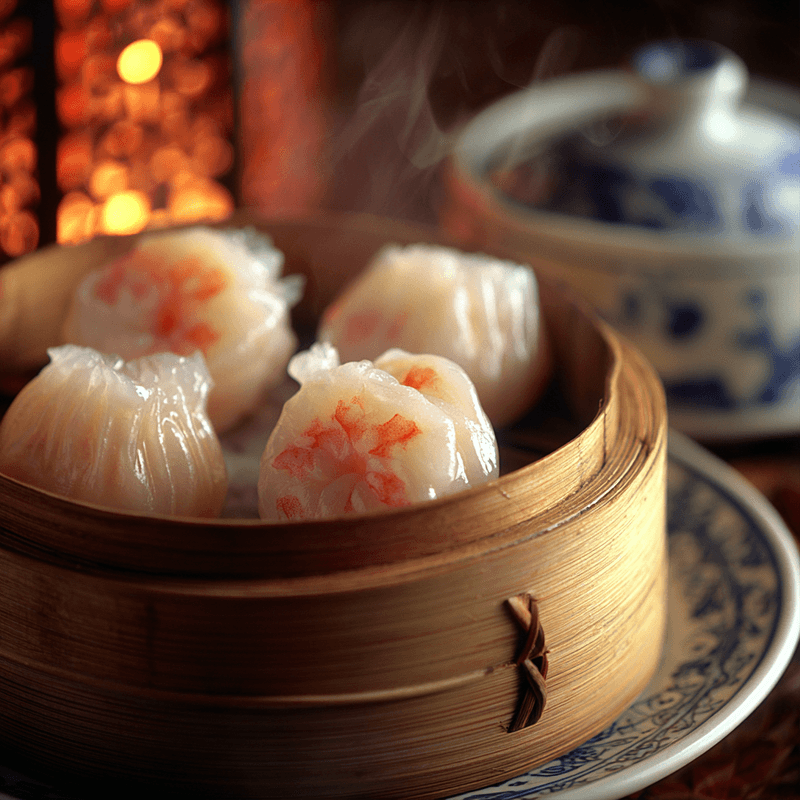
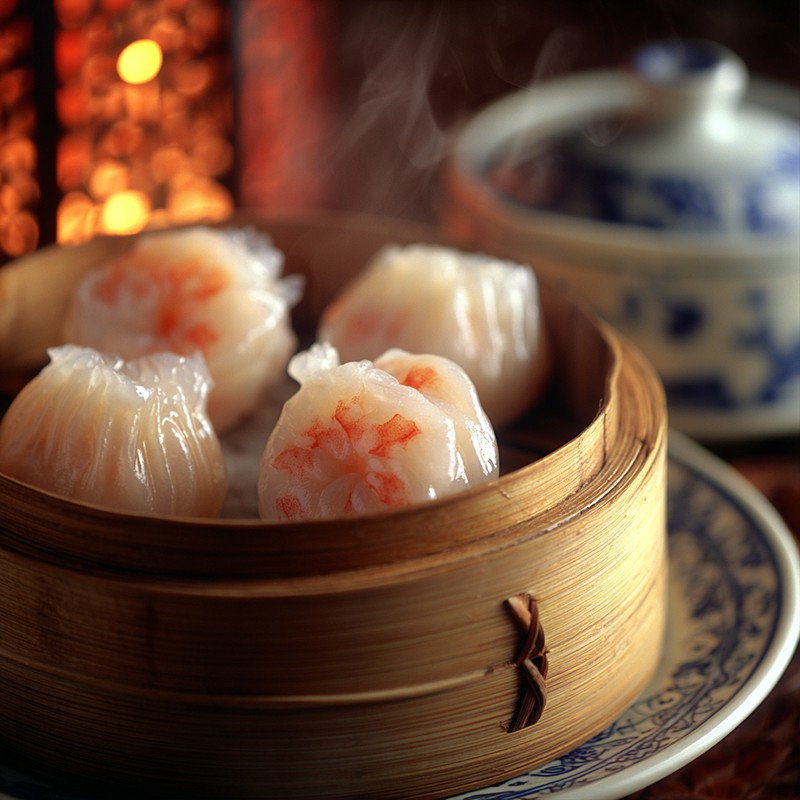
There's something almost magical about watching a perfectly steamed Har Gow emerge from the bamboo basket, its translucent wrapper glistening with condensation and revealing the pink coral of prawns within. These crystal prawn dumplings represent one of the highest achievements in dim sum craftsmanship, a dish that has graced Cantonese tea houses for over a century. The first time I tasted truly exceptional Har Gow, I was struck by the delicate balance: the wrapper thin enough to see through yet strong enough to hold its precious cargo, the prawns sweet and snappy, seasoned with just enough ginger and sesame to enhance rather than overwhelm.
I won't pretend that making Har Gow at home is quick or simple. This is a recipe that demands patience, precision, and a willingness to practice. Your first batch might not have those signature pleats or that perfect translucency. But here's what I can promise: even imperfect Har Gow made with fresh ingredients and care will taste exponentially better than most restaurant versions. The process of making these dumplings is meditative, almost therapeutic. Each fold teaches you something new about dough behavior and heat management. This guide will walk you through every detail you need to master crystal prawn dumplings in your own kitchen, from selecting the right starch to achieving those delicate pleats that mark a properly crafted Har Gow.
The Origins and History
Har Gow emerged in the teahouses along the Pearl River in Guangdong province during the early 20th century, specifically in the area of Wufeng village near Guangzhou. Fishermen would bring their fresh catch to teahouse operators who needed distinctive offerings to attract customers during yum cha, the Cantonese tradition of drinking tea with small plates. The original versions featured local river prawns wrapped in rice flour dough, steamed to order in bamboo baskets that stacked efficiently over boiling water.
As Cantonese immigrants spread across the globe, they carried the tradition of dim sum with them, and Har Gow became one of the "Four Heavenly Kings" of Cantonese dim sum, alongside siu mai, char siu bao, and egg tarts. Each region developed slight variations: Hong Kong teahouses became famous for their extremely thin wrappers with precise pleating, while Southeast Asian versions sometimes incorporated bamboo shoots or water chestnuts for additional crunch. The number of pleats became a mark of skill, with master dim sum chefs achieving twelve to fourteen perfect folds on each dumpling.
In modern home kitchens, crystal prawn dumplings have shed some of their intimidating mystique. Quality wheat starch and tapioca starch are now widely available, and home cooks have discovered that while perfection takes practice, delicious Har Gow is achievable even for beginners. The dish has evolved from restaurant-exclusive specialty to beloved homemade treat, perfect for family gatherings and special weekend meals.
Understanding the Flavor Profile
The beauty of Har Gow lies in its elegant simplicity and restraint. The primary flavor should always be the sweet, oceanic taste of fresh prawns, slightly briny with that characteristic snap that indicates quality shellfish. This isn't a heavily seasoned dumpling; instead, it relies on the natural sweetness of the prawns enhanced by subtle aromatics. You'll detect a gentle warmth from white pepper and a whisper of ginger that cuts through any fishiness without dominating. A touch of sesame oil provides a nutty undertone that rounds out the filling.
The texture journey begins the moment you pick up a Har Gow with chopsticks. The wrapper should yield with gentle pressure, slightly chewy from the wheat starch but never gummy or tough. As you bite through, that translucent skin gives way to the filling, where the prawns should still have their natural bounce and resistance. The best crystal prawn dumplings feature a mix of textures: chunks of prawn that pop between your teeth alongside finely minced prawn that binds everything together.
When steamed to perfection, Har Gow releases a delicate aroma that speaks of the sea and bamboo, with that distinctive fragrance that only properly steamed dim sum possesses. The wrapper should be glossy and almost glass-like, never dry or cracked, and the filling should remain juicy, releasing a small burst of flavorful liquid with each bite.
Essential Ingredients Explained
The wrapper for Har Gow requires two specific starches that work in harmony: wheat starch and tapioca starch. Wheat starch, also called non-glutinous flour or Tang flour, provides the structure and that characteristic translucency. Unlike regular wheat flour, it contains no gluten, which is what allows the wrapper to remain clear rather than opaque. Tapioca starch contributes elasticity and chewiness, helping the dough stretch without tearing. You'll find both in Asian grocery stores, and there's really no substitute that produces the same crystal-clear effect. Look for wheat starch labeled specifically for dim sum wrappers.
The prawns are obviously the star, and quality here is non-negotiable. Fresh, raw prawns work best—never use pre-cooked ones. Medium to large prawns provide the best texture, as they're substantial enough to cut into chunks while still having enough smaller pieces for binding. The prawns should smell clean and oceanic, never fishy or ammonia-like. If you can source spot prawns or tiger prawns, their natural sweetness elevates the entire dumpling. Remove both the shell and the digestive tract completely, as any grit ruins the refined texture.
Bamboo shoots add a subtle crunch and traditional flavor to Har Gow filling, though some recipes omit them for a pure prawn experience. If using canned bamboo shoots, rinse them thoroughly to remove any tinned flavor, then dice them finely so they integrate seamlessly. Fresh bamboo shoots, if available, offer superior flavor but require blanching first. The shoots shouldn't overpower; they're there to provide textural contrast and a slight earthy note.
White pepper serves as the primary spice, offering warmth without the visual interruption that black pepper would create. Chinese white pepper has a more floral, complex heat than Western varieties. Use it sparingly—crystal prawn dumplings should taste clean and refined. Fresh ginger juice, extracted by grating ginger and squeezing it through cheesecloth, provides aromatic lift without pieces that would mar the smooth filling. Sesame oil contributes depth; just a few drops of toasted sesame oil make a noticeable difference. Finally, a small amount of sugar balances the saltiness and enhances the natural sweetness of the prawns without making the filling taste sweet.
Mastering the Technique
Creating perfect Har Gow begins with preparing your mise en place completely before you start. The filling must be cold, the boiling water ready, and your workspace organized with a lightly oiled surface for rolling. The most critical moment comes when you pour boiling water over the starch mixture—this partial cooking, called gelatinization, is what gives the dough its unique properties. Pour decisively and stir immediately with chopsticks or a wooden spoon, as the dough begins setting instantly. Once it's cool enough to handle, knead thoroughly until completely smooth and slightly warm to the touch.
Rolling the wrappers requires a specific technique that differs from other dumplings. Divide the dough into small portions, each about the size of a cherry, and roll them into balls. Keep unworked dough covered with a damp towel as it dries quickly. For each wrapper, flatten the ball slightly with your palm, then use a small rolling pin or the side of a cleaver to roll outward in all directions, creating a thin circle about three inches in diameter. The wrapper should be thin enough to see your fingers through when held up to light, but not so thin that it tears when you pleat it.
Filling and pleating Har Gow is where artistry meets technique. Place about a tablespoon of cold filling slightly off-center in the wrapper. Fold the wrapper in half to create a half-moon, pinching the edges together at the center point. Here's where practice matters: starting from the right side if you're right-handed, use your thumb to push a small pleat toward the center while your other hand supports the dumpling. Make each pleat, pinch it securely, then make the next, working your way around the curve. Aim for at least seven pleats—more if you can manage it.
The steaming setup affects the final result significantly. Use a bamboo steamer if possible, as it absorbs excess moisture and imparts a subtle fragrance. If using a metal steamer, line it with parchment paper or cabbage leaves to prevent sticking and condensation drips. Brush each level lightly with oil and arrange dumplings with space between them, as they expand slightly during steaming. The water should be at a rolling boil before you place the steamer on top, and it must maintain that vigorous boil throughout cooking.
Timing and temperature control determine whether your crystal prawn dumplings turn out perfectly or become gummy. Steam over high heat for exactly six to seven minutes for standard-sized Har Gow. The wrappers should turn from opaque white to translucent, and you should see the pink of the prawns clearly. Resist the urge to peek frequently, as temperature drops delay cooking and can make wrappers sticky. When done, remove the steamer from heat immediately and let sit for just thirty seconds before serving—this brief rest allows the steam inside each dumpling to stabilize.
Common Pitfalls and How to Fix Them
The most frequent problem home cooks encounter with Har Gow is wrappers that tear during pleating or turn opaque and thick instead of translucent. If your dough tears constantly, you likely haven't kneaded it long enough or the ratio of wheat starch to tapioca starch is off. The dough should be very smooth and pliable, almost like playdough in consistency. If it's too dry and cracking, knead in a tiny bit of boiling water, just a few drops at a time. If your wrappers stay opaque after steaming, you may not have used hot enough water when making the dough, or you rolled them too thick—remember, you should be able to see through them before filling.
Another common issue is filling that releases too much liquid during steaming, making the dumplings soggy or causing them to split open. This happens when the prawns are too wet when chopped or when the filling isn't adequately chilled before wrapping. After preparing your prawns, pat them completely dry with paper towels, then chill the filling for at least thirty minutes. Adding a small amount of cornstarch to the filling helps absorb excess moisture. If your Har Gow are already assembled and releasing liquid, you may have overfilled them—less is more, as the prawns release liquid as they cook.
Wrappers that stick to the steamer or to each other frustrate many first-time crystal prawn dumpling makers. Prevention is easier than cure here. Oil your steamer surface lightly but thoroughly, and ensure dumplings have at least half an inch between them. If using parchment paper, poke holes in it to allow steam circulation. Should dumplings stick despite precautions, slide a thin, oiled spatula underneath gently while they're still hot—they'll only stick worse as they cool.
Some home cooks find their Har Gow turn out gummy or overly chewy instead of delicately tender. This almost always indicates overcooking. Seven minutes of steaming over high heat is sufficient for most dumpling sizes. If you've made extra-large versions, eight minutes maximum. The wrappers continue cooking slightly in residual heat even after you remove the steamer, so err on the side of slightly underdone. Gumminess can also result from too much tapioca starch in the dough—the ratio should favor wheat starch at about two-to-one.
Finally, fillings that taste bland or fail to showcase the prawns properly usually suffer from underseasoning or old shellfish. Prawns lose their sweetness and firm texture quickly, so use the freshest possible and season the filling adequately with salt, white pepper, and just a touch of sugar. Taste a tiny bit of the raw filling—it should be slightly overseasoned to your palate, as steaming will mellow the flavors. The filling also benefits from resting for an hour before use, which allows the flavors to meld and the mixture to firm up for easier handling.
Regional Twists Worth Trying
While traditional Cantonese Har Gow remains the gold standard, regional variations offer exciting alternatives that showcase local ingredients and preferences. In Shanghai, you'll sometimes find crystal dumplings that incorporate a small amount of minced chicken or scallops alongside the prawns, creating a more complex seafood flavor. The wrapper might include a touch more tapioca starch for extra chew, and the filling often features Shaoxing cooking wine for depth—though for halal preparation, you can achieve similar complexity by using a bit of chicken stock reduced with ginger instead.
Southeast Asian interpretations of crystal prawn dumplings often include more pronounced aromatics like cilantro stems, additional garlic, and sometimes a hint of fish sauce for umami depth. Malaysian and Singaporean versions might feature calamansi juice in the dipping sauce or add finely diced water chestnuts to the filling for extra crunch. These versions tend to be slightly bolder in seasoning, reflecting the region's love of punchy, vibrant flavors.
Some modern dim sum chefs have begun experimenting with colored wrappers, adding spinach juice, beet juice, or carrot juice to portions of the dough to create visually stunning dumplings with the same translucent quality. Others add edible flowers or gold leaf on top for special occasions. While purists might object, these variations maintain the essential character of Har Gow while adding a contemporary presentation perfect for elegant family gatherings.
Chaozhou-style crystal dumplings sometimes feature additional ingredients like dried scallops or shiitake mushroom dice, creating a more luxurious filling with layers of umami. The wrappers in this regional variation may be slightly thicker to accommodate the heartier filling, though still translucent when properly steamed.
The Perfect Spread
Har Gow shine brightest as part of a complete dim sum spread, surrounded by complementary dishes that create variety in texture, temperature, and flavor. Serve your crystal prawn dumplings alongside steamed vegetable dumplings like spinach or chive dumplings for color contrast and to offer lighter options. Siu mai with chicken or seafood filling provides a different dumpling style with an open top and golden appearance that contrasts beautifully with the pale elegance of Har Gow.
Traditional accompaniments include turnip cakes pan-fried until crispy on the outside, offering a completely different texture experience. Spring rolls, either fresh or fried, add crunch and can be filled with vegetables and vermicelli for variety. Steamed buns, whether fluffy white mantou or filled bao, provide a neutral, comforting element that balances the more intensely flavored items. Consider including a leafy vegetable dish like gai lan with oyster sauce or stir-fried bok choy to refresh the palate between dumplings.
For dipping sauces, keep things simple to let the delicate prawn flavor shine. A small dish of quality soy sauce mixed with a few drops of sesame oil and a sprinkle of white pepper is classic. Some prefer adding a tiny amount of rice vinegar or fresh chili oil for those who want heat. Arrange everything on the table family-style with the steamer baskets arriving fresh and hot, creating that authentic tea house experience in your own home.
Keeping and Reheating
Freshly steamed Har Gow taste best enjoyed immediately, but proper storage techniques allow you to prepare components ahead or save leftovers successfully. Uncooked, assembled dumplings freeze exceptionally well, which makes them perfect for advance preparation before gatherings. Arrange pleated dumplings on a parchment-lined tray, freeze until solid, then transfer to freezer bags with as much air removed as possible. They'll keep for up to two months. Steam frozen dumplings directly from the freezer, adding just one to two extra minutes to the cooking time.
The wrapper dough itself can be made a day ahead and refrigerated, wrapped tightly in plastic wrap and stored in an airtight container to prevent drying. Before using, let it come to room temperature for about thirty minutes, then knead briefly to restore its pliability. The filling actually improves with a few hours of refrigeration, as the flavors meld and the mixture firms up for easier handling. Prepare it up to twenty-four hours in advance, keeping it covered tightly in the refrigerator.
Leftover steamed Har Gow present more of a challenge, as the wrappers become less translucent and slightly tougher when cold. Store them in an airtight container in the refrigerator for up to two days maximum. To reheat, steam them again for three to four minutes over high heat—never use the microwave, which turns the wrappers rubbery and unpleasant. While reheated crystal prawn dumplings won't match the perfection of fresh ones, proper steaming makes them quite acceptable. Add a few drops of water to the container before reheating if they seem dry.
The dough scraps can be re-kneaded and used, though the wrapper quality diminishes slightly with each reworking. Use these for practice dumplings or for less visible parts of your spread. Avoid leaving assembled but uncooked dumplings at room temperature for more than thirty minutes, as the filling moisture begins to soften the wrappers and they become difficult to handle.
Your Questions Answered
Can I make Har Gow without a bamboo steamer?
Absolutely—while bamboo steamers provide traditional flavor and excellent moisture management, metal steamers work perfectly well for crystal prawn dumplings. Line the steamer level with parchment paper punctured with holes to prevent sticking and allow steam circulation. You can even improvise using a heatproof plate set on a rack inside a large pot with a lid, though you'll need to work in smaller batches. The key is maintaining high, consistent heat and preventing condensation from dripping onto the dumplings.
Why are my wrappers not translucent after cooking?
Translucency depends on several factors working together: using genuine wheat starch rather than regular wheat flour, pouring genuinely boiling water over the starch mixture to partially cook it, kneading the dough thoroughly until very smooth, rolling the wrappers thin enough, and steaming over high heat. If your wrappers remain opaque, check each of these steps. Most commonly, the water wasn't hot enough when making the dough, or the wrappers were rolled too thick. Practice rolling thinner—you should see light through the wrapper before you fill it.
Can I prepare anything in advance for easier assembly?
The filling actually benefits from advance preparation, improving in flavor after several hours of refrigeration. Make it up to one day ahead and keep it well-chilled. The wrapper dough can be prepared earlier the same day, though it's best used within a few hours of making. The most efficient approach for entertaining is to assemble all your Har Gow a few hours before guests arrive, freeze them on trays, then steam them from frozen when ready to serve. This method produces results nearly identical to freshly made dumplings.
How do I scale this recipe for a large gathering?
Crystal prawn dumplings are ideal for gathering preparation because they freeze so well in their uncooked state. Plan on four to six dumplings per person if serving as part of a larger dim sum spread, or eight to ten if Har Gow is the main focus. Make multiple batches over several days if needed, freezing each batch as you go. Set up an assembly line with one person rolling wrappers, another filling and pleating, and a third arranging them on trays. With practice and teamwork, you can produce several dozen dumplings in an hour.
What's the best way to learn the pleating technique?
The pleating motion becomes intuitive with practice, but videos provide the best learning tool for this visual skill. Start by making your first batch with fewer pleats—even five or six pleats create attractive dumplings. Focus on making each pleat secure rather than achieving maximum number. Use your thumb to push a small fold of wrapper toward the sealed center, pinching it firmly, then make the next pleat slightly overlapping the first. Practice with the dough scraps first, filling them with a small ball of plastic wrap to simulate the filling. Most home cooks achieve comfortable proficiency after making two or three full batches.
Can I adapt Har Gow for different dietary needs?
The traditional recipe is naturally suitable for many diets—it's dairy-free and can easily be prepared according to halal guidelines by ensuring all ingredients meet requirements. For those who can't consume shellfish, you can create similar crystal-skin dumplings with finely diced chicken breast, though the result obviously won't taste like prawns. The texture works well with chicken, especially if you add water chestnuts for crunch. The wrapper itself is gluten-free since it uses wheat starch and tapioca starch rather than wheat flour with gluten, making it suitable for most people with gluten sensitivities, though always verify your specific dietary requirements with ingredient labels.
Har Gow (Crystal Prawn Dumplings)
Translucent crystal prawn dumplings with delicate pleated wrappers and sweet, juicy prawn filling. A dim sum masterpiece made at home.
Prep Time
60 min
Cook Time
7 min
Total Time
67 min
Servings
24 dumplings
Ingredients
For 24 dumplings
- 1 cup wheat starch (Tang flour)
- 1/2 cup tapioca starch
- 3/4 cup boiling water
- 2 teaspoons vegetable oil, plus more for brushing
- 1 pound fresh raw prawns, peeled and deveined
- 1/4 cup bamboo shoots, finely diced and rinsed
- 1 teaspoon fresh ginger, grated and juiced
- 1 teaspoon sesame oil
- 1 teaspoon sugar
- 1/2 teaspoon salt
- 1/4 teaspoon white pepper
- 1 teaspoon cornstarch
- 2 tablespoons cold water
Instructions
- 1
Prepare the filling
Pat prawns completely dry with paper towels. Roughly chop two-thirds of the prawns into small chunks and finely mince the remaining third. Combine all prawns in a bowl with bamboo shoots, ginger juice, sesame oil, sugar, salt, white pepper, cornstarch, and cold water. Mix gently in one direction until slightly sticky. Cover and refrigerate for at least 30 minutes or up to 24 hours.
- 2
Make the wrapper dough
Combine wheat starch and tapioca starch in a heatproof bowl. Pour boiling water over the starch mixture all at once and immediately stir vigorously with chopsticks or a wooden spoon until a shaggy dough forms. Add 2 teaspoons vegetable oil and knead for 5-8 minutes until the dough is completely smooth, pliable, and slightly warm. The dough should feel like smooth playdough.
- 3
Portion the dough
Roll the dough into a long rope about 1 inch in diameter. Cut into 24 equal pieces, each roughly the size of a cherry. Roll each piece into a smooth ball and keep covered with a damp towel while working to prevent drying.
- 4
Roll the wrappers
Working with one dough ball at a time, flatten it slightly with your palm on a lightly oiled surface. Using a small rolling pin or the flat side of a cleaver, roll outward in all directions to create a thin circle about 3 inches in diameter. The wrapper should be thin enough to see light through it. Keep finished wrappers covered while you continue.
- 5
Fill and pleat
Place about 1 tablespoon of cold filling slightly off-center on a wrapper. Fold the wrapper in half to create a half-moon shape, pinching the edges together at the center. Starting from one side, use your thumb to push a small pleat toward the center while your other hand supports the dumpling. Make 7-12 pleats, pinching each securely, working your way around the curved edge.
- 6
Prepare the steamer
Bring water to a rolling boil in a pot that fits your steamer. Brush bamboo steamer levels lightly with oil or line with parchment paper punctured with holes. Arrange dumplings with at least 1/2 inch space between them to allow for expansion.
- 7
Steam the dumplings
Place the steamer over boiling water, cover tightly, and steam over high heat for 6-7 minutes. The wrappers should turn translucent and you should clearly see the pink prawns inside. Do not open the steamer during cooking to maintain consistent temperature.
- 8
Serve immediately
Remove steamer from heat and let rest for 30 seconds. Serve Har Gow immediately while hot with soy sauce mixed with sesame oil and white pepper for dipping. The dumplings are best enjoyed fresh and hot from the steamer.
Nutrition Facts
Per serving (estimated)
45 calories
Calories
6g
Carbs
4g
Protein
1g
Fat
0g
Fiber
85mg
Sodium
0g
Sugar