Guilt-Free Carnivore Cupcakes with Creamy Frosting Recipe
Discover these guilt-free carnivore cupcakes with creamy frosting! Zero carbs, pure animal-based ingredients, and incredibly delicious.
cookwithlucia.com/recipes/guilt-free-carnivore-cupcakes-with-creamy-frosting-recipe
Imagine biting into a soft, tender cupcake that melts on your tongue, its sweetness perfectly balanced by a cloud of rich, creamy frosting. Now imagine that this indulgent treat contains zero plant-based ingredients, zero sugar, and fits perfectly into a carnivore lifestyle. The guilt-free carnivore cupcakes with creamy frosting recipe I'm sharing today transforms simple animal-based ingredients into something truly magical, proving that eliminating plants doesn't mean sacrificing dessert.
The carnivore diet has been gaining momentum among those seeking simplicity, healing, and metabolic health through an all-animal-foods approach. But even the most dedicated carnivore enthusiasts crave something sweet and celebratory for special occasions, family gatherings, or simply as a weekend treat. These guilt-free carnivore cupcakes deliver that experience without compromising dietary principles, using only eggs, cream, butter, and a touch of sweetener derived from animal-friendly sources.
What makes this recipe special is how it honors both the restrictions and the spirit of carnivore eating. Rather than trying to mimic plant-based baking with strange substitutes, these cupcakes embrace what animal products do best: create rich, satisfying textures and deep flavors. The result is a dessert that stands proudly on its own merits, not as a compromise but as a celebration of what's possible when you work with the natural properties of eggs and dairy.
A Taste of the Culture
The carnivore diet represents a return to our ancestral eating patterns, when humans thrived on animal foods and seasonal availability dictated meals. This approach to eating isn't about deprivation but rather about simplification and letting nutrient-dense animal foods take center stage. Within the growing carnivore community, there's a beautiful culture of experimentation and creativity, where home cooks challenge themselves to recreate comfort foods using only animal-based ingredients.
These guilt-free carnivore cupcakes with creamy frosting embody the philosophy that restriction breeds innovation. The carnivore community values quality over quantity, choosing grass-fed butter, pastured eggs, and the finest cream available. This isn't just about following rules; it's about honoring the animals that nourish us by using every bit of what they provide in the most delicious ways possible.
In carnivore culture, desserts hold a special place as proof that this way of eating is sustainable long-term. They're served at meetups, shared in online communities, and brought to family gatherings to show skeptical relatives that carnivore eating doesn't mean bland or boring. These cupcakes have become a symbol of how far the movement has come, from simple steak-and-eggs beginnings to a full spectrum of culinary possibilities.
What's remarkable is how different carnivore bakers approach these creations regionally. Some prefer a denser, more custard-like texture reminiscent of European-style desserts, while others aim for the light, fluffy American cupcake experience. The version I'm sharing today finds a beautiful middle ground, offering familiar comfort with carnivore integrity.
The Ingredients That Define This Dish
Eggs form the foundation of guilt-free carnivore cupcakes with creamy frosting, serving multiple roles that would typically be divided among several plant-based ingredients. The whites provide structure and lift when whipped, while the yolks contribute richness, color, and emulsifying properties that bind everything together. I recommend using the freshest pastured eggs you can find, as their superior flavor and bright orange yolks make a noticeable difference in both taste and appearance.
Heavy cream is the secret weapon in carnivore baking, bringing moisture, fat, and a subtle sweetness that balances the eggs' savory notes. Look for cream with at least 36% fat content, preferably from grass-fed cows. The quality of your cream directly impacts the final texture of both the cupcakes and the frosting. In the cupcakes, it creates tenderness; in the frosting, it whips into stable, luxurious peaks that hold their shape beautifully.
Butter adds depth and a characteristic richness that makes these cupcakes taste indulgent rather than medicinal. European-style butter with higher fat content (82% or more) works exceptionally well here. The butter should be truly softened to room temperature for the cupcake batter, allowing it to cream properly and incorporate air. For the frosting, you'll use it cold and whipped to create that signature buttercream texture.
The sweetener choice defines your experience with this recipe. Many carnivore bakers use powdered erythritol or allulose, though purists might prefer a small amount of raw honey despite its plant origin. The key is finding a sweetener that doesn't have a bitter aftertaste and dissolves completely into the batter. I've tested this recipe extensively with powdered erythritol, which provides clean sweetness without grittiness when properly incorporated.
Vanilla extract, while technically containing trace amounts of the vanilla bean, is widely accepted in carnivore baking for the warmth and complexity it brings. A high-quality pure vanilla extract makes these cupcakes smell like a proper bakery. Some strict carnivore practitioners make their own vanilla extract using egg yolk-based flavor compounds, though this is optional.
Cream cheese elevates the frosting from simple whipped cream to something stable and spreadable, with a slight tang that cuts through the sweetness. Full-fat cream cheese from grass-fed sources offers the best flavor and texture. Make sure it's completely softened before beginning your frosting, as lumps are nearly impossible to remove once you start whipping.
Gelatin from grass-fed sources can be added in small amounts to help stabilize the cupcakes and give them better structure, though it's optional. Unflavored gelatin powder dissolves into the warm cream and provides a slight chewiness that mimics the texture gluten would normally create. This is especially helpful if you're making these guilt-free carnivore cupcakes with creamy frosting ahead of time.
Sea salt might seem like a minor player, but it's essential for bringing all the flavors into focus. Just a pinch in both the cupcake batter and the frosting prevents the dessert from tasting flat or one-dimensional. The salt enhances the natural sweetness of the cream and eggs while adding complexity that makes people take a second bite to figure out what makes these so delicious.
Cooking the Authentic Way
Creating perfect guilt-free carnivore cupcakes with creamy frosting begins with proper ingredient preparation, which carnivore bakers know makes the difference between success and disappointment. Bring all your dairy products to room temperature at least an hour before baking, as cold ingredients won't emulsify properly and can lead to dense, heavy cupcakes. Separate your eggs carefully, ensuring no yolk gets into the whites if you're using the French method of whipping them separately for extra lift.
The mixing technique requires a gentler hand than traditional baking. Start by creaming your softened butter with the sweetener until it's light and fluffy, which takes about three minutes with a hand mixer. This incorporation of air is crucial since you don't have baking powder or flour to provide lift. Add your egg yolks one at a time, beating well after each addition until the mixture looks like pale yellow silk. The cream should be added slowly while mixing on low speed, just until combined.
If you're whipping the egg whites separately for maximum rise, do this in a scrupulously clean bowl with a pinch of salt until they form soft peaks. Fold them into the batter gently using a spatula, cutting down through the center and sweeping along the bottom and up the sides. This folding motion preserves the air bubbles that will help your cupcakes rise. The final batter should be thick but pourable, resembling a mousse more than traditional cake batter.
Baking these cupcakes requires a careful eye and a gentle touch with temperature. Preheat your oven to 300°F rather than the standard 350°F, as the high egg content can cause carnivore cupcakes to puff dramatically and then collapse if baked too hot. Fill your cupcake liners only two-thirds full, as these will rise more than you expect. Bake for 18-22 minutes, checking for doneness when the tops just begin to turn golden and a toothpick inserted in the center comes out with just a few moist crumbs.
The cooling process is critical for maintaining the structure of your guilt-free carnivore cupcakes with creamy frosting. Let them rest in the pan for five minutes after removing from the oven, then transfer to a wire rack to cool completely. They'll deflate slightly as they cool, which is normal and expected. Don't frost them while still warm, as the frosting will melt and slide right off, creating a disappointing mess.
Making the creamy frosting involves whipping cold cream cheese with softened butter until completely smooth and no lumps remain. Add your powdered sweetener gradually, tasting as you go to achieve your preferred sweetness level. Then add cold heavy cream and vanilla, whipping on high speed until the frosting forms stiff peaks that hold their shape. The entire process takes about five minutes, and the result should be thick, pipeable, and stable enough to hold decorative swirls.
Bringing It All Together
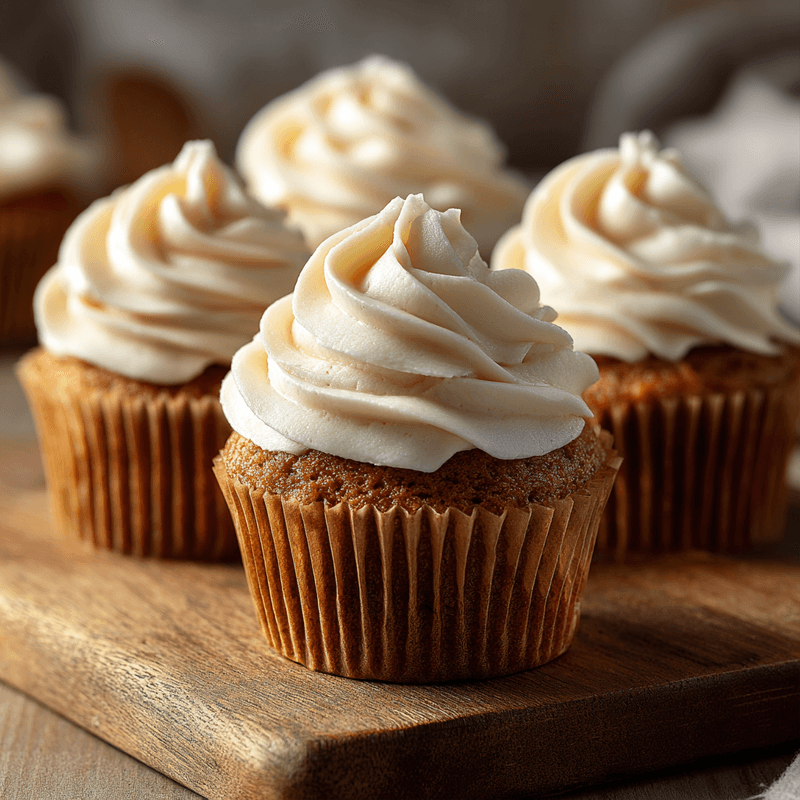
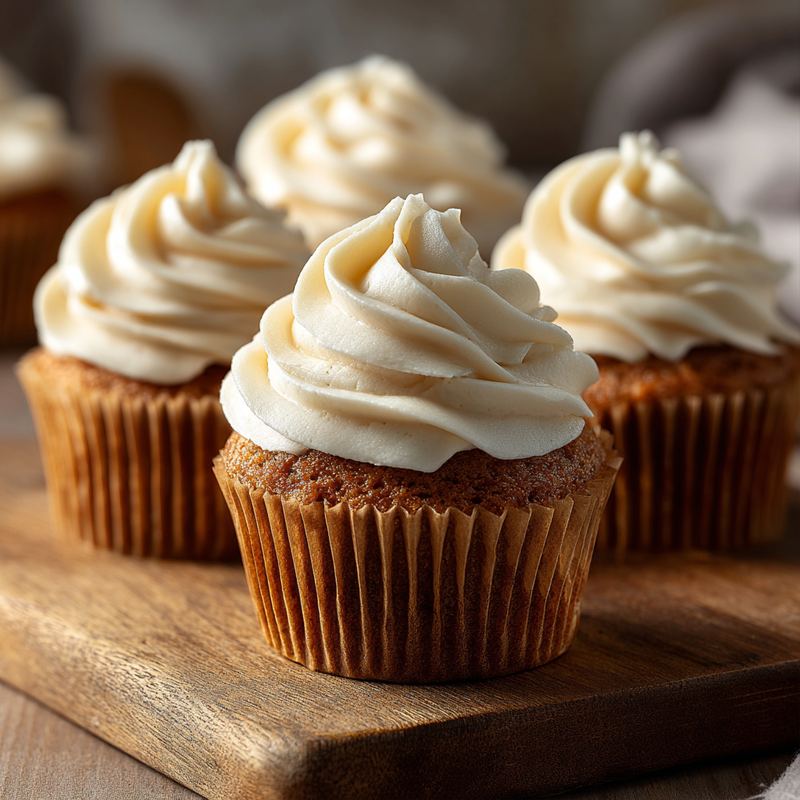
When you're ready to assemble your guilt-free carnivore cupcakes with creamy frosting, you're creating a complete sensory experience that honors both aesthetics and flavor. The cooled cupcakes should have a tender, slightly dense crumb that holds together when you peel away the liner, with a pale golden top that speaks to their pure, simple ingredients. The frosting crowns each cupcake with generous swirls of white or cream-colored richness that catches the light beautifully.
Traditional presentation in the carnivore community tends toward simplicity, allowing the quality of ingredients to shine without elaborate decorations. A simple swirl of frosting applied with a piping bag and star tip creates an elegant look that's appropriate for any occasion. Some carnivore bakers dust the finished cupcakes with a tiny sprinkle of cinnamon or top them with a single fresh berry for color, though purists keep them completely animal-based.
The eating experience is what truly sets these cupcakes apart from their plant-based cousins. The first bite reveals a cupcake that's moist without being wet, rich without being heavy, and sweet without the cloying aftertaste of artificial sweeteners. The frosting melts on your tongue, its buttercream texture giving way to pure dairy flavor enhanced by just enough sweetness. Together, the components create something that feels indulgent yet leaves you feeling satisfied rather than sluggish.
Serving these at room temperature brings out their best qualities, as the fats in the frosting soften slightly and the cupcake's flavors become more pronounced. They're perfect for sharing at family gatherings, where carnivore and non-carnivore eaters alike can appreciate their quality. Many people can't believe these contain no flour, sugar, or plant ingredients until you tell them.
Make It Your Own
The beauty of guilt-free carnivore cupcakes with creamy frosting lies in their adaptability to your personal preferences and needs. If you're transitioning from a standard diet and find the pure carnivore version too different, try adding a small amount of unsweetened cocoa powder to the batter for a chocolate variation that still keeps carbs minimal. About two tablespoons of high-quality cocoa creates a rich chocolate cupcake that appeals to those who crave familiar flavors.
For those who tolerate dairy differently, you can adjust the ratios to suit your needs. If cream cheese doesn't agree with you, make the frosting entirely from whipped heavy cream stabilized with a touch of gelatin. Conversely, if you love tangy flavors, increase the cream cheese in the frosting and reduce the butter for a more cheesecake-like topping. Some carnivore bakers even make a pure mascarpone frosting for an ultra-luxurious Italian-inspired variation.
Spice and flavor additions can transform these cupcakes into completely different experiences while maintaining carnivore compliance. A teaspoon of cinnamon in the batter creates a warming, almost churro-like flavor that's perfect for cozy evenings. Vanilla bean paste instead of extract provides visual interest with tiny black specks throughout. For coffee lovers, a tablespoon of instant espresso powder dissolved in a teaspoon of warm water adds sophisticated depth without bitterness.
If you're serving these to family members with different dietary needs, consider making a double batch and varying the sweeteners. Half the batch can use erythritol for those watching blood sugar, while the other half uses a small amount of honey for those who prefer natural sweeteners and aren't strictly carnivore. This approach lets everyone at the table enjoy the same basic dessert adapted to their preferences.
Keeping and Reusing Leftovers
Proper storage keeps your guilt-free carnivore cupcakes with creamy frosting fresh and delicious for days, though their high dairy content requires more attention than traditional cupcakes. Unfrosted cupcakes can be stored in an airtight container at room temperature for up to two days, but I recommend refrigerating them if your kitchen is warm or if you've made them more than a day ahead. The cream and eggs in the batter can spoil quickly at room temperature.
Once frosted, these cupcakes must be refrigerated due to the cream cheese and butter in the topping. Store them in a container large enough that the frosting doesn't touch the lid, or tent aluminum foil over them loosely. They'll keep beautifully for up to five days in the refrigerator, though the texture is best within three days. Before serving refrigerated cupcakes, let them sit at room temperature for 20-30 minutes so the frosting softens to its ideal creamy consistency.
Freezing is an excellent option for longer storage and actually works remarkably well with these cupcakes. Freeze them unfrosted for the best results, wrapping each cupcake individually in plastic wrap and then placing them all in a freezer bag. They'll keep frozen for up to three months. Thaw overnight in the refrigerator, then bring to room temperature before frosting. If you've already frosted them, freeze on a baking sheet until solid, then transfer to a container. The frosting may need a quick re-whip after thawing to restore its texture.
Leftover cupcakes can be transformed into other delicious carnivore treats. Crumble them over a bowl of whipped cream for a deconstructed parfait, or warm a cupcake slightly and serve it with a dollop of mascarpone for an Italian-inspired breakfast. Some creative carnivore cooks even blend leftover cupcakes into their morning coffee for a sweet, creamy beverage that feels like dessert but fits their dietary approach.
Your Questions Answered
Can I make these guilt-free carnivore cupcakes without a mixer?
Absolutely, though you'll need some serious arm strength and patience for the best results. The cupcake batter can be mixed by hand using a whisk and vigorous circular motions, focusing on incorporating as much air as possible when creaming the butter and sweetener. For the frosting, a hand whisk works well if you're persistent, though it takes about ten minutes of continuous whisking to achieve stiff peaks compared to three minutes with an electric mixer.
Why do my carnivore cupcakes sink in the middle after baking?
Sinking is usually caused by one of three issues: oven temperature too high, opening the oven door during the first 15 minutes of baking, or overmixing the batter after adding the eggs. The high egg content in guilt-free carnivore cupcakes with creamy frosting makes them particularly susceptible to temperature shocks. Use an oven thermometer to verify your actual temperature, and resist the urge to peek until the minimum baking time has elapsed.
What's the best sweetener for people new to sugar-free baking?
Allulose provides the most sugar-like experience without the cooling sensation that bothers some people about erythritol. It browns slightly during baking, doesn't crystallize, and has no aftertaste that I can detect. However, it's more expensive than erythritol and can have a slight laxative effect in large quantities. Start with a blend of half allulose and half powdered erythritol for a balanced approach that minimizes both cost and potential digestive issues.
Can I make these cupcakes dairy-free but still carnivore?
This is extremely challenging since the recipe relies heavily on cream, butter, and cream cheese for both structure and flavor. Some carnivore dieters make cupcakes using only eggs and rendered beef tallow, which creates more of a savory egg cake than a sweet dessert. The texture and flavor will be completely different from these guilt-free carnivore cupcakes with creamy frosting, so I'd recommend seeking out a recipe specifically designed for dairy-free carnivore baking rather than adapting this one.
How sweet should these cupcakes taste compared to regular cupcakes?
That depends entirely on your sweetener quantity and personal palate. I design my recipes to be moderately sweet, assuming people's taste buds will adjust to lower sweetness levels on a carnivore diet. If you're newly carnivore and still accustomed to intense sweetness, you might want to increase the sweetener by 25-50% initially. After a few months of eating this way, most people find they prefer less sweetness and can reduce the amount. Trust your own taste and adjust accordingly.
What should I serve alongside these cupcakes?
In the carnivore community, these guilt-free carnivore cupcakes with creamy frosting are typically enjoyed as a standalone treat with a cup of coffee or tea. If you want to create a more complete dessert experience, serve them with a small bowl of unsweetened whipped cream for dipping, or a glass of cold, full-fat milk if you tolerate dairy well. Some people enjoy them with a few fresh berries on the side, though strict carnivores would skip this plant-based addition.
Guilt-Free Carnivore Cupcakes with Creamy Frosting
Delicious zero-carb cupcakes made with only animal-based ingredients, topped with rich and creamy frosting. Perfect for carnivore dieters who want a sweet treat.
Prep Time
20 min
Cook Time
20 min
Total Time
40 min
Servings
12 cupcakes
Ingredients
For 12 cupcakes
- 6 large eggs, separated and at room temperature
- 1/2 cup unsalted butter, softened (preferably grass-fed)
- 1/2 cup heavy cream, at room temperature
- 1/2 cup powdered erythritol or allulose, for cupcakes
- 1 teaspoon pure vanilla extract
- 1/4 teaspoon sea salt
- 1 teaspoon unflavored gelatin powder (optional, for structure)
- 8 ounces cream cheese, softened completely
- 1/4 cup unsalted butter, softened, for frosting
- 1/3 cup powdered erythritol or allulose, for frosting
- 1/4 cup heavy cream, cold, for frosting
- 1 teaspoon pure vanilla extract, for frosting
Instructions
- 1
Prepare oven and pans
Preheat your oven to 300°F and line a 12-cup muffin tin with cupcake liners. The lower temperature is crucial for carnivore cupcakes to prevent over-browning and collapsing. If using gelatin, dissolve it in 2 tablespoons of warm heavy cream and set aside to bloom.
- 2
Cream butter and sweetener
In a large mixing bowl, beat the softened butter with 1/2 cup powdered sweetener using an electric mixer on medium-high speed for 3-4 minutes until light, fluffy, and pale in color. This incorporation of air is essential since there's no flour or leavening agent. Scrape down the sides of the bowl as needed.
- 3
Add egg yolks
Add the egg yolks one at a time to the butter mixture, beating well after each addition until fully incorporated and the mixture looks smooth and silky. Add the vanilla extract, salt, and the bloomed gelatin mixture if using. Mix until completely combined.
- 4
Incorporate cream
With the mixer on low speed, slowly pour in the 1/2 cup of room-temperature heavy cream, mixing just until the batter is smooth and uniform. Don't overmix at this stage. The batter will be thick and rich, resembling a mousse.
- 5
Whip egg whites
In a separate clean, dry bowl, whip the egg whites with a pinch of salt using clean beaters until they form soft peaks. The peaks should curl over slightly when you lift the beaters. This takes about 2-3 minutes on medium-high speed.
- 6
Fold and fill
Gently fold the whipped egg whites into the batter in three additions, using a spatula and cutting down through the center, then sweeping along the bottom and up the sides. Work quickly but gently to preserve the air. Divide the batter evenly among the cupcake liners, filling each about two-thirds full.
- 7
Bake cupcakes
Bake for 18-22 minutes until the tops are just beginning to turn golden and a toothpick inserted in the center comes out with a few moist crumbs. Don't open the oven door for the first 15 minutes. The cupcakes will puff up during baking and settle slightly as they cool, which is normal.
- 8
Cool completely
Let the cupcakes cool in the pan for 5 minutes, then transfer to a wire rack to cool completely, which takes about 45 minutes. They must be completely cool before frosting or the frosting will melt and slide off.
- 9
Make frosting base
In a large bowl, beat the softened cream cheese and 1/4 cup softened butter together on medium-high speed for 2-3 minutes until completely smooth with no lumps. Scrape down the bowl several times to ensure even mixing.
- 10
Sweeten and whip
Add the 1/3 cup powdered sweetener to the cream cheese mixture and beat until combined. Add the cold 1/4 cup heavy cream and vanilla extract, then whip on high speed for 3-5 minutes until the frosting forms stiff peaks and is light and fluffy.
- 11
Frost cupcakes
Transfer the frosting to a piping bag fitted with a large star tip, or simply spread it on with a knife or offset spatula. Pipe or spread generous swirls on each completely cooled cupcake. The frosting should be thick enough to hold its shape.
- 12
Chill and serve
Refrigerate the frosted cupcakes for at least 30 minutes to set the frosting, then let them sit at room temperature for 15-20 minutes before serving for the best texture and flavor. Store any leftovers covered in the refrigerator for up to 5 days.
Nutrition Facts
Per serving (estimated)
285 calories
Calories
3g
Carbs
6g
Protein
27g
Fat
0g
Fiber
180mg
Sodium
1g
Sugar