Ginger Chicken Rice Soup with Bok Choy: Ultimate Comfort Bowl
This warming ginger chicken and rice soup with bok choy is packed with healing spices, tender chicken, and fresh greens. Easy one-pot comfort in 45 minutes!
cookwithlucia.com/recipes/ginger-chicken-and-rice-soup-with-bok-choy-your-ultimate-comfort-bowl
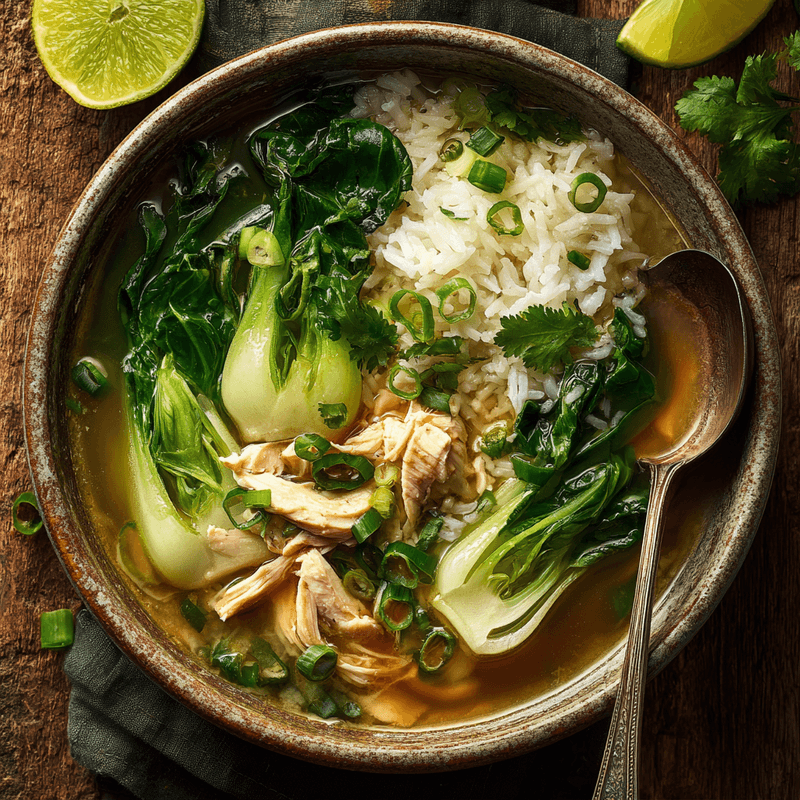
There's something almost magical about the way a steaming bowl of ginger chicken and rice soup with bok choy can transform your entire day. The moment you lift that spoon to your lips, you're met with fragrant wisps of ginger-infused steam, followed by the silky warmth of perfectly seasoned broth cradling tender chicken, fluffy rice, and vibrant bok choy. It's not just soup—it's a hug in a bowl, a remedy for weary souls, and a celebration of simple, wholesome ingredients working in perfect harmony.
I'll never forget the rainy afternoon when I first created this ginger chicken and rice soup with bok choy in my own kitchen. I'd been feeling under the weather, craving something nourishing yet light, something that would warm me from the inside out without weighing me down. I remembered my grandmother's advice about ginger's healing properties and decided to build an entire soup around that golden, aromatic root. What emerged from my stockpot that day became an instant family favorite—a recipe I've made countless times since, tweaking and perfecting until it became the comforting masterpiece I'm sharing with you today.
This recipe is special because it strikes that rare balance between incredibly flavorful and wonderfully simple. You don't need exotic ingredients or advanced cooking techniques—just a handful of fresh components and about 45 minutes of your time. In this post, I'll walk you through everything you need to know to create this ultimate comfort bowl in your own kitchen. You'll learn about the key ingredients that make this soup sing, discover my best tips for achieving restaurant-quality results, and explore creative variations to make this recipe your own. Let's dive into this warming, nourishing bowl of pure comfort together.
What is Ginger Chicken and Rice Soup with Bok Choy?
Have you ever wondered what happens when Asian-inspired flavors meet classic chicken soup comfort? That's exactly what ginger chicken and rice soup with bok choy delivers—a beautiful fusion that honors traditional healing foods while creating something uniquely satisfying. This soup has roots in various Asian culinary traditions where ginger has long been celebrated for its warming, soothing properties, particularly during cold weather or times when you need extra nourishment.
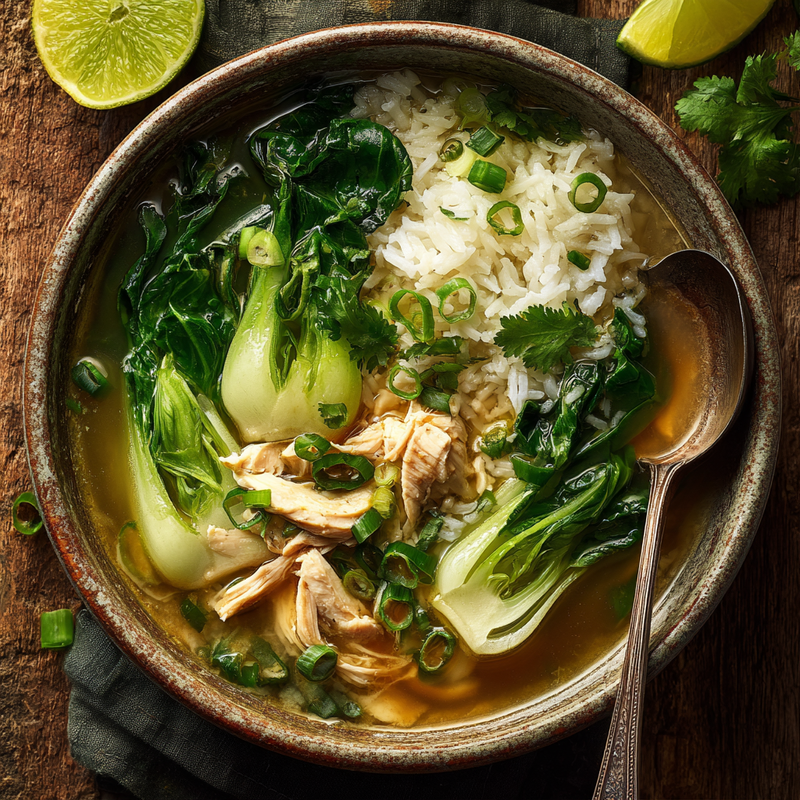
At its heart, this dish features tender chunks of chicken simmered in a golden broth deeply infused with fresh ginger and aromatic garlic. Fluffy grains of rice add substance and make it a complete meal, while crisp-tender bok choy brings a fresh, slightly sweet element that balances the soup's richness. The flavor profile is warming and complex—pungent ginger takes center stage, supported by savory chicken broth, a hint of garlic, and the subtle sweetness of bok choy. Some versions lean toward Thai influences with lemongrass, while others draw from Chinese congee traditions, but my version finds a happy middle ground that's approachable and universally loved.
What makes this ginger chicken and rice soup with bok choy truly special is its versatility. It's equally at home on a weeknight dinner table as it is serving as a restorative meal when you're feeling less than your best. Ready to discover why this soup deserves a permanent spot in your recipe rotation?
Why You'll Love This Ginger Chicken and Rice Soup with Bok Choy
Incredibly Easy and Mostly Hands-Off — This ginger chicken and rice soup with bok choy comes together in one pot with minimal active cooking time. You'll spend about 15 minutes prepping and chopping, then the soup practically makes itself while you relax. There's no complicated technique or precise timing required, making it perfect for busy weeknights when you want something special without the stress.
Packed with Nourishing Ingredients — Every spoonful delivers genuine nutrition along with incredible flavor. The ginger provides natural anti-inflammatory properties, the chicken offers lean protein, the bok choy supplies vitamins A and C, and the rice gives you satisfying, energy-sustaining carbohydrates. It's the kind of meal that makes you feel good both while eating it and hours afterward.
Budget-Friendly Without Sacrificing Flavor — You don't need expensive cuts of meat or specialty ingredients to create this restaurant-quality soup. Boneless chicken thighs or breasts work beautifully, fresh ginger costs just pennies per tablespoon, and bok choy is one of the most affordable greens available. A pot that serves six costs less than most takeout meals for two.
Deeply Comforting Yet Light — Unlike heavy, cream-based soups that can leave you feeling sluggish, this ginger chicken and rice soup with bok choy is satisfying without being overly filling. The clear, flavorful broth keeps things light while still delivering that comforting warmth you crave. It's substantial enough to serve as a complete meal but won't weigh you down the way richer soups might.
Endlessly Customizable — The base recipe is just the beginning of what you can create. Add more vegetables, adjust the ginger intensity, swap different greens, or add chili for heat. This soup adapts beautifully to whatever you have on hand or whatever your taste buds are craving on any given day.
Perfect for Meal Prep and Leftovers — This soup actually tastes better the next day as the flavors meld and deepen. Make a big batch on the weekend and enjoy effortless, delicious lunches all week long. Compared to other chicken soups that can become mushy or bland when reheated, this ginger chicken and rice soup with bok choy maintains its texture and vibrant flavors beautifully. Trust me, your future self will thank you for making extra!
Key Ingredients and What They Bring
Let's talk about the stars of this ginger chicken and rice soup with bok choy, because understanding your ingredients transforms you from someone following a recipe to a confident cook who can adapt and improvise. Fresh ginger is absolutely the MVP here—those knobby golden roots bring a warm, slightly spicy, almost citrusy flavor that permeates every drop of broth. When you simmer ginger in liquid, it releases essential oils that create that characteristic throat-warming sensation we associate with healing soups. I use about three tablespoons of freshly grated ginger, but you can adjust based on how much of that distinctive kick you enjoy. Don't even think about using powdered ginger here; the fresh stuff is essential for authentic flavor.
Chicken is your protein foundation, and I prefer boneless, skinless chicken thighs for this ginger chicken and rice soup with bok choy because they stay incredibly tender and juicy even after simmering. Chicken breasts work too if that's what you have, but thighs bring richer flavor and are nearly impossible to overcook. You'll need about one and a half pounds, cut into bite-sized pieces. The chicken releases its own savory flavors into the broth while cooking, creating layers of taste that boxed broth alone simply cannot achieve.
Bok choy deserves special attention because it's the ingredient that elevates this from ordinary chicken soup to something truly special. This crisp, mild Chinese cabbage has tender green leaves and crunchy white stalks that provide wonderful textural contrast. It brings a subtle sweetness and a pop of bright green color that makes the soup look as beautiful as it tastes. The stalks need slightly longer cooking than the delicate leaves, so we add them in stages. If you can't find bok choy, baby spinach or napa cabbage make acceptable substitutes, though you'll miss that characteristic crunch.
Jasmine or long-grain white rice turns this soup into a complete, filling meal. I use about three-quarters of a cup of uncooked rice, which cooks directly in the soup and absorbs all those wonderful ginger and chicken flavors. The rice also helps thicken the broth slightly, giving it more body without adding cream or flour. You could use brown rice for extra nutrition, but you'll need to add it earlier and extend the cooking time by about 20 minutes.
Good quality chicken broth forms the soul of this soup. I typically use eight cups of low-sodium chicken broth, which gives me control over the final salt level. Homemade stock is phenomenal if you have it, but quality store-bought broth works beautifully. The broth carries all the other flavors and brings everything together in each spoonful. Garlic, soy sauce, and a touch of sesame oil round out the aromatic base, adding depth and that subtle umami quality that makes this ginger chicken and rice soup with bok choy so incredibly satisfying and crave-worthy.
How to Make Ginger Chicken and Rice Soup with Bok Choy — Quick Overview
The beauty of this ginger chicken and rice soup with bok choy lies in its straightforward preparation. You'll start by building your flavor base in a large stockpot or Dutch oven, heating a bit of neutral oil and then adding your freshly grated ginger and minced garlic. This initial step is crucial—those 30 seconds of aromatic sizzling release the essential oils and create the foundation for everything that follows. The kitchen will immediately fill with the most incredible warming fragrance that signals something special is happening.
Next, you'll add your chicken pieces and lightly sear them just until they're no longer pink on the outside, about three to four minutes. This isn't about fully cooking the chicken yet; it's about developing flavor and creating those light golden bits on the bottom of the pot that will dissolve into the broth and add tremendous depth. Then comes the broth—pour it in along with your soy sauce and bring everything to a gentle boil. Once it's bubbling, add your rice, reduce the heat to a simmer, and let it cook for about 15 minutes until the rice is tender and the chicken is cooked through.
The final stage is where the magic happens and your ginger chicken and rice soup with bok choy comes together completely. You'll add the chopped bok choy stalks first, giving them a few minutes to soften slightly, then stir in the tender leaves along with a drizzle of sesame oil. Just two or three more minutes and you're done—the bok choy should be vibrant green and crisp-tender, not mushy. Total time from start to finish is about 45 minutes, with only 15 minutes of actual hands-on work. It's comfort food that fits into real life, which is exactly how I believe cooking should be.
Top Tips for Perfecting Ginger Chicken and Rice Soup with Bok Choy
The quality of your ginger makes an enormous difference in this recipe. Look for ginger roots that are firm with smooth, taut skin—avoid any that feel soft or have wrinkled skin, as these are old and have lost much of their potency. When you grate the ginger, use a microplane or the finest holes on your box grater to create a paste rather than chunks. This distributes the flavor evenly throughout your ginger chicken and rice soup with bok choy and ensures you won't bite into an overly pungent piece of raw ginger.
Don't rush the aromatic step at the beginning. When you add ginger and garlic to the hot oil, give them just 30 to 45 seconds to bloom and release their fragrance, but watch carefully—if they burn, they'll turn bitter and you'll need to start over. The oil should be shimmering but not smoking. This brief sauté transforms raw, harsh flavors into mellow, complex aromatics that form the backbone of your soup.
Season in layers rather than all at once. Add soy sauce early so it can meld with the broth, but save your final salt and pepper adjustment for the very end after the rice has cooked and absorbed some of the liquid. Rice is a salt magnet, so soup that tastes perfectly seasoned before adding rice will taste bland afterward. I always taste and adjust just before serving to ensure the seasoning is spot-on.
Pay attention to your bok choy preparation and timing. Wash it thoroughly, as dirt can hide where the stalks meet, then separate the white stalks from the green leaves and chop them separately. The stalks need about five minutes of cooking to become tender, while the leaves only need two to three minutes. Adding them together results in either crunchy stalks or mushy leaves—neither of which you want in your ginger chicken and rice soup with bok choy.
Control your simmer to prevent mushy rice. Once you add the rice, you want a gentle, lazy bubble rather than a rolling boil. Too much agitation breaks down the rice grains and creates a gluey, congee-like texture. If you prefer a brothier soup, you can cook the rice separately and add it to individual bowls, then ladle the soup over top. This also makes leftovers better since the rice won't continue absorbing liquid in the fridge.
For the best texture and flavor, use chicken thighs and cut them into uniform pieces about one inch in size. Uniform sizing ensures everything cooks evenly—you won't have some pieces overcooked and dry while others are still underdone. Thighs remain juicy and tender even if you accidentally simmer them a few minutes longer than intended, which makes them much more forgiving than breast meat.
Finish with a small drizzle of toasted sesame oil right before serving. This is not the same as the regular sesame oil you might cook with—toasted sesame oil is dark, intensely aromatic, and should be used as a finishing oil rather than a cooking fat. Just a teaspoon or two added at the end brings a subtle nutty richness that makes your ginger chicken and rice soup with bok choy taste like it came from a restaurant kitchen. A squeeze of fresh lime juice right before serving also adds a bright, tangy note that lifts all the other flavors beautifully.
Variations and Flavor Twists
For a spicy kick that complements the ginger beautifully, try my chili-ginger version of this ginger chicken and rice soup with bok choy. Add one to two teaspoons of chili garlic sauce or sambal oelek along with the ginger, or scatter thinly sliced fresh red chilies over the finished bowls. The heat plays wonderfully against the warming ginger and creates a soup that's perfect for clearing sinuses and awakening taste buds on cold days.
If you're looking for a vegetarian adaptation, replace the chicken with firm tofu or tempeh cut into cubes, and swap the chicken broth for vegetable broth. Add the tofu during the last ten minutes of cooking so it heats through and absorbs the flavors without falling apart. You might also increase the bok choy or add other vegetables like mushrooms, snow peas, or baby corn to make the soup more substantial without the meat.
Create a coconut-ginger version by replacing two cups of the chicken broth with full-fat coconut milk, added during the last five minutes of cooking. This creates a richer, creamier soup with subtle sweetness that balances the ginger's bite. A tablespoon of fish sauce (ensure it's halal-certified) instead of soy sauce adds authentic Thai flavors that pair beautifully with the coconut.
For a heartier, more substantial meal, transform this into a noodle soup by omitting the rice and adding rice noodles or egg noodles during the last five to seven minutes of cooking. The ginger chicken and rice soup with bok choy becomes an entirely different but equally delicious dish—more pho-like in character with slurpable noodles that soak up all that ginger-infused broth.
Experiment with different greens based on what's available or what you prefer. Swiss chard, kale (add it early as it takes longer to cook), baby spinach, or napa cabbage all work wonderfully in place of bok choy. Each brings its own personality to the soup while maintaining that essential balance of tender greens against the rich broth and hearty chicken and rice.
What to Serve with Ginger Chicken and Rice Soup with Bok Choy
This ginger chicken and rice soup with bok choy is substantial enough to serve as a complete meal on its own, but a few thoughtful accompaniments can transform it into a more elaborate spread for family gatherings or when you're entertaining. Warm, crusty bread or homemade dinner rolls are perfect for dunking into the flavorful broth and soaking up every last drop. The neutral flavor of bread provides a nice contrast to the ginger's spiciness.
A simple cucumber salad with rice vinegar, sesame seeds, and a touch of sugar offers a cool, crunchy counterpoint to the warm, comforting soup. The acidity and freshness cleanse your palate between spoonfuls and add textural variety to the meal. I often make a big bowl of this salad and let everyone help themselves—it takes just five minutes to throw together.
Steamed or pan-fried dumplings make this into a more festive meal while staying within the Asian-inspired flavor profile. Whether you make them from scratch or use quality frozen dumplings, they complement the ginger chicken and rice soup with bok choy perfectly and turn dinner into something that feels special and celebratory.
Fresh spring rolls filled with crisp vegetables and herbs provide another light, refreshing side that doesn't compete with the soup's flavors. The cool, fresh ingredients wrapped in delicate rice paper wrappers create beautiful textural and temperature contrast. Serve them with a simple dipping sauce made from soy sauce, lime juice, and a touch of honey.
For drinks, hot green tea or jasmine tea is traditional and wonderful, but I also love serving this soup with sparkling water infused with fresh lime or lemon. The bubbles and citrus refresh your palate and keep the meal feeling light. A pitcher of iced tea with fresh mint and a squeeze of citrus is perfect for warmer weather when you're craving this comforting soup but want something cooling alongside it.
Storing and Reheating Tips
Proper storage keeps your ginger chicken and rice soup with bok choy delicious for days after you make it, which is wonderful news for meal prep enthusiasts. Allow the soup to cool to room temperature, but don't leave it out for more than two hours. Transfer it to airtight containers and refrigerate for up to four days. The flavors will actually deepen and improve overnight as the ginger continues to infuse the broth, making day-two soup arguably even better than freshly made.
For freezing, I recommend a slightly different approach. The bok choy doesn't freeze particularly well—it becomes limp and loses its appealing texture. If you know you'll be freezing portions, cook the soup without the bok choy, cool it completely, then freeze in individual portions for up to three months. When you're ready to eat, thaw overnight in the refrigerator, reheat until simmering, then add fresh bok choy and cook for just a few minutes until tender. This way your ginger chicken and rice soup with bok choy tastes freshly made every time.
Reheating on the stovetop gives the best results. Pour your refrigerated soup into a pot and warm it over medium heat, stirring occasionally, until it reaches a gentle simmer and is heated through completely. You'll likely need to add a splash of water or broth, as the rice continues absorbing liquid even in the refrigerator. Start with a quarter cup of liquid and add more if needed to reach your desired consistency.
Microwave reheating works in a pinch for single servings. Transfer the soup to a microwave-safe bowl, cover it loosely to prevent splattering, and heat on high for two to three minutes, stirring halfway through. Add a tablespoon or two of water if it seems too thick. The soup should be steaming hot throughout before you eat it.
One of my favorite tricks for maintaining the fresh, vibrant quality of reheated ginger chicken and rice soup with bok choy is adding a small amount of freshly grated ginger and a fresh drizzle of sesame oil just before serving. This refreshes the flavors and makes reheated soup taste bright and newly made rather than like leftovers. A squeeze of fresh lime juice works magic too, cutting through any heaviness and perking up all the other flavors.
Frequently Asked Questions
Can I make this ginger chicken and rice soup with bok choy ahead of time?
Absolutely! In fact, this soup is an excellent make-ahead meal. Prepare it completely up to two days in advance, but if possible, add the bok choy only when you're ready to serve so it stays crisp and vibrant green. Store the soup in the refrigerator, then reheat gently on the stovetop, adding the bok choy during the last five minutes of reheating. This ensures you get maximum flavor development while maintaining the best possible texture.
What can I substitute for bok choy if I can't find it?
Bok choy's unique combination of crunchy stalks and tender leaves makes it special, but several alternatives work well in this ginger chicken and rice soup with bok choy. Napa cabbage is probably the closest substitute, offering similar mild sweetness and a pleasant crunch. Baby spinach works in a pinch, though it wilts much faster so add it during the last minute of cooking. Swiss chard or regular cabbage are also options, though they have stronger flavors that will slightly change the soup's overall taste profile.
Can I use brown rice instead of white rice?
Yes, but you'll need to adjust your timing. Brown rice takes significantly longer to cook than white rice—typically 40 to 45 minutes compared to 15 to 20 minutes. Add the brown rice to your soup right after adding the broth and let it simmer for about 35 minutes before adding the chicken. This ensures the rice is tender by the time the chicken cooks through. Alternatively, cook brown rice separately and add it to the soup at the end to better control the consistency.
How can I make this soup spicier?
There are several ways to add heat to your ginger chicken and rice soup with bok choy. Increase the fresh ginger for more warming spice, add red pepper flakes or fresh sliced chilies when you sauté the aromatics, or stir in chili garlic sauce or your favorite hot sauce to taste. I love adding a small amount of fresh Thai bird's eye chilies for bright, sharp heat that complements rather than overwhelms the ginger. Start conservatively—you can always add more heat, but you can't take it away.
Is this soup good for meal prep?
This ginger chicken and rice soup with bok choy is absolutely fantastic for meal prep. It stores beautifully, reheats well, and actually tastes better after the flavors have had time to meld overnight. Portion it into individual containers for grab-and-go lunches throughout the week. Just remember to add a splash of broth or water when reheating since the rice will continue absorbing liquid. Making a double batch on the weekend sets you up with nutritious, comforting meals that take zero effort on busy weekdays.
How do I know when the chicken is fully cooked?
The chicken is done when it reaches an internal temperature of 165°F and is no longer pink in the center. Because you're using bite-sized pieces in this ginger chicken and rice soup with bok choy, they cook relatively quickly—usually within 15 to 20 minutes of gentle simmering. If you're unsure, remove one of the larger pieces and cut into it to check. The meat should be opaque white throughout with clear juices. Chicken thighs are very forgiving and will stay tender even if slightly overcooked, making them ideal for soup recipes.
Ginger Chicken and Rice Soup with Bok Choy
A warming, nourishing soup featuring tender chicken, fluffy rice, and crisp bok choy in a fragrant ginger-infused broth. Perfect comfort food that's ready in 45 minutes.
Prep Time
15 min
Cook Time
30 min
Total Time
45 min
Servings
6 servings
Ingredients
For 6 servings
- 1.5 pounds boneless, skinless chicken thighs, cut into 1-inch pieces
- 8 cups low-sodium chicken broth
- 3 tablespoons fresh ginger, peeled and grated
- 4 cloves garlic, minced
- 3/4 cup jasmine rice, uncooked
- 4 cups bok choy, white stalks and green leaves separated and chopped
- 2 tablespoons soy sauce
- 1 tablespoon toasted sesame oil
- 2 tablespoons neutral cooking oil
- 1 teaspoon salt, or to taste
- 1/2 teaspoon black pepper
- 2 green onions, thinly sliced for garnish
- 1 lime, cut into wedges for serving
- Fresh cilantro for garnish, optional
Instructions
- 1
Prepare aromatics
Heat the neutral cooking oil in a large stockpot or Dutch oven over medium heat. Add the grated ginger and minced garlic, stirring constantly for 30 to 45 seconds until fragrant but not browned. This blooms the aromatics and releases their essential oils into the oil.
- 2
Sear the chicken
Add the chicken pieces to the pot and cook for 3 to 4 minutes, stirring occasionally, until the chicken is no longer pink on the outside. The chicken doesn't need to be fully cooked at this stage—you're just developing flavor and creating fond on the bottom of the pot.
- 3
Add broth and seasonings
Pour in the chicken broth and soy sauce, stirring to scrape up any browned bits from the bottom of the pot. These bits add tremendous depth to your soup. Increase the heat to high and bring the mixture to a boil.
- 4
Add rice and simmer
Once the broth is boiling, add the uncooked jasmine rice and stir well. Reduce the heat to medium-low to maintain a gentle simmer. Cover the pot partially and let it cook for 15 to 18 minutes, stirring occasionally, until the rice is tender and the chicken is cooked through.
- 5
Cook bok choy stalks
Add the chopped white bok choy stalks to the soup and stir to combine. Let them cook for 3 to 4 minutes until they begin to soften but still retain some crunch. The stalks need more cooking time than the delicate leaves.
- 6
Add bok choy leaves
Stir in the chopped green bok choy leaves and the toasted sesame oil. Cook for another 2 to 3 minutes until the leaves are wilted and bright green but not mushy. The leaves cook very quickly, so watch them carefully.
- 7
Season to taste
Taste the soup and adjust the seasoning with salt and black pepper as needed. Remember that the rice absorbs salt, so you may need more seasoning than you initially think. Add it gradually, tasting between additions.
- 8
Serve and garnish
Ladle the hot soup into bowls and garnish with sliced green onions and fresh cilantro if desired. Serve immediately with lime wedges on the side for squeezing over individual bowls. The lime juice adds a bright, fresh note that beautifully complements the warming ginger.
Nutrition Facts
Per serving (estimated)
285 calories
Calories
28g
Carbs
26g
Protein
8g
Fat
2g
Fiber
820mg
Sodium
2g
Sugar