1-Hour Soft Buttery Dinner Rolls Made Easily
Learn how to make incredibly soft buttery dinner rolls in just 1 hour! This easy recipe delivers bakery-quality rolls perfect for any family meal.
cookwithlucia.com/recipes/get-1-hour-soft-buttery-dinner-rolls-made-easily
We've all been there—dinner is nearly ready, the table is set, and suddenly you realize something's missing. That perfect, pillowy soft roll to soak up gravy, complement your main dish, or simply enjoy slathered with butter. But who has time to make bread from scratch on a busy weeknight? Between work, family obligations, and everything else on your plate, homemade rolls seem like a luxury reserved for professional bakers or those rare days when you have hours to spare.
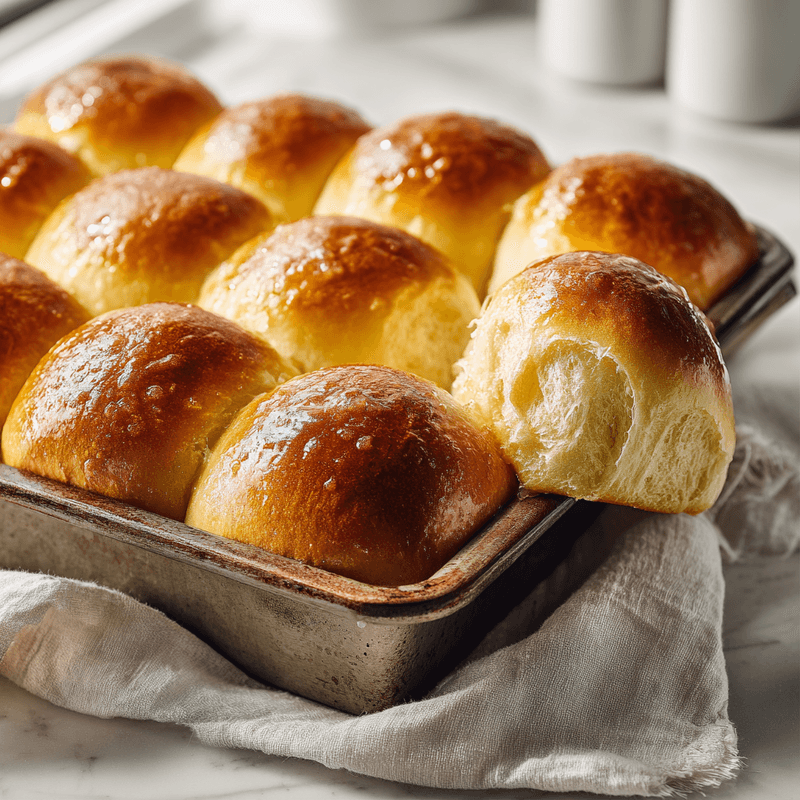
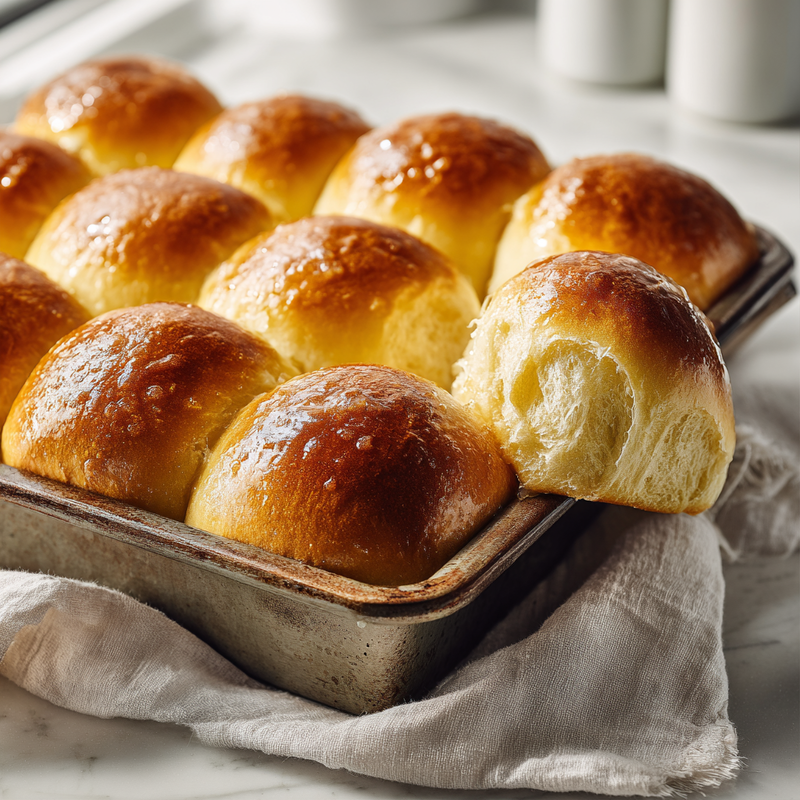
That's exactly why I'm so excited to share these 1-hour soft buttery dinner rolls with you today. Yes, you read that right—from measuring flour to pulling golden, fragrant rolls from your oven in just sixty minutes. No overnight rising, no complicated techniques, no special equipment required. Just simple ingredients you probably already have in your pantry, transformed into the most tender, buttery rolls that practically melt on your tongue. Picture this: a dozen perfectly golden rolls with soft, pillowy interiors and a delicate buttery crust that glistens under the light, releasing steam when you tear one open, revealing layers of tender crumb just waiting for a pat of butter.
I promise you, from the moment you start mixing to the second these beauties land on your dinner table, you're looking at just one hour. And the best part? While the dough does its thing, you can focus on the rest of your meal, making this recipe the ultimate multitasking solution for anyone who wants homemade bread without the all-day commitment.
Why This Is Your New Weeknight Go-To
Ready in Just One Hour, Start to Finish
Unlike traditional dinner roll recipes that demand multiple rises over several hours, these 1-hour soft buttery dinner rolls use a simple technique with rapid-rise methods that cut your time dramatically. You'll mix, knead briefly, let rise once, shape, rise again for just 15 minutes, then bake. The entire timeline fits neatly into that hour before dinner, so you can start these rolls when you begin cooking your main course.
Minimal Cleanup Means Less Stress
You'll need just one bowl for mixing, a baking pan, and your hands for a quick knead. No stand mixer required, though you can certainly use one if you prefer. No multiple bowls, no complicated equipment to wash afterward. When dinner is done and you're facing the dishes, you'll appreciate how streamlined this process truly is.
Pantry Staples Create Bakery Magic
Flour, a bit of sugar, butter, milk, and quick-acting ingredients you likely already own transform into something that tastes like it came from an artisan bakery. There's something deeply satisfying about creating such impressive results from such humble beginnings. The aroma alone will have everyone gathering in the kitchen, asking when dinner will be ready.
Universally Loved by All Ages
I've yet to meet anyone who doesn't light up at the sight of fresh, warm dinner rolls on the table. Kids love them plain or with a bit of honey, adults appreciate their versatility alongside everything from roasted chicken to hearty stews, and guests always assume you spent far more time than you actually did. These rolls have that magical quality of making any ordinary meal feel just a bit more special.
Perfectly Portioned and Freezer-Friendly
The recipe yields a dozen beautiful rolls, perfect for a family dinner with maybe a few left over for breakfast the next day. And if you want to get ahead, you can freeze the baked rolls and simply reheat them when needed, or freeze the shaped dough before the second rise for truly fresh-baked rolls anytime you want them.
Simple Ingredients, Big Flavor
Let's talk about what goes into these 1-hour soft buttery dinner rolls, because understanding your ingredients helps you bake with confidence. You'll need all-purpose flour as your foundation—nothing fancy, just the regular bag from your pantry. This creates the structure that gives these rolls their tender crumb while still holding together beautifully.
Granulated sugar does double duty here. It feeds the rapid-rise component that makes these rolls possible in just one hour, and it adds a subtle sweetness that balances the richness of the butter. You're only using a small amount, just enough to enhance without making these taste like dessert.
Butter is non-negotiable for that soft, melt-in-your-mouth texture. I use unsalted butter so I can control the salt level precisely, and it gets incorporated both into the dough and brushed on top after baking. This creates layers of buttery flavor that permeate every bite. Make sure your butter is softened to room temperature for easy mixing.
Warm milk activates everything and creates a tender crumb that stays soft for days. The temperature matters here—you want it warm to the touch but not hot, around body temperature. Too hot and you'll damage the leavening; too cold and your rolls won't rise properly in that crucial one-hour window.
Quick-acting ingredients form the backbone of this rapid recipe. Combined with the warm milk and sugar, they spring into action immediately, creating those beautiful air pockets that make these rolls so light and fluffy. No waiting around for hours—just quick, reliable rising that fits your schedule.
Salt enhances every other flavor in the dough. It might seem like a small amount, but without it, your rolls would taste flat and one-dimensional. It also strengthens the gluten structure, helping create that perfect tender-yet-stable texture.
One egg adds richness, color, and helps bind everything together. It contributes to that gorgeous golden exterior and enriches the crumb, making these rolls taste luxurious despite their simple ingredient list. If you're short on time, you can skip the egg wash on top, but I love how it makes the rolls glisten.
Step-by-Step in Plain English
Stage One: Mixing Your Dough (5 Minutes)
Start by warming your milk to just the right temperature—it should feel comfortably warm when you test it on your wrist, like bathwater. Pour it into your mixing bowl and add the sugar, stirring until dissolved. This creates the perfect environment for your quick-rising magic to happen. Add in your softened butter, egg, and salt, whisking until everything comes together in a slightly lumpy mixture—it doesn't need to be perfectly smooth at this point.
Stage Two: Building the Structure (8 Minutes)
Now add your flour gradually, about half at first, stirring with a wooden spoon until combined. Then add the remaining flour and keep stirring until a shaggy dough forms. Turn this out onto a lightly floured counter and knead for just 3-4 minutes. You're looking for smooth, elastic dough that springs back when you poke it. This brief kneading develops just enough gluten for structure without overworking the dough, which keeps your rolls tender. See how much you've accomplished already? You're almost a third of the way through.
Stage Three: The First Rise (25 Minutes)
Place your dough in a lightly greased bowl, turning it once so the top is greased too. Cover with a clean kitchen towel and set it somewhere warm—near your preheating oven works perfectly. For the next 25 minutes, let the dough rise until it's doubled in size. During this time, you can prep your baking pan with a light coating of butter or cooking spray, and get started on your main course. This is what makes these 1-hour soft buttery dinner rolls so practical—they rise while you cook.
Stage Four: Shaping Your Rolls (7 Minutes)
Once doubled, punch down your dough gently to release the air. Turn it out onto your counter and divide it into 12 equal pieces—I use a bench scraper for this, but a knife works fine. Roll each piece into a smooth ball by cupping your hand over it and moving in a circular motion against the counter. The slight tension this creates gives you those beautiful, uniform rolls. Arrange them in your prepared pan with just a bit of space between each one. They'll expand and touch during the final rise and baking, creating those wonderfully soft sides.
Stage Five: Quick Second Rise (15 Minutes)
Cover your shaped rolls with that same kitchen towel and let them puff up for just 15 minutes. They won't double in size this time, but they'll look noticeably fuller and softer. Meanwhile, make sure your oven is fully preheated. This short second rise is all these 1-hour soft buttery dinner rolls need to achieve that perfect texture. You're in the home stretch now—dinner is almost ready.
Stage Six: Baking to Golden Perfection (15-18 Minutes)
Slide your pan into the hot oven and set your timer for 15 minutes. The rolls will puff up even more in the heat, developing that gorgeous golden-brown top. You'll know they're done when the tops are beautifully colored and the rolls sound hollow when you tap them. The moment they come out, brush the tops generously with melted butter—this creates that glossy, irresistible finish and adds another layer of rich flavor. Let them cool for just 5 minutes if you can wait that long, then serve them warm and watch them disappear.
Pro Shortcuts and Time-Savers
Prep Your Ingredients While Your Oven Preheats
The minute you decide to make these rolls, turn on your oven to its lowest setting, then turn it off. This creates the perfect warm environment for rising without any waiting. While it warms, measure out all your ingredients, soften your butter in the residual heat, and warm your milk. This parallel processing shaves precious minutes off your timeline.
Use a Kitchen Scale for Faster Portioning
If you have a digital scale, weigh your entire dough ball, divide by 12, and you'll know exactly how much each roll should weigh. This takes 30 seconds versus eyeballing and adjusting multiple times. Your rolls will bake more evenly too, since they'll all be the same size. Consistency is key when you're working within a tight one-hour window.
Make a Double Batch on Weekends
These 1-hour soft buttery dinner rolls freeze beautifully. Dedicate one weekend hour to making a double batch, freeze half after baking and cooling completely, and you'll have homemade rolls ready to reheat whenever you need them. Just 10 minutes in a moderate oven transforms frozen rolls back into fresh-tasting perfection.
Keep Rapid-Rise Ingredients Stocked
Having everything on hand means you can decide to make these rolls at the last minute. Store your flour, sugar, and leavening agents in airtight containers where you can see them easily. When you know you have everything ready to go, you're much more likely to actually make these rolls on a busy weeknight.
Invest in a Good Instant-Read Thermometer
Getting your milk to the right temperature is crucial for the one-hour timeline. A thermometer removes all guesswork—you want between 110-115°F. Too cool and your rise will be sluggish; too hot and you'll damage your leavening. This small tool ensures success every single time and costs less than a bag of flour.
Ways to Switch It Up
Herb and Garlic Variation
Transform these 1-hour soft buttery dinner rolls into savory perfection by adding two teaspoons of dried herbs and one teaspoon of garlic powder to your dry ingredients. After baking, brush the tops with garlic butter made by mixing melted butter with minced fresh garlic. These are incredible alongside roasted meats or hearty soups, and the aroma while they bake is absolutely intoxicating.
Sweet Honey Rolls
Increase the sugar to three tablespoons and add two tablespoons of honey to your wet ingredients. Once baked, brush with a mixture of melted butter and honey instead of plain butter. These slightly sweeter rolls are perfect for serving alongside milder dishes, or even enjoyed on their own as a treat. Kids especially love these, and they make breakfast the next morning something special.
Whole Wheat Version
Replace up to half of the all-purpose flour with whole wheat flour for added nutrition and a slightly nutty flavor. You might need to add a tablespoon or two more liquid since whole wheat absorbs more moisture. The rolls will be a bit denser but still wonderfully soft, and they pair beautifully with heartier main courses. This variation proves that even healthier options can be ready in an hour.
Cheese-Studded Rolls
Fold in three-quarters of a cup of shredded sharp cheese during the final stages of kneading. The cheese melts into pockets of savory goodness throughout the rolls, and they're spectacular served warm. Try different cheese varieties to match your main course—something sharp for beef dishes, something milder for chicken, and watch these disappear even faster than usual.
Miniature Slider Rolls
Divide your dough into 18-20 pieces instead of 12 for perfectly sized slider rolls. Reduce your baking time by about 3-4 minutes and keep a close eye on them. These are ideal for family gatherings when you want to serve small sandwiches, and they look especially impressive arranged on a serving platter. The smaller size means even more of those deliciously soft sides where the rolls touch.
Storing Leftovers the Right Way
Once your 1-hour soft buttery dinner rolls have cooled completely, store them in an airtight container or resealable bag at room temperature for up to three days. The key word here is "airtight"—exposure to air will dry them out quickly, so seal them up properly. I often slip them into a bag while they're still slightly warm, which helps them retain moisture, but make sure they're not hot or condensation will make them soggy.
For longer storage, freeze these rolls for up to three months. Place them in a freezer-safe bag, press out as much air as possible, and label with the date. When you're ready to enjoy them, let them thaw at room temperature for about an hour, then warm them in a 300°F oven for 8-10 minutes. This gentle reheating revives their soft texture and brings back that fresh-baked aroma without drying them out.
Reheating methods matter more than you might think. The oven is always your best choice—wrap rolls in foil to prevent over-browning and warm at 300°F for about 10 minutes. The stovetop works too if you use a covered pan over low heat, flipping once, which gives you a slightly crispy exterior with a soft interior. The microwave is your quickest option, but wrap rolls in a damp paper towel and use short 10-second bursts to prevent them from getting tough and rubbery.
Here's a clever repurposing trick: day-old rolls make incredible bases for small sandwiches. Slice them horizontally, toast them lightly, and fill with your favorite proteins and vegetables for lunch. Or tear them into chunks and use them for stuffing or bread pudding. Their buttery richness adds wonderful flavor to whatever you create, ensuring not a single roll goes to waste.
Quick Answers to Common Questions
Can I make the dough ahead and bake later?
Absolutely, though it shifts you away from the one-hour timeline. After shaping your rolls, cover the pan tightly with plastic wrap and refrigerate for up to 24 hours. When ready to bake, let them sit at room temperature for 30-40 minutes until slightly puffy, then bake as directed. This cold fermentation actually develops even more flavor, giving you bakery-quality results with advance planning.
What if I don't have rapid-rise ingredients?
You can use active dry options instead, but you'll need to adjust your timeline. The first rise will take 45-60 minutes instead of 25, and the second rise will need 25-30 minutes instead of 15. Your total time will extend to about 90-120 minutes, but the rolls will still turn out beautifully. The rapid-rise version is what makes these true 1-hour soft buttery dinner rolls, but the slower method works perfectly when you have more time.
Can I double this recipe?
Definitely, and it's a smart move if you're feeding a crowd or want extras for freezing. Mix the dough in two batches unless you have a very large bowl, as doubled dough can be unwieldy. You can bake both pans at once if they fit in your oven with proper air circulation, or bake them sequentially—just keep the second pan covered while the first bakes. The timing for each pan remains the same.
How can I make these rolls even softer?
The secret to extra-soft rolls is in the milk and butter. Try replacing the milk with equal parts milk and heavy cream for added richness, or add an extra tablespoon of butter to the dough. Brushing with butter immediately after baking also helps lock in moisture. Some bakers swear by covering the rolls with a towel right after buttering them, which traps steam and creates an incredibly tender crust.
What's the best way to tell when they're done?
These 1-hour soft buttery dinner rolls should be golden brown on top and sound hollow when you tap the top of one. An instant-read thermometer inserted into the center of a middle roll should read 190-200°F. If the tops are browning too quickly but the centers aren't done, tent the pan loosely with foil for the last few minutes of baking. Remember that they'll continue cooking slightly from residual heat even after you remove them from the oven.
Can I make these without eggs?
Yes, though the texture will be slightly different. Replace the egg with three tablespoons of plain yogurt or an extra two tablespoons of softened butter. The rolls won't have quite the same rich color or tender crumb, but they'll still be delicious and soft. For the egg wash on top, simply brush with milk or melted butter instead—you'll still get a nice sheen, just not quite as golden.
There's something truly wonderful about pulling off homemade bread in the same amount of time it takes to roast chicken or simmer a pot of soup. These 1-hour soft buttery dinner rolls prove that you don't need all day or professional skills to create something that elevates every meal. The first time you serve these, watch the faces around your table light up—that's when you'll know this recipe is becoming a permanent part of your cooking routine. From weeknight dinners to special family gatherings, these rolls bring warmth, comfort, and that irreplaceable homemade touch to any occasion. Now you have the skills, the shortcuts, and the confidence to make bakery-quality rolls whenever the mood strikes. Your kitchen is about to smell absolutely amazing.
1-Hour Soft Buttery Dinner Rolls
Incredibly soft, buttery dinner rolls made from scratch in just one hour using simple pantry ingredients and a quick-rise method. Perfect for any family meal.
Prep Time
20 min
Cook Time
18 min
Total Time
1h
Servings
12 rolls
Ingredients
For 12 rolls
- 3 cups all-purpose flour, plus more for dusting
- 2 tablespoons granulated sugar
- 1 teaspoon salt
- 1 packet (2¼ teaspoons) rapid-rise yeast
- 1 cup whole milk, warmed to 110-115°F
- 1 large egg, at room temperature
- 4 tablespoons unsalted butter, softened, divided
- 2 tablespoons melted butter, for brushing
Instructions
- 1
Prepare wet ingredients
In a large mixing bowl, combine the warm milk and sugar, stirring until the sugar dissolves completely. Add 2 tablespoons of softened butter, the egg, and salt, whisking together until well combined. The mixture will look slightly lumpy, which is perfectly fine at this stage.
- 2
Mix in flour
Add the rapid-rise yeast to the wet ingredients and stir briefly. Add half of the flour and stir with a wooden spoon until combined. Add the remaining flour gradually, stirring until a shaggy dough forms and pulls away from the sides of the bowl. The dough should be soft but not overly sticky.
- 3
Knead the dough
Turn the dough out onto a lightly floured surface and knead for 3-4 minutes until smooth and elastic. The dough should spring back when poked with your finger. If the dough feels too sticky, add flour one tablespoon at a time, but avoid adding too much as this can make the rolls dense.
- 4
First rise
Grease a clean bowl with the remaining 2 tablespoons of softened butter. Place the dough in the bowl and turn it once to coat the top with butter. Cover with a clean kitchen towel and place in a warm spot. Let rise for 25 minutes or until doubled in size. A warm oven (turned off) or spot near your stove works perfectly.
- 5
Prepare baking pan
While the dough rises, grease a 9x13-inch baking pan with butter or cooking spray. Set aside. Preheat your oven to 375°F so it's ready when your rolls complete their second rise.
- 6
Shape the rolls
Once the dough has doubled, punch it down gently to release the air. Turn it out onto your work surface and divide into 12 equal pieces using a bench scraper or knife. Roll each piece into a smooth ball by cupping your hand over it and moving in a circular motion against the counter. This creates surface tension for beautifully shaped rolls.
- 7
Second rise
Arrange the shaped rolls in the prepared pan, spacing them evenly with about half an inch between each roll. Cover with the kitchen towel again and let rise for 15 minutes. The rolls should look noticeably puffier and will be touching or nearly touching each other.
- 8
Bake the rolls
Uncover the rolls and place the pan in the preheated oven. Bake for 15-18 minutes until the tops are golden brown and the rolls sound hollow when tapped. The internal temperature should reach 190-200°F if you're using a thermometer. Avoid overbaking or the rolls will be dry.
- 9
Brush with butter
Remove the pan from the oven and immediately brush the tops of the hot rolls generously with the melted butter. This creates a beautiful glossy finish and adds extra buttery flavor. Let the rolls cool in the pan for 5 minutes before serving.
- 10
Serve warm
Transfer the rolls to a serving basket or platter, or serve them directly from the pan. These rolls are best enjoyed warm when they're at their softest and most fragrant. Any leftovers can be stored in an airtight container once completely cooled.
Nutrition Facts
Per serving (estimated)
180 calories
Calories
26g
Carbs
5g
Protein
6g
Fat
1g
Fiber
220mg
Sodium
3g
Sugar