Garden Frittata with Goat Cheese & Potatoes Recipe
Master the art of a fluffy garden frittata with goat cheese and potatoes. Learn professional techniques for perfect texture every time.
cookwithlucia.com/recipes/garden-frittata-with-goat-cheese-potatoes-the-original-dish
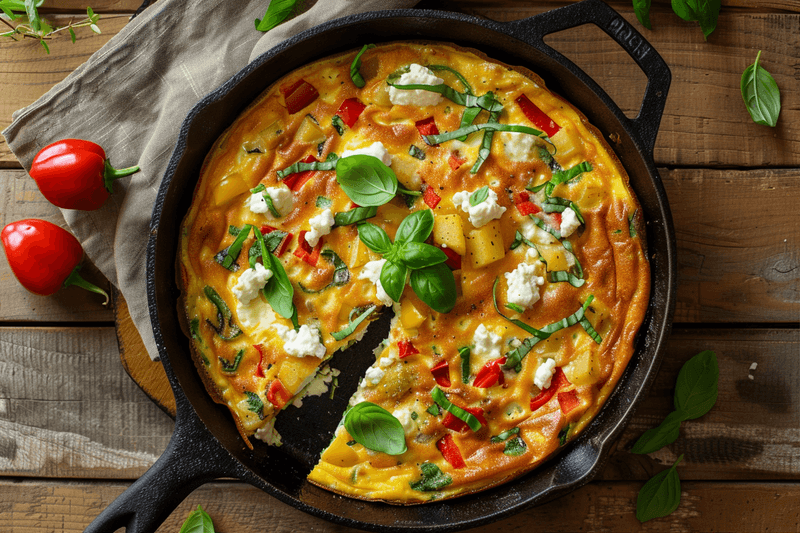
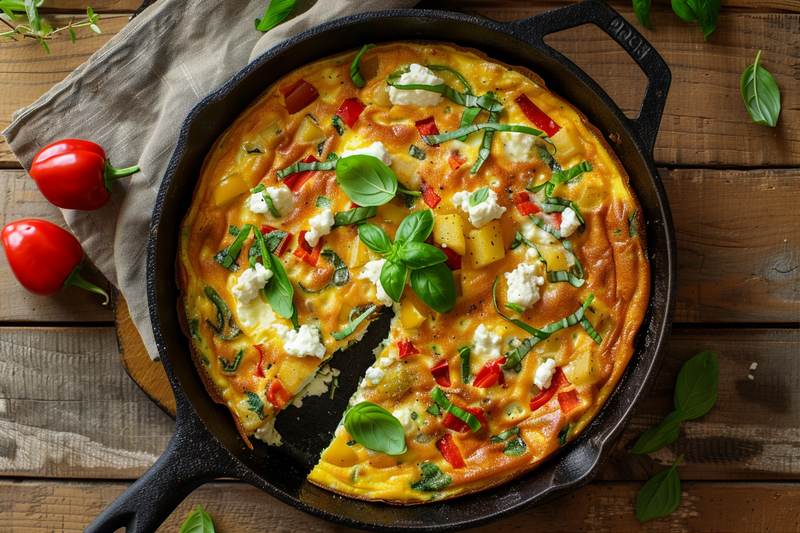
There's something deeply satisfying about mastering the frittata — that Italian egg dish that bridges the gap between omelet and quiche, yet stands gloriously on its own. A garden frittata with goat cheese and potatoes represents everything beautiful about this technique: tender vegetables nestled in clouds of perfectly set eggs, creamy tangles of goat cheese, and golden potato rounds that add substance and comfort. Unlike the frantic flip of an omelet or the lengthy bake of a quiche, this method gives you control, forgiveness, and spectacular results whether you're cooking for two or feeding a crowd at a weekend brunch.
The perfect garden frittata with goat cheese and potatoes delivers a texture that's simultaneously tender and structured — soft enough to yield to your fork, firm enough to slice cleanly and hold its shape on the plate. The eggs should be just set, never rubbery, with a golden exterior that whispers of caramelization. Inside, every bite delivers the earthy sweetness of roasted vegetables, the creamy tang of goat cheese, and the satisfying bite of tender potato. If you've ever felt intimidated by egg cookery or worried about dry, overcooked results, I'm here to tell you: this technique is more forgiving than you think.
Once you understand the fundamental principles — gentle heat, proper fat distribution, and the magic of finishing under the broiler — you'll find yourself turning to this method again and again. The garden frittata with goat cheese and potatoes becomes a template for using whatever vegetables are in season, whatever cheese you love, and whatever herbs are growing on your windowsill. This is cooking that rewards understanding over memorization, and the payoff is a dish that feels special enough for guests yet simple enough for a Tuesday evening.
The Science Behind the Method
At its heart, a frittata is about controlled protein coagulation — those remarkable egg proteins that transform from liquid to solid with the gentle application of heat. Unlike scrambled eggs where we want soft, small curds achieved through constant stirring, or omelets where we want a tender envelope, the garden frittata with goat cheese and potatoes requires even, uniform setting from edge to center. This happens through a two-stage cooking process that applies heat from below and above, ensuring the entire depth of the egg mixture reaches that sweet spot between 160°F and 170°F where eggs set beautifully without becoming tough.
The stovetop phase gently sets the bottom and sides while the still-liquid top acts as insulation, preventing the bottom from overcooking. This gradual heat transfer is crucial — rush it with high heat and you'll develop a rubbery, browned bottom while the top stays raw. The vegetables you've added aren't just flavor components; they're moisture reservoirs that release steam as they cook, creating pockets of tenderness throughout the frittata. The potatoes, pre-cooked and starchy, absorb some of the egg mixture and help create structure.
The broiler finish is where magic happens. Direct overhead heat sets the top surface quickly while the residual heat from below continues cooking the middle layers. This dual-direction approach means you achieve doneness throughout without any single part becoming overcooked. The goat cheese, distributed in dollops rather than fully mixed in, creates pockets of creamy richness that contrast beautifully with the firmer egg matrix. Understanding this process transforms frittata-making from following steps to truly cooking with confidence and control.
Tools and Ingredients You'll Need
The foundation of a successful garden frittata with goat cheese and potatoes starts with your pan — specifically, a 10-inch oven-safe skillet with sloped sides. Cast iron is my first choice for its superior heat retention and natural nonstick properties when properly seasoned, but a stainless steel skillet works beautifully too. If you only have a nonstick pan, make absolutely certain the handle is oven-safe to at least 450°F; many aren't, and discovering this while your frittata is half-cooked is no fun. The sloped sides matter because they make sliding your finished frittata onto a serving plate infinitely easier than vertical sides.
For ingredients, start with the freshest eggs you can source — they'll have tighter whites and richer yolks that create better structure and color. You'll need good quality goat cheese, the soft, fresh kind that crumbles easily rather than aged varieties. For potatoes, waxy types like Yukon Gold or red potatoes hold their shape better than starchy russets, giving you distinct, creamy rounds rather than pieces that fall apart. Your garden vegetables should be relatively dry — excess moisture is the enemy of a good frittata. If using zucchini or tomatoes, salt them first and pat dry, or pre-cook to drive off water.
Olive oil is essential for flavor and for creating that golden crust on the bottom. A whisk helps incorporate air into the eggs for a lighter texture, though a fork works in a pinch. You'll need a rubber spatula for the stovetop phase, and crucially, a good oven mitt — that skillet handle will be blazingly hot after broiling. A thin, flexible spatula makes serving easier. Don't skip fresh herbs if you can help it; dried herbs work but lack the bright, garden-fresh quality that makes this dish sing. Finally, keep a kitchen towel tied to your oven handle as a visual reminder that it's scorching hot when you pull out your garden frittata with goat cheese and potatoes.
The Method, Step by Step
Begin by preparing your vegetables and potatoes with intention — this isn't just prep work, it's the foundation of flavor. Dice your potatoes into quarter-inch rounds or half-inch cubes, then parboil them in salted water for exactly five minutes. They should be tender enough to pierce with a fork but still hold their shape completely. Drain them thoroughly and let them steam-dry in the colander for a few minutes; any residual water will interfere with browning. While they drain, chop your vegetables into similar-sized pieces so they'll cook evenly. If using heartier vegetables like bell peppers or onions, slice them thinly. Delicate greens like spinach can be roughly chopped but will need to be wilted separately.
Heat your skillet over medium heat for two full minutes before adding two tablespoons of olive oil. This preheating is crucial — it ensures even heat distribution and prevents sticking. Add your potatoes in a single layer and resist the urge to move them for three minutes. This patience rewards you with golden-brown surfaces. Flip them once, cook another two minutes, then push them to the edges. Add your heartier vegetables to the center with another small drizzle of oil, seasoning with salt as you go. Salt draws out moisture and concentrates flavors. Cook, stirring occasionally, until everything is tender and any released moisture has evaporated. This usually takes five to seven minutes.
While vegetables cook, whisk your eggs in a large bowl with a splash of milk or cream — about a tablespoon per six eggs. This tiny amount of dairy creates steam pockets that make the texture lighter without making it custard-like. Season generously with salt and freshly ground black pepper. Many cooks under-salt their eggs; remember that potatoes and vegetables will dilute the seasoning, so be bold. Whisk until the mixture is uniformly yellow with no streaks of white; you want complete integration for even cooking.
Reduce your heat to medium-low — this is critical. Pour the egg mixture over your vegetables, using your spatula to distribute everything evenly. Drop dollops of goat cheese across the surface, pushing some down slightly so they'll create pockets throughout rather than all floating on top. Let the garden frittata with goat cheese and potatoes cook undisturbed for two minutes, then begin the crucial technique: gently lift the edges with your spatula, tilting the pan so uncooked egg flows underneath. Work your way around the entire circumference, lifting and tilting every thirty seconds. This technique ensures even cooking and prevents the bottom from setting too firmly before the top begins to cook.
After about eight to ten minutes of this gentle stovetop cooking, your frittata should be mostly set with just the top surface remaining glossy and slightly liquid. The edges will have pulled away from the pan slightly, and when you gently shake the skillet, the center should jiggle like soft gelatin rather than slosh like liquid. This is your signal to transfer to the broiler. Position your oven rack about six inches from the broiler element — too close and the top will brown before the interior finishes cooking; too far and it will take so long that the bottom overcooks.
Slide the skillet under the preheated broiler and set a timer for three minutes. Don't walk away — broilers are powerful and the difference between perfectly golden and burnt happens in seconds. Watch through the oven window as the top puffs slightly and turns golden brown. You're looking for light browning across the surface with the goat cheese developing toasted edges. The frittata should no longer jiggle when you gently shake the pan. Remove it immediately using thick oven mitts, remembering that the handle is dangerously hot.
Let your garden frittata with goat cheese and potatoes rest in the pan for five full minutes before attempting to slice or remove it. This resting period allows the residual heat to finish cooking any barely-underdone spots and lets the structure firm up enough to slice cleanly. Run a thin spatula around the edges to ensure nothing's stuck, then slide it onto a cutting board or serve directly from the skillet for a rustic presentation.
Troubleshooting Guide
If your frittata develops a tough, rubbery bottom layer, you've used too much heat during the stovetop phase. The solution is counterintuitive — lower your heat and extend your cooking time. That gentle lift-and-tilt technique becomes even more important because it's your insurance policy against overcooking the bottom while the top sets. Next time, resist the urge to speed things along. Medium-low heat feels slow but delivers tender results. If the damage is already done, serve the frittata upside-down; no one will know the difference.
When the center remains runny even after the edges are completely set and starting to brown, you've likely used too small a pan for your egg quantity, creating a frittata that's too thick to cook evenly. A garden frittata with goat cheese and potatoes should be between one and one-and-a-half inches thick. If you're already committed, return it to the broiler but lower the rack position by several inches and give it another two to three minutes, checking frequently. For future attempts, either use a larger skillet or reduce your egg and filling quantities.
If you notice excess liquid pooling on the surface after cooking, your vegetables released too much moisture. Zucchini, tomatoes, mushrooms, and spinach are particular culprits. The fix is in the prep: salt these vegetables and let them sit for ten minutes, then squeeze out the liquid before adding them to your pan. Alternatively, pre-cook them completely, letting all moisture evaporate before adding your eggs. This extra step transforms watery disappointment into properly textured success.
A frittata that won't release from the pan usually indicates insufficient fat or inadequate preheating. Even with nonstick or well-seasoned cast iron, you need a generous layer of oil to create that golden, released bottom. If you're already stuck, slide a thin metal spatula under while the pan is still warm, working carefully around the entire circumference. Serve it in wedges directly from the pan rather than attempting to flip it out whole. Next time, ensure your oil coats the pan completely and shimmers before adding ingredients.
If your goat cheese becomes grainy or separated rather than staying creamy, it's been exposed to too much direct heat for too long. Goat cheese is delicate and can break if overheated. The trick is adding it late in the stovetop phase and using the broiler time to just warm and slightly melt it rather than cook it. Some cooks even add half the goat cheese before broiling and dot the remaining half on top immediately after removing the frittata from the oven, letting residual heat soften it perfectly.
Taking It to the Next Level
Professional chefs know that the difference between good and extraordinary often lies in layering flavors at multiple stages. Try browning your butter slightly before adding vegetables — those nutty, caramelized milk solids add incredible depth. Finish your garden frittata with goat cheese and potatoes with a drizzle of high-quality olive oil and a sprinkle of flaky sea salt right before serving; this final seasoning hits your palate first and makes everything taste more vibrant. A microplane of lemon zest over the top adds brightness that cuts through the richness beautifully.
Consider your cheese as a blend rather than a single note. Goat cheese provides tang, but mixing in a tablespoon of aged Parmesan adds umami depth and helps with browning. Some recipes benefit from a schmear of cream cheese whisked into the eggs themselves, creating an almost soufflé-like tenderness. Herb oil — made by blending fresh herbs with olive oil and straining — can be drizzled in decorative swirls across the top for both flavor and visual appeal.
For vegetables, think about textural contrast. Roast some components until caramelized while keeping others fresh and barely cooked. The interplay of sweet roasted bell peppers against crisp, quickly sautéed asparagus tips creates interest in every bite. Advanced cooks might torch the top with a kitchen torch after broiling for additional caramelization, or fold in fresh herbs at the last second so they stay bright green rather than browning under the broiler.
Storing Your Results
A properly cooked garden frittata with goat cheese and potatoes stores remarkably well, making it ideal for meal prep or planned leftovers. Let it cool completely to room temperature before storing — covering it while still warm creates condensation that makes the texture soggy. Once cooled, wrap individual wedges in plastic wrap or store the whole frittata in an airtight container. It will keep in the refrigerator for up to four days, though the texture is best within the first two.
For reheating, avoid the microwave if possible; it makes eggs rubbery and unpleasant. Instead, place wedges on a baking sheet in a 300°F oven for about ten minutes until warmed through. This gentle reheating preserves the texture beautifully. Alternatively, reheat individual slices in a covered skillet over low heat with a tiny splash of water to create steam. The cover traps moisture while the gentle heat warms everything through without toughening the eggs.
Frittatas also freeze surprisingly well for up to two months. Wrap individual portions tightly in plastic wrap, then place in a freezer bag with all air pressed out. Thaw overnight in the refrigerator before reheating. The texture won't be quite as tender as fresh, but it's still delicious and convenient. Cold frittata is also perfectly lovely — many people enjoy it at room temperature or chilled, making it excellent for packed meals or outdoor gatherings where reheating isn't an option.
Common Questions
Can I make a garden frittata with goat cheese and potatoes without an oven-safe skillet?
Absolutely, though the technique changes slightly. Cook your frittata on the stovetop as directed until it's about eighty percent set, then cover the skillet with a lid and reduce heat to low. The trapped steam will gently cook the top surface in about five to seven minutes. You won't get the same golden-brown top, but the texture will be excellent. Alternatively, carefully slide the partially cooked frittata onto a plate, invert the skillet over it, and flip so the uncooked side is now on the bottom, then cook for another two minutes.
Why does my frittata sometimes puff up dramatically in the oven then deflate?
This happens when the broiler is too hot or positioned too close, causing rapid steam production that puffs the eggs like a soufflé. As it cools, that steam escapes and the structure collapses. While it might look less impressive, the deflated frittata tastes just fine. To prevent this, position your rack lower and watch carefully, removing the frittata as soon as the top sets rather than waiting for deep browning. A slight puff is normal and desirable; dramatic inflation means too much heat too quickly.
Can I prepare components ahead for easier morning cooking?
Yes, and this is one of the great advantages of the garden frittata with goat cheese and potatoes for busy mornings. Pre-cook your potatoes and vegetables the night before, storing them refrigerated. Whisk your eggs and keep them covered in the fridge. In the morning, simply reheat your vegetables in your skillet, pour in the cold eggs, and proceed as normal. The cold eggs will take slightly longer to set, so add two to three minutes to your stovetop cooking time. Don't add salt to vegetables until cooking, as it draws out moisture during storage.
How do I scale this recipe for a crowd or adjust for fewer people?
The ratio to remember is two eggs per serving, and your skillet size determines your maximum capacity. A ten-inch skillet comfortably holds six to eight eggs; a twelve-inch can handle ten to twelve. For smaller portions, use an eight-inch skillet with four eggs. Keep your vegetable quantity to about one cup per four eggs — too many fillings prevent the eggs from binding properly. Cooking times remain similar regardless of size because you're aiming for the same thickness; a larger frittata just has more surface area.
What vegetables work best and which should I avoid?
Hearty vegetables with low moisture content are ideal: bell peppers, onions, asparagus, broccoli, mushrooms (if pre-cooked to evaporate moisture), and leafy greens like spinach or kale. Tomatoes and zucchini work if you salt and drain them first or roast them until concentrated. Avoid raw watery vegetables like cucumbers or lettuce, and very hard vegetables like raw carrots or beets unless you pre-cook them until tender. Frozen vegetables can work but must be thawed, drained thoroughly, and patted completely dry.
Can I make this dairy-free or with different cheeses?
The garden frittata with goat cheese and potatoes adapts easily to different cheeses. Feta provides similar tanginess to goat cheese, while aged cheddar or Gruyère add nutty richness. Mozzarella makes it milder and stretchier. You can omit cheese entirely and compensate with extra herbs and a tablespoon of nutritional yeast for depth. For dairy-free versions, replace any cream in the eggs with unsweetened plant milk and use dairy-free cheese alternatives, though these often don't melt as beautifully. The eggs themselves provide structure, so the dish works even without cheese, just with less richness.
Garden Frittata with Goat Cheese & Potatoes
A tender Italian-style egg dish loaded with fresh vegetables, creamy goat cheese, and golden potato rounds. Perfect for brunch or a light dinner.
Prep Time
15 min
Cook Time
25 min
Total Time
40 min
Servings
6 servings
Ingredients
For 6 servings
- 8 large eggs
- 2 tablespoons whole milk or cream
- 3 tablespoons olive oil, divided
- 2 medium Yukon Gold potatoes, sliced into 1/4-inch rounds
- 1 small red bell pepper, diced
- 1 small yellow bell pepper, diced
- 1 medium zucchini, diced and patted dry
- 1 cup fresh baby spinach, roughly chopped
- 1/2 small red onion, thinly sliced
- 4 ounces fresh goat cheese, crumbled
- 2 cloves garlic, minced
- 1/4 cup fresh basil leaves, torn
- 2 tablespoons fresh parsley, chopped
- 1 teaspoon kosher salt, plus more to taste
- 1/2 teaspoon freshly ground black pepper
- 1/4 teaspoon red pepper flakes, optional
Instructions
- 1
Parboil the potatoes
Bring a medium pot of salted water to boil. Add potato slices and cook for exactly 5 minutes until just tender but still holding their shape. Drain thoroughly in a colander and let steam-dry for 3 minutes to remove excess moisture. This prevents sogginess and helps achieve golden browning.
- 2
Prepare the vegetables
While potatoes drain, dice bell peppers and zucchini into similar-sized pieces for even cooking. Thinly slice the red onion and mince the garlic. Roughly chop the spinach and set aside separately since it cooks quickly. Pat the zucchini pieces with paper towels to remove any surface moisture.
- 3
Whisk the eggs
In a large bowl, whisk together eggs, milk, salt, black pepper, and red pepper flakes if using. Whisk vigorously for about 30 seconds until completely uniform with no streaks of white remaining. This ensures even seasoning and a consistent texture throughout the frittata. Set aside while you cook the vegetables.
- 4
Brown the potatoes
Heat a 10-inch oven-safe skillet over medium heat for 2 minutes. Add 2 tablespoons olive oil and swirl to coat. Arrange potato slices in a single layer and cook undisturbed for 3 minutes until golden brown on the bottom. Flip each slice and cook 2 minutes more, then push potatoes toward the edges of the pan.
- 5
Cook the vegetables
Add remaining tablespoon of olive oil to the center of the skillet. Add bell peppers, zucchini, and onion. Season with a pinch of salt and cook, stirring occasionally, for 5-6 minutes until softened. Add garlic and spinach in the last minute, stirring until spinach wilts. Ensure any released liquid has evaporated completely.
- 6
Start the frittata
Reduce heat to medium-low. Distribute vegetables and potatoes evenly across the pan. Pour egg mixture over everything, using a spatula to ensure even distribution. Scatter goat cheese crumbles across the surface, pressing some down slightly into the eggs. Let cook undisturbed for 2 minutes to set the bottom.
- 7
Cook on stovetop
Using a rubber spatula, gently lift the edges of the frittata and tilt the pan so uncooked egg flows underneath. Work your way around the entire circumference, repeating every 30 seconds. Continue this process for 8-10 minutes until the edges are set and only the top surface remains glossy and slightly liquid, jiggling like soft gelatin when you shake the pan.
- 8
Finish under broiler
While frittata cooks, position oven rack 6 inches from broiler element and preheat broiler to high. Transfer skillet to broiler and cook for 3-4 minutes, watching carefully, until top is set and lightly golden brown. The surface should no longer jiggle and goat cheese should have toasted edges. Remove immediately using oven mitts.
- 9
Rest and serve
Let frittata rest in the pan for 5 minutes to allow structure to firm up. Run a thin spatula around edges to loosen. Scatter fresh basil and parsley over the top. Slice into wedges and serve warm or at room temperature directly from the skillet, or carefully slide onto a serving platter for presentation.
Nutrition Facts
Per serving (estimated)
285 calories
Calories
18g
Carbs
15g
Protein
17g
Fat
3g
Fiber
520mg
Sodium
4g
Sugar