Fresh Spring Vegetable Pasta Primavera Recipe
Delicious pasta primavera with fresh vegetables and creamy lemon sauce. Budget-friendly, ready in 30 minutes, and perfect for feeding a crowd!
cookwithlucia.com/recipes/fresh-spring-vegetable-pasta-primavera-recipe-with-easy-creamy-lemon-sauce
Let me tell you something important: the best meals don't need to drain your wallet. Some of the most satisfying, restaurant-worthy dishes come together with simple ingredients you can grab at any grocery store without wincing at the checkout. This fresh spring vegetable pasta primavera recipe with easy creamy lemon sauce is exactly that kind of winner.
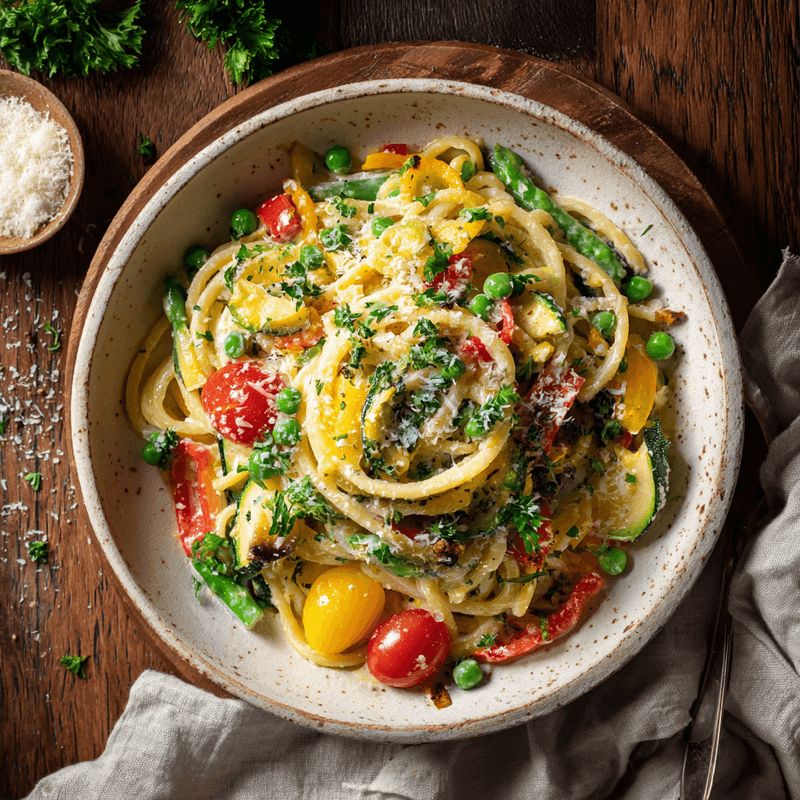
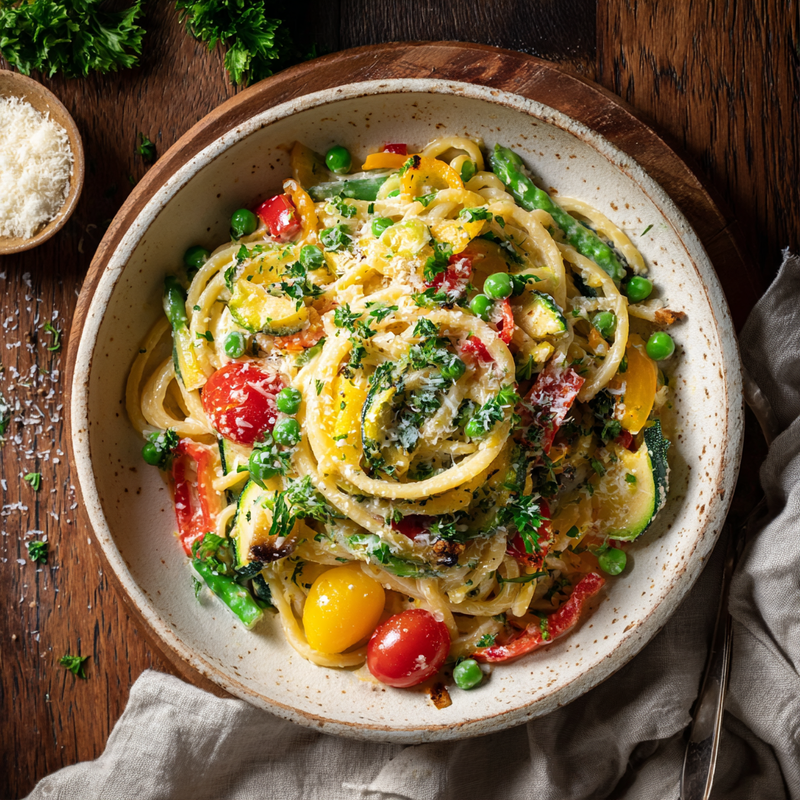
I'm talking vibrant, colorful vegetables tossed with perfectly cooked pasta in a silky lemon cream sauce that tastes like you spent an hour whisking and reducing. The reality? This entire dish comes together in about 30 minutes, costs roughly $2-3 per generous serving, and uses ingredients that won't send you hunting through specialty stores. You get all the bright, fresh flavors of spring without the premium price tag.
What makes this pasta primavera recipe so special is how it transforms everyday vegetables into something that feels celebratory. The creamy lemon sauce brings everything together with a brightness that wakes up your taste buds, while the pasta provides that comforting, filling base we all crave. Whether you're feeding your family on a Tuesday night or hosting friends for a casual weekend dinner, this dish delivers impressive results on a humble budget. No one at your table will guess how little you spent or how quickly it came together.
Why This Recipe Is a Budget Winner
The beauty of this fresh spring vegetable pasta primavera recipe with easy creamy lemon sauce lies in its strategic use of affordable ingredients. Pasta serves as the foundation, and dry pasta is one of the most economical ingredients per serving you can buy. A pound of quality pasta runs about $1-2 and feeds 4-6 people easily. The vegetables we're using are all budget-friendly options that appear in most grocery stores year-round, with prices dropping even lower when they're in season.
Compare this to ordering pasta primavera at a restaurant, where you'd easily pay $15-20 per plate, and you'll see the savings immediately. Making this at home means you control the portions, the quality of ingredients, and you get leftovers that reheat beautifully. One batch of this recipe can feed a family of four for dinner, plus provide lunch portions for the next day, bringing your actual cost per meal down to about $1.50 per person.
The cream sauce uses simple pantry staples rather than expensive specialty items. Heavy cream might seem pricey, but you only need a small amount, and the rest keeps in your fridge for coffee or other recipes. The lemon adds brightness for pennies, and the butter contributes richness without requiring truffle oil or aged parmesan. Every ingredient earns its place both in flavor and in your budget.
This recipe also eliminates food waste, which is where budgets often leak money. You use whole vegetables with minimal trimming, the pasta water becomes part of your sauce, and any leftovers transform easily into tomorrow's meal. Nothing gets tossed, which means every dollar you spend actually feeds your family.
Affordable Ingredients, Maximum Impact
Let's talk about the ingredients that make this pasta primavera recipe shine without breaking your budget. Starting with the pasta itself, any long pasta shape works beautifully here. I prefer spaghetti, linguine, or fettuccine because they coat well with the creamy lemon sauce, and these varieties typically cost the same regardless of brand. Store-brand pasta performs just as well as premium imports for this dish.
The vegetable lineup focuses on what delivers maximum flavor for minimum cost. Bell peppers bring sweetness and color, and you can often find them on sale or choose whatever color is cheapest that week. Zucchini and yellow squash are spring and summer workhorses that cost very little, especially when in season. Cherry tomatoes add bursts of acidity and can be bought in larger containers for better value. Frozen peas are actually a secret weapon here because they're picked and frozen at peak freshness, cost less than fresh, and require zero prep work.
For the creamy lemon sauce, heavy cream is the only slightly pricier ingredient, but a small carton goes a long way. You need less than a cup for this entire recipe, and the richness it provides would be impossible to replicate with milk alone. Butter adds silky texture and can be purchased in bulk and frozen. Fresh lemons are essential for that bright, spring-like flavor, and two lemons typically cost less than a dollar while providing both juice and zest.
Garlic and onions form your aromatic base and are among the cheapest flavor-builders in any kitchen. Buy them in bulk bags rather than individually for better pricing. If fresh herbs seem expensive, dried Italian seasoning works perfectly well and costs pennies per use. Fresh parsley for garnish is lovely but completely optional. Parmesan cheese adds umami depth, and you can buy a small wedge to grate yourself, which is more economical than pre-grated versions and tastes significantly better.
How to Make It
Creating this fresh spring vegetable pasta primavera recipe with easy creamy lemon sauce follows a logical flow that keeps everything moving efficiently. Start by bringing a large pot of salted water to boil for your pasta. While that's heating, prep your vegetables by chopping the bell peppers, slicing the zucchini and squash into half-moons, halving the cherry tomatoes, and mincing your garlic. Having everything ready before you start cooking means the actual cooking process flows smoothly without any frantic chopping mid-recipe.
Once your pasta water boils, add the pasta and cook according to package directions until al dente. This timing is crucial because you want pasta with a slight bite that won't turn mushy when you toss it with the sauce. About three minutes before the pasta finishes, add your frozen peas directly to the pasta water. They'll cook perfectly in that brief time and you've just saved yourself a pan. Before draining, reserve at least two cups of pasta cooking water, which contains starch that helps create a silky sauce.
While the pasta cooks, heat a large skillet or wide pan over medium-high heat with olive oil and butter. Add your chopped onions first, cooking until they soften and turn translucent, about three minutes. Then add the garlic and cook just until fragrant, maybe 30 seconds, being careful not to burn it. Toss in the bell peppers, zucchini, and squash, cooking until they're tender-crisp with some color on them, about 5-7 minutes. You want them cooked but still with some texture, not mushy.
Reduce the heat to medium and pour in your heavy cream, lemon juice, and lemon zest. Let this simmer gently for about two minutes to blend the flavors. Add the halved cherry tomatoes and season everything with salt, pepper, and Italian seasoning. The tomatoes will soften slightly but should still hold their shape. Now add your drained pasta and peas directly to the pan along with about half a cup of reserved pasta water. Toss everything together, adding more pasta water as needed until you achieve a creamy sauce that coats every strand. Finish with grated Parmesan cheese and fresh herbs if you have them.
Stretching It Further
This pasta primavera recipe is already budget-friendly, but you can stretch it even further with smart strategies. The most obvious approach is serving it as a side dish alongside simple grilled chicken or fish, which turns one recipe into two complete meals. The pasta itself is satisfying enough to serve as a vegetarian main course, but adding protein makes it feed more people or provide heartier portions.
Leftovers transform beautifully into entirely different meals, which maximizes your grocery investment. Cold pasta primavera makes an excellent pasta salad for lunch when you add a splash of olive oil and a squeeze of fresh lemon. You can also turn it into a baked pasta dish by transferring leftovers to a baking dish, topping with mozzarella cheese, and baking until bubbly and golden. This gives you a completely different texture and flavor profile from the same base ingredients.
Bulk cooking this recipe is incredibly practical for families. The recipe doubles or triples easily, and you can portion the finished pasta into individual containers for grab-and-go lunches throughout the week. Each portion reheats in the microwave in about two minutes, making it faster and cheaper than any takeout option. You're essentially creating your own convenience food at a fraction of the cost.
Freezer portions work wonderfully with this dish, though the texture of the vegetables will soften slightly upon reheating. Portion cooled pasta into freezer-safe containers, leaving a bit of space at the top for expansion. Label with the date and contents, and freeze for up to three months. When you're ready to eat, thaw overnight in the refrigerator and reheat gently on the stovetop with a splash of cream or pasta water to refresh the sauce.
Smart Swaps and Variations
The flexibility of this fresh spring vegetable pasta primavera recipe with easy creamy lemon sauce means you can adapt it based on what's cheapest at your store or what's already in your fridge. If bell peppers are expensive, swap them for broccoli florets or snap peas, both of which are often more affordable and add great texture. Asparagus is traditional in pasta primavera and wonderful when it's in season and reasonably priced, though it tends to cost more than zucchini.
For an even more budget-conscious version, make this completely vegetarian and increase the vegetable quantity. Adding a can of drained chickpeas or white beans provides protein and fiber without the cost of meat, and they absorb the creamy lemon sauce beautifully. You can also incorporate more frozen vegetables like frozen broccoli, cauliflower, or mixed vegetables, which are extremely economical and already prepped.
If you want to reduce the richness or cut costs slightly, replace half the heavy cream with whole milk and add an extra tablespoon of butter. This creates a lighter sauce that's still creamy and satisfying. Some cooks use cream cheese thinned with pasta water instead of heavy cream, which creates a tangy, rich sauce from an ingredient that's often on sale. For a dairy-free version, coconut cream works surprisingly well with the lemon, though it adds a subtle coconut flavor.
Spice variations let you customize this pasta primavera recipe to different tastes without additional cost. Red pepper flakes add heat, dried oregano and basil bring more herbal notes, and a pinch of nutmeg in the cream sauce adds unexpected depth. If you have fresh herbs growing in your garden or windowsill, add them generously, and know that you're adding flavor for free.
Storage and Reheating
Proper storage is essential for getting the most meals out of your fresh spring vegetable pasta primavera recipe with easy creamy lemon sauce. Once the pasta has cooled to room temperature, transfer it to airtight containers and refrigerate within two hours of cooking. Properly stored, this pasta keeps well in the refrigerator for 3-4 days. The flavors actually deepen and meld overnight, making day-two pasta sometimes even better than fresh.
When reheating, the stovetop method gives the best results. Place your portion in a skillet or saucepan over medium-low heat and add a splash of milk, cream, or even just water to loosen the sauce, which tends to thicken when cold. Stir gently and frequently until heated through, about 5-7 minutes. This method revives the creamy texture and ensures even heating without drying out the pasta or overcooking the vegetables.
Microwave reheating works when you're short on time, though it requires a bit of technique. Place pasta in a microwave-safe bowl, add a tablespoon or two of liquid, and cover loosely with a damp paper towel. Heat in 1-minute intervals, stirring between each, until hot throughout. The moisture from the liquid and paper towel prevents the pasta from drying out or becoming rubbery.
For frozen portions, thaw overnight in the refrigerator before reheating using either method above. You can also reheat from frozen in the microwave, though it takes longer and requires more frequent stirring. Add a bit more liquid when reheating from frozen since the pasta will have released moisture during freezing. While the vegetables won't be quite as crisp as when freshly made, the flavors remain excellent and you still get a satisfying, budget-friendly meal.
Your Questions Answered
Can I make this pasta primavera recipe with different pasta shapes?
Absolutely! While long pasta like spaghetti or fettuccine works beautifully with the creamy lemon sauce, short shapes like penne, rigatoni, or farfalle are equally delicious and sometimes easier to eat. Choose whatever shape is on sale or what your family prefers. The sauce clings well to any pasta variety.
What's the cheapest protein I can add to make this more filling?
Canned chickpeas or white beans are your most budget-friendly protein options, costing about 50 cents per can and adding substantial nutrition. Rotisserie chicken from the grocery store also stretches well when shredded and added to the pasta. If you eat eggs, a fried or poached egg on top of each serving adds richness and protein for pennies.
How can I feed a large family with this recipe?
This fresh spring vegetable pasta primavera recipe doubles or triples easily. Use your largest pot for the pasta and a big skillet or even a stockpot for the vegetables and sauce. Serve it with a simple green salad and garlic bread made from store-brand French bread brushed with butter and garlic powder. This combination feeds 8-10 people for under $15 total.
Can I use frozen vegetables instead of fresh to save money?
Definitely! Frozen vegetables are often cheaper than fresh, especially when fresh vegetables aren't in season. Use a frozen vegetable medley or individual frozen vegetables like broccoli, cauliflower, bell peppers, and peas. Add them directly to the pan frozen and cook a bit longer until heated through. The texture will be slightly softer but the flavor and nutrition are excellent.
Does this pasta taste good cold for packed lunches?
This pasta primavera recipe is wonderful cold and makes excellent meal prep for work or school lunches. The creamy lemon sauce stays flavorful when chilled, and the vegetables remain tasty. Pack it in individual containers on meal prep day and grab them throughout the week. Add a drizzle of olive oil before sealing the container to keep everything moist.
What should I do if my sauce seems too thick or too thin?
Sauce consistency is easy to adjust with your reserved pasta water. If the sauce is too thick, add pasta water a tablespoon at a time, stirring well after each addition until you reach your desired consistency. If it's too thin, let it simmer uncovered for a minute or two to reduce, or stir in an extra tablespoon of grated Parmesan cheese, which helps thicken and adds flavor. The starch in pasta water is magical for creating the perfect sauce texture without adding more cream or butter.
Fresh Spring Vegetable Pasta Primavera with Easy Creamy Lemon Sauce
Vibrant pasta primavera loaded with fresh spring vegetables and tossed in a silky lemon cream sauce. Ready in 30 minutes and budget-friendly.
Prep Time
15 min
Cook Time
20 min
Total Time
35 min
Servings
6 servings
Ingredients
For 6 servings
- 1 pound spaghetti or linguine
- 2 tablespoons olive oil
- 2 tablespoons butter
- 1 medium yellow onion, diced
- 4 cloves garlic, minced
- 1 large red bell pepper, chopped
- 1 medium zucchini, sliced into half-moons
- 1 medium yellow squash, sliced into half-moons
- 1 cup frozen peas
- 1 cup cherry tomatoes, halved
- 3/4 cup heavy cream
- 2 lemons, zested and juiced (about 1/4 cup juice)
- 1 teaspoon dried Italian seasoning
- 1 teaspoon salt, plus more to taste
- 1/2 teaspoon black pepper
- 1/2 cup grated Parmesan cheese
- 1/4 cup fresh parsley, chopped (optional)
Instructions
- 1
Boil pasta water
Bring a large pot of salted water to a rolling boil over high heat. Use about 1 tablespoon of salt for the pasta water to properly season the noodles as they cook. This creates the foundation for flavorful pasta.
- 2
Prepare vegetables
While the water heats, dice the onion, mince the garlic, chop the bell pepper, slice the zucchini and yellow squash into half-moon shapes, and halve the cherry tomatoes. Having all vegetables prepped before cooking begins makes the process smooth and prevents anything from burning while you're chopping.
- 3
Cook pasta
Add the pasta to the boiling water and cook according to package directions until al dente, usually 8-10 minutes. About 3 minutes before the pasta is done, add the frozen peas directly to the pasta water. Before draining, reserve 2 cups of the starchy pasta cooking water.
- 4
Sauté aromatics
While pasta cooks, heat olive oil and butter in a large skillet over medium-high heat. Add the diced onion and cook for 3 minutes until softened and translucent. Add the minced garlic and cook for 30 seconds, stirring constantly to prevent burning.
- 5
Cook vegetables
Add the chopped bell pepper, sliced zucchini, and sliced yellow squash to the skillet. Cook for 5-7 minutes, stirring occasionally, until the vegetables are tender-crisp and have some golden-brown color on the edges. They should still have a bit of bite and not be mushy.
- 6
Create lemon cream sauce
Reduce heat to medium and pour in the heavy cream, lemon juice, and lemon zest. Stir well to combine and let the sauce simmer gently for 2 minutes to blend the flavors. The cream should be heated through but not boiling vigorously.
- 7
Add tomatoes and seasonings
Add the halved cherry tomatoes, Italian seasoning, salt, and black pepper to the cream sauce. Stir gently and cook for 1-2 minutes until the tomatoes just begin to soften but still hold their shape. The tomatoes will release some of their juices into the sauce, adding brightness.
- 8
Combine pasta and sauce
Drain the pasta and peas, then add them directly to the skillet with the vegetable cream sauce. Pour in about 1/2 cup of the reserved pasta water and toss everything together using tongs. The starchy pasta water helps the sauce coat every strand of pasta beautifully.
- 9
Adjust consistency
Continue tossing and adding more reserved pasta water, a little at a time, until the sauce reaches your desired consistency. It should be creamy and coat the pasta without being watery or too thick. The sauce will thicken slightly as it cools.
- 10
Finish and serve
Remove the skillet from heat and stir in the grated Parmesan cheese until melted and incorporated. Taste and adjust seasoning with additional salt and pepper if needed. Garnish with fresh chopped parsley if desired and serve immediately while hot.
Nutrition Facts
Per serving (estimated)
425 calories
Calories
58g
Carbs
14g
Protein
16g
Fat
5g
Fiber
520mg
Sodium
7g
Sugar