Fresh Spring Pasta Primavera with Zesty Lemon Sauce
Master this vibrant Fresh Spring Pasta Primavera with Zesty Lemon Sauce! A complete guide to techniques, ingredients, and authentic Italian flavors.
cookwithlucia.com/recipes/fresh-spring-pasta-primavera-with-zesty-lemon-sauce
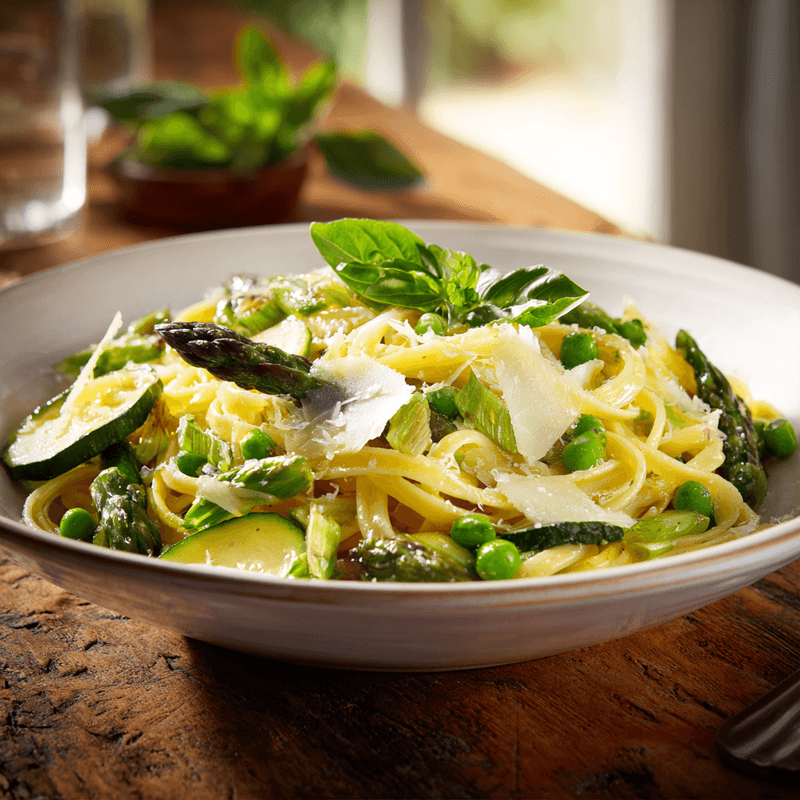
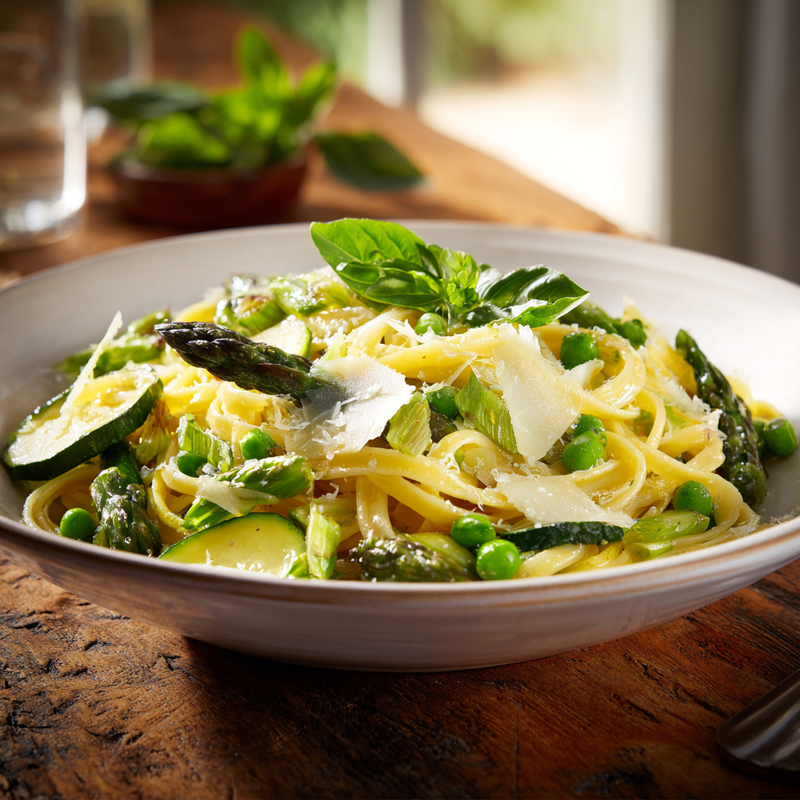
There's something profoundly joyful about the arrival of spring vegetables at the market — those tender asparagus spears, bright green peas, and baby zucchini that practically glow with vitality. Fresh Spring Pasta Primavera with Zesty Lemon Sauce captures this seasonal abundance in a single bowl, transforming simple vegetables into a celebration of color, texture, and flavor. The first time I tasted a truly exceptional version of this dish, I was struck by how the bright lemon sauce tied everything together, each vegetable maintaining its distinct character while contributing to a harmonious whole.
This isn't a quick weeknight throw-together, though it might look deceptively simple. Fresh Spring Pasta Primavera with Zesty Lemon Sauce requires attention to timing, proper blanching techniques, and understanding how to build a sauce that clings to pasta without becoming heavy. But here's why every minute matters: when you master this dish, you'll have a recipe that showcases vegetables at their peak, impresses guests at family gatherings, and fills your kitchen with the bright aromas of lemon, garlic, and fresh herbs. The effort transforms ordinary produce into something extraordinary.
This guide will walk you through every detail — from selecting the perfect vegetables to achieving that glossy, clingy sauce that coats each strand of pasta. We'll explore the techniques that separate a mediocre primavera from an exceptional one, troubleshoot common problems, and discover why this dish has become a springtime staple in kitchens worldwide. Let's dive into creating a pasta dish that truly honors the season.
The Origins and History
Despite its Italian-sounding name, Fresh Spring Pasta Primavera with Zesty Lemon Sauce actually has surprisingly modern origins, emerging in New York City in the 1970s. The dish was reportedly created at Le Cirque restaurant, where chef Jean Vergnes and owner Sirio Maccioni collaborated on a pasta dish that would highlight fresh spring vegetables. The name "primavera" means spring in Italian, perfectly capturing the essence of this vegetable-forward creation.
What began as an upscale restaurant dish quickly became a home cooking phenomenon throughout the 1980s and beyond. The concept resonated with home cooks who wanted lighter, vegetable-rich meals that still felt indulgent and satisfying. While the original version likely featured cream-based sauce, countless variations have emerged over the decades, each region and cook adding their personal touch.
The beauty of Fresh Spring Pasta Primavera with Zesty Lemon Sauce lies in its adaptability. Italian cooks embraced it despite its American origins, recognizing the fundamental Italian principle of celebrating seasonal ingredients at their peak. Mediterranean versions often increase the garlic and herbs, while some interpretations add a touch of cream for richness. The lemon-forward version we're exploring today represents a return to lighter, brighter flavors that let the vegetables truly shine.
What makes this dish particularly interesting is how it bridges culinary traditions. It takes the Italian reverence for seasonal produce and pasta, combines it with French cooking techniques like proper blanching, and adds the American innovation of creating something entirely new. This cross-cultural exchange has given us a dish that feels both timeless and contemporary.
Understanding the Flavor Profile
Fresh Spring Pasta Primavera with Zesty Lemon Sauce is a study in bright, clean flavors that awaken the palate after heavy winter meals. The dominant note is citrusy and fresh, with lemon providing both acidity and aromatic brightness that lifts the entire dish. This isn't a subtle hint of lemon — it's bold and pronounced, cutting through the richness of olive oil and creating a sauce that feels light yet substantial.
The vegetables contribute layers of natural sweetness and gentle earthiness. Asparagus brings a slight mineral quality and grassy notes, while peas add bursts of pure sweetness. Zucchini and other spring vegetables provide textural variety and mild flavors that absorb the lemony sauce without competing with it. Garlic adds savory depth and a gentle pungency that balances the brightness of the citrus.
Herbs play a crucial supporting role, with fresh basil or parsley adding aromatic complexity and a slight peppery note. The pasta itself becomes more than just a vehicle — when properly cooked and tossed with the sauce, it absorbs flavors while contributing its own subtle wheaty taste and satisfying chew. The texture should be varied and interesting: tender-crisp vegetables that still have snap, al dente pasta with pleasant resistance, and a sauce that's silky but never heavy, coating everything in a glossy embrace that brings each element together.
Essential Ingredients Explained
The pasta forms the foundation of Fresh Spring Pasta Primavera with Zesty Lemon Sauce, and choosing the right shape matters enormously. Long pasta like linguine, fettuccine, or spaghetti works beautifully because the sauce clings to every strand, and the vegetables nestle between the ribbons. Look for pasta made from durum wheat semolina, which holds its texture during cooking and has tiny ridges that grab onto sauce. The quality difference between mediocre and excellent pasta becomes obvious in a dish this simple.
Fresh lemons are absolutely non-negotiable for this recipe. You'll need both zest and juice, and only fresh lemons deliver the bright, complex citrus flavor required. Bottled lemon juice tastes flat and one-dimensional by comparison. Choose lemons that feel heavy for their size, which indicates they're juicy, and look for thin-skinned varieties when possible — they're often more aromatic and less bitter.
Asparagus should be medium-thickness spears with tightly closed tips and stems that snap cleanly when bent. Avoid thick, woody spears or thin, limp ones. The color should be vibrant green from tip to base, though the very bottom may be lighter. Fresh asparagus smells clean and slightly sweet, never musty or sulfurous.
Fresh or frozen peas both work wonderfully, and honestly, frozen peas are often sweeter and more tender than fresh unless you're shelling them yourself from the pod. Frozen peas are picked and processed at peak ripeness, while fresh peas in the market may have been sitting for days, their sugars converting to starch. If using frozen, there's no need to thaw them first.
Extra virgin olive oil contributes fruity, peppery notes that enhance the Mediterranean character of Fresh Spring Pasta Primavera with Zesty Lemon Sauce. Choose a high-quality oil you'd be happy to taste raw, as much of it remains uncooked or only gently heated. The oil emulsifies with pasta cooking water and lemon juice to create the base of your sauce.
Garlic should be fresh, firm, and plump, never dried out or sprouting green shoots. The number of cloves you use depends on their size and your preference, but garlic provides essential savory depth that grounds the bright citrus. Mincing it finely ensures it distributes evenly and softens quickly in the warm oil.
Fresh herbs transform this dish from good to exceptional. Basil adds sweet, aromatic notes with hints of anise and mint, while parsley contributes fresh, green flavor and beautiful color. Some cooks like to add a combination of both. Whatever you choose, add herbs at the very end of cooking to preserve their delicate flavors and vibrant color. Dried herbs simply cannot substitute here — the fresh, bright character depends on herbs that haven't been processed.
Parmesan cheese adds umami richness and salty complexity that balances the acidity. Genuine Parmigiano-Reggiano is worth seeking out, as it has a complex, nutty flavor that ordinary parmesan can't match. Always grate it fresh just before serving, as pre-grated cheese loses moisture and flavor quickly. The cheese also helps the sauce cling to the pasta, adding body without heaviness.
Mastering the Technique
The success of Fresh Spring Pasta Primavera with Zesty Lemon Sauce depends entirely on timing and technique. This is a dish where everything comes together in the final moments, so preparing your mise en place is crucial. Begin by bringing a large pot of water to boil for your pasta — you'll need at least 4 quarts of water for a pound of pasta. Salt it generously; the water should taste like the sea. This is your only opportunity to season the pasta itself, and under-salted pasta will make the entire dish taste flat.
While the water heats, prepare your vegetables by cutting them into similar-sized pieces. This ensures even cooking and creates visual harmony. Asparagus should be trimmed of woody ends and cut on the diagonal into 1-inch pieces. Zucchini gets halved lengthwise and sliced into half-moons. If using fresh peas, shell them now. The key is uniformity — vegetables cut to different sizes will cook unevenly, leaving some mushy while others remain raw.
Blanching the vegetables separately before the final assembly is what separates amateur from professional results. Add your vegetables to the boiling water in stages based on cooking time, starting with the densest vegetables like asparagus. They need just 2-3 minutes to become tender-crisp, still bright green with a pleasant snap. Remove them with a slotted spoon or spider directly into a bowl of ice water, which stops the cooking instantly and sets the color. This technique preserves both texture and that vibrant green that makes Fresh Spring Pasta Primavera with Zesty Lemon Sauce so visually appealing.
Cook your pasta in the same water you used for vegetables, following package directions but testing a minute or two before the suggested time. You want it just shy of al dente — still quite firm in the center. Reserve at least 2 cups of pasta cooking water before draining; this starchy liquid is the secret to a sauce that clings beautifully. The starch in the water acts as an emulsifier, helping oil and lemon juice combine into a cohesive sauce rather than separating into greasy puddles.
The final toss is where magic happens. In your largest skillet or the empty pasta pot, heat olive oil over medium heat and briefly sauté minced garlic until fragrant but not colored — about 30 seconds. Add your drained pasta, blanched vegetables, lemon zest, and lemon juice. Toss vigorously, adding pasta water a splash at a time until a glossy sauce forms that coats everything evenly. The sauce should look creamy and unified, never oily or watery. This emulsification happens through vigorous tossing and the right ratio of starchy water to oil. Remove from heat, add fresh herbs and a generous handful of grated Parmesan, and toss again. The residual heat will melt the cheese without making it stringy, and the herbs will wilt slightly while maintaining their fresh character.
Common Pitfalls and How to Fix Them
The most frequent mistake with Fresh Spring Pasta Primavera with Zesty Lemon Sauce is overcooking the vegetables until they're limp and olive-drab rather than vibrant and crisp. If you've already overcooked them, there's no fixing the texture, but you can salvage some brightness by adding extra lemon zest and fresh herbs at the end. Prevention is key: set a timer when blanching, and have your ice bath ready. Remember that vegetables continue cooking from residual heat even after you remove them from water, so slightly undercooking is safer than slightly overcooking.
Another common problem is a sauce that breaks or feels oily rather than creamy and cohesive. This happens when you don't add enough starchy pasta water or don't toss vigorously enough to create an emulsion. If your sauce looks greasy and separated, add a few tablespoons of pasta water and toss aggressively for a full minute. The mechanical action combined with the starch should bring it together. You can also add a small pat of butter at this stage, which contains emulsifiers that help stabilize the sauce.
Many cooks make their Fresh Spring Pasta Primavera with Zesty Lemon Sauce too dry, leaving pasta that's sticky and clumpy rather than glossy and coated. This usually means you didn't reserve enough pasta water or added it too timidly. Don't be afraid to make the mixture look almost soupy in the pan — it will thicken as the pasta absorbs liquid. It's much easier to let excess liquid evaporate than to try adding water after the pasta has absorbed everything and become gummy.
Burning the garlic is a rookie mistake that infuses the entire dish with bitter, acrid flavor. Garlic goes from perfect to burnt in seconds, especially in hot oil. If you've burnt your garlic, you need to start over with fresh oil — there's no saving it. The solution is to keep your heat moderate and add the pasta and vegetables immediately after the garlic becomes fragrant. Having everything ready to go before you start cooking makes this much easier.
Some cooks add the lemon juice too early, causing it to cook off and lose its bright, fresh character. The citrus should be added at the very end, off heat if possible, so it remains vibrant and acidic. If your dish tastes flat despite adding lemon, it likely cooked too long. Add fresh lemon juice and extra zest just before serving to revive the brightness.
Finally, under-seasoning is remarkably common with this dish. The vegetables, pasta, and lemon all have relatively mild flavors that need proper salting to come alive. Taste your dish before serving and adjust with salt and perhaps a crack of black pepper. The Parmesan adds saltiness, but it's often not enough on its own. Don't be timid — Fresh Spring Pasta Primavera with Zesty Lemon Sauce should taste vibrant and well-seasoned, with every flavor in clear focus.
Regional Twists Worth Trying
The Mediterranean variation of Fresh Spring Pasta Primavera with Zesty Lemon Sauce increases the garlic substantially and adds briny elements like capers or olives. Some versions include artichoke hearts and sun-dried tomatoes, creating a more intensely flavored dish with deeper, more complex notes. The lemon remains prominent, but it's balanced by these assertive ingredients. This version pairs beautifully with grilled fish or chicken and feels more like a main course than a side dish.
In northern Italy, cooks sometimes add a splash of cream or a pat of butter to create a richer, more indulgent version. The lemon is often reduced slightly to balance the dairy, and the dish takes on a more luxurious, velvety character. Fresh mint might replace basil, adding an unexpected aromatic note that's particularly refreshing. This version is perfect for cozy family gatherings when you want something comforting but still seasonal.
A contemporary plant-based variation eliminates the Parmesan and adds nutritional yeast for umami depth, along with pine nuts or cashews for richness. Some versions blend soaked cashews with lemon juice to create a creamy element without any dairy. This approach maintains the bright, fresh character of Fresh Spring Pasta Primavera with Zesty Lemon Sauce while accommodating different dietary needs.
Middle Eastern-inspired versions incorporate za'atar, sumac, and fresh mint, transforming the flavor profile entirely while maintaining the basic concept of pasta with spring vegetables and bright citrus. These spices add earthy, tangy notes that complement lemon beautifully and create something that feels both familiar and excitingly different.
The Perfect Spread
Fresh Spring Pasta Primavera with Zesty Lemon Sauce shines as the centerpiece of a spring meal, and building the right accompaniments creates a memorable dining experience. Start with a simple arugula salad dressed with olive oil and a touch of balsamic vinegar — the peppery greens and mild acidity complement the bright pasta without competing with it. Keep the salad simple; this isn't the moment for heavy, creamy dressings or complicated toppings.
For protein, consider grilled chicken breast marinated in lemon and herbs, or grilled fish like sea bass or salmon. The key is keeping the preparation simple and letting the quality of the ingredients speak. Grilled shrimp also pairs beautifully, their sweet, delicate flavor harmonizing with the vegetables and lemon. If you're serving this as a vegetarian main course, the pasta itself is substantial enough, though you might add cannellini beans for extra protein and creaminess.
Bread is essential for soaking up every drop of that precious lemon sauce. A crusty artisan loaf or focaccia is perfect — warm it slightly before serving. Some cooks like to rub the bread with a cut garlic clove and drizzle it with olive oil for extra flavor. The bread transforms from accompaniment to necessity once diners taste how good that sauce is.
For beverages, sparkling water with fresh lemon slices keeps the bright, refreshing theme going. You want drinks that cleanse the palate and enhance rather than overwhelm the delicate flavors. Fresh mint tea served after the meal provides a lovely, aromatic conclusion that aids digestion and leaves everyone feeling satisfied but not heavy.
Keeping and Reheating
Fresh Spring Pasta Primavera with Zesty Lemon Sauce is definitely best enjoyed immediately, when the pasta is perfectly cooked and the vegetables are still bright and crisp. However, leftovers can be stored successfully with proper technique. Transfer cooled pasta to an airtight container and refrigerate for up to three days. The texture will soften slightly and the bright lemon flavor will mellow, but it remains delicious.
Interestingly, some people prefer the dish the next day, when the flavors have had time to meld together. The pasta absorbs more of the lemon and herb flavors, creating something subtly different but equally enjoyable. You'll likely need to revive it with a squeeze of fresh lemon juice and a drizzle of olive oil before serving to bring back the brightness.
For reheating, the stovetop method preserves texture better than microwaving. Add the pasta to a skillet with a few tablespoons of water or vegetable broth, cover, and heat gently over medium-low heat, tossing occasionally. The moisture creates steam that rehydrates the pasta without making it mushy. This takes about 5-7 minutes, but the results are worth the extra time compared to microwaving.
If you must use a microwave, add a splash of water or broth, cover the container with a damp paper towel, and heat in 30-second intervals, stirring between each. This prevents hot spots and helps distribute moisture evenly. The vegetables will soften more than ideal, but the dish remains enjoyable.
Freezing Fresh Spring Pasta Primavera with Zesty Lemon Sauce isn't recommended, as the vegetables become mushy and waterlogged upon thawing, and the texture of the pasta deteriorates significantly. If you want to prep ahead, consider blanching and storing the vegetables separately, then cooking fresh pasta and assembling everything just before serving.
Your Questions Answered
Can I make Fresh Spring Pasta Primavera with Zesty Lemon Sauce ahead for a gathering?
You can do significant prep work in advance to make the final assembly quick and stress-free. Blanch all your vegetables up to a day ahead, store them in airtight containers in the refrigerator, and bring them to room temperature before the final toss. You can also make the lemon-garlic oil mixture ahead and store it at room temperature for a few hours. However, cook the pasta fresh right before serving — there's no way around this if you want optimal texture and that perfect al dente bite.
What other vegetables work well in this dish?
Spring is your guide here, so think tender, sweet, quickly-cooking vegetables. Sugar snap peas, fresh green beans, baby spinach, cherry tomatoes, and thinly sliced bell peppers all work beautifully. Broccoli florets are delicious too, though they're not traditionally spring vegetables. The key is cutting everything to similar sizes and adjusting blanching times based on density. Harder vegetables like carrots can work if sliced very thinly or julienned. Whatever you choose, aim for a colorful mix that provides visual appeal and varied textures.
My sauce always seems too oily. What am I doing wrong?
The problem is almost certainly insufficient pasta water or not tossing vigorously enough to create an emulsion. The starch in pasta water binds with the oil and lemon juice to create a creamy, cohesive sauce that coats rather than pools. Reserve at least two cups of pasta water, and add it gradually while tossing constantly. The mixture should look almost creamy, not oily. Also, make sure you're not using too much oil to begin with — about 1/4 cup is sufficient for a pound of pasta. The pasta water provides much of the liquid your sauce needs.
Can I use dried herbs instead of fresh?
Honestly, Fresh Spring Pasta Primavera with Zesty Lemon Sauce really depends on fresh herbs for its bright, spring-like character. Dried herbs have a completely different flavor profile — more concentrated and earthy rather than bright and aromatic. If you absolutely must substitute, use about one-third the amount of dried herbs, but be aware that the dish will taste noticeably different. Consider using dried herbs in the cooking process and then adding something fresh at the end — even parsley from the grocery store makes a significant difference in brightness and visual appeal.
How do I scale this recipe up for a large gathering?
Scaling up pasta dishes requires some adjustments to maintain quality. Cook the pasta in batches if necessary — overcrowding the pot lowers the water temperature too much and leads to gummy, unevenly cooked pasta. Blanch vegetables in batches as well, refreshing your ice water between batches to ensure it stays cold enough to stop cooking immediately. For the final toss, work in batches or use your largest pot or even a clean sink basin. It's better to toss two separate batches perfectly than to struggle with one enormous batch that doesn't emulsify properly. Keep finished portions warm in a low oven while you complete the remaining batches.
What's the best pasta shape for this recipe?
Long pasta shapes work beautifully because the sauce and vegetables tangle with the strands, ensuring you get vegetables and sauce in every bite. Linguine is perhaps the ideal choice — wide enough to carry the sauce but not so wide that it overwhelms the vegetables. Spaghetti, fettuccine, and bucatini all work wonderfully too. Some cooks prefer shorter shapes like penne or rigatoni because they're easier to eat and capture sauce inside their tubes. Avoid tiny shapes like orzo or small shells, which get lost among the vegetables and don't provide the satisfying texture contrast that makes Fresh Spring Pasta Primavera with Zesty Lemon Sauce so enjoyable.
Fresh Spring Pasta Primavera with Zesty Lemon Sauce
A vibrant celebration of spring vegetables tossed with perfectly cooked pasta in a bright, zesty lemon sauce that's light yet satisfying.
Prep Time
20 min
Cook Time
20 min
Total Time
40 min
Servings
6 servings
Ingredients
For 6 servings
- 1 pound linguine or fettuccine pasta
- 1 pound asparagus, trimmed and cut into 1-inch diagonal pieces
- 2 cups fresh or frozen peas
- 2 medium zucchini, halved lengthwise and sliced into half-moons
- 1 cup cherry tomatoes, halved
- 1/3 cup extra virgin olive oil
- 6 cloves garlic, minced
- 2 large lemons, zested and juiced (about 1/3 cup juice)
- 1 cup freshly grated Parmesan cheese
- 1/2 cup fresh basil leaves, torn
- 1/4 cup fresh parsley, chopped
- Salt to taste
- Freshly ground black pepper to taste
- Red pepper flakes (optional, for heat)
Instructions
- 1
Prepare ice bath
Fill a large bowl with ice water and set aside. Bring a large pot with at least 4 quarts of water to a rolling boil over high heat. Salt the water generously until it tastes like seawater — this is your only chance to season the pasta and vegetables from within.
- 2
Blanch asparagus
Add the asparagus pieces to the boiling water and cook for 2-3 minutes until tender-crisp and bright green. Using a slotted spoon or spider, immediately transfer the asparagus to the ice bath to stop cooking and set the color. Once completely cooled, drain and set aside on a clean kitchen towel.
- 3
Blanch remaining vegetables
Return the water to a boil. Add the zucchini and cook for 1-2 minutes until just tender but still with a slight bite. Transfer to the ice bath. Finally, add the peas and blanch for 1 minute, then transfer to ice bath. Drain all blanched vegetables thoroughly and set aside.
- 4
Cook the pasta
Bring the same pot of water back to a boil. Add the pasta and cook according to package directions, but test 2 minutes before the suggested time — you want it just shy of al dente. Before draining, reserve 2 cups of the starchy pasta cooking water. Drain the pasta but do not rinse.
- 5
Prepare garlic oil
While the pasta cooks, heat the olive oil in your largest skillet or in the empty pasta pot over medium heat. Add the minced garlic and cook for 30-45 seconds, stirring constantly, until fragrant but not browned. Remove from heat immediately if the pasta isn't ready yet to prevent burning the garlic.
- 6
Combine pasta and vegetables
Add the drained pasta to the skillet with the garlic oil. Add all the blanched vegetables and the halved cherry tomatoes. Toss everything together gently to combine, heating over medium-low if the mixture has cooled.
- 7
Create the lemon sauce
Add the lemon zest and lemon juice to the pasta. Begin adding the reserved pasta water, about 1/4 cup at a time, tossing vigorously and constantly. Continue adding water and tossing until a glossy, creamy sauce forms that coats all the pasta and vegetables. This should take about 1 cup of pasta water total, though you may need more or less. The sauce should look unified and creamy, never oily or watery.
- 8
Add cheese and herbs
Remove the skillet from heat. Add the grated Parmesan cheese, torn basil leaves, and chopped parsley. Toss everything together vigorously for another 30 seconds until the cheese melts and incorporates into the sauce and the herbs are evenly distributed.
- 9
Season and serve
Taste the pasta and adjust seasoning with salt and freshly ground black pepper. Add red pepper flakes if desired for a touch of heat. If the pasta seems dry, add a bit more pasta water and toss again. Serve immediately in warm bowls, topped with additional Parmesan cheese and fresh herbs if desired.
Nutrition Facts
Per serving (estimated)
485 calories
Calories
68g
Carbs
18g
Protein
16g
Fat
7g
Fiber
320mg
Sodium
8g
Sugar