Flower Jam Thumbprint Cookies Recipe (Budget-Friendly!)
Beautiful flower jam thumbprint cookies that won't break the bank! Simple pantry ingredients create bakery-worthy treats for under 50¢ per cookie.
cookwithlucia.com/recipes/flower-jam-thumbprint-cookies
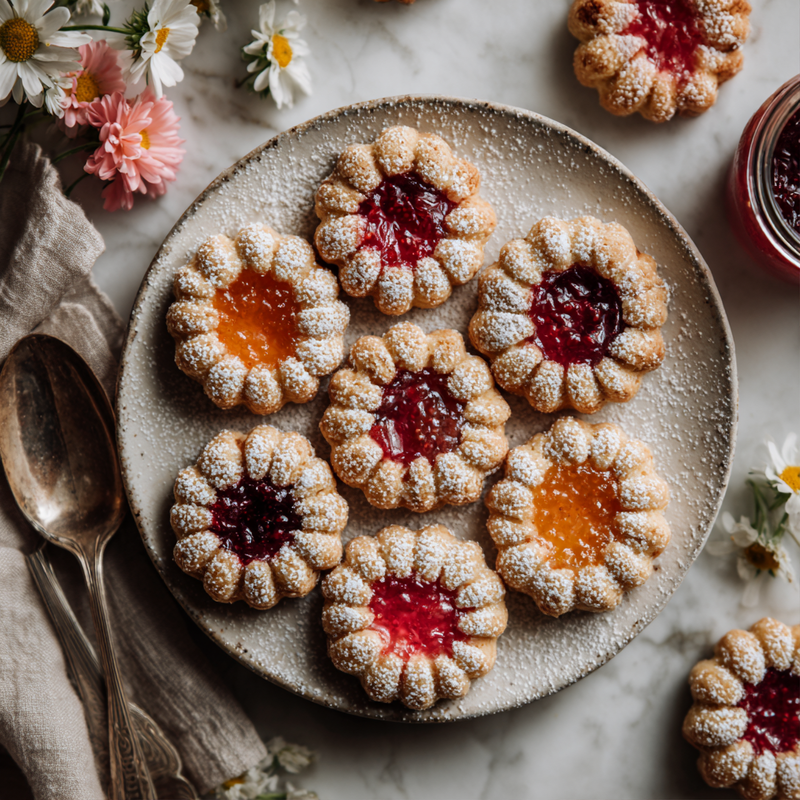
Let me tell you something that might surprise you: those gorgeous bakery cookies with the jewel-toned jam centers and delicate flower shapes? You can make them at home for a fraction of the price, and they'll taste infinitely better than anything you'd buy. Flower jam thumbprint cookies are the perfect example of how impressive baking doesn't require expensive ingredients or fancy equipment.
These buttery, melt-in-your-mouth cookies cost approximately 40-50 cents per cookie to make at home, while similar treats at upscale bakeries can run you two to three dollars each. When you're baking for family gatherings or simply want to fill your cookie jar with something special, that difference adds up fast. A single batch yields about 30 cookies, meaning you can serve a crowd or stock your freezer for spontaneous tea times without guilt.
What makes flower jam thumbprint cookies so budget-friendly is their reliance on simple pantry staples: flour, butter, sugar, eggs, and whatever jam you have on hand. There's no need for exotic extracts, expensive chocolate, or hard-to-find ingredients. The "flower" part comes from a simple technique using a fork or small cookie cutter, transforming humble dough into something that looks like it came from a professional patisserie. You'll get restaurant-quality presentation and taste while spending less than ten dollars for an entire batch.
Why This Recipe Is a Budget Winner
The economics of flower jam thumbprint cookies work beautifully in your favor for several compelling reasons. First, the base cookie dough uses affordable all-purpose flour as its foundation, stretched with butter and sugar that you likely already have in your pantry. Unlike recipes calling for almond flour, specialty starches, or imported ingredients, these cookies keep things refreshingly simple and inexpensive.
Compare the cost to what you'd spend at a bakery or coffee shop. A half-dozen decorated thumbprint cookies typically sell for twelve to eighteen dollars at boutique bakeries. Making them at home brings that cost down to about three dollars for the same quantity, and the homemade version tastes fresher with better-quality butter and your choice of premium jam. You're looking at savings of 75-80% while actually upgrading the ingredient quality.
Another budget advantage is how well this recipe scales. The dough comes together in one bowl, requiring minimal electricity for mixing and a single baking sheet that you can reuse for multiple batches. One batch easily feeds 15-20 people at a gathering, or provides your household with a week's worth of sweet treats. Unlike fussy pastries that require you to make exactly the yield specified, you can halve or double this recipe effortlessly based on your needs and budget.
Food waste is essentially nonexistent with flower jam thumbprint cookies. Every ingredient gets used completely, the dough scraps can be re-rolled, and any leftover jam in your refrigerator becomes the perfect filling. Nothing gets tossed, and that matters when you're cooking on a budget.
Affordable Ingredients, Maximum Impact
Let's walk through what you need and why each ingredient delivers exceptional value for your money. All-purpose flour forms the backbone of these cookies, and a five-pound bag costing around four dollars will make at least six batches. That works out to roughly 65 cents of flour per batch, making it one of the most economical ingredients in your baking arsenal. Store-brand flour performs identically to name brands in this recipe, so always choose the cheapest option.
Butter brings the rich, melt-in-your-mouth texture that makes flower jam thumbprint cookies so irresistible. While butter prices fluctuate, buying it on sale and freezing extra sticks is a smart strategy. One batch requires just one stick (half a cup), which typically costs between one and two dollars depending on your region. The payoff in flavor and texture is enormous compared to the cost, especially when you consider that this small amount creates 30 cookies.
Granulated sugar is remarkably inexpensive, with a four-pound bag costing about three dollars and lasting through dozens of baking projects. You'll need less than half a cup for the cookie dough itself, amounting to pennies per batch. Powdered sugar for optional coating adds minimal cost while creating a beautiful snowy appearance that elevates the presentation dramatically.
Eggs provide structure and richness, and at roughly 25-30 cents per egg, the single egg yolk this recipe requires costs almost nothing while contributing immensely to the tender crumb. Save the egg white for another purpose or brush it on bread before baking to eliminate waste completely.
The jam filling is where you can really exercise budget creativity. Whatever's on sale or already sitting in your refrigerator works perfectly. Strawberry, raspberry, apricot, or mixed berry jams all create stunning results, and generic store brands perform just as well as premium labels in baked applications. A jar of jam costs two to four dollars and will fill at least three batches of flower jam thumbprint cookies, making it an incredibly economical flavor investment.
Vanilla extract appears in small quantities but makes a noticeable difference. A small bottle lasts months and costs just a few dollars, with each batch requiring only a teaspoon. If vanilla feels too pricey, almond extract works beautifully and often costs less, or simply omit it entirely—the cookies will still taste wonderful.
How to Make Flower Jam Thumbprint Cookies
The process of creating these beautiful cookies is straightforward and doesn't require any special equipment or advanced techniques. Start by creaming together your softened butter and sugar until the mixture becomes light and fluffy, which takes about three minutes with a hand mixer or wooden spoon. This step incorporates air into the dough, creating that characteristic tender texture. Add your egg yolk and vanilla extract, beating until everything combines smoothly into a pale, creamy mixture.
Next comes the dry ingredient incorporation stage. Whisk together your flour, salt, and any optional spices in a separate bowl, then gradually add this mixture to your butter-sugar blend. Mix just until the dough comes together and no dry flour remains visible. Overmixing at this stage can lead to tough cookies, so stop as soon as everything is incorporated. The dough should be soft but not sticky, smooth and cohesive enough to roll into balls without crumbling.
Shaping the cookies is where the magic happens and where you create those distinctive flower indentations. Roll the dough into balls about one inch in diameter—roughly a tablespoon of dough each. If you want a powdered sugar coating, roll each ball through a shallow dish of powdered sugar before placing on your baking sheet. Arrange them about two inches apart, then use your thumb, the back of a small spoon, or a rounded half-teaspoon measure to create a deep well in the center of each cookie. For the flower effect, you can gently press the edges with a fork to create petal-like ridges, or use a small flower-shaped cookie cutter to press decorative patterns around the thumbprint.
The final preparation step involves filling those indentations with jam. Use about half a teaspoon of jam per cookie, filling the well generously but not overfilling, as the jam may bubble over during baking. This is also when you can get creative, using different colored jams to create a rainbow assortment that looks spectacular on a serving platter. The cookies then bake in a moderate oven until the edges turn lightly golden while the centers remain pale and tender, typically 12-15 minutes depending on your oven.
Stretching It Further
Flower jam thumbprint cookies are naturally suited to batch cooking and strategic meal planning. The unbaked dough freezes exceptionally well, which means you can prepare a triple batch during one session and freeze portions for future baking. Roll the dough into balls, create the thumbprint indentations, arrange them on a baking sheet, and freeze until solid. Transfer the frozen dough balls to a freezer bag, and you'll have ready-to-bake cookies whenever you need them. Just add jam and bake straight from frozen, adding an extra minute or two to the baking time.
Leftover cookies also transform beautifully into other desserts, extending their value even further. Crumble them over ice cream or yogurt for an instant parfait layer. Sandwich two cookies together with additional jam or a simple buttercream filling to create elegant sandwich cookies that look like they came from a French patisserie. You can also crush any broken or imperfect cookies into crumbs for pie crusts or cheesecake bases, ensuring absolutely nothing goes to waste.
For families cooking on a tight budget, these cookies provide an affordable dessert option that feels special enough for guests. Baking a double batch on a weekend afternoon gives you treats for school lunches, after-dinner desserts, and unexpected visitors throughout the week. The per-serving cost remains incredibly low even when you factor in electricity and time, making flower jam thumbprint cookies one of the smartest sweet treats you can prepare at home.
Another stretching strategy involves using these cookies as edible gifts. Package half a dozen in a simple cellophane bag tied with ribbon, and you have a heartfelt present that costs less than three dollars to make but looks and tastes like something far more expensive. This approach works wonderfully for teacher appreciation gifts, neighbor thank-yous, or small tokens for friends.
Smart Swaps and Variations
The basic formula for flower jam thumbprint cookies is wonderfully adaptable to whatever ingredients are cheapest or already in your pantry. If butter prices are high, you can substitute half the butter with vegetable shortening, which typically costs less and creates an even more tender cookie texture. The flavor won't be quite as rich, but the cookies will still taste delicious and the savings can be significant.
Jam alternatives abound and can dramatically change the character of these cookies while keeping costs minimal. Honey or maple syrup create a different but equally delicious filling, though you'll want to use slightly less due to their liquid consistency. Fruit preserves with visible fruit pieces create a more rustic, homemade appearance. Even a simple mixture of mashed fresh berries and a little sugar works beautifully if you happen to have fruit that needs using up.
For an even more budget-friendly version, you can reduce the butter slightly and add a tablespoon or two of milk to maintain the dough's moisture. This works especially well if you're coating the cookies in powdered sugar, which helps disguise any textural differences. The cookies will be slightly less rich but still absolutely delicious, and you'll save another dollar or so per batch.
Spice variations let you customize flower jam thumbprint cookies to different flavor profiles using ingredients you likely already own. A quarter teaspoon of cinnamon or cardamom in the dough pairs beautifully with apricot or peach jam. A tiny pinch of nutmeg complements strawberry or mixed berry fillings. Lemon or orange zest adds brightness without adding cost, especially if you're already using citrus for another purpose.
If you're feeding a crowd and want to make the batch go further, roll the cookies slightly smaller—about three-quarter inch balls instead of one inch. You'll get 40-45 cookies from the same amount of dough, reducing the per-cookie cost even more. These petite versions are actually quite elegant and perfect for serving alongside tea or coffee.
Storage and Reheating
Proper storage extends the life of your flower jam thumbprint cookies and protects your baking investment. Once completely cooled, store them in an airtight container at room temperature where they'll stay fresh for up to one week. Layer them carefully with parchment paper between levels to prevent the jam from sticking to other cookies. The cookies actually improve slightly after a day, as the jam softens the edges of the thumbprint and the flavors meld together more harmoniously.
For longer storage, freezing is your best option and works remarkably well with these cookies. Arrange cooled cookies in a single layer in a freezer-safe container, freeze until solid, then you can stack them more closely with parchment between layers. Properly frozen flower jam thumbprint cookies maintain their quality for up to three months. Thaw them at room temperature for about an hour before serving, and they'll taste freshly baked.
Reheating isn't typically necessary since these cookies are delicious at room temperature, but if you prefer them slightly warm, a brief 5-minute stint in a 300°F oven refreshes them beautifully. The jam will become molten and the cookies will release their buttery aroma as if just baked. Be careful not to overheat, as the jam can become extremely hot and the cookies may dry out.
The jam filling actually acts as a preservative of sorts, keeping the cookie centers moist even as the edges maintain their delicate crispness. This means flower jam thumbprint cookies have a longer shelf life than many other cookie varieties, which is excellent news for budget-conscious bakers who want to prepare desserts in advance.
Your Questions Answered
Can I make flower jam thumbprint cookies without butter?
Yes, you can substitute vegetable shortening or margarine for the butter, though the flavor will be less rich. Coconut oil works in a pinch but creates a slightly different texture. For the most budget-friendly option while maintaining good flavor, use half butter and half shortening, which gives you cost savings while preserving much of the buttery taste.
What's the cheapest jam to use for these cookies?
Any store-brand jam or preserves on sale will work perfectly in flower jam thumbprint cookies. Strawberry and mixed berry varieties are typically the least expensive options, often priced at two dollars or less per jar. Buying larger jars usually offers better value per ounce, and since jam keeps for months in the refrigerator, you can stock up when prices are low.
How do I feed a large family on a tight budget with these cookies?
Make a double or triple batch of dough at once to maximize your time efficiency, then freeze half as unbaked cookie balls for future use. This gives you the ability to bake fresh cookies whenever needed without repeating the mixing process. You can also make the cookies smaller to stretch the batch further, or serve them alongside fresh fruit to create a more substantial dessert that feels generous.
Can I skip the egg in this recipe to save money?
The single egg yolk in flower jam thumbprint cookies is difficult to omit entirely without affecting texture, but since you only need the yolk, you can save the white for scrambling into tomorrow's breakfast or adding to an omelet. If you must eliminate eggs completely, try substituting one tablespoon of milk mixed with one teaspoon of cornstarch, though the cookies will be slightly less tender.
Do these cookies taste better the next day?
Many people find that flower jam thumbprint cookies actually improve after sitting overnight, as the jam softens into the cookie slightly and the flavors marry together. The texture becomes a bit more unified while still maintaining the contrast between the tender cookie and fruity filling. This makes them an excellent make-ahead option for planned gatherings, which also helps with budget management by spreading out your cooking tasks.
What should I do with leftover jam after making these cookies?
Jam is incredibly versatile and economical, so nothing should go to waste. Use it to fill more batches of cookies, swirl it into oatmeal or yogurt, spread it on toast, or thin it with a little water to create a glaze for other baked goods. You can also use different jams for your next batch of flower jam thumbprint cookies to create variety without buying anything new.
Flower Jam Thumbprint Cookies
Buttery, tender thumbprint cookies filled with colorful jam and decorated with delicate flower patterns. A budget-friendly treat that looks and tastes bakery-quality.
Prep Time
15 min
Cook Time
14 min
Total Time
29 min
Servings
30 cookies
Ingredients
For 30 cookies
- 1 cup (225g) unsalted butter, softened
- 1/2 cup (100g) granulated sugar
- 1 large egg yolk
- 1 teaspoon vanilla extract
- 2 cups (250g) all-purpose flour
- 1/4 teaspoon salt
- 1/2 cup powdered sugar, for rolling (optional)
- 1/2 cup jam of choice (strawberry, raspberry, apricot, or mixed berry)
Instructions
- 1
Prepare oven and pan
Preheat your oven to 350°F (175°C). Line two baking sheets with parchment paper or silicone baking mats to prevent sticking and ensure easy cleanup. Set aside while you prepare the cookie dough.
- 2
Cream butter and sugar
In a large mixing bowl, beat the softened butter and granulated sugar together using a hand mixer or wooden spoon until light and fluffy, about 3-4 minutes. The mixture should become pale in color and increase slightly in volume as air incorporates. Scrape down the sides of the bowl as needed to ensure even mixing.
- 3
Add egg and vanilla
Add the egg yolk and vanilla extract to the butter mixture and beat until fully combined and smooth, about 1 minute. The mixture should look creamy and uniform with no streaks. Make sure the egg yolk is completely incorporated before proceeding to the next step.
- 4
Combine dry ingredients
In a separate bowl, whisk together the flour and salt until evenly distributed. Gradually add the flour mixture to the butter mixture, stirring just until the dough comes together and no dry flour remains visible. Avoid overmixing, as this can result in tough cookies rather than tender ones.
- 5
Shape cookie balls
Scoop out portions of dough using a tablespoon measure and roll between your palms to form smooth balls about 1 inch in diameter. If using powdered sugar coating, roll each ball in powdered sugar until evenly coated. Place the balls on prepared baking sheets, spacing them about 2 inches apart to allow for slight spreading during baking.
- 6
Create thumbprint indentations
Using your thumb, the back of a small spoon, or a rounded half-teaspoon measure, press firmly into the center of each cookie ball to create a deep, wide indentation. Make sure the well is deep enough to hold the jam without overflowing. For the flower effect, gently press the edges with a fork tines or use a small flower-shaped cookie cutter to create decorative patterns around the thumbprint.
- 7
Fill with jam
Spoon about half a teaspoon of jam into each thumbprint indentation, filling it generously but not overflowing. You can use a single jam flavor for the entire batch or mix different colors to create a beautiful variety. The jam may spread slightly during baking, so avoid overfilling.
- 8
Bake the cookies
Bake in the preheated oven for 12-15 minutes, until the edges are lightly golden but the centers remain pale. The cookies should look set but still soft when you remove them from the oven. They will continue to firm up as they cool, so avoid overbaking.
- 9
Cool completely
Allow the cookies to cool on the baking sheet for 5 minutes to set, then carefully transfer them to a wire cooling rack using a spatula. Let them cool completely before storing, as the jam will be very hot initially. Once cooled, the jam will set to a pleasant jam-like consistency and the cookies will achieve their characteristic tender texture.
Nutrition Facts
Per serving (estimated)
95 calories
Calories
12g
Carbs
1g
Protein
5g
Fat
0g
Fiber
25mg
Sodium
6g
Sugar