Eggs Benedict Casserole - Ultimate Make-Ahead Brunch
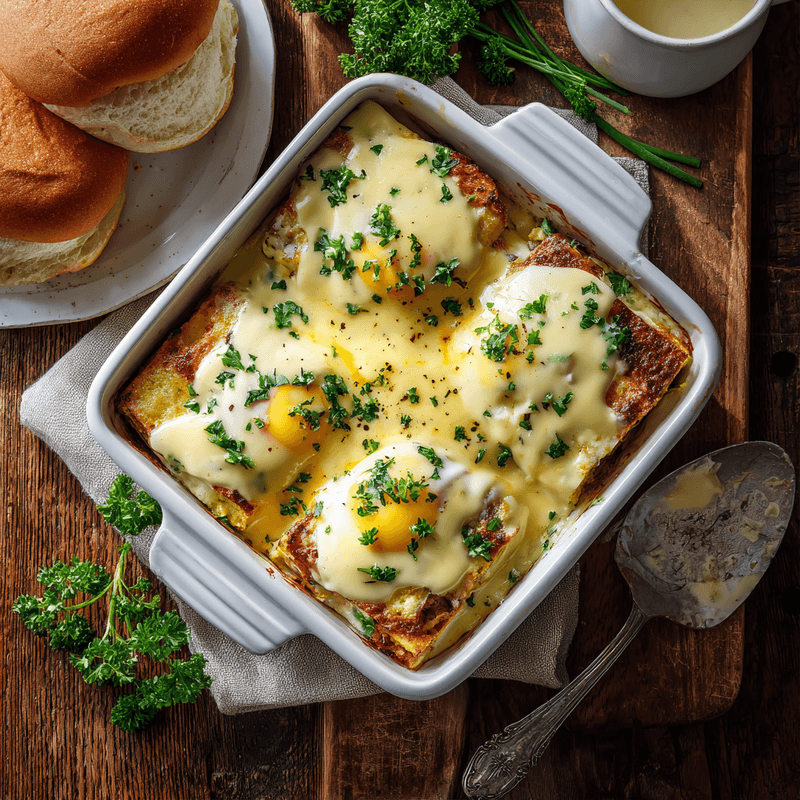
This Eggs Benedict Casserole transforms the classic brunch into an easy make-ahead dish. All the flavors you love, simplified for busy mornings!
cookwithlucia.com/recipes/eggs-benedict-casserole-the-ultimate-make-ahead-brunch
There's something magical about that first bite of a perfectly assembled Eggs Benedict—the silky hollandaise sauce coating a tender poached egg, all nestled on a toasted English muffin with savory Canadian-style turkey or beef. But let's be honest, making individual servings for a crowd can turn your relaxed brunch into a stressful juggling act. That's exactly why I created this Eggs Benedict Casserole, and it has completely changed how I approach weekend gatherings and family brunches.
I'll never forget the morning I was hosting my extended family for brunch, and I found myself frantically poaching eggs one by one while everyone waited hungrily at the table. The hollandaise broke twice, my timing was completely off, and I ended up eating last with a plate of cold food. That experience pushed me to develop this casserole version that captures every delicious element of the classic dish but lets you actually enjoy time with your guests. The beauty of this Eggs Benedict Casserole is that you can assemble it the night before, refrigerate it, and simply pop it in the oven the next morning while you sip your coffee and chat with loved ones.
This recipe delivers all those beloved flavors—the rich, creamy sauce, the perfectly cooked eggs, the hearty base—in a format that serves eight to ten people with minimal effort. Whether you're planning a cozy weekend breakfast or feeding a houseful of overnight guests, this make-ahead approach will become your new brunch superpower. In this post, I'll walk you through exactly how to create this showstopping dish, share my tested tips for perfecting every layer, and show you how to customize it to your family's tastes.
What is Eggs Benedict Casserole?
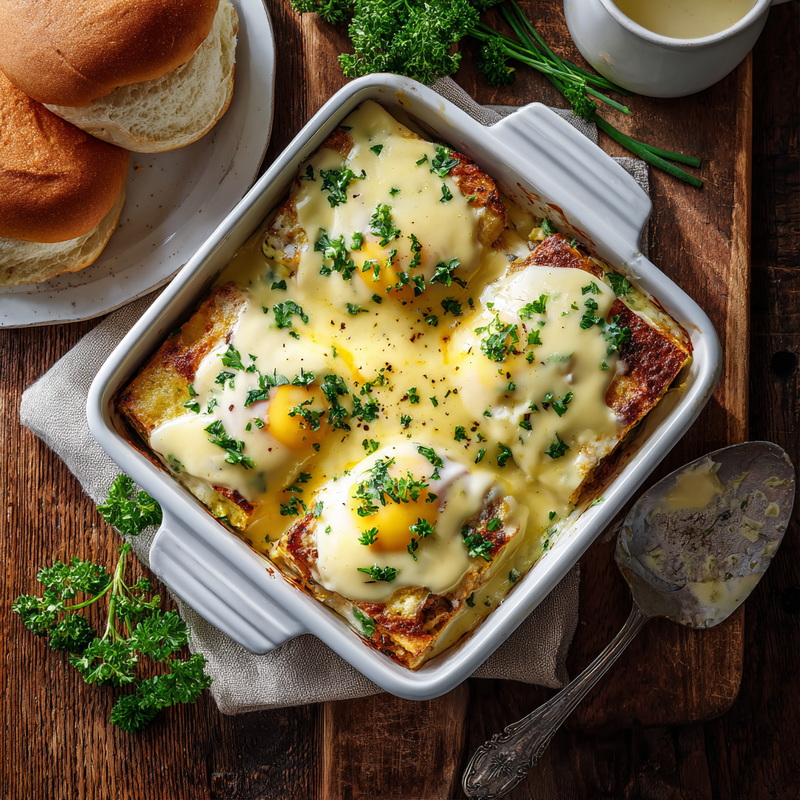
Have you ever wished you could enjoy the luxurious flavors of Eggs Benedict without the last-minute scramble of poaching eggs and whisking hollandaise sauce while your guests wait? That's exactly what this Eggs Benedict Casserole delivers. This brilliant dish takes all the classic components of the beloved brunch favorite and transforms them into a baked casserole that you can prepare ahead of time.
Traditional Eggs Benedict originated in New York City in the late 1800s, with several restaurants claiming to be its birthplace. The classic version features poached eggs and Canadian-style meat on English muffins, topped with buttery hollandaise sauce. My casserole version honors these traditional elements while reimagining the format entirely. Instead of individual servings requiring precise timing and technique, you'll layer cubed English muffins as the base, add seasoned turkey or beef slices, pour over a custard-like egg mixture, and finish with a simplified hollandaise-inspired sauce that bakes right on top.
The flavor profile remains faithful to the original—rich, buttery, slightly tangy from a touch of lemon, with that satisfying combination of tender bread, savory meat, and creamy eggs. What makes this Eggs Benedict Casserole stand out is its genius practicality. You get all the indulgence of the classic dish with a fraction of the stress, making it perfect for anyone who wants to serve an impressive brunch without spending the entire morning in the kitchen.
Why You'll Love This Eggs Benedict Casserole
It's incredibly make-ahead friendly. The entire casserole can be assembled the evening before your brunch, covered tightly, and refrigerated overnight. In the morning, you simply let it sit at room temperature while the oven preheats, then bake it to golden perfection. This advance preparation means you can actually be present with your family and guests instead of being stuck at the stove managing multiple cooking techniques simultaneously.
The flavors are absolutely restaurant-worthy. Every forkful delivers that signature Eggs Benedict taste—the richness of eggs and butter, the savory depth of quality meat, the subtle tang that brightens everything. The cubed English muffins soak up the custard mixture and become incredibly tender on the inside while developing crispy, golden edges on top. It's comfort food elevated to special occasion status.
This recipe is surprisingly budget-friendly. While ordering Eggs Benedict at a restaurant can cost fifteen to twenty dollars per person, this casserole feeds eight to ten people for a fraction of that cost. You're using everyday ingredients like eggs, English muffins, and butter, with no specialty items or expensive cuts required. It's an affordable way to create a memorable brunch spread.
Everyone loves it, from picky eaters to food enthusiasts. The familiar flavors appeal to a wide range of palates, and the casserole format is less intimidating than the fancy plated version. Kids often devour this when they might turn their noses up at a traditional poached egg, and adults appreciate the sophisticated flavor combination.
It's endlessly customizable to suit your preferences. You can adjust the richness of the sauce, add vegetables like sautéed spinach or roasted tomatoes, switch up the protein, or incorporate different cheeses. This Eggs Benedict Casserole serves as a fantastic blank canvas for your creativity.
Leftovers reheat beautifully for easy weekday breakfasts. Unlike traditional Eggs Benedict which doesn't survive reheating well, this casserole maintains its texture and flavor when properly stored and warmed up. You'll actually look forward to those leftover portions throughout the week.
Key Ingredients and What They Bring
The foundation of any great Eggs Benedict Casserole starts with quality English muffins. I use about six to eight English muffins, cut into cubes, which create the perfect texture—slightly chewy on the inside with crispy edges that soak up the egg mixture beautifully. The nooks and crannies characteristic of English muffins are ideal for capturing all that creamy custard, ensuring every bite is flavorful. You can use regular, whole wheat, or even sourdough English muffins depending on your preference.
For the protein component, I recommend using Canadian-style turkey or thinly sliced roasted turkey breast, which provides that classic Eggs Benedict flavor profile. You'll need about twelve ounces, and the savory, slightly smoky quality of good turkey adds incredible depth to the dish. If you prefer beef, thinly sliced deli roast beef works wonderfully and brings a richer, heartier flavor. The key is choosing a quality product with good seasoning.
The egg mixture is where the magic happens—you'll whisk together eight large eggs with two cups of whole milk to create a custard that binds everything together. This ratio ensures the casserole sets properly without being too dense or too loose. The eggs provide structure and richness, while the milk adds creaminess and helps the mixture penetrate every nook of those English muffin cubes. Some recipes use half-and-half for extra richness, which is a wonderful option if you want an even more decadent result.
Butter plays a starring role in multiple ways throughout this recipe. You'll use melted butter to brush over the assembled casserole before baking, which creates that gorgeous golden crust on top. Additional butter goes into the hollandaise-inspired sauce, delivering that signature rich, velvety quality that makes Eggs Benedict so irresistible. I never skimp on butter in this recipe because it's essential for achieving authentic flavor.
The simplified hollandaise sauce relies on egg yolks, butter, fresh lemon juice, and a pinch of cayenne pepper. This combination creates that tangy, creamy, slightly spicy sauce that defines the dish. The lemon juice cuts through the richness and adds brightness, while the cayenne provides a subtle warmth without making the dish spicy. You can adjust these elements to your taste, but this balance has proven perfect in my testing.
Sharp cheddar cheese or Gruyère adds another layer of flavor and helps bind the casserole while creating appealing stretchy, melty pockets throughout. About one and a half cups of shredded cheese distributed in layers ensures you get that cheesy goodness in every serving. The slight sharpness of aged cheddar complements the rich eggs beautifully, while Gruyère offers a more traditional French-inspired flavor that pairs perfectly with the hollandaise elements.
Fresh chives and parsley bring color, freshness, and a subtle oniony note that brightens the entire dish. I use them both mixed into the casserole and as a garnish on top. These herbs cut through the richness and add a professional finishing touch. Finally, basic seasonings like salt, black pepper, and a touch of Dijon mustard in the egg mixture round out the flavors and ensure every component is well-seasoned.
How to Make Eggs Benedict Casserole — Quick Overview
Creating this Eggs Benedict Casserole is wonderfully straightforward, especially compared to making traditional Eggs Benedict for a crowd. You'll start by preparing your English muffins—cube them into bite-sized pieces and toast them lightly in the oven until they're just beginning to crisp. This step prevents the casserole from becoming soggy and ensures you get that perfect texture contrast between tender interior and golden edges.
Next comes the layering process, which is almost therapeutic in its simplicity. In a greased nine-by-thirteen-inch baking dish, you'll create a foundation with half of your toasted English muffin cubes, then layer on your choice of turkey or beef slices, followed by shredded cheese. Repeat with the remaining muffin cubes and another layer of meat and cheese. This strategic layering ensures every portion of the casserole contains all the essential components.
While your layers are settling, you'll whisk together the egg custard mixture with milk, Dijon mustard, and seasonings until completely smooth. Pour this golden mixture evenly over the entire casserole, gently pressing down on the bread cubes to help them absorb the liquid. This is where the make-ahead magic happens—at this point, you can cover and refrigerate the assembled casserole overnight, or let it rest for thirty minutes and proceed with baking.
The final step involves preparing a simplified hollandaise-style topping and baking everything until puffy, golden, and set in the center. The total active preparation time is only about twenty minutes, with forty to forty-five minutes of hands-off baking time. When you pull this Eggs Benedict Casserole from the oven, the top will be beautifully browned, the edges slightly crispy, and the aroma absolutely intoxicating.
Top Tips for Perfecting Eggs Benedict Casserole
The quality of your English muffins makes a noticeable difference in the final result. I recommend using fork-split English muffins rather than knife-cut ones because those irregular, craggy surfaces create more texture and better absorb the egg mixture. If you can find artisanal or bakery-fresh English muffins, they'll elevate your Eggs Benedict Casserole significantly, but standard grocery store varieties work perfectly well too.
Toasting the English muffin cubes before assembling the casserole is a step you absolutely shouldn't skip. Spread them on a baking sheet and toast at three hundred fifty degrees for about eight to ten minutes until they're lightly golden and slightly dried out. This preliminary toasting prevents sogginess and creates structure that holds up beautifully when saturated with the custard mixture. Skipping this step can result in a mushy texture that doesn't have that satisfying contrast.
When making the simplified hollandaise sauce, temperature control is crucial. If you're preparing it on the stovetop, use low heat and whisk constantly to prevent the egg yolks from scrambling. I often use a double boiler method for foolproof results—the gentle, indirect heat gives you much more control. If the sauce seems too thick, you can thin it with a teaspoon of warm water at a time until you reach the desired consistency.
Letting the assembled casserole rest before baking is essential for proper texture. If you're baking it immediately after assembly, let it sit at room temperature for at least thirty minutes so the English muffin cubes can fully absorb the egg mixture. If you've refrigerated it overnight, remove it from the refrigerator thirty to forty-five minutes before baking to take the chill off, which ensures even cooking throughout.
Don't overbake your Eggs Benedict Casserole, as this can result in rubbery eggs and a dry texture. The casserole is perfectly done when the center reaches one hundred sixty degrees Fahrenheit and a knife inserted in the middle comes out mostly clean with just a bit of creamy custard clinging to it. The edges should be golden brown and slightly puffed, and the casserole should jiggle just slightly when you gently shake the pan.
For extra flavor depth, consider sautéing some finely diced shallots or onions and incorporating them into the layers. This adds a subtle sweetness and complexity that complements the richness beautifully. You can also add a layer of fresh spinach between the meat and cheese for added nutrition and a pop of color that makes each slice even more visually appealing.
Presentation matters, even with a casual casserole. After baking, let the dish rest for ten minutes before cutting and serving. This resting period allows the custard to set fully, making it easier to cut clean squares. Garnish each serving with fresh chopped chives and parsley, and if you're feeling fancy, drizzle a little extra hollandaise sauce on top or serve it on the side for guests to add as desired.
Variations and Flavor Twists
For a vegetarian version of this Eggs Benedict Casserole, simply omit the meat and load up on vegetables instead. Sautéed mushrooms, roasted asparagus, sun-dried tomatoes, and wilted spinach create a delicious Mediterranean-inspired variation that's just as satisfying as the original. The mushrooms provide that meaty, umami quality while the other vegetables add freshness and color. You might want to increase the cheese slightly to compensate for the missing protein.
If you love spice and bold flavors, try a Southwest-inspired twist by seasoning the egg mixture with cumin and smoked paprika, using pepper jack cheese instead of cheddar, and adding diced green chiles between the layers. Top with fresh cilantro and serve with a dollop of sour cream and your favorite salsa. This variation transforms the dish entirely while maintaining that satisfying casserole format.
For a lighter, Mediterranean version, use whole wheat English muffins, replace half the whole milk with unsweetened almond milk, and incorporate fresh tomatoes, olives, and feta cheese. Add dried oregano and basil to the egg mixture for an herbaceous note. This version feels bright and fresh while still delivering plenty of flavor and satisfaction. It's perfect for warm weather brunches when you want something a bit less heavy.
A smoked salmon variation brings elegant, upscale flavors to your Eggs Benedict Casserole. Replace the turkey with thin slices of smoked salmon, use cream cheese in addition to or instead of the cheddar, and add fresh dill throughout. A squeeze of extra lemon juice in the hollandaise enhances the salmon beautifully. This version is absolutely perfect for special gatherings and never fails to impress guests.
For meal prep purposes, you can make individual portions in large muffin tins or ramekins. This creates perfect single servings that you can freeze individually and reheat throughout the week. Just adjust the baking time to twenty to twenty-five minutes since the smaller portions cook faster. These individual Eggs Benedict Casserole portions are fantastic for grab-and-go breakfasts or for portion control.
What to Serve with Eggs Benedict Casserole
A fresh fruit salad with berries, melon, and citrus segments provides a bright, refreshing contrast to the rich Eggs Benedict Casserole. The natural sweetness and acidity of fresh fruit cuts through the buttery flavors and cleanses the palate between bites. I love adding a drizzle of honey and fresh mint to the fruit for extra elegance. This pairing also adds beautiful color to your brunch table.
Roasted breakfast potatoes seasoned with rosemary and garlic make an excellent hearty side that complements the casserole perfectly. The crispy exteriors and fluffy interiors of well-roasted potatoes provide textural variety, and the savory seasonings echo the flavors in the main dish without overwhelming it. You can prep these the night before and simply reheat them in the oven while the casserole bakes.
A simple mixed green salad dressed with a light lemon vinaigrette might seem unconventional for brunch, but it works beautifully with this rich casserole. The peppery bite of arugula or the crispness of romaine, combined with the bright acidity of the dressing, balances the meal and makes it feel more complete. Adding toasted nuts or seeds provides extra crunch and nutrition.
Freshly squeezed orange juice or a sparkling citrus mocktail pairs wonderfully with Eggs Benedict Casserole. The citrus notes complement the lemon in the hollandaise while providing a refreshing beverage option. For something warm, strong coffee or a selection of herbal teas rounds out the brunch experience perfectly and helps cut through the richness of the dish.
Garlic-roasted asparagus or green beans add an elegant vegetable component that elevates the entire meal. The slight char from roasting brings out the natural sweetness of the vegetables, and the garlic provides aromatic depth. These vegetables can roast in the oven alongside the casserole, making timing easy. A squeeze of fresh lemon juice over the vegetables before serving ties everything together beautifully.
Storing and Reheating Tips
Proper storage is key to maintaining the quality of your Eggs Benedict Casserole for later enjoyment. Once the casserole has cooled to room temperature, cut it into individual portions and transfer them to airtight containers. Stored this way in the refrigerator, the casserole will stay fresh for three to four days. The individual portions make it easy to reheat only what you need, and they're perfect for quick weekday breakfasts.
For longer storage, this casserole freezes remarkably well for up to two months. Wrap individual portions tightly in plastic wrap, then place them in freezer-safe containers or bags, removing as much air as possible. Label everything with the date so you can track freshness. When you're ready to enjoy, thaw portions overnight in the refrigerator before reheating for the best texture and most even warming.
The oven method produces the best reheating results for Eggs Benedict Casserole. Preheat your oven to three hundred twenty-five degrees Fahrenheit, place the portion in an oven-safe dish, cover loosely with foil to prevent over-browning, and heat for fifteen to twenty minutes until warmed through. This gentle reheating preserves the texture beautifully and helps the casserole maintain that balance of tender interior and slightly crispy top.
If you're short on time, the microwave works in a pinch, though the texture won't be quite as perfect. Place a portion on a microwave-safe plate, cover with a damp paper towel to prevent drying, and heat in thirty-second intervals at sixty percent power until warmed through. The lower power setting helps prevent the eggs from becoming rubbery. Adding a small pat of butter on top before microwaving can help restore some richness.
To maintain the original taste and texture, avoid reheating the entire casserole multiple times. Each reheating cycle degrades the quality slightly, so it's best to cut and store portions, reheating only what you'll eat. If you're serving the Eggs Benedict Casserole for a gathering and have leftovers, cut and store them promptly rather than leaving the whole casserole out at room temperature for extended periods.
Frequently Asked Questions
Can I make Eggs Benedict Casserole ahead of time?
Absolutely, and this is actually when this recipe shines brightest. Assemble the entire casserole the evening before your brunch, cover it tightly with plastic wrap or foil, and refrigerate overnight. The English muffin cubes will absorb the egg mixture as they sit, resulting in even better texture. In the morning, remove it from the refrigerator about forty-five minutes before baking, prepare your hollandaise topping, and bake as directed.
Can I substitute the turkey with chicken or beef?
Yes, this Eggs Benedict Casserole is very flexible with protein options. Thinly sliced roasted chicken breast works beautifully and provides a similar flavor profile to turkey. Deli-style roast beef creates a richer, heartier version that many people love. You can also use leftover grilled chicken or roasted turkey from previous meals. Just ensure whatever protein you choose is fully cooked and sliced thinly for the best results.
How do I know when the casserole is fully cooked?
The casserole is done when the internal temperature reaches one hundred sixty degrees Fahrenheit in the center, which you can check with an instant-read thermometer. Visually, the top should be golden brown and slightly puffed, and when you insert a knife into the center, it should come out mostly clean with just a bit of creamy custard. The edges will set first, so focus on testing the center, which is the last part to cook through.
Can I make this casserole dairy-free?
While the traditional version relies heavily on dairy for its characteristic richness, you can adapt this Eggs Benedict Casserole for dairy sensitivities. Use unsweetened almond milk or oat milk instead of regular milk, replace the butter with a high-quality dairy-free alternative, and omit the cheese or use a dairy-free cheese substitute. The hollandaise sauce is trickier to adapt, but you can make a version using dairy-free butter and the same technique. The flavor will be different but still delicious.
How can I scale this recipe for a smaller or larger crowd?
This recipe is easily scalable in both directions. For a smaller gathering, halve all ingredients and use an eight-by-eight-inch baking dish, reducing the baking time to thirty to thirty-five minutes. For a larger crowd, make one and a half or double batches in multiple baking dishes rather than one oversized pan, as this ensures even cooking. Keep the baking time the same when using multiple standard-sized pans, just rotate their positions halfway through baking.
What's the best way to prevent the casserole from becoming soggy?
The key to avoiding sogginess in your Eggs Benedict Casserole is properly toasting the English muffin cubes before assembly. This creates a slightly dried surface that absorbs the custard mixture without falling apart. Also, don't use too much of the egg mixture—the bread should be moistened but not swimming in liquid. If you're adding vegetables, make sure they're well-drained or pre-cooked to release excess moisture before incorporating them into the layers.
Final Thoughts
This Eggs Benedict Casserole has become one of my most-requested recipes for good reason. It delivers all the luxurious flavors of the classic brunch dish while eliminating the stress and precise timing that usually comes with making Eggs Benedict. Whether you're hosting overnight guests, planning a cozy weekend breakfast with family, or simply want to meal prep some special breakfasts for the week ahead, this recipe adapts beautifully to your needs.
The make-ahead nature of this dish means you can actually be present during your gathering instead of stuck in the kitchen managing multiple pots and pans. Your guests will be impressed by the restaurant-quality flavors, and you'll love how simple it was to pull together. The versatility of the recipe means you can make it dozens of times with different variations and never get bored.
I encourage you to start with the classic version I've outlined here to understand the base recipe, then experiment with the variations and substitutions that appeal to your family's tastes. Some of my readers have created their own signature versions by combining elements from different variations, and that's exactly the kind of creativity I love to see. This Eggs Benedict Casserole is your canvas—make it your own.
The beauty of having this recipe in your repertoire is that it elevates any morning into something special without requiring you to wake up at dawn or possess advanced culinary skills. It's approachable enough for beginners but impressive enough to serve at your most important gatherings. Once you've made it a few times, you'll find yourself turning to this Eggs Benedict Casserole again and again, and it might just become your signature brunch dish too.
Eggs Benedict Casserole - The Ultimate Make-Ahead Brunch
A make-ahead casserole that transforms classic Eggs Benedict into an easy, crowd-pleasing brunch dish with layers of English muffins, turkey, eggs, and hollandaise sauce.
Prep Time
20 min
Cook Time
45 min
Total Time
1h 5m
Servings
8 servings
Ingredients
For 8 servings
- 6-8 English muffins, cut into 1-inch cubes
- 12 ounces Canadian-style turkey or thinly sliced roasted turkey breast
- 8 large eggs
- 2 cups whole milk
- 1 1/2 cups shredded sharp cheddar cheese, divided
- 2 tablespoons Dijon mustard
- 1 teaspoon salt
- 1/2 teaspoon black pepper
- 1/4 teaspoon garlic powder
- 3 tablespoons butter, melted, plus more for greasing
- 3 large egg yolks, for hollandaise
- 1/2 cup unsalted butter, melted, for hollandaise
- 2 tablespoons fresh lemon juice
- 1/8 teaspoon cayenne pepper
- 2 tablespoons fresh chives, chopped
- 2 tablespoons fresh parsley, chopped
Instructions
- 1
Toast the English muffins
Preheat your oven to 350°F. Spread the English muffin cubes on a large baking sheet in a single layer. Toast in the oven for 8-10 minutes until lightly golden and slightly dried out. This step prevents the casserole from becoming soggy. Remove and let cool slightly.
- 2
Prepare the baking dish
Generously grease a 9x13-inch baking dish with butter. This ensures easy serving and cleanup. Set aside while you prepare the layers.
- 3
Create the first layer
Arrange half of the toasted English muffin cubes evenly across the bottom of the prepared baking dish. Layer half of the turkey slices over the muffin cubes, then sprinkle with 3/4 cup of the shredded cheddar cheese. This creates a flavorful base that will soak up the egg mixture beautifully.
- 4
Add the second layer
Repeat the layering process with the remaining English muffin cubes, turkey slices, and another 3/4 cup of shredded cheese. Press down gently on the layers to compact them slightly, which helps everything bind together during baking.
- 5
Prepare the egg mixture
In a large mixing bowl, whisk together the 8 eggs, whole milk, Dijon mustard, salt, black pepper, and garlic powder until completely smooth and well combined. The Dijon adds a subtle tang that complements the hollandaise perfectly. Mix in half of the chopped chives and parsley.
- 6
Pour and soak
Pour the egg mixture evenly over the layered casserole, making sure to cover all areas. Use a spatula to gently press down on the English muffin cubes, encouraging them to absorb the liquid. Let the assembled casserole sit at room temperature for 30 minutes, or cover and refrigerate overnight for make-ahead convenience.
- 7
Prepare hollandaise topping
In a small bowl or using a double boiler over low heat, whisk the egg yolks until smooth. Gradually add the 1/2 cup melted butter while whisking constantly until the mixture thickens slightly. Whisk in the lemon juice and cayenne pepper. The sauce should be smooth and pourable but thick enough to coat the back of a spoon.
- 8
Add hollandaise and butter
If refrigerated overnight, remove the casserole from the refrigerator 45 minutes before baking. Preheat the oven to 375°F. Drizzle the 3 tablespoons of melted butter over the top of the casserole, then spoon dollops of the hollandaise sauce across the surface. It doesn't need to cover completely as it will spread during baking.
- 9
Bake the casserole
Place the casserole in the preheated oven and bake for 40-45 minutes, until the top is golden brown and the center is set. The internal temperature should reach 160°F when checked with an instant-read thermometer. The edges should be slightly puffed and crispy.
- 10
Rest and garnish
Remove the casserole from the oven and let it rest for 10 minutes before serving. This resting period allows the custard to set fully, making it easier to cut clean portions. Garnish with the remaining fresh chives and parsley for a beautiful presentation.
- 11
Serve warm
Cut the Eggs Benedict Casserole into squares and serve warm. If desired, serve with additional hollandaise sauce on the side for guests who want extra richness. This casserole pairs beautifully with fresh fruit, roasted potatoes, or a simple green salad.
Nutrition Facts
Per serving (estimated)
485 calories
Calories
28g
Carbs
24g
Protein
30g
Fat
2g
Fiber
890mg
Sodium
6g
Sugar