Easy Spring Fettuccine Asparagus Dinner Recipe
This Easy Spring Fettuccine Asparagus Dinner brings fresh seasonal flavors to your table in just 30 minutes. Creamy, vibrant, and perfect for any night.
cookwithlucia.com/recipes/easy-spring-fettuccine-asparagus-dinner
There's something magical about the first asparagus spears of spring that makes me want to celebrate with pasta. When those tender green stalks appear at the market, I know it's time to bring brightness back to the dinner table after months of heavier, earthier meals. This Easy Spring Fettuccine Asparagus Dinner captures everything I love about the season: fresh vegetables at their peak, a silky sauce that clings to every ribbon of pasta, and flavors that feel both comforting and refreshing at once.
What makes this particular dish so special is how it balances richness with that unmistakable spring lightness. The asparagus maintains just enough bite to remind you it's the star, while garlic and cream create a sauce that feels indulgent without being heavy. I've made countless versions of pasta primavera over the years, but this streamlined approach focuses on letting the asparagus shine rather than competing with a dozen different vegetables.
By the time you finish reading, you'll know exactly how to create restaurant-quality fettuccine at home, how to choose and prepare asparagus so it stays vibrant green and perfectly tender, and the simple technique that makes the sauce come together in minutes. This Easy Spring Fettuccine Asparagus Dinner has become my go-to for busy weeknights when I want something that feels special, and for weekend gatherings when I need to feed friends without spending hours in the kitchen.
The Story Behind This Dish
Pasta primavera emerged in Italian-American cuisine during the 1970s, though Italians have been tossing fresh spring vegetables with pasta for centuries. The tradition comes from cucina povera, the resourceful cooking style that celebrated whatever vegetables were abundant and affordable at the market. Asparagus, one of the first crops to emerge after winter, has always held a place of honor in spring cooking across Italy, from Veneto to Lazio.
Home cooks gradually simplified the elaborate restaurant versions, realizing that fewer ingredients often meant better flavor. Rather than mixing six or seven different vegetables that all cook at different rates, focusing on asparagus alone allows you to perfect the timing and really taste the season. The homemade version gives you control over the sauce consistency, the pasta texture, and most importantly, the freshness of every ingredient.
What you make at home will always surpass what you order out because you're cooking the asparagus to your exact preference and tossing everything together at the peak moment when the pasta water creates that perfect silky emulsion with cream and cheese. That's something no restaurant dish sitting under heat lamps can replicate.
What Makes This Recipe Special
Ready in 30 Minutes: This Easy Spring Fettuccine Asparagus Dinner comes together faster than ordering takeout, making it perfect for those evenings when you want real food without the wait. The asparagus cooks in the same amount of time it takes to boil pasta.
Celebration of Spring Flavors: Rather than masking the asparagus with heavy sauces, this recipe enhances its natural sweetness and grassy notes. Every bite tastes like the season itself, bright and fresh with just enough richness to satisfy.
One-Pot-Adjacent Simplicity: While you'll use two burners, the minimal cleanup and straightforward process mean you're not juggling complicated techniques. Everything flows logically from one step to the next.
Budget-Friendly Elegance: With just a handful of ingredients, most of which are pantry staples, this dish proves that impressive doesn't have to mean expensive. When asparagus is in season, it's remarkably affordable.
Crowd-Pleasing Versatility: This Easy Spring Fettuccine Asparagus Dinner works equally well for a quiet dinner for two or a gathering of eight. The flavors appeal to both adults and children, and it pairs beautifully with simple proteins if you want to make it more substantial.
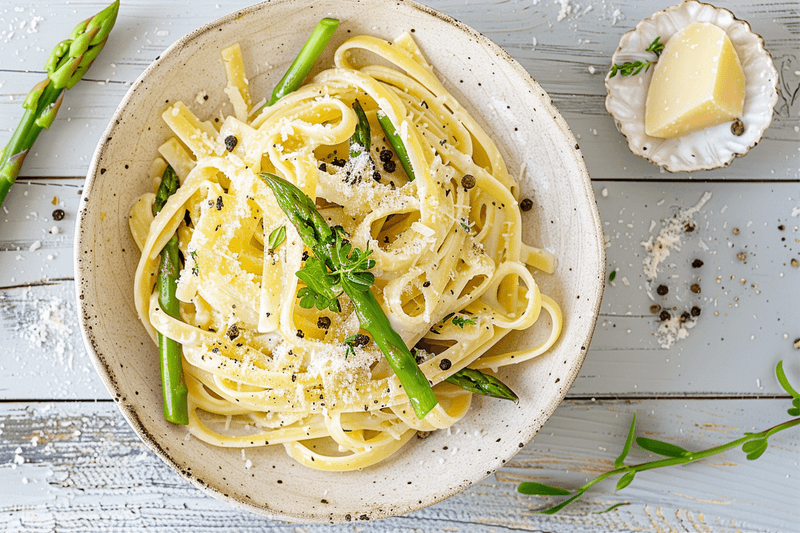
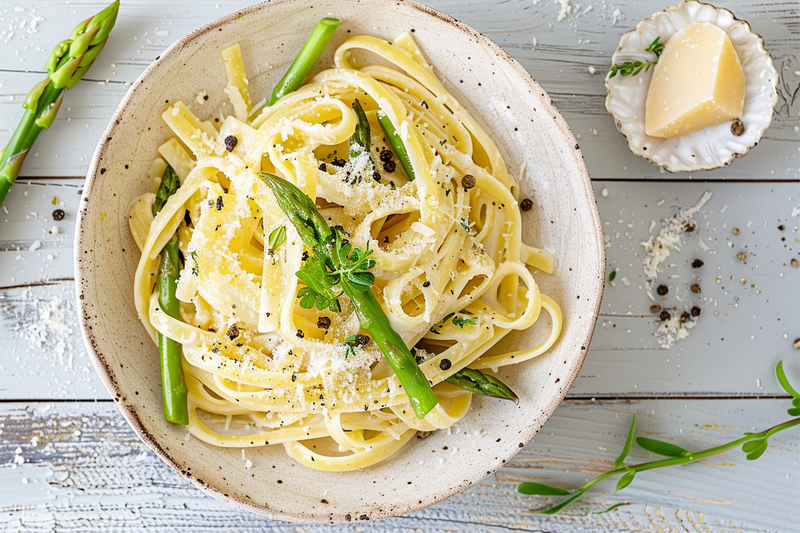
Visual Appeal: The vibrant green asparagus against creamy sauce and pale pasta creates a stunning plate that looks as good as it tastes. The colors alone announce that spring has arrived.
Breaking Down the Ingredients
Fresh asparagus forms the foundation of this dish, and choosing the right spears makes all the difference. Look for firm stalks with tight, compact tips and a vibrant green color from top to bottom. The thickness is less important than freshness, though medium spears tend to be most tender. Asparagus contributes that distinctive slightly sweet, vegetal flavor that defines spring, along with a tender-crisp texture that contrasts beautifully with silky pasta.
Fettuccine provides the perfect vehicle for this sauce, with its flat ribbons offering maximum surface area for the cream to cling to. The width and thickness of fettuccine create a satisfying chew that stands up to the asparagus without overwhelming it. You want a pasta that feels substantial but not heavy, and fettuccine hits that balance perfectly.
Heavy cream creates the luxurious sauce base that binds everything together. It adds richness without the heaviness of a flour-based sauce, and it emulsifies beautifully with the starchy pasta water to create that glossy, restaurant-quality finish. The cream also mellows the sharpness of the garlic while carrying the flavors throughout every bite.
Garlic brings aromatic depth and a subtle pungency that elevates the mild asparagus. When sautéed gently in butter or olive oil, it becomes sweet and mellow rather than harsh, infusing the entire dish with warmth. Fresh garlic is essential here; the pre-minced jarred version won't give you the same fragrant complexity.
Parmesan cheese adds the salty, umami-rich element that makes this Easy Spring Fettuccine Asparagus Dinner feel complete. It melts into the warm sauce, thickening it slightly while contributing that nutty, sharp flavor that Italian cooking is known for. Always use freshly grated Parmesan rather than the pre-grated kind for the best texture and flavor.
Fresh lemon juice brightens the entire dish, cutting through the richness of the cream and highlighting the asparagus's natural flavors. Just a tablespoon or two transforms the sauce from good to exceptional, adding a subtle tanginess that keeps each bite interesting. The acidity also helps balance the saltiness of the cheese.
The Cooking Process Explained
The process begins with bringing a large pot of well-salted water to a rolling boil for your fettuccine. While that heats, you'll prepare your asparagus by snapping off the woody ends where they naturally break and cutting the spears into bite-sized pieces. This timing ensures everything finishes simultaneously, which is key to pasta success.
As the pasta cooks according to package directions, you'll start the sauce by warming olive oil or butter in a large skillet over medium heat. The garlic goes in first, sizzling gently until it becomes fragrant and just barely golden, about one minute. This is your aromatic foundation, and you'll smell the exact moment when it's ready—that's when the kitchen fills with that unmistakable warm, savory scent.
The asparagus pieces join the garlic next, and this is where you'll hear that satisfying sizzle as they hit the hot pan. They need about five to seven minutes to become tender-crisp, depending on thickness. You're looking for vibrant green spears that yield slightly when pierced with a fork but still have structure. Stir them occasionally to ensure even cooking.
When the asparagus reaches that perfect texture, you'll pour in the cream and let it come to a gentle simmer. This is when the magic happens—the cream picks up all the flavors from the pan, the garlic infuses throughout, and everything begins to meld together. After two to three minutes, the sauce will thicken slightly and coat the back of a spoon.
The final stage brings it all together: you'll use tongs to transfer the just-drained fettuccine directly into the skillet with the asparagus and cream, adding a splash of pasta cooking water. Toss everything vigorously for about a minute, allowing the starchy water to create that glossy, emulsified sauce. Off the heat, shower in the Parmesan and lemon juice, toss once more, and your Easy Spring Fettuccine Asparagus Dinner is complete.
Mistakes to Avoid
Don't overcook the asparagus, which is the most common pitfall with this dish. Asparagus can go from perfectly tender to mushy in less than a minute, especially if you're using thin spears. Start checking at the five-minute mark by piercing a piece with a fork—it should offer slight resistance. Remember that it will continue cooking slightly when you toss it with the hot pasta.
Skipping the pasta water is a mistake that will leave you with a broken, separated sauce rather than the silky coating you want. That starchy water is the secret ingredient that professional chefs use to create restaurant-quality sauces at home. Add it a tablespoon at a time until your sauce reaches the perfect consistency—it should coat the pasta without pooling in the bottom of the bowl.
Using pre-grated Parmesan might seem like a time-saver, but it contains anti-caking agents that prevent it from melting smoothly into your sauce. You'll end up with a grainy texture instead of that creamy, cohesive finish. Invest two minutes in grating a block of real Parmesan, and you'll taste the difference immediately.
Don't drain your pasta too early or let it sit in the colander. The pasta should go directly from the boiling water into the sauce while it's still dripping wet and steaming hot. This timing ensures the starches on the pasta surface are still active and ready to help create that emulsified sauce. If your pasta cools down, it won't absorb the flavors as effectively.
Rushing the garlic is a quick way to introduce bitterness into your Easy Spring Fettuccine Asparagus Dinner. Garlic needs gentle heat and just sixty to ninety seconds to become fragrant and sweet. If your oil is too hot or you walk away from the stove, the garlic will brown too much and turn acrid, and there's no recovering from that. Keep your heat at medium and stay attentive.
How to Serve This
This Easy Spring Fettuccine Asparagus Dinner shines as a main course on its own, especially when you're craving something lighter. Serve it in wide, shallow bowls that show off the beautiful green asparagus against the creamy sauce. A generous grating of extra Parmesan on top and a few cracks of black pepper add the perfect finishing touch.
For a more substantial meal, pair it with simple grilled chicken breast or pan-seared fish. The mild protein complements the asparagus without competing, and the cream sauce works beautifully as a shared element. Salmon, with its rich flavor and pink color, makes an especially attractive combination.
A crisp green salad with a sharp vinaigrette provides textural contrast and cuts through the richness of the pasta. Keep it simple—mixed greens, thinly sliced cucumber, and a lemon-based dressing echo the bright flavors already present in your main dish.
Crusty bread or garlic flatbread serves as the perfect vehicle for scooping up every last bit of that luxurious sauce. There's nothing worse than leaving delicious cream sauce in the bottom of your bowl, and good bread ensures nothing goes to waste.
For weekend entertaining, consider starting with a light soup like spring pea or serving the fettuccine as a first course before a heartier main. Italian meals traditionally feature pasta as a primo piatto, and this approach lets you stretch the recipe to feed more people while keeping everyone satisfied.
Make-Ahead and Storage Guide
This dish tastes best when served immediately, but you can prepare components ahead to speed up weeknight cooking. Cut the asparagus into pieces, mince the garlic, and grate the Parmesan up to twenty-four hours in advance. Store each in separate airtight containers in the refrigerator, and you'll reduce your active cooking time to about fifteen minutes.
Leftovers will keep in an airtight container in the refrigerator for up to three days, though the pasta will absorb some of the sauce as it sits. The asparagus may soften slightly, but the flavors will remain delicious. Store everything together rather than separating components—the integrated flavors actually improve overnight.
To reheat, avoid the microwave if possible, as it tends to make the pasta rubbery and can cause the cream sauce to separate. Instead, warm the fettuccine gently in a skillet over medium-low heat with a splash of cream, milk, or even water. Stir frequently until heated through, about five minutes. This method helps revive the sauce's silky texture.
Freezing this Easy Spring Fettuccine Asparagus Dinner isn't ideal because cream-based sauces can separate and become grainy when thawed, and the asparagus loses its appealing texture. If you must freeze it, expect textural changes and plan to refresh the sauce with additional cream when reheating. It will keep frozen for up to two months in a freezer-safe container.
For meal prep purposes, consider cooking the asparagus and making the sauce, then storing them separately from the pasta. Cook fresh fettuccine when you're ready to eat, and simply toss it with the reheated sauce and vegetables. This approach gives you convenience without sacrificing quality.
Reader Questions Answered
Can I use a different type of pasta for this recipe?
Absolutely! While fettuccine is traditional and works beautifully, linguine, pappardelle, or even penne will all work well. Choose pasta shapes that can catch the cream sauce—avoid very small shapes like orzo. The cooking time may vary slightly depending on the pasta shape you choose, so follow the package directions and taste for doneness.
What if I can't find fresh asparagus or it's not in season?
Frozen asparagus is a perfectly acceptable substitute, though the texture won't be quite as crisp. Thaw it completely and pat it very dry before adding it to the pan, and reduce the cooking time by about half since it's already been blanched. Alternatively, you could make this Easy Spring Fettuccine Asparagus Dinner with fresh green beans, broccolini, or snap peas for a different seasonal variation.
How can I make this recipe lighter without sacrificing too much flavor?
Replace half of the heavy cream with whole milk or a good-quality chicken broth for a thinner but still flavorful sauce. You can also reduce the amount of Parmesan slightly and add extra lemon juice to boost flavor without adding calories. Another option is to increase the asparagus quantity and decrease the pasta, which changes the dish's proportions but keeps it satisfying.
My sauce always seems too thick or too thin—what's the secret to getting it right?
The key is pasta water. If your sauce is too thick, add pasta water one tablespoon at a time while tossing until it reaches the consistency you want. If it's too thin, let it simmer for an additional minute or two, or add a bit more grated Parmesan which will help thicken it. The sauce should coat the pasta in a glossy layer without pooling at the bottom of the bowl.
Can I add other vegetables to this dish?
Certainly! Cherry tomatoes, peas, or spinach would all complement the asparagus beautifully. Add cherry tomatoes halved at the same time as the asparagus, stir in frozen peas during the last two minutes of cooking, or wilt fresh spinach into the finished dish off the heat. Just be mindful not to overcrowd the pan, which can create excess moisture and prevent proper browning.
Is there a dairy-free version of this Easy Spring Fettuccine Asparagus Dinner?
You can create a lighter, dairy-free version using full-fat coconut cream in place of heavy cream, though the flavor profile will shift slightly. Nutritional yeast can substitute for Parmesan, providing a similar umami quality. Alternatively, create a sauce from pureed white beans thinned with pasta water for creaminess without dairy—blend one can of drained white beans with garlic, lemon juice, and olive oil until smooth.
Easy Spring Fettuccine Asparagus Dinner
A vibrant spring pasta dish featuring tender asparagus in a light cream sauce with garlic, lemon, and Parmesan. Ready in just 30 minutes, this elegant fettuccine celebrates fresh seasonal flavors.
Prep Time
10 min
Cook Time
20 min
Total Time
30 min
Servings
4 servings
Ingredients
For 4 servings
- 1 pound fettuccine pasta
- 1.5 pounds fresh asparagus, woody ends trimmed and cut into 2-inch pieces
- 3 tablespoons olive oil or unsalted butter
- 4 cloves garlic, minced
- 1 cup heavy cream
- 1 cup freshly grated Parmesan cheese
- 2 tablespoons fresh lemon juice
- 1 teaspoon salt, plus more for pasta water
- 1/2 teaspoon freshly ground black pepper
- 1/4 cup reserved pasta cooking water
- Fresh lemon zest for garnish (optional)
Instructions
- 1
Boil pasta water
Bring a large pot of water to a rolling boil over high heat. Add 2 tablespoons of salt to the water—it should taste like the sea. This seasons the pasta from the inside out and is essential for flavorful fettuccine.
- 2
Prepare the asparagus
While the water heats, rinse the asparagus under cold water. Hold each spear at both ends and bend gently until it naturally snaps—this removes the woody portion. Cut the tender parts into 2-inch pieces and set aside.
- 3
Cook the fettuccine
Add the fettuccine to the boiling water and cook according to package directions until al dente, usually 10-12 minutes. Stir occasionally to prevent sticking. Before draining, reserve 1 cup of the starchy pasta cooking water, then drain the pasta but do not rinse it.
- 4
Sauté the garlic
While the pasta cooks, heat the olive oil or butter in a large, deep skillet over medium heat. Add the minced garlic and cook for 60-90 seconds, stirring constantly, until fragrant and just barely golden. Do not let it brown or it will become bitter.
- 5
Cook the asparagus
Add the asparagus pieces to the skillet with the garlic. Sauté for 5-7 minutes, stirring occasionally, until the asparagus is tender-crisp and bright green. It should yield slightly when pierced with a fork but still have some structure. Season with salt and pepper.
- 6
Create the cream sauce
Pour the heavy cream into the skillet with the asparagus and garlic. Stir to combine and bring to a gentle simmer. Let it cook for 2-3 minutes, stirring occasionally, until the cream thickens slightly and coats the back of a spoon. The sauce should be smooth and aromatic.
- 7
Combine pasta and sauce
Using tongs, transfer the drained fettuccine directly into the skillet with the cream sauce and asparagus. Add 1/4 cup of the reserved pasta water. Toss everything together vigorously for about 1 minute, allowing the pasta to absorb the sauce and the starchy water to create a glossy, emulsified coating.
- 8
Add cheese and lemon
Remove the skillet from the heat. Add the freshly grated Parmesan cheese and lemon juice, then toss again until the cheese melts into the sauce and everything is well combined. If the sauce seems too thick, add more pasta water a tablespoon at a time until you reach your desired consistency.
- 9
Season and serve
Taste and adjust the seasoning with additional salt and pepper if needed. The dish should be bright, creamy, and well-balanced. Divide among four shallow bowls or plates immediately while hot.
- 10
Garnish and enjoy
Top each serving with additional grated Parmesan cheese, a few cracks of black pepper, and fresh lemon zest if desired. Serve immediately while the pasta is hot and the sauce is at its silkiest consistency. Enjoy your Easy Spring Fettuccine Asparagus Dinner!
Nutrition Facts
Per serving (estimated)
620 calories
Calories
68g
Carbs
22g
Protein
28g
Fat
5g
Fiber
580mg
Sodium
5g
Sugar