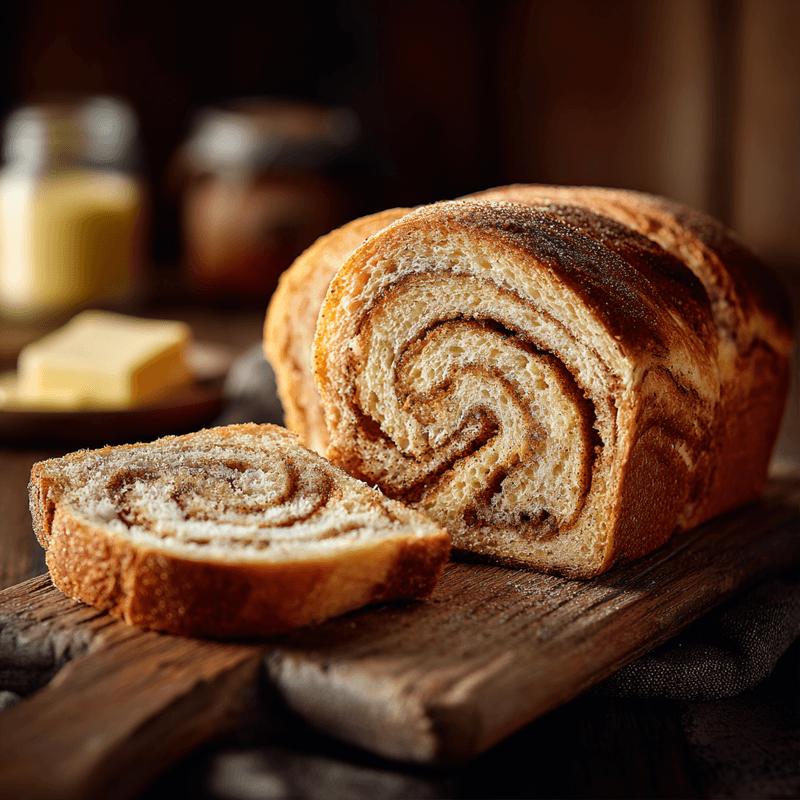
Easy Sourdough Discard Cinnamon Bread Recipe
Transform your sourdough discard into delicious cinnamon bread. This easy recipe creates a tender, flavorful loaf perfect for family gatherings.
cookwithlucia.com/recipes/easy-sourdough-discard-cinnamon-bread-recipe
Introduction
If you've been feeding your sourdough starter regularly, you know the guilt that comes with tossing that precious discard down the drain. That tangy, bubbly mixture deserves better than the compost bin, and this easy sourdough discard cinnamon bread recipe transforms what many consider waste into a gorgeous, aromatic loaf that fills your kitchen with warmth. The beauty of this bread lies in its dual nature: it's economical and sustainable, using up discard you'd otherwise throw away, while delivering a tender crumb swirled with cinnamon sugar that rivals any bakery offering. Unlike traditional sourdough that requires careful timing and long fermentation, this recipe embraces simplicity. You're not relying on the discard for leavening here, which means no waiting around for rises that may or may not happen. Instead, we use baking powder and baking soda for reliable lift, while the sourdough discard contributes incredible depth of flavor, moisture, and that signature tang that makes every bite interesting. The cinnamon swirl running through the center creates pockets of sweet spice that contrast beautifully with the subtle sourness. This is the kind of bread that turns a simple morning into something special, whether you're serving it fresh from the oven with softened butter or toasting slices throughout the week.
Why This Sourdough Discard Cinnamon Bread Works Beautifully
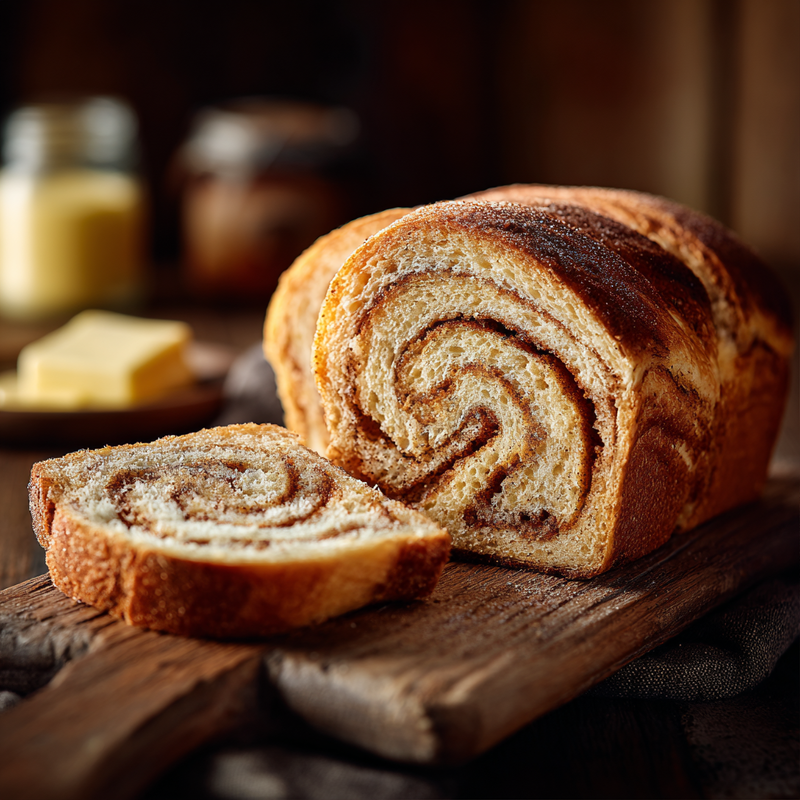
This easy sourdough discard cinnamon bread recipe succeeds where others fall short because it respects both traditional baking wisdom and modern convenience. The sourdough discard brings complex flavor development that you simply cannot achieve with plain flour and water. Those wild yeasts and bacteria have been breaking down starches and developing organic acids, creating layers of taste that add sophistication to what might otherwise be ordinary sweet bread. The discard also contributes to moisture retention, meaning this loaf stays tender for days without drying out the way many quick breads do.
The cinnamon sugar swirl isn't just decorative. Cinnamon contains compounds that complement the tangy notes from the sourdough, creating a balanced flavor profile that feels complete. The sugar melts slightly during baking, forming those irresistible gooey ribbons that make each slice photogenic and delicious. Meanwhile, the structure comes from a carefully balanced ratio of wet to dry ingredients, with just enough leavening to create a light texture without making the bread cakey or crumbly.
What makes this recipe particularly practical is its flexibility with discard. Whether your starter is whole wheat, rye, or all-purpose based, whether it's been in the fridge for a week or was just fed this morning, this easy sourdough discard cinnamon bread recipe adapts beautifully. The baking powder and soda ensure consistent results regardless of your discard's activity level, removing the anxiety that often comes with sourdough baking.
The Ingredient Lineup That Makes It Special
Let's talk about what goes into this loaf and why each component matters. Your sourdough discard is obviously the star, bringing that characteristic tang and depth. One cup of unfed discard is perfect, and it doesn't matter if it has a bit of hooch on top or if it's been languishing in your refrigerator for a few days. That slightly aged, hungry discard actually works wonderfully here, contributing more pronounced sour notes.
All-purpose flour forms the structure, providing enough gluten development for a tender but sliceable crumb. You want about two and a half cups, though the exact amount can vary slightly depending on how thick your discard is. Granulated sugar sweetens the dough itself, balancing the sourness without making the bread overly sweet. We're making bread here, not cake, so the sugar level stays moderate and lets the cinnamon filling shine.
Butter adds richness and contributes to that melt-in-your-mouth texture. Melted and slightly cooled butter incorporates easily into the batter, coating flour particles and creating tenderness. Eggs provide structure, richness, and help bind everything together, while milk adds moisture and helps create a softer crumb. The combination of baking powder and baking soda gives reliable lift, with the baking soda also helping neutralize some of the acidity from the discard.
For the cinnamon swirl, quality cinnamon makes a noticeable difference. Ceylon cinnamon offers a more delicate, sweet flavor, while cassia cinnamon (the common supermarket variety) delivers that bold, spicy kick most people associate with cinnamon bread. Brown sugar in the filling adds moisture and a hint of molasses complexity that white sugar cannot provide.
Putting Together Your Cinnamon Bread
Making this easy sourdough discard cinnamon bread recipe begins with preparing your pan and mixing your dry ingredients. Grease a standard loaf pan generously, or line it with parchment paper for foolproof release. In a large bowl, whisk together your flour, sugar, baking powder, baking soda, and salt until completely combined. This ensures even distribution of leavening agents, preventing pockets of bitter baking soda or areas that don't rise properly.
In a separate bowl, combine your wet ingredients. Whisk the sourdough discard until it's relatively smooth, then add the melted butter, eggs, and milk. Beat these together until well incorporated. The mixture might look slightly curdled or separated initially, but that's normal. When you pour the wet ingredients into the dry, fold gently with a spatula just until no dry flour remains visible. Resist the urge to overmix, as this develops too much gluten and results in tough, chewy bread instead of tender crumb.
For the cinnamon filling, stir together brown sugar and cinnamon in a small bowl until evenly distributed. Pour half your batter into the prepared pan, spreading it to the edges. Sprinkle most of your cinnamon sugar over this layer, reserving just a tablespoon or two. Add the remaining batter, smoothing the top gently, then sprinkle with the reserved cinnamon sugar. For a beautiful swirl effect, use a butter knife to cut through the batter in a zigzag pattern, but don't overdo it or you'll muddy the distinct layers.
The bread bakes at a moderate temperature, around 350°F, for approximately fifty to sixty minutes. You're looking for a golden-brown top, edges pulling slightly from the pan, and a toothpick inserted in the center coming out with just a few moist crumbs. The cinnamon sugar on top will caramelize slightly, creating an irresistible crust.
Customizing This Recipe for Different Occasions
One of the beautiful aspects of this easy sourdough discard cinnamon bread recipe is how easily it adapts to different preferences and dietary needs. If you're looking for a dairy-free version, substitute the milk with any plant-based alternative like oat milk, almond milk, or coconut milk. Use melted coconut oil or a neutral vegetable oil in place of butter. The texture will be slightly different, perhaps a touch less rich, but still absolutely delicious.
For a whole grain boost, replace up to half the all-purpose flour with whole wheat flour. This adds fiber, minerals, and a nutty depth that complements the cinnamon beautifully. You may need to add a tablespoon or two of extra milk since whole wheat flour absorbs more liquid. If you're using whole wheat sourdough discard, you're already getting some of these benefits.
Want to make this bread even more special? Fold in half a cup of chopped nuts like pecans or walnuts for crunch and healthy fats. Raisins or dried cranberries scattered through the batter add bursts of concentrated sweetness. A cream cheese swirl creates an almost breakfast-pastry experience: beat together four ounces of softened cream cheese with a quarter cup of sugar and an egg yolk, then dollop this between the layers along with the cinnamon sugar.
For smaller households or portion control, this batter divides beautifully into muffin tins. You'll get about twelve generous muffins that bake in just twenty to twenty-five minutes. These are perfect for grab-and-go breakfast options or for sharing with neighbors and friends. The same cinnamon swirl technique works perfectly in muffin form, creating individual portions of joy.
The Science Behind Sourdough Discard Baking
Understanding why this easy sourdough discard cinnamon bread recipe works helps you troubleshoot and improvise confidently. Sourdough discard contains wild yeasts and lactic acid bacteria, but in this recipe, we're not depending on them for leavening. Their fermentation activity has already occurred in your starter jar, developing flavor compounds, breaking down some of the grain structure, and creating organic acids that give sourdough its characteristic taste.
When you add discard to a quick bread recipe like this, those acids interact with baking soda to create carbon dioxide bubbles, contributing to lift. The baking powder provides additional leavening power with its double-acting formula, releasing gas both when mixed with liquid and when exposed to oven heat. This combination ensures your bread rises reliably every single time, regardless of how active or inactive your discard might be.
The moisture content of sourdough discard affects your final texture significantly. A thick, paste-like discard contains less water than a thin, pourable one. If your bread batter seems too thick to pour easily, add milk a tablespoon at a time until you reach a thick but pourable consistency. If it seems too thin and runny, add a bit more flour. Baking is chemistry, but it's also about using your senses and judgment.
The sugars in the dough undergo Maillard reactions during baking, creating hundreds of flavor compounds and that gorgeous golden-brown crust. The cinnamon sugar filling partially melts and caramelizes, creating those gooey pockets that make this bread so irresistible. Understanding these processes helps you appreciate why proper oven temperature matters and why pulling the bread too early results in gummy texture while overbaking creates dryness.
Storage, Freezing, and Making It Last
Once your easy sourdough discard cinnamon bread has cooled completely, proper storage keeps it fresh and delicious for days. The worst enemy of bread is air exposure, which dries it out and makes it stale. Wrap the cooled loaf tightly in plastic wrap, or store it in an airtight container or resealable bag. At room temperature, the bread stays fresh for about three to four days. The sourdough discard actually helps extend shelf life compared to regular quick breads, thanks to those organic acids that inhibit mold growth.
For longer storage, freezing works beautifully. Wrap the completely cooled loaf in plastic wrap, then again in aluminum foil or a freezer bag, removing as much air as possible. Frozen, this bread keeps its quality for up to three months. You can freeze the whole loaf or slice it first, separating slices with parchment paper squares so you can grab individual portions as needed. This is incredibly convenient for those mornings when you want fresh-tasting bread without the effort of baking.
To thaw, simply leave the wrapped bread at room temperature for a few hours, or overnight for a whole loaf. For individual frozen slices, you can pop them straight into the toaster, which actually works wonderfully. The edges get slightly crispy while the interior warms through, and the cinnamon sugar caramelizes just a bit more. If your bread has gotten a little stale after a few days, toasting revives it beautifully, bringing back warmth and texture.
This easy sourdough discard cinnamon bread also makes wonderful additions to other dishes. Stale slices become incredible base for bread pudding, soaking up custard and baking into something magical. You can cube and toast pieces for unique croutons on salads, or blend dried pieces into breadcrumbs with a sweet cinnamon note that's fantastic for coating or topping dishes.
Serving Suggestions and Pairing Ideas
This versatile bread shines at any time of day, in countless contexts. For a simple breakfast, serve thick slices toasted with butter melting into every crevice. The contrast between crispy edges and tender interior, with those pockets of cinnamon sugar, needs nothing more. If you want something more substantial, toast a slice and top it with almond butter or tahini, sliced bananas, and a drizzle of honey for a balanced meal with protein, healthy fats, and natural sweetness.
For afternoon gatherings with family and friends, this easy sourdough discard cinnamon bread recipe creates an impressive but effortless offering. Slice it moderately thick and arrange on a wooden board with softened butter, cream cheese, or various nut butters. Fresh fruit like sliced apples, pears, or berries complement the cinnamon beautifully and add freshness to the richness of the bread.
As a dessert or sweet ending to a meal, transform slices into something special with minimal effort. Make simple bread pudding by layering cubed bread in a baking dish, pouring over a mixture of eggs, milk, and a touch more cinnamon, then baking until set. The bread's existing sweetness means you need very little added sugar. Or create a quick version by making cinnamon toast: butter a slice, sprinkle with cinnamon sugar, and broil for a minute or two until bubbly and caramelized.
This bread also pairs wonderfully with hot beverages. The cinnamon notes complement coffee beautifully, while the slight tang from sourdough cuts through the richness in an interesting way. With tea, especially chai or other spiced varieties, the flavors harmonize perfectly. For a cozy evening treat, enjoy a slice with warm milk infused with a touch of vanilla.
Troubleshooting Common Issues
Even with a straightforward recipe like this easy sourdough discard cinnamon bread, occasional challenges arise. If your bread sinks in the middle, you likely overmixed the batter, developing too much gluten that then collapsed, or your oven temperature was too low, preventing proper structure formation before the interior set. Make sure your oven is fully preheated and mix just until ingredients combine.
A gummy or dense texture usually indicates underbaking. Even if the top looks gorgeously golden, the interior needs enough time to cook through completely. When you insert a toothpick or cake tester, it should come out with just a few moist crumbs, not wet batter. If your bread browns too quickly on top before cooking through, tent it loosely with foil for the last fifteen to twenty minutes of baking.
If the cinnamon filling all sinks to the bottom instead of creating beautiful swirls, your batter was likely too thin. Next time, use slightly less milk or add a tablespoon or two more flour to create a thicker batter that holds the filling in suspension. Also, make sure you're using enough batter on the bottom layer to support the filling, and don't swirl too enthusiastically, which can drag the filling downward.
Dry, crumbly bread results from too much flour, overbaking, or both. Since sourdough discard varies in hydration, always check your batter consistency before pouring it into the pan. It should be thick but still pourable, similar to very thick pancake batter. If it seems too stiff, add milk a tablespoon at a time. Remove the bread from the oven as soon as a tester comes out clean, don't wait for it to look completely dry.
Variations to Keep Things Interesting
Once you've mastered the basic easy sourdough discard cinnamon bread recipe, an entire world of variations opens up. For an apple cinnamon version, fold in one cup of peeled, finely diced apples tossed with a bit of lemon juice. The fruit adds moisture and pops of sweetness that complement the cinnamon swirl beautifully. You could also add a quarter teaspoon of nutmeg or cardamom to the cinnamon sugar for more complex spice notes.
A chocolate cinnamon variation transforms this into something decadent. Add a quarter cup of cocoa powder to the dry ingredients, and fold in half a cup of chocolate chips. The combination of chocolate, cinnamon, and sourdough tang creates surprising depth. Alternatively, make a Nutella or chocolate hazelnut swirl by dolloping spoonfuls of spread between the layers instead of cinnamon sugar.
For a more savory-sweet direction, add a quarter cup of tahini to the wet ingredients and reduce the sugar slightly. The sesame flavor pairs wonderfully with cinnamon and adds protein and healthy fats. A cardamom orange version uses the zest of one large orange in the batter and replaces half the cinnamon with cardamom for a fragrant, sophisticated flavor profile that feels special enough for company.
Pumpkin spice lovers can replace half a cup of the milk with pumpkin puree and add the classic spice blend to both the batter and the filling. This creates an autumn-inspired loaf that celebrates the season while still using up that sourdough discard responsibly. No matter which variation you try, the fundamental technique remains the same, making this easy sourdough discard cinnamon bread recipe an endlessly adaptable template.
Making This Recipe Part of Your Routine
Incorporating this easy sourdough discard cinnamon bread into your regular baking rotation solves multiple problems at once. It prevents waste by using discard that would otherwise go unused, it provides homemade bread without the time commitment of traditional sourdough, and it creates something genuinely delicious that everyone enjoys. Many home bakers find that maintaining a sourdough starter becomes more appealing when they have reliable discard recipes they actually want to make.
Consider setting a weekly baking day where you refresh your starter and immediately use the discard for this bread. The rhythm becomes meditative: feed your starter in the morning, let it sit for an hour or so, then remove what you need for this recipe. By evening, you have fresh bread cooling on the counter and a fed starter ready for another week. This routine transforms starter maintenance from a chore into a productive baking session.
If you bake regularly, double the recipe and make two loaves at once. The hands-on time barely increases, you dirty the same number of bowls, and you end up with one loaf to enjoy fresh and another to freeze for later. This kind of efficiency makes homemade bread feel accessible even during busy weeks. Some bakers even triple the dry ingredients and the cinnamon sugar mixture, storing them pre-measured in containers, so making this bread becomes as simple as mixing wet ingredients and assembling.
The beauty of this easy sourdough discard cinnamon bread recipe is that it meets you where you are. Whether you're an experienced baker looking for a quick weekend project or someone just starting to explore sourdough, whether you have hours to spend in the kitchen or just thirty minutes, this recipe delivers consistent, delicious results that make your home smell amazing and your table more welcoming.
Frequently Asked Questions
Can I use active sourdough starter instead of discard?
Absolutely! Active, recently fed starter works perfectly in this easy sourdough discard cinnamon bread recipe. The bread might have a slightly milder tang since active starter is less acidic than neglected discard, but the texture and rise will be excellent. Just measure it the same way you would discard, and proceed with the recipe as written.
How do I know when the bread is fully baked?
The bread is done when a toothpick or cake tester inserted into the center comes out with just a few moist crumbs, not wet batter. The top should be golden brown, and the edges should pull slightly away from the pan sides. Internal temperature should reach about 200°F if you're using a thermometer. If the top browns too quickly, tent with foil and continue baking until the center is fully set.
Can I make this recipe without eggs?
Yes, you can substitute the eggs to make this easy sourdough discard cinnamon bread recipe egg-free. Replace each egg with a flax egg (one tablespoon ground flaxseed mixed with three tablespoons water, left to sit for five minutes) or use a quarter cup of unsweetened applesauce per egg. The texture will be slightly different, perhaps a bit denser, but still delicious and perfectly enjoyable.
Why did my cinnamon filling leak out during baking?
Cinnamon filling can leak if there's too much of it, if it's placed too close to the edges of the pan, or if the batter is too thin to contain it properly. Make sure to spread your bottom batter layer all the way to the pan edges, keep the filling mostly in the center, and ensure your batter is thick enough to support the filling. A little leakage is normal and creates those caramelized edges that taste amazing.
How can I make this bread less sweet?
Reduce the sugar in the batter by a quarter cup if you prefer less sweetness, and use less cinnamon sugar in the filling or eliminate it entirely for a more subtly sweet bread. You can also try using only cinnamon without sugar in the swirl, which gives you the warm spice flavor without additional sweetness. The sourdough tang will be more pronounced with less sugar, which many people prefer.
Does this bread need to be refrigerated?
No, this easy sourdough discard cinnamon bread stores perfectly at room temperature for three to four days when properly wrapped. Refrigeration actually dries out bread faster due to a process called starch retrogradation. Keep it wrapped in plastic or in an airtight container on your counter. Only refrigerate if your kitchen is extremely warm and humid, which might encourage mold growth before you can finish the loaf.
Easy Sourdough Discard Cinnamon Bread
A tender, flavorful cinnamon swirl bread that transforms sourdough discard into a delicious loaf perfect for breakfast or snacking. No waste, maximum flavor.
Prep Time
15 min
Cook Time
55 min
Total Time
1h 10m
Servings
1 loaf (8-10 slices)
Ingredients
For 1 loaf (8-10 slices)
- 1 cup sourdough discard, unfed
- 2 1/2 cups all-purpose flour
- 1/2 cup granulated sugar
- 1/2 cup milk, room temperature
- 1/3 cup unsalted butter, melted and slightly cooled
- 2 large eggs, room temperature
- 2 teaspoons baking powder
- 1/2 teaspoon baking soda
- 1/2 teaspoon salt
- 1/2 cup brown sugar, packed
- 2 tablespoons ground cinnamon
Instructions
- 1
Prepare pan and preheat
Preheat your oven to 350°F (175°C). Grease a 9x5-inch loaf pan thoroughly with butter or cooking spray, or line it with parchment paper for easy removal. Set the prepared pan aside while you mix the batter.
- 2
Mix dry ingredients
In a large mixing bowl, whisk together the all-purpose flour, granulated sugar, baking powder, baking soda, and salt until completely combined. This ensures the leavening agents are evenly distributed throughout the flour for consistent rise.
- 3
Combine wet ingredients
In a separate medium bowl, whisk the sourdough discard until smooth and lump-free. Add the melted butter, eggs, and milk, whisking until well combined. The mixture should be relatively uniform, though slight separation is normal.
- 4
Form the batter
Pour the wet ingredients into the bowl with the dry ingredients. Using a rubber spatula, fold gently just until no dry flour pockets remain visible. Do not overmix, as this develops too much gluten and creates tough bread. The batter should be thick but still pourable.
- 5
Prepare cinnamon filling
In a small bowl, stir together the brown sugar and cinnamon until evenly combined with no lumps. Break up any brown sugar clumps with your fingers or the back of a spoon for smooth distribution.
- 6
Layer the batter
Pour half of the batter into your prepared loaf pan, spreading it gently to reach the edges and corners. The layer should be relatively even across the bottom of the pan.
- 7
Add cinnamon swirl
Sprinkle about three-quarters of the cinnamon sugar mixture evenly over the first batter layer, keeping it mostly away from the very edges. Pour the remaining batter over the top, spreading gently to cover. Sprinkle the remaining cinnamon sugar over the top surface.
- 8
Create swirl pattern
Using a butter knife or wooden skewer, cut through the batter in a gentle zigzag or figure-eight pattern to create swirls. Do this just two or three times to avoid overmixing and muddying the distinct layers.
- 9
Bake the bread
Place the loaf pan in the preheated oven and bake for 50-60 minutes, until the top is golden brown and a toothpick inserted in the center comes out with just a few moist crumbs. If the top browns too quickly, tent loosely with foil during the last 15-20 minutes.
- 10
Cool completely
Remove the pan from the oven and let the bread cool in the pan for 10-15 minutes. Then turn it out onto a wire rack to cool completely before slicing. Cooling completely prevents gummy texture and allows clean slicing.
Nutrition Facts
Per serving (estimated)
285 calories
Calories
48g
Carbs
5g
Protein
9g
Fat
2g
Fiber
285mg
Sodium
24g
Sugar