Easy Easter Poke Cake Recipe for Spring Celebrations
This easy Easter poke cake recipe features fluffy vanilla cake soaked in colorful fruit gelatin. Perfect for spring gatherings with vibrant layers!
cookwithlucia.com/recipes/easy-easter-poke-cake-recipe-for-a-delicious-spring-celebration
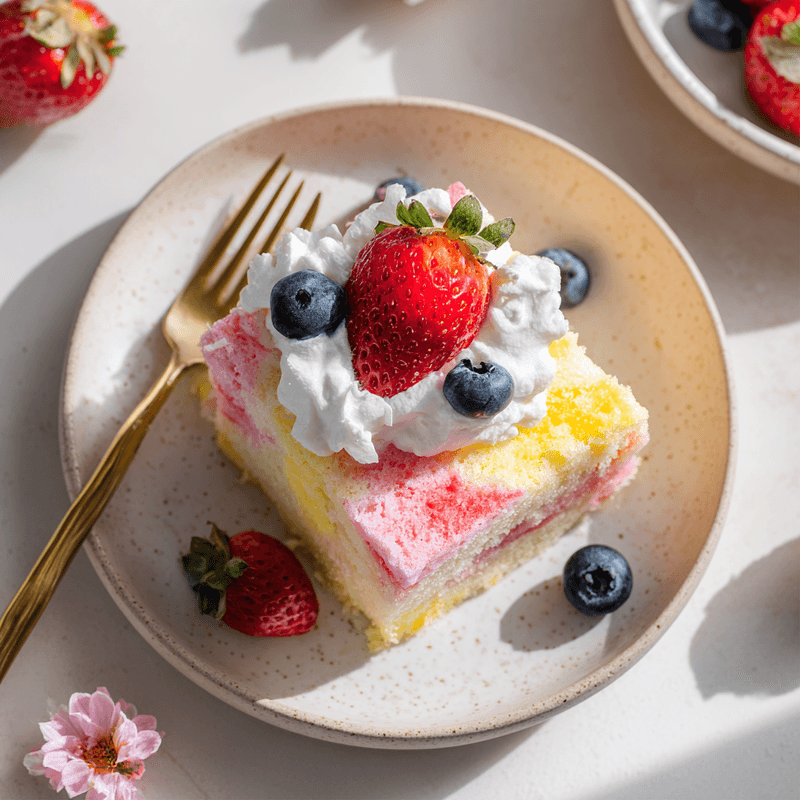
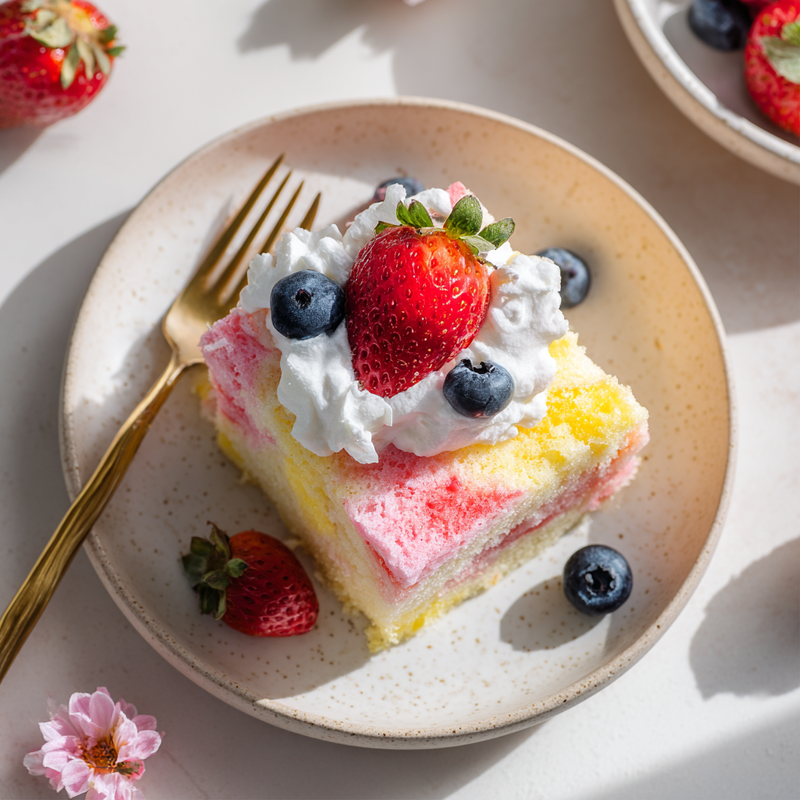
Let's be honest—desserts at family gatherings often feel like an all-or-nothing choice. Either you skip them entirely in the name of restraint, or you dive in and feel uncomfortably full afterward. But what if I told you there's a middle ground? This easy Easter poke cake recipe is that sweet spot—literally and figuratively. It's a dessert that brings genuine joy to the table without requiring professional baking skills or an entire afternoon in the kitchen. The magic happens when you poke holes into a tender vanilla cake and pour vibrant fruit-flavored gelatin over the top, creating stunning marbled layers that look like edible spring art.
What makes this approach so appealing is the combination of familiar comfort and visual wow factor. The cake itself is straightforward—moist, soft, and perfectly sweet. But those colorful gelatin streaks transform it into something celebration-worthy. When you slice into it, each piece reveals those beautiful ribbons of color running through the crumb. It's the kind of dessert that makes people smile before they even take a bite. And here's the best part: you can control the sweetness, use real fruit juice in the gelatin, and serve reasonable portions that satisfy without overwhelming. This isn't about deprivation; it's about creating a dessert experience that feels special and fits into how you actually want to eat during spring celebrations.
Why This Recipe Works for Your Body
Desserts don't have to derail your energy levels or leave you feeling sluggish. This easy Easter poke cake recipe offers a lighter alternative to heavy, butter-laden cakes because it relies on a simple cake base that can be made with everyday ingredients. The gelatin component adds moisture and flavor without additional fat, which means you get that satisfying sweetness with fewer calories per slice than traditional frosted layer cakes. When you use fruit juice as part of the gelatin mixture, you're incorporating real fruit flavor and even some natural vitamins—far better than artificial colors and flavors.
The portion control aspect matters too. Because this cake is so visually striking with its colorful pattern, even a modest slice feels like a proper treat. You're not left wanting more simply because it looks impressive on the plate. The gelatin also adds a unique texture that's refreshing rather than heavy, making it ideal for spring and warmer weather when rich desserts can feel too dense. Plus, the hydration from the gelatin mixture keeps the cake incredibly moist for days, which means you can make it ahead without sacrificing quality.
Compared to stopping by a bakery for a decorated cake that's loaded with buttercream and fondant, this homemade version gives you control over sugar content and ingredient quality. You know exactly what goes into each layer. If you're feeding a crowd that includes people watching their intake, this dessert offers built-in moderation—it's sweet enough to feel celebratory but light enough that people don't need to unbutton their pants afterward. That balance is exactly what makes spring gatherings enjoyable rather than regrettable.
The Ingredient Lineup
The beauty of this easy Easter poke cake recipe lies in its simplicity. You'll start with basic cake ingredients: all-purpose flour provides structure, while eggs add richness and help the cake rise into that perfect tender crumb. Granulated sugar sweetens the batter without overpowering, and a touch of vanilla extract brings warmth and depth to every bite. The leavening agents—baking powder and a pinch of salt—ensure your cake rises evenly and has that classic soft texture that absorbs the gelatin beautifully.
The gelatin is where creativity comes in. I recommend using unflavored gelatin mixed with 100% fruit juice for the healthiest option, or you can use fruit-flavored gelatin mixes in spring colors like strawberry, lemon, and lime. The gelatin serves a dual purpose: it infuses the cake with moisture and creates those stunning visual ribbons. When you choose real fruit juice, you're adding natural flavors and a small nutritional boost from the fruit itself. Strawberry juice brings vitamin C, while options like orange juice add folate and potassium.
For the topping, a simple whipped cream or whipped topping keeps things light and airy. If you want to boost the protein content slightly, you can use Greek yogurt-based whipped toppings, which add creaminess with extra nutrition. Fresh berries on top aren't just decorative—they provide fiber, antioxidants, and natural sweetness that complements the cake without adding processed sugar. Strawberries, blueberries, and raspberries are spring favorites that turn this dessert into something that feels almost wholesome.
Swaps are easy with this recipe. For a gluten-free version, use a 1:1 gluten-free flour blend designed for baking. If you're avoiding dairy, plant-based milk works perfectly in the cake batter, and coconut whipped cream makes an excellent topping. Want to reduce sugar? Cut the granulated sugar by one-quarter and use naturally sweet fruit juices for the gelatin. The recipe is incredibly forgiving and adapts to various dietary preferences without losing its charm.
Putting It Together
Making this easy Easter poke cake recipe is genuinely straightforward, even if you're not an experienced baker. Start by mixing your dry ingredients in one bowl and your wet ingredients in another, then combine them just until smooth—overmixing leads to tough cake, so a gentle hand wins here. Pour the batter into a greased baking dish and bake until a toothpick inserted in the center comes out clean. The house will smell amazing as vanilla and butter aromas fill your kitchen, which is half the fun of baking from scratch.
Here's where it gets exciting: as soon as the cake comes out of the oven, while it's still warm, use the handle of a wooden spoon to poke holes all over the surface. Space them about an inch apart and go almost to the bottom of the cake—these channels are what allow the gelatin to seep through and create that signature marbled effect. Don't be shy with the holes; more holes mean more colorful streaks and better flavor distribution throughout every slice.
Now prepare your gelatin according to package directions, but don't let it set. While it's still completely liquid, slowly pour it over the warm cake, making sure it flows into all those holes you created. You'll see it disappear into the cake, and that's exactly what should happen. If you're using multiple colors for a rainbow effect, prepare each color separately and pour them in sections or alternate rows. The warm cake absorbs the liquid gelatin quickly, pulling those flavors deep into the crumb.
Once you've poured all the gelatin, transfer the cake to the refrigerator and let it chill for at least three hours, though overnight is even better. This cooling time allows the gelatin to set completely, which firms up those colorful veins running through the cake. When you're ready to serve, spread whipped topping over the entire surface and arrange fresh berries on top. The contrast between the fluffy white topping and the vibrant cake beneath creates a stunning presentation that looks far more complicated than it actually was to make.
Customizing for Your Goals
One of the smartest things about this easy Easter poke cake recipe is how adaptable it is to different nutritional goals. If you're looking to increase protein content, consider using a protein-enhanced cake mix or adding a scoop of unflavored protein powder to your homemade batter—just reduce the flour by the same amount to keep the texture right. You can also top individual servings with a dollop of Greek yogurt instead of regular whipped cream, which adds a tangy contrast and significantly boosts the protein per serving.
For those managing carbohydrate intake, the cake base can be modified using almond flour or a low-carb baking mix, though the texture will be slightly denser. The gelatin component is naturally low in carbs if you use sugar-free gelatin or make your own with unflavored gelatin and sugar-free fruit juice. This swap alone cuts the sugar content dramatically while maintaining that beautiful visual effect and moist texture. The fresh berry topping provides natural sweetness and fiber without adding much to the carb count.
If your goal is maximum satiety—making this dessert actually keep you satisfied rather than craving more sweets an hour later—add healthy fats strategically. A coconut whipped cream topping provides medium-chain triglycerides that digest differently than other fats and can help with fullness. Sprinkling slivered almonds or crushed pistachios over the top adds crunch, healthy fats, and even some protein, transforming the dessert into something more balanced.
Kids often love this cake because of the colors, but you can make it even more appealing by letting them help poke the holes and choose the gelatin flavors. For picky eaters, stick with familiar fruit flavors rather than exotic options. If your children are sensitive to food dyes, natural fruit juices create pastel colors that are softer but still pretty. You can also cut the cake into fun shapes using cookie cutters before adding the topping, turning each serving into an individual treat that feels special.
Meal Prep Like a Pro
This easy Easter poke cake recipe is a meal prep champion because it actually improves over the first day or two. The gelatin continues to flavor the cake as it sits, and the texture becomes even more moist and tender. To prep for a spring gathering, bake the cake up to three days in advance, add the gelatin while warm, and refrigerate it covered with plastic wrap. Wait to add the whipped topping and fresh berries until the day you're serving—this keeps the presentation crisp and prevents the berries from releasing juice onto the white topping.
If you're preparing this for the week ahead as a portioned dessert option, cut the cake into individual servings after it's fully chilled and the gelatin has set. Store pieces in airtight containers in the refrigerator, but keep the whipped topping in a separate container or piping bag. When you're ready to enjoy a piece, add a fresh dollop of topping and a few berries. This method keeps each serving looking fresh rather than sad and deflated.
The unfrosted, gelatin-soaked cake holds up beautifully for up to five days in the refrigerator when properly covered. In fact, many people prefer the texture on day three when the flavors have fully melded and the cake is at peak moisture. If you've made a large batch and won't finish it within five days, you can freeze individual portions wrapped tightly in plastic wrap and then placed in freezer bags. Thaw overnight in the refrigerator and add fresh topping when you're ready to eat.
For spring gatherings where you need to transport the dessert, keep it in the baking dish and cover it tightly with foil or a fitted lid. Add the whipped topping just before serving at your destination. Bring the fresh berries in a separate container and scatter them on top at the last minute. This approach ensures your easy Easter poke cake recipe arrives looking as beautiful as it did in your kitchen. The gelatin sets firm enough that it won't slosh around during transport, which makes this surprisingly travel-friendly for a dessert with liquid components.
Serving Suggestions and Complete Meals
This easy Easter poke cake recipe shines as the finale to a spring meal, especially after lighter main courses like grilled chicken, roasted vegetables, or fresh salads. The cake's sweetness and fruit flavors provide a refreshing contrast to savory dishes without feeling heavy. A standard serving is about one-twelfth of a 9x13-inch cake, which offers satisfying sweetness in a reasonable portion. For casual family gatherings, set out the whole cake and let people serve themselves, but for plated dinners, pre-cutting and plating with a berry garnish elevates the presentation.
If you're serving this as part of a dessert spread alongside other treats, smaller portions work beautifully. Cut the cake into two-inch squares for a tasting-size portion that lets guests sample multiple desserts without overindulging. The colorful interior makes even tiny pieces visually appealing, which is perfect for grazing-style gatherings where people return to the dessert table throughout the event.
For a complete spring celebration meal, start with a light soup or crisp salad, move to a main course of roasted poultry or fish with seasonal vegetables, and finish with this vibrant cake. The meal flows from fresh to filling to sweet without any single course overwhelming the palate. If you're hosting a lunch gathering, this dessert pairs wonderfully with coffee or herbal tea—the fruity notes complement floral teas like chamomile or berry blends particularly well.
Frequently Asked Questions
Can I make this cake ahead for a weekend gathering?
Absolutely! This easy Easter poke cake recipe is ideal for advance preparation. Bake the cake and add the gelatin up to three days before your event, then keep it covered in the refrigerator. The flavors deepen and the texture improves as it sits. Just wait to add the whipped topping and fresh berries until a few hours before serving to keep everything looking fresh and appealing.
How can I make this recipe with less sugar?
Reduce the sugar in the cake batter by about one-quarter without significantly affecting texture—the gelatin adds sweetness too, so the cake doesn't need to be super sweet on its own. Use sugar-free gelatin or make your own with unflavored gelatin and 100% fruit juice with no added sugar. Top with unsweetened whipped cream and rely on naturally sweet berries for the finishing touch. These swaps can cut the sugar content nearly in half.
What's the best way to get even color distribution?
Poke your holes in a consistent grid pattern about one inch apart, and make sure they go almost to the bottom of the pan. Pour the liquid gelatin slowly, giving it time to seep into the holes rather than rushing it. If you're using multiple colors, pour each color in designated sections or alternate rows, working quickly before the gelatin starts to set. The warm cake helps the gelatin stay liquid long enough to travel through all those channels.
Can I use homemade cake instead of a mix?
Definitely! A simple homemade vanilla cake works beautifully for this easy Easter poke cake recipe. The key is using a recipe that produces a tender, moderately dense crumb—super light, airy cakes can become too soggy when soaked with gelatin. A classic butter cake or vanilla sheet cake recipe is perfect. The homemade route gives you complete control over ingredients and often tastes even better than boxed mixes.
How long does this cake stay fresh?
When stored covered in the refrigerator, the gelatin-soaked cake remains fresh and moist for up to five days. The gelatin actually acts as a preservative of sorts, keeping the cake from drying out the way regular cake does. Always keep it refrigerated since the gelatin needs to stay cold to maintain its set texture. If you've added the whipped topping, it's best consumed within two to three days as the topping can start to separate or weep after that.
Is this suitable for someone avoiding dairy?
Yes, with simple swaps! Use plant-based milk in the cake batter and substitute oil for butter if your recipe calls for it. For the topping, coconut whipped cream is an excellent dairy-free alternative that's naturally sweet and creamy. The gelatin component is already dairy-free, and fresh berries obviously are too. The result is a completely dairy-free version of this easy Easter poke cake recipe that's just as colorful and delicious as the original, making it inclusive for guests with various dietary needs.
Easy Easter Poke Cake
A vibrant vanilla cake poked with holes and soaked in colorful fruit gelatin, creating beautiful marbled layers perfect for spring celebrations.
Prep Time
20 min
Cook Time
30 min
Total Time
3h 50m
Servings
12 servings
Ingredients
For 12 servings
- 2 cups all-purpose flour
- 1 and 1/2 cups granulated sugar
- 3 large eggs, room temperature
- 1 cup whole milk, room temperature
- 1/2 cup unsalted butter, melted and cooled
- 2 teaspoons vanilla extract
- 2 and 1/2 teaspoons baking powder
- 1/2 teaspoon salt
- 2 packages (3 ounces each) fruit-flavored gelatin in different colors (strawberry and lemon recommended)
- 2 cups boiling water, divided
- 1 cup cold water, divided
- 2 cups whipped topping or whipped cream
- 2 cups fresh berries (strawberries, blueberries, raspberries)
Instructions
- 1
Prepare cake batter
Preheat your oven to 350°F (175°C) and grease a 9x13-inch baking dish thoroughly. In a large mixing bowl, whisk together the flour, baking powder, and salt. In a separate bowl, beat the eggs with the sugar until light and fluffy, about 2 minutes. Add the melted butter, milk, and vanilla extract to the egg mixture and stir until well combined.
- 2
Combine and bake
Gradually fold the dry ingredients into the wet ingredients, stirring just until no flour streaks remain—be careful not to overmix as this can make the cake tough. Pour the batter into your prepared baking dish and spread it evenly. Bake for 28-32 minutes, or until a toothpick inserted in the center comes out clean and the top is lightly golden.
- 3
Poke the cake
Remove the cake from the oven and immediately use the handle of a wooden spoon to poke holes all over the surface of the warm cake. Space the holes about 1 inch apart and push down almost to the bottom of the pan. Make sure you have plenty of holes—this is what creates the beautiful marbled effect when you add the gelatin.
- 4
Prepare first gelatin
In a heat-safe measuring cup, dissolve one package of gelatin in 1 cup of boiling water, stirring for about 2 minutes until completely dissolved. Add 1/2 cup cold water and stir to combine. The mixture should still be quite liquid and warm but not scalding hot.
- 5
Pour first color
Slowly pour the first gelatin color over half of the cake, making sure it flows into the holes. You can target specific areas or pour in rows—the pattern is up to you. Take your time and let the gelatin seep into the holes rather than rushing this step.
- 6
Prepare second gelatin
Repeat the gelatin preparation process with the second flavor, dissolving it in 1 cup boiling water and adding 1/2 cup cold water. Stir well until completely smooth and the gelatin is fully dissolved with no granules remaining.
- 7
Pour second color
Pour the second gelatin color over the remaining half of the cake or alternate with the first color in a pattern of your choosing. The warm cake will readily absorb the liquid, pulling those beautiful colors deep into the crumb. Don't worry if some gelatin pools on top—it will set into a lovely glaze.
- 8
Chill the cake
Cover the cake with plastic wrap or aluminum foil and refrigerate for at least 3 hours, though overnight is ideal. This chilling time allows the gelatin to fully set and the flavors to develop throughout the cake. The cake should feel firm and cool to the touch when ready.
- 9
Add topping
When you're ready to serve, spread the whipped topping evenly over the entire surface of the chilled cake using an offset spatula or the back of a spoon. The white topping creates a beautiful contrast against the colorful cake beneath.
- 10
Garnish and serve
Arrange fresh berries over the whipped topping in whatever pattern appeals to you—scattered randomly, in rows, or in decorative clusters. Slice into 12 equal portions and serve chilled. Each slice will reveal those stunning ribbons of color running through the tender vanilla cake.
Nutrition Facts
Per serving (estimated)
285 calories
Calories
48g
Carbs
4g
Protein
9g
Fat
1g
Fiber
220mg
Sodium
34g
Sugar