Easter Herb-Roasted Lemon Chicken Recipe | Cook With Lucia
Master this show-stopping herb-roasted lemon chicken with crispy skin and tender meat. A complete guide to technique, flavor, and perfect results.
cookwithlucia.com/recipes/easter-herb-roasted-lemon-chicken
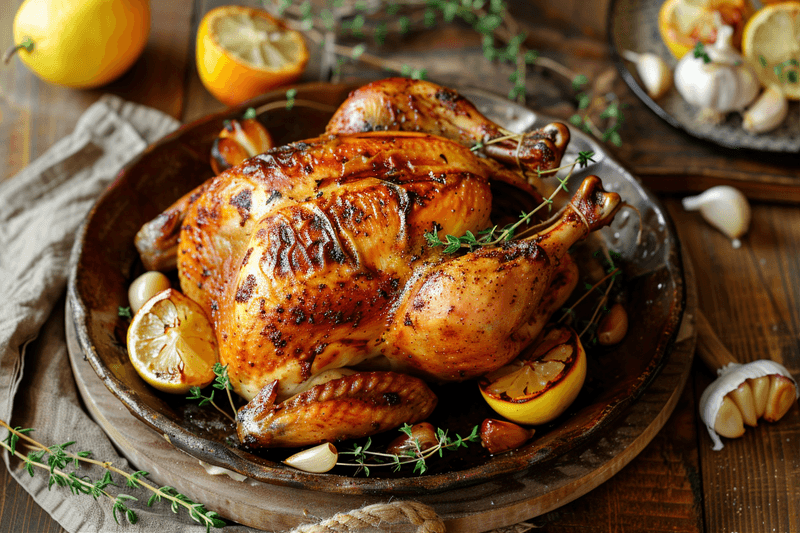
There's something profoundly satisfying about a beautifully roasted chicken that emerges from the oven with golden, crackling skin and meat so tender it practically falls from the bone. This herb-roasted lemon chicken represents one of those timeless preparations that brings families together around the table, whether for weekend gatherings, special celebrations, or simply when you want to create something memorable in your kitchen. The first time I tasted a truly exceptional version of this dish, I was struck by how the bright acidity of lemon cut through the richness of the poultry, while fresh herbs created layers of aromatic complexity that lingered with every bite.
I won't pretend this is a throw-it-together weeknight meal, because achieving that perfect balance of crispy skin and juicy meat does require attention to detail and a bit of patience. But here's what I can promise: every minute you invest in mastering this technique will reward you tenfold when you bring this stunning centerpiece to your table. The aroma alone—that intoxicating blend of roasting chicken, caramelizing lemon, and herbs releasing their essential oils—will have everyone gathering in the kitchen long before dinner is ready. This guide walks you through every step of creating a herb-roasted lemon chicken that would make any cooking enthusiast proud, from selecting your bird to achieving that coveted golden skin that shatters at the touch of a fork.
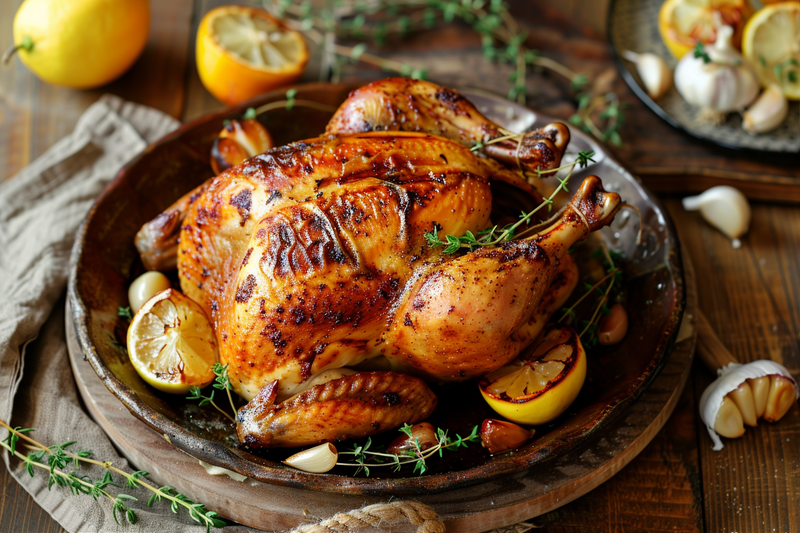
The Origins and History
Roasted chicken with herbs and citrus has roots that stretch across the Mediterranean, from the sun-drenched hillsides of Greece to the bustling markets of Morocco and the trattorias of Italy. Each culture has claimed its own version, adapting the preparation to local herb gardens and regional citrus varieties. The Greek version often features oregano and thyme with abundant lemon juice, while Italian preparations might lean toward rosemary and sage with a gentler hand on the citrus. French cooks have long championed the poulet rôti, sometimes tucking lemon halves into the cavity alongside tarragon and thyme.
What makes this dish so universally beloved is its fundamental simplicity paired with the potential for extraordinary results. Before modern ovens made roasting accessible to home cooks, whole roasted birds were reserved for special occasions and communal feasts, often cooked over open fires or in communal bread ovens. The addition of lemon served both culinary and practical purposes—the acidity helped tenderize the meat while the aromatic oils kept the kitchen smelling fresh. As home cooking evolved through the twentieth century, roasted chicken transformed from an occasional luxury to a Sunday staple, with each generation of cooks adding their signature touches.
Today's herb-roasted lemon chicken reflects this rich heritage while adapting to modern preferences for bold flavors and foolproof techniques. We've learned to dry-brine for crispier skin, to truss for even cooking, and to rest the meat properly for maximum juiciness. The dish has become a canvas for creative expression, welcoming variations from harissa-spiced North African versions to herb-heavy Provençal interpretations, yet the core principle remains unchanged: quality poultry, bright citrus, aromatic herbs, and patient roasting.
Understanding the Flavor Profile
The magic of herb-roasted lemon chicken lies in its masterful balance of contrasting yet complementary flavors. At its foundation, you have the rich, savory depth of roasted poultry—that umami-packed flavor that develops as proteins and natural sugars caramelize in the oven's heat. The lemon brings a bright, acidic counterpoint that cuts through the richness, preventing the dish from feeling heavy while amplifying the chicken's natural flavors rather than masking them. Fresh herbs contribute aromatic complexity, with each variety playing a distinct role: thyme offers earthy, slightly minty notes, rosemary brings pine-like intensity, and parsley adds fresh, grassy brightness.
As the chicken roasts, these flavors don't simply coexist—they transform and build upon one another in fascinating ways. The lemon juice mingles with rendered chicken fat to create a natural sauce in the roasting pan, while the zest's essential oils perfume the meat from within. Garlic cloves tucked around the bird soften and sweeten, becoming creamy and mild as they caramelize. The herbs crisp slightly where they contact the hot pan, intensifying their flavors, while those sheltered beneath the chicken steam gently, remaining bright and fresh.
The texture journey is equally important to the overall experience. You're aiming for skin so crispy it crackles audibly when carved, giving way to meat that's tender and succulent, with breast meat staying moist while thigh meat becomes fall-apart tender. The pan drippings should be glossy and rich, ready to be spooned over the carved meat or whisked into a quick sauce. When executed properly, each bite delivers multiple textural experiences alongside those layered flavors.
Essential Ingredients Explained
The foundation of exceptional herb-roasted lemon chicken starts with the bird itself, and quality matters tremendously here. Look for a chicken in the three-and-a-half to four-pound range—large enough to feed four generously but small enough to roast evenly without the breast drying out before the thighs finish cooking. Free-range or organic birds offer superior flavor and texture, with meat that tastes distinctly more chicken-like and skin that crisps beautifully. At the market, check for plump breast meat, unblemished skin, and a fresh, clean smell without any off odors.
Lemons serve double duty in this preparation, and you'll want to choose them carefully. Select firm, heavy fruits with thin, bright yellow skin—these contain more juice than thick-skinned varieties. You'll use both the zest (where the intensely flavored essential oils reside) and the juice (which provides acidity and moisture). Room-temperature lemons yield more juice than cold ones, and rolling them firmly on the counter before cutting breaks down the internal membranes for easier extraction. Some recipes call for tucking halved lemons into the cavity, where they steam and soften, perfuming the meat from the inside out.
Fresh herbs make an incomparable difference compared to dried versions in this application. Thyme brings subtle earthiness without overpowering, rosemary adds bold, pine-like aromatics that pair beautifully with lemon, and parsley contributes fresh, slightly peppery notes. When shopping, look for vibrant green bunches with no yellowing or wilting, and store them wrapped in damp paper towels in your refrigerator's crisper drawer. If you absolutely cannot source fresh herbs, use one-third the amount of high-quality dried herbs, though the flavor profile will shift noticeably.
Garlic cloves add sweet, mellow depth as they roast alongside the chicken, turning golden and creamy. Use whole cloves still in their papery skins—they'll soften completely and can be squeezed out like paste to stir into the pan sauce or spread on crusty bread. Olive oil serves as both a cooking medium and flavor carrier, helping herbs and seasonings adhere to the skin while promoting that gorgeous golden color. Choose a good-quality extra virgin variety with fruity notes that complement rather than compete with the other flavors.
Salt deserves special attention because proper seasoning makes the difference between good and spectacular results. Kosher salt works beautifully for seasoning the bird both inside and out, and many cooks swear by dry-brining—salting the chicken and letting it rest uncovered in the refrigerator for several hours or overnight. This process seasons the meat deeply while drawing moisture to the surface, which then evaporates, creating conditions for incredibly crispy skin. Freshly ground black pepper adds gentle heat and aromatic complexity without overwhelming the dish's bright, fresh character.
Mastering the Technique
Creating perfect herb-roasted lemon chicken requires understanding the science behind the cooking process and following a logical progression of steps. The journey begins with bringing your chicken to room temperature—removing it from the refrigerator thirty to forty-five minutes before roasting ensures even cooking from the outside to the center. Cold chicken placed directly in the oven will cook unevenly, with the exterior finishing before the interior reaches safe temperature. While the chicken tempers, pat it thoroughly dry with paper towels, paying special attention to the cavity and the skin—any surface moisture will steam rather than crisp, preventing that golden, crackling skin we're after.
The seasoning stage sets the foundation for flavor that penetrates deep into the meat rather than sitting superficially on the surface. Rub softened compound butter or olive oil mixed with minced garlic, lemon zest, and minced herbs both under and over the skin, working gently to separate the skin from the breast meat without tearing it. This creates a layer of seasoned fat that bastes the meat from within while the skin crisps above. Season generously with salt inside the cavity and all over the exterior—the general rule suggests about one teaspoon of kosher salt per pound of chicken. Stuff the cavity with halved lemons, whole garlic cloves, and herb sprigs, which will steam and perfume the meat as it roasts.
Trussing the chicken—tying the legs together with kitchen twine—might seem old-fashioned, but it serves important purposes for even cooking. Trussing creates a compact shape that roasts uniformly, preventing the wing tips and leg ends from burning while keeping the breast meat protected and moist. If you skip this step, tuck the wing tips behind the chicken's back and tie the legs loosely together at minimum. Position your prepared bird breast-side up on a rack set in a roasting pan, surrounded by quartered onions, carrot chunks, and additional garlic cloves that will flavor the pan drippings while protecting the bottom from scorching.
The roasting itself follows a two-temperature approach that delivers both crispy skin and juicy meat. Start at a high temperature—around 425°F—for the first twenty to thirty minutes to jump-start the skin's crisping process and develop initial color. Then reduce the heat to 375°F for the remainder of cooking, which allows the interior to finish gently without the exterior burning. Throughout roasting, baste the chicken every twenty minutes with the accumulated pan juices, which redistributes fat and moisture while building layers of flavor and color. The chicken is done when an instant-read thermometer inserted into the thickest part of the thigh (without touching bone) registers 165°F, and the juices run clear when you pierce the thigh.
Resting might be the most crucial step that home cooks skip, yet it's essential for juicy results. Transfer your beautiful herb-roasted lemon chicken to a cutting board and tent it loosely with foil, letting it rest for fifteen to twenty minutes before carving. During this time, the meat's proteins relax and reabsorb the juices that were driven toward the center by heat. Carve too soon, and those precious juices flood onto the cutting board rather than staying in the meat. Use this resting period to make a quick pan sauce from the drippings, whisking in a splash of chicken stock and a squeeze of fresh lemon juice.
Common Pitfalls and How to Fix Them
Even experienced cooks encounter challenges when roasting chicken, but understanding common issues helps you troubleshoot in real-time. The most frequent complaint centers on dry breast meat paired with undercooked thighs, which happens when the chicken roasts at too high a temperature throughout or when the bird is positioned incorrectly in the oven. If you notice the breast browning too quickly, create a simple shield from aluminum foil to tent just the breast area while allowing the thighs to continue cooking. For future attempts, try starting the chicken breast-side down for the first thirty minutes, then flipping it to finish—this positions the darker meat closer to the heat source initially while protecting the delicate breast.
Rubber-textured skin that never achieves that satisfying crackle usually results from excess surface moisture or insufficient oven temperature. If you've skipped the dry-brining step, at minimum you must thoroughly pat the chicken dry before seasoning—truly dry, not just quickly wiped. Some cooks even use a hair dryer on the cool setting to ensure absolutely dry skin, though overnight uncovered refrigeration works beautifully. If your skin seems to be browning without crisping, your oven temperature may be running low—invest in an oven thermometer to verify accuracy, as many home ovens run fifteen to twenty-five degrees cooler than their displays indicate.
Bland flavor that requires heavy seasoning at the table signals insufficient initial seasoning or skipping the under-skin herb butter step. Remember that chicken needs assertive seasoning to taste properly savory—what seems like too much salt beforehand often proves just right after roasting concentrates and intensifies flavors. If your finished herb-roasted lemon chicken tastes flat, squeeze fresh lemon juice over the carved meat and sprinkle with flaky sea salt, which brightens flavors immediately. For next time, season more generously and consider the dry-brine approach for deeply seasoned meat.
Burned pan drippings and acrid-smelling smoke usually indicate that your roasting pan lacks sufficient liquid or vegetables to protect the bottom from direct heat. Always create a vegetable bed of onions, carrots, and celery in the pan, and add a half-cup of chicken stock or water to the bottom before roasting. If you notice the pan looking dry during cooking, add more liquid carefully around the edges. Should your drippings burn despite precautions, simply discard them and make a simple pan sauce from fresh stock and lemon juice rather than trying to salvage bitter, scorched fond.
Uneven cooking where one side appears beautifully golden while the other remains pale happens when the chicken isn't rotated during roasting or when your oven has significant hot spots. Most ovens have areas that run hotter than others—rotating the pan 180 degrees halfway through cooking ensures even exposure to these heat zones. If you consistently notice uneven browning in the same pattern, your oven likely needs professional calibration or you should make a mental note to position pans accordingly.
Regional Twists Worth Trying
The beauty of herb-roasted lemon chicken lies in its adaptability to regional flavor profiles while maintaining the core technique. A Greek-inspired variation doubles down on lemon and adds dried oregano, finishing with a drizzle of excellent olive oil and a scattering of briny olives tucked around the chicken for the last twenty minutes of roasting. The result tastes bright and intensely herbaceous, with the olives adding salty, fruity complexity that pairs beautifully with roasted potatoes cooked in the same pan to absorb those lemony drippings.
North African cooks might transform this preparation with the addition of warming spices like cumin, coriander, and a touch of cinnamon, along with preserved lemons instead of fresh ones for a deeper, more complex citrus flavor. Fresh cilantro replaces the parsley, and harissa paste mixed into the herb butter adds pleasant heat that builds gradually rather than overwhelming. Serve this version over fluffy couscous or alongside warm flatbread to soak up the spiced pan juices, and consider adding dried apricots or dates around the chicken for subtle sweetness.
An Italian-inspired interpretation emphasizes rosemary and sage, sometimes adding thin slices of fennel to the roasting pan for subtle anise notes. Italians might also tuck paper-thin slices of lemon under the skin alongside the herbs, which soften and become almost candy-like as they roast. The finishing touch could include a splash of white grape juice reduced in the pan drippings to create a glossy, sophisticated sauce. This version pairs beautifully with creamy polenta or a simple arugula salad dressed with lemon vinaigrette.
For those who enjoy bold, assertive flavors, a Middle Eastern variation incorporates za'atar spice blend rubbed generously over and under the skin, with sumac adding additional lemony tartness without extra liquid. Stuff the cavity with quartered onions and whole garlic cloves, and surround the bird with chickpeas that crisp in the rendered fat. The result tastes complex and deeply savory, perfect for serving with tahini sauce drizzled over the carved meat and warm pita bread on the side.
The Perfect Spread
A beautifully roasted chicken deserves accompaniments that complement rather than compete with its starring role. Traditional pairings often include roasted vegetables that can cook alongside the chicken, maximizing oven efficiency while developing their own caramelized sweetness. Potatoes cut into chunks and tossed with olive oil, salt, and herbs can nestle around the chicken for the final forty-five minutes, emerging golden and crispy while soaking up those precious pan drippings. Carrots, parsnips, and quartered onions work equally well, their natural sugars concentrating into deep, sweet flavor.
For textural contrast, consider a fresh, bright salad that cuts through the richness of the roasted meat. A simple combination of crisp romaine, thinly sliced fennel, and fresh herbs dressed with lemon vinaigrette echoes the chicken's flavors while providing refreshing crunch. Alternatively, a grain salad featuring quinoa or bulgur wheat tossed with chopped cucumbers, tomatoes, fresh mint, and parsley offers substance alongside freshness. The acidity in the dressing helps cleanse the palate between bites of rich, succulent chicken.
Warm, crusty bread serves an essential purpose beyond simple starch—it becomes the vehicle for soaking up pan juices and any sauce you've created from the drippings. Choose a rustic loaf with a substantial crust and open, irregular crumb that can hold liquid without becoming soggy. Toasted bread rubbed with raw garlic cloves and brushed with olive oil transforms into garlic bread that needs no additional embellishment when you have herb-roasted lemon chicken and its drippings available.
For a more substantial spread suitable for gatherings, add a grain pilaf cooked with chicken stock and studded with toasted nuts and dried fruit, which provides textural interest and subtle sweetness. A yogurt-based sauce featuring cucumber, garlic, and fresh dill offers cooling contrast, especially if you've opted for one of the spicier regional variations. Round out the table with olives, pickled vegetables, and perhaps a simple bean dish for a feast that feels abundant without being overwhelming.
Keeping and Reheating
Proper storage ensures your herb-roasted lemon chicken remains delicious for several days after roasting, making it an excellent candidate for meal preparation or planned leftovers. Allow the carved chicken to cool to room temperature within two hours of coming out of the oven—leaving it out longer invites bacterial growth that can cause food safety issues. Transfer the meat to airtight containers, ideally separating white and dark meat since they have different moisture levels and reheat differently. Properly stored in the refrigerator, the chicken will maintain good quality for three to four days.
Interestingly, this dish doesn't significantly improve overnight like some braised dishes or stews, but the flavors do meld and deepen slightly as the meat rests in the refrigerator. The lemon and herb flavors penetrate more thoroughly into the meat, and the chicken becomes easier to slice cleanly when cold if you need neat portions for meal prep. Store any pan drippings or sauce separately in a small container—the fat will solidify on top, creating a natural seal that helps preserve freshness. You can remove this fat cap before reheating or stir it back in for added richness.
Reheating requires care to avoid drying out the meat, which has already been cooked once and has limited moisture reserves. The best approach involves gentle oven reheating at 300°F, with the chicken pieces arranged in a baking dish with a few tablespoons of chicken stock or the reserved pan juices. Cover tightly with foil to create a steaming environment that adds moisture rather than drawing it out, and heat until the meat reaches 165°F internally—usually fifteen to twenty minutes depending on portion size. For individual portions, the microwave works acceptably if you use reduced power (fifty to seventy percent) and add a splash of liquid, covering the dish to trap steam.
The skin will inevitably lose its crispness during storage and is nearly impossible to re-crisp when reheating, which is simply the nature of previously roasted poultry. Some cooks remove the skin entirely from leftovers, focusing on the flavorful meat underneath and accepting that leftover chicken serves a different purpose than the fresh-from-the-oven experience. Alternatively, embrace the softer texture and use the reheated chicken in applications where crispy skin isn't expected—shredded into grain bowls, sliced over salads, or tucked into wraps with fresh vegetables and creamy sauce.
Your Questions Answered
Can I prepare the herb-roasted lemon chicken ahead of time for a gathering?
You can definitely prep components in advance to streamline your cooking timeline, though the actual roasting should happen on serving day for best results. Up to twenty-four hours ahead, prepare your herb butter or oil mixture, wash and pat dry your chicken, and even season it with the dry-brine method, leaving it uncovered in the refrigerator. The extended salting time will actually improve your results, and having the prep work finished means you simply need to stuff the cavity, truss if desired, and slide it into the oven. Just remember to bring the chicken to room temperature before roasting, which takes about forty-five minutes.
What's the best way to ensure the breast meat doesn't dry out?
The combination of proper temperature monitoring and the resting period makes the biggest difference in maintaining moist breast meat. Invest in a reliable instant-read thermometer and remove the chicken from the oven the moment the thigh reaches 165°F—carryover cooking will bring it up another five degrees during resting. The herb butter or oil under the skin creates a protective, self-basting layer that keeps the breast moist from within, while frequent basting during roasting adds external moisture. Starting breast-side down for the first portion of cooking also helps, as it positions the delicate white meat away from direct top heat.
Can I use chicken pieces instead of a whole bird?
Absolutely, and this actually simplifies both cooking and serving while maintaining the wonderful flavors of herb-roasted lemon chicken. Bone-in, skin-on pieces work best—thighs and drumsticks are particularly forgiving and flavorful. Reduce your cooking time significantly since individual pieces cook faster than a whole bird; thighs typically need thirty-five to forty-five minutes at 400°F. Prepare them with the same herb and lemon treatment, arranging them in a single layer in your roasting pan with vegetables underneath. The main difference is you'll miss out on the dramatic presentation of a whole roasted bird, but the flavor remains exceptional.
How do I scale this recipe up for feeding a larger group?
For gatherings requiring more than one chicken can provide, you have two solid options depending on your oven capacity and comfort level. You can roast two chickens simultaneously in the same oven, positioning them on separate racks and rotating both the pans and their rack positions halfway through cooking to ensure even browning. Alternatively, consider using chicken pieces as mentioned above, which allows you to fit more protein in a single roasting pan and simplifies serving since there's no carving involved. Either approach works beautifully with the same herb and lemon flavoring profile, just ensure adequate oven space for air circulation.
What should I do with the pan drippings and vegetables?
Those golden drippings represent concentrated flavor that should never go to waste, serving as the foundation for a simple yet elegant pan sauce. After transferring the chicken to rest, place the roasting pan over medium heat on your stovetop, adding a cup of chicken stock and using a wooden spoon to scrape up all the browned bits stuck to the bottom. Let this simmer and reduce by half, then strain out the vegetables (which you can serve alongside or discard if they're very soft) and whisk in a final squeeze of fresh lemon juice. The roasted garlic cloves can be squeezed from their skins and whisked into the sauce for extra body and sweet, mellow flavor.
Is there a way to incorporate more vegetables into the actual roasting process?
The roasting pan offers excellent real estate for cooking vegetables simultaneously with your herb-roasted lemon chicken, creating a complete meal from a single pan. Hardy vegetables like potatoes, carrots, parsnips, fennel, and whole shallots can go into the pan at the beginning of roasting, cut into similar-sized pieces so they cook evenly. Toss them in olive oil, salt, and perhaps additional herbs before arranging them around the chicken. They'll absorb the chicken's drippings as it roasts, becoming incredibly flavorful while their natural sugars caramelize. Just ensure they're not packed too tightly, which would cause them to steam rather than roast, and give them a stir when you baste the chicken to ensure even browning.
Herb-Roasted Lemon Chicken
A show-stopping whole roasted chicken infused with fresh herbs and bright lemon, featuring crispy golden skin and tender, juicy meat that's perfect for family gatherings.
Prep Time
20 min
Cook Time
1h 15m
Total Time
1h 55m
Servings
4 servings
Ingredients
For 4 servings
- 1 whole chicken (3.5 to 4 pounds)
- 3 large lemons (2 zested and juiced, 1 halved)
- 4 tablespoons unsalted butter, softened
- 6 cloves garlic, minced
- 3 tablespoons fresh thyme leaves, chopped
- 2 tablespoons fresh rosemary, minced
- 3 tablespoons fresh parsley, chopped
- 3 tablespoons extra virgin olive oil
- 2 teaspoons kosher salt
- 1 teaspoon freshly ground black pepper
- 8 whole garlic cloves, unpeeled
- 2 medium onions, quartered
- 3 large carrots, cut into 2-inch chunks
- 1 cup chicken stock
- Kitchen twine for trussing
Instructions
- 1
Prepare the chicken
Remove the chicken from the refrigerator 45 minutes before cooking to bring it to room temperature. Remove any giblets from the cavity and pat the entire chicken completely dry with paper towels, including inside the cavity. This drying step is crucial for achieving crispy skin.
- 2
Make herb butter
In a small bowl, combine the softened butter with minced garlic, lemon zest from 2 lemons, chopped thyme, rosemary, and parsley. Mix thoroughly until all ingredients are evenly distributed throughout the butter. This compound butter will flavor the chicken from under the skin.
- 3
Season under the skin
Gently slide your fingers under the chicken skin to separate it from the breast meat, being careful not to tear the skin. Spread about two-thirds of the herb butter evenly under the skin, massaging it gently from the outside to distribute. This creates a flavorful, self-basting layer.
- 4
Season and stuff
Rub the remaining herb butter all over the outside of the chicken. Season the cavity generously with 1 teaspoon of salt and half the pepper, then stuff it with the halved lemon and 4 whole garlic cloves. Season the outside with remaining salt and pepper, ensuring even coverage.
- 5
Truss and prepare pan
Tie the chicken legs together with kitchen twine and tuck the wing tips behind the back. In a large roasting pan, arrange the quartered onions, carrot chunks, and remaining whole garlic cloves. Place a roasting rack over the vegetables and set the chicken on top, breast-side up. Pour chicken stock into the bottom of the pan.
- 6
Begin high-heat roasting
Place the pan in a preheated 425°F oven and roast for 25 minutes to jump-start the browning process. The high heat creates the foundation for crispy, golden skin. The kitchen should start smelling wonderful as the herbs and lemon begin to release their aromas.
- 7
Reduce heat and continue
After 25 minutes, reduce the oven temperature to 375°F without opening the door. Continue roasting for another 50-60 minutes, basting the chicken with pan drippings every 20 minutes. The basting builds layers of flavor and promotes even browning across the entire bird.
- 8
Check for doneness
Insert an instant-read thermometer into the thickest part of the thigh without touching bone. The chicken is done when it reaches 165°F and juices run clear when pierced. The skin should be deep golden brown and crispy to the touch.
- 9
Rest the chicken
Transfer the chicken to a cutting board and tent loosely with aluminum foil. Let it rest for 15-20 minutes before carving. During this crucial resting period, the juices redistribute throughout the meat, ensuring every bite is moist and flavorful.
- 10
Make pan sauce
While the chicken rests, place the roasting pan over medium heat on the stovetop. Add the juice from the remaining lemon and use a wooden spoon to scrape up browned bits from the bottom. Let simmer for 3-4 minutes until slightly reduced.
- 11
Carve and serve
Remove the twine and carve the chicken by first removing the legs, then the wings, and finally slicing the breast meat. Arrange on a serving platter with the roasted vegetables from the pan. Drizzle with the pan sauce and garnish with fresh herbs and lemon wedges.
Nutrition Facts
Per serving (estimated)
485 calories
Calories
12g
Carbs
42g
Protein
29g
Fat
3g
Fiber
680mg
Sodium
4g
Sugar