Easter Cookies: Traditional Spiced Holiday Treats
Discover authentic Easter cookies with warm spices and delicate texture. These traditional springtime treats bring joy to family gatherings year-round.
cookwithlucia.com/recipes/easter-cookies
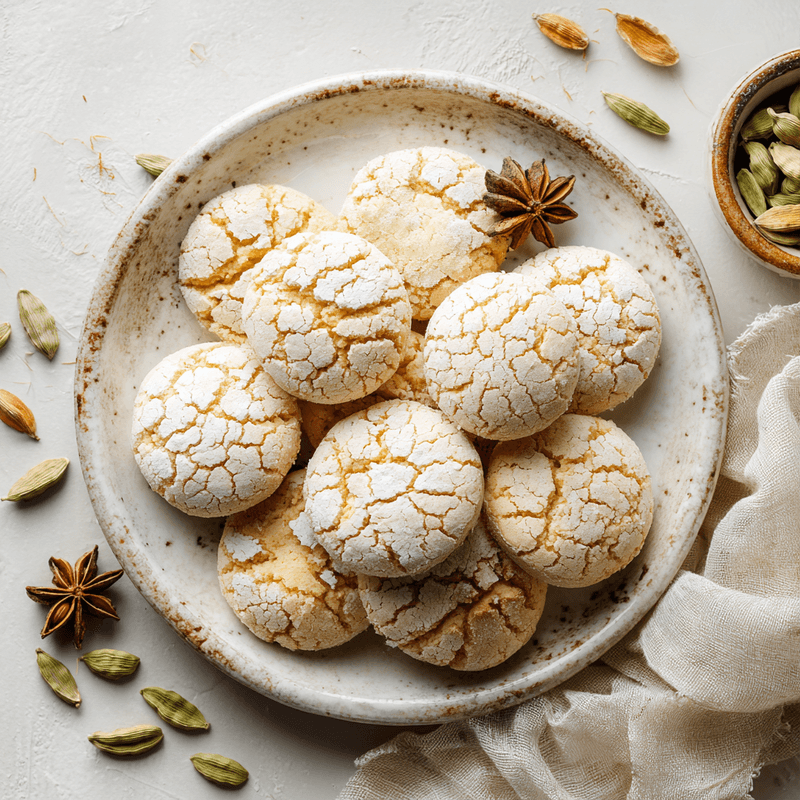
Picture a sunlit kitchen filled with the gentle aroma of cardamom and anise, where golden cookies rest on cooling racks, their surfaces crackled like fine porcelain. These delicate treats have graced springtime tables for generations, their subtle sweetness and aromatic spice blend making them perfect for family gatherings and celebratory occasions throughout the year.
What makes these cookies truly special is their simplicity combined with sophistication. Unlike heavily decorated confections, traditional Easter cookies rely on a careful balance of warming spices and a unique texture that's both tender and satisfyingly crisp. The dough requires a gentle hand and patience, rewarding the baker with cookies that practically melt on your tongue.
This homemade version captures everything authentic about these springtime treasures while keeping the process approachable for modern kitchens. You won't need specialty equipment or hard-to-find ingredients, just quality spices and a bit of time. The result is a cookie that tastes like it came from a generations-old recipe book, with that distinctive crackled appearance and aromatic flavor profile that makes Easter cookies so memorable. Whether you're continuing a family tradition or discovering these treats for the first time, you'll find they bring a touch of elegance to any gathering.
A Taste of the Culture
Easter cookies hold a cherished place in springtime baking traditions across many communities, particularly in regions where Scandinavian and Northern European culinary influences have shaped local food customs. These aren't everyday treats meant for casual snacking, they're special occasion cookies that mark the transition from winter's heaviness to spring's lightness and renewal.
The flavor principles behind these cookies reflect a broader cultural appreciation for subtle, sophisticated tastes rather than bold sweetness. Cardamom, anise, and sometimes a whisper of nutmeg create a warming spice profile that's aromatic without being overwhelming. The cookies themselves are meant to be enjoyed slowly, paired with tea or coffee, encouraging conversation and connection rather than rushed consumption.
What's particularly interesting about Easter cookies is how they reflect values of hospitality and preparation. Making them requires advance planning, the dough benefits from resting, the cookies improve with a day or two of aging, and the entire process encourages mindful baking. This isn't fast food; it's slow food in the best sense, asking the baker to invest time and attention in exchange for something truly special.
Regional variations exist even within this tradition. Some communities prefer their Easter cookies with a pronounced anise flavor, while others lean heavily on cardamom. The thickness varies too, some bakers roll their dough paper-thin for maximum crispness, while others prefer a slightly thicker cookie with more chew. The constants remain the spice-forward flavor profile and that distinctive crackled surface that comes from the unique preparation method.
The Ingredients That Define This Dish
The beauty of Easter cookies lies in how a handful of simple ingredients combine to create something extraordinary. Let's explore what makes each component essential to achieving that authentic taste and texture.
Cardamom stands as the soul of these cookies. This green pod spice, common in Scandinavian and Middle Eastern baking, delivers a complex flavor that's simultaneously warm, slightly sweet, and faintly floral. Always buy whole cardamom pods and grind the seeds yourself if possible, the pre-ground version loses its essential oils quickly and tastes flat by comparison. You'll find cardamom pods at any Middle Eastern or South Asian market, and increasingly in regular supermarket spice aisles.
Anise seed or anise extract provides that distinctive licorice-like note that many people associate with traditional springtime baking. If you're not a fan of strong anise flavor, you can reduce the amount, but don't eliminate it entirely, it plays a crucial role in the overall flavor balance. Anise seed needs to be finely ground, not left whole, to distribute evenly throughout the dough.
Ammonium carbonate, sometimes called hartshorn or baker's ammonia, is the traditional leavening agent that gives Easter cookies their characteristic crackled appearance and crisp texture. While it smells quite strong during baking, it dissipates completely, leaving no aftertaste. You can find it at specialty baking supply stores or online. If you absolutely cannot source it, baking powder can substitute, though the texture won't be quite as authentic.
Heavy cream adds richness and helps create the tender crumb that makes these cookies so special. Don't substitute milk here, the higher fat content is essential for the proper texture. The cream also helps the dough come together smoothly without requiring excessive handling.
Superfine sugar dissolves more readily than regular granulated sugar, creating a more delicate texture in the finished cookie. You can make your own by pulsing regular sugar in a food processor for about thirty seconds. This small detail makes a noticeable difference in the final product.
High-quality butter, preferably European-style with higher fat content, contributes to both flavor and texture. Since these cookies contain relatively few ingredients, each one needs to be the best quality you can manage. The butter should be room temperature but not greasy or melted.
Cooking the Authentic Way
Making Easter cookies follows a methodical process that rewards patience and attention to detail. Understanding each stage helps you recognize when things are progressing correctly.
The first stage involves creaming butter and sugar until the mixture becomes pale and fluffy, this typically takes three to four minutes with an electric mixer. You're incorporating air that will help create the cookie's delicate texture, so don't rush this step. The mixture should look almost white and feel light when you lift the beater.
Next comes incorporating the cream and spices. Add these to your creamed butter mixture and beat just until combined. This is when your kitchen will start smelling absolutely wonderful, the cardamom and anise releasing their aromatic oils into the dough. The mixture might look slightly curdled at this point, that's normal and will resolve when you add the dry ingredients.
The third stage requires dissolving your leavening agent in a tiny amount of hot water, then working it into the dough along with the flour. If you're using ammonium carbonate, you'll notice it fizzes slightly, this is exactly what should happen. Mix until the dough just comes together, overworking at this point will develop too much gluten and make your cookies tough rather than tender.
Resting the dough is the fourth crucial stage. Wrap it tightly and refrigerate for at least two hours, though overnight is even better. This rest period allows the flour to fully hydrate, the flavors to meld, and the dough to firm up for easier rolling. Cold dough is exponentially easier to work with than room temperature dough.
Rolling and cutting requires a light hand and a well-floured surface. Traditional Easter cookies are rolled quite thin, about one-eighth inch thick, which gives them their characteristic crisp texture. Work with small portions of dough, keeping the rest refrigerated. The dough will become sticky if it warms up too much.
The final stage is baking at a moderate temperature until the cookies are set but not deeply browned. Easter cookies should remain pale, with perhaps the faintest golden tinge at the edges. They'll feel soft when you first remove them from the oven but will crisp up as they cool. What distinguishes exceptional Easter cookies from ordinary ones is restraint, restraint in mixing, restraint in rolling, and restraint in baking time.
Bringing It All Together
The magic of Easter cookies happens as they cool and their flavors develop. Right out of the oven, they're delicate and soft, requiring careful handling as you transfer them to cooling racks. Within ten minutes, they begin to firm up, developing that signature snap when you bite through them.
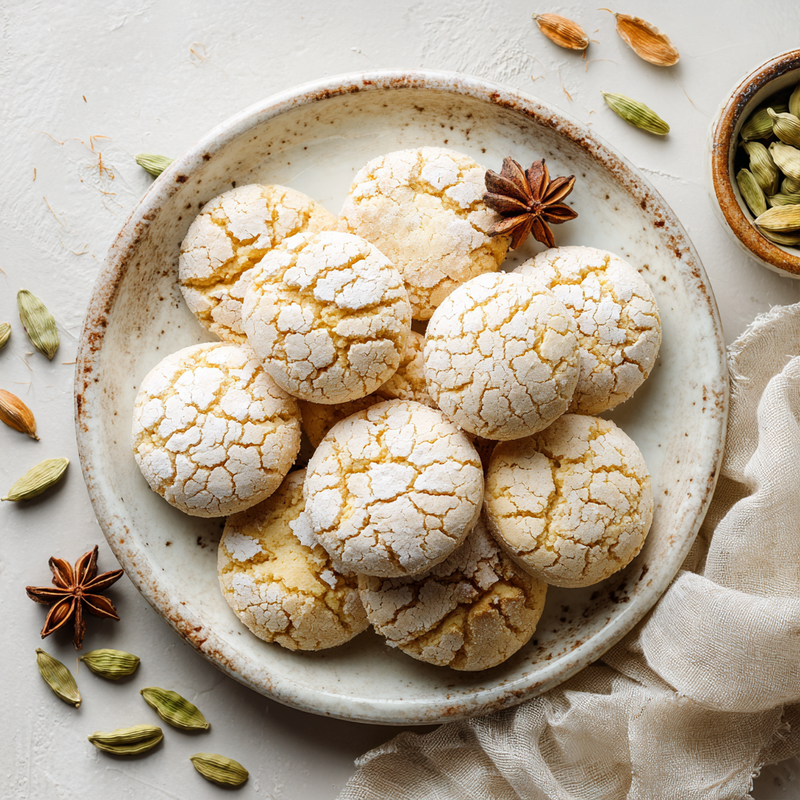
The crackled surface creates visual interest, those fine lines across the top of each cookie are your badge of authenticity, proof that you've made them the traditional way. Some bakers brush the unbaked cookies with a light coating of cream before baking, which enhances this crackling effect and adds a subtle sheen.
Traditionally, these cookies are served unadorned, their beauty lying in their simplicity. However, some variations include a light dusting of powdered sugar or a drizzle of simple icing flavored with a touch more anise or cardamom. The eating experience is meant to be contemplative, these aren't cookies you grab by the handful, but rather treats you savor one at a time with a hot beverage.
The texture contrast is part of the appeal, crisp exterior giving way to a tender, almost shortbread-like crumb. The spices reveal themselves gradually, first the bright, almost citrusy notes of cardamom, then the deeper, more mysterious anise flavor. Each bite should taste refined and balanced, sweet but not cloying, spiced but not aggressive.
Make It Your Own
While Easter cookies follow a traditional formula, there's room for personal interpretation that respects the spirit of the original while accommodating modern tastes and dietary needs.
For those who find anise polarizing, try replacing half the anise with additional cardamom and a hint of vanilla extract. This gives you the complexity of flavor without the pronounced licorice note. Alternatively, a small amount of ground fennel seed provides a similar but gentler flavor profile.
Spice adventurers might explore adding a pinch of finely ground black pepper or a whisper of nutmeg to the dough. These warm spices complement rather than compete with the cardamom and anise, adding depth without changing the fundamental character of the cookie.
For a fusion approach, consider incorporating finely grated lemon or orange zest into the dough. The citrus brightness plays beautifully with the warming spices, creating a more contemporary flavor profile that still honors the traditional template. Some bakers even add a tablespoon of rosewater to the dough for a Middle Eastern twist.
If you're introducing these cookies to family members who prefer familiar flavors, start with a batch that goes lighter on the spices, using just half the called-for amounts of cardamom and anise. Once they develop a taste for the cookies, you can gradually increase the spices to full strength in future batches. The texture alone makes these cookies special, even with reduced seasoning.
Keeping and Reusing Leftovers
Easter cookies are actually one of those wonderful baked goods that improve with age, making them perfect for advance preparation. Their low moisture content means they stay fresh longer than many other cookies, and the flavors have time to meld and deepen.
Store your completely cooled cookies in an airtight container at room temperature, layering them with parchment paper if you're stacking them. They'll maintain their crisp texture for up to two weeks, though in practice they rarely last that long. Keep them away from humid environments, which will soften them and diminish that desirable snap.
If you've made a large batch, these cookies freeze beautifully. Arrange them in a single layer on a baking sheet and freeze until solid, then transfer to freezer bags or containers. They'll keep for up to three months frozen. Thaw at room temperature for about thirty minutes before serving, they'll taste freshly baked.
The unbaked dough also freezes well, which is incredibly convenient for spontaneous entertaining. Shape the dough into a disk, wrap it thoroughly in plastic wrap and then foil, and freeze for up to two months. Thaw overnight in the refrigerator before rolling and cutting. Some bakers even roll, cut, and freeze the unbaked cookies on parchment-lined sheets, then transfer them to containers once solid. These can be baked directly from frozen, just add a minute or two to the baking time.
If your cookies do lose their crispness due to humidity, you can refresh them by placing them on a baking sheet in a 300°F oven for five to seven minutes. Let them cool completely, and they'll regain most of their original texture.
Your Questions Answered
Can I find these spices at regular grocery stores?
Most well-stocked supermarkets carry both cardamom and anise in their spice sections, though you'll get better quality and prices at Middle Eastern or South Asian markets. For cardamom specifically, look for green pods rather than the less aromatic white or black varieties. Ammonium carbonate is more specialized, but online retailers make it easy to source, and one small container lasts for years.
Are Easter cookies supposed to be very spicy?
The term "spicy" here refers to aromatic spices rather than heat, these cookies contain no chili or pepper heat at all. The cardamom and anise provide warming, fragrant flavors that are distinctive but not overwhelming. If you're sensitive to these flavors, start with half the recommended spice amounts and adjust upward in future batches based on your preference.
How thin should I really roll the dough?
Traditional Easter cookies are rolled quite thin, typically between one-eighth and one-quarter inch thick. Thinner cookies will be more crisp and delicate, while slightly thicker ones will have a bit more chew. The important thing is consistency, roll all cookies to the same thickness so they bake evenly. If some are thicker than others, the thin ones will brown too much before the thick ones are done.
Why do my cookies spread too much during baking?
Excessive spreading usually indicates the dough was too warm when it went into the oven. Make sure your shaped cookies are cold before baking, some bakers even freeze the cut cookies on the baking sheet for ten minutes before baking. Also check that you're measuring flour correctly, too little flour in the dough will cause spreading. Spoon flour into your measuring cup and level it off rather than scooping directly from the bag.
What should I serve with Easter cookies?
These cookies pair beautifully with tea, particularly black tea or herbal blends featuring mint or chamomile. The aromatic spices in the cookies complement rather than compete with tea's subtle flavors. They're also wonderful alongside Turkish or Arabic coffee, where the cardamom in the cookies echoes cardamom often added to the coffee itself. For a refreshing combination, try them with mint tea or a citrus-infused herbal blend.
Can I make these cookies without ammonium carbonate?
Yes, though the texture will be slightly different. Replace the ammonium carbonate with an equal amount of baking powder for a similar leavening effect. Your cookies will still taste wonderful and have a pleasant texture, but they won't develop quite the same crackled appearance or ultra-crisp texture that the traditional leavening agent provides. Many modern bakers successfully use baking powder and are perfectly happy with the results.
Easter cookies represent the beautiful intersection of simplicity and sophistication in baking. These unassuming treats don't rely on elaborate decoration or exotic ingredients to make an impression. Instead, they win hearts through perfect execution of basic techniques and a carefully calibrated spice blend that speaks to centuries of baking tradition. The delicate crackled surface, the tender-crisp texture, and those warming aromatic notes of cardamom and anise create a cookie that feels both timeless and special.
What I love most about Easter cookies is how they encourage mindful baking and eating. The process itself is meditative, from grinding aromatic spices to rolling dough with a gentle touch to watching cookies transform in the oven. There's no rushing through the steps, each stage has its own timing and rhythm. And when you finally sit down with a cup of tea and one of these cookies, you're invited to slow down, to notice the subtle flavors and textures, to be present in the moment.
These cookies also serve as a beautiful reminder that special occasion foods don't have to be complicated or intimidating. You don't need professional pastry skills or a kitchen full of specialized equipment to create something memorable. What you need is quality ingredients, attention to detail, and the patience to let the process unfold at its own pace. The reward is a cookie that tastes like tradition, that carries the warmth of family gatherings and the promise of springtime renewal.
Whether you're baking Easter cookies to continue a cherished family tradition or creating new traditions of your own, you're participating in something larger than a simple baking project. You're keeping alive a culinary heritage that values simplicity, quality, and the sharing of homemade goodness. Every batch you make strengthens that connection to bakers who've made these same cookies for generations, using the same techniques and savoring the same wonderful combination of spices.
As your kitchen fills with the incomparable aroma of cardamom and anise, as you arrange golden cookies on your prettiest plate, as you share them with people you care about, you'll understand why Easter cookies have endured. They're not flashy or trendy, but they don't need to be. They're simply, wonderfully, perfectly themselves, a testament to the enduring appeal of traditional baking done with care and intention. And really, that's the best kind of cookie there is.
Easter Cookies
Traditional springtime cookies featuring cardamom and anise, with a distinctive crackled surface and delicate, crisp texture perfect for family gatherings.
Prep Time
30 min
Cook Time
12 min
Total Time
2h 42m
Servings
48 cookies
Ingredients
For 48 cookies
- 1 cup (226g) unsalted butter, room temperature
- 1 cup (200g) superfine sugar
- 1/4 cup (60ml) heavy cream
- 1 teaspoon ground cardamom
- 1/2 teaspoon ground anise seed
- 1/2 teaspoon ammonium carbonate (or 1/2 teaspoon baking powder)
- 1 tablespoon hot water
- 3 cups (375g) all-purpose flour, plus more for rolling
- 1/4 teaspoon salt
Instructions
- 1
Cream butter and sugar
In a large bowl using an electric mixer, beat the room temperature butter and superfine sugar together on medium-high speed for 3 to 4 minutes until the mixture becomes pale, fluffy, and nearly white in color. Scrape down the sides of the bowl as needed to ensure even mixing.
- 2
Add cream and spices
Pour in the heavy cream along with the ground cardamom and ground anise. Beat on medium speed until well combined, about 1 minute. The mixture may look slightly curdled at this stage, which is completely normal.
- 3
Dissolve leavening agent
In a small bowl, dissolve the ammonium carbonate (or baking powder) in the tablespoon of hot water. Stir until completely dissolved. If using ammonium carbonate, you'll notice slight fizzing, which is expected.
- 4
Mix in flour
Add the flour and salt to the butter mixture, then pour in the dissolved leavening agent. Mix on low speed just until the dough comes together and no dry flour remains visible. Avoid overmixing, as this will make the cookies tough rather than tender.
- 5
Chill the dough
Divide the dough in half and shape each portion into a flat disk. Wrap both disks tightly in plastic wrap and refrigerate for at least 2 hours, or preferably overnight. The dough must be thoroughly chilled for easy rolling and proper texture.
- 6
Preheat and prepare
Preheat your oven to 350°F (175°C). Line two baking sheets with parchment paper or silicone baking mats. Remove one disk of dough from the refrigerator, keeping the other chilled until needed.
- 7
Roll and cut cookies
On a well-floured surface, roll the dough to approximately 1/8 inch thickness, working quickly to prevent the dough from warming up. Cut into desired shapes using cookie cutters, then transfer the cut cookies to the prepared baking sheets, spacing them about 1 inch apart.
- 8
Bake until set
Bake for 10 to 12 minutes, until the cookies are set and just barely beginning to turn golden at the edges. They should remain mostly pale. The cookies will feel soft when first removed from the oven but will crisp up as they cool.
- 9
Cool completely
Let the cookies cool on the baking sheet for 3 minutes, then carefully transfer them to a wire cooling rack. Allow them to cool completely before storing, which takes about 30 minutes. Handle gently as they're delicate when warm.
- 10
Store properly
Once completely cooled, store the cookies in an airtight container at room temperature, layering them with parchment paper if stacking. They'll stay fresh and crisp for up to 2 weeks, and the flavors will actually improve after a day or two.
Nutrition Facts
Per serving (estimated)
75 calories
Calories
9g
Carbs
1g
Protein
4g
Fat
0g
Fiber
15mg
Sodium
4g
Sugar