Dumpling Fillings Recipe: Master the Art from Scratch
Learn to create perfect dumpling fillings with this comprehensive guide. From classic combinations to creative variations, master techniques that work.
cookwithlucia.com/recipes/dumpling-fillings-recipe
There's something magical about mastering dumpling fillings—once you understand the principles, you unlock an entire universe of wrapped delights. Whether you're folding crescents, pleating pouches, or crimping half-moons, the filling is where your creativity truly shines. A perfectly balanced dumpling filling should be juicy but not watery, flavorful but not overwhelming, with a texture that's tender yet substantial enough to hold its shape through cooking.
I know the idea of making dumpling fillings from scratch might feel intimidating at first. You might worry about the moisture balance, wonder if your flavors will meld properly, or stress about achieving that restaurant-quality taste. But here's the truth: once you understand the fundamental principles—the ratio of protein to vegetables, the role of aromatics, and the binding techniques—creating exceptional dumpling fillings becomes intuitive and endlessly adaptable.
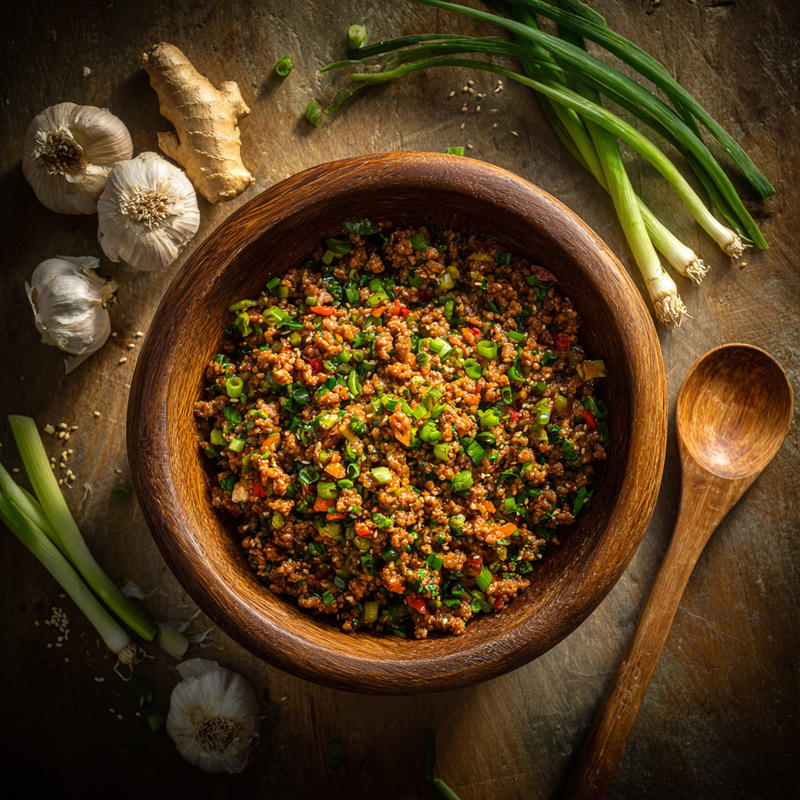
The real beauty of a great dumpling fillings recipe is its versatility. Master the core technique, and you can create everything from classic meat and cabbage combinations to innovative vegetarian blends. You'll learn to control moisture, build layers of flavor, and achieve that perfect bite that makes dumplings so irresistible. Today, I'm walking you through everything you need to know to create dumpling fillings that rival any restaurant, with detailed guidance on techniques, troubleshooting, and creative variations that will make this skill a cornerstone of your cooking repertoire.
The Science Behind the Method
Understanding what happens inside your dumpling filling transforms you from someone following a recipe to a confident cook who can improvise and adjust. The magic of dumpling fillings lies in three key processes: protein binding, moisture management, and flavor infusion. When you mix ground meat with aromatics and seasonings, the proteins begin to bind together, creating a cohesive mixture that holds its shape during cooking. This binding is enhanced by stirring in one direction, which aligns the protein strands and creates a springy, tender texture.
Moisture control is perhaps the most critical aspect of dumpling fillings. Vegetables naturally release water when salted, which is why many traditional recipes call for salting cabbage or other vegetables and squeezing them dry. This pre-extraction prevents your filling from becoming a watery mess inside the wrapper. At the same time, you want enough moisture to keep the filling juicy—this is where ingredients like ginger juice, sesame oil, and stock come in, providing controlled hydration that stays emulsified within the mixture.
The aromatics in your dumpling fillings recipe don't just add flavor—they also serve functional purposes. Ginger and garlic contain enzymes that help tenderize proteins, while green onions add both moisture and structural integrity. Sesame oil creates a coating around the other ingredients, helping to lock in juices during cooking. When you understand these principles, you can confidently adjust ratios, substitute ingredients, and create your own signature combinations while maintaining the perfect texture and moisture balance that makes dumplings exceptional.
Tools and Ingredients You'll Need
Creating exceptional dumpling fillings doesn't require specialized equipment, but having the right tools makes the process significantly easier. A large mixing bowl is essential—you'll need space to combine ingredients thoroughly without making a mess. I prefer a wide, shallow bowl that gives me room to mix in one direction effectively. A sturdy wooden spoon or silicone spatula works perfectly for mixing, though some cooks prefer using their hands for better texture control. If you're working with cabbage or other vegetables that need moisture extraction, have a clean kitchen towel or cheesecloth ready for squeezing.
For ingredient preparation, a sharp knife and cutting board are non-negotiable. You'll be mincing aromatics finely, and a dull knife will crush rather than cut, releasing too much moisture prematurely. A microplane grater is incredibly useful for fresh ginger—it creates a paste that distributes evenly throughout your filling without fibrous bits. If you're grinding your own meat, a food processor gives you control over texture, though pre-ground meat from a trusted butcher works beautifully too.
The ingredients themselves are straightforward but quality matters immensely. For meat-based fillings, choose ground chicken, beef, or lamb with about 15-20% fat content—too lean and your filling will be dry, too fatty and it becomes greasy. Fresh vegetables like napa cabbage, bok choy, or Chinese chives should be crisp and vibrant. Your aromatics—ginger, garlic, and green onions—should be fresh and pungent. Sesame oil should be toasted and aromatic, not the refined neutral kind. Soy sauce, whether light or dark, provides essential seasoning and umami depth. White pepper adds a distinctive warmth that black pepper can't replicate, though in a pinch, you can substitute. Having these quality ingredients on hand ensures your dumpling fillings recipe will shine every single time.
The Method, Step by Step
Creating the perfect dumpling filling is a thoughtful process that builds flavor and texture layer by layer. Start by preparing your vegetables, which is the foundation of moisture control. If using napa cabbage, finely chop about two cups and place it in a colander. Sprinkle with one teaspoon of salt and let it sit for fifteen to twenty minutes. The salt draws out excess water through osmosis, preventing soggy dumplings later. After the resting period, gather the cabbage in a clean kitchen towel and squeeze firmly—you'll be amazed at how much liquid comes out. This concentrated cabbage is now packed with flavor without the wateriness.
Next, prepare your aromatics with precision because their texture impacts the final result dramatically. Mince two cloves of garlic until nearly paste-like, then finely mince a two-inch piece of fresh ginger. For an even smoother texture, grate the ginger on a microplane, which releases its juice while eliminating fibrous strands. Slice four or five green onions thinly, separating the white parts from the green—the whites provide sharpness while the greens add color and mild sweetness. Have all your aromatics ready before you begin mixing, as the order of incorporation matters for proper binding.
Now comes the crucial mixing stage where your dumpling fillings recipe truly comes together. Place one pound of ground meat in your large mixing bowl and add one tablespoon of soy sauce, one teaspoon of sesame oil, half a teaspoon of white pepper, and a pinch of salt. Using a wooden spoon or your hand, stir vigorously in one direction—always the same direction—for about two minutes. You'll notice the mixture becoming sticky and cohesive as the proteins bind. This step is essential for achieving that characteristic springy texture. The mixture should look almost paste-like and will actually climb up your spoon slightly when lifted.
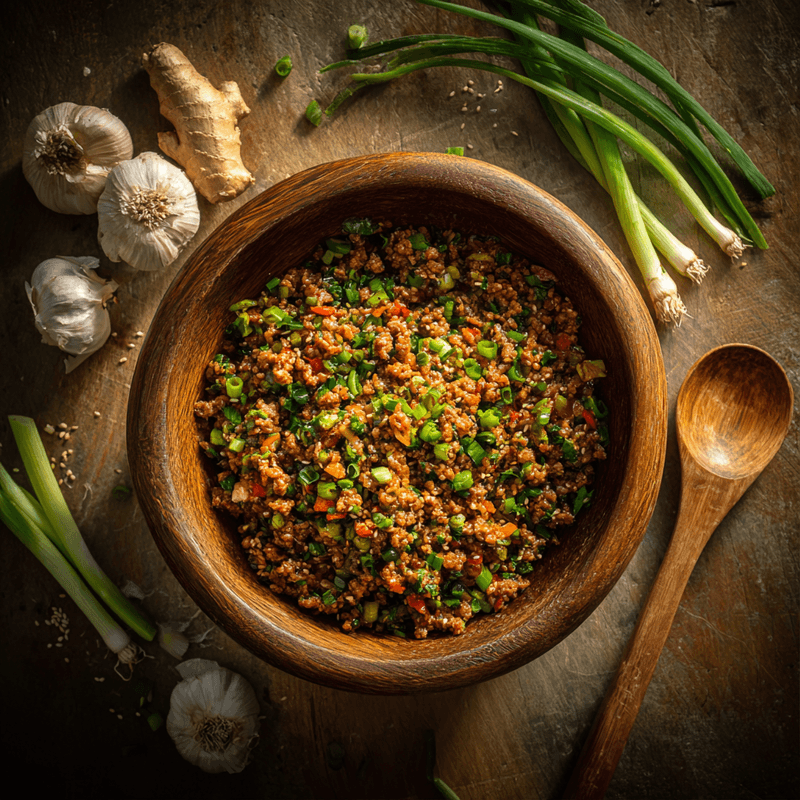
Once your meat is properly bound, begin incorporating your prepared vegetables and aromatics gradually. Add the squeezed cabbage, minced garlic, ginger, and green onions to the bowl. Drizzle in another tablespoon of sesame oil and a tablespoon of neutral oil to ensure juiciness. Continue stirring in the same direction, mixing until everything is evenly distributed. The filling should be cohesive but not overly dense—it should hold together when you scoop a portion but still look fluffy and light. At this stage, many cooks add a tablespoon or two of cold water or stock, stirring it in gradually to create an even juicier filling that stays moist through cooking.
Testing your seasoning is a critical step that many home cooks skip, but it makes the difference between good and extraordinary. Take a small spoonful of your dumpling filling and either microwave it for twenty seconds or quickly pan-fry it until cooked through. Taste it carefully, evaluating both flavor and texture. Is it savory enough? Does it need more sesame oil for richness? Is the ginger prominent or should you add more? Adjust your seasoning now, before you've filled dozens of dumplings. This simple test saves disappointment later and ensures every dumpling is perfectly seasoned.
Finally, let your filling rest in the refrigerator for at least thirty minutes before using. This resting period allows the flavors to meld beautifully and firms up the mixture slightly, making it easier to handle when filling wrappers. The oils will solidify just enough to help everything hold together, and the salt and seasonings will penetrate more deeply into the meat and vegetables. If you're making a large batch, this resting time is also when you can divide the mixture for different flavor variations, adding chili oil to one portion or extra herbs to another, creating multiple dumpling types from one base recipe.
Troubleshooting Guide
Even experienced cooks encounter challenges with dumpling fillings, but most issues have straightforward solutions. If your filling is too watery, the most common culprit is inadequately drained vegetables. Cabbage, mushrooms, and other high-moisture ingredients must be treated for water extraction. If you've already mixed everything and notice excess liquid, you can salvage it by adding a tablespoon of cornstarch or breadcrumbs, which will absorb moisture without dramatically altering flavor. Next time, be more aggressive with squeezing your vegetables—when you think you've gotten all the water out, squeeze one more time.
A filling that tastes bland despite proper seasoning often lacks depth because the aromatics weren't prepared correctly. Ginger and garlic need to be minced extremely fine so their flavors permeate throughout rather than creating pockets of intense taste. Additionally, toasted sesame oil is essential—the refined kind simply doesn't provide the nutty richness that makes dumplings memorable. If your cooked dumplings taste flat, the issue might also be under-salting the filling itself, since wrapper dough is typically unsalted and won't contribute to overall seasoning.
When your dumpling filling has a dry, crumbly texture after cooking, you've likely used meat that's too lean or didn't incorporate enough liquid during mixing. Ground meat should have at least 15% fat content for dumplings, as the fat melts during cooking and creates juiciness. Adding two to three tablespoons of cold stock or water to your mixture helps tremendously. Mix this liquid in gradually, stirring constantly in one direction so it emulsifies rather than pooling. Some cooks also add a small amount of gelatin dissolved in stock, which melts during cooking and creates that sought-after soup dumpling effect.
If your filling doesn't hold together properly and falls apart when you bite into dumplings, insufficient mixing is usually to blame. The protein in ground meat needs vigorous stirring in one direction to develop proper binding. Think of it like kneading dough—you're developing structure. Stir for at least two full minutes before adding vegetables, and make sure you're using actual ground meat rather than finely chopped pieces, which won't bind the same way. Temperature also matters: keeping your filling cold helps everything hold together better, so work quickly and refrigerate between batches if needed.
Taking It to the Next Level
Once you've mastered the basic dumpling fillings recipe, elevating your creations becomes an exciting playground for culinary creativity. Professional dumpling makers often create multi-layered flavor profiles by toasting their spices before adding them. Try gently heating Sichuan peppercorns and cumin seeds in a dry pan until fragrant, then grinding them fresh for your filling. This simple step adds a depth and complexity that pre-ground spices simply cannot match. Similarly, blooming your sesame oil with a small amount of garlic or chili flakes before mixing it into your filling infuses every bite with aromatic richness.
Texture contrast is another hallmark of restaurant-quality dumplings. Consider adding finely diced water chestnuts or bamboo shoots to your filling for unexpected crunch, or incorporate rehydrated shiitake mushrooms for an earthy chew. Some advanced cooks create a layered filling by dividing their mixture and seasoning each portion differently—one with more ginger, another with chili oil, another with fresh herbs—then lightly swirling them together for a complex, varied taste experience in every dumpling. This technique creates anticipation with each bite, as flavors shift and surprise.
For truly elevated results, consider incorporating homemade stocks or reductions into your filling. Reduce chicken or beef stock by half to concentrate its flavor, then freeze it into cubes. Mix these frozen cubes into your filling just before wrapping—as the dumplings cook, the cubes melt and create pockets of intensely flavored broth. This is the secret behind soup dumplings, and the technique works beautifully with any dumpling style. You can also experiment with compound butters mixed with herbs and spices, which melt during cooking and create luxurious richness throughout your filling.
Storing Your Results
Proper storage of dumpling fillings ensures you can enjoy homemade dumplings whenever the craving strikes without starting from scratch each time. Freshly made filling keeps beautifully in the refrigerator for up to two days when stored in an airtight container. Press plastic wrap directly against the surface of the filling before sealing the container to prevent oxidation and browning. If you notice any liquid separation, simply stir it back in before using—this is normal as the ingredients settle. Always bring refrigerated filling to cool room temperature before filling dumplings, as cold filling can make wrappers difficult to seal.
For longer storage, freezing is your best option and works remarkably well with dumpling fillings. Divide your mixture into portion-sized amounts—perhaps enough for two dozen dumplings per container—and freeze in airtight containers or heavy-duty freezer bags with all air pressed out. Properly stored, dumpling filling maintains excellent quality for up to three months. Label each container with the date and type of filling, especially if you're creating multiple varieties. To use frozen filling, thaw it overnight in the refrigerator rather than at room temperature, which ensures food safety and prevents texture degradation.
If you've already filled and shaped your dumplings, freezing them uncooked is actually preferable to refrigerating. Arrange uncooked dumplings on a parchment-lined baking sheet, making sure they don't touch, and freeze until solid. Once frozen, transfer them to freezer bags or containers—they'll keep for up to three months. The beauty of this method is that you can cook frozen dumplings directly from the freezer without thawing, adding just a few extra minutes to your cooking time. This approach prevents the wrappers from becoming soggy, which can happen when filled dumplings sit refrigerated for too long.
Common Questions
Can I make dumpling fillings without a food processor?
Absolutely, and many traditional cooks prefer hand-chopping for better texture control. A sharp knife and cutting board are all you need for preparing vegetables and aromatics. For meat, purchase pre-ground options from your butcher, or if you want to grind your own, partially freeze chunks of meat and chop them finely with a sharp cleaver. The key is achieving a relatively fine, consistent texture so everything binds properly and distributes evenly throughout each dumpling.
How do I adjust dumpling fillings for high altitude cooking?
High altitude primarily affects cooking time rather than filling preparation, but there are a few adjustments to consider. At higher elevations, foods lose moisture more quickly, so you might want to add an extra tablespoon of liquid to your filling mixture to compensate. When steaming dumplings at altitude, increase cooking time by about 25% and check for doneness carefully. The filling itself should be prepared exactly the same way, following the moisture balance and seasoning guidelines in your dumpling fillings recipe.
Can I scale this recipe for a large gathering?
Dumpling fillings scale beautifully, making them perfect for meal prep or entertaining. When doubling or tripling the recipe, mix your ingredients in batches rather than one enormous bowl, which ensures even distribution of seasonings and proper protein binding. Prepare all your vegetables and aromatics first, then divide them proportionally into each batch. The mixing technique remains the same—vigorous stirring in one direction until cohesive. For very large quantities, recruit helpers for the filling and folding process, which becomes a wonderful communal activity.
What if my family doesn't eat meat?
Vegetarian and plant-based dumpling fillings are delicious and follow the same fundamental principles. Replace meat with finely crumbled firm tofu, cooked and chopped mushrooms, or textured vegetable protein. You'll need to add extra binding since you won't have meat proteins—try mixing in a tablespoon of cornstarch or a ground flax egg. Increase the aromatics and add more sesame oil to compensate for the richness that meat fat provides. Vegetarian fillings often benefit from additional umami sources like dried shiitake mushrooms or fermented bean paste.
How do I know when my filling is properly seasoned?
The only reliable way to check seasoning is to cook a small test portion, since raw filling tastes quite different from cooked. Take a teaspoon of your mixture and either microwave it for twenty seconds or pan-fry it briefly until fully cooked through. Taste it carefully, evaluating salt level, aromatic balance, and overall savoriness. Remember that dumpling wrappers are typically unseasoned, so your filling needs to be flavorful enough to carry the entire dumpling. Adjust seasonings in the remaining raw mixture based on your test, then cook another small sample to confirm your adjustments worked.
Can I prepare dumpling filling the night before?
Yes, and in fact, allowing your filling to rest overnight often improves the final result. The extended resting time allows flavors to meld more thoroughly, and the mixture firms up slightly, making it easier to handle when filling wrappers. Store prepared filling in an airtight container in the refrigerator, pressing plastic wrap directly against the surface to prevent oxidation. Before using, let it sit at cool room temperature for about fifteen minutes and give it a quick stir to redistribute any separated liquids. This make-ahead approach is perfect for stress-free entertaining or efficient meal preparation.
Dumpling Fillings Recipe
A master recipe for creating perfectly balanced, juicy dumpling fillings with ground meat, fresh vegetables, and aromatic seasonings. Versatile base for any dumpling style.
Prep Time
25 min
Cook Time
5 min
Total Time
30 min
Servings
Filling for 40-50 dumplings
Ingredients
For Filling for 40-50 dumplings
- 1 pound ground chicken, beef, or lamb (15-20% fat content)
- 2 cups napa cabbage, finely chopped
- 1 teaspoon salt (for draining cabbage)
- 2 cloves garlic, minced until paste-like
- 2-inch piece fresh ginger, finely grated
- 4-5 green onions, thinly sliced
- 2 tablespoons soy sauce, divided
- 2 tablespoons toasted sesame oil, divided
- 1 tablespoon neutral oil (vegetable or canola)
- 1/2 teaspoon white pepper
- 1/4 teaspoon salt for seasoning
- 2-3 tablespoons cold water or stock
Instructions
- 1
Prepare the cabbage
Finely chop the napa cabbage and place it in a colander. Sprinkle with one teaspoon of salt and toss to distribute evenly. Let the cabbage sit for 15-20 minutes to draw out excess moisture. After resting, gather the cabbage in a clean kitchen towel and squeeze firmly to remove as much liquid as possible. Set the drained cabbage aside.
- 2
Prepare aromatics
Mince the garlic cloves until they form a nearly paste-like consistency. Grate the ginger using a microplane or mince it extremely fine to avoid fibrous pieces. Thinly slice the green onions, keeping the white and green parts separate if desired. Have all aromatics ready before beginning the mixing process.
- 3
Bind the meat
Place the ground meat in a large mixing bowl. Add one tablespoon soy sauce, one teaspoon sesame oil, the white pepper, and a pinch of salt. Using a wooden spoon or your hand, stir vigorously in one consistent direction for about two minutes. The mixture should become sticky and cohesive, developing a paste-like texture that indicates proper protein binding.
- 4
Incorporate vegetables
Add the squeezed cabbage, minced garlic, grated ginger, and sliced green onions to the bound meat mixture. Drizzle in the remaining tablespoon of sesame oil and the tablespoon of neutral oil. Continue stirring in the same direction, mixing until all ingredients are evenly distributed throughout the filling.
- 5
Add moisture
Gradually add two to three tablespoons of cold water or stock to the mixture, stirring continuously in the same direction. Add the liquid slowly, allowing it to emulsify into the filling rather than pooling on top. The filling should be cohesive and slightly glossy, with enough moisture to ensure juicy dumplings without being watery.
- 6
Test and adjust seasoning
Take a small spoonful of the filling and cook it either in the microwave for 20 seconds or in a small pan until fully cooked through. Taste the cooked sample carefully, evaluating the salt level, aromatic balance, and overall flavor. Adjust the seasoning in the remaining raw filling as needed, adding more soy sauce, sesame oil, or salt based on your test.
- 7
Rest the filling
Transfer the completed filling to an airtight container and refrigerate for at least 30 minutes before using. This resting period allows flavors to meld and firms up the mixture slightly, making it easier to handle when filling wrappers. The filling can be refrigerated for up to two days or frozen for up to three months.
- 8
Prepare for use
When ready to fill dumplings, remove the chilled filling from the refrigerator and let it sit at cool room temperature for about 10-15 minutes. Give it a quick stir to redistribute any oils or liquids that may have separated. The filling is now ready to be portioned into dumpling wrappers and cooked using your preferred method.
Nutrition Facts
Per serving (estimated)
45 calories
Calories
1g
Carbs
4g
Protein
3g
Fat
0g
Fiber
95mg
Sodium
0g
Sugar