Vegetarian Stuffed Bell Peppers: Perfect Meals for Two
Make delicious vegetarian stuffed bell peppers designed for two! Fresh flavors, hearty filling, and easy prep. Perfect weeknight dinner solution.
cookwithlucia.com/recipes/delicious-vegetarian-stuffed-bell-peppers-unique-meals-for-two
There's something genuinely special about cooking for two. You want a meal that feels complete and satisfying without leaving you drowning in leftovers or forcing you to halve awkward ingredient amounts. These vegetarian stuffed bell peppers solve that challenge beautifully, offering exactly what two people need for a cozy, nourishing dinner.
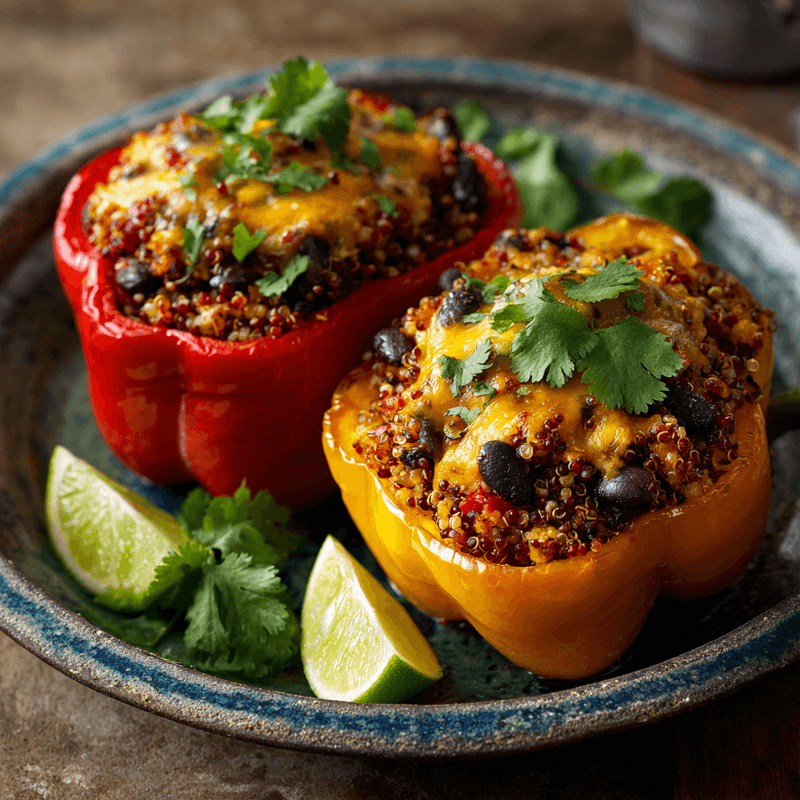
I love how these vegetarian stuffed bell peppers transform simple pantry ingredients into something that looks restaurant-worthy on your table. Four pepper halves—two per person—create the perfect portion size without any complicated math or ingredient waste. The filling is hearty enough to satisfy even the biggest appetites, packed with protein-rich quinoa, beans, and vegetables that come together in one delicious package.
What makes these unique meals for two truly shine is their adaptability to your schedule and taste preferences. You can prep the filling ahead during a quiet afternoon, then stuff and bake the peppers right before dinner. Or assemble everything in advance and slide them into the oven when you walk through the door. Either way, you'll have a complete meal that requires minimal cleanup and zero takeout menus.
Why This Recipe Is Perfect for Meal Prep
These vegetarian stuffed bell peppers are genuinely ideal for preparing in advance, and it's not just convenient—it actually improves the final result. The bell peppers themselves act as natural edible containers that protect the filling during storage, preventing it from drying out or losing texture. Unlike many dishes that suffer in the refrigerator, these maintain their structural integrity beautifully.
The grain and bean filling actually benefits from time in the refrigerator. As the components rest together, the spices permeate every bite more thoroughly, and the flavors marry in ways they simply can't during initial cooking. I've noticed that day-two stuffed peppers often taste even more cohesive and seasoned than freshly made ones.
From a nutritional standpoint, these unique meals for two deliver complete protein through the combination of quinoa and beans, along with fiber, vitamins from the peppers themselves, and whatever vegetables you incorporate into the filling. You're getting a genuinely balanced plate without needing to prepare multiple side dishes or worry about rounding out the meal.
The reheating process is remarkably forgiving. Bell peppers have high water content, which means they create a slightly steamy environment when reheated, keeping the filling moist rather than dried out. Whether you choose the oven, microwave, or even stovetop method, you'll end up with peppers that taste freshly prepared.
What You'll Need
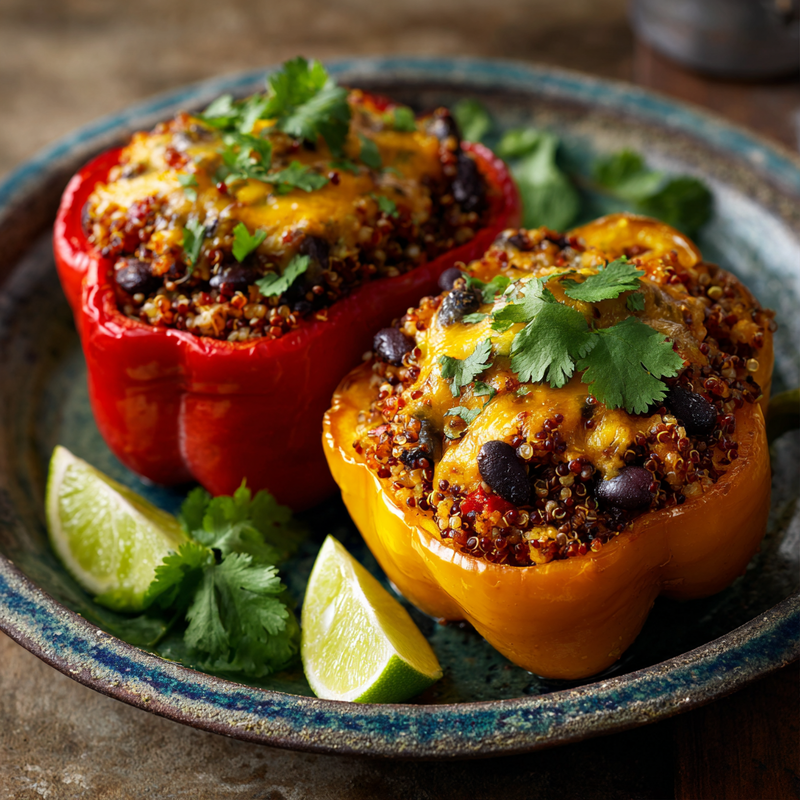
For these delicious vegetarian stuffed bell peppers, start with two large bell peppers in whatever colors appeal to you most. I typically choose one red and one yellow for visual variety, though any combination works beautifully. Look for peppers that can stand upright when cut in half lengthwise—this makes both cooking and serving much easier.
Your grain base needs about one cup of cooked quinoa, which starts as roughly one-third cup dry. Quinoa brings a subtle nutty flavor and fluffy texture that holds up perfectly during storage. If you're batch-cooking grains for the week anyway, this is an excellent use for a portion of them. One can of black beans or chickpeas (drained and rinsed) adds protein and a satisfying, slightly creamy texture to the filling.
Fresh vegetables make these unique meals for two feel vibrant rather than heavy. One small onion, one large tomato (or a cup of cherry tomatoes), and two cloves of garlic form the aromatic base. I also include about a cup of corn kernels—frozen works perfectly and eliminates any prep work. A handful of fresh cilantro or parsley adds brightness right before serving.
For seasoning, you'll need cumin, paprika, salt, and black pepper. These warm spices complement the sweetness of the peppers without overwhelming the vegetables. A cup of shredded cheese goes on top—I prefer a sharp cheddar or Monterey Jack, though any good melting cheese works. Finally, keep olive oil on hand for sautéing and a squeeze of fresh lime juice to brighten everything at the end.
Storage-wise, if you're meal prepping, invest in rectangular glass containers that can hold two pepper halves side by side. Glass reheats more evenly than plastic and won't absorb the tomato-based colors from the filling.
The Batch Cooking Method
Start by cooking your quinoa according to package directions—this usually means simmering one-third cup dry quinoa in two-thirds cup water for about fifteen minutes. While that's happening, you can prep your vegetables. This simultaneous approach cuts your total cooking time significantly.
Preheat your oven to 375°F and prepare your bell peppers by slicing them in half lengthwise, removing the seeds and membranes but keeping the stems intact for a beautiful presentation. Arrange them cut-side up in a baking dish, drizzle lightly with olive oil, and season with a pinch of salt. These vegetarian stuffed bell peppers benefit from this pre-seasoning step.
In a large skillet over medium heat, warm two tablespoons of olive oil and sauté your diced onion until it softens and becomes translucent, about five minutes. Add minced garlic and cook for another minute until fragrant. Stir in your drained beans, corn, diced tomato, and cooked quinoa. Season with one teaspoon cumin, half a teaspoon paprika, salt, and pepper to taste.
Let this mixture cook together for about five minutes, stirring occasionally so the flavors can meld. The tomatoes will break down slightly and create a light sauce that coats everything. Taste and adjust your seasoning—this is the time to add more spices if needed, as the filling should be slightly over-seasoned since the peppers themselves are mild.
Divide the filling evenly among your four pepper halves, mounding it generously since it won't expand during baking. Top each with shredded cheese, then cover the baking dish with foil. Bake for thirty minutes covered, then remove the foil and bake another ten to fifteen minutes until the peppers are tender and the cheese is golden and bubbling.
If you're preparing these delicious vegetarian stuffed bell peppers for later in the week, let them cool completely after baking before transferring to your storage containers. The cooling step is crucial—putting hot food directly into sealed containers creates condensation that can make everything soggy.
The Weekly Game Plan
Sunday afternoon is ideal for preparing these unique meals for two as part of your weekly routine. Spend about an hour in the kitchen making a double or triple batch—eight pepper halves instead of four gives you four complete meals throughout the week. The active cooking time doesn't increase much when you scale up, making it incredibly efficient.
For maximum freshness, consider preparing the filling on Sunday but waiting to stuff and bake the peppers until Tuesday or Wednesday. Store the cooked filling in one container and the prepared raw pepper halves in another. When you're ready to eat, simply stuff, top with cheese, and bake. This method gives you that just-made quality while still saving significant time on busy evenings.
Another approach that works beautifully is fully preparing and baking all the peppers on Sunday, then reheating individual portions throughout the week. Monday and Tuesday, the peppers will taste absolutely fresh from the refrigerator. Wednesday and Thursday, they'll have developed even deeper flavors. If you want these vegetarian stuffed bell peppers later in the week, consider freezing a portion on Sunday and thawing it Wednesday night for a Thursday or Friday meal.
Variety throughout the week comes from what you serve alongside these peppers. Monday might be peppers with a simple side salad. Wednesday, serve them with roasted sweet potato wedges. Friday, shred the pepper and filling together and use it as a taco or wrap filling for a completely different presentation. This flexibility prevents meal prep fatigue while maximizing your Sunday cooking effort.
Don't forget to prep your fresh garnishes in small portions too. Chop cilantro and store it wrapped in a slightly damp paper towel inside a container. Cut lime wedges and keep them in a sealed bag. Having these fresh elements ready to go makes weeknight plating feel effortless rather than like additional work after a long day.
Smart Storage and Reheating
Glass containers with snap-lock lids are absolutely the best choice for storing these delicious vegetarian stuffed bell peppers. The rectangular shape accommodates pepper halves perfectly, and glass doesn't retain odors or stains from the tomato-based filling. If you're storing multiple servings, keep each meal's portion in a separate container so you're not repeatedly exposing all your food to temperature changes.
These peppers will maintain excellent quality in the refrigerator for four to five days when stored properly. Make sure they've cooled to room temperature before sealing the containers, and try to minimize air space in the container without crushing the peppers. The less air circulation, the better they'll maintain their texture and moisture.
For longer storage, these unique meals for two freeze remarkably well for up to three months. Wrap each pepper half individually in plastic wrap, then place all wrapped peppers in a freezer-safe container or bag. This double-layer approach prevents freezer burn and makes it easy to remove just the portions you need. Thaw overnight in the refrigerator before reheating.
Reheating in the oven gives the best results for texture. Place your pepper halves in an oven-safe dish, cover with foil to prevent drying, and warm at 350°F for about twenty to twenty-five minutes if refrigerated, or thirty-five to forty minutes if coming from frozen. Remove the foil for the last five minutes to crisp up the cheese slightly.
Microwave reheating works perfectly well for busy weekday lunches. Place a pepper half on a microwave-safe plate, add a tablespoon of water to the plate (not on the pepper), and cover with a microwave-safe lid or another inverted plate. Heat on high for two to three minutes for refrigerated peppers, checking and adding thirty-second intervals as needed. The steam from that tablespoon of water keeps everything moist and prevents the pepper from becoming rubbery.
If your reheated vegetarian stuffed bell peppers seem to have lost some vibrancy, refresh them with a squeeze of lime juice, a sprinkle of fresh herbs, or a dollop of sour cream or Greek yogurt. These bright additions make meal-prepped food taste restaurant-fresh.
Customization Ideas
The beauty of these vegetarian stuffed bell peppers lies in their adaptability to whatever you have on hand or whatever dietary preferences you're accommodating. Swap quinoa for brown rice, farro, or even cauliflower rice for a lower-carb version. Each grain brings a slightly different texture—rice is more traditional and comforting, farro adds a pleasant chew, and cauliflower rice keeps things lighter.
Bean variations completely change the character of these unique meals for two. Black beans create an earthy, slightly sweet flavor that pairs beautifully with cumin. Chickpeas bring a nutty, firmer texture. White beans or cannellini beans create a creamier, more delicate filling. Lentils work wonderfully too, especially the brown or green varieties that hold their shape during cooking and reheating.
Vegetable additions are limited only by your imagination and refrigerator contents. Diced zucchini, mushrooms, or spinach all incorporate beautifully into the filling. Roasted sweet potato cubes add satisfying heartiness. In summer, fresh diced eggplant or summer squash keeps things seasonal. Just remember that vegetables with high water content should be sautéed first to remove excess moisture.
Cheese choices dramatically impact the final flavor profile of these delicious vegetarian stuffed bell peppers. Sharp cheddar is classic and bold. Monterey Jack melts beautifully and brings mild creaminess. Pepper Jack adds a spicy kick. For something different, try crumbled feta mixed into the filling instead of melted cheese on top—it creates wonderful salty pockets throughout.
Sauce variations transform the entire dish. Mix a few tablespoons of salsa into your filling for extra moisture and zing. Stir in some tomato sauce for a more Italian-inspired version. Add a spoonful of tahini to the filling for a Middle Eastern twist with sesame undertones. Each sauce addition creates what feels like a completely different meal while using the same basic technique.
Meal Prep FAQ
How long do these vegetarian stuffed bell peppers really last in the refrigerator?
Properly stored in airtight containers, these peppers maintain excellent quality for four to five days. The key is ensuring they've cooled completely before sealing and that you're using clean utensils each time you remove a portion. I've eaten them on day five and found them just as delicious, though the peppers themselves become slightly softer over time.
What containers work best for storing and reheating?
Rectangular glass containers with snap-lock lids are ideal because they accommodate the pepper shape perfectly and can go directly from refrigerator to oven or microwave. Choose containers that hold two pepper halves comfortably with a bit of space around them. If you only have round containers, they work too—just know the peppers might tip slightly.
Can I prepare these unique meals for two in a workplace microwave?
Absolutely, and they're actually perfect for office lunches. Bring your pepper in a microwave-safe container, add that crucial tablespoon of water, cover, and heat for two to three minutes. The aroma is pleasant rather than overwhelming, and you'll have a genuinely satisfying lunch that looks impressive compared to typical meal prep options. Bring fresh lime wedges and herbs in a small container to add right before eating.
Will my kids eat these vegetarian stuffed bell peppers in their lunchbox?
Younger children sometimes resist whole stuffed peppers, but the filling makes an excellent wrap or thermos meal. Scoop the filling into a whole wheat tortilla for a handheld version, or pack it in a thermos and send tortilla chips for scooping. Older kids often love these exactly as prepared, especially if you let them choose their favorite pepper color and cheese variety.
How do I avoid meal prep fatigue when eating the same thing multiple times?
The secret is changing your serving style throughout the week rather than eating identical meals. Monday, enjoy these delicious vegetarian stuffed bell peppers as prepared. Wednesday, chop everything up and serve it over fresh greens as a taco salad. Friday, wrap the filling in a tortilla with fresh avocado. Same components, completely different eating experience each time.
Can I make these spicier without overwhelming the meal prep portions?
Definitely add heat to the base filling if you enjoy spice—diced jalapeños, chipotle powder, or cayenne pepper all work beautifully. But for meal prep flexibility, consider making the base mildly spiced and keeping hot sauce or sriracha on hand to customize individual portions. This approach is especially helpful if you're cooking for two people with different spice tolerances.
Making This Recipe Your Own
These vegetarian stuffed bell peppers offer an incredible canvas for your personal cooking style and flavor preferences. I encourage you to view this recipe as a framework rather than a rigid formula. The basic concept—grain, beans, vegetables, and seasonings stuffed into peppers—remains consistent, but everything else can shift based on what you love and what's in your kitchen.
Consider regional flavor profiles that appeal to you. A Mediterranean version might include oregano, sun-dried tomatoes, olives, and feta cheese. A Mexican-inspired approach uses cumin, chili powder, corn, and pepper Jack cheese. Indian flavors work beautifully too—add garam masala, turmeric, and peas to your filling, then top with a yogurt-based sauce instead of cheese.
Texture matters as much as flavor in these unique meals for two. If you prefer more crunch, reserve some corn and diced peppers to add fresh when serving rather than cooking them into the filling. If you love creaminess, stir a few tablespoons of cream cheese or Greek yogurt into your warm filling before stuffing the peppers. These small adjustments make the recipe feel custom-designed for your preferences.
Seasonal ingredient swaps keep this dish interesting year-round. Summer might bring fresh tomatoes, corn cut straight from the cob, and basil. Fall could incorporate roasted butternut squash cubes and sage. Winter works beautifully with canned tomatoes, frozen corn, and heartier spices like smoked paprika. Spring might feature fresh peas, asparagus, and mint. Each season offers new opportunities to refresh these delicious vegetarian stuffed bell peppers.
Don't be afraid to experiment with your presentation either. While the classic stuffed pepper half looks beautiful on a plate, you can also serve the filling in lettuce cups for a lighter meal, stuff it into tomatoes instead of peppers, or layer it with tortillas and cheese for a casserole-style bake. The filling is so versatile that it adapts to virtually any serving vessel you choose.
The Joy of Cooking for Two
There's something deeply satisfying about mastering recipes specifically designed for two people. You're not constantly scaling down family-sized recipes or dealing with excessive leftovers that lose quality over time. These vegetarian stuffed bell peppers embrace the intimate scale of cooking for two while still delivering the complete, nourishing experience of a well-planned meal.
The portions are genuinely perfect—two pepper halves per person feels abundant without being excessive. You'll both leave the table satisfied, not overstuffed or still searching for something more. This balance is surprisingly difficult to achieve when you're constantly halving recipes meant for four or six servings. Having a recipe built from the ground up for two eliminates all that mathematical guesswork.
Cooking these unique meals for two also creates natural opportunities for kitchen collaboration if you're preparing them together. One person can handle the filling while the other preps the peppers. One can assemble while the other cleans up. The recipe moves smoothly with two people working in the kitchen without requiring excessive coordination or causing anyone to wait around.
The ingredient quantities are manageable and economical at this scale. You're buying one can of beans, not three. Two bell peppers from the produce section, not a whole bag. Small amounts of cheese and vegetables that you'll actually use rather than watching them slowly deteriorate in your refrigerator. This efficiency reduces both food waste and your grocery expenses.
Even from a time perspective, cooking for two hits a sweet spot. The recipe doesn't require hours of preparation, but it's substantial enough that you feel like you've accomplished something meaningful. You're investing energy into nourishing yourselves properly, not just throwing together something quick that leaves you unsatisfied or reaching for snacks an hour later.
Beyond the Basic Recipe
Once you've mastered the fundamental technique for these delicious vegetarian stuffed bell peppers, you can expand the concept in numerous creative directions. The stuffed vegetable approach works with many other vegetables beyond bell peppers. Try stuffing large tomatoes, acorn squash halves, or even hollowed-out eggplants with the same filling. Each vegetable brings its own subtle flavor that complements the grain and bean mixture differently.
Layering additional components creates more complex flavors without requiring significantly more work. Consider spreading a thin layer of hummus inside each pepper before adding the grain filling. Or place a slice of cheese at the bottom of each pepper, add the filling, then top with more cheese for extra richness. These small additions create delightful surprises in each bite.
Sauce options transform these unique meals for two into entirely different dishes. Serve them with a drizzle of tahini sauce for Mediterranean flair. Top with enchilada sauce before baking for a Mexican-inspired version. A simple tomato sauce underneath and on top creates an Italian-style stuffed pepper. Each sauce variation makes the meal feel brand new while using the same reliable filling recipe.
Garnishes and fresh elements are crucial for keeping meal-prepped food exciting. Beyond the cilantro and lime mentioned earlier, consider topping your reheated peppers with toasted pumpkin seeds for crunch, diced avocado for creaminess, or a dollop of chimichurri for herbaceous brightness. These fresh additions take thirty seconds to apply but dramatically elevate the eating experience.
Finally, consider the power of presentation. While eating directly from a storage container is perfectly fine for busy weekdays, taking an extra minute to transfer your reheated pepper to a proper plate, add your fresh garnishes, and perhaps serve it alongside a simple side makes meal prep feel less like efficient fuel and more like a meal you're genuinely excited to enjoy.
Nutritional Benefits Worth Noting
These vegetarian stuffed bell peppers deliver impressive nutritional value in a naturally balanced package. Bell peppers themselves are extraordinarily rich in vitamin C—a single pepper contains more than your daily requirement. They're also excellent sources of vitamin A, particularly the red and orange varieties, which support eye health and immune function.
The combination of quinoa and beans creates a complete protein with all essential amino acids, making this genuinely satisfying for vegetarian meals. Quinoa brings additional benefits including iron, magnesium, and manganese. The beans contribute significant fiber, both soluble and insoluble, which supports digestive health and helps stabilize blood sugar levels throughout the afternoon.
From a practical nutrition standpoint, these unique meals for two provide sustained energy rather than the quick spike and crash of simpler carbohydrate-heavy meals. The fiber and protein combination means you'll feel satisfied for hours, not searching for snacks shortly after eating. This makes them particularly valuable for busy days when you need reliable fuel.
The vegetable content—peppers, tomatoes, corn, onions—adds numerous phytonutrients and antioxidants that support overall health. You're getting a genuine variety of plant compounds without needing to think about it or prepare multiple different dishes. It's nutrition that happens naturally through delicious eating rather than requiring careful planning or supplements.
Portion control becomes effortless when your meal arrives in a natural edible container. Two pepper halves provide a clear, satisfying serving size that prevents both under-eating and overdoing it. This built-in portion guidance is particularly helpful for anyone trying to maintain consistent energy levels or manage their nutritional intake without obsessive measuring.
Final Thoughts on These Perfect Peppers
These delicious vegetarian stuffed bell peppers represent everything I love about thoughtful, efficient home cooking. They're substantial enough to feel like a proper meal, beautiful enough to serve to guests, and practical enough for regular weeknight rotation. The recipe respects both your time and your desire for genuinely good food.
What makes them special for cooking as unique meals for two is how they eliminate all the common frustrations of small-batch cooking. No awkward ingredient amounts, no excessive leftovers, no feeling like you've compromised on quality just because you're cooking for fewer people. Instead, you get exactly what you need in portions that make sense for your household.
The flexibility built into this recipe means it can adapt to your changing schedules, preferences, and what's available in your kitchen at any given time. It's reliable enough to become a weekly staple but versatile enough that you won't grow tired of it. This combination of consistency and variety is the foundation of sustainable home cooking.
I encourage you to make these vegetarian stuffed bell peppers your own. Try the basic recipe first to understand the technique and proportions, then start experimenting. Swap ingredients, adjust seasonings, change your serving style. The more you personalize this recipe, the more valuable it becomes in your regular cooking rotation.
Whether you're preparing these for a quiet dinner tonight or batch-cooking for the week ahead, you're investing in meals that deliver real satisfaction. These aren't compromise foods or settling for whatever's quick—they're genuinely delicious vegetable-forward meals that happen to be practical too. That combination is exactly what sustainable, enjoyable home cooking should be.
Delicious Vegetarian Stuffed Bell Peppers: Unique Meals for Two
Hearty bell peppers stuffed with a flavorful quinoa, black bean, and vegetable filling, topped with melted cheese. Perfectly portioned for two people with complete protein and vibrant flavors.
Prep Time
15 min
Cook Time
45 min
Total Time
60 min
Servings
2 servings (4 pepper halves)
Ingredients
For 2 servings (4 pepper halves)
- 2 large bell peppers (any color), halved lengthwise and seeds removed
- 1/3 cup quinoa, uncooked
- 2/3 cup water or vegetable broth
- 1 can (15 oz) black beans, drained and rinsed
- 1 cup corn kernels (fresh or frozen)
- 1 small onion, finely diced
- 2 cloves garlic, minced
- 1 large tomato, diced (or 1 cup cherry tomatoes, halved)
- 1 teaspoon ground cumin
- 1/2 teaspoon paprika
- 3 tablespoons olive oil, divided
- 1 cup shredded cheddar or Monterey Jack cheese
- 1/4 cup fresh cilantro or parsley, chopped
- 1 lime, cut into wedges
- Salt and black pepper to taste
Instructions
- 1
Cook the quinoa
In a small saucepan, combine the uncooked quinoa with water or vegetable broth. Bring to a boil, then reduce heat to low, cover, and simmer for 15 minutes until all liquid is absorbed and quinoa is fluffy. Remove from heat and let stand covered for 5 minutes.
- 2
Prepare the peppers
Preheat your oven to 375°F. Slice bell peppers in half lengthwise, keeping stems intact if possible for presentation. Remove all seeds and white membranes. Arrange pepper halves cut-side up in a baking dish, drizzle with 1 tablespoon olive oil, and season lightly with salt and pepper.
- 3
Sauté the aromatics
Heat 2 tablespoons olive oil in a large skillet over medium heat. Add the diced onion and cook for 5 minutes, stirring occasionally, until softened and translucent. Add minced garlic and cook for another minute until fragrant, being careful not to burn.
- 4
Combine filling ingredients
Add the drained black beans, corn kernels, diced tomato, and cooked quinoa to the skillet with the onions and garlic. Stir everything together thoroughly to combine all ingredients evenly.
- 5
Season the filling
Sprinkle the cumin, paprika, salt, and black pepper over the mixture. Stir well and let cook for 5 minutes, stirring occasionally. The tomatoes should break down slightly and the mixture should be aromatic and well-combined. Taste and adjust seasonings as needed, remembering the filling should be slightly over-seasoned since the peppers are mild.
- 6
Stuff the peppers
Divide the quinoa and bean filling evenly among the four pepper halves, mounding it generously in each one. Press down gently to pack the filling but don't compress it too much. The filling should be heaping and abundant in each pepper.
- 7
Add cheese and bake covered
Top each stuffed pepper with shredded cheese, dividing it evenly among all four halves. Cover the entire baking dish tightly with aluminum foil. Bake in the preheated oven for 30 minutes.
- 8
Finish baking uncovered
Remove the foil from the baking dish and return to the oven. Continue baking for another 10-15 minutes until the peppers are tender when pierced with a fork and the cheese is melted, golden, and slightly bubbling on top.
- 9
Garnish and serve
Remove from oven and let the peppers rest for 5 minutes. Sprinkle with fresh chopped cilantro or parsley and serve with lime wedges on the side. Squeeze fresh lime juice over each pepper just before eating for brightness.
Nutrition Facts
Per serving (estimated)
485 calories
Calories
58g
Carbs
22g
Protein
18g
Fat
12g
Fiber
520mg
Sodium
10g
Sugar