Cucumber Carrot Salad Recipe: Fresh & Crisp Every Time
Master this refreshing cucumber carrot salad with expert tips on slicing, dressing, and balancing flavors. A crisp, healthy side for any gathering.
cookwithlucia.com/recipes/cucumber-carrot-salad
The humble cucumber carrot salad is far more than a simple side dish—it's a testament to how a few fresh ingredients, handled with care and understanding, can create something that elevates an entire meal. Across countless cultures, from Southeast Asian street food stalls to Middle Eastern family tables, this combination of crisp vegetables dressed in bright, tangy flavors has proven itself essential. I still remember the first time I tasted a truly exceptional version at a small café, where the cucumbers were sliced so precisely they practically melted on the tongue, and the carrots provided just the right amount of sweet crunch against the sharp, acidic dressing.
This cucumber carrot salad does require attention to detail—the slicing technique, the salt timing, the balance of acid to sweetness—but I promise you, every minute spent understanding these elements will reward you with a salad that transforms from ordinary to unforgettable. This isn't about tossing vegetables together and hoping for the best. This is about mastering the delicate balance of texture and flavor, understanding why we salt our cucumbers before dressing them, and learning to taste and adjust until everything sings in harmony. Whether you're preparing this for a weekend family gathering or a weekday dinner that needs something bright and refreshing, this guide will walk you through every decision, every technique, and every secret to creating the perfect cucumber carrot salad.
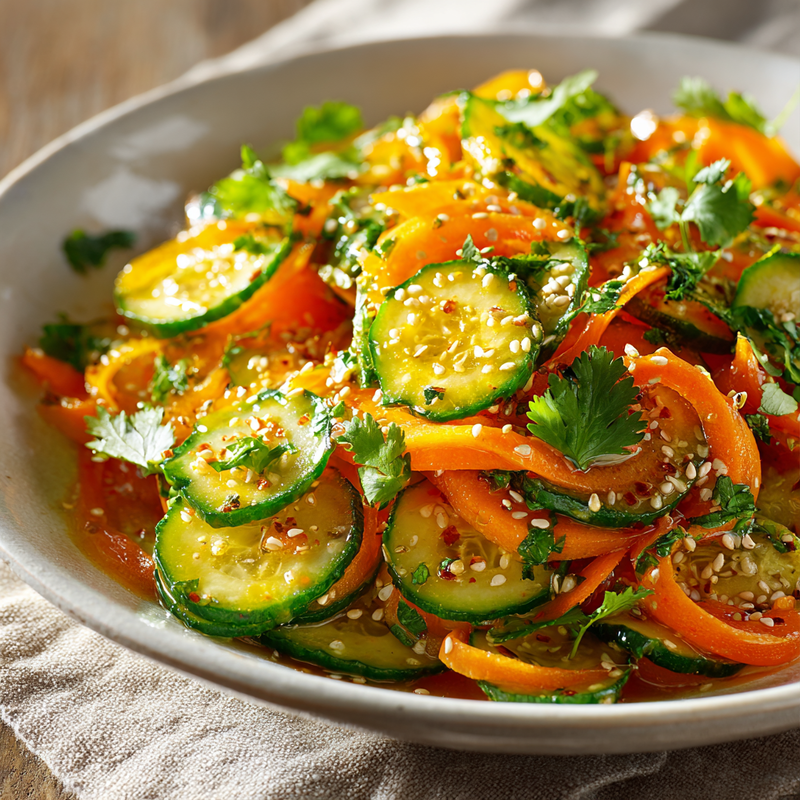
The Origins and History
The pairing of cucumbers and carrots in salad form spans multiple culinary traditions, making it difficult to trace to a single origin point. In Vietnamese cuisine, variations of this salad appear as accompaniments to rich, savory dishes, providing cooling contrast and palate-cleansing properties. Middle Eastern cuisines have long celebrated raw vegetable salads, often dressed simply with lemon and olive oil, allowing the natural sweetness of carrots and the refreshing quality of cucumbers to shine through. Korean banchan traditions include similar preparations, where the vegetables might be lightly pickled or dressed with sesame oil and rice vinegar.
What makes regional variations distinct often comes down to the dressing components and the supporting ingredients. A Southeast Asian version might incorporate lime juice, fish sauce (or in halal preparations, soy sauce), fresh herbs like cilantro and mint, and a touch of sugar to balance the acid. Middle Eastern interpretations lean toward lemon juice, olive oil, and sometimes a hint of sumac for tartness. Japanese-inspired versions often feature rice vinegar, sesame oil, and toasted sesame seeds. Each approach respects the fundamental appeal of these two vegetables: their crunch, their ability to absorb flavors, and their refreshing quality.
In modern home kitchens, the cucumber carrot salad has evolved into an everyday staple precisely because it requires no cooking and can be adapted to whatever flavor profile matches the main dish. It has become the answer to "what should I serve alongside this?" for countless meals, from grilled meats to grain bowls. The salad has also gained recognition in health-conscious circles as a nutrient-dense, low-calorie option that doesn't sacrifice flavor or satisfaction.
Understanding the Flavor Profile
At its core, a well-executed cucumber carrot salad delivers a complex interplay of tastes and textures that seems almost miraculous given its simplicity. The cucumbers provide a cool, subtly vegetal base with high water content that makes every bite refreshing. Carrots contribute natural sweetness and a firmer, more substantial crunch that contrasts beautifully with the tender-crisp cucumber. When you dress these vegetables properly, you're layering acidity (from vinegar or citrus), a touch of sweetness (to balance the acid), saltiness (which enhances all the other flavors), and often a hint of heat or aromatics from additions like garlic or ginger.
The magic happens when the dressing penetrates the vegetables just enough to season them without making them soggy. The acid brightens the natural flavors, the salt draws out subtle sweetness from the carrots, and any aromatic additions provide depth that prevents the salad from tasting one-dimensional. If you add fresh herbs—cilantro, mint, or parsley—they introduce green, peppery notes that lift everything. A drizzle of sesame oil or a sprinkle of toasted seeds adds nutty richness that rounds out the brightness.
Texturally, the goal is to maintain that satisfying snap when you bite into either vegetable. The cucumbers should yield gently but still have structure, never mushy or waterlogged. The carrots should retain their firm crunch, offering resistance that makes the salad feel substantial rather than watery. When properly balanced, each forkful delivers refreshment, crunch, brightness, and just enough richness to keep you reaching for another bite.
Essential Ingredients Explained
The foundation of any exceptional cucumber carrot salad begins with selecting the right cucumbers. English cucumbers, also called hothouse cucumbers, work beautifully because they have thin skins, minimal seeds, and a mild flavor without bitterness. Persian cucumbers are another excellent choice, offering the same benefits in a smaller package with even more concentrated cucumber flavor. Regular garden cucumbers can work if you peel them and scoop out the seeds, but they often have thicker, waxier skins and larger seed cavities that can make the salad watery. Look for firm cucumbers without soft spots, and give them a gentle squeeze—they should feel solid, not spongy.
Carrots deserve equal attention in the selection process. Choose medium-sized carrots with vibrant orange color and smooth skin, avoiding those with cracks or white, chalky patches that indicate age and dryness. Baby carrots can work in a pinch, but whole carrots that you peel and julienne yourself will have better flavor and texture. The natural sugars in fresh carrots intensify when they're cut and allowed to sit briefly, contributing essential sweetness to the salad. Organic carrots often have more pronounced flavor, though conventional carrots work perfectly well when thoroughly washed and peeled.
For the dressing, rice vinegar stands as my preferred acid because it provides bright tanginess without harsh sharpness, and its subtle sweetness complements both vegetables beautifully. White wine vinegar or apple cider vinegar can substitute, though you might want to add a touch more sweetener to balance their stronger acidity. Fresh lime or lemon juice creates a different but equally delicious profile, especially if you're leaning toward a Southeast Asian or Middle Eastern flavor direction.
The sweetener—whether granulated sugar, honey, or maple syrup—isn't just about adding sweetness; it balances the acid and helps the dressing cling to the vegetables. Salt is crucial and non-negotiable; it amplifies flavors and, when used in the pre-salting step, transforms the texture of cucumbers by drawing out excess moisture. Sesame oil adds nutty depth that makes the salad feel more complex and satisfying, though you can substitute with a good quality olive oil for a different character. Fresh aromatics like garlic, ginger, or scallions provide the backbone that prevents the salad from tasting flat, while fresh herbs add the final layer of brightness and complexity.
Mastering the Technique
The technique for creating an outstanding cucumber carrot salad revolves around five critical stages, each building upon the last to create the perfect balance of texture and flavor. The first stage involves preparing your vegetables with precision. Slice your cucumbers uniformly—whether you choose thin rounds, half-moons, or long ribbons made with a vegetable peeler. Consistency in size matters because it ensures even seasoning and a cohesive eating experience. For carrots, julienne them into matchsticks roughly the same thickness as your cucumber slices, or use a julienne peeler for speed and uniformity. This attention to uniform cutting isn't fussiness; it's the difference between a professional-looking salad and one that feels haphazard.
The second stage is the crucial salting step that many home cooks skip, not realizing how transformative it is. Place your sliced cucumbers in a colander, sprinkle them generously with salt, and let them sit for fifteen to twenty minutes. This process, called degorging, draws out excess water that would otherwise dilute your dressing and make the salad watery. The cucumbers will release a surprising amount of liquid and become slightly wilted, which actually improves their texture by making them more tender-crisp rather than watery-crisp. After the resting period, rinse the cucumbers briefly under cold water to remove excess salt, then pat them thoroughly dry with paper towels or a clean kitchen cloth.
The third stage involves building your dressing with intention. Whisk together your acid, sweetener, salt, and any aromatics in a bowl large enough to eventually hold all your vegetables. Taste it at this point—it should taste almost too intense on its own, slightly too acidic and too salty, because the vegetables will dilute and absorb these flavors. Add your oil last, whisking to create an emulsion that will coat the vegetables evenly rather than separating into pools at the bottom of the bowl.
The fourth stage is the combining and resting period. Add your prepared cucumbers and carrots to the dressing, tossing gently but thoroughly to ensure every piece is coated. At this point, you face a choice: serve immediately for maximum crunch, or let the salad rest for twenty to thirty minutes for the flavors to meld and penetrate the vegetables more deeply. I often split the difference, combining everything about fifteen minutes before serving. During this time, the vegetables will continue to soften slightly and absorb the dressing, creating a more cohesive flavor profile while still maintaining satisfying texture.
The fifth and final stage happens just before serving: the adjustment and finishing touches. Taste your cucumber carrot salad and make corrections—does it need more acid for brightness? More sweetener to balance? A pinch of salt to make everything pop? This is when you add fresh herbs, toasted sesame seeds, or any garnishes that would wilt or lose their impact if added earlier. Give everything one final gentle toss, transfer to your serving bowl, and resist the urge to over-handle it, which can bruise the vegetables and make them release more water.
Common Pitfalls and How to Fix Them
One of the most frequent mistakes occurs when cooks skip the salting step for cucumbers, resulting in a salad that starts crisp but becomes increasingly watery as it sits. If you've already combined your salad and notice it's swimming in liquid, don't despair—carefully drain off the excess liquid, add a bit more dressing to compensate for what was diluted, and serve immediately. Going forward, always salt and drain your cucumbers, and consider doing the same with tomatoes or other high-moisture additions.
Another common pitfall is cutting the vegetables into pieces that are too thick or too irregularly sized. When your carrot sticks are substantially thicker than your cucumber slices, the eating experience becomes awkward, with some bites being all carrot crunch and others all cucumber softness. If you discover this issue mid-preparation, take the time to re-cut the offending vegetables—it only takes a few extra minutes and dramatically improves the final result. For future preparations, invest in a mandoline or a sharp knife and practice your knife skills; the time spent on even cutting pays dividends in presentation and texture.
Over-dressing is another trap that transforms a bright, crisp salad into a soggy, heavy one. The vegetables should be lightly coated and glistening, not drowning in pools of dressing. If you've added too much dressing, you can add more vegetables to absorb the excess, or carefully drain some off and reserve it for another use. When making the cucumber carrot salad in the future, add your dressing gradually, tossing and tasting as you go, until you achieve the perfect balance.
Some cooks make their dressing too timid, afraid of bold flavors, and end up with a salad that tastes bland despite quality ingredients. Remember that the dressing needs to be assertive enough to season relatively neutral vegetables like cucumbers. If your finished salad tastes flat, it almost always needs more acid or salt. Add these elements gradually, tasting after each addition, until the flavors suddenly come alive and taste balanced.
Wilted herbs and soggy garnishes plague salads that are dressed too far in advance. If you're preparing your cucumber carrot salad more than thirty minutes before serving, keep your fresh herbs, toasted nuts, and seeds separate, adding them only at the last moment. Should you find yourself with wilted herbs already mixed in, there's no perfect fix, but you can refresh the salad somewhat by adding a handful of fresh herbs just before serving to provide some bright, crisp contrast.
Regional Twists Worth Trying
The Vietnamese-inspired version of cucumber carrot salad incorporates fresh lime juice, a small amount of soy sauce or tamari for umami depth, sugar, thinly sliced red onion, and an abundance of fresh herbs—particularly cilantro, mint, and Thai basil if you can find it. The result is intensely aromatic, with the herbs providing almost as much volume as the vegetables themselves. Some versions include crushed roasted peanuts for richness and crunch, and you might add thinly sliced jalapeño for heat. This variation pairs beautifully with grilled meats or noodle dishes.
A Middle Eastern interpretation emphasizes lemon juice and olive oil as the primary dressing components, often with a touch of minced garlic and a sprinkle of sumac for its distinctive tart, slightly fruity flavor. This version tends to be simpler, with fewer ingredients but a focus on the quality of each component—the fruitiness of the olive oil, the brightness of fresh lemon, the quality of the salt. Fresh parsley and sometimes dill provide the herbal element, and you might add diced tomatoes and red onion to expand it into a more substantial salad.
Korean-influenced versions feature rice vinegar, sesame oil, and often a touch of gochugaru (Korean red pepper flakes) for heat. The dressing might include a small amount of sugar and soy sauce, creating a balance of sweet, salty, tangy, and spicy. Toasted sesame seeds are essential here, providing nutty flavor and visual appeal. Some versions include thinly sliced scallions and a hint of grated ginger for aromatic complexity. This variation works wonderfully alongside grilled meats or as part of a larger spread of vegetable dishes.
A Japanese-inspired approach uses rice vinegar sweetened with a bit of sugar, a touch of soy sauce, and sesame oil. The technique might involve creating quick-pickled versions of the vegetables by combining them with the dressing and refrigerating for an hour or more. Sliced cucumbers become almost translucent and deeply flavored, while carrots soften slightly but maintain their structure. This version often includes wakame seaweed for additional texture and mineral complexity, transforming the simple cucumber carrot salad into something more substantial.
The Perfect Spread
A well-composed cucumber carrot salad serves as the ideal counterpoint to rich, savory main dishes, providing refreshing contrast that cleanses the palate and brightens the entire meal. When planning your spread, consider the temperature, texture, and flavor intensity of everything else on the table. If you're serving grilled meats or kebabs with charred, smoky flavors, the cool crispness of this salad provides essential balance. The acidity cuts through richness, while the crunch offers textural variety against tender proteins.
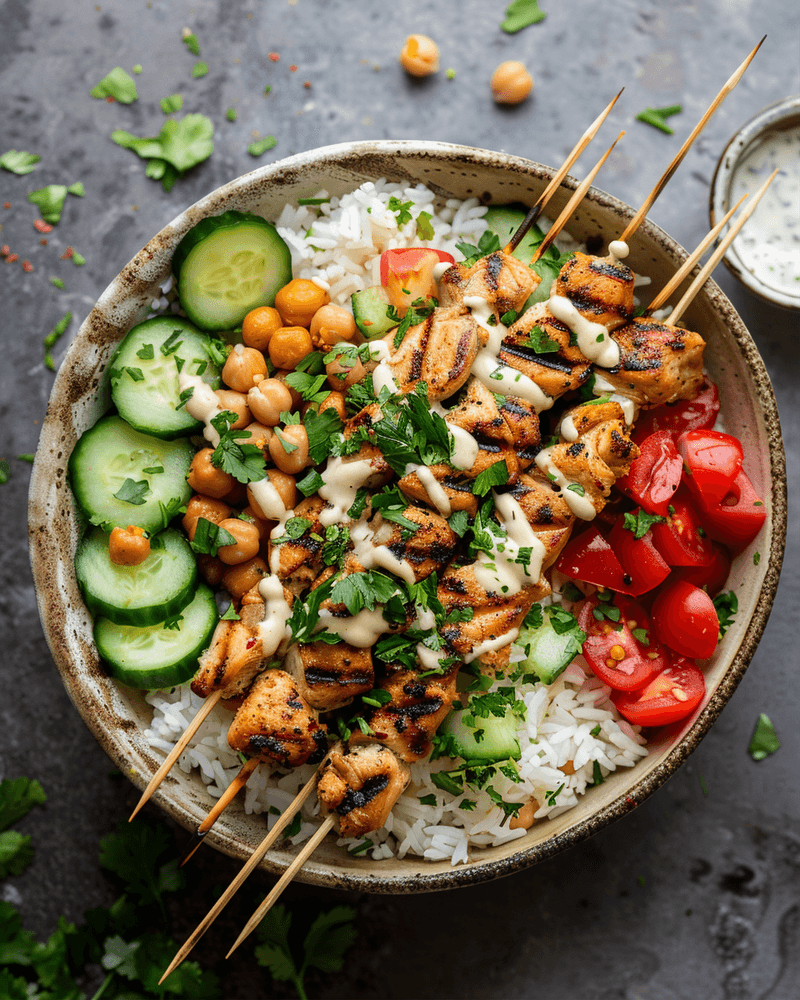
For a complete meal, pair your cucumber carrot salad with aromatic rice dishes—whether a simple pilaf, fragrant basmati, or coconut rice—and a protein like grilled chicken, lamb kofta, or baked fish. The rice provides substance and soaks up any extra dressing that pools at the bottom of your salad bowl, while the protein offers richness that the salad balances beautifully. Add flatbread or pita for scooping, and you have a meal that feels abundant without being heavy.
Modern pairings might include grain bowls, where the cucumber carrot salad sits alongside quinoa or farro, roasted vegetables, and a tahini dressing or yogurt sauce. The salad's brightness prevents the bowl from feeling monotonous and heavy. It also works beautifully as part of a mezze-style spread with hummus, baba ganoush, olives, stuffed grape leaves, and various vegetable preparations. In this context, it provides crucial freshness among many room-temperature or warm dishes.
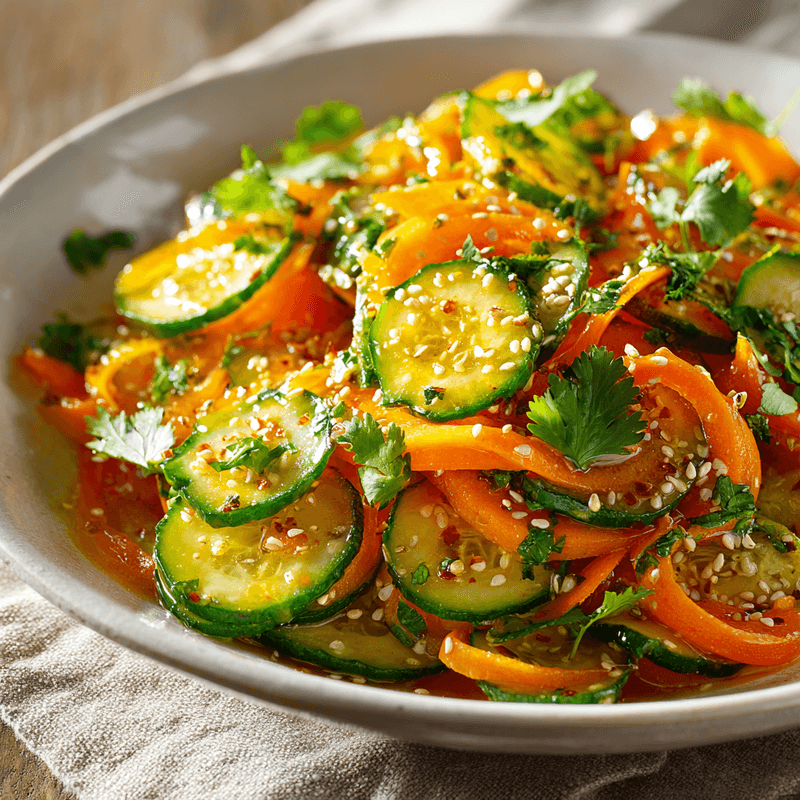
Think about color and visual appeal when plating your spread. The orange and green of the cucumber carrot salad pops against neutral grains and brown grilled meats, making the entire table more inviting. Serve the salad in a shallow bowl or on a platter rather than a deep dish, which shows off the beautiful vegetable ribbons and makes it easier for guests to serve themselves. A final sprinkle of fresh herbs or sesame seeds just before bringing it to the table adds polish and signals that care went into every element of the meal.
Keeping and Reheating
Unlike many dishes that improve with time, cucumber carrot salad is best enjoyed within a few hours of preparation, though it can be stored successfully with the right approach. If you plan to make it ahead, keep the vegetables and dressing separate, combining them only thirty minutes to an hour before serving. The prepared, dried vegetables can be stored in an airtight container in the refrigerator for up to twenty-four hours, and the dressing can be whisked together and refrigerated separately for up to three days.
Once dressed, the salad will maintain acceptable quality for about twenty-four hours in the refrigerator, though the vegetables will continue to soften and release water as time passes. Store it in a container with a tight-fitting lid, and expect to drain off some accumulated liquid before serving leftovers. You can refresh day-old cucumber carrot salad somewhat by adding a handful of freshly sliced cucumbers or carrots, a squeeze of fresh citrus, and some additional herbs. This dilutes the softened vegetables with crisp new ones and brightens the flavors that may have mellowed overnight.
Interestingly, some variations actually benefit from an overnight rest, particularly those that lean toward quick-pickling techniques with higher ratios of vinegar and sugar. These versions are intentionally meant to soften and absorb flavors more deeply, creating something closer to a pickle than a fresh salad. If you're making this style, you can prepare it up to three days ahead, and the flavors will actually develop and improve over time.
Reheating is not applicable for this dish, as it's always served cold or at room temperature. In fact, temperature matters significantly to the eating experience. If your cucumber carrot salad has been refrigerated, consider removing it about fifteen minutes before serving to take the chill off, which allows the flavors to express themselves more fully. Vegetables that are too cold can taste muted and less vibrant. That said, on particularly hot days, a well-chilled version straight from the refrigerator can be exactly what you want—refreshing and almost shockingly crisp.
Your Questions Answered
Can I make cucumber carrot salad without the salting step?
You can skip the salting step, but I strongly encourage you to try it at least once to understand the difference it makes. Salting cucumbers draws out excess moisture that would otherwise dilute your dressing and create a watery salad. The process also seasons the cucumbers from within and creates a more tender-crisp texture that many people find more pleasant than the raw, watery crunch of unsalted cucumbers. If you're truly in a rush, at minimum, slice your cucumbers and let them sit in a colander for even just five to ten minutes with salt—it's better than nothing.
What's the best way to slice carrots for this salad?
The best method depends on your knife skills and available tools. A julienne peeler creates perfect, uniform matchsticks quickly and requires no knife skills, making it ideal for beginners or when you're short on time. If you're comfortable with a knife, hand-cutting julienne gives you more control over the thickness and creates a more rustic, artisanal appearance. Alternatively, you can use a regular vegetable peeler to create long ribbons of carrot, which provide a different but equally appealing texture. A box grater works in a pinch, though the resulting pieces are smaller and less visually striking.
How far in advance can I prepare this for a gathering?
For optimal texture and flavor, prepare your vegetables up to twenty-four hours ahead, keeping them stored separately in the refrigerator in airtight containers. Make your dressing up to three days ahead and refrigerate it in a jar with a tight lid. Combine the vegetables and dressing no more than one hour before serving, which gives the flavors time to meld without allowing the vegetables to become waterlogged. If you're transporting the salad to a gathering, keep everything separate and combine on-site, or accept that it will be slightly softer than the just-made version.
Can I substitute other vegetables or add to this base recipe?
Absolutely, and I encourage experimentation once you've mastered the basic technique. Thinly sliced radishes add peppery bite and beautiful color, while bell peppers contribute sweetness and crunch. Thinly sliced red cabbage offers gorgeous purple hues and additional texture. Snap peas or snow peas, thinly sliced, provide sweet crunch and a vibrant green element. Just remember to consider the water content of any additions—vegetables with high moisture should be salted and drained like cucumbers, while drier vegetables can be added directly.
What if I don't have rice vinegar?
Rice vinegar can be substituted with other mild acids, though each will shift the flavor profile slightly. White wine vinegar works well but has a sharper taste, so you might want to add a touch more sweetener to balance it. Apple cider vinegar provides fruity notes that complement carrots particularly well. Fresh lime or lemon juice creates a brighter, more citrus-forward version that's especially good in Southeast Asian-style variations. In a pinch, even plain white vinegar will work if you balance it carefully with sugar and don't use too much.
Why does my salad taste bland even though I followed the recipe?
Blandness typically signals underseasoning, most often insufficient salt or acid. Remember that vegetables have a lot of mass and relatively mild flavor, so they require assertive seasoning to taste vibrant. If your cucumber carrot salad tastes flat, start by adding salt in small increments, tasting after each addition—you'll likely notice the point where suddenly all the flavors wake up and taste balanced. If it's still bland after adequate salt, add more acid (vinegar or citrus juice) until it tastes bright. Fresh herbs can also dramatically increase the flavor impact without adding more salt or acid, so don't skimp on the cilantro, mint, or parsley.
Cucumber Carrot Salad
A refreshing, crisp salad featuring thinly sliced cucumbers and julienned carrots in a bright, tangy dressing. Perfect as a light side dish for any meal.
Prep Time
20 min
Cook Time
0 min
Total Time
20 min
Servings
6 servings
Ingredients
For 6 servings
- 2 large English cucumbers, thinly sliced into rounds or half-moons
- 3 medium carrots, peeled and julienned into matchsticks
- 1 tablespoon salt, for degorging cucumbers
- 3 tablespoons rice vinegar
- 2 tablespoons granulated sugar
- 1 tablespoon sesame oil
- 2 cloves garlic, minced
- 1 teaspoon fresh ginger, grated
- 1 teaspoon soy sauce
- 1/2 teaspoon salt, for dressing
- 2 scallions, thinly sliced
- 1/4 cup fresh cilantro, roughly chopped
- 2 tablespoons toasted sesame seeds
- 1 red fresno chili, thinly sliced (optional, for heat)
Instructions
- 1
Prepare the cucumbers
Slice the English cucumbers into uniform thin rounds or half-moons, about 1/8-inch thick. Place the sliced cucumbers in a colander set over a bowl and sprinkle with 1 tablespoon of salt. Toss gently to distribute the salt evenly and let stand for 15-20 minutes to draw out excess moisture.
- 2
Prepare the carrots
While the cucumbers are degorging, peel the carrots and cut them into thin matchsticks using a julienne peeler, sharp knife, or mandoline. Aim for pieces about 2 inches long and uniformly thin so they match the cucumber slices in size and will be evenly dressed.
- 3
Rinse and dry cucumbers
After the resting period, rinse the salted cucumbers briefly under cold running water to remove excess salt. Transfer them to a clean kitchen towel or layer of paper towels and pat thoroughly dry, removing as much moisture as possible. This step is crucial for preventing a watery salad.
- 4
Make the dressing
In a large mixing bowl, whisk together the rice vinegar, sugar, soy sauce, and 1/2 teaspoon salt until the sugar dissolves completely. Add the minced garlic and grated ginger, stirring to combine. Finally, whisk in the sesame oil until the dressing is well emulsified and slightly thickened.
- 5
Combine vegetables and dressing
Add the dried cucumber slices and julienned carrots to the bowl with the dressing. Using clean hands or salad tongs, toss gently but thoroughly, ensuring every piece of vegetable is coated with dressing. Be careful not to break or bruise the vegetables during this process.
- 6
Rest the salad
Allow the dressed salad to rest at room temperature for 15-20 minutes, tossing occasionally. This resting period allows the flavors to meld and the vegetables to absorb the dressing while still maintaining their crisp texture. Alternatively, refrigerate if making slightly ahead.
- 7
Add fresh elements
Just before serving, add the sliced scallions and chopped fresh cilantro to the salad, tossing gently to distribute. These fresh additions provide bright, aromatic notes that would diminish if added too early. If using fresh chili slices, add them now as well.
- 8
Garnish and serve
Transfer the cucumber carrot salad to a shallow serving bowl or platter. Sprinkle the toasted sesame seeds evenly over the top as a final garnish, which adds nutty flavor and visual appeal. Serve immediately for the best texture, or within 2-3 hours of dressing for optimal quality.
Nutrition Facts
Per serving (estimated)
85 calories
Calories
14g
Carbs
2g
Protein
3g
Fat
3g
Fiber
520mg
Sodium
9g
Sugar