Crispy One-Pan Lemon Herb Spring Chicken with Potatoes
Master this crispy one-pan lemon herb spring chicken recipe with baby potatoes. Golden skin, tender meat, and roasted potatoes in one dish—pure comfort!
cookwithlucia.com/recipes/crispy-one-pan-lemon-herb-spring-chicken-recipe-with-baby-potatoes-made-easy
There's something profoundly satisfying about a dish that delivers restaurant-quality results with home-kitchen simplicity. The crispy one-pan lemon herb spring chicken recipe with baby potatoes represents centuries of Mediterranean cooking wisdom distilled into a single, glorious sheet pan. This isn't just about convenience, though the minimal cleanup is certainly welcome. It's about understanding how high heat, proper seasoning, and strategic ingredient placement can transform simple ingredients into something that makes your kitchen smell like a European countryside tavern.
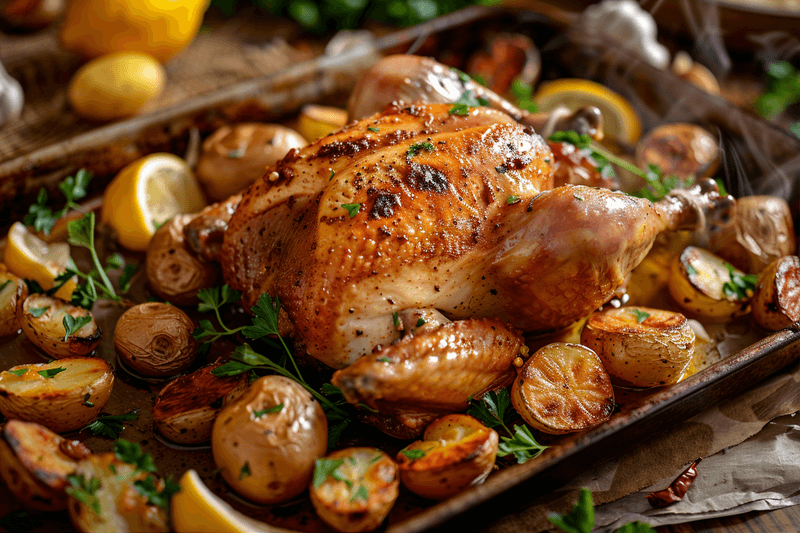
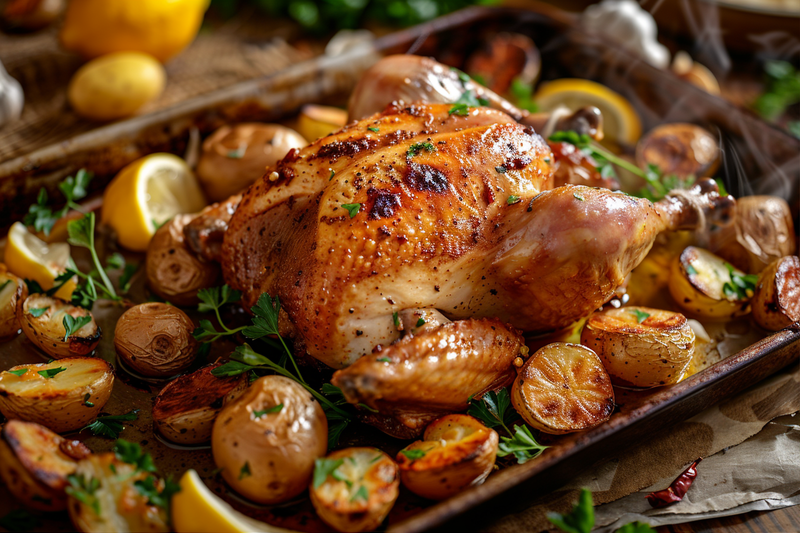
The first time I tasted a truly exceptional version of this dish, I was struck by the contrast: skin so crisp it shattered at the touch of a fork, yet meat so tender it nearly fell from the bone. The potatoes underneath had absorbed every drop of the herb-infused juices, becoming creamy inside while developing golden, caramelized edges. The bright acidity of lemon cut through the richness, making each bite as satisfying as the first.
I won't pretend this recipe requires no effort. You'll need to properly dry your chicken, take time to season it thoroughly, and resist the urge to open the oven door every few minutes. But here's what I promise: if you follow the techniques I'm about to share, you'll master a dish that's equally appropriate for a quiet family dinner or when you're hosting guests who appreciate good food. This is your complete guide to understanding not just what to do, but why each step matters.
The Origins and History
The tradition of roasting chicken with potatoes and citrus traces its roots to the sun-drenched kitchens of the Mediterranean, where resourceful cooks have long understood the magic of combining protein, starch, and acid in a single cooking vessel. While variations exist from southern France through Italy and Greece to the Middle East, the fundamental principle remains constant: use what's available, waste nothing, and let time and heat work their transformative magic.
In rural communities across these regions, this style of cooking emerged from necessity as much as creativity. Families would raise their own chickens, harvest herbs from kitchen gardens, and rely on potatoes as a filling, affordable staple. The lemon provided not just flavor but also acted as a natural tenderizer, its acid breaking down proteins while its oils perfumed the entire dish. What began as peasant food has evolved into a celebrated preparation that appears on tables from casual trattorias to upscale bistros.
Modern home cooks have embraced this crispy one-pan lemon herb spring chicken recipe with baby potatoes because it aligns perfectly with contemporary cooking values: minimal equipment, straightforward technique, and maximum flavor. The adaptation to sheet pan cooking—rather than traditional roasting pans—has made the dish even more accessible, allowing for better heat circulation and crispier results. Each region still claims its own version, some favoring rosemary and thyme, others preferring oregano and garlic, but all share the same delicious DNA.
Understanding the Flavor Profile
This dish succeeds because it achieves perfect balance across multiple taste dimensions. The chicken itself provides savory depth, its fat rendering during cooking to create those irresistible crispy bits. The herbs—typically a combination of rosemary, thyme, and sometimes oregano—contribute earthy, slightly piney notes that complement poultry beautifully. The lemon brings essential brightness, its acidity cutting through richness and preventing the dish from feeling heavy.
As the crispy one-pan lemon herb spring chicken recipe with baby potatoes cooks, the flavors don't just sit alongside each other—they actively build and transform. The chicken fat drips onto the potatoes, seasoning them from within. The lemon juice concentrates as water evaporates, intensifying its tang while the zest releases aromatic oils. The garlic mellows and sweetens, losing its sharp bite and developing a nutty complexity. By the time the dish emerges from the oven, you've created layers of flavor that taste like they required far more effort than they actually did.
Texturally, perfection means crispy, golden skin that audibly crackles when you cut into it, giving way to meat that's tender and juicy throughout. The potatoes should offer a pleasant contrast: creamy interiors that have absorbed all those savory juices, surrounded by crispy, caramelized exteriors. This interplay between crispy and tender, rich and bright, makes every forkful interesting.
Essential Ingredients Explained
The quality of your chicken determines the success of your entire dish. Look for a spring chicken or young fryer weighing between three and four pounds—large enough to feed four people but small enough to cook through before the skin burns. The skin should look pale, smooth, and free of tears. If you can find air-chilled chicken rather than water-chilled, even better—it will have drier skin that crisps more readily. Some butchers label these as "roasting chickens," and they're worth seeking out for this crispy one-pan lemon herb spring chicken recipe with baby potatoes.
Baby potatoes, sometimes called new potatoes or creamers, bring a naturally buttery flavor and thin, delicate skins that don't require peeling. Choose potatoes that are roughly uniform in size—about one to two inches in diameter—so they cook evenly. Red, gold, or a colorful mix all work beautifully. Their waxy texture holds up better to roasting than starchy russets, and they develop those coveted crispy edges while maintaining creamy centers.
Fresh lemons are non-negotiable here. You'll use both the juice and the zest, and the aromatic oils in fresh lemon peel contribute complexity that bottled juice simply cannot match. Roll your lemons firmly on the counter before cutting to break down the internal membranes and release more juice. For this recipe, you'll need about three medium lemons—two for juice and zest, one cut into wedges for roasting alongside the chicken.
Fresh herbs make an enormous difference. Dried herbs have their place, but for this dish, you want the brightness and complexity that only fresh rosemary and thyme can provide. Look for sprigs with vibrant color and no brown spots. The rosemary should snap cleanly when you bend it, and the thyme leaves should cling tightly to their stems. If fresh herbs are truly unavailable, use one-third the amount of dried, but know that the flavor profile will shift slightly.
Garlic cloves should be fresh and firm, with no green shoots emerging from the center. Those shoots turn bitter when roasted, so remove them if present. For this recipe, you'll use whole cloves that roast alongside the chicken, becoming sweet and spreadable by the time the dish is done. Some cooks smash the cloves with the side of a knife to release more flavor, and I encourage this approach.
Extra virgin olive oil serves multiple purposes: it helps seasonings adhere to the chicken skin, promotes browning, and carries fat-soluble flavor compounds throughout the dish. Choose an oil with good flavor but not your most expensive, delicate variety—the high heat will mellow its nuances anyway. You'll need about a quarter cup total for coating both the chicken and potatoes.
Mastering the Technique
The foundation of achieving truly crispy skin begins hours before cooking, ideally the night before. After removing your chicken from its packaging, pat it completely dry with paper towels, then leave it uncovered on a rack set over a plate in your refrigerator. This air-drying process removes surface moisture that would otherwise steam the skin during cooking, preventing that coveted crispness. If you're short on time, at minimum pat the chicken very thoroughly dry and let it sit at room temperature for thirty minutes before cooking.
Seasoning must be thorough and intentional. Salt is your most important tool—it needs to penetrate beneath just the surface. For this crispy one-pan lemon herb spring chicken recipe with baby potatoes, season the cavity first with salt and stuff it with lemon halves and herb sprigs. These will perfume the meat from within as they release steam. Then massage oil into the skin and season generously with salt and pepper on all surfaces. Don't be timid—a four-pound chicken needs about two teaspoons of salt total. The lemon zest, minced herbs, and garlic create a paste that you'll rub all over the skin and under the breast skin if you're feeling ambitious.
Prepping the potatoes correctly ensures they'll crisp rather than steam. Halve them to create flat surfaces that will caramelize against the pan. Toss them with olive oil, salt, pepper, and some of the same herbs you're using on the chicken. The key insight here is arrangement: spread the potatoes in a single layer on your sheet pan first, then place the chicken directly on top of them. This positioning allows the chicken fat and juices to drip onto the potatoes, flavoring them while the elevated chicken gets hot air circulation on all sides.
Roasting temperature and timing follow a simple but crucial pattern. Start your oven hot—425°F—to encourage rapid skin crisping and browning. The high heat renders fat quickly, and as that fat coats the skin, it fries in its own juices. A four-pound chicken will typically need fifty to sixty minutes, but the only reliable test is internal temperature. Insert an instant-read thermometer into the thickest part of the thigh without touching bone—you're looking for 165°F. The breast will reach temperature slightly before the thighs, which is why we roast breast-side up, allowing the darker meat extra heat exposure.
Resting is the final, often-overlooked step that separates good results from exceptional ones. When you remove your crispy one-pan lemon herb spring chicken recipe with baby potatoes from the oven, resist immediate carving. Transfer the chicken to a cutting board and tent it loosely with foil for fifteen minutes. During this rest, the muscle fibers relax and reabsorb juices that would otherwise flood your cutting board. The potatoes can stay in the turned-off oven or be transferred to a serving dish, where they'll remain hot while the chicken rests.
Common Pitfalls and How to Fix Them
The most frequent disappointment I hear about is soggy skin, and moisture is almost always the culprit. If you've struggled with this, your chicken likely went into the oven with too much surface moisture. Beyond thorough patting dry, ensure your oven is fully preheated—sliding chicken into a lukewarm oven means it spends crucial minutes steaming rather than roasting. If you discover halfway through cooking that your skin isn't crisping as expected, increase the temperature to 450°F for the final fifteen minutes, watching carefully to prevent burning.
Dry breast meat plagues many home cooks, but this usually indicates overcooking rather than a flaw in the recipe itself. Investing in an instant-read thermometer eliminates guesswork—when the thigh reaches 165°F, remove the chicken immediately. Some cooks prefer pulling it at 160°F, knowing carryover cooking will bring it to 165°F during resting. Never rely solely on cooking times, as oven temperatures vary and chicken sizes differ.
Potatoes that remain stubbornly pale and soft typically weren't given enough space. Crowding prevents moisture from escaping, causing steaming rather than roasting. Use a large sheet pan—eighteen by thirteen inches is ideal for this crispy one-pan lemon herb spring chicken recipe with baby potatoes—and resist the urge to pile potatoes high. If your potatoes are particularly small and cook faster than the chicken, remove them early and keep them warm while the chicken finishes.
Overly salty results sometimes catch people off guard, especially if they've also used salted butter or don't account for salt in herb blends. Remember that as liquids evaporate during roasting, flavors concentrate. Start with the recommended amount of salt, knowing you can always add more at serving but cannot remove excess. Taste your potatoes halfway through cooking if you're concerned—they're the element most likely to become oversalted since they absorb drippings.
If your pan drippings threaten to burn, creating acrid smoke and bitter flavors, add a half cup of chicken stock or water to the pan about thirty minutes into cooking. This liquid will deglaze the caramelized bits, creating the foundation for a quick pan sauce if desired. Check every fifteen minutes and add more liquid if needed—those dark brown bits are flavor gold, but true black means they've crossed into burnt territory.
Regional Twists Worth Trying
The French Provençal approach to this dish emphasizes lavender alongside traditional herbs, adding a floral note that pairs beautifully with lemon. They often include black olives scattered among the potatoes and sometimes artichoke hearts. The result feels more delicate and aromatic, perfect for warmer weather dining. If you try this variation of the crispy one-pan lemon herb spring chicken recipe with baby potatoes, use culinary lavender sparingly—just half a teaspoon or it will taste soapy.
Greek versions lean heavily on oregano, often using it fresh rather than dried, and include whole cherry tomatoes that burst during roasting, creating a light sauce. They might add a handful of crumbled feta cheese in the final five minutes of cooking, letting it soften and meld with the other flavors. The Greek interpretation also typically includes more garlic—sometimes up to a full head of cloves—and finishes with a drizzle of high-quality olive oil at serving.
Middle Eastern preparations of similar dishes incorporate warm spices like cumin, coriander, and sumac, transforming the flavor profile entirely. Fresh cilantro might replace parsley, and preserved lemons could stand in for fresh. Some versions add chickpeas alongside the potatoes for additional protein and texture. The spice blend called za'atar makes a particularly wonderful crust when mixed with the olive oil before rubbing on the chicken.
Spanish cooks might prepare this with saffron threads bloomed in the lemon juice, lending a golden hue and distinctive aroma to the dish. Smoked paprika often appears as well, adding depth without heat. Instead of baby potatoes, some Spanish versions use thick-cut potato wedges and include sliced bell peppers for sweetness and color.
The Perfect Spread
This crispy one-pan lemon herb spring chicken recipe with baby potatoes is substantial enough to serve as the centerpiece of your meal, but thoughtful accompaniments elevate the entire experience. A simple green salad dressed with lemon vinaigrette provides refreshing contrast to the rich roasted flavors. The acidity echoes the lemon in the main dish while crisp lettuce offers textural relief. Consider adding shaved fennel or cucumber to your salad for extra crunch.
Warm flatbread or crusty artisan bread serves a practical purpose—it's perfect for sopping up the herb-infused pan juices that collect beneath the potatoes. If you want to extend the meal further, consider a grain-based side like herbed couscous or lemony rice pilaf. These starches can be prepared while the chicken roasts, and they absorb the pan juices beautifully when plated together.
Roasted or grilled vegetables add color and nutritional balance. Asparagus, green beans, or broccolini all complement the lemon and herbs without competing for attention. If you're feeding a crowd and want to keep everything simple, add these vegetables directly to the sheet pan about twenty minutes before the chicken finishes cooking.
For a truly Mediterranean-inspired spread, include a dish of good olive oil mixed with za'atar or other herbs for dipping bread, along with marinated olives and a simple tomato salad dressed with nothing more than olive oil and flaky salt. These elements turn the meal into a relaxed, communal affair where everyone can customize their plate.
Keeping and Reheating
Proper storage extends the life of your crispy one-pan lemon herb spring chicken recipe with baby potatoes while maintaining quality. Once the chicken and potatoes have cooled to room temperature—which should happen within two hours of cooking for food safety—separate the meat from the bones if you're storing leftovers. Carved meat takes up less space and reheats more evenly than whole pieces. Store chicken and potatoes in separate airtight containers in the refrigerator where they'll keep for three to four days.
Interestingly, while the crispy skin won't survive storage—moisture from the meat itself will soften it—the flavors actually deepen overnight as the herbs and lemon permeate the meat more thoroughly. Many people find the chicken even more flavorful the next day, even if the texture changes slightly. The potatoes hold up remarkably well, maintaining their creamy interiors though their exteriors will also soften.
For reheating, avoid the microwave if possible—it will turn everything rubbery. Instead, spread chicken and potatoes on a sheet pan and reheat in a 350°F oven for fifteen to twenty minutes until heated through. If you want to recrisp the skin slightly, finish under the broiler for two to three minutes, watching constantly. Alternatively, reheat individual portions in a covered skillet over medium-low heat, which keeps the meat moist while gently warming everything through.
Freezing is possible but not ideal for this dish. The potatoes will become mealy and unpleasant when thawed, so freeze only the chicken if you must. Wrap carved chicken pieces tightly in plastic wrap, then foil, and freeze for up to three months. Thaw overnight in the refrigerator before reheating. For best results, I recommend cooking only what you'll eat within a few days.
Your Questions Answered
Can I use chicken pieces instead of a whole bird?
Absolutely, and this actually reduces cooking time significantly. Bone-in, skin-on thighs and drumsticks work beautifully with this method, requiring only thirty-five to forty minutes at 425°F. Arrange them skin-side up on top of the potatoes just as you would the whole chicken. The trade-off is that a whole bird provides more dramatic presentation and yields those wonderful pan drippings, but pieces offer easier serving and portion control for casual family dinners.
What if I don't have a sheet pan large enough?
You can use a large roasting pan or even divide the recipe between two smaller sheet pans, though you'll need to rotate them halfway through cooking for even results. Alternatively, reduce the recipe—a three-pound chicken with one and a half pounds of potatoes fits comfortably on a standard thirteen-by-nine-inch pan. Just remember that a smaller chicken will cook faster, so start checking temperature around forty minutes. The key principle remains constant: give everything enough space for air to circulate.
How do I know when the potatoes are done?
The potatoes should be fork-tender in the center and golden brown on their cut surfaces. They'll typically finish at the same time as the chicken since they're absorbing heat both from the oven and from the hot chicken fat dripping onto them. If you're concerned they're cooking too quickly, you can add them to the pan fifteen minutes after the chicken starts roasting. Conversely, if they seem undercooked when the chicken reaches temperature, remove the chicken to rest and return the potatoes to the oven while the chicken rests.
Can I prepare this dish ahead for a gathering?
You can complete several steps in advance to make day-of cooking easier. Season the chicken up to twenty-four hours ahead and refrigerate it uncovered, which also aids in skin drying. Prep your potatoes by halving and storing them in cold water to prevent browning, draining and drying them thoroughly before tossing with oil and seasonings. Make your herb-lemon paste ahead and refrigerate. On cooking day, simply assemble everything on the sheet pan and roast. The entire crispy one-pan lemon herb spring chicken recipe with baby potatoes comes together quickly when components are prepped.
What's the best way to scale this recipe for more people?
Rather than trying to roast two chickens simultaneously on one pan—which leads to crowding and steaming—use two sheet pans and rotate their oven positions halfway through cooking. Alternatively, if you're feeding eight to ten people, consider a larger roaster chicken weighing six to seven pounds, which will need about ninety minutes at 400°F rather than 425°F. Increase the potatoes proportionally, and be prepared to use multiple pans if needed to maintain that crucial single layer.
Can I make this recipe dairy-free?
This crispy one-pan lemon herb spring chicken recipe with baby potatoes is naturally dairy-free as written, relying entirely on olive oil for fat. Some variations call for butter rubbed under the skin, but it's completely unnecessary for achieving crispy, flavorful results. If you're serving dairy-free guests, just double-check that any bread or side dishes you're offering are also free from dairy, and you'll have a meal that works for various dietary needs while still delivering incredible flavor and satisfaction.
Crispy One-Pan Lemon Herb Spring Chicken Recipe with Baby Potatoes Made Easy
A complete roasted chicken with golden crispy skin and tender meat, served over caramelized baby potatoes infused with lemon, herbs, and pan drippings.
Prep Time
20 min
Cook Time
60 min
Total Time
80 min
Servings
4 servings
Ingredients
For 4 servings
- 1 whole spring chicken, 3.5-4 pounds
- 2 pounds baby potatoes, halved
- 3 medium lemons (2 zested and juiced, 1 quartered)
- 6 cloves garlic, smashed
- 4 sprigs fresh rosemary
- 8 sprigs fresh thyme
- 1/4 cup extra virgin olive oil, divided
- 2 teaspoons kosher salt, divided
- 1 teaspoon freshly ground black pepper
- 1/2 teaspoon garlic powder
- Fresh parsley, chopped for garnish
Instructions
- 1
Dry the chicken
Remove chicken from packaging and pat completely dry with paper towels, inside and out. For best results, place uncovered on a rack over a plate in the refrigerator for 4-24 hours to air-dry the skin. If short on time, pat very dry and let sit at room temperature for 30 minutes.
- 2
Prepare herb mixture
In a small bowl, combine the zest of 2 lemons, juice of 1 lemon, 3 tablespoons olive oil, minced leaves from 2 rosemary sprigs and 4 thyme sprigs, and garlic powder. Mix into a paste. This aromatic mixture will infuse the chicken with Mediterranean flavors.
- 3
Season the chicken
Preheat oven to 425°F. Season the chicken cavity with 1/2 teaspoon salt and stuff with lemon quarters and remaining herb sprigs. Rub the herb-lemon paste all over the chicken skin, getting into all the crevices. Season generously with remaining salt and black pepper.
- 4
Prepare the potatoes
In a large bowl, toss halved baby potatoes with remaining olive oil, juice of remaining lemon, remaining minced herbs, 1 teaspoon salt, and pepper. Make sure each potato piece is well coated. The flat cut sides will caramelize beautifully during roasting.
- 5
Arrange on sheet pan
Spread seasoned potatoes in a single layer on a large rimmed sheet pan (18x13 inches). Nestle smashed garlic cloves among the potatoes. Place the seasoned chicken directly on top of the potatoes, breast-side up. This arrangement allows chicken drippings to flavor the potatoes while elevating the bird for even cooking.
- 6
Roast the chicken
Roast for 50-60 minutes, until an instant-read thermometer inserted into the thickest part of the thigh reads 165°F without touching bone. The skin should be deep golden brown and crispy. If potatoes brown too quickly, tent them loosely with foil while chicken finishes cooking.
- 7
Rest the chicken
Remove pan from oven and transfer chicken to a cutting board. Tent loosely with foil and let rest for 15 minutes. This resting period allows juices to redistribute throughout the meat, ensuring moist, tender results when carved.
- 8
Finish and serve
While chicken rests, toss the potatoes on the sheet pan to coat them in the accumulated pan juices. Carve the chicken into pieces, arrange on a platter with the potatoes, and garnish with fresh chopped parsley. Serve immediately with crusty bread to soak up the flavorful juices.
Nutrition Facts
Per serving (estimated)
485 calories
Calories
32g
Carbs
42g
Protein
21g
Fat
4g
Fiber
680mg
Sodium
2g
Sugar