Creamy Slow Cooker Tuscan Chicken Orzo Recipe
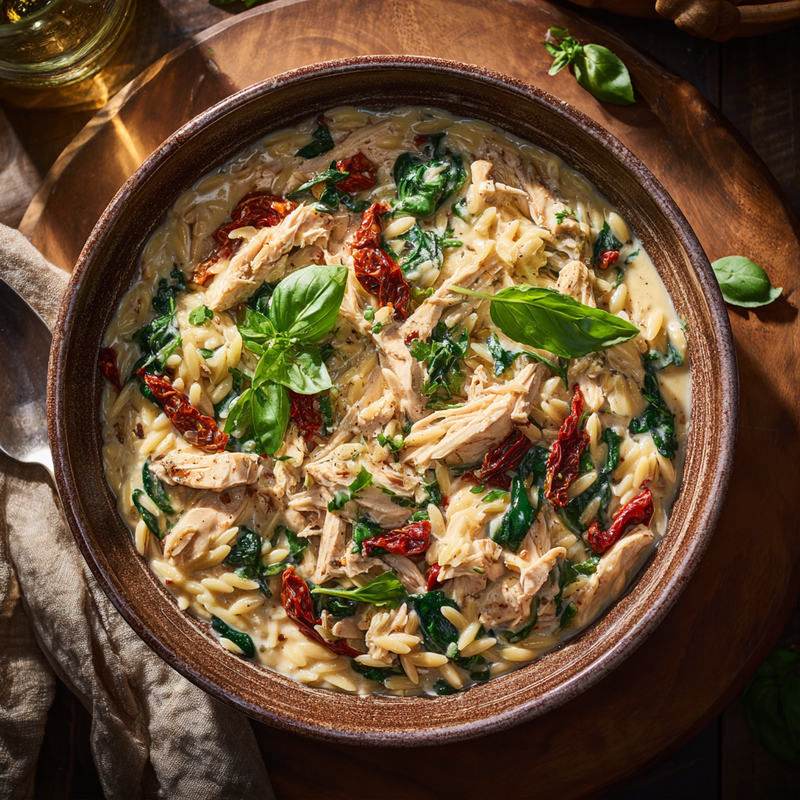
Master this creamy slow cooker Tuscan chicken orzo with rich Mediterranean flavors. Tender chicken, sun-dried tomatoes, spinach in luxurious sauce.
cookwithlucia.com/recipes/creamy-slow-cooker-tuscan-chicken-orzo-with-mediterranean-orzo-vibes
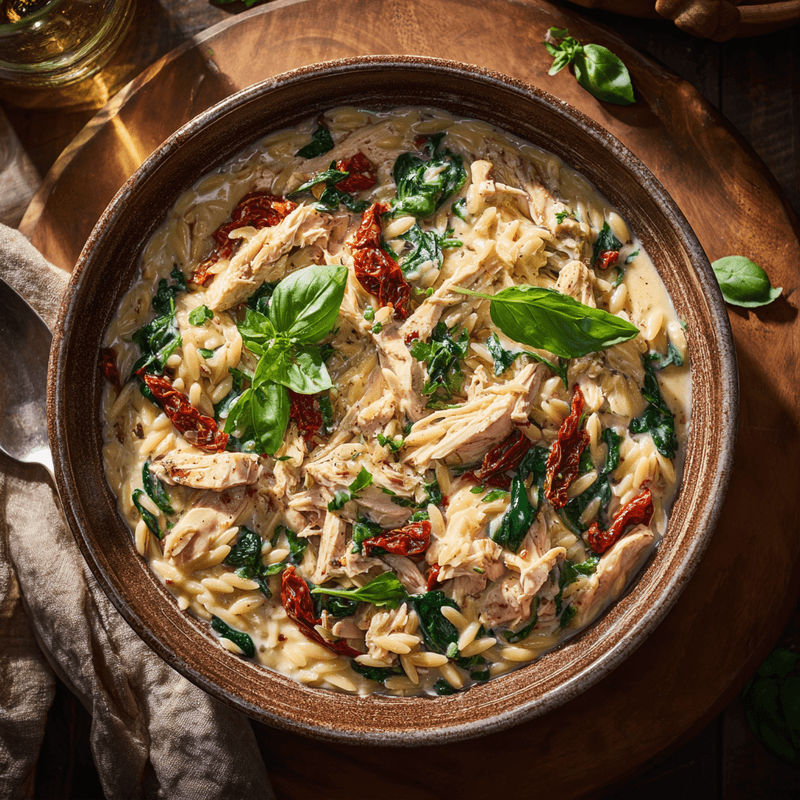
The hills of Tuscany have given the world some of its most beloved comfort foods, and when you taste a truly exceptional version of creamy slow cooker Tuscan chicken orzo, you understand why this dish has captured hearts across continents. The combination of tender chicken, vibrant sun-dried tomatoes, fresh spinach, and tiny orzo pasta swimming in a luscious cream sauce represents everything beautiful about Mediterranean cooking: bold flavors, simple techniques, and ingredients that transform into something greater than the sum of their parts. I won't pretend I learned this recipe from a grandmother in Florence, but I can tell you that perfecting this dish has taught me invaluable lessons about layering flavors and working with the slow cooker in ways that maximize both convenience and taste.
This creamy slow cooker Tuscan chicken orzo does require some planning and attention to detail, particularly when it comes to timing the orzo addition and achieving that signature silky sauce consistency. But here's what makes every minute worthwhile: you'll end up with a one-pot meal that tastes like you've been standing over the stove for hours, when in reality, the slow cooker has done most of the heavy lifting. The chicken becomes so tender it practically falls apart at the touch of a fork. The orzo absorbs all those Mediterranean flavors while maintaining its delicate texture. And that sauce—creamy, savory, with just the right amount of tang from sun-dried tomatoes—coats every component perfectly.
This guide will walk you through not just the steps, but the why behind each technique. You'll learn how to prevent common slow cooker pitfalls, when to add each ingredient for optimal results, and how to adjust the recipe to suit your preferences while maintaining its essential Tuscan character.
The Origins and History
Tuscan cuisine has always celebrated simplicity and quality ingredients, though the creamy slow cooker Tuscan chicken orzo as we know it today is actually a modern American interpretation of Italian flavors rather than a traditional Tuscan dish. In authentic Tuscan cooking, cream is used sparingly, and pasta dishes tend to feature robust, rustic sauces built on olive oil, garlic, and tomatoes. The addition of cream, sun-dried tomatoes, and spinach creates what Americans recognize as "Tuscan" style—a nod to Italian flavors through a contemporary lens.
The slow cooker element adds another layer of cultural fusion, as this appliance became a staple of American home cooking in the 1970s and has since been adapted to prepare dishes from every cuisine imaginable. The marriage of Italian-inspired ingredients with slow cooker convenience reflects how modern home cooks adapt traditional techniques to fit busy lifestyles. Regional variations of this dish have emerged across the United States, with some versions incorporating artichoke hearts, others adding white beans for extra heartiness, and still others experimenting with different herbs like fresh basil or oregano alongside the traditional spinach.
What makes this particular preparation special is how it captures the spirit of Mediterranean cooking—the generous use of garlic, the brightness of sun-dried tomatoes, the earthiness of spinach—while delivering the comfort and convenience that modern families need. The dish has evolved in home kitchens to become more forgiving and adaptable, with cooks discovering that the slow cooker actually intensifies the flavors in ways that quick stovetop versions cannot match.
Understanding the Flavor Profile
The creamy slow cooker Tuscan chicken orzo delivers a complex, layered flavor experience that balances richness with brightness. At its core, you'll taste the savory depth of well-seasoned chicken, which forms the foundation of the entire dish. The cream provides luxurious body and a subtle sweetness that mellows the more assertive flavors, while the sun-dried tomatoes contribute an intense, concentrated tanginess with slight caramelized notes that cut through the richness beautifully.
Garlic plays a crucial aromatic role, infusing the sauce with its pungent warmth, while Italian herbs like basil, oregano, and thyme add earthy, slightly floral notes that signal "Mediterranean" to your palate. The spinach, wilted into the sauce near the end of cooking, brings a gentle mineral quality and fresh green flavor that keeps the dish from feeling too heavy. The orzo itself acts as a flavor sponge, absorbing the seasoned cream sauce while contributing its own subtle wheat flavor and satisfying, tender-chewy texture.
When executed perfectly, each bite should offer creamy comfort balanced by tangy brightness, with the herbs providing aromatic complexity and the chicken offering substantial, savory satisfaction. The texture should be luxuriously creamy but not gluey, with the orzo tender yet distinct, the chicken fork-tender, and the spinach silky and integrated into the sauce.
Essential Ingredients Explained
Boneless, skinless chicken thighs are the foundation of this creamy slow cooker Tuscan chicken orzo, and choosing thighs over breasts makes a tremendous difference. Thighs contain more intramuscular fat and connective tissue, which means they remain moist and tender even after hours in the slow cooker, while breasts tend to dry out and become stringy. Look for thighs that are roughly equal in size so they cook evenly, and trim any excess fat around the edges, though some marbling throughout is desirable.
Sun-dried tomatoes packed in olive oil are essential for authentic flavor—they provide concentrated tomato essence with a slight sweetness and chewy texture that dried tomatoes simply cannot match. The oil they're packed in is also valuable; reserve some to add to your sauce for extra flavor. If you can only find dry-packed sun-dried tomatoes, rehydrate them in hot water for fifteen minutes and add a tablespoon of good olive oil to compensate. The quality varies significantly, so look for tomatoes that are deep red, pliable, and not overly tough or leathery.
Heavy cream creates the signature luxurious sauce, and there's really no substitute that will give you the same result. Heavy cream has enough fat content to withstand the long, slow cooking without breaking or curdling. Half-and-half or milk will separate and create a grainy texture, though if you must lighten the dish, use half heavy cream and half full-fat coconut cream for a different but still rich result.
Chicken broth forms the liquid base and should be high quality—either homemade or a good store-bought version with rich, savory flavor and minimal sodium so you can control the seasoning. Low-sodium is preferable because the sauce will reduce and concentrate during cooking, and you'll also be adding cheese later, which brings its own saltiness.
Orzo, that rice-shaped pasta, is not interchangeable with other small pastas in this recipe. Its size and shape allow it to cook perfectly in the slow cooker during the final phase without becoming mushy. Look for orzo made from durum wheat for the best texture and flavor. Avoid whole wheat orzo here, as it tends to become gummy in the slow cooker environment and doesn't absorb the creamy sauce as beautifully.
Fresh spinach adds color, nutrients, and that essential fresh element that balances the richness. Baby spinach is ideal because it's tender and requires minimal wilting time. A five-ounce container typically provides the perfect amount—it seems like a lot when raw, but spinach reduces dramatically when cooked. Frozen spinach can work in a pinch, but squeeze it thoroughly to remove all excess moisture or your sauce will become watery.
Garlic should be fresh, not jarred or powdered, for this dish. The slow cooking mellows garlic's harsh bite while deepening its aromatic qualities, creating a sweet, complex flavor that jarred garlic simply cannot provide. Use four to six cloves depending on your preference, and mince them finely so they distribute evenly throughout the sauce.
Italian seasoning blend saves time while providing that characteristic herb profile, but if you prefer to mix your own, combine dried basil, oregano, thyme, and a small amount of rosemary. The dried herbs actually work better than fresh in slow cooker applications because they release their flavors gradually over the long cooking time, whereas fresh herbs can turn bitter or lose their potency.
Mastering the Technique
The technique for creamy slow cooker Tuscan chicken orzo unfolds in distinct stages, each designed to build flavor and texture. The first stage involves seasoning your chicken thighs generously with salt, pepper, and a portion of your Italian seasoning. This initial seasoning is critical because it's your opportunity to season the protein itself, not just the sauce around it. Many cooks make the mistake of adding all seasonings to the liquid, which leaves the chicken itself bland even when the sauce tastes good.
The second stage is the layering process in your slow cooker. Place the seasoned chicken thighs in a single layer at the bottom of your slow cooker—this ensures even cooking and allows each piece to be surrounded by the flavorful liquid. In a separate bowl, whisk together your chicken broth, one cup of the heavy cream, minced garlic, remaining Italian seasoning, and a pinch of red pepper flakes if you enjoy subtle heat. This pre-mixing ensures the flavors are evenly distributed from the start rather than creating pockets of concentrated garlic or seasoning.
Pour this mixture over the chicken, then scatter your chopped sun-dried tomatoes across the top. The oil from the tomatoes will float and create aromatic pockets throughout the sauce. Set your slow cooker to low and let the magic happen for five to six hours. During this time, the chicken is becoming tender, the tomatoes are releasing their concentrated flavor, and the garlic is mellowing into sweet, aromatic complexity.
The third stage is the critical orzo addition, which happens in the final forty-five minutes of cooking. This timing is absolutely essential—add the orzo too early and it becomes mushy and overdone; too late and it remains crunchy and undercooked. Remove the chicken pieces to a cutting board and shred them with two forks. The meat should be so tender it practically falls apart. Stir the uncooked orzo into the sauce remaining in the slow cooker, ensuring every grain is submerged in liquid. If the sauce level seems low, add another half cup of broth at this point.
The fourth stage involves returning the shredded chicken to the slow cooker along with the remaining heavy cream and grated cheese. The additional cream ensures the sauce stays luxurious even as the orzo absorbs liquid during cooking. Stir everything together, cover, and cook on high for forty to forty-five minutes, stirring once halfway through to prevent the orzo from clumping or sticking to the bottom.
The final stage is finishing the dish with fresh spinach. About five minutes before serving, stir in your fresh spinach leaves and let them wilt into the sauce. The residual heat is sufficient to wilt the spinach perfectly without overcooking it to a drab olive color. Taste and adjust your seasoning with salt and pepper, and if the sauce seems too thick, stir in a splash of broth or cream. If it's too thin, leave the lid off for five to ten minutes to allow excess moisture to evaporate. The finished creamy slow cooker Tuscan chicken orzo should be creamy and spoonable but not soupy, with every component tender and infused with flavor.
Common Pitfalls and How to Fix Them
One of the most frequent mistakes with creamy slow cooker Tuscan chicken orzo is adding the orzo at the beginning of cooking alongside the chicken. I understand the appeal—true one-step cooking sounds ideal—but orzo simply cannot withstand six hours in a slow cooker without turning into a gummy, bloated mess. If you've already made this mistake and your orzo is overcooked, the dish is still salvageable for immediate eating, though the texture won't be ideal and it won't reheat well. The lesson here is to treat the orzo as a separate component with its own timing requirements.
Another common issue is a sauce that breaks or appears grainy rather than smooth and creamy. This happens when the cooking temperature is too high or when lower-fat dairy products are used. If you notice your sauce looking separated or curdled, try whisking in a tablespoon of cream cheese or a slurry made from one tablespoon of cornstarch mixed with two tablespoons of cold cream. Whisk vigorously while the sauce is hot, and the emulsifiers in the cream cheese or the starch in the cornstarch will help bring the sauce back together into a cohesive, creamy consistency.
Dry, stringy chicken is a pitfall that usually results from using chicken breasts instead of thighs, or from cooking on high heat for too long. If your chicken has already become dry, shred it finely so the small pieces can reabsorb moisture from the sauce, and add an extra quarter cup of cream along with a tablespoon of butter to increase the sauce's richness and help compensate for the dry protein. For future batches, stick with thighs and use the low setting for the long cooking period.
A watery, thin sauce is frustrating after hours of cooking, and it typically results from adding too much liquid initially or from using frozen spinach that wasn't properly drained. If your sauce is too thin, remove the lid during the final fifteen minutes of cooking to allow excess moisture to evaporate, or stir in two tablespoons of cream cheese which will thicken the sauce while adding tangy richness. You can also make a quick slurry with one tablespoon cornstarch and two tablespoons cold water, stir it into the sauce, and let it cook for five more minutes until thickened.
Orzo that clumps together in a solid mass rather than remaining as individual grains happens when the orzo isn't stirred during its cooking time or when there isn't enough liquid for it to cook properly. If you catch this early, add a half cup of hot broth and stir vigorously to separate the grains, then continue cooking with the lid off, stirring every ten minutes. The extra stirring and added liquid will help the grains separate. For prevention, always stir the orzo once halfway through its cooking time.
Finally, bland flavor despite following the recipe usually means you under-seasoned the chicken itself or used low-quality ingredients like weak broth or flavorless dried herbs. If your finished dish tastes flat, boost it with a squeeze of fresh lemon juice, which brightens all the flavors, along with additional salt, freshly cracked black pepper, and a sprinkle of freshly grated cheese. A drizzle of good olive oil and some torn fresh basil at serving time can also elevate the flavor profile dramatically.
Regional Twists Worth Trying
The beauty of creamy slow cooker Tuscan chicken orzo lies in its adaptability to various regional Mediterranean influences. A Greek-inspired version transforms the dish by replacing the sun-dried tomatoes with chopped kalamata olives and adding crumbled feta cheese instead of the usual addition of cheese. The olives provide briny, fruity notes that contrast beautifully with the cream, while the feta adds tangy, salty pops throughout. Finish with a squeeze of lemon juice and fresh dill for an entirely different but equally delicious experience.
For a Moroccan twist that maintains the creamy element while introducing warm spices, add a teaspoon of ground cumin, half a teaspoon of cinnamon, and a quarter teaspoon of ground ginger to your initial seasoning blend. Replace half the spinach with chopped fresh cilantro, and stir in a quarter cup of toasted slivered almonds just before serving. The warming spices create an entirely different aromatic profile while the almonds add textural contrast that traditional Tuscan versions lack.
A Southern French or Provençal interpretation might include adding quartered artichoke hearts along with the sun-dried tomatoes, using herbes de Provence instead of Italian seasoning, and stirring in a tablespoon of grainy mustard during the final stage. This version has a more pronounced herbaceous quality with subtle floral notes from the lavender in herbes de Provence, while the mustard adds a gentle tang that complements the cream beautifully.
If you want to lean into Spanish flavors, add a generous pinch of smoked paprika to your seasonings, include sliced roasted red peppers instead of sun-dried tomatoes, and finish with a handful of fresh parsley and a drizzle of good Spanish olive oil. The smoked paprika infuses the entire dish with a subtle smokiness that pairs wonderfully with the creamy sauce, creating a completely different flavor experience while maintaining the comfort-food appeal of the original.
The Perfect Spread
Creamy slow cooker Tuscan chicken orzo is substantial enough to serve as a complete one-dish meal, but thoughtful accompaniments can transform it into an impressive spread for family gatherings. A simple arugula salad dressed with lemon vinaigrette provides the perfect counterpoint to the rich, creamy pasta—the peppery greens and bright, acidic dressing cut through the richness and refresh your palate between bites. Toss the arugula with shaved cheese, toasted pine nuts, and paper-thin slices of red onion for added complexity.
Warm, crusty bread is essential for soaking up every bit of that luxurious sauce. Choose a rustic Italian loaf or focaccia, and serve it warm from the oven with good olive oil for dipping. The bread serves a practical purpose beyond mere accompaniment—it ensures not a drop of that flavorful cream sauce goes to waste. If you want to elevate the bread service, rub the warm slices with a cut garlic clove and drizzle with herb-infused olive oil.
Roasted vegetables add color, nutrition, and textural variety to the plate. Roasted cherry tomatoes, zucchini, and bell peppers seasoned simply with olive oil, salt, and pepper complement the Mediterranean flavors without competing with them. The caramelized edges of roasted vegetables provide a pleasant contrast to the creamy pasta, and their bright colors make the plate more visually appealing.
For a lighter, refreshing element, consider serving a cucumber and tomato salad with red onion and fresh herbs, dressed with olive oil and a splash of vinegar. This provides a crisp, cool contrast to the warm, rich main dish and helps balance the overall meal.
Keeping and Reheating
Creamy slow cooker Tuscan chicken orzo stores well and actually develops even deeper flavors after a night in the refrigerator, though the texture of the orzo will change slightly. Transfer any leftovers to an airtight container within two hours of cooking, and store in the refrigerator for up to four days. The sauce will thicken considerably as it cools because the orzo continues to absorb liquid even when cold, so don't be alarmed if your leftovers look much thicker than the original dish.
When reheating, add liquid to restore the creamy consistency—use either chicken broth, cream, or a combination of both. For every two cups of leftover orzo, add about a quarter cup of liquid. Reheat gently on the stovetop over medium-low heat, stirring frequently to prevent sticking and to distribute the added liquid evenly. The stovetop method is superior to the microwave because it allows you to monitor and adjust the consistency as the dish warms, ensuring you don't end up with dried-out pasta or an unevenly heated serving.
If you must use the microwave, add your liquid first, cover the dish with a damp paper towel to create steam, and heat in one-minute intervals, stirring between each interval. This prevents hot spots and helps the sauce reintegrate smoothly. The microwave method works adequately for individual portions but becomes less reliable for larger quantities.
Freezing this dish is possible but comes with caveats—cream sauces can separate when frozen and thawed, and the orzo texture will soften further. If you do freeze it, portion it into individual servings in freezer-safe containers, leaving half an inch of headspace for expansion, and freeze for up to two months. Thaw overnight in the refrigerator, then reheat on the stovetop with added cream, stirring constantly. While the texture won't be quite as perfect as freshly made, it's still delicious and far superior to many freezer meals.
Your Questions Answered
Can I make this creamy slow cooker Tuscan chicken orzo on the stovetop instead?
Absolutely, and the stovetop method actually gives you more control over timing and consistency. Season and brown the chicken thighs in a large, deep skillet or Dutch oven, then remove them and set aside. In the same pan, sauté your garlic briefly, then add the broth, one cup of cream, sun-dried tomatoes, and seasonings. Return the chicken to the pan, cover, and simmer on low for forty-five minutes until the chicken is tender. Remove the chicken, shred it, add the orzo to the liquid, and cook for about twelve minutes until the orzo is tender, then stir in the remaining cream, chicken, cheese, and spinach.
How can I make this dish lighter without sacrificing too much creaminess?
The most effective strategy is to replace half the heavy cream with full-fat coconut milk, which provides richness and body with slightly less dairy fat. You can also use half the amount of cream and thicken the sauce with pureed white beans instead—blend half a can of white beans with a quarter cup of broth until smooth, then stir this into the sauce. This adds creaminess, body, and protein while reducing the overall fat content. Another option is to use Greek yogurt for the final addition of cream, stirring it in off the heat to prevent curdling, which adds tanginess and protein.
Can I prepare components ahead for easier weeknight cooking?
Yes, advance preparation makes this even more convenient for busy schedules. Season the chicken thighs and store them in the refrigerator overnight. Mix your broth, one cup of cream, garlic, and seasonings in a container and refrigerate. Chop your sun-dried tomatoes and measure your orzo. In the morning, simply combine the chicken and liquid mixture in your slow cooker, add the tomatoes, and set it to cook. When you return home, you'll only need to add the orzo, remaining cream, and finish with spinach and cheese—a total of about fifteen minutes of active work for a complete dinner.
What's the best way to scale this recipe for a larger gathering?
Creamy slow cooker Tuscan chicken orzo scales beautifully, but keep in mind your slow cooker's capacity. Most standard slow cookers hold six quarts, which can accommodate up to double the recipe comfortably. When doubling, increase the initial cooking time by about an hour to ensure the larger quantity of chicken cooks through properly, but keep the orzo cooking time the same—it still only needs forty to forty-five minutes regardless of quantity. If you're serving a crowd of twelve or more, consider making two batches in two slow cookers rather than trying to triple the recipe in one large cooker, as overcrowding can lead to uneven cooking.
Can I use a different type of pasta if I don't have orzo?
While orzo works best due to its size and cooking time, small pasta shapes like ditalini, small shells, or even broken spaghetti can work as substitutes. The key is adjusting the cooking time—test the pasta starting at thirty minutes and check every five minutes until it reaches your desired tenderness. Larger pasta shapes will require more cooking time and may absorb more liquid, so have extra broth on hand to add if needed. Avoid delicate pastas like angel hair, which will disintegrate in the slow cooker environment, and very large shapes like rigatoni, which won't cook evenly in this method.
How do I prevent the garlic from becoming bitter during the long cooking time?
Garlic can indeed develop a bitter edge if cooked too aggressively or for too long at high temperatures, but the gentle, moist environment of the slow cooker on low actually mellows garlic beautifully rather than making it bitter. The key is to mince it finely so it distributes evenly and doesn't form concentrated pockets that might brown against the hot slow cooker walls. If you're particularly sensitive to bitter garlic, you can reduce the initial amount and add some freshly minced garlic during the last hour of cooking for a brighter, more pronounced garlic flavor layered with the mellower notes from the long-cooked garlic.
Creamy Slow Cooker Tuscan Chicken Orzo
Tender chicken thighs slow-cooked in a luxurious cream sauce with sun-dried tomatoes, garlic, spinach, and orzo pasta for the ultimate Mediterranean comfort meal.
Prep Time
15 min
Cook Time
6h
Total Time
6h 15m
Servings
6 servings
Ingredients
For 6 servings
- 2 pounds boneless, skinless chicken thighs, trimmed
- 1 teaspoon salt
- 1/2 teaspoon black pepper
- 2 tablespoons Italian seasoning, divided
- 2 cups low-sodium chicken broth
- 1 1/2 cups heavy cream, divided
- 6 cloves garlic, minced
- 1/4 teaspoon red pepper flakes
- 1 cup sun-dried tomatoes in oil, drained and chopped
- 1 1/2 cups uncooked orzo pasta
- 5 ounces fresh baby spinach
- 1/2 cup grated cheese
- 2 tablespoons reserved sun-dried tomato oil
- Fresh basil for garnish, optional
Instructions
- 1
Season the chicken
Pat the chicken thighs dry with paper towels and season both sides generously with salt, black pepper, and 1 tablespoon of the Italian seasoning. Ensure the seasoning is evenly distributed across all pieces. Set the seasoned chicken aside while you prepare the sauce mixture.
- 2
Prepare sauce mixture
In a medium bowl, whisk together the chicken broth, 1 cup of the heavy cream, minced garlic, remaining 1 tablespoon Italian seasoning, and red pepper flakes. Whisk until the ingredients are well combined and the garlic is evenly distributed throughout the liquid. This ensures even flavor throughout the cooking process.
- 3
Layer slow cooker
Arrange the seasoned chicken thighs in a single layer at the bottom of your slow cooker, ensuring they don't overlap significantly. Pour the prepared sauce mixture over the chicken, making sure each piece is partially submerged. Scatter the chopped sun-dried tomatoes evenly over the top and drizzle with the reserved tomato oil.
- 4
Initial slow cooking
Cover the slow cooker with its lid and cook on LOW for 5 to 6 hours, until the chicken is extremely tender and cooked through to an internal temperature of 165°F. The chicken should be tender enough to shred easily with a fork. Do not open the lid during cooking as this releases heat and extends cooking time.
- 5
Shred chicken and add orzo
Carefully remove the chicken thighs to a cutting board using tongs or a slotted spoon. Shred the chicken into bite-sized pieces using two forks. Stir the uncooked orzo into the sauce remaining in the slow cooker, ensuring all the pasta is submerged in liquid. If the liquid level seems low, add up to 1/2 cup additional broth.
- 6
Return chicken and add cream
Return the shredded chicken to the slow cooker along with the remaining 1/2 cup of heavy cream and the grated cheese. Stir everything together until well combined, ensuring the orzo is evenly distributed and not clumping. The additional cream ensures the sauce stays luxurious as the orzo absorbs liquid.
- 7
Cook orzo to tender
Cover the slow cooker and cook on HIGH for 40 to 45 minutes, stirring once halfway through at the 20-minute mark. The orzo should be tender but still have a slight bite, and the sauce should be creamy and coat the pasta. If the mixture seems too thick, stir in a splash of broth or cream.
- 8
Add spinach and finish
Stir in the fresh baby spinach and let it sit for 5 minutes with the lid on, allowing the residual heat to wilt the spinach into the sauce. Taste and adjust seasoning with additional salt and pepper as needed. The spinach should be wilted but still bright green.
- 9
Rest and serve
Let the dish rest for 5 minutes with the lid off to allow the sauce to thicken to the perfect consistency. If the sauce is too thin, leave the lid off for an additional 5 minutes. Serve hot, garnished with fresh basil if desired, and with crusty bread for soaking up the delicious sauce.
Nutrition Facts
Per serving (estimated)
625 calories
Calories
42g
Carbs
38g
Protein
34g
Fat
3g
Fiber
680mg
Sodium
5g
Sugar