Creamy Queso Rice with Juicy Steak Strips Recipe
Master this creamy queso rice with juicy steak strips! Learn the secrets to perfectly cooked steak, velvety cheese sauce, and fluffy rice in one dish.
cookwithlucia.com/recipes/creamy-queso-rice-with-juicy-steak-strips
There's something magical about mastering a recipe that combines multiple techniques into one showstopping dish. When you learn to cook creamy queso rice with juicy steak strips, you're not just following a recipe—you're developing foundational skills that'll transform dozens of future meals. The way perfectly seared steak meets fluffy, cheese-laden rice isn't just delicious; it's a masterclass in texture contrast and flavor building.
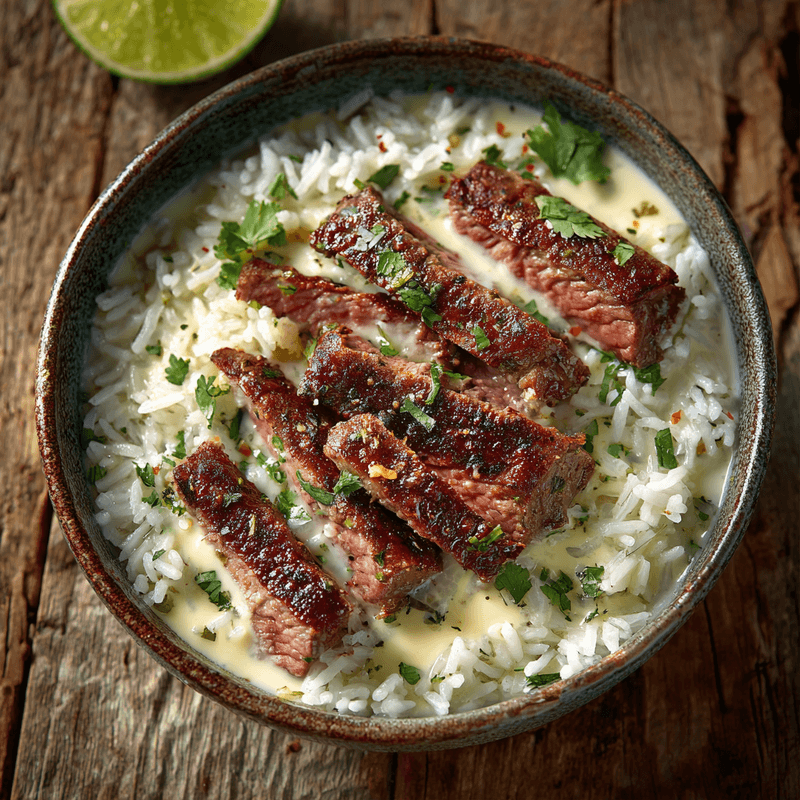
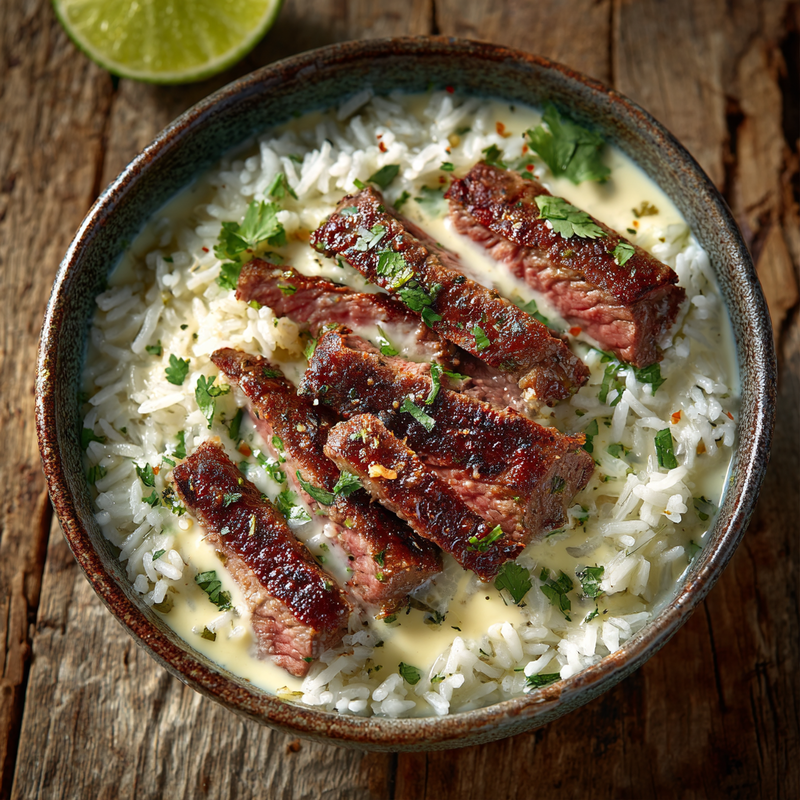
Picture this: tender strips of steak with a golden-brown crust that locks in every bit of juice, nestled atop a bed of rice so creamy it coats your spoon, with melted cheese forming glossy ribbons throughout. Each grain of rice is distinct yet bound together by a velvety queso sauce that tastes like comfort itself. The steak releases its savory juices into the rice below, creating pockets of concentrated beefy flavor that make every bite different from the last.
I know this dish might seem ambitious at first glance. You're managing proteins, starches, and a cheese sauce all at once. But here's what I've learned through countless kitchen experiments: once you understand why each component works the way it does, the how becomes intuitive. The secret isn't in fancy equipment or expensive ingredients—it's in understanding how heat transforms meat, how starches absorb liquid, and how cheese melts into something silky rather than grainy. Let me walk you through every detail so you can create this creamy queso rice with juicy steak strips with complete confidence.
The Science Behind the Method
When you're making creamy queso rice with juicy steak strips, you're orchestrating three separate but interconnected transformations. First, there's the Maillard reaction happening on your steak's surface—that beautiful browning that occurs when proteins and sugars react under high heat, creating hundreds of new flavor compounds. This isn't just about color; it's about developing that deeply savory, almost caramelized taste that makes properly seared meat irresistible.
Meanwhile, your rice is undergoing gelatinization, where starch granules absorb liquid and swell, softening into that tender texture we love. The key is maintaining enough liquid and gentle heat so the grains cook through without becoming mushy. When you add cheese to hot rice, you're creating an emulsion—fat particles from the cheese suspend in the liquid, coating each grain and creating that luxurious, creamy consistency.
The magic happens when these elements come together. The residual heat from your just-cooked steak slightly warms the cheese sauce, making it even more fluid. Meat juices mix with the queso, adding umami depth that pure dairy alone can't achieve. Understanding this interplay means you'll know exactly when to remove your steak from heat (earlier than you think, since carryover cooking continues), how much liquid your rice needs (more than you'd guess, since the cheese absorbs some), and why timing matters so much. This knowledge doesn't just help you nail this recipe—it makes you more intuitive with all your cooking.
Tools and Ingredients You'll Need
For the steak component of your creamy queso rice with juicy steak strips, you'll want a heavy-bottomed skillet or cast-iron pan that retains heat beautifully. Cast iron is ideal because it creates an even, intense sear, but a thick stainless steel pan works wonderfully too. Avoid nonstick here—you need high heat, and nonstick coatings can't handle it. A good instant-read thermometer takes the guesswork out of doneness, though with practice, you'll learn to judge by touch. If you don't have a thermometer, the finger-press method (comparing the meat's firmness to different parts of your palm) is surprisingly accurate.
For the rice, a medium saucepan with a tight-fitting lid is essential. You're creating a steamy environment where the rice can cook evenly without drying out. A wooden spoon for stirring won't scratch your pan and doesn't conduct heat like metal does. For the queso sauce, a whisk is your best friend—it breaks up any clumps and creates that smooth, glossy texture.
Ingredient-wise, choose a well-marbled cut of beef like sirloin, ribeye, or flank steak. The marbling (those white streaks of fat) melts during cooking, keeping the meat tender and flavorful. For the rice, long-grain varieties like basmati or jasmine stay fluffy and separate, which is what you want under a creamy sauce. Short-grain rice gets too sticky. Your cheese selection matters enormously: use real cheddar or Monterey Jack, never pre-shredded bags that contain anti-caking agents. Those additives prevent smooth melting, leaving you with a grainy sauce. Block cheese that you shred yourself melts into liquid gold. Quality beef broth adds depth, while fresh garlic and onion build the flavor foundation that makes this dish unforgettable.
The Method, Step by Step
Begin by bringing your steak to room temperature—this is crucial for even cooking. A cold steak straight from the refrigerator will cook unevenly, with an overdone exterior and cold center. Let it sit out for 30-40 minutes while you prep everything else. Pat the steak completely dry with paper towels; any surface moisture will steam rather than sear, preventing that gorgeous crust from forming. Season generously with salt and black pepper on all sides, pressing the seasonings into the meat so they adhere.
While your steak rests, start your rice. In your saucepan over medium heat, sauté finely diced onion in a tablespoon of oil until translucent and fragrant, about 3-4 minutes. Add minced garlic and cook for just 30 seconds—garlic burns quickly and turns bitter if you're not careful. Add your rice and toast it in the aromatics for 2 minutes, stirring constantly. You'll notice the grains become slightly opaque and smell nutty. This toasting step adds tremendous depth to your final dish.
Pour in your broth (the ratio should be about 1 cup rice to 2 cups liquid, though check your rice package), add a pinch of salt, and bring to a boil. The moment you see vigorous bubbling, reduce the heat to the lowest setting, cover tightly, and set a timer for 15 minutes. Don't lift the lid—you'll release the steam that's cooking your rice. When the timer goes off, remove from heat but keep it covered for another 5 minutes. This resting period lets the rice finish steaming and the grains firm up slightly.
Now for the steak: heat your skillet over medium-high until it's smoking hot—this usually takes 3-4 minutes. Add a thin film of oil with a high smoke point like avocado or vegetable oil. Carefully lay your steak away from you (to avoid oil splatter). Don't move it! Let it sear undisturbed for 3-4 minutes, depending on thickness. You'll know it's ready to flip when it releases easily from the pan and has a deep brown crust. Flip once and cook another 3-4 minutes for medium-rare. Remember, the steak will continue cooking after you remove it from heat, so pull it off a bit earlier than your target doneness.
Transfer the steak to a cutting board and tent loosely with foil. This 5-10 minute rest is non-negotiable—it allows the juices, which have been driven to the center by heat, to redistribute throughout the meat. Cut into it too soon and those juices flood your cutting board instead of staying in the meat. While it rests, make your queso sauce by melting butter in a small saucepan, whisking in a tablespoon of flour to create a roux, then gradually adding milk while whisking constantly to prevent lumps. Once smooth and slightly thickened, remove from heat and stir in your freshly shredded cheese until completely melted.
Fluff your rested rice with a fork, breaking up any clumps. Pour about three-quarters of your queso sauce over the rice and fold gently to combine—you want every grain coated but not swimming in sauce. Slice your rested steak against the grain into thin strips. This is crucial: cutting against the grain shortens the muscle fibers, making each bite far more tender. Arrange the steak strips over your creamy queso rice, drizzle with the remaining sauce, and watch how the meat juices mingle with the cheese to create pure magic.
Troubleshooting Guide
If your steak turns out tough and chewy, you likely either overcooked it or cut with the grain instead of against it. Steak continues cooking from residual heat even after leaving the pan, so err on the side of underdone—you can always cook it more, but you can't undo toughness. For next time, use a thermometer and pull the steak at 130°F for medium-rare, knowing it'll climb to 135°F while resting. Also, examine the direction of the muscle fibers and slice perpendicular to them.
Grainy or separated queso sauce happens when cheese is added to liquid that's too hot, causing the proteins to seize up. Always remove your milk mixture from direct heat before stirring in cheese, and make sure you're using block cheese you've shredded yourself. Pre-shredded cheese contains cellulose that prevents smooth melting. If your sauce does break, try whisking in a tablespoon of warm milk to bring it back together.
Mushy rice usually means too much liquid or heat that was too high. Rice needs gentle steaming, not aggressive boiling. Make sure your heat is truly at its lowest setting once you've covered the pot. If you live at high altitude, you'll need slightly more liquid and longer cooking time since water boils at a lower temperature. Conversely, if your rice is crunchy, you didn't use enough liquid or didn't let it steam long enough in that covered resting period.
For creamy queso rice with juicy steak strips that tastes bland, the problem is almost always underseasoning. Steak needs generous salt—more than feels comfortable at first. The rice water should taste like mild soup. The queso sauce benefits from a pinch of salt even if your cheese is already salty. Season in layers, tasting as you go, and remember that cheese and starch both dull flavors, so your components should taste slightly overseasoned on their own.
If your steak develops a gray band around the edges rather than a thin, even crust, your pan wasn't hot enough or your steak was too cold. That gray zone is overcooked meat, and it happens when the exterior takes too long to brown, allowing heat to penetrate deeper into the meat. Make absolutely sure your pan is smoking before the steak goes in, and always bring meat to room temperature first. A properly seared steak has a millimeter-thin crust and then immediately transitions to pink.
Taking It to the Next Level
Once you've mastered the basic technique for creamy queso rice with juicy steak strips, there's so much room to play. Try incorporating roasted poblano peppers into your queso sauce for a subtle, smoky heat that complements the beef beautifully. Simply char the peppers over an open flame, steam in a covered bowl for ten minutes, peel off the skin, and dice finely before stirring into your cheese sauce. The result is complex and sophisticated.
For restaurant-quality presentation, cook your steak as one large piece, then slice it tableside after a dramatic rest. The visual impact of cutting into a beautifully crusted steak and seeing that perfect pink interior cannot be overstated. You can also finish your steak with a pat of herb-infused butter—combine softened butter with minced cilantro, lime zest, and a pinch of cumin, then place a medallion on each hot steak slice so it melts into a glossy sauce.
Consider toasting your spices before adding them to the rice. Cumin seeds, coriander, and a small piece of cinnamon stick toasted until fragrant, then ground, add incredible depth. Stir in fresh lime juice and chopped cilantro at the very end for brightness that cuts through the richness. Professional chefs often add a handful of fresh baby spinach to the hot rice, letting it wilt into the grains for color and nutrition without altering the flavor profile.
For the cheese sauce, experiment with combinations: sharp cheddar for flavor depth mixed with Monterey Jack for superior melting, or add a spoonful of Greek yogurt for tang and creaminess. A tiny pinch of smoked paprika or chipotle powder in the sauce adds complexity without obvious spiciness. These small refinements turn your creamy queso rice with juicy steak strips from delicious to truly memorable.
Storing Your Results
Storing creamy queso rice with juicy steak strips requires a bit of strategy to maintain quality. The components store differently, so if you're meal-prepping, consider keeping them separate until serving. Cooked steak should be cooled quickly and stored in an airtight container in the refrigerator for up to three days. Don't slice it until you're ready to serve—keeping it whole preserves moisture better. Wrap it tightly to prevent air exposure, which causes oxidation and off-flavors.
The queso rice stores well for up to four days in a sealed container. You'll notice the rice absorbs the sauce as it sits, becoming denser. This is normal. When reheating, add a splash of milk or broth and warm gently over low heat, stirring frequently. The microwave works in a pinch—use 50% power and stir every minute to ensure even heating and prevent drying out. Cover the container with a damp paper towel to create steam that rehydrates the rice.
For the queso sauce itself, store separately if possible. It'll thicken considerably in the refrigerator as the cheese solidifies. Reheat it in a small saucepan over low heat, whisking in milk or broth a tablespoon at a time until you reach the desired consistency. Never microwave cheese sauce at full power—it'll separate into an oily, grainy mess. Instead, use short bursts at 30% power, stirring between each.
Freezing this dish isn't ideal because dairy-based sauces tend to separate upon thawing, and reheated steak is never as tender as fresh. If you must freeze it, freeze only the rice component without the cheese sauce, then make fresh queso when you're ready to serve. The steak can be frozen for up to two months if wrapped extremely well, but expect some texture loss. For the best experience with creamy queso rice with juicy steak strips, treat it as a dish best enjoyed fresh or within a few days of cooking.
Common Questions
Can I use chicken instead of steak?
Absolutely! Boneless chicken breast or thighs work beautifully in this preparation. The technique changes slightly—chicken should reach an internal temperature of 165°F, and thighs are more forgiving than breasts since their higher fat content keeps them juicy. Pound the chicken to even thickness before cooking for consistent doneness, and expect slightly shorter cooking times than steak.
What if I don't have beef broth for the rice?
Chicken broth is an excellent substitute and actually what many restaurants use for versatility. Vegetable broth works too, though it produces a lighter flavor. In a pinch, water with a bouillon cube or even just well-salted water will do—your onions, garlic, and queso sauce provide plenty of flavor. The broth adds depth but isn't absolutely essential to making delicious creamy queso rice with juicy steak strips.
My cheese sauce always gets grainy—what am I doing wrong?
The two most common culprits are overheating and using pre-shredded cheese. Cheese proteins tighten when exposed to high heat, squeezing out fat and creating that grainy texture. Always remove your base liquid from direct heat before adding cheese, and stir gently rather than whisking vigorously once the cheese is in. Switch to block cheese you shred yourself—the anti-caking coating on pre-shredded cheese actively prevents smooth melting.
Can I make this ahead for meal prep?
You can definitely prep components ahead. Cook your rice and make your queso sauce up to two days in advance, storing them separately. Season and sear the steak the day you plan to eat for the best texture and flavor. If you must cook the steak ahead, undercook it slightly and give it a quick sear in a hot pan when reheating. Assemble your creamy queso rice with juicy steak strips just before serving for optimal texture and temperature contrast.
How do I scale this recipe for a crowd?
Rice scales easily—just maintain the 1:2 rice-to-liquid ratio. For the steak, cook it in batches rather than crowding your pan; too much meat at once drops the pan temperature, causing steaming instead of searing. Make a double or triple batch of queso sauce since it holds well in a low oven or slow cooker. One smart approach is to cook all your steak, let it rest, then slice it all at once and arrange over large platters of the creamy rice.
What's the best way to know when my steak is done without a thermometer?
The hand-touch method is surprisingly accurate once you practice. Touch your thumb to your index finger and press the fleshy pad below your thumb—that's how rare steak feels. Thumb to middle finger is medium-rare, thumb to ring finger is medium, and thumb to pinky is well-done. Press your steak with your finger and compare the resistance. It takes practice, but you'll develop an intuitive sense that serves you for life.
Can I use brown rice instead of white rice?
Yes, but your cooking time and liquid requirements change significantly. Brown rice needs about 45 minutes to cook and requires more liquid—typically a 1:2.5 ratio. The nutty flavor of brown rice complements the steak beautifully, and the added fiber makes this creamy queso rice with juicy steak strips more nutritious. Just start the rice earlier since everything else cooks quickly, and be patient with the longer cooking time that intact bran requires.
Creamy Queso Rice with Juicy Steak Strips
Tender seared steak strips served over fluffy rice coated in a rich, velvety queso sauce. This one-dish meal combines perfectly browned beef with creamy cheese-laden rice for a restaurant-quality dinner at home.
Prep Time
20 min
Cook Time
30 min
Total Time
50 min
Servings
4 servings
Ingredients
For 4 servings
- 1 ½ pounds sirloin or ribeye steak, about 1 inch thick
- 2 teaspoons salt, divided
- 1 teaspoon black pepper
- 2 tablespoons vegetable oil, divided
- 1 ½ cups long-grain white rice (basmati or jasmine)
- 1 small yellow onion, finely diced
- 3 cloves garlic, minced
- 3 cups beef broth
- 3 tablespoons unsalted butter
- 3 tablespoons all-purpose flour
- 2 cups whole milk, warmed
- 2 cups sharp cheddar cheese, freshly shredded from block
- 1 cup Monterey Jack cheese, freshly shredded from block
- ½ teaspoon cumin
- ¼ teaspoon paprika
- Fresh cilantro, chopped for garnish
- Lime wedges for serving
Instructions
- 1
Prepare the steak
Remove steak from refrigerator and let sit at room temperature for 30-40 minutes. Pat completely dry with paper towels, then season generously on all sides with 1 teaspoon salt and black pepper, pressing the seasonings into the meat. This ensures even cooking and proper seasoning throughout.
- 2
Start the rice base
In a medium saucepan over medium heat, heat 1 tablespoon vegetable oil. Add diced onion and cook until translucent and softened, about 3-4 minutes. Add minced garlic and cook for 30 seconds until fragrant but not browned. Stir constantly to prevent burning.
- 3
Toast and cook rice
Add rice to the aromatics and stir constantly for 2 minutes until grains are lightly toasted and smell nutty. Pour in beef broth and add ½ teaspoon salt. Bring to a vigorous boil, then immediately reduce heat to lowest setting, cover tightly with lid, and cook for 15 minutes without lifting the lid. Remove from heat and let rest, covered, for 5 minutes.
- 4
Sear the steak
Heat a heavy skillet or cast-iron pan over medium-high heat until smoking hot, about 3-4 minutes. Add remaining tablespoon of oil. Carefully place steak in pan and sear without moving for 3-4 minutes until a deep brown crust forms. Flip once and cook another 3-4 minutes for medium-rare (130°F internal temperature). The steak should release easily when ready to flip.
- 5
Rest the steak
Transfer steak to a cutting board and tent loosely with aluminum foil. Let rest for 8-10 minutes. This crucial step allows juices to redistribute throughout the meat, ensuring every bite is tender and juicy. Resting also allows carryover cooking to bring the steak to perfect doneness.
- 6
Make the queso sauce
In a medium saucepan over medium heat, melt butter completely. Whisk in flour and cook for 1 minute, stirring constantly, to create a roux. Gradually add warmed milk while whisking continuously to prevent lumps. Cook until mixture thickens slightly, about 3-4 minutes. Remove from heat, then stir in both cheeses, cumin, and paprika until completely melted and smooth.
- 7
Combine rice and sauce
Fluff the rested rice with a fork to separate the grains. Pour three-quarters of the queso sauce over the rice and fold gently with a spatula until every grain is coated. The rice should be creamy but not soupy. Add remaining ½ teaspoon salt if needed, tasting to adjust seasoning.
- 8
Slice and serve
Identify the grain direction of the rested steak and slice against the grain into ¼-inch thick strips. This shortens the muscle fibers for maximum tenderness. Arrange steak strips over the creamy queso rice, drizzle with remaining sauce, and garnish with fresh cilantro. Serve immediately with lime wedges on the side.
Nutrition Facts
Per serving (estimated)
785 calories
Calories
62g
Carbs
52g
Protein
35g
Fat
2g
Fiber
1240mg
Sodium
6g
Sugar