California Roll Sushi Bowls: A Stunning Deconstructed Feast
Learn how to make show-stopping California Roll Sushi Bowls with fresh crab, creamy avocado, and seasoned rice. Easy, customizable, and perfect for gatherings.
cookwithlucia.com/recipes/california-roll-sushi-bowls
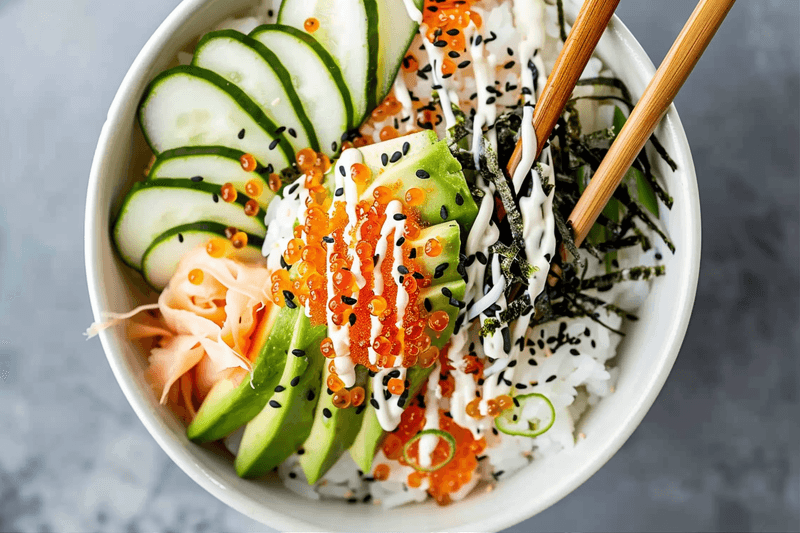
Picture this: you carry a gorgeous bowl to the table, and suddenly everyone stops mid-conversation. Gleaming white rice sits beneath vibrant orange tobiko, emerald cucumber ribbons, and creamy avocado slices arranged like a work of art. A sprinkle of black sesame seeds catches the light, and someone inevitably asks if you ordered takeout from that upscale sushi spot downtown. The truth? You created these California Roll Sushi Bowls in your own kitchen, and they took less effort than assembling traditional sushi rolls.
These bowls capture everything we love about California rolls—the buttery avocado, sweet crab, crisp cucumber, and perfectly seasoned rice—but without the intimidation factor of rolling sushi. Instead of wrestling with bamboo mats and worrying about your rolls falling apart, you simply layer beautiful ingredients in a bowl and let each person dive in with chopsticks. The result looks like something from a high-end poke restaurant, yet the technique is so straightforward that even first-time sushi rice makers can pull it off with confidence.
What makes California Roll Sushi Bowls particularly special is how they transform a typically finger-food experience into a substantial, satisfying meal. You get all the textural contrast and bright flavors of traditional sushi, but in a format that feels more generous and customizable. Each bowl becomes a personal creation, and when you're serving a group, everyone can build their perfect combination of toppings and sauces.
What Makes This a Showstopper
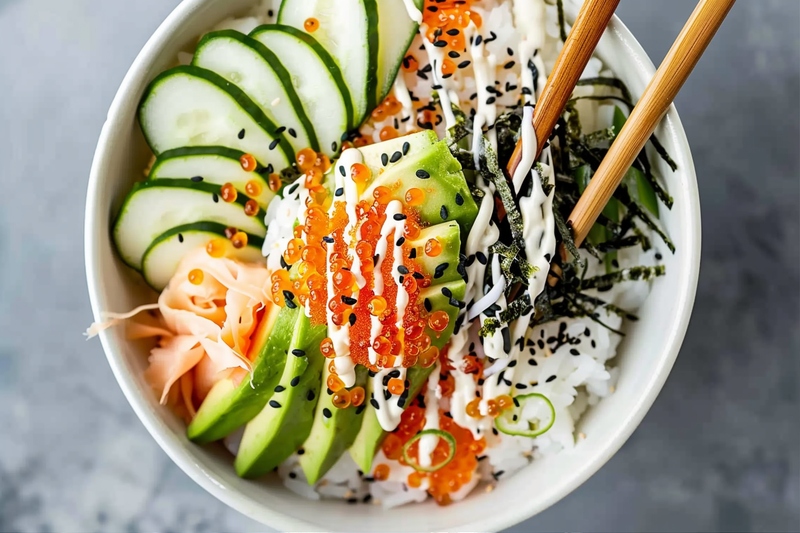
The visual impact of California Roll Sushi Bowls hits immediately. Unlike rolls that hide their ingredients inside nori wrappers, these bowls put everything on full display. Imagine arranging glossy avocado fans that cascade across snowy rice, bright orange flying fish roe forming little jeweled pools, paper-thin cucumber ribbons creating architectural height, and delicate crab meat glistening with moisture. The color palette alone—green, orange, white, black—creates that Instagram-worthy appeal that makes guests reach for their phones before their forks.
But the real magic happens with that first bite. Your chopsticks gather a little of everything: cool, vinegared rice that's both sticky and fluffy, buttery avocado that melts on your tongue, sweet crab with its delicate brininess, cucumber adding a refreshing crunch, and those tiny tobiko eggs that pop between your teeth. Drizzle some spicy mayo and a touch of soy sauce, and suddenly your mouth experiences the same complexity you'd find at a sushi counter charging twenty dollars per roll.
The genius of California Roll Sushi Bowls is that they look incredibly sophisticated without requiring years of sushi chef training. You don't need perfect knife skills to julienne vegetables into microscopic matchsticks, and you certainly don't need to master the art of tight rolling. Instead, you're focusing on thoughtful arrangement and quality ingredients—two things any home cook can absolutely nail. The bowls have that "I spent hours on this" appearance when really, most of your time was just waiting for rice to cook.
When you serve these at gatherings, they command the same attention as an elaborate cheese board or a prime cut of meat. People perceive effort and care in the presentation, and they appreciate the interactive, customizable nature of building their own bowl. It's restaurant-quality food that somehow feels both special and approachable at the same time.
The Ingredients That Matter Most
The foundation of exceptional California Roll Sushi Bowls starts with your rice. Short-grain sushi rice isn't optional here—it has the perfect sticky texture that holds together on your chopsticks but doesn't turn gummy. Look for rice labeled specifically for sushi, and don't substitute long-grain or jasmine varieties. The rice seasoning mixture of rice vinegar, sugar, and salt transforms plain rice into something with depth and subtle tang. This is where you establish the flavor base for everything else.
Your crab meat deserves attention because it's essentially the star protein. I always recommend fresh lump crab meat when possible, though high-quality canned or imitation crab works beautifully too. If you're using imitation crab (surimi), choose the kind with distinct stick shapes rather than flakes—it looks more impressive in the bowl. Real crab brings a sweetness and texture that elevates the entire dish, so if you can find it fresh from a fishmonger, that's where I'd suggest splurging.
Avocados need to be perfectly ripe—not hard, not mushy, but that ideal stage where they yield slightly to gentle pressure. I prefer Hass avocados for their creamy texture and rich flavor. An underripe avocado will be difficult to slice and lack that buttery quality, while an overripe one might turn to mush as you try to arrange it. Buy them a few days ahead and let them ripen on your counter if needed.
The supporting ingredients matter more than you'd think. Persian or English cucumbers stay crisp and have fewer seeds than regular cucumbers, making them ideal for thin slicing. Nori sheets should be fresh and crisp—stale nori tastes like cardboard and ruins the experience. Tobiko or masago (flying fish roe) adds that characteristic pop and briny sweetness, though it's optional if you can't source it. Sesame seeds, especially when toasted, provide nutty depth and visual contrast.
For sauces, Japanese mayonnaise (like Kewpie) has a richer, slightly sweeter profile than American mayo, though regular mayo mixed with a touch of rice vinegar works in a pinch. Good quality soy sauce makes a noticeable difference—reach for naturally brewed varieties rather than chemical imitations. These California Roll Sushi Bowls really shine when each component tastes intentional and fresh.
Building It Step by Step
Creating California Roll Sushi Bowls unfolds in distinct stages, each one building toward that final stunning presentation. Start by preparing your sushi rice, which requires attention but not complexity. After rinsing your rice thoroughly until the water runs clear, you'll cook it until tender, then gently fold in the seasoned vinegar mixture while the rice is still warm. The folding motion—rather than stirring—keeps the grains intact and properly coated. Spread the rice on a wide plate or tray to cool to room temperature, fanning it occasionally to achieve that characteristic slightly sticky yet separated texture.
While your rice cools, prep all your vegetables and proteins with care. This is where mise en place truly matters for California Roll Sushi Bowls. Slice your cucumber into thin ribbons using a vegetable peeler, or julienne it into matchsticks if you prefer. Halve and pit your avocado, then slice it thinly while it's still in the skin—this makes it easier to fan out later. If you're using real crab meat, pick through it gently to remove any shell fragments while keeping the chunks as intact as possible. Imitation crab can be shredded slightly or left in sticks, depending on your preference.
The assembly stage is where these bowls transform from ingredients into art. Start with a generous base of seasoned sushi rice in each bowl—about one and a half cups per serving. Use the back of a spoon to create a smooth, even surface, almost like you're creating a canvas. This is where the magic happens: you're not just dumping ingredients on top, you're composing a visual story.
Arrange your toppings with intention and negative space. Place avocado slices in a fan pattern on one section of the rice, cucumber ribbons curled artistically on another, and crab meat clustered in its own area. Sprinkle tobiko in small mounds rather than scattering it everywhere—those concentrated pops of color have more impact. Tear or cut nori sheets into thin strips and arrange them like pickup sticks for height and texture contrast. Finish with a generous sprinkle of sesame seeds and perhaps some thinly sliced green onions.
The final stage involves your sauces and serving setup. I like to drizzle spicy mayo in a thin stream across the entire bowl, creating zigzag patterns that look professional. Keep extra soy sauce, more spicy mayo, and perhaps some sriracha on the side so everyone can customize their California Roll Sushi Bowls to their heat and salt preferences. Serve immediately while the rice is still at room temperature and the vegetables are at their crispest.
Presentation and Plating Tips
The bowl itself matters more than you might think for California Roll Sushi Bowls. I gravitate toward wide, shallow bowls rather than deep ones—they showcase the toppings better and make eating easier. White or light-colored bowls create the most dramatic backdrop for the vibrant ingredients, though matte black bowls offer a sophisticated, modern aesthetic. If you have ceramic donburi bowls, this is their moment to shine. The slight depth and wide opening are perfectly sized for generous portions.
Arrangement technique elevates these bowls from casual to spectacular. Instead of mixing everything together or scattering toppings randomly, create distinct sections almost like a composed salad. Think of your bowl as having quarters or thirds—avocado in one section, crab in another, cucumber in the third. This sectioned approach looks deliberate and professional. When you add your nori strips, insert some vertically into the rice rather than laying them all flat—this creates dimension and height.
Garnishing deserves its own attention for California Roll Sushi Bowls. Beyond the obvious sesame seeds and green onions, consider microgreens for a delicate touch, or thin slices of radish for a pop of pink. A small mound of pickled ginger on the side adds both color and palate-cleansing function. If you can find shiso leaves, one placed partially under the toppings brings authentic Japanese restaurant flair.
When photographing or presenting these bowls, natural lighting shows off the colors best. Shoot from a forty-five-degree angle rather than directly overhead—this captures both the height of your garnishes and the layering of ingredients. Keep your chopsticks nearby in the frame, maybe resting across the edge of the bowl, to suggest the eating experience and add context to the composition.
Scaling Up for a Crowd
When you're serving California Roll Sushi Bowls to a group, the beauty is that most preparation happens before anyone arrives. The rice can be made up to four hours ahead—just keep it covered with a damp towel at room temperature, never refrigerate it or it will harden. Your vegetables can be prepped a full day ahead if stored properly: cucumber ribbons in an airtight container with a damp paper towel, avocado sliced just before serving to prevent browning. If you must slice avocado early, brush it with a thin layer of rice vinegar or lemon juice and press plastic wrap directly onto the surface.
For parties, I love setting up a California Roll Sushi Bowls bar where guests build their own creations. Arrange all your prepared ingredients in separate bowls: seasoned rice kept warm in a rice cooker on the "keep warm" setting, crab meat chilled in a bowl over ice, vegetables in individual dishes, and all your garnishes and sauces lined up like a salad bar. Provide bowl options and let everyone become the artist of their own meal. This interactive approach turns dinner into an experience and takes pressure off you to plate everything individually.
The rice is your main scaling concern—a rice cooker makes large batches effortless, or you can cook rice in multiple pots simultaneously. One cup of uncooked sushi rice yields about three cups cooked, and each person typically eats one and a half to two cups in their bowl, so plan accordingly. For eight people, cook four cups of uncooked rice. Remember that your seasoning mixture scales proportionally: for every cup of uncooked rice, you'll need about three tablespoons of rice vinegar mixture.
Timing your prep for California Roll Sushi Bowls means working backward from serving time. Two hours before, prep all vegetables and make your sauces. Ninety minutes before, start your rice. Forty-five minutes before, season and cool your rice. Thirty minutes before, arrange your serving station or begin plating individual bowls. This schedule keeps you calm and ensures everything hits the table at peak freshness.
Storing Any Leftovers
Honestly, leftover California Roll Sushi Bowls rarely happen because they're so satisfying that people tend to finish every bite. But when you do have extras, proper storage preserves quality better than you'd expect. The key is separating components rather than storing an assembled bowl—once sushi rice sits in contact with wet ingredients for hours, it becomes soggy and loses its pleasant texture.
Store leftover rice in an airtight container at room temperature if you'll eat it within a few hours, or refrigerate it for up to two days. Refrigerated sushi rice becomes firm, but you can revive it somewhat by sprinkling a tablespoon of water over it and microwaving in thirty-second intervals, fluffing between each burst. It won't be quite as perfect as fresh, but it's absolutely edible. Some people enjoy leftover sushi rice cold, especially mixed with additional rice vinegar to refresh the flavor.
Your proteins and vegetables should be stored separately in airtight containers in the refrigerator. Crab meat stays fresh for one to two days, cucumber keeps for three to four days, and avocado (if already sliced) should be used within a day even with anti-browning measures. Tobiko and other garnishes generally have long refrigerator lives in their original containers. When you're ready to eat leftovers, reassemble a fresh California Roll Sushi Bowl rather than reheating an already-assembled one.
Freezing isn't recommended for California Roll Sushi Bowls because the fresh, crisp textures that make them special don't survive the thaw. Avocado becomes brown and mushy, cucumber loses its crunch entirely, and sushi rice develops an unpleasant texture. If you must freeze something, only the seasoned rice freezes with moderate success—thaw it overnight in the refrigerator and refresh with steam or gentle microwave heating.
Variations to Explore
The blueprint of California Roll Sushi Bowls invites endless creative interpretation while maintaining that core appeal. For a spicy version, mix sriracha or chili crisp directly into your crab meat before adding it to the bowl, and add sliced jalapeños among your toppings. The heat plays beautifully against the cool avocado and cucumber. Or create a tropical twist by adding mango chunks and replacing some of the cucumber with jicama for a sweeter, still-crunchy element.
Protein swaps open up completely new flavor profiles. Cooked shrimp (butterfly them for visual drama), canned tuna mixed with a touch of mayo and green onions, or even baked tofu marinated in soy sauce and sesame oil all work wonderfully. For a luxurious version, add thin slices of fresh salmon or tuna if you're comfortable with raw fish. Each protein brings its own character while the fundamental California Roll Sushi Bowl structure remains recognizable.
Mini versions served in small glass cups or jars make fantastic appetizers for gatherings. Layer the ingredients so each clear vessel shows off distinct stripes of white rice, orange tobiko, green avocado, and red crab. Guests can eat them with small spoons or chopsticks while standing and mingling. These individual portions also work beautifully for meal prep—make five on the weekend, store components separately, and assemble each morning for a no-cook lunch.
For a weeknight shortcut version when you want these flavors without the fuss, skip the sushi rice altogether and use warm or cold jasmine rice tossed with a splash of rice vinegar. The texture won't be traditional, but you'll still capture the essence of California Roll Sushi Bowls in about fifteen minutes. Add a poached egg on top for extra richness and a different textural experience—when the yolk breaks and runs through the rice, it creates a luxurious sauce.
Seasonal variations keep California Roll Sushi Bowls interesting year-round. In summer, add fresh corn kernels and diced tomatoes for a fusion approach. In fall, roasted sweet potato cubes bring warmth and sweetness. Winter calls for adding edamame and perhaps some sautéed mushrooms for earthiness. Spring is perfect for snap peas, radish sprouts, and fresh herbs like cilantro or Thai basil.
Questions You Might Have
Can I make California Roll Sushi Bowls the night before?
You can prep almost everything the night before, but don't assemble the actual bowls until shortly before serving. Cook and season your rice, then store it covered at room temperature with a damp towel over it for up to four hours, or refrigerate if it's longer. Prep all your vegetables except avocado, which should be sliced within an hour of serving. Keep proteins refrigerated and bring everything to room temperature about twenty minutes before assembly for the best flavor and texture.
What if I can't find sushi rice?
Sushi rice really makes a difference in California Roll Sushi Bowls because of its sticky texture and ability to hold seasoning. If you absolutely can't find it, use any short-grain white rice like arborio or bomba—they won't be identical but they'll be closer than long-grain varieties. Cook according to package directions, then season with the rice vinegar mixture while hot. The result will be slightly less sticky but still delicious, especially once topped with all those gorgeous ingredients.
How do I transport these bowls to a gathering?
Transporting California Roll Sushi Bowls requires keeping components separate until you arrive. Pack seasoned rice in a sealed container, preferably still slightly warm. Transport all toppings in individual containers in a cooler with ice packs. Bring your sauces in small jars or squeeze bottles. Once you arrive, spend ten minutes assembling everything fresh—the ingredients travel perfectly, but assembled bowls don't. If you must assemble ahead, wait until the very last possible moment and keep them chilled.
Can children help make these bowls?
Absolutely, and California Roll Sushi Bowls are actually perfect for involving young helpers. Children can rinse rice under supervision, mix the seasoning, arrange toppings in their own bowls, and choose their sauce levels. The lack of hot cooking and sharp knife work (once an adult has done the slicing) makes this a safe, fun project. Kids love the creative control of building their own bowls, and they're more likely to try new ingredients when they've participated in the preparation.
What makes the rice sticky enough without being mushy?
The magic comes from three factors: using proper short-grain sushi rice, rinsing it thoroughly before cooking to remove excess starch, and seasoning it while it's still hot so it absorbs the vinegar mixture properly. When you fold the seasoning in, use a cutting and folding motion with a rice paddle rather than stirring, which breaks the grains. Cooling the rice while fanning it helps it reach that ideal sticky-but-not-gummy texture that makes California Roll Sushi Bowls so satisfying to eat.
Can I make this without raw fish?
Traditional California Roll Sushi Bowls don't contain raw fish anyway—that's part of their appeal. They were invented as an accessible introduction to sushi for people hesitant about raw seafood. The crab (whether real or imitation) is fully cooked, and all other components are vegetables and seasoned rice. This makes these bowls perfect for anyone who loves sushi flavors but prefers cooked ingredients. You're getting all the excitement and none of the intimidation factor that raw fish can present.
California Roll Sushi Bowls
Deconstructed California rolls served in a bowl with seasoned sushi rice, fresh crab, creamy avocado, cucumber, tobiko, and drizzled with spicy mayo. All the flavor of sushi without the rolling.
Prep Time
25 min
Cook Time
20 min
Total Time
45 min
Servings
4 servings
Ingredients
For 4 servings
- 2 cups short-grain sushi rice, uncooked
- 2.5 cups water
- 1/3 cup rice vinegar
- 2 tablespoons granulated sugar
- 1 teaspoon salt
- 12 ounces lump crab meat or imitation crab, picked through for shells
- 2 ripe Hass avocados, halved, pitted, and thinly sliced
- 1 English cucumber or 2 Persian cucumbers, thinly sliced or ribboned
- 4 tablespoons tobiko or masago (flying fish roe), optional
- 2 sheets nori seaweed, cut into thin strips
- 3 tablespoons toasted sesame seeds (black, white, or mixed)
- 2 green onions, thinly sliced
- 1/3 cup Japanese mayonnaise
- 2 tablespoons sriracha sauce
- Soy sauce, for serving
- Pickled ginger, for serving (optional)
Instructions
- 1
Rinse the rice
Place the sushi rice in a fine-mesh strainer and rinse under cold running water, stirring gently with your hands, until the water runs clear. This removes excess starch and ensures your rice won't be gummy. Drain thoroughly for about 5 minutes before cooking.
- 2
Cook the rice
Combine the rinsed rice and water in a medium pot with a tight-fitting lid or in a rice cooker. If using a pot, bring to a boil over high heat, then immediately reduce to the lowest heat setting, cover, and simmer for 18-20 minutes without lifting the lid. Remove from heat and let stand covered for 10 minutes to steam.
- 3
Season the rice
While the rice cooks, mix together the rice vinegar, sugar, and salt in a small bowl, stirring until the sugar dissolves completely. Once the rice is done and still hot, transfer it to a large shallow dish or bowl and gently fold in the vinegar mixture using a cutting and folding motion with a rice paddle or wooden spoon, being careful not to mash the grains.
- 4
Cool the rice
Spread the seasoned rice in an even layer and fan it gently (you can use a paper fan, magazine, or even a piece of cardboard) while occasionally folding it over itself. This cooling process takes about 10 minutes and gives the rice its characteristic glossy appearance and perfect sticky texture. Let it cool to room temperature.
- 5
Prepare the spicy mayo
In a small bowl, whisk together the Japanese mayonnaise and sriracha sauce until smooth and well combined. Adjust the sriracha amount to your preferred heat level—add more for spicier, less for milder. Transfer to a squeeze bottle or small bowl for drizzling.
- 6
Prep all toppings
While the rice cools, prepare all your toppings. If using real crab, gently pick through it to remove any shell fragments while keeping the meat in nice chunks. Shred imitation crab into strips if desired. Slice the cucumber into thin rounds or use a vegetable peeler to create ribbons. Slice the avocados and gently fan them out. Arrange everything in separate bowls for easy assembly.
- 7
Assemble the bowls
Divide the seasoned sushi rice evenly among four wide, shallow bowls (about 1.5 cups per bowl). Use the back of a spoon to gently spread and flatten the rice into an even layer, creating a smooth canvas for your toppings.
- 8
Arrange the toppings
Artfully arrange the crab meat, avocado slices, and cucumber on top of the rice in separate sections rather than mixing them together. This creates visual appeal and lets each ingredient shine. Add small mounds of tobiko if using, scatter the nori strips for height, and sprinkle generously with sesame seeds and sliced green onions.
- 9
Finish and serve
Drizzle the spicy mayo over each bowl in a decorative zigzag pattern. Serve immediately with extra soy sauce, additional spicy mayo, and pickled ginger on the side. Encourage everyone to mix their bowl thoroughly before eating to combine all the flavors and textures in each bite.
Nutrition Facts
Per serving (estimated)
520 calories
Calories
68g
Carbs
22g
Protein
18g
Fat
6g
Fiber
890mg
Sodium
9g
Sugar