Creamy Pasta Salad: Budget-Friendly & Delicious
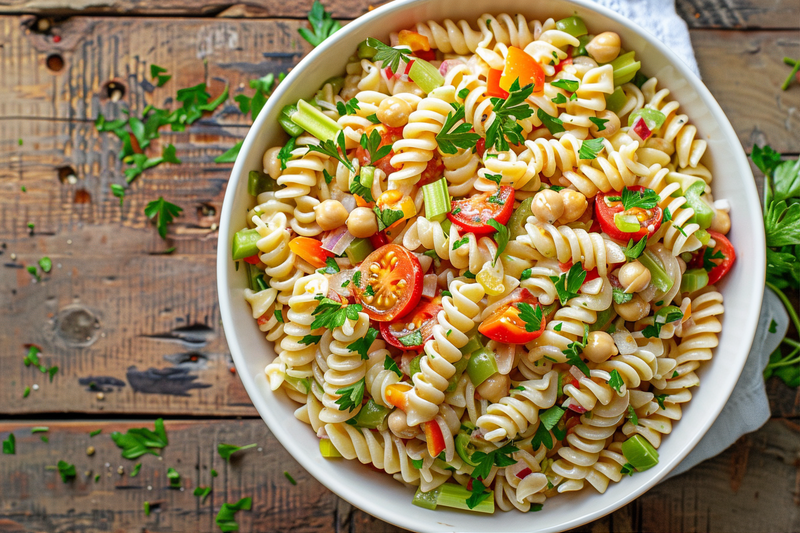
This creamy pasta salad costs less than $2 per serving and feeds a crowd! Perfect for family gatherings with simple ingredients and big flavor.
cookwithlucia.com/recipes/creamy-pasta-salad
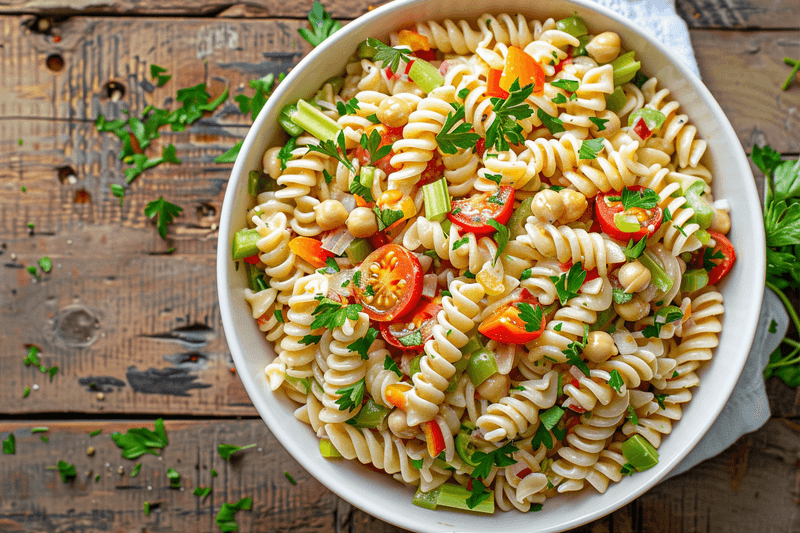
You don't need to break the bank to serve a crowd-pleasing dish that everyone will rave about. Creamy pasta salad is the ultimate proof that affordable ingredients can create something truly spectacular. With a price tag of roughly $1.75 per generous serving, this dish delivers the kind of rich, satisfying flavor you'd expect from a deli counter charging three times as much.
The beauty of creamy pasta salad lies in its simplicity and versatility. You're working with pantry staples, budget-friendly vegetables, and a dressing that comes together in minutes without any fancy equipment. Whether you're feeding a large family gathering or meal-prepping for the week ahead, this recipe stretches your grocery dollars further than almost any other dish I can think of.
I'm going to walk you through every money-saving trick I know for this recipe. You'll learn which ingredients give you the most bang for your buck, how to make substitutions based on what's on sale, and clever ways to transform leftovers into entirely new meals. By the end of this post, you'll have a foolproof strategy for serving restaurant-quality creamy pasta salad without the restaurant price tag.
Why This Recipe Is a Budget Winner
Let me break down the economics that make creamy pasta salad such a smart choice for budget-conscious cooks. First, pasta is one of the most affordable starches you can buy, often costing less than a dollar per pound when purchased in bulk. That single pound will form the base of a dish that easily serves eight to ten people as a side or four to six as a main course.
Compare this to ordering pasta salad from a deli or restaurant, where you'll typically pay between six and ten dollars per pound. Making it at home means you're looking at a total recipe cost of around fourteen dollars that feeds eight people, versus spending fifty or sixty dollars for the same amount from a prepared foods counter. The savings are substantial and immediate.
The vegetables in creamy pasta salad are equally budget-friendly because you can adjust based on what's in season or on sale. Bell peppers, cucumbers, cherry tomatoes, and celery are the traditional choices, but they're all flexible. When tomatoes are expensive in winter, you skip them. When cucumbers are on clearance, you add extra. This adaptability means zero food waste and maximum value.
Another major advantage is that this dish actually tastes better the next day, which means you can prepare it in advance and enjoy multiple meals from one cooking session. There's no need to cook fresh every single day, saving you both time and the temptation to order expensive takeout when you're too tired to start from scratch.
Affordable Ingredients, Maximum Impact
Let's talk about the ingredients that make creamy pasta salad both delicious and economical. The pasta itself should be a short shape like rotini, penne, or bowtie, all of which cost about the same and go on sale regularly. I always keep an extra box or two in my pantry when I find them for under a dollar. These shapes hold the creamy dressing beautifully, ensuring every bite is flavorful.
For the vegetables, I focus on what offers the most flavor and crunch for the least money. Celery is incredibly affordable year-round and adds that satisfying crisp texture. Bell peppers can be pricey, but buying the large bags of mini peppers often costs less per ounce than individual full-sized ones. Cherry tomatoes go on sale frequently, and when they don't, I simply make the salad without them or substitute canned diced tomatoes that have been drained thoroughly.
The creamy dressing is where this recipe really shines from a budget perspective. You're using mayonnaise as the base, which is far cheaper than buying bottled pasta salad dressing. A large jar of mayonnaise costs around four dollars and will make this recipe multiple times. I add a splash of vinegar for tang, a spoonful of mustard for depth, and basic seasonings you already have in your spice cabinet.
For protein, you have incredibly flexible options depending on your budget. Canned chickpeas are my go-to affordable addition, costing less than a dollar per can and adding heartiness without any cooking required. Hard-boiled eggs are another excellent choice, especially when eggs are on sale. Cubed cheese like cheddar or mozzarella works wonderfully if you find a good deal. Rotisserie chicken from the discount rack late in the evening can be shredded and added for just pennies per serving.
Buying in bulk makes sense for the dried pasta, mayonnaise, and vinegar since these items have long shelf lives. The vegetables should be purchased fresh based on what looks good and costs less that particular week. This flexible approach keeps your costs down while ensuring the ingredients are at their peak quality.
How to Make It
Creating creamy pasta salad is refreshingly straightforward, requiring just one pot for cooking and one large bowl for mixing. Start by bringing a large pot of salted water to a boil and cooking your pasta according to package directions until it reaches that perfect al dente texture. You want it tender but still with a slight bite, because pasta continues to soften slightly as it sits in the dressing.
While the pasta cooks, prepare your vegetables. Dice your celery into small pieces, chop your bell peppers into bite-sized chunks, halve your cherry tomatoes if using them, and slice your cucumbers. The key here is keeping everything roughly the same size so you get a bit of everything in each forkful. This is also the time to prepare any protein additions, whether that's draining and rinsing your chickpeas, chopping hard-boiled eggs, or cubing cheese.
Once your pasta is cooked, drain it thoroughly and rinse it under cold water to stop the cooking process and cool it down quickly. This step is crucial because you never want to add warm pasta to a mayonnaise-based dressing. Let it drain completely in the colander while you prepare the dressing, giving it an occasional shake to remove excess water.
In your largest mixing bowl, whisk together the mayonnaise, vinegar, mustard, and seasonings until smooth and creamy. The exact proportions can be adjusted to your taste, but I typically use about one cup of mayonnaise for every pound of pasta. Add your completely cooled pasta to the dressing first, tossing until every piece is coated. Then fold in your prepared vegetables and any protein additions.
The final step is patience. Cover your bowl and refrigerate the creamy pasta salad for at least two hours before serving, though overnight is even better. This chilling time allows the flavors to meld together and the pasta to absorb some of the dressing, creating that cohesive, delicious result you're looking for. If the salad seems a bit dry after chilling, simply stir in a tablespoon or two of mayonnaise or a splash of milk to refresh the creaminess.
Stretching It Further
One of the best things about creamy pasta salad is how it multiplies into different meals throughout the week, maximizing your grocery investment. The base recipe serves beautifully as a side dish, but adding protein transforms it instantly into a complete main course that needs nothing more than some bread alongside it.
Leftover creamy pasta salad makes an excellent lunch stuffed into whole wheat wraps with some fresh lettuce. Roll it up tightly, slice it in half, and you have a portable meal that costs just pennies and beats any sandwich shop offering. The creamy texture and varied vegetables create satisfying wraps that hold together well and taste fresh even hours after assembly.
For families cooking in bulk, I recommend making a double batch and portioning it into individual containers immediately. Each family member can grab their own serving for lunch throughout the week, eliminating the need for expensive convenience foods or daily lunch preparation. These portions freeze reasonably well for up to one month, though the vegetables will be slightly softer after thawing.
You can also extend the recipe by adding more pasta as the week progresses. If you made the salad on a weekend and it's getting low by midweek, cook another half pound of pasta, let it cool, and fold it into the remaining dressed salad. The flavors will still be there, and you've just created several more servings for minimal cost.
Another clever stretching strategy is serving creamy pasta salad as a topping for fresh salad greens. Place a bed of inexpensive lettuce in a bowl and add a generous scoop of the pasta salad on top. This creates a heartier meal that feels complete while using less of the pasta salad per serving, making it last even longer.
Smart Swaps and Variations
The flexibility of creamy pasta salad means you can always work with whatever ingredients are most affordable at any given time. When bell peppers are expensive, swap in frozen mixed vegetables that have been thawed and patted dry. They cost a fraction of the price and add just as much color and nutrition to the dish.
For a vegetarian version that's even more budget-friendly, skip any meat entirely and double up on chickpeas or white beans. Legumes are incredibly cheap sources of protein and fiber, and they absorb the creamy dressing beautifully. A can of beans costs less than a dollar and makes the salad more filling without adding much to your grocery bill.
If mayonnaise prices spike or you're looking to cut costs even further, you can substitute half the mayonnaise with plain yogurt or sour cream. This reduces the mayo needed while still maintaining that signature creaminess. The flavor will be slightly tangier, which many people actually prefer, and you'll shave dollars off the recipe cost.
The pasta shape is entirely swappable based on what's on sale. I've made excellent creamy pasta salad with shells, elbows, rotini, penne, and even broken spaghetti in a pinch. The key is choosing something with texture or shape that will hold onto the dressing, but beyond that, buy whatever is cheapest.
Seasonally adjusting your vegetables keeps costs low year-round. In summer, take advantage of inexpensive zucchini and yellow squash, dicing them small and adding them raw for crunch. In fall and winter, roasted diced sweet potato or butternut squash adds substance and subtle sweetness. Spring brings affordable asparagus that can be blanched quickly and chopped. Always work with the season, and your wallet will thank you.
Spice-wise, you can dramatically change the flavor profile with ingredients you likely already own. A teaspoon of curry powder creates an Indian-inspired version. Italian seasoning and a splash of red wine vinegar make it taste like a classic Italian pasta salad. Smoked paprika and cumin give it a southwestern flair. These variations keep the dish interesting week after week without requiring new ingredients.
Storage and Reheating
Proper storage is essential for getting the maximum value from your creamy pasta salad and ensuring food safety. In an airtight container in the refrigerator, this salad will stay fresh and delicious for four to five days. The key is keeping it consistently cold and using clean utensils every time you serve from it to prevent introducing bacteria.
I recommend storing the salad in a glass or plastic container with a tight-fitting lid rather than leaving it in a serving bowl covered with plastic wrap. The better seal prevents the salad from absorbing refrigerator odors and keeps the surface from drying out. If you're making a large batch, consider dividing it into smaller portions right away so you're only opening and exposing what you'll eat in the next day or two.
Freezing creamy pasta salad is possible, though there are some texture changes to expect. The mayonnaise-based dressing may separate slightly upon thawing, and vegetables with high water content like cucumbers and tomatoes will become softer. If you plan to freeze portions, I suggest leaving out those particular vegetables and adding them fresh when you're ready to eat.
For frozen portions, use freezer-safe containers and leave a bit of space at the top for expansion. Label with the date and use within one month for best quality. Thaw overnight in the refrigerator rather than at room temperature, and give it a good stir before serving. You may want to refresh it with a tablespoon of mayonnaise or a splash of vinegar to bring back the creamy consistency.
This is one of those wonderful dishes where the flavor actually improves after a day in the refrigerator, making it perfect for advance preparation. The pasta absorbs the seasonings, the vegetables release subtle flavors into the dressing, and everything melds into a more cohesive dish. Plan to make it the day before you need it whenever possible.
Your Questions Answered
What's the cheapest protein to add to creamy pasta salad?
Canned chickpeas or white beans are your most economical protein options, typically costing less than a dollar per can and requiring zero cooking time. Hard-boiled eggs come in second, especially when you buy eggs on sale, providing about six servings of protein for just a couple of dollars. Both options keep the dish budget-friendly while making it substantial enough to serve as a main course.
Can I make this work for feeding a large family gathering?
Absolutely, and that's where creamy pasta salad truly shines as a budget option. A double batch costs around twenty-five dollars and easily feeds sixteen to twenty people as a side dish. Make it the day before your gathering so flavors develop and you're not stressed with last-minute cooking. Since it's served cold, there's no worry about keeping it warm or timing it with other dishes.
Does creamy pasta salad freeze well in individual portions?
Yes, with some minor adjustments to your ingredient selection. Freeze portions without cucumbers, tomatoes, or lettuce, which don't thaw well. The pasta, creamy dressing, bell peppers, celery, and protein components freeze successfully for up to one month. Thaw overnight in the fridge and stir well before eating, adding a small amount of fresh mayonnaise if needed to restore creaminess.
How can I use leftover creamy pasta salad creatively?
Transform leftovers into completely different meals by stuffing them into wraps with lettuce, serving them over fresh salad greens, or using them as a filling for stuffed tomatoes or bell peppers. You can also mix in additional cooked pasta to stretch the dressed portion further, or warm it gently and use it as a creamy pasta bake topped with cheese. Each transformation feels like a new dish rather than repetitive leftovers.
What shopping tips help keep costs down?
Buy pasta when it's on sale and stock up since it stores indefinitely in your pantry. Purchase the largest jar of mayonnaise that your household will use within a few months, as the per-ounce cost drops significantly with larger sizes. Shop for vegetables that are in season or on sale that week rather than sticking rigidly to a specific vegetable list. Check the discount produce section for slightly imperfect vegetables that work perfectly when chopped into a salad.
Can I make a dairy-free version on a budget?
Yes, and it's actually quite simple since traditional creamy pasta salad doesn't typically contain dairy unless you choose to add cheese. Use regular mayonnaise or vegan mayonnaise depending on your needs, and ensure any protein additions are dairy-free. The base recipe naturally accommodates dairy-free diets without requiring expensive specialty ingredients, keeping costs low while meeting dietary requirements.
Creamy pasta salad proves that eating well on a budget isn't about sacrifice or boring food. It's about choosing recipes that deliver maximum flavor and satisfaction from affordable, accessible ingredients. This dish has earned its place as a budget cooking staple because it works for everyday meals and special gatherings alike, stretches across multiple servings and meals, and adapts to whatever ingredients are most economical at any given time. When you master this recipe and the money-saving principles behind it, you'll find yourself turning to it again and again, feeding your family delicious food while keeping your grocery spending completely under control.
Creamy Pasta Salad
A budget-friendly creamy pasta salad loaded with crisp vegetables and tossed in a tangy homemade dressing. Perfect for feeding a crowd at family gatherings or enjoying throughout the week.
Prep Time
20 min
Cook Time
12 min
Total Time
2h 32m
Servings
8 servings
Ingredients
For 8 servings
- 1 pound rotini pasta, uncooked
- 1 cup mayonnaise
- 2 tablespoons white vinegar or apple cider vinegar
- 1 tablespoon Dijon mustard
- 1 teaspoon granulated sugar
- 1 teaspoon salt
- 1/2 teaspoon black pepper
- 1/2 teaspoon garlic powder
- 3 stalks celery, diced small
- 1 large bell pepper, any color, diced
- 1 cup cherry tomatoes, halved
- 1 medium cucumber, diced
- 1 can (15 ounces) chickpeas, drained and rinsed
- 1/4 cup fresh parsley, chopped (optional)
- 1/2 small red onion, finely diced (optional)
Instructions
- 1
Boil the pasta
Bring a large pot of salted water to a rolling boil over high heat. Add the rotini pasta and cook according to package directions until al dente, usually 10-12 minutes. Stir occasionally to prevent sticking and ensure even cooking.
- 2
Cool the pasta
Drain the cooked pasta in a colander and immediately rinse under cold running water to stop the cooking process and cool it completely. Shake the colander well to remove excess water and let it sit for a few minutes to drain thoroughly. The pasta must be completely cool before mixing with the dressing.
- 3
Prepare the vegetables
While the pasta cools, dice the celery into small pieces, chop the bell pepper into bite-sized chunks, halve the cherry tomatoes, and dice the cucumber into uniform pieces. If using red onion, dice it finely. Drain and rinse the chickpeas in a colander and set aside.
- 4
Make the creamy dressing
In a large mixing bowl, whisk together the mayonnaise, vinegar, Dijon mustard, sugar, salt, black pepper, and garlic powder until completely smooth and well combined. The dressing should be creamy with no lumps. Taste and adjust seasonings if desired.
- 5
Combine pasta with dressing
Add the completely cooled and well-drained pasta to the bowl with the dressing. Using a large spoon or spatula, toss the pasta thoroughly until every piece is evenly coated with the creamy dressing. Make sure to scrape the bottom and sides of the bowl to incorporate all the dressing.
- 6
Add vegetables and protein
Add the prepared celery, bell pepper, cherry tomatoes, cucumber, and chickpeas to the dressed pasta. Gently fold everything together until the vegetables and chickpeas are evenly distributed throughout. If using parsley or red onion, add them now and fold in gently.
- 7
Chill the salad
Cover the bowl tightly with plastic wrap or transfer the pasta salad to an airtight container. Refrigerate for at least 2 hours or preferably overnight to allow the flavors to meld and develop. The pasta will absorb some of the dressing during this time, creating a more flavorful dish.
- 8
Final adjustments and serve
Before serving, give the pasta salad a good stir and check the consistency. If it seems dry after chilling, stir in an additional 2-3 tablespoons of mayonnaise or a splash of milk to refresh the creaminess. Taste and adjust salt and pepper if needed. Serve cold and enjoy.
Nutrition Facts
Per serving (estimated)
385 calories
Calories
48g
Carbs
10g
Protein
17g
Fat
4g
Fiber
520mg
Sodium
5g
Sugar