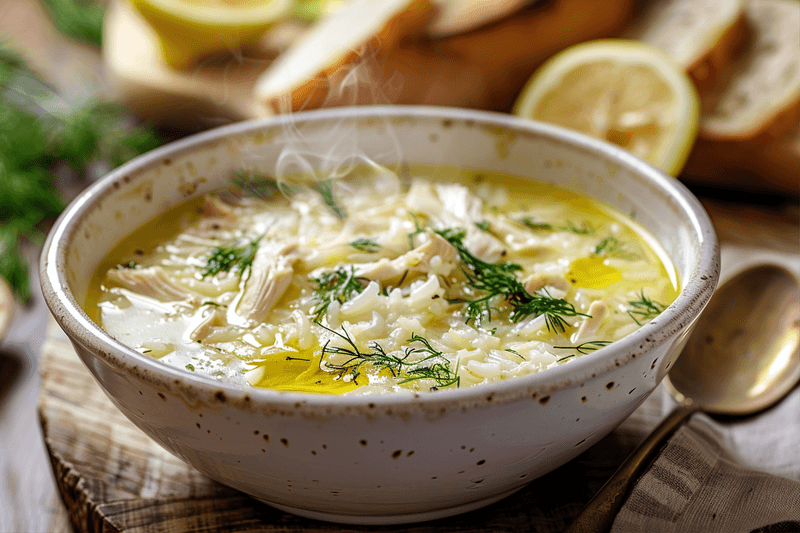
Creamy Greek Lemon Chicken Soup Recipe | Avgolemono
This creamy Greek lemon chicken soup is velvety, tangy, and comforting. Learn how to make authentic avgolemono with my foolproof tips!
cookwithlucia.com/recipes/creamy-greek-lemon-chicken-soup
There's something absolutely magical about the way a silky, tangy broth can transform your entire day. The first time I tasted creamy Greek lemon chicken soup, I was sitting in a cozy kitchen on a rainy afternoon, and that first spoonful stopped me mid-conversation. The velvety texture, the bright citrus notes cutting through rich chicken flavor, the tender rice suspended in that cloudlike broth—it was comfort in a bowl, yet somehow felt light and refreshing at the same time. I immediately knew I had to recreate it at home, and after many batches and happy taste-testers, I've perfected a version that delivers that restaurant-quality experience right in your own kitchen.
What makes this creamy Greek lemon chicken soup so incredibly special is how it achieves that luxurious, almost custard-like consistency without any cream at all. The secret lies in a traditional technique called avgolemono, where eggs and lemon juice are carefully tempered with hot broth to create the most spectacular silky texture you've ever experienced in a soup. It sounds fancy, but I promise you, once you master this simple technique, you'll be making this soup on repeat for family gatherings and cozy evenings alike. This recipe is perfect for anyone who wants to bring authentic Mediterranean flavors to their table without spending hours in the kitchen. In this post, I'll walk you through every step of creating this magnificent soup, share my top tips for getting that perfect creamy consistency, and show you how to avoid the common pitfalls that can turn your eggs into scrambled bits. Trust me, by the end of this guide, you'll be a creamy Greek lemon chicken soup expert, ready to impress everyone at your dinner table.
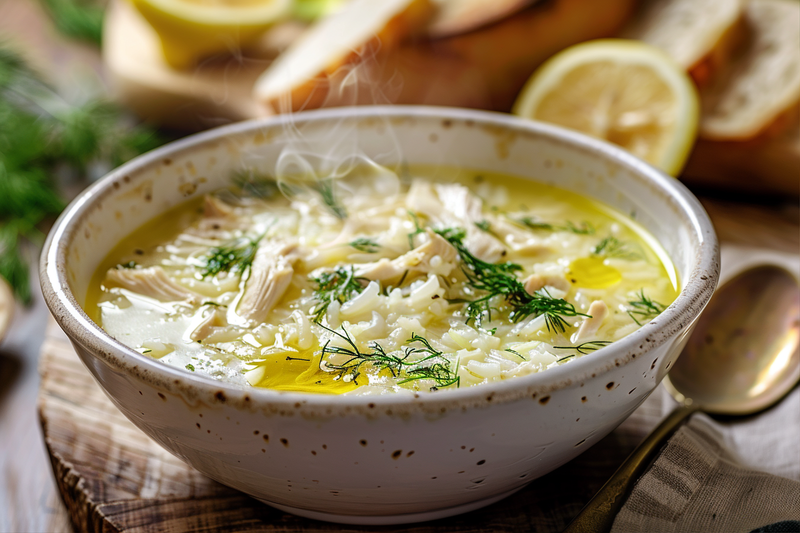
What is Creamy Greek Lemon Chicken Soup?
Have you ever wondered how Greek families have been staying warm and nourished through countless generations? The answer often comes in a bowl of this incredible soup, known traditionally as avgolemono, which literally translates to "egg-lemon" in Greek. This creamy Greek lemon chicken soup is one of the most beloved dishes in Greek cuisine, appearing at family tables from Athens to the islands and everywhere in between. What makes it truly distinctive is that remarkable creamy texture achieved not through dairy, but through the magical emulsion of eggs and lemon juice whisked into warm chicken broth. The soup typically includes tender pieces of chicken, rice or orzo pasta, and that signature tangy-savory flavor profile that makes every spoonful absolutely irresistible. It's comfort food that somehow manages to feel light and refreshing at the same time—a rare combination that explains why this dish has remained a staple for centuries. Whether you're feeling under the weather or simply craving something soul-warming, this creamy Greek lemon chicken soup delivers on every level. Ready to bring this Mediterranean treasure into your kitchen? Let me show you exactly how it's done.
Why You'll Love This Creamy Greek Lemon Chicken Soup
It's easier than you think. Despite that luxurious, restaurant-quality appearance and texture, this creamy Greek lemon chicken soup comes together with straightforward techniques that any home cook can master. The tempering process might sound intimidating, but I'll walk you through it step-by-step, and once you've done it once, you'll realize it's actually quite simple. You don't need any special equipment or hard-to-find ingredients—just a good pot, a whisk, and about 45 minutes from start to finish.
The flavor is absolutely outstanding. That bright, tangy lemon flavor perfectly balanced with savory chicken broth creates a taste sensation that's both comforting and refreshing. Every spoonful delivers that perfect harmony of rich and light, creamy and zesty. It's the kind of soup that makes you close your eyes and savor each bite, wondering how something so simple can taste so complex and sophisticated.
It's incredibly budget-friendly. You're working with basic pantry staples here—chicken, rice, eggs, lemons, and broth. There are no expensive specialty ingredients required, yet the end result tastes like you've ordered from an upscale Mediterranean restaurant. This creamy Greek lemon chicken soup proves that exceptional flavor doesn't require an exceptional budget, making it perfect for feeding your family delicious, nourishing meals without breaking the bank.
Everyone absolutely loves it. I've served this soup to picky eaters, adventurous foodies, kids, and grandparents—and every single person comes back for seconds. There's something universally appealing about that creamy, comforting texture combined with the bright citrus notes. It's sophisticated enough for dinner parties yet comforting enough for a weeknight family meal.
The leftovers are fantastic. Unlike many egg-based dishes, this creamy Greek lemon chicken soup reheats beautifully when you follow the proper techniques. You can make a big batch on the weekend and enjoy it throughout the week, with each serving tasting just as delicious as the first. It's the ultimate meal-prep friendly comfort food that actually gets better as the flavors meld together.
It's naturally lighter than cream-based soups. If you love creamy soups but sometimes find them too heavy, this is your new best friend. The egg-based creaminess gives you all that luxurious texture and richness without the heaviness that comes from actual cream. You can enjoy a generous bowl and feel satisfied but not weighed down—perfect for lunch or a light dinner that still feels indulgent.
Key Ingredients and What They Bring
The foundation of this creamy Greek lemon chicken soup starts with high-quality chicken broth, which provides the savory base that carries all the other flavors. I prefer using homemade broth when I have it because the depth of flavor is unmatched, but a good store-bought version works beautifully too—just look for one with minimal additives and good chicken flavor. The broth is what gives this soup its comforting, soul-warming quality, so don't skimp here. If you're using store-bought, consider choosing a low-sodium version so you can control the salt level yourself.
Fresh chicken breast or thighs bring protein and substance to the soup, transforming it from a simple broth into a complete meal. I often use bone-in, skin-on chicken pieces for cooking because they add extra flavor to the broth, then I remove the skin and shred the meat before adding it back. The tender, juicy chicken pieces scattered throughout provide textural contrast to the silky broth and make every spoonful satisfying. You can use leftover cooked chicken to speed up the process, but cooking raw chicken in the broth adds incredible depth.
The eggs are absolutely crucial for creating that signature velvety texture in this creamy Greek lemon chicken soup. When properly tempered with hot broth and whisked with lemon juice, the eggs create a stable emulsion that thickens the soup without curdling. This is the magic that makes avgolemono so special—it's all about technique. Use fresh, room-temperature eggs for the best results, as they'll emulsify more smoothly and create that perfect creamy consistency you're looking for.
Fresh lemon juice is non-negotiable in this recipe—bottled just won't deliver that bright, vibrant citrus punch that makes this soup sing. The acidity from the lemon not only provides that characteristic tangy flavor but also helps stabilize the egg emulsion. I typically use about three to four medium lemons to get enough juice, and the fresher the better. That fresh lemon flavor is what elevates this from ordinary chicken soup to something truly special and memorable.
Rice serves as the hearty element that makes this soup filling and satisfying. I prefer using long-grain white rice because it stays separate and fluffy, but short-grain works too if that's what you have. Some traditional versions use orzo pasta instead, which is equally delicious and gives a slightly different texture. The starch from the rice also helps slightly thicken the soup naturally, working alongside the egg mixture to create that perfect consistency.
Fresh herbs like dill and parsley add a final layer of brightness and Mediterranean authenticity to this creamy Greek lemon chicken soup. Dill is particularly traditional in Greek cooking and pairs beautifully with the lemon, adding a subtle anise-like flavor that complements without overwhelming. Fresh parsley adds color and a clean, fresh taste that balances the richness. While dried herbs can work in a pinch, fresh herbs really make this soup shine and bring that authentic Greek kitchen feeling to your bowl.
How to Make Creamy Greek Lemon Chicken Soup — Quick Overview
The process begins by gently poaching your chicken in flavorful broth until it's perfectly tender and cooked through, which usually takes about 20 to 25 minutes depending on the size of your pieces. While the chicken simmers away, you'll add your rice to the pot, letting it cook until tender and fluffy, absorbing all those wonderful chicken flavors. This dual-cooking approach means everything happens in one pot, developing layers of flavor as the ingredients mingle together. The kitchen will start smelling absolutely incredible at this stage, with those savory chicken aromas filling every corner.
Once your chicken is cooked and your rice is tender, you'll remove the chicken to shred it while you prepare the magical egg-lemon mixture. This is where the creamy Greek lemon chicken soup gets its signature texture. You'll whisk together eggs and fresh lemon juice until they're pale and frothy, then very gradually add hot broth to the mixture, whisking constantly to temper the eggs. This gradual warming prevents the eggs from scrambling and allows them to form that beautiful, stable emulsion that creates the creamy texture.
The final step involves slowly pouring your tempered egg mixture back into the pot of soup while stirring gently but constantly. You'll watch in amazement as the broth transforms from clear to creamy right before your eyes, taking on that characteristic cloudlike appearance and silky texture. Add your shredded chicken back in, let everything heat through gently without boiling, and you're ready to serve. From start to finish, you're looking at about 45 minutes of mostly hands-off cooking time, with maybe 10 minutes of active whisking and stirring. It's incredibly achievable for a weeknight dinner yet impressive enough for special occasions.
Top Tips for Perfecting Creamy Greek Lemon Chicken Soup
Temperature control is absolutely critical when making this creamy Greek lemon chicken soup, particularly during the tempering process and after you've added the egg mixture. Once those eggs go into the pot, you must keep the heat low and never let the soup come to a boil, or you'll end up with scrambled eggs floating in your broth instead of that silky, creamy texture. I keep my burner on the lowest setting and stir frequently, watching carefully for any signs of simmering. If you see even the tiniest bubbles forming, immediately remove the pot from the heat and stir vigorously to distribute the temperature evenly.
The tempering technique requires patience and a steady hand, but it's the secret to success. When you're adding hot broth to your egg-lemon mixture, start with just a tablespoon or two, whisking constantly until it's fully incorporated before adding more. Gradually increase the amount you're adding—first by tablespoons, then by small ladlefuls—always whisking continuously. This slow warming brings the egg mixture up to temperature gradually, preventing the proteins from seizing up and curdling. I usually add about two cups of hot broth to my egg mixture before pouring it back into the pot, which gives me a stable emulsion that won't break.
Using fresh lemon juice at room temperature makes a significant difference in both flavor and texture. Cold lemon juice straight from the refrigerator can shock the eggs and make the tempering process more difficult, so I always let my lemons sit out for about 30 minutes before juicing them. Fresh juice has a brightness that bottled lemon juice simply cannot match, and since the lemon flavor is so central to this creamy Greek lemon chicken soup, you want that pure, vibrant citrus taste shining through.
Don't rush the chicken cooking process—properly poached chicken should be tender, juicy, and flavorful, not dry or rubbery. I like to bring the broth just to a gentle simmer, add the chicken, then reduce the heat to maintain the barest simmer with just a few lazy bubbles breaking the surface. This gentle cooking keeps the chicken moist and allows it to release flavor into the broth without becoming tough. A instant-read thermometer should read 165°F in the thickest part when it's done.
Seasoning should happen in stages throughout the cooking process for the most balanced flavor. I add salt lightly when cooking the chicken and rice, knowing that the soup will reduce slightly and the flavors will concentrate. Then I taste again after adding the egg-lemon mixture, because the lemon juice can make the soup taste less salty than it actually is. Always taste your creamy Greek lemon chicken soup just before serving and adjust the seasoning then—you'd be surprised how a small pinch of salt can make all the flavors suddenly pop into focus.
For the silkiest texture, strain your broth after cooking the chicken if you have time. This removes any small bits of protein or impurities that can make the finished soup look cloudy or feel grainy. It's an extra step that's not absolutely necessary, but if you're making this for a special dinner, it elevates the presentation from homestyle to restaurant-quality. Just pour the broth through a fine-mesh strainer into another pot before proceeding with the recipe.
The rice-to-liquid ratio matters more than you might think in this recipe. Too much rice and your soup becomes more like a porridge, too little and it feels thin and insubstantial. I've found that about three-quarters of a cup of uncooked rice to eight cups of broth gives you that perfect balance where the soup is hearty and satisfying but still definitely a soup. If you prefer a brothier consistency, reduce the rice slightly; if you like it heartier, add a bit more.
Variations and Flavor Twists
For a vegetarian version of this creamy Greek lemon chicken soup, swap the chicken and chicken broth for hearty vegetables and vegetable broth, adding chickpeas or white beans for protein. The egg-lemon technique works exactly the same way, creating that signature creamy texture while the vegetables provide substance and nutrition. Try using diced zucchini, carrots, celery, and potatoes for a Mediterranean vegetable medley that's just as satisfying as the original. The lemon flavor becomes even more pronounced without the chicken, so you might want to reduce the lemon juice slightly to keep the balance.
Create a spicier version by adding red pepper flakes or a dollop of harissa paste to the broth while it simmers. The heat plays beautifully against the tangy lemon and creates an exciting flavor dimension that keeps your taste buds engaged. Start with just a quarter teaspoon of red pepper flakes and adjust to your preference—you want a gentle warmth that enhances rather than overwhelms that beautiful egg-lemon creaminess. This variation is perfect for those who love a little kick in their comfort food.
Try the orzo variation by substituting small pasta for the rice, which is actually quite traditional in many Greek households. Orzo creates a slightly different texture that some people prefer—the tiny pasta grains add a pleasant chewiness and make the soup feel even heartier. Cook the orzo directly in the broth just as you would the rice, adjusting the cooking time according to the package directions. This version of creamy Greek lemon chicken soup is especially popular with kids who love pasta.
For an herby twist, add fresh mint along with the dill and parsley, which is common in some regional Greek variations. The mint adds a cool, refreshing note that complements the lemon beautifully and makes the soup feel even lighter and more spring-like. Use about two tablespoons of fresh mint leaves, chopped finely and added just before serving so they retain their bright flavor. This version is particularly lovely for warm weather when you want something comforting but not heavy.
Make it extra luxurious by adding a swirl of good quality olive oil just before serving, along with some toasted pine nuts or slivered almonds for crunch. The olive oil adds richness and that characteristic Mediterranean flavor while the nuts provide textural contrast to the creamy soup. This elevated version of creamy Greek lemon chicken soup is perfect for entertaining, turning a simple comfort dish into something that feels special and restaurant-worthy.
What to Serve with Creamy Greek Lemon Chicken Soup
Crusty bread is the classic accompaniment, perfect for soaking up every last drop of that silky, lemony broth. I love serving this soup with warm pita bread or a rustic sourdough loaf that's been lightly toasted and brushed with olive oil and herbs. The bread provides textural contrast and makes the meal feel more substantial, plus there's something deeply satisfying about dragging a piece of bread through that creamy soup to capture all the delicious flavors.
A simple Greek salad brings freshness and crunch that perfectly complements the creamy richness of the soup. Toss together crisp cucumbers, juicy tomatoes, red onions, and olives with a light lemon-olive oil dressing, and you've got a complete Mediterranean meal. The cool, crisp vegetables and tangy dressing provide a refreshing counterpoint to the warm, comforting soup, and the flavors echo and enhance each other beautifully.
Roasted vegetables make an excellent side dish, especially when they're seasoned with Mediterranean herbs like oregano and thyme. Try roasting cherry tomatoes, bell peppers, zucchini, and red onions until they're caramelized and tender, then serve them alongside your creamy Greek lemon chicken soup. The concentrated sweetness of roasted vegetables balances the tangy lemon in the soup, and the variety of textures makes the meal more interesting and satisfying.
Stuffed grape leaves, either homemade or store-bought, add an elegant touch to the meal and keep the Mediterranean theme going strong. Their tangy, herby flavor profile complements the soup perfectly, and they add variety to the plate without requiring much effort if you buy them prepared. Serve them at room temperature alongside the hot soup for a nice temperature contrast that keeps each bite interesting.
For drinks, serve this creamy Greek lemon chicken soup with sparkling water infused with fresh lemon slices and mint, or a pot of hot herbal tea like chamomile or mint tea. The light, refreshing beverages won't compete with the soup's delicate flavors, and they help cleanse the palate between spoonfuls. Avoid anything too heavy or strongly flavored that might overwhelm the subtle egg-lemon taste you've worked so hard to perfect.
Storing and Reheating Tips
Storing this creamy Greek lemon chicken soup requires a bit of special attention because of the egg content, but with the right technique, it keeps beautifully for several days. Let the soup cool to room temperature before transferring it to airtight containers, and refrigerate within two hours of cooking to ensure food safety. Properly stored, your soup will stay fresh and delicious for up to four days in the refrigerator. I like to use glass containers because they don't absorb odors and they make it easy to see exactly what's inside, plus they reheat well if you choose to warm individual portions.
Freezing this soup is possible but requires some consideration because the egg-based creaminess can sometimes separate when frozen and thawed. If you know you want to freeze a batch, I recommend freezing just the chicken and rice in broth before adding the egg-lemon mixture. Then when you're ready to eat, simply reheat the base and prepare a fresh egg-lemon mixture to add at the end. This ensures you get that perfect creamy texture every time. If you do freeze the finished soup, it will keep for up to two months, and whisking it vigorously while reheating can help re-emulsify any separated elements.
Reheating requires gentle, patient warming to prevent the eggs from curdling and maintain that silky texture. Never use high heat or a microwave on full power. The best method is to reheat slowly on the stovetop over low heat, stirring frequently and never letting the soup come to a simmer or boil. It might take 10 to 15 minutes to warm through properly, but this gentle approach preserves the texture beautifully. If the soup seems thicker after refrigeration, you can thin it with a bit of chicken broth while reheating.
For microwave reheating, use 50% power and heat in one-minute intervals, stirring well between each interval to distribute the heat evenly. This prevents hot spots that can cause the eggs to scramble in certain areas while other parts remain cold. A single serving typically takes about three to four minutes at 50% power, depending on your microwave's strength. The soup should be steaming hot but not boiling when it's ready to eat.
If you notice the soup has thickened considerably in the refrigerator, don't worry—this is completely normal as the rice continues to absorb liquid and the soup cools. Simply stir in additional chicken broth, a quarter cup at a time, while reheating until you reach your desired consistency. Some people actually prefer the thicker, next-day texture of creamy Greek lemon chicken soup, finding it even more comforting and substantial. Taste and adjust the seasoning after reheating, as cold temperatures can dull flavors, and you might need a squeeze of fresh lemon juice or a pinch of salt to brighten everything up again.
Frequently Asked Questions
Can I make creamy Greek lemon chicken soup ahead of time?
Absolutely, and it's actually a great make-ahead meal option for busy weeks or when entertaining. I recommend preparing the soup base with the chicken, rice, and broth up to two days in advance, storing it in the refrigerator without adding the egg-lemon mixture. When you're ready to serve, simply reheat the base gently, then prepare a fresh egg-lemon mixture and incorporate it just before serving. This ensures you get that perfect creamy texture without any risk of the eggs breaking down from prolonged storage.
What can I substitute if I don't have fresh lemons?
While fresh lemon juice truly is best for this creamy Greek lemon chicken soup, you can use bottled lemon juice in a pinch, though the flavor won't be quite as bright and vibrant. Use the same amount as called for in the recipe, but consider adding a bit of lemon zest if you have frozen lemons or dried zest in your pantry to boost the citrus flavor. Another option is to use a combination of lime juice and a tiny bit of vinegar to mimic that acidic brightness, though the flavor profile will be noticeably different from traditional avgolemono.
How do I fix soup that has curdled?
If your eggs have scrambled despite your best efforts, don't panic—there's still hope for your soup. Remove the pot from heat immediately and use an immersion blender to puree the soup until smooth, which will break up the egg curds and create a creamy, if slightly thicker, consistency. Alternatively, you can strain the soup through a fine-mesh sieve to remove the curdled bits, then make a fresh egg-lemon mixture and temper it properly into the strained broth. While not ideal, these fixes can salvage your creamy Greek lemon chicken soup and still give you a delicious meal.
Can I use turkey instead of chicken?
Definitely, and turkey works wonderfully in this recipe, especially if you have leftover roasted turkey from a family gathering. The preparation method remains exactly the same—you can either cook turkey pieces in the broth to build flavor or simply add shredded cooked turkey at the end along with the tempered egg mixture. Turkey's slightly different flavor profile actually complements the lemon beautifully, creating a version of creamy Greek lemon chicken soup that's just as delicious as the original. This is one of my favorite ways to use up extra turkey meat.
How can I make this soup heartier?
There are several ways to bulk up this creamy Greek lemon chicken soup if you want a more substantial meal. Adding more chicken is the obvious choice, or you can increase the rice to a full cup for a thicker, more porridge-like consistency. I also love adding diced potatoes along with the rice, which cook in about the same time and add wonderful heartiness without changing the flavor profile. Chickpeas or white beans stirred in at the end provide extra protein and fiber while maintaining the Mediterranean feel of the dish.
Why is my soup not as creamy as I expected?
The creaminess in this soup comes entirely from the egg-lemon mixture, so if your soup isn't creamy enough, you likely need to adjust your ratio or technique. Make sure you're using enough eggs—I use three large eggs for about eight cups of broth, which creates a nice, creamy consistency. Also, ensure you're tempering properly by adding enough hot broth to the egg mixture before adding it back to the pot. If your finished soup still seems thin, you can make an additional egg-lemon mixture with one or two eggs and temper it into the soup to increase the creaminess to your liking.
Conclusion
This creamy Greek lemon chicken soup has truly earned its place as a beloved staple in kitchens around the world, and now you have all the knowledge and techniques you need to make it perfectly every single time. The combination of silky texture, bright citrus flavor, and comforting warmth creates something truly special that transcends ordinary soup and becomes an experience worth savoring. Whether you're making it for a quiet weeknight dinner, meal prepping for the week ahead, or serving it at a gathering with loved ones, this avgolemono-style soup never fails to impress and satisfy.
I encourage you to try this recipe soon and experience that magical moment when you take your first spoonful of homemade creamy Greek lemon chicken soup. Don't be intimidated by the egg-tempering technique—once you've done it once, you'll realize it's much simpler than it sounds, and the spectacular results are absolutely worth the small bit of extra attention. Remember to use fresh lemons, take your time with the tempering, and keep the heat low after adding the egg mixture, and you'll be rewarded with restaurant-quality soup that tastes like you've been making it for years.
I'd absolutely love to hear about your experience making this recipe, so please come back and leave a comment telling me how it turned out. Did you try any of the variations I suggested? What did you serve alongside your soup? Did your family fall in love with it as much as mine has? Your feedback and creative adaptations inspire me and help other home cooks who are reading through the comments looking for tips and encouragement. Here's to many warm, delicious bowls of creamy Greek lemon chicken soup in your future—happy cooking!
Creamy Greek Lemon Chicken Soup
A velvety, tangy Greek soup made with tender chicken, rice, and a silky egg-lemon emulsion. This traditional avgolemono is comfort food at its finest.
Prep Time
15 min
Cook Time
35 min
Total Time
50 min
Servings
6 servings
Ingredients
For 6 servings
- 8 cups chicken broth, low-sodium
- 1 pound boneless, skinless chicken breasts
- 3/4 cup long-grain white rice, uncooked
- 3 large eggs, at room temperature
- 1/3 cup fresh lemon juice (from 3-4 lemons)
- 1 teaspoon salt, plus more to taste
- 1/2 teaspoon black pepper
- 2 tablespoons fresh dill, chopped
- 2 tablespoons fresh parsley, chopped
- 1 tablespoon extra-virgin olive oil
Instructions
- 1
Prepare the broth
Pour the chicken broth into a large pot and bring it to a gentle boil over medium-high heat. Season the broth with 1 teaspoon of salt and the black pepper, stirring to combine. The well-seasoned broth forms the flavorful foundation of your soup.
- 2
Cook the chicken
Add the chicken breasts to the boiling broth, then reduce the heat to medium-low to maintain a gentle simmer. Cook the chicken for 20-25 minutes until it reaches an internal temperature of 165°F and is cooked through. The gentle simmering keeps the chicken tender and juicy while infusing the broth with flavor.
- 3
Add the rice
Remove the cooked chicken from the pot and set it aside on a cutting board to cool slightly. Add the rice to the simmering broth and cook for 15-18 minutes, stirring occasionally, until the rice is tender. The rice will absorb the chicken-flavored broth and become perfectly fluffy.
- 4
Shred the chicken
While the rice cooks, use two forks to shred the chicken into bite-sized pieces. Set the shredded chicken aside until you're ready to add it back to the soup. Shredding while the chicken is still slightly warm makes the process much easier.
- 5
Prepare egg-lemon mixture
In a medium bowl, whisk together the eggs and fresh lemon juice until the mixture is pale, frothy, and well combined. This should take about 1-2 minutes of vigorous whisking. The eggs and lemon will create the signature creamy texture of the soup.
- 6
Temper the eggs
Once the rice is cooked, reduce the heat to low. Very slowly add about 2 cups of the hot broth to the egg-lemon mixture, one ladleful at a time, whisking constantly. This gradual warming process, called tempering, prevents the eggs from scrambling. Take your time with this step—it's crucial for achieving that silky texture.
- 7
Combine everything
Pour the tempered egg mixture back into the pot in a slow, steady stream while stirring the soup gently but continuously. You'll see the broth transform from clear to beautifully creamy. Add the shredded chicken back to the pot and stir gently to combine everything evenly.
- 8
Heat gently
Keep the soup over low heat for 3-5 minutes to warm the chicken through and allow the flavors to meld. Do not let the soup boil or even simmer at this point, as high heat will cause the eggs to curdle. Stir occasionally and watch the temperature carefully.
- 9
Season and garnish
Taste the soup and adjust the seasoning with additional salt if needed. The lemon juice can make the soup taste less salty, so don't be shy about adding a pinch more. Stir in the fresh dill and parsley for brightness and color.
- 10
Serve immediately
Ladle the creamy Greek lemon chicken soup into bowls and drizzle each serving with a little olive oil for extra richness. Serve immediately while hot, with crusty bread on the side for dipping. The soup is best enjoyed fresh but can be stored and gently reheated following the proper techniques.
Nutrition Facts
Per serving (estimated)
285 calories
Calories
28g
Carbs
24g
Protein
8g
Fat
1g
Fiber
890mg
Sodium
2g
Sugar