Cozy Fizzy Kool-Aid Lollipops for Gentle Moments
Learn to craft refreshing Cozy Fizzy Kool-Aid Lollipops with this complete guide. Perfect for gatherings, these homemade treats burst with flavor.
cookwithlucia.com/recipes/cozy-fizzy-kool-aid-lollipops-for-gentle-thoughtful-moments
There's something wonderfully nostalgic about a homemade lollipop, especially one that combines the bright, fruit-forward flavors of Kool-Aid with the unexpected tingle of carbonation. These Cozy Fizzy Kool-Aid Lollipops for Gentle, Thoughtful Moments aren't just candy—they're edible memories, conversation starters, and tiny tokens of care you can share with loved ones during quiet afternoons or lively family gatherings. The first time I encountered a truly exceptional homemade lollipop, I was struck by how much more vibrant and complex the flavor was compared to store-bought versions. The colors were more vivid, the taste more pronounced, and there was a handmade quality that made each pop feel special. I won't pretend this is the easiest kitchen project you'll undertake, but I can promise you it's worth every careful minute. Making Cozy Fizzy Kool-Aid Lollipops for Gentle, Thoughtful Moments requires attention to temperature, timing, and technique, but the reward is a batch of jewel-toned confections that will delight everyone who tries them. This guide will walk you through every step, from understanding sugar stages to troubleshooting common candy-making challenges, so you can confidently create professional-quality lollipops in your own kitchen.
The Origins and History
Hard candy lollipops have roots stretching back centuries, with evidence of honey-based sweets on sticks appearing in ancient civilizations across the Middle East, China, and Egypt. The modern lollipop as we know it emerged in the early twentieth century, when confectioners began experimenting with refined sugar and flavoring extracts. The invention of the first automated lollipop production machine in 1908 transformed these treats from luxury items to accessible pleasures for people of all ages. Kool-Aid itself has an interesting culinary history, invented in 1927 as a powdered drink mix that revolutionized home beverage preparation. Creative home cooks quickly discovered that this intensely flavored powder could do far more than color water—it became a versatile ingredient in frozen treats, baked goods, and eventually, hard candies. Regional variations of flavored lollipops exist worldwide, from the tamarind-chili pops popular in various cultures to the floral-infused sweets found in Middle Eastern confectionery traditions. In modern home kitchens, candy-making has experienced a renaissance as people seek to create personalized gifts and control exactly what goes into their treats. The addition of citric acid or carbonation elements to create "fizzy" candies represents an evolution of traditional recipes, adding sensory complexity that transforms a simple sweet into an interactive taste experience.
Understanding the Flavor Profile
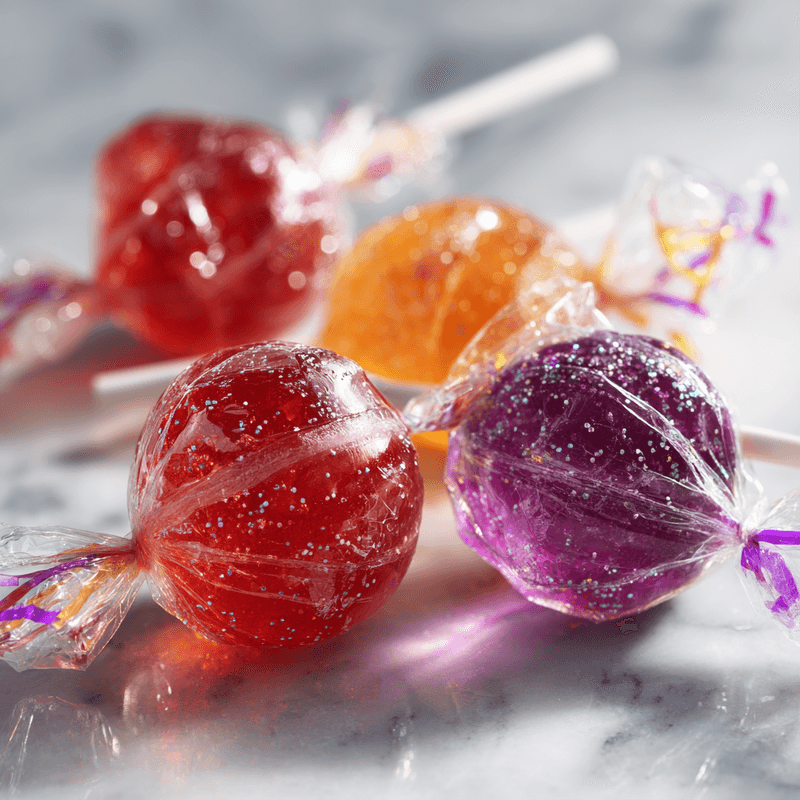
Cozy Fizzy Kool-Aid Lollipops for Gentle, Thoughtful Moments deliver a fascinating multi-stage tasting experience that unfolds as you enjoy them. The initial contact brings an intense burst of fruity sweetness, whether you choose cherry, grape, orange, or tropical flavors—each Kool-Aid variety contributes its distinct character with remarkable clarity. As your tongue adjusts to the sweetness, the fizzy element emerges, creating a subtle tingling sensation that mimics the carbonation you'd experience in a sparkling beverage. This effervescence comes from citric acid, which reacts with your saliva to produce that characteristic pop and sparkle on your palate. The beauty of these lollipops lies in their balance: they're undeniably sweet, as any good hard candy should be, but the tartness from both the Kool-Aid and the added citric acid prevents them from becoming cloying. The texture is equally important—a properly made lollipop should be glass-smooth and crystal-clear, snapping cleanly when bitten rather than sticking to your teeth. As the candy slowly dissolves, it releases waves of flavor that intensify and then gradually fade, making each lollipop a prolonged experience rather than a fleeting taste. The finish should leave a pleasant fruity memory without any bitter aftertaste or chalky residue, which is the hallmark of candy made with quality ingredients and proper technique.
Essential Ingredients Explained
The foundation of Cozy Fizzy Kool-Aid Lollipops for Gentle, Thoughtful Moments is granulated white sugar, which provides the structure and sweetness. Use pure cane sugar if possible, as it produces the clearest, most professional-looking candy with fewer impurities that could cause crystallization. Light corn syrup serves as an interfering agent, preventing sugar crystals from forming and ensuring your lollipops remain smooth rather than grainy—this ingredient is absolutely essential and cannot be omitted, though you can substitute with golden syrup if corn syrup is unavailable in your region. Water might seem like a mundane ingredient, but it's the medium that dissolves the sugar and allows it to reach the proper temperature; always use filtered or bottled water if your tap water has strong mineral content or chlorine flavors. Kool-Aid drink mix is where the magic happens—these unsweetened powdered crystals pack concentrated flavor and vibrant color into a shelf-stable form. Choose your favorite variety, but be aware that darker colors like grape and cherry will produce more intensely colored pops than lighter flavors like lemonade or orange. Citric acid creates that characteristic fizzy sensation and adds tartness that balances the sweetness; food-grade citric acid is available in the canning section of most grocery stores or through online specialty retailers. For the best results, purchase citric acid in powder form rather than liquid, as it integrates more evenly into the candy mixture. Flavor extracts can enhance your lollipops if you want to layer tastes—a few drops of vanilla, almond, or fruit extract complement the Kool-Aid beautifully without overwhelming it. Finally, you'll need lollipop sticks, which come in paper or plastic varieties; paper sticks are my preference for their traditional feel and environmental friendliness. If you plan to wrap your finished lollipops, invest in cellophane bags and twist ties to keep them fresh and make them gift-worthy.
Mastering the Technique
Creating perfect Cozy Fizzy Kool-Aid Lollipops for Gentle, Thoughtful Moments requires understanding the science of sugar cooking and developing comfort with high temperatures. The first stage involves combining your sugar, corn syrup, and water in a heavy-bottomed saucepan—the thick base distributes heat evenly and prevents hot spots that could cause scorching. Stir the mixture over medium heat only until the sugar completely dissolves; once the liquid begins to boil, stop stirring entirely, as agitation at high temperatures encourages unwanted crystallization. As the sugar solution heats, it progresses through distinct stages: thread, soft ball, firm ball, hard ball, and finally hard crack, which occurs at 300°F to 310°F (149°C to 154°C). This is your target temperature for lollipops, and you absolutely must use a candy thermometer—guessing will lead to candy that's either too soft and sticky or burnt and bitter. While the mixture cooks, prepare your workspace by arranging lollipop molds on a heat-resistant surface or laying out lollipop sticks on a silicone mat sprayed lightly with neutral oil. Once your syrup reaches hard crack stage, remove it immediately from heat and work quickly but carefully, as the mixture is extremely hot. This is when you add your Kool-Aid powder and citric acid, stirring just enough to incorporate them fully—the mixture will bubble and steam, so use a long-handled spoon and stand back slightly. The final stage involves pouring the candy into your prepared molds or free-forming pools around your lollipop sticks, working swiftly because the mixture begins to set within seconds as it cools. The science here is fascinating: as the water evaporates during cooking, the sugar concentration increases until the molecules can form a rigid glass-like structure when cooled, creating that satisfying snap and clarity we associate with quality hard candy.
Common Pitfalls and How to Fix Them
Even experienced candy makers encounter challenges when crafting Cozy Fizzy Kool-Aid Lollipops for Gentle, Thoughtful Moments, so don't be discouraged if your first batch isn't perfect. The most common issue is crystallization, where your smooth syrup suddenly turns grainy and opaque, usually caused by sugar crystals forming on the sides of the pan and falling back into the mixture. Prevent this by washing down the sides of your pan with a wet pastry brush after the mixture begins boiling, and resist the urge to stir once boiling begins. If your lollipops turn out sticky rather than crisp, you likely didn't reach a high enough temperature—candy that stops at 290°F will remain slightly tacky and won't develop that glass-like quality. Always calibrate your thermometer by testing it in boiling water, which should read 212°F at sea level; if it reads higher or lower, adjust your target temperature accordingly. Bubbles trapped in your finished lollipops create a cloudy appearance and weaken the structure; minimize this by allowing the cooked syrup to rest for thirty seconds after removing it from heat, which lets the largest bubbles rise and pop before you pour. If your Kool-Aid flavor seems weak or washed out, you may have added it too early or used too little—always add it after removing from heat, and use at least one full packet per batch for intense flavor. Color separation or streaking happens when the powder isn't fully incorporated; solve this by stirring thoroughly but briefly after adding your Kool-Aid, ensuring everything is evenly distributed before pouring. Finally, if your lollipops stick stubbornly to molds, you either didn't use enough release agent or tried to remove them before they were completely cool—patience is essential, as rushing this step can break your carefully crafted pops.
Regional Twists Worth Trying
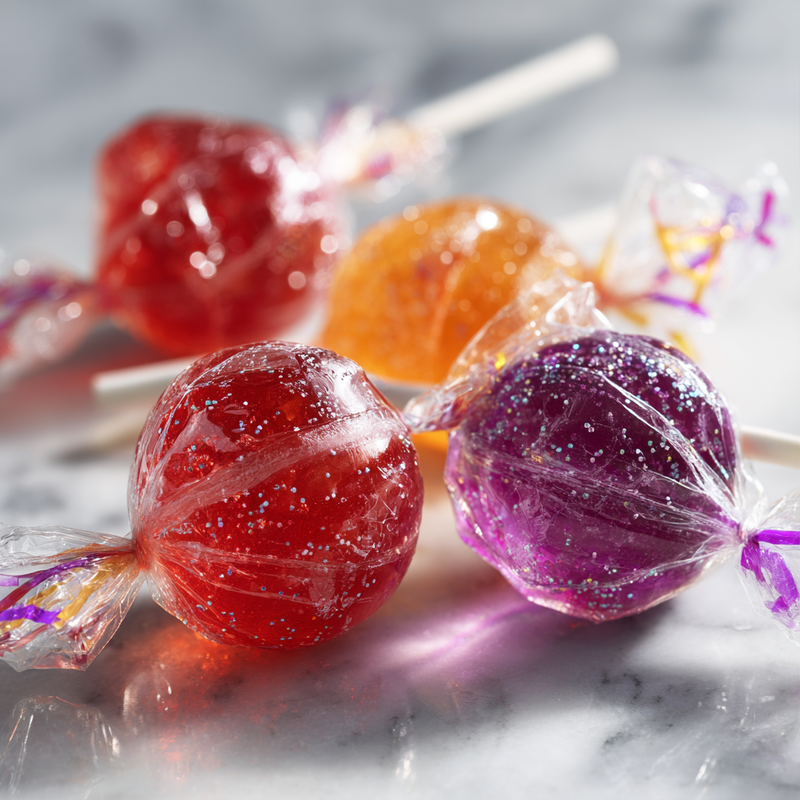
Once you've mastered the basic technique for Cozy Fizzy Kool-Aid Lollipops for Gentle, Thoughtful Moments, exploring regional variations opens up exciting new flavor territories. The Middle Eastern approach to hard candy often incorporates rosewater or orange blossom water, which you can add to your base recipe by substituting a teaspoon of floral water for an equal amount of the regular water—this creates a sophisticated, perfumed quality that pairs beautifully with lighter Kool-Aid flavors like lemonade. Some Latin American candy traditions embrace bold spice combinations, and you can channel this by adding a pinch of cayenne pepper or chili powder along with your citric acid for a sweet-spicy experience that tingles on multiple levels. Asian confectionery often features layers of contrasting flavors, which you can replicate by making two separate batches of differently flavored candy and swirling them together as you pour, creating beautiful marbled lollipops with complex taste profiles. A modern American twist involves adding edible glitter or luster dust to your mixture just before pouring, creating sparkly, eye-catching pops that are especially popular for special gatherings and gift-giving. Each variation teaches you something new about how flavors interact and how small changes can dramatically transform the final product.
The Perfect Spread
Cozy Fizzy Kool-Aid Lollipops for Gentle, Thoughtful Moments shine as standalone treats, but they also play well with others when you're planning a complete refreshment spread. For a cohesive dessert table at family gatherings, pair your lollipops with complementary flavors that share their fruity profile—fresh fruit skewers, sorbet cups, or fruit-flavored cookies create a thematic harmony that feels intentional and elegant. The visual impact matters too; arrange your jewel-toned lollipops in clear glass containers or display them upright in a foam block covered with decorative fabric, turning functional candy storage into eye-catching centerpieces. Consider the temperature and textural contrast when building your spread—since lollipops are shelf-stable and room-temperature, balance them with chilled beverages, cool fruit salads, or creamy desserts that offer different mouthfeels. Traditional accompaniments from various candy-making cultures include honeyed nuts, sesame brittles, and fruit leather, all of which complement the intense sweetness of hard candy with their own distinct textures and more subtle flavors. For a modern, health-conscious gathering, position your lollipops as the intentional indulgence alongside lighter options like infused water stations, fresh vegetable crudités, and herb-garnished dishes that refresh the palate between sweet treats. The key is creating variety and balance so each element shines without overwhelming your guests with competing flavors or monotonous textures.
Keeping and Reheating
Proper storage is crucial for maintaining the quality of your Cozy Fizzy Kool-Aid Lollipops for Gentle, Thoughtful Moments, as hard candy is hygroscopic, meaning it absorbs moisture from the air. Individually wrap each cooled lollipop in cellophane or wax paper immediately after it reaches room temperature, twisting the ends securely to create an airtight seal that protects against humidity. Store your wrapped lollipops in an airtight container with a tight-fitting lid, and place a food-safe desiccant packet inside if you live in a particularly humid climate—this extra step prevents the dreaded stickiness that can develop when candy draws moisture from the environment. Under ideal conditions in a cool, dry pantry away from direct sunlight, your lollipops will maintain their crisp texture and vibrant flavor for up to six months, though they're usually enjoyed long before then. Unlike many foods, hard candy doesn't improve with age; it's at its absolute best within the first month after making, when colors remain brightest and flavors taste most vivid. If your lollipops do become slightly sticky due to humidity exposure, you can't truly "reheat" them back to their original state, but you can salvage them by unwrapping, crushing, and using the pieces as decorative toppings for cakes, cupcakes, or ice cream. For gifting purposes, package your lollipops no more than a week before presenting them to ensure they're in pristine condition, and if shipping them to distant loved ones, add extra protective wrapping and consider including desiccant packets to combat any moisture encountered during transit. Never refrigerate or freeze hard candy, as the temperature fluctuations when removing them from cold storage will cause condensation that immediately makes the surface tacky and unpleasant.
Your Questions Answered
Can I make Cozy Fizzy Kool-Aid Lollipops for Gentle, Thoughtful Moments without a candy thermometer?
While technically possible using the cold water test method—where you drop small amounts of syrup into ice water to check consistency—I strongly recommend investing in a candy thermometer for consistent results. The hard crack stage has a very narrow temperature range, and just five degrees difference can mean the distinction between perfect lollipops and sticky disappointments. Digital instant-read thermometers with high temperature ranges work excellently and typically cost less than a single batch of wasted ingredients.
How can I make these lollipops less sweet for those who prefer subtler flavors?
The fundamental nature of hard candy requires a high sugar concentration to achieve the proper texture, so dramatically reducing sweetness isn't feasible without changing the entire product. However, you can adjust the perceived sweetness by increasing the citric acid to amplify tartness, which creates a sweet-sour balance that tastes less sugary overall. Using lemon or lime Kool-Aid varieties also provides more acidic, less cloying flavors than grape or cherry options.
What's the best way to clean the pot after making these lollipops?
The hardened sugar syrup that inevitably coats your pan might look intimidating, but it dissolves easily with a simple technique. Fill the pot with hot water immediately after pouring your candy, return it to the stove, and bring the water to a gentle simmer for five to ten minutes. The heat will completely dissolve all the sugar residue, leaving your pan sparkling clean with minimal scrubbing required.
Can I scale up this recipe to make large batches for community gatherings?
Absolutely, though I recommend working in multiple smaller batches rather than one enormous pot. Sugar syrup in larger quantities takes longer to reach temperature and becomes increasingly difficult to handle safely when pouring. Making three or four separate batches gives you better control over temperature, allows you to create multiple flavor varieties, and reduces the risk of the syrup beginning to set before you've finished pouring all your lollipops.
How do I achieve perfectly clear, professional-looking lollipops?
Clarity comes from three critical factors: using pure ingredients without impurities, avoiding crystallization during cooking, and preventing air bubbles in your finished product. Choose quality cane sugar, never stir after boiling begins, and let your cooked syrup rest briefly before pouring to allow bubbles to escape. Additionally, spray your molds very lightly with oil—too much creates a cloudy film, while too little causes sticking.
Are there any ingredient substitutions that work for those with corn sensitivities?
Yes, you can replace corn syrup with golden syrup, glucose syrup, or even honey, though each will slightly alter the flavor profile. Golden syrup is the closest match in performance and imparts a subtle caramel note that many people actually prefer. Use the same measurement as you would corn syrup, and follow the recipe exactly as written for successful results that accommodate dietary sensitivities while maintaining the essential texture of Cozy Fizzy Kool-Aid Lollipops for Gentle, Thoughtful Moments.
Cozy Fizzy Kool-Aid Lollipops for Gentle, Thoughtful Moments
Bright, fruity homemade lollipops with a fizzy twist, perfect for gatherings and gift-giving. These crystal-clear hard candies burst with Kool-Aid flavor.
Prep Time
15 min
Cook Time
20 min
Total Time
35 min
Servings
24 lollipops
Ingredients
For 24 lollipops
- 2 cups granulated white sugar
- 2/3 cup light corn syrup
- 3/4 cup filtered water
- 2 packets (0.13 oz each) unsweetened Kool-Aid drink mix, any flavor
- 1 teaspoon citric acid powder
- 1/4 teaspoon flavor extract (optional, vanilla or fruit)
- 24 lollipop sticks
- Non-stick cooking spray for molds
Instructions
- 1
Prepare workspace
Line a baking sheet with a silicone mat or parchment paper sprayed lightly with non-stick cooking spray. Arrange lollipop sticks in rows, spacing them at least 3 inches apart. If using lollipop molds, spray them lightly and insert sticks according to mold design.
- 2
Combine base ingredients
In a heavy-bottomed medium saucepan, combine the granulated sugar, corn syrup, and water. Stir gently over medium heat until the sugar completely dissolves, about 3-4 minutes. Use a wet pastry brush to wash down any sugar crystals from the sides of the pan.
- 3
Cook to hard crack
Attach a candy thermometer to the side of the pan, ensuring the tip doesn't touch the bottom. Stop stirring once the mixture begins to boil. Allow the syrup to cook undisturbed until it reaches 300-305°F (hard crack stage), which takes about 12-15 minutes. The mixture will be clear and bubbling vigorously.
- 4
Add flavorings
Remove the pan immediately from heat when temperature is reached. Working quickly but carefully, stir in both packets of Kool-Aid powder, citric acid, and optional extract. The mixture will bubble and steam intensely, so use a long-handled spoon and stand back. Stir just until fully combined and color is even throughout, about 10-15 seconds.
- 5
Let bubbles settle
Allow the hot candy mixture to rest off heat for 30-45 seconds. This brief pause lets the largest air bubbles rise to the surface and pop, resulting in clearer finished lollipops. Watch the mixture carefully as it will begin to thicken as it cools.
- 6
Pour lollipops
Working very quickly, carefully pour or spoon the hot candy over the prepared lollipop sticks, forming circles about 2 inches in diameter. If using molds, pour to fill each cavity completely. The candy will begin to set within seconds, so work as rapidly as safely possible.
- 7
Cool completely
Allow the lollipops to cool undisturbed at room temperature for at least 30 minutes until completely hardened. Do not touch or move them during this time, as they remain fragile until fully set. The lollipops are ready when they release easily from the mat or molds and feel cool to the touch.
- 8
Wrap and store
Once completely cool, immediately wrap each lollipop individually in cellophane bags or wax paper, twisting the ends tightly to seal. Store wrapped lollipops in an airtight container in a cool, dry place away from humidity for up to 6 months.
Nutrition Facts
Per serving (estimated)
85 calories
Calories
22g
Carbs
0g
Protein
0g
Fat
0g
Fiber
5mg
Sodium
21g
Sugar