Chickpea Feta Avocado Salad | Simple Tasty Recipes
Learn how to make a vibrant chickpea feta avocado salad with creamy textures and bright flavors. Perfect for meal prep and gatherings.
cookwithlucia.com/recipes/chickpea-feta-avocado-salad-simple-tasty-recipes
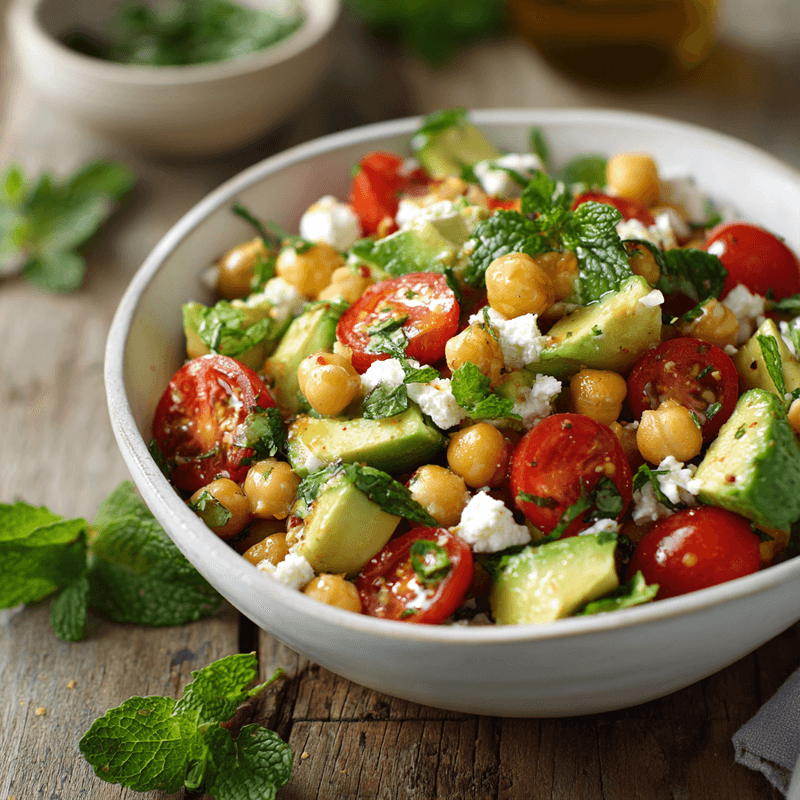
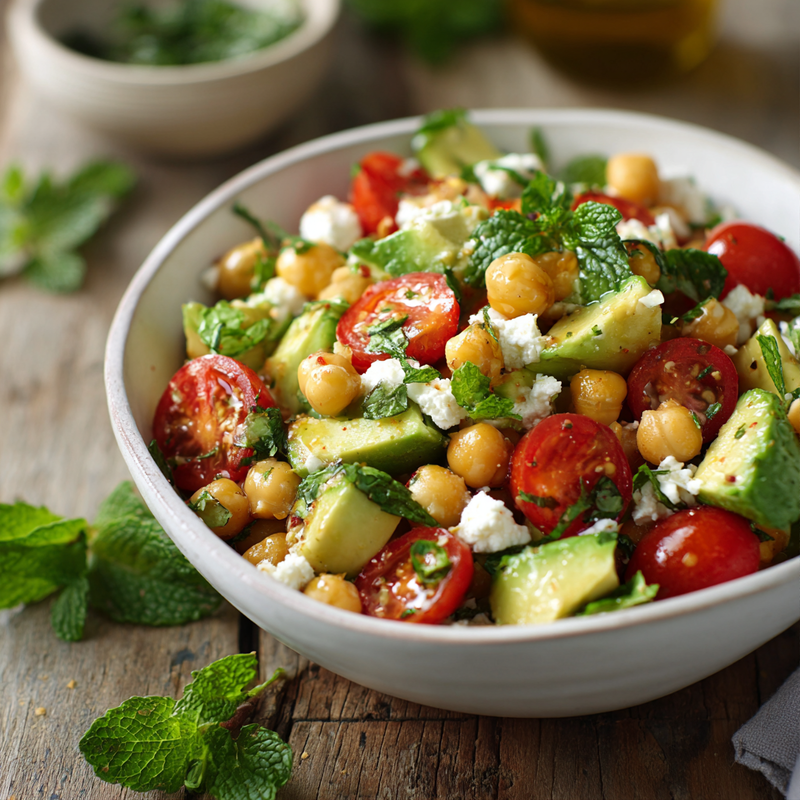
There's something magical about the moment when you combine protein-rich chickpeas, creamy avocado, and tangy feta in one bowl. The chickpea feta avocado salad isn't just another simple lunch option—it's a master class in balancing textures and flavors that transforms humble ingredients into something extraordinary. The firm bite of chickpeas against silky avocado, the salty burst of feta mingling with fresh herbs, and the bright acidity that ties everything together create a symphony in your mouth.
I know what you might be thinking: it's just a salad, how complex can it be? But understanding how to properly prepare each component, how to dress it without making it soggy, and how to balance richness with brightness is what separates a forgettable bowl of ingredients from a dish you'll crave repeatedly. This chickpea feta avocado salad has become one of my most-requested recipes because it works beautifully for weekday lunches, potluck gatherings, or as a substantial side dish that often steals the show from the main course.
The beauty of mastering this technique lies in its versatility. Once you understand the principles of building a composed salad with varied textures and complementary flavors, you can apply this knowledge to countless combinations. But let's start here, with this particular combination that's both foolproof and sophisticated.
The Science Behind the Method
What makes a chickpea feta avocado salad work so beautifully comes down to understanding textural contrast and flavor balance. Chickpeas provide a starchy, slightly nutty base with their firm exterior and fluffy interior—they're the anchor that absorbs dressing while maintaining structure. When you rinse and dry them properly, you create a surface that welcomes flavor without becoming mushy, which is crucial for any successful bean salad.
The avocado introduces healthy fats that coat your palate and create a luxurious mouthfeel. From a culinary science perspective, fat carries flavor compounds and makes them more bioavailable to your taste receptors. This is why the chickpea feta avocado salad tastes so satisfying—the avocado's creamy richness helps distribute the herbs, lemon, and other aromatic compounds throughout each bite. The key is adding avocado at the right moment to prevent oxidation and maintaining distinct pieces rather than mashing it into a paste.
Feta cheese brings both salt and acidity to the equation, thanks to the brine it's stored in. This brined cheese doesn't just add tanginess—it creates little pockets of intense flavor that contrast with the milder chickpeas and buttery avocado. Understanding this interplay means you can adjust salt levels in your dressing accordingly, letting the feta do much of the seasoning work. The science of acid balance also matters here: lemon juice brightens all these rich elements, cutting through fat and enhancing the perception of freshness without overwhelming delicate flavors.
Tools and Ingredients You'll Need
The beauty of this chickpea feta avocado salad is that it requires minimal specialized equipment, making it accessible whether you have a fully stocked kitchen or just the basics. You'll need a large mixing bowl—I prefer glass or ceramic because they don't retain odors and allow you to see the ingredients as you toss them. A colander is essential for thoroughly rinsing and draining your chickpeas, which removes excess sodium and any metallic taste from canned varieties. A sharp knife and stable cutting board make quick work of chopping vegetables and dicing avocado cleanly without bruising.
For whisking your dressing, a small bowl and fork work perfectly fine, though a mason jar with a tight lid makes emulsifying even easier—you just shake vigorously and pour. A citrus juicer or reamer helps you extract maximum juice from lemons without seeds, but squeezing by hand through your fingers works too. Some cooks swear by a salad spinner for drying fresh herbs, but I find patting them gently with paper towels just as effective if you're working with smaller quantities.
Ingredient quality matters significantly in simple preparations like this. Look for canned chickpeas with minimal ingredients listed—just chickpeas, water, and perhaps a little salt. Drain and rinse them well; this step is non-negotiable. For avocados, you want them ripe but still firm enough to hold their shape when cubed. They should yield slightly to gentle pressure but not feel mushy. Choose feta packed in brine rather than pre-crumbled if possible—it stays fresher and has better texture. The pre-crumbled versions often contain anti-caking agents that affect mouthfeel.
Fresh herbs transform this chickpea feta avocado salad from good to exceptional. Parsley, mint, or dill each bring different personalities—parsley offers clean freshness, mint adds cooling aromatics, and dill provides subtle anise notes. Whatever you choose, make sure the leaves are vibrant and perky, not wilted or yellowing. Quality olive oil matters too; this isn't the place for your cooking olive oil but rather your finishing oil with fruity, peppery notes that shine in raw applications.
The Method, Step by Step
Begin by preparing your chickpeas properly, which is the foundation of a great chickpea feta avocado salad. Open your cans and pour the contents into a colander set in the sink. Rinse under cold running water for a full thirty seconds, using your hands to gently agitate them so water reaches all surfaces. This removes the thick liquid they're packed in, which can taste metallic and add unwanted starchiness. After rinsing, let them drain for several minutes, shaking the colander occasionally. For even better results, spread them on a clean kitchen towel and gently pat dry—this creates a surface that welcomes dressing rather than repelling it.
While your chickpeas drain, prepare your dressing because it needs a few minutes for flavors to meld. In a small bowl or jar, combine freshly squeezed lemon juice, minced garlic, olive oil, a touch of honey or maple syrup for balance, and your seasonings. The ratio should favor acid slightly since the rich avocado and salty feta will balance it. Whisk or shake vigorously until the mixture looks unified and slightly thickened—this emulsification means the oil and acid have temporarily bonded, creating a cohesive dressing that will cling to ingredients rather than pooling at the bottom of your bowl.
Next, address your vegetables and herbs with precision cutting techniques. Dice your cucumber into pieces roughly the same size as your chickpeas—this uniformity isn't just aesthetic, it ensures every forkful has balanced proportions. Remove cucumber seeds if they're particularly watery, which can dilute your dressing. Slice cherry tomatoes in half so their juices mingle with the dressing. Finely chop your herbs—and I mean finely, into pieces small enough that they distribute throughout rather than clumping. Stack herb leaves, roll them tightly, and slice crosswise into thin ribbons, then give them a rough chop.
Combine your chickpeas, cucumber, tomatoes, and herbs in your large bowl first. Toss them with about two-thirds of your dressing, holding back the remainder. This initial toss allows these sturdier ingredients to marinate slightly and develop flavor. Let this mixture sit for five to ten minutes if time permits—the chickpeas will absorb dressing, and the tomatoes will release a bit of their juice, creating even more flavor.
Now comes the critical moment: adding your delicate ingredients. Cube your avocado carefully by slicing the halves into a grid pattern while still in the skin, then scooping out the pieces with a spoon. This technique gives you uniform cubes without bruising. Add the avocado and crumbled feta to your bowl, then drizzle the remaining dressing over top. Here's where technique matters most—use a large spoon or spatula to fold rather than stir aggressively. Slide your utensil down the side of the bowl, across the bottom, and up through the center, rotating the bowl as you go. This gentle folding motion distributes ingredients without smashing the avocado or breaking apart the feta.
Taste and adjust your chickpea feta avocado salad now, while you can still make corrections. Does it need more brightness? Add another squeeze of lemon. Not enough depth? A pinch of cumin or coriander can work wonders. Lacking salt? Remember the feta is salty, but sometimes a tiny pinch of flaky sea salt on top makes everything pop. The temperature at which you serve matters too—this salad tastes best at cool room temperature rather than refrigerator-cold, which allows all the flavors to express themselves fully.
Troubleshooting Guide
If your chickpea feta avocado salad turns watery and soupy after sitting, the culprit is usually insufficiently drained chickpeas or overly juicy tomatoes. Next time, dry your chickpeas thoroughly after rinsing and consider using roma tomatoes with their seeds scooped out, or reduce the quantity slightly. You can rescue a watery salad by draining off excess liquid and adding a handful of fresh greens like arugula or spinach to absorb moisture while adding nutritional value.
When the avocado turns brown and unappetizing, you've encountered oxidation, which happens when avocado flesh is exposed to air. Prevention is easier than fixing: add avocado just before serving, or if making ahead, press plastic wrap directly onto the salad surface to minimize air contact. A generous amount of lemon juice also slows browning since the acid inhibits the enzyme responsible. If some browning occurs, simply scrape off the discolored layer before serving—the salad underneath is perfectly fine.
A bland, boring chickpea feta avocado salad usually means underseasoning or not allowing enough time for flavors to develop. Remember that cold foods need more seasoning than hot ones because chilled temperatures dull taste receptors. Don't be shy with salt, acid, and fresh herbs. Also, letting the chickpeas marinate in dressing for even ten minutes makes a remarkable difference. If your finished salad tastes flat, try adding a pinch of red pepper flakes for heat, some lemon zest for aromatic oils, or fresh ground black pepper for depth.
If the feta overwhelms everything with excessive saltiness, you either used too much or didn't account for its intensity when seasoning the dressing. Soak your feta in cool water for ten minutes before crumbling to remove excess brine, or switch to a milder variety. You can balance an overly salty batch by adding more chickpeas and avocado to dilute the salt concentration, or serve it over fresh greens rather than on its own.
When the salad lacks cohesion and feels like separate ingredients rather than a unified dish, your dressing ratio is probably off or you didn't emulsify it properly. The dressing should coat everything lightly but thoroughly. Make sure you're using enough dressing—people often under-dress salads because they add ingredients in the bowl, then dressing on top without mixing properly. Add dressing incrementally, tossing between additions, until everything glistens slightly.
Taking It to the Next Level
Once you've mastered the basic chickpea feta avocado salad, elevate it with thoughtful additions that complement rather than compete. Toast whole cumin seeds in a dry skillet until fragrant, then crush them roughly and add to your dressing for earthy depth. Or try za'atar, that wonderful Middle Eastern spice blend of herbs, sesame, and sumac, sprinkled over the finished salad. Pomegranate arils add jewel-like bursts of sweet-tart juice that play beautifully against creamy avocado.
Consider adding textural elements that create interest. Toasted pine nuts or slivered almonds contribute richness and crunch, while toasted pita chips broken into pieces transform this into a fattoush-inspired creation. Some cooks add thinly sliced radishes for peppery bite and visual appeal, their pink and white rounds creating striking contrast against green avocado and white feta.
For a more substantial meal, serve your chickpea feta avocado salad over a bed of quinoa, bulgur, or mixed greens. The grains soak up any excess dressing and add additional protein and fiber. You can also stuff it into whole grain pita pockets or use it as a topping for grilled chicken or fish. Professional cooks often plate this salad in a ring mold for elegant presentation, pressing it gently into the cylinder then lifting it away to reveal a neat tower.
Experiment with the herb profile to completely change the salad's personality. A combination of fresh dill and mint takes it in a Greek direction, while cilantro and a pinch of cumin lean more Mediterranean-Mexican. Basil and oregano create Italian vibes. Keep the base formula the same but play with these aromatic variables to keep the chickpea feta avocado salad interesting meal after meal.
Storing Your Results
Proper storage extends the life of your chickpea feta avocado salad while maintaining quality, though this is one dish best enjoyed fresh. If you must make it ahead, prepare all components separately and combine just before serving. Store the chickpeas with vegetables and dressing in one container, the feta in another, and keep whole avocados uncut until you're ready to serve. This compartmentalized approach prevents the avocado from oxidizing and keeps the feta from making everything too salty.
When you do store the completed salad, transfer it to an airtight container and press plastic wrap directly onto the surface before sealing the lid. This dual-layer protection minimizes air exposure. Store in the refrigerator where it will keep for up to twenty-four hours, though texture quality declines as the avocado softens and browns. Before serving refrigerated salad, let it sit at room temperature for fifteen minutes and give it a gentle toss, adding a fresh squeeze of lemon juice to brighten flavors dulled by the cold.
For meal prep purposes, this chickpea feta avocado salad works wonderfully if you pack components separately in divided containers. Layer greens in the bottom, then chickpeas and vegetables, feta, dressing in a small separate container, and avocado in another small container. Assemble when ready to eat for maximum freshness. This method keeps everything at peak quality for three to four days.
Freezing is not recommended for this salad since both avocado and feta have high water content that breaks down and becomes grainy when thawed. The chickpeas would survive freezing, but it's not worth sacrificing the quality of other components. If you have leftover chickpea mixture without avocado or feta, that portion can be refrigerated for up to four days and freshened with new avocado, feta, and herbs when you're ready to serve again.
Common Questions
Can I use dried chickpeas instead of canned?
Absolutely, and many cooks prefer the firmer texture and control over seasoning that dried chickpeas provide. Soak one cup of dried chickpeas overnight, drain, then simmer in fresh water for forty-five to sixty minutes until tender but not mushy. Drain well, cool completely, and proceed with the recipe. Home-cooked chickpeas have a creamier interior and more substantial bite that really elevates the chickpea feta avocado salad. Just plan ahead since they require more time than opening a can.
What if I can't find good avocados?
Ripe avocados can be elusive depending on season and location, but you have options. Buy firm avocados several days ahead and let them ripen at room temperature in a paper bag, which traps ethylene gas and speeds the process. If you absolutely cannot get decent avocados, increase the feta slightly and add extra olive oil to the dressing to compensate for lost creaminess. Alternatively, substitute cubed fresh mozzarella for a different but still delicious result. The salad won't be quite the same without avocado, but it will still be delicious.
How do I scale this recipe for a large gathering?
The chickpea feta avocado salad scales beautifully for crowds, just maintain the ratios and adjust your mixing technique. For parties, I recommend preparing a triple or quadruple batch without avocado, which can sit for an hour or two. Cut and add avocados in stages as you refill the serving bowl so everything stays fresh and appealing. Use a very large bowl or even a clean basin for mixing, and employ two spatulas in a folding motion to distribute ingredients evenly without crushing delicate elements. Make extra dressing since larger quantities need more to coat everything adequately.
Can this salad be made vegan?
Simply omit the feta or substitute it with a plant-based alternative, though I find that adding nutritional yeast to the dressing provides similar savory depth without trying to replicate cheese texture. Increase the salt in your dressing slightly since you'll lose the feta's salinity. Some cooks add marinated tofu cubes for protein and a chewy element that mimics feta's texture. The chickpea feta avocado salad concept works beautifully in vegan form—the chickpeas and avocado already provide plenty of richness and satisfaction.
Why does my salad taste different each time I make it?
Variability in fresh ingredients affects flavor significantly, especially with something as simple as this chickpea feta avocado salad. Avocados vary in richness depending on variety and ripeness. Lemons differ in acidity and juice content seasonally. Feta brands have different salt levels and tanginess. The solution is tasting and adjusting rather than following measurements rigidly. Start with slightly less dressing, salt, and acid than you think you need, then add incrementally until it tastes right. This adaptive approach ensures consistent results despite ingredient variations.
What herbs work best if I don't like the ones listed?
Herb choice is wonderfully flexible in this salad, so trust your preferences. Basil brings sweet, almost peppery notes that pair beautifully with tomatoes. Cilantro adds bright, citrusy flavors though some people have a genetic aversion to it. Dill provides delicate anise undertones perfect with cucumber and feta. Parsley offers clean, fresh flavor that won't overpower. Even arugula or watercress, chopped finely, can serve as both herb and green. The chickpea feta avocado salad is forgiving and adaptable, so experiment with what's available and appealing to you.
Chickpea Feta Avocado Salad
A vibrant, protein-rich salad combining tender chickpeas, creamy avocado, tangy feta cheese, and fresh vegetables in a bright lemon dressing. Perfect for meal prep, gatherings, or a satisfying light meal.
Prep Time
15 min
Cook Time
0 min
Total Time
15 min
Servings
4 servings
Ingredients
For 4 servings
- 2 cans (15 oz each) chickpeas, drained and rinsed
- 2 ripe avocados, diced
- 1 cup feta cheese, crumbled
- 1 cup cherry tomatoes, halved
- 1 cucumber, seeded and diced
- 1/4 cup red onion, finely diced
- 1/4 cup fresh parsley, finely chopped
- 2 tablespoons fresh mint, finely chopped
- 3 tablespoons extra virgin olive oil
- 2 tablespoons fresh lemon juice
- 1 clove garlic, minced
- 1 teaspoon honey
- 1/2 teaspoon ground cumin
- 1/2 teaspoon sea salt
- 1/4 teaspoon black pepper
- 1/4 teaspoon red pepper flakes (optional)
Instructions
- 1
Prepare the chickpeas
Drain the canned chickpeas in a colander and rinse thoroughly under cold running water for 30 seconds, agitating gently with your hands. Let them drain completely for several minutes, shaking occasionally. For best results, spread them on a clean kitchen towel and pat dry to remove excess moisture. This ensures the chickpeas will absorb the dressing rather than repel it.
- 2
Make the dressing
In a small bowl or mason jar, combine the olive oil, lemon juice, minced garlic, honey, cumin, salt, black pepper, and red pepper flakes if using. Whisk vigorously or shake the jar with the lid on for 30 seconds until the mixture is emulsified and slightly thickened. The dressing should look unified rather than separated. Set aside to let flavors meld.
- 3
Prep the vegetables
Cut the cucumber in half lengthwise and scoop out the watery seeds with a spoon, then dice into pieces roughly the same size as the chickpeas. Halve the cherry tomatoes. Finely dice the red onion. Finely chop the parsley and mint leaves by stacking them, rolling tightly, and slicing into thin ribbons, then roughly chopping.
- 4
Combine base ingredients
In a large mixing bowl, combine the dried chickpeas, cucumber, tomatoes, red onion, parsley, and mint. Pour about two-thirds of the prepared dressing over these ingredients and toss well to coat everything evenly. Let this mixture sit for 5-10 minutes if time permits, allowing the chickpeas to absorb flavor and the vegetables to release their juices.
- 5
Prepare the avocado
Cut the avocados in half, remove the pit, and score the flesh in a grid pattern while still in the skin, making cuts about half-inch apart both lengthwise and crosswise. Use a spoon to scoop out the cubed avocado pieces carefully. This technique creates uniform cubes without bruising the delicate fruit.
- 6
Add delicate ingredients
Add the cubed avocado and crumbled feta cheese to the bowl with the chickpea mixture. Drizzle the remaining dressing over the top. Using a large spoon or spatula, gently fold the ingredients together rather than stirring aggressively. Slide your utensil down the side of the bowl, across the bottom, and up through the center in a folding motion, rotating the bowl as you go.
- 7
Season and adjust
Taste the salad and adjust seasoning as needed. Add more lemon juice for brightness, a pinch of salt if needed (remembering the feta is already salty), or additional herbs for freshness. The salad should taste balanced with bright acidity, creamy richness, and savory depth.
- 8
Serve immediately
Transfer the chickpea feta avocado salad to a serving bowl or individual plates. For best flavor, serve at cool room temperature rather than straight from the refrigerator, which allows all the flavors to express themselves fully. Garnish with additional fresh herbs or a drizzle of olive oil if desired. Serve within 1-2 hours for optimal texture and color.
Nutrition Facts
Per serving (estimated)
385 calories
Calories
32g
Carbs
14g
Protein
24g
Fat
11g
Fiber
520mg
Sodium
6g
Sugar