Chicken Dumplings Meal Prep: Cook Once, Eat All Week
Master chicken dumplings meal prep with this complete guide. Batch cook on Sunday, enjoy delicious homemade dumplings all week. Storage tips included!
cookwithlucia.com/recipes/chicken-dumplings
There's something profoundly satisfying about opening your refrigerator on a Tuesday evening and finding a complete, delicious meal waiting for you. No scrambling through the pantry, no takeout menus, no guilt about eating something less than nourishing. This is the promise of meal prep, and chicken dumplings deliver on it beautifully. While most people think of dumplings as restaurant food or an elaborate cooking project, they're actually one of the most brilliant meal prep solutions you'll ever discover.
I understand the weeknight struggle intimately. After a full day of work, the last thing anyone wants is an hour-long cooking session followed by cleanup. Yet we also crave real food, the kind that satisfies both body and soul. Chicken dumplings solve this dilemma elegantly because they're designed to be made in batches, they improve as flavors meld in the refrigerator, and they reheat remarkably well. One focused Sunday afternoon session can yield twenty to thirty dumplings, portioned into five perfect lunches or quick dinners.
The beauty of chicken dumplings for meal prep extends beyond mere convenience. These little parcels of joy are nutritionally complete, combining lean protein, vegetables, and a starch wrapper in perfect proportion. They're endlessly customizable, deeply comforting, and surprisingly economical when you make them yourself. Whether you steam them, pan-fry them, or drop them into broth, chicken dumplings maintain their integrity throughout the week, never becoming soggy or losing their essential character. Let me show you how to transform your weekly routine with this foolproof approach.
Why This Recipe Is Perfect for Meal Prep
Chicken dumplings possess a unique set of characteristics that make them exceptional meal prep candidates. The filling, once cooked and sealed inside the wrapper, creates its own little ecosystem that protects the ingredients from oxidation and moisture loss. Unlike salads that wilt or rice bowls that dry out, properly stored chicken dumplings maintain their texture and flavor for up to five days in the refrigerator.
The ingredients themselves are remarkably stable. Ground chicken, when thoroughly cooked during the initial preparation, remains safe and delicious throughout the week. The vegetables you incorporate, typically finely chopped cabbage, scallions, and ginger, actually benefit from a bit of time as their flavors permeate the filling. The wrapper, whether you make it from scratch or use store-bought, acts as a protective barrier that keeps everything fresh and contained.
What truly sets chicken dumplings apart is how the flavors develop over time. The aromatics infuse the chicken more deeply with each passing day, the seasonings distribute more evenly, and the overall taste becomes more rounded and cohesive. This is the opposite of most leftovers, which deteriorate with time. Your Wednesday dumpling might actually taste better than your Monday one.
Nutritionally, chicken dumplings offer complete meal satisfaction in a compact package. Each dumpling provides quality protein from the chicken, fiber and vitamins from the vegetables, and just enough carbohydrate from the wrapper to feel satisfying without being heavy. When you portion them properly, five to six dumplings with a side of steamed vegetables or a light soup creates a balanced meal that supports your energy levels throughout the afternoon.
What You'll Need
The ingredient list for meal-prep chicken dumplings is refreshingly straightforward, but understanding how each component behaves over the week will help you make smarter choices. Start with ground chicken, and I recommend purchasing a larger package, around two pounds, which will yield approximately thirty dumplings. Look for ground chicken thigh if you can find it, as the slightly higher fat content keeps the filling moist throughout the week, whereas breast meat can become dry after a few days.
For vegetables, napa cabbage is your best friend in dumpling filling. It has a higher water content than regular cabbage, which keeps the filling juicy, but it doesn't release so much moisture that your dumplings become soggy. You'll need about two cups finely chopped. Fresh ginger and garlic are non-negotiable for authentic flavor, and because you're making a large batch, consider mincing a generous amount at once. Scallions add both flavor and color, and they hold up remarkably well when mixed into the filling.
The wrapper situation requires a decision. Homemade wrappers taste incredible and contain no preservatives, but they require additional time and skill. For true meal prep efficiency, high-quality store-bought dumpling wrappers are perfectly acceptable and actually last longer in storage. Purchase two packages of round dumpling wrappers, keeping one sealed in the refrigerator as backup. Look for wrappers that list simple ingredients and feel pliable, not brittle.
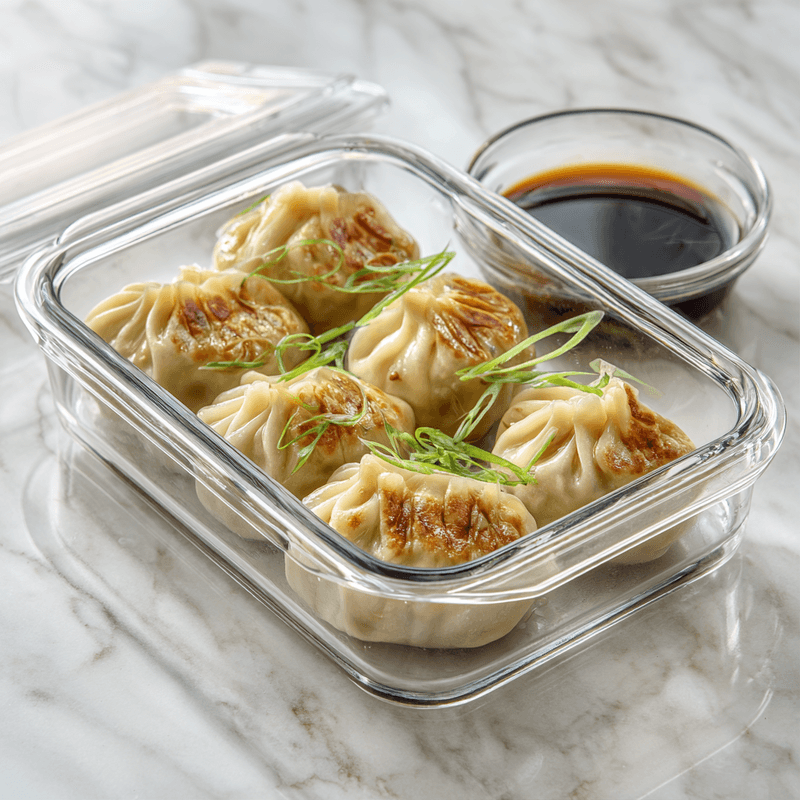
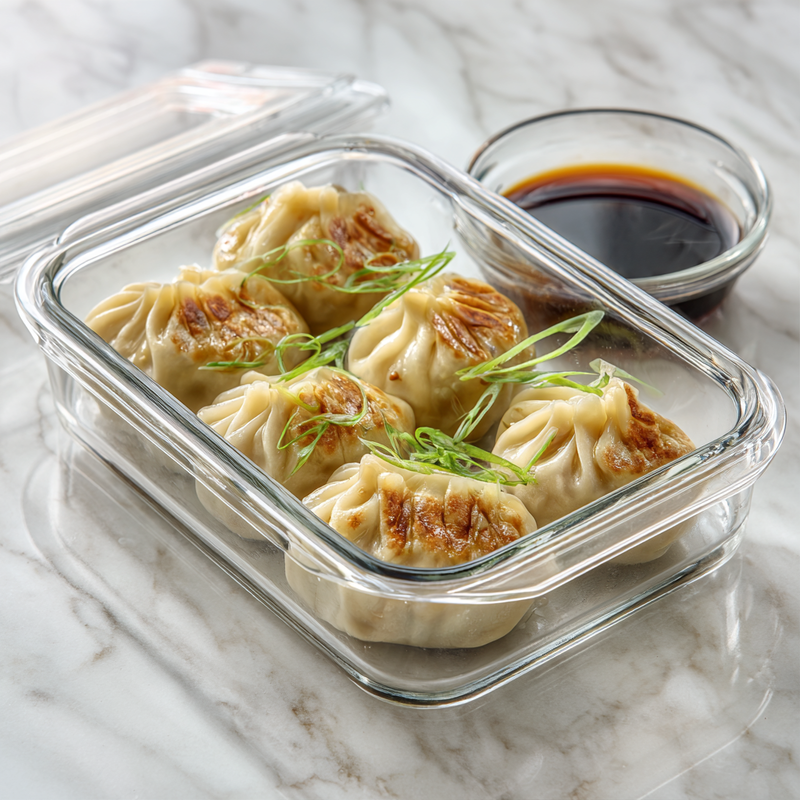
For containers, invest in glass meal prep containers with tight-fitting lids. The standard rectangular containers with divided sections work beautifully because you can separate your dumplings from any sides or sauces you're including. You'll need five containers for a full week's worth of lunches, or ten if you're prepping both lunches and dinners. Glass is superior to plastic because it doesn't absorb odors, can go directly from refrigerator to microwave, and maintains food quality better over multiple days.
Bulk buying makes economic sense when you're committing to regular dumpling meal prep. Purchase soy sauce, sesame oil, rice vinegar, and cornstarch in larger quantities. These pantry staples have long shelf lives and you'll use them repeatedly. Some warehouse stores sell ground chicken in value packs that you can portion and freeze, pulling out exactly what you need for each meal prep session.
The Batch Cooking Method
The key to efficient chicken dumpling meal prep is approaching it like an assembly line rather than making dumplings one at a time. Set aside a three-hour window, ideally on a Sunday afternoon when you're not rushed. The actual hands-on work is about ninety minutes, but allowing extra time prevents stress and lets you work at a comfortable pace.
Begin by preparing all your ingredients before you start assembling anything. This French culinary concept of mise en place is absolutely critical for batch cooking. Mince your ginger and garlic together, finely chop your cabbage, slice your scallions, and mix all your seasonings in a small bowl. Combine your ground chicken with the vegetables and aromatics in a large mixing bowl, adding soy sauce, sesame oil, a touch of cornstarch to bind everything, and your seasonings. Mix thoroughly with your hands or a sturdy spoon until the mixture becomes cohesive and slightly sticky.
Now comes the assembly line. Clear your largest work surface and set up stations: wrappers on your left, a small bowl of water in the center, the filling in front of you, and a large baking sheet lined with parchment paper on your right. Place a wrapper in your palm, add about a tablespoon of filling to the center, dip your finger in water and moisten the edges, then fold and pleat according to your preferred style. The specific folding technique matters less than ensuring a complete seal, which prevents the filling from leaking during cooking and storage.
As you fill each baking sheet with completed dumplings, make sure they're not touching each other or they'll stick together. Once a sheet is full, you have two options: cook them immediately or freeze them for later. For meal prep purposes, I recommend a hybrid approach. Cook half your batch immediately for the week ahead, and freeze the other half uncooked, which gives you a head start on next week's meal prep or provides a backup for busy evenings.
Cooking the dumplings is where simultaneous processes save time. If you have a large pot and a steamer basket, you can steam twenty dumplings at once in about twelve minutes. Alternatively, use the potsticker method: pan-fry the bottoms in a bit of oil until golden, then add water and cover to steam the tops. This method takes slightly longer per batch but creates those appealing crispy bottoms that reheat especially well. The total cooking time for all your dumplings will be about forty-five minutes if you work efficiently.
The Weekly Game Plan
Successful meal prep isn't just about cooking; it's about strategic planning that carries you smoothly through the entire week. Sunday afternoon is your power session. This is when you make your filling, assemble all your chicken dumplings, and cook the portion you'll eat this week. Plan for this to take about three hours total, though you'll get faster with practice.
Monday through Friday becomes remarkably simple. Each morning, grab a container from the refrigerator and you're done. If you work in an office with a microwave, you'll reheat at lunch. If you're eating at home, you have more reheating options, which I'll detail in the next section. The key is that zero cooking happens on weekday mornings or evenings unless you choose to add a fresh element.
Speaking of fresh elements, this is where variety enters your week. Your chicken dumplings remain constant, but what you serve them with changes daily. Monday might be dumplings with a simple soy-ginger dipping sauce and steamed bok choy. Tuesday, place them in a quick broth with mushrooms and spinach. Wednesday, serve them over a crisp cabbage slaw dressed with rice vinegar. Thursday, pair them with stir-fried vegetables. Friday, create a noodle soup situation with the dumplings floating alongside some rice noodles and fresh herbs.
This variation strategy prevents meal prep fatigue, which is the main reason people abandon the practice. The chicken dumplings themselves taste excellent throughout the week because they're protected by their wrappers, but changing the context keeps your palate interested. Prep these accompaniments in advance too: wash and chop vegetables Sunday evening, portion out noodles, mix up different dipping sauces in small containers.
Mid-week assessment is also important. By Wednesday evening, check your remaining portions and decide if you want to pull those frozen dumplings from the freezer for the weekend. Frozen chicken dumplings can go straight into boiling water or a steamer without thawing, which means Friday evening you can cook a fresh batch for Saturday and Sunday meals without starting from scratch.
Smart Storage and Reheating
The difference between good meal prep and great meal prep often comes down to storage technique. For chicken dumplings, glass containers with airtight lids are worth the investment. The containers should be sized appropriately—too large and you're wasting refrigerator space, too small and you'll crush your dumplings when closing the lid. A container that holds five to six dumplings plus a portion of vegetables is ideal.
When portioning your freshly cooked chicken dumplings, let them cool for about fifteen minutes before sealing the containers. Putting hot dumplings directly into closed containers creates condensation, which leads to sogginess. Once they've cooled to room temperature, arrange them in a single layer if possible, or at most two layers with a piece of parchment paper between them. Store your dipping sauces separately in small containers or those tiny two-ounce sauce cups with lids.
Properly stored chicken dumplings will maintain excellent quality for five days in the refrigerator. The filling remains moist, the wrapper stays tender, and the flavors continue developing. Beyond five days, while still safe if kept at proper refrigerator temperature, the texture begins to deteriorate and the wrapper can become slightly slimy.
For longer storage, freezing is your solution, and chicken dumplings freeze beautifully for up to three months. The trick is freezing them individually first. Place uncooked dumplings on a parchment-lined baking sheet, freeze until solid (about two hours), then transfer to a freezer bag. This prevents them from sticking together in one giant clump. You can also freeze cooked dumplings using the same method, though I prefer freezing them uncooked so I can prepare them fresh when needed.
Reheating methods significantly impact the final result. For steamed chicken dumplings, the microwave works reasonably well: place five dumplings in your container with a tablespoon of water, cover loosely, and microwave for two to three minutes until heated through. For better results, especially with pan-fried dumplings, use a skillet at home. Heat a teaspoon of oil over medium heat, add your dumplings flat-side down, let them crisp for two minutes, then add a splash of water and cover to steam and heat the filling thoroughly.
The oven method takes longer but works well for larger quantities. Preheat to 350°F, arrange dumplings on a baking sheet, cover with foil, and heat for twelve to fifteen minutes. Remove the foil for the last two minutes if you want to crisp the tops slightly. Regardless of method, always ensure the internal temperature reaches 165°F, especially important for poultry-based foods.
Customization Ideas
One of the greatest advantages of making chicken dumplings at home is the ability to customize them precisely to your preferences and dietary needs. The basic formula—protein plus vegetables plus aromatics wrapped in dough—remains constant, but nearly every element can be adjusted.
Protein variations open up different flavor profiles entirely. While ground chicken is classic and economical, ground turkey creates a nearly identical result with slightly different mineral notes. For a richer filling, try finely chopped chicken thigh meat instead of ground, which gives you more control over texture. Shrimp, either alone or combined with chicken, creates a more luxurious dumpling perfect for special meal prep weeks. Even plant-based options work beautifully: finely crumbled firm tofu mixed with mushrooms and cabbage creates surprisingly satisfying vegetarian chicken-style dumplings.
The vegetable component is equally flexible. While cabbage is traditional and behaves perfectly in meal prep, you can experiment with finely chopped shiitake mushrooms for earthiness, water chestnuts for crunch, or bamboo shoots for a different textural element. Leafy greens like spinach or chard work well if you squeeze out excess moisture before mixing them into the filling. Just maintain the general ratio of about one part vegetables to two parts protein.
Sauce and seasoning variations let you travel across Asian cuisines without changing your basic technique. A Thai-inspired chicken dumpling might include lemongrass, lime zest, and fresh cilantro in the filling. A Korean version could feature gochugaru (red pepper flakes) and kimchi finely chopped into the mixture. A Chinese-restaurant style emphasizes soy sauce, sesame oil, and white pepper. Each variation meal-preps equally well, giving you options when planning your weekly rotation.
Wrapper alternatives affect both nutrition and texture. Traditional wheat-based wrappers are perfect for most purposes, but rice paper wrappers create a different, slightly translucent finish when steamed. For lower-carb meal prep, large cabbage leaves can wrap the filling, creating something closer to a cabbage roll. Some specialty stores now carry wrappers made from alternative flours like cassava or chickpea, which work reasonably well though they require gentler handling during assembly.
Meal Prep FAQ
How long do chicken dumplings really last in the refrigerator?
Properly stored cooked chicken dumplings maintain optimal quality for five days in the refrigerator at 40°F or below. The key word is "optimal"—they remain safe beyond this if stored correctly, but the wrapper texture begins to degrade and the filling can dry out slightly. I recommend planning your batch cooking for a Monday through Friday schedule, cooking fresh on Sunday evening or Monday morning.
What are the absolute best containers for dumpling meal prep?
Glass containers with snap-lock lids provide superior results compared to plastic alternatives. Look for rectangular containers in the 3-cup to 4-cup size range, ideally with a divider so you can separate dumplings from vegetables or sauce. The glass doesn't absorb odors or stains, transitions safely from refrigerator to microwave, and keeps food fresher longer. Brands designed specifically for meal prep with portion markings are helpful but not essential.
Can I reheat chicken dumplings in an office microwave successfully?
Absolutely, and it's easier than you might think. Place your dumplings in a microwave-safe container with about two tablespoons of water, cover with a slightly vented lid (to allow steam to escape), and microwave on high for two to three minutes depending on your microwave's power. The water creates steam that reheats the dumplings evenly without drying them out. Let them stand for one minute before eating, as the filling retains heat and can burn your mouth.
Are these chicken dumplings suitable for children's lunchboxes?
Chicken dumplings work wonderfully for children's lunches with a few modifications. Consider making smaller dumplings using less filling so they're easier for small hands to manage. If your child's school doesn't have reheating facilities, these can be eaten at room temperature safely if kept cold until lunchtime with an ice pack. Pack a small container of mild dipping sauce separately, and include some sliced cucumbers or fruit to complete the meal. The self-contained nature of dumplings makes them less messy than many lunch options.
How do I avoid getting tired of eating the same thing every day?
Meal prep fatigue is real, but chicken dumplings are uniquely resistant to it because of their versatility in serving. The secret is varying the context rather than the dumplings themselves. Serve them differently each day: in broth one day, pan-fried with vegetables another, over rice with a sauce on the third day, alongside a fresh salad on the fourth, and in a noodle soup on Friday. Also consider making two different dumpling fillings in the same session, giving you built-in variety throughout the week.
Can I meal prep chicken dumplings if I only have a small refrigerator?
Small refrigerator meal prep requires strategic planning but definitely works with chicken dumplings. Consider making a smaller batch of fifteen dumplings instead of thirty, which gives you three days of meals and takes up minimal space. Freeze the rest uncooked in a flat freezer bag, which takes less space than containers. You can also prep just the filling and store it in a container, then wrap and cook fresh dumplings every two to three days, which takes only fifteen minutes once your filling is ready. This hybrid approach gives you most of the meal prep benefits without overwhelming your refrigerator space.
Meal Prep Chicken Dumplings
Tender chicken dumplings perfect for weekly meal prep. These steamed or pan-fried dumplings stay fresh for five days and reheat beautifully for quick, satisfying meals throughout the week.
Prep Time
45 min
Cook Time
45 min
Total Time
90 min
Servings
30 dumplings (6 servings)
Ingredients
For 30 dumplings (6 servings)
- 2 pounds ground chicken
- 2 cups napa cabbage, finely chopped
- 4 scallions, finely chopped
- 3 cloves garlic, minced
- 2 tablespoons fresh ginger, minced
- 3 tablespoons soy sauce
- 2 tablespoons sesame oil
- 1 tablespoon cornstarch
- 1 teaspoon white pepper
- 1 teaspoon salt
- 60 round dumpling wrappers
- 2 tablespoons vegetable oil for cooking
- Water for steaming
Instructions
- 1
Prepare the vegetables
Finely chop the napa cabbage and place it in a clean kitchen towel. Squeeze firmly to remove excess moisture, which prevents soggy dumplings. Finely chop the scallions, mince the garlic and ginger, and set all vegetables aside in separate small bowls for easy access during mixing.
- 2
Make the filling
In a large mixing bowl, combine the ground chicken, squeezed cabbage, scallions, garlic, and ginger. Add the soy sauce, sesame oil, cornstarch, white pepper, and salt. Using your hands or a sturdy spoon, mix thoroughly for about two minutes until the mixture becomes cohesive and slightly sticky. The cornstarch helps bind everything together and keeps the filling moist during storage.
- 3
Set up assembly station
Clear a large work surface and arrange your components in an assembly line. Place the dumpling wrappers on your left (covered with a damp towel to prevent drying), a small bowl of water in the center, the filling directly in front of you, and a parchment-lined baking sheet on your right. This organization makes the folding process much faster and more efficient.
- 4
Fill the wrappers
Place one wrapper in the palm of your non-dominant hand. Add about one tablespoon of filling to the center of the wrapper, being careful not to overfill. Dip your finger in the water bowl and moisten the entire edge of the wrapper, which creates the seal that keeps your dumplings intact during cooking and storage.
- 5
Fold and seal
Fold the wrapper in half to create a half-moon shape, pressing the edges firmly together. For a traditional pleat, hold the dumpling with the sealed edge facing you and create five to six small pleats along the front edge, pressing each pleat firmly against the flat back edge. The most important thing is achieving a complete seal with no gaps where filling can leak out.
- 6
Arrange on baking sheet
Place each completed dumpling on the parchment-lined baking sheet, making sure they don't touch each other or they'll stick together. If making a full batch of thirty dumplings, you'll likely need two baking sheets. Keep completed dumplings covered with a clean kitchen towel while you finish assembling the rest.
- 7
Steam the dumplings
Bring water to a boil in a large pot fitted with a steamer basket. Lightly oil the steamer basket or line it with parchment paper with holes punched in it. Arrange dumplings in a single layer, leaving space between them, and steam for twelve to fourteen minutes until the filling is fully cooked and the wrappers are translucent and tender.
- 8
Pan-fry option
Alternatively, heat two teaspoons of vegetable oil in a large non-stick skillet over medium-high heat. Arrange dumplings flat-side down in the pan without crowding. Cook for two to three minutes until the bottoms turn golden brown, then add one-quarter cup of water and immediately cover with a lid. Steam for eight to ten minutes until the water evaporates and the filling is cooked through.
- 9
Cool and portion
Remove cooked dumplings from heat and let them cool for fifteen minutes before portioning. This prevents condensation inside sealed containers. Divide dumplings among your meal prep containers, placing five to six dumplings per container for a standard meal portion.
- 10
Store properly
Seal containers tightly and refrigerate immediately once dumplings reach room temperature. Store dipping sauces separately in small containers to prevent the dumplings from becoming soggy. Properly stored chicken dumplings will maintain excellent quality for five days in the refrigerator at 40°F or below.
Nutrition Facts
Per serving (estimated)
340 calories
Calories
28g
Carbs
32g
Protein
11g
Fat
2g
Fiber
680mg
Sodium
2g
Sugar