Chicken Crispy Rice Salad with Peanut Dressing Recipe
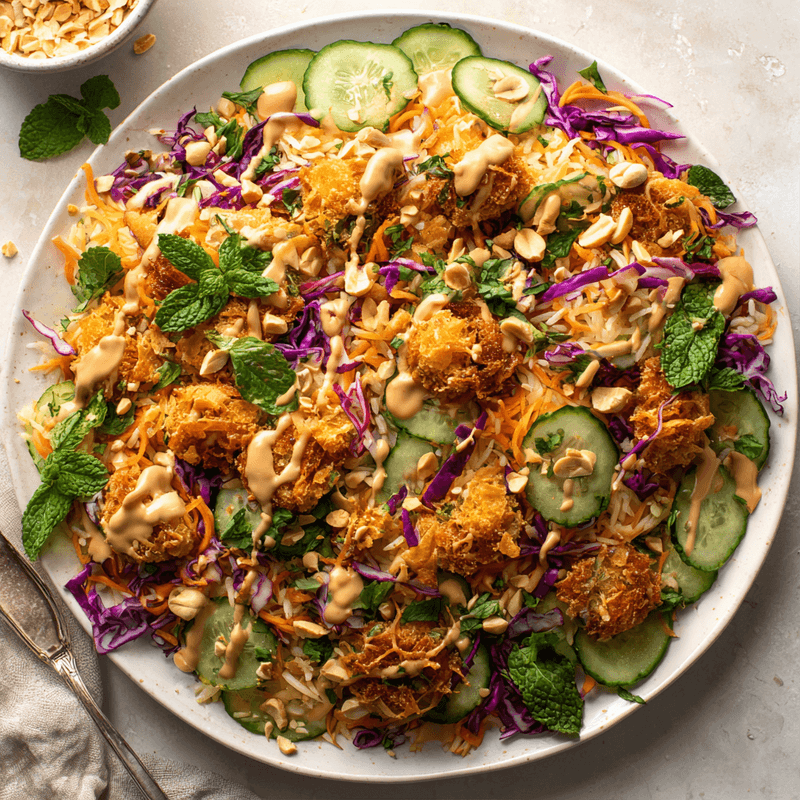
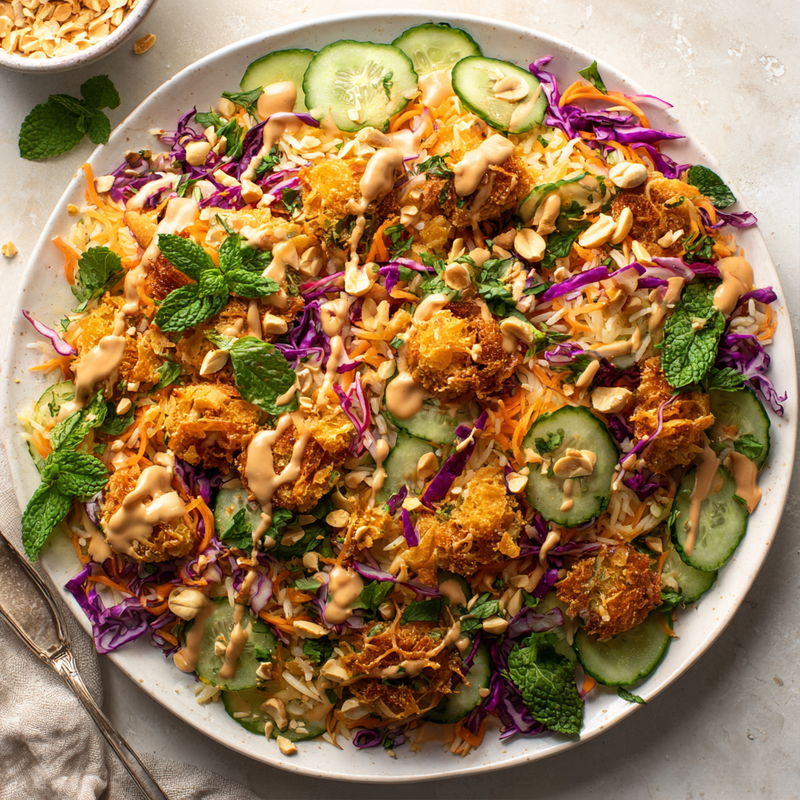
This vibrant chicken crispy rice salad with peanut dressing combines tender chicken, crunchy rice, fresh vegetables, and a creamy peanut sauce.
cookwithlucia.com/recipes/chicken-crispy-rice-salad-with-peanut-dressing-easy-healthy-meal
There's something magical about the marriage of textures in Southeast Asian cuisine that has captivated food lovers across the globe. The chicken crispy rice salad with peanut dressing is a perfect example of this culinary philosophy, where every bite delivers a symphony of crunch, tenderness, and creamy richness that keeps you coming back for more. This dish represents the beautiful balance that makes Thai and Vietnamese cooking so compelling: the contrast between warm and cool elements, the interplay of soft herbs against crispy grains, and the way a perfectly crafted peanut dressing ties everything together into a cohesive, satisfying meal.
The first time I encountered a truly exceptional version of this salad, I was struck by how something so seemingly simple could be so deeply satisfying. It wasn't just a salad in the Western sense, but a complete meal that engaged all the senses. I won't pretend to have a grandmother's secret recipe here, but I can share what I've learned through studying technique, testing variations, and understanding why each component matters. This chicken crispy rice salad with peanut dressing does require some attention to detail and a bit of active cooking time, but the payoff is absolutely worth it.
You're making crispy rice from scratch, preparing tender chicken with the right seasonings, chopping fresh vegetables that add color and nutrition, and whisking together a peanut dressing that's so good you'll want to put it on everything. This isn't a throw-it-together-in-five-minutes recipe, and that's intentional. When you take the time to get each element right, you create something restaurant-worthy that will impress anyone lucky enough to sit at your table.
The Origins and History
The concept of crispy rice salads has deep roots in the rice-growing regions of Southeast Asia, particularly Thailand, where resourcefulness in the kitchen has always been prized. Thai cooks developed the technique of frying leftover rice until it becomes golden and crunchy, transforming what might have been discarded into a prized textural element. This practice, known as creating "khao tang" or crispy rice cakes, dates back centuries and represents the beautiful economy of traditional cooking where nothing goes to waste.
As this style of salad traveled and evolved, it absorbed influences from neighboring countries, particularly the Vietnamese approach to fresh herb salads and the Chinese techniques for achieving perfect rice crispiness. What emerged is a pan-Asian dish that honors multiple traditions while creating something uniquely its own. The peanut dressing element likely draws from the satay traditions found throughout Malaysia, Indonesia, and Thailand, where ground peanuts form the base of countless sauces.
In modern home kitchens across the world, this chicken crispy rice salad with peanut dressing has become a favorite for health-conscious cooks who refuse to sacrifice flavor for nutrition. It's gained popularity on social media platforms where the visual appeal of the golden crispy rice against vibrant greens and the glossy peanut dressing makes for stunning food photography. The dish has evolved to include various protein options, different vegetable combinations, and creative takes on the dressing, but the core principle remains the same: creating contrast and balance in every bite.
Understanding the Flavor Profile
The genius of this chicken crispy rice salad with peanut dressing lies in its complex flavor layering that unfolds as you eat. The peanut dressing provides a creamy, nutty base with savory notes from soy sauce and a bright tang from lime juice. There's often a subtle sweetness from a touch of honey or coconut sugar that rounds out the sharper edges, while ginger and garlic add depth and warmth. The heat level can be adjusted with chili paste or fresh chilies, creating a gentle warmth that builds gradually rather than overwhelming the palate.
The chicken itself brings savory, umami-rich notes, especially when marinated properly before cooking. The crispy rice adds a toasted, almost popcorn-like flavor along with its signature crunch, while the fresh vegetables and herbs contribute brightness and a cooling effect that balances the richer elements. Fresh mint, cilantro, and basil aren't just garnishes here—they're essential flavor components that add aromatic complexity.
Texturally, this is where the dish truly shines. You get the satisfying crunch of the fried rice, which should shatter slightly when you bite into it. The chicken offers tender, juicy contrast, while the raw vegetables provide a crisp, fresh snap. The peanut dressing adds a silky coating that brings everything together, with crushed peanuts on top providing an additional layer of crunch. When assembled properly, each forkful delivers all these textures simultaneously, creating an eating experience that's engaging from the first bite to the last.
Essential Ingredients Explained
Starting with the rice, you'll want day-old cooked jasmine or long-grain white rice that's been refrigerated. Fresh rice contains too much moisture and won't crisp properly. The drying process that happens in the refrigerator is crucial for achieving that golden, crunchy texture that defines this dish. If you don't have leftover rice, you can cook it fresh and spread it on a baking sheet to cool and dry out for a few hours.
For the chicken, boneless, skinless chicken thighs are ideal because they stay moist and tender even with high-heat cooking. Breast meat can work, but it's more prone to drying out. The chicken needs to be cut into bite-sized pieces that cook quickly and evenly. Marinating the chicken, even briefly, makes a significant difference in the final flavor.
The peanut butter you choose matters tremendously. Natural peanut butter without added sugars or oils creates a cleaner, more authentic-tasting dressing. Look for brands where peanuts are the only ingredient, or at most, peanuts and salt. The oil separation you see in natural peanut butter is actually a good sign—just stir it well before using.
Fresh lime juice is non-negotiable for the dressing. Bottled lime juice lacks the bright, floral notes that fresh limes provide, and since the dressing is raw, those subtle flavors really shine through. You'll need about three to four limes for both the dressing and finishing the salad.
Soy sauce provides the salty, umami backbone of the dressing. Use regular soy sauce rather than low-sodium, as you need that intensity to balance the richness of the peanut butter. If you're gluten-sensitive, tamari works beautifully as a substitute.
Fresh ginger and garlic bring warmth and depth to the dressing. Don't skip the fresh versions in favor of powdered—the flavor is incomparable. Grate the ginger finely so it disperses evenly throughout the dressing without creating fibrous bits.
For the vegetables, you want a mix of textures and colors. Cucumber adds cool crunch, shredded cabbage provides body and bite, julienned carrots bring sweetness and color, and fresh herbs like cilantro, mint, and Thai basil contribute aromatic complexity. The herbs should be torn or roughly chopped rather than minced, as this preserves their essential oils and prevents bruising.
Crushed roasted peanuts for topping add another layer of nutty flavor and textural interest. Buy roasted, unsalted peanuts and crush them yourself for the freshest taste. Pre-crushed peanuts often taste stale and lack that satisfying crunch.
Mastering the Technique
The journey to a perfect chicken crispy rice salad with peanut dressing begins with preparing your rice for frying. Take your cold, day-old rice and break up any clumps with your fingers so the grains separate. Heat a generous amount of neutral oil in a large skillet over medium-high heat—you need enough oil to shallow-fry the rice, about a quarter inch deep. When the oil shimmers and a single grain of rice sizzles immediately upon contact, you're ready. Add the rice in an even layer and resist the urge to stir for the first three to four minutes. This patience allows the bottom to develop that golden, crispy crust.
Once the bottom layer is golden brown, break up the rice with a spatula and toss it, then let it sit again to crisp another section. Continue this process of crisping and tossing until most of the rice is golden and crunchy, about ten to twelve minutes total. The rice should have varied textures—some pieces deeply golden and extra crispy, others lighter and still slightly tender. Transfer to a paper towel-lined plate and season immediately with a pinch of salt while it's still hot.
For the chicken, marinating is your first step toward maximum flavor. Toss the chicken pieces with a bit of soy sauce, minced garlic, grated ginger, and a touch of oil, and let it sit for at least fifteen minutes or up to two hours refrigerated. When ready to cook, heat a large skillet or wok over high heat with a tablespoon of oil. The pan should be hot enough that the chicken sizzles loudly when it hits the surface. Cook the chicken in a single layer without crowding—work in batches if necessary. Let each piece sit undisturbed for two minutes to develop a golden exterior before flipping. Cook until the chicken reaches an internal temperature of 165°F and has nice caramelization on the outside, about six to eight minutes total.
While the chicken rests, prepare your peanut dressing by whisking together peanut butter, lime juice, soy sauce, grated ginger, minced garlic, a touch of honey or coconut sugar, and warm water to achieve a pourable consistency. The dressing should coat the back of a spoon but still flow easily. If it's too thick, add water one tablespoon at a time until you reach the right consistency. Taste and adjust the seasoning—you might want more lime for brightness, more soy for saltiness, or a pinch of chili flakes for heat.
Preparing the vegetables requires attention to knife skills. Slice the cucumber into thin half-moons, julienne the carrots into matchsticks, and shred the cabbage finely. The goal is to have all the vegetables roughly the same size so every bite contains a bit of everything. Wash and dry your herbs thoroughly—wet herbs will make the salad soggy. Tear larger herb leaves into pieces but leave smaller ones whole.
The final assembly is where your chicken crispy rice salad with peanut dressing comes together. In a large bowl, combine the vegetables and most of the herbs, reserving some for garnish. Add the sliced chicken and about two-thirds of the crispy rice, leaving some rice aside to add at the last minute. Drizzle half the peanut dressing over everything and toss gently but thoroughly. The key is to dress the salad just before serving so the rice maintains its crispiness. Arrange on a platter, top with the remaining crispy rice, drizzle with more dressing, and finish with crushed peanuts and the reserved fresh herbs.
Common Pitfalls and How to Fix Them
One of the most common issues with this chicken crispy rice salad with peanut dressing is soggy rice that never achieves that satisfying crunch. This usually happens when the rice is too moist to begin with or the oil isn't hot enough. If your rice is releasing steam when you add it to the pan, it's still too wet—spread it on a baking sheet and let it air-dry for another thirty minutes. If you've already fried it and it's not crispy enough, you can return it to hot oil for another few minutes, or spread it on a baking sheet and crisp it in a 400°F oven for about ten minutes.
Another frequent problem is dry, overcooked chicken that makes the entire salad less enjoyable. This often results from using chicken breast instead of thighs, or from cooking over heat that's too high for too long. If you've already cooked the chicken and it's dry, slice it very thinly against the grain and dress it with extra peanut sauce—the moisture from the dressing will help compensate. Going forward, invest in an instant-read thermometer and remove the chicken from heat as soon as it reaches 165°F internally.
Some cooks struggle with a peanut dressing that's either too thick and gloppy or too thin and watery. The thickness depends on the type of peanut butter you use and how much water you add. If your dressing is too thick, it won't coat the salad ingredients properly—whisk in warm water one tablespoon at a time until it's pourable. If it's too thin, whisk in a bit more peanut butter or let it sit for ten minutes to thicken naturally as the peanut butter absorbs the liquid.
Balancing the flavors in the dressing can be tricky if you're not used to tasting and adjusting as you go. If your dressing tastes flat, it probably needs acid—add more lime juice. If it's too sharp or acidic, balance it with a bit more honey or peanut butter. If it lacks depth, add more soy sauce. If it's one-dimensional, make sure you've included fresh ginger and garlic, which provide complexity.
Timing the assembly is crucial for this dish. If you dress the salad too far in advance, the crispy rice will absorb the dressing and become soggy, and the herbs will wilt. The vegetables will also release water as they sit, further diluting the dressing. The solution is to prep all your components ahead of time but keep them separate until just before serving. Have the rice in one container, the chicken in another, the vegetables ready, and the dressing in a jar. Assemble everything within ten minutes of serving for the best texture and flavor.
Finally, some cooks find their salad looks beautiful but lacks cohesion when eating—every bite seems to contain only one or two components rather than a harmonious mix. This happens when the ingredients aren't cut to similar sizes or when the salad isn't tossed thoroughly enough. Make sure your chicken, vegetables, and herbs are all roughly bite-sized, and use your hands or two large spoons to really mix everything together so the dressing coats every component.
Regional Twists Worth Trying
The Vietnamese version of this chicken crispy rice salad with peanut dressing, sometimes called "goi ga," often includes shredded green papaya or banana blossom for additional crunch and a slightly tangy note. The dressing might be lighter and more fish-sauce forward, with less peanut butter and more lime juice. Vietnamese cooks also tend to add more fresh herbs, sometimes including Vietnamese coriander and perilla leaves, creating an even more aromatic experience. The crispy element might come from fried shallots or crispy fried garlic in addition to or instead of the crispy rice.
Thai versions lean into bold, spicy flavors with the addition of fresh Thai chilies and more palm sugar in the dressing for a sweet-heat balance. Some Thai interpretations include cherry tomatoes and green beans for additional vegetables, and the herbs might emphasize Thai basil and saw-leaf coriander. The crispy rice is sometimes formed into cakes before frying, creating larger, more dramatic crispy elements.
For a fusion approach popular in modern cafes, some cooks add quinoa to the rice mixture before frying for extra protein and a nuttier flavor. Others might include roasted chickpeas for an additional protein boost and different textural element. Mediterranean-inspired versions might swap the peanut dressing for a tahini-based sauce with lemon instead of lime, creating a Middle Eastern flavor profile while maintaining the textural contrasts.
If you're looking to make this chicken crispy rice salad with peanut dressing more substantial for larger gatherings, consider adding cold rice noodles or glass noodles to the mix. This creates more volume while maintaining the fresh, light character of the dish. The noodles soak up the peanut dressing beautifully and add another pleasant textural element.
The Perfect Spread
While the chicken crispy rice salad with peanut dressing is substantial enough to serve as a complete meal on its own, thoughtful accompaniments can elevate your dinner into a memorable spread. Start with a light, clear soup as a first course—a simple vegetable broth with mushrooms and scallions provides warmth without filling people up too much. The hot soup creates a nice temperature contrast with the cool salad.
For additional sides, consider steamed or roasted vegetables that bring different flavors to the table. Roasted broccoli with garlic or steamed bok choy with a light soy drizzle complement the peanut flavors without competing with them. If you want more substantial sides, coconut rice or sticky rice provides a neutral, comforting element that guests can add to their plates if they want more carbohydrates.
Fresh spring rolls make an excellent appetizer before serving the main salad. They share similar flavor profiles and ingredients, so your meal has a cohesive theme without being repetitive. Fill the rice paper wraps with vermicelli, herbs, and vegetables, and serve them with additional peanut dressing for dipping.
For beverages, iced jasmine tea or chrysanthemum tea provides a refreshing, slightly floral drink that cleanses the palate between bites. The subtle sweetness of these teas balances the savory richness of the peanut dressing. If you prefer something with more flavor, a fresh lime soda with mint creates a bright, effervescent accompaniment.
For dessert, keep things light and fruit-forward to complement the fresh, vibrant nature of the meal. Sliced mango with sticky rice (using just the plain sweet coconut rice without any prohibited ingredients), fresh lychees, or a simple fruit platter allows guests to end the meal on a refreshing note without feeling overly full.
Keeping and Reheating
Proper storage is essential for maintaining the quality of your chicken crispy rice salad with peanut dressing if you have leftovers or want to prepare components in advance. The key principle is keeping the crispy elements separate from the wet ones until you're ready to eat. Store the crispy rice in an airtight container at room temperature for up to two days—refrigerating it will make it soggy. If the rice loses its crispiness, you can refresh it in a 350°F oven for five to seven minutes.
The cooked chicken should be stored separately in an airtight container in the refrigerator, where it will keep for three to four days. The chicken is actually delicious cold, so you don't necessarily need to reheat it. If you prefer it warm, reheat it gently in a skillet with a tiny bit of oil over medium heat, or microwave it in thirty-second intervals until just warmed through. Avoid overcooking during reheating, as it will dry out.
The peanut dressing stores beautifully in a sealed jar in the refrigerator for up to one week. It will thicken as it sits, so you'll need to whisk in a tablespoon or two of warm water to restore the pourable consistency before using. Give it a good shake or stir before dressing your salad, as the ingredients may separate during storage.
The fresh vegetables and herbs should be washed, thoroughly dried, and stored separately in the refrigerator. Keep the herbs wrapped in a barely damp paper towel inside a container or bag to maintain freshness. The vegetables will stay crisp for three to four days when stored properly. Don't slice or chop the vegetables until you're ready to assemble the salad, as cut surfaces deteriorate faster.
Interestingly, while many salads suffer from being dressed in advance, this particular salad can actually benefit from a brief marination if you don't add the crispy rice. The vegetables, chicken, and herbs can be tossed with the dressing and allowed to sit for fifteen to twenty minutes, allowing the flavors to meld. Just before serving, add the crispy rice and toss one final time. This gives you the best of both worlds: well-seasoned vegetables and chicken with perfectly crunchy rice.
Your Questions Answered
Can I make this chicken crispy rice salad with peanut dressing ahead for meal prep?
Absolutely, and this is one of the best meal prep salads because the components store separately so well. Cook your chicken and rice on your prep day, and store them in separate containers. Wash and chop your vegetables and herbs, storing them in airtight containers with paper towels to absorb excess moisture. Make the peanut dressing and store it in a jar. When you're ready to eat throughout the week, simply assemble a portion by warming the chicken if desired, tossing vegetables with dressing, and topping with crispy rice. Each meal will taste fresh even though you did most of the work days earlier.
What can I substitute for peanut butter if someone has an allergy?
Sunflower seed butter or tahini both make excellent substitutions that maintain the creamy, nutty character of the dressing while being safe for those with peanut allergies. Sunflower seed butter creates a very similar texture and mild flavor, while tahini brings a slightly more sophisticated, earthy note. You may need to adjust the sweetness slightly when using tahini, as it's less naturally sweet than peanut butter. Cashew butter is another option if tree nuts are acceptable, creating an even creamier, milder dressing.
Can I use brown rice instead of white rice for the crispy element?
You can, but be aware that brown rice behaves differently when fried. It takes longer to crisp up and has a chewier texture even when fully fried due to the bran layer. The flavor is nuttier and more robust, which some people love but others find overwhelms the delicate balance of the salad. If you want to use brown rice, make sure it's very well dried out—refrigerate it for at least twenty-four hours before frying. Expect to fry it for about fifteen to eighteen minutes to achieve adequate crispiness, and use slightly more oil.
How do I scale this recipe up for a large gathering or potluck?
This chicken crispy rice salad with peanut dressing is perfect for feeding a crowd because all the components can be prepared in large batches. Make double or triple the recipe for each component, but keep everything separate until just before serving. At the gathering, set up an assembly station where guests can build their own salads—put out large bowls of the vegetables, chicken, and crispy rice, with the peanut dressing on the side. This interactive approach keeps the rice crispy since each person adds it to their portion immediately before eating, and it accommodates different preferences for how much dressing people want.
Can I make this vegetarian while keeping the same satisfying texture and flavor?
Definitely! Replace the chicken with crispy tofu for protein and another textural element. Press firm tofu to remove excess moisture, cut it into cubes, toss with a bit of cornstarch and soy sauce, and pan-fry until golden and crispy on all sides. You can also add roasted chickpeas for additional protein and crunch. Some vegetarian versions include tempeh, which has a firmer texture and nutty flavor that works beautifully with the peanut dressing. The rest of the salad remains exactly the same, so you still get that signature combination of crunchy rice, fresh vegetables, herbs, and creamy peanut dressing.
My peanut dressing separated after sitting in the fridge—is it still good?
Yes, separation is completely normal and doesn't indicate spoilage. Natural peanut butter contains oils that separate when cold, and the water-based ingredients settle to the bottom. Simply take the jar out of the refrigerator about fifteen minutes before using to let it come closer to room temperature, then shake vigorously or whisk thoroughly to re-emulsify the dressing. It should come back together smoothly. If it seems too thick after mixing, whisk in a tablespoon of warm water at a time until it reaches the desired consistency. This is actually a sign that you're using good quality, natural peanut butter without stabilizers and emulsifiers.
Chicken Crispy Rice Salad with Peanut Dressing
A vibrant and healthy salad featuring tender marinated chicken, golden crispy rice, fresh vegetables, herbs, and a creamy peanut dressing that brings everything together.
Prep Time
25 min
Cook Time
20 min
Total Time
45 min
Servings
4 servings
Ingredients
For 4 servings
- 3 cups cooked jasmine rice, day-old and refrigerated
- 1/3 cup neutral oil for frying
- 1 pound boneless, skinless chicken thighs, cut into bite-sized pieces
- 2 tablespoons soy sauce, divided
- 2 cloves garlic, minced, divided
- 1 tablespoon fresh ginger, grated, divided
- 1 tablespoon neutral oil for cooking chicken
- 1/2 cup natural peanut butter
- 3 tablespoons fresh lime juice
- 2 tablespoons soy sauce
- 2 tablespoons honey
- 1 teaspoon fresh ginger, grated
- 1 clove garlic, minced
- 1/4 to 1/2 cup warm water
- 1/4 teaspoon red chili flakes, optional
- 1 English cucumber, sliced into thin half-moons
- 2 large carrots, julienned
- 2 cups purple or green cabbage, finely shredded
- 1 cup fresh cilantro, roughly chopped
- 1/2 cup fresh mint leaves, torn
- 1/2 cup fresh Thai basil, torn
- 1/3 cup roasted peanuts, roughly crushed
- Salt to taste
Instructions
- 1
Prepare and marinate chicken
Cut the chicken thighs into bite-sized pieces and place them in a bowl. Add 1 tablespoon soy sauce, half the minced garlic, and half the grated ginger. Toss to coat evenly and let marinate for at least 15 minutes at room temperature, or up to 2 hours in the refrigerator.
- 2
Prepare crispy rice
Break up the cold, day-old rice with your fingers to separate the grains. Heat 1/3 cup neutral oil in a large skillet over medium-high heat until shimmering. Add the rice in an even layer and let it cook undisturbed for 3-4 minutes to develop a golden crust. Break up the rice with a spatula, toss, and let it crisp again. Continue this process for 10-12 minutes total until most of the rice is golden and crunchy. Transfer to a paper towel-lined plate and season with a pinch of salt.
- 3
Cook the chicken
Heat 1 tablespoon oil in a large skillet or wok over high heat. Add the marinated chicken in a single layer without crowding the pan, working in batches if necessary. Cook undisturbed for 2 minutes to develop golden color, then flip and continue cooking for 6-8 minutes total until the chicken reaches 165°F internal temperature and has nice caramelization. Remove from heat and set aside.
- 4
Make peanut dressing
In a medium bowl, whisk together the peanut butter, lime juice, 2 tablespoons soy sauce, honey, remaining grated ginger, and remaining minced garlic. Add warm water 2 tablespoons at a time, whisking constantly, until the dressing reaches a pourable consistency that coats the back of a spoon. Add chili flakes if desired. Taste and adjust seasoning with more lime juice, soy sauce, or honey as needed.
- 5
Prepare vegetables and herbs
Slice the cucumber into thin half-moons. Julienne the carrots into thin matchsticks. Finely shred the cabbage. Wash and thoroughly dry the cilantro, mint, and Thai basil, then roughly chop the cilantro and tear the larger mint and basil leaves. Keep all vegetables and herbs separate until assembly.
- 6
Assemble the salad base
In a large mixing bowl, combine the cucumber, carrots, cabbage, and most of the herbs (reserve some for garnish). Add the cooked chicken and about two-thirds of the crispy rice, saving some rice for topping. This ensures the rice you add now gets coated with dressing while the final topping stays extra crispy.
- 7
Dress and toss
Drizzle about half of the peanut dressing over the salad mixture. Using clean hands or two large spoons, toss everything together gently but thoroughly until all ingredients are evenly coated with dressing. The goal is to ensure every component has contact with the creamy peanut sauce.
- 8
Final assembly and serving
Transfer the dressed salad to a large serving platter or individual bowls. Top with the remaining crispy rice, crushed peanuts, and reserved fresh herbs. Drizzle with additional peanut dressing if desired. Serve immediately while the rice is still crispy, with extra dressing on the side for those who want more.
Nutrition Facts
Per serving (estimated)
520 calories
Calories
48g
Carbs
32g
Protein
24g
Fat
5g
Fiber
780mg
Sodium
10g
Sugar