Easy Chicken Breast Recipes for Busy Weeknights
Discover delicious, foolproof chicken breast recipes that transform simple ingredients into mouthwatering meals. Perfect for weeknight dinners!
cookwithlucia.com/recipes/chicken-breast-recipes
There's something magical about perfectly cooked chicken breast — that golden exterior giving way to tender, juicy meat that practically melts on your tongue. Yet I know from countless conversations with readers that chicken breast can feel intimidating. Too often, it turns out dry, bland, or rubbery. But here's the beautiful truth I've discovered through years of testing chicken breast recipes in my kitchen: with just a few simple techniques, anyone can master this versatile protein.
I'll never forget the evening my neighbor knocked on my door, practically in tears because she'd invited her in-laws for dinner and her chicken breast had turned into what she called "shoe leather." We salvaged that dinner together, and I showed her the three secrets that changed everything for her. Now, she's the one teaching others! That moment reminded me why I love sharing chicken breast recipes — because when you understand the fundamentals, this affordable cut becomes your kitchen superhero.
What makes chicken breast recipes so special is their incredible versatility. Whether you're feeding picky eaters, meal prepping for the week, or creating an impressive dinner for guests, chicken breast adapts beautifully to any flavor profile you can imagine. From Mediterranean herbs to Asian-inspired glazes, from creamy sauces to zesty marinades, this lean protein is your blank canvas.
In this comprehensive guide, I'm walking you through everything you need to know about chicken breast recipes. You'll learn the science behind juicy results, discover flavor combinations that'll make your taste buds dance, and master techniques that work whether you're grilling, baking, or pan-searing. Ready to transform your chicken game forever?
What Are Chicken Breast Recipes?
You might be thinking, "Lucia, isn't a chicken breast recipe just... cooking chicken?" Well yes, but also so much more! Chicken breast recipes encompass an entire universe of cooking methods, flavor profiles, and culinary traditions that transform this simple cut into extraordinary meals.
Chicken breast is the lean, white meat from the front of the bird, prized across virtually every cuisine worldwide for its mild flavor and tender texture when cooked properly. Unlike darker meat cuts, breast meat contains less fat, making it both a health-conscious choice and a flavor-absorbing powerhouse. This is why chicken breast recipes span from Italian piccata to Indian tikka, from Greek souvlaki to Thai basil stir-fries.
What sets successful chicken breast recipes apart is understanding that this cut requires respect and attention. The lack of fat means it can dry out quickly, but it also means it readily embraces marinades, rubs, and sauces. The best chicken breast recipes account for this characteristic, building in moisture through brining, pounding to even thickness, or cooking with complementary ingredients that keep everything succulent.
Whether you're a beginner cook looking for reliable weeknight dinners or an experienced home chef seeking new inspiration, mastering chicken breast recipes opens endless possibilities in your kitchen. Let's dive into why these recipes deserve a permanent spot in your cooking rotation!
Why You'll Love These Chicken Breast Recipes
Incredibly Budget-Friendly Without Sacrificing Flavor Chicken breast ranks among the most affordable proteins at your grocery store, especially when bought in bulk or on sale. Unlike premium cuts of meat that strain your wallet, chicken breast recipes let you create restaurant-quality meals for a fraction of the cost. I regularly feed my family of four a spectacular dinner for under fifteen dollars, and leftovers stretch that value even further. When you master a few solid chicken breast recipes, you're investing in your budget's long-term health.
Weeknight-Friendly Speed Most chicken breast recipes come together in under thirty minutes, making them perfect for those hectic evenings when everyone's hungry and patience is thin. A simple pan-seared chicken breast with a quick pan sauce takes just twenty minutes from start to finish. Even more elaborate chicken breast recipes rarely exceed forty-five minutes of active cooking time. This speed doesn't mean compromising on flavor — it means smart cooking techniques that maximize taste while respecting your schedule.
Nutrition That Supports Your Goals With approximately 165 calories and 31 grams of protein per four-ounce serving, chicken breast recipes support various dietary goals from muscle building to weight management. The lean protein keeps you satisfied for hours without the heavy feeling that fattier cuts can bring. Whether you're following a specific eating plan or simply trying to incorporate more wholesome meals, chicken breast recipes adapt beautifully to your nutritional needs.
Endless Versatility and Customization This might be my favorite aspect of chicken breast recipes — they're culinary chameleons! The mild flavor means they pair beautifully with bold spices, delicate herbs, creamy sauces, or bright citrus. You can marinate, stuff, slice, dice, or keep them whole. Feeling Mediterranean? Add lemon and oregano. Craving Asian flavors? Reach for ginger and garlic. The same basic chicken breast recipe transforms completely with different seasonings, making meal planning exciting rather than repetitive.
Crowd-Pleasing Appeal I've yet to meet someone who doesn't have at least a few chicken breast recipes they enjoy. This universal appeal makes these recipes perfect for feeding diverse groups — from picky kids to discerning adults. When you're hosting a gathering and unsure of everyone's preferences, a well-executed chicken breast recipe satisfies virtually everyone at the table.
Meal Prep Champion Cooked chicken breast stores beautifully, making these recipes ideal for weekly meal prep. Spend an hour on the weekend preparing a few chicken breast recipes, and you've got protein ready for salads, grain bowls, wraps, and quick dinners all week long. Unlike some proteins that don't reheat well, properly cooked chicken breast maintains its texture and flavor for days.
Compared to red meat, chicken breast recipes offer lighter fare that doesn't weigh you down, yet they're more substantial than fish. They hit that perfect middle ground. Ready to discover the techniques that'll make you a chicken breast expert? Keep reading!
Key Ingredients and What They Bring
Let's talk about what transforms simple chicken breast recipes from ordinary to extraordinary. The chicken itself is obviously central — I always recommend choosing boneless, skinless breasts for ease and versatility, though bone-in, skin-on versions work beautifully for roasting when you want extra richness. Look for breasts that are similar in size for even cooking, and don't be afraid to ask your butcher to trim or pound them if needed. Fresh chicken should look pink with no gray spots and smell clean, never sour or off-putting.
Good quality olive oil forms the foundation of countless chicken breast recipes, serving multiple purposes in a single ingredient. It prevents sticking during cooking, helps seasonings adhere to the meat, and contributes its own subtle fruity notes that complement rather than overpower. I keep both regular olive oil for cooking and extra virgin for finishing touches. When pan-searing, that initial coating of oil creates the gorgeous golden crust that adds textural contrast to tender meat.
Garlic appears in probably seventy percent of my chicken breast recipes, and for good reason — its pungent, slightly sweet flavor when cooked mellows into something magical that enhances chicken's mild taste. Fresh garlic cloves deliver far superior flavor compared to pre-minced versions. I typically use two to four cloves per pound of chicken, adjusting based on how garlicky I want the final dish. Minced garlic mixed into marinades penetrates the meat, while sliced garlic added during cooking infuses the oil and creates aromatic flavor.
Fresh lemon juice brings brightness and acidity that cuts through richness and tenderizes the meat simultaneously. The citric acid in lemon juice actually begins breaking down proteins in a gentle way, which is why so many chicken breast recipes include lemon in the marinade. Beyond the practical benefits, lemon adds that pop of freshness that makes every bite interesting. I use both the juice and zest in many recipes — the zest contains aromatic oils that deliver intense lemon flavor without additional liquid.
Quality chicken broth or stock becomes the base for pan sauces, braising liquids, and moisture during baking in numerous chicken breast recipes. Low-sodium varieties give you better control over the final seasoning, and homemade stock takes these recipes to the next level when you have time. The broth adds savory depth while keeping the meat moist during cooking, and it reduces beautifully into concentrated sauce that glazes the chicken with flavor.
Fresh herbs like thyme, rosemary, parsley, and basil contribute layers of aromatic complexity that dried herbs simply cannot match. Each herb brings its own personality — thyme offers earthy, slightly minty notes, rosemary adds pine-like intensity, parsley brings freshness, and basil contributes sweet, peppery flavor. I typically add heartier herbs like thyme and rosemary early in cooking, while delicate herbs like parsley and basil go in at the end to preserve their vibrant flavor and color.
Salt and black pepper might seem basic, but they're absolutely crucial in chicken breast recipes. Salt doesn't just add saltiness — it enhances all other flavors and helps the meat retain moisture through a process called brining when applied in advance. I prefer kosher salt for its clean taste and easy-to-control texture. Freshly ground black pepper delivers sharp, complex heat that pre-ground pepper lacks. Seasoning generously and at multiple stages throughout cooking builds layers of flavor rather than one-dimensional taste.
How to Make Chicken Breast Recipes — Quick Overview
The beauty of chicken breast recipes lies in their straightforward approach that yields impressive results. Most methods start with properly preparing your chicken — patting it completely dry with paper towels, which is crucial for achieving good browning. Many of the best chicken breast recipes benefit from pounding the meat to an even thickness, typically about three-quarters of an inch. This seemingly small step makes a massive difference because it ensures the entire breast cooks at the same rate, eliminating that common problem where the thick end is still raw while the thin end has turned to jerky.
Once prepped, seasoning comes next, and this is where chicken breast recipes diverge into countless delicious directions. You might season simply with salt and pepper before searing, or marinate for thirty minutes to several hours in a mixture of oil, acid, and aromatics. The cooking method you choose depends on your desired outcome and available time. Pan-searing over medium-high heat creates a gorgeous crust in about six to seven minutes per side. Baking at 375°F produces tender, evenly cooked chicken in about twenty-five to thirty minutes. Grilling adds smoky char that's perfect for summer gatherings.
The final stage of great chicken breast recipes often involves creating a pan sauce or allowing the meat to rest. Resting might seem fussy, but those five to ten minutes after cooking let the juices redistribute throughout the meat rather than running out onto your cutting board. During this time, you can quickly build a sauce in the same pan using the flavorful browned bits, some broth, and perhaps a splash of cream or a squeeze of lemon. This entire process from start to finish typically takes thirty to forty minutes, making chicken breast recipes perfect for any night of the week.
The approximate active cooking time for most chicken breast recipes ranges from twenty to thirty-five minutes, with marinating adding passive time if you choose. The beauty is that you control the complexity — simple seasoned and seared chicken takes twenty minutes, while more elaborate stuffed and baked versions might need forty-five. Either way, you're rewarded with protein-packed, delicious results.
Top Tips for Perfecting Chicken Breast Recipes
Invest in a Meat Thermometer This single tool revolutionizes your chicken breast recipes more than anything else. Chicken is perfectly cooked at 165°F internal temperature, and a good instant-read thermometer tells you exactly when you've hit that mark. I insert mine into the thickest part of the breast, and when it reads 165°F, I know the chicken is safe, juicy, and ready. Cooking by time alone is unreliable because breast sizes vary so dramatically. Since I started using a thermometer religiously, I haven't served dry chicken once.
Don't Skip the Pounding Step When chicken breast recipes call for pounding to even thickness, trust that instruction. I place my chicken between two pieces of plastic wrap or parchment paper and use a meat mallet or heavy skillet to gently pound the thick end until the whole breast is uniform. This takes maybe two minutes per breast and ensures everything cooks evenly. You'll notice the difference immediately — no more raw centers or overdone edges. Even thickness also means more surface area touching the pan, which translates to better browning and flavor.
Master the Art of High-Heat Searing Many chicken breast recipes achieve their best flavor through proper searing, which requires a hot pan and patience. Heat your skillet over medium-high heat for two to three minutes before adding oil, then wait another thirty seconds until the oil shimmers. When you add the chicken, resist the urge to move it — let it sit undisturbed for six to seven minutes to develop that golden crust. The chicken will naturally release from the pan when it's ready to flip. Moving it too early leads to sticking and tears that look unappealing.
Brine for Unmatched Juiciness Even a quick thirty-minute brine transforms chicken breast recipes from good to extraordinary. Dissolve a quarter cup of salt in four cups of water, submerge your chicken, and refrigerate. The salt solution gets absorbed into the meat, seasoning it throughout and helping it retain moisture during cooking. I use this technique especially when grilling or baking, methods where it's easier to accidentally overcook. You'll taste the difference in every single bite — the meat stays tender and seasoned all the way through.
Let Chicken Come to Room Temperature This tip seems minor but significantly impacts cooking evenness in chicken breast recipes. I remove my chicken from the refrigerator about twenty minutes before cooking, allowing it to lose some of its chill. Cold chicken hitting a hot pan cooks unevenly — the outside overcooks before the inside reaches temperature. Room temperature chicken cooks more uniformly and quickly, reducing the risk of dryness. This small step requires only a bit of planning but delivers noticeable results.
Build Flavor in Layers The best chicken breast recipes season at multiple stages rather than just once. I season with salt and pepper before cooking, then might add garlic and herbs during cooking, and finish with a squeeze of fresh lemon and flaky salt just before serving. Each addition builds complexity. Similarly, if making a pan sauce, I deglaze to capture those browned bits, then layer in broth, aromatics, and perhaps a final swirl of butter. These layers create depth that single-step seasoning cannot achieve.
Rest Before Slicing After removing chicken from heat, tent it loosely with foil and let it rest for five to ten minutes before cutting. This appears in nearly all professional chicken breast recipes for good reason — resting allows the proteins to relax and the juices to redistribute. If you slice immediately, those precious juices run out onto your board instead of staying in the meat. The wait requires patience but rewards you with noticeably juicier, more flavorful chicken.
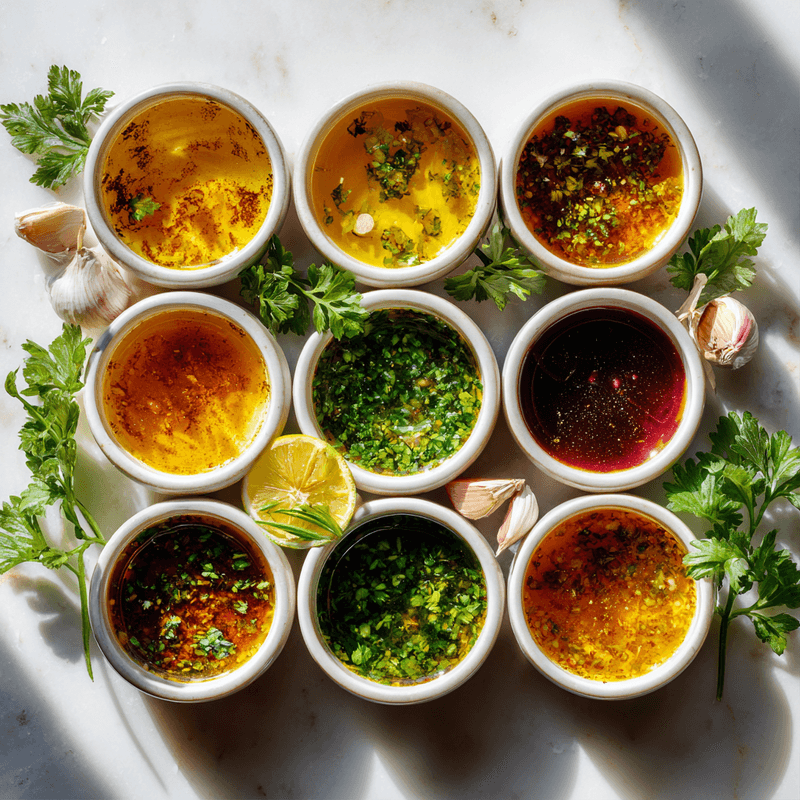
Embrace Marinades and Rubs Don't limit yourself to simple salt and pepper when so many chicken breast recipes benefit from marinades and rubs. A basic marinade of oil, acid like lemon juice or vinegar, and aromatics like garlic and herbs tenderizes while infusing flavor. Dry rubs of spices create a flavorful crust. I keep several spice blends in my pantry specifically for chicken — smoky options with paprika, Mediterranean blends with oregano, and warming mixes with cumin. These transform basic chicken into something special with minimal effort.
Variations and Flavor Twists
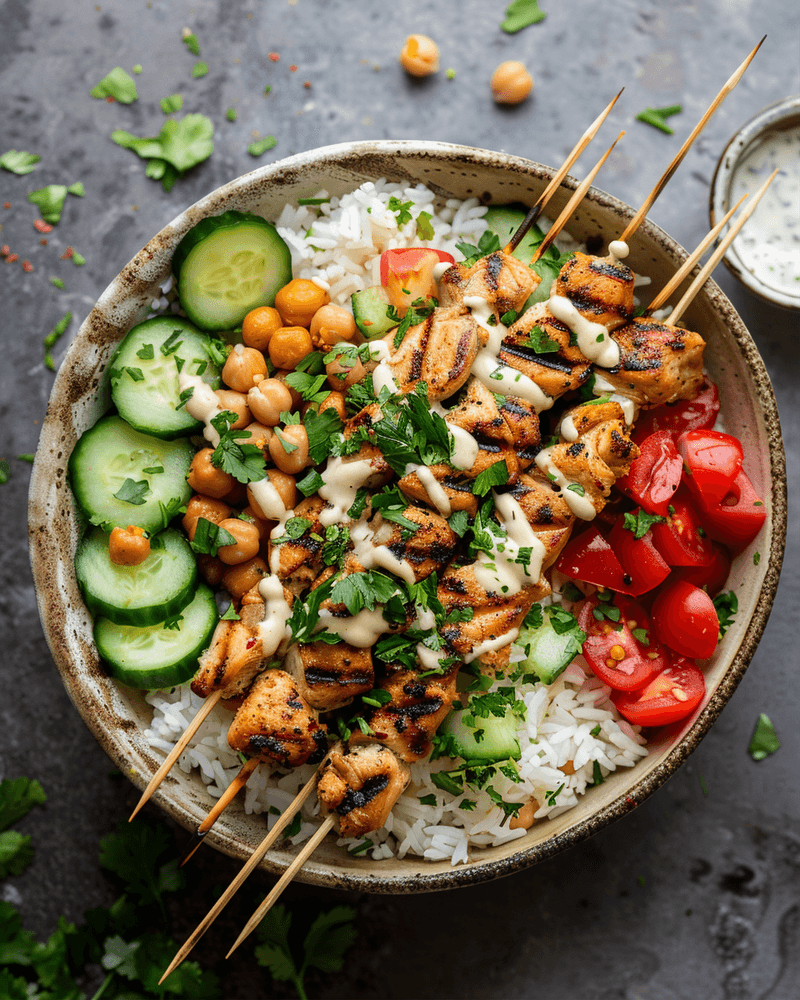
One of my favorite aspects of chicken breast recipes is how easily they adapt to different flavor profiles and dietary needs. For a Mediterranean twist, marinate your chicken in olive oil, lemon juice, oregano, and minced garlic for at least thirty minutes before cooking. Top the finished chicken with diced tomatoes, cucumbers, olives, and a sprinkle of feta cheese. This variation brings bright, sunny flavors that transport you straight to the Greek islands, and it pairs beautifully with rice or a simple salad.
If you're craving Asian-inspired chicken breast recipes, create a marinade with low-sodium tamari, fresh ginger, garlic, and a touch of honey. After cooking, garnish with sliced green onions and toasted sesame seeds. You can serve this over rice with steamed vegetables for a complete meal that rivals takeout. The savory-sweet combination satisfies those restaurant cravings while keeping everything wholesome and fresh.
For those who love bold, spicy flavors, Mexican-seasoned chicken breast recipes deliver serious punch. Rub your chicken with a mixture of chili powder, cumin, garlic powder, and paprika before cooking. Serve the sliced chicken in grain bowls with black beans, corn, avocado, and fresh cilantro. This variation works wonderfully for meal prep since all the components store well and actually taste better after the flavors meld overnight.
Creamy variations of chicken breast recipes offer comfort food appeal without requiring complicated techniques. After pan-searing your chicken, remove it from the skillet and build a quick sauce with garlic, chicken broth, and a splash of cream. Stir in sun-dried tomatoes and spinach, then return the chicken to the pan to coat. The result is a restaurant-worthy dish that takes maybe thirty minutes total but tastes like you worked for hours.
Vegetable-focused variations stuff chicken breasts with spinach, mushrooms, and a touch of cheese, creating a complete meal in one impressive package. Butterfly your chicken breast, pound it thin, layer in your filling, then roll and secure with toothpicks before baking. These stuffed chicken breast recipes look elegant enough for special gatherings but are straightforward enough for regular dinners. You can customize the filling based on whatever vegetables you have on hand or need to use up.
What to Serve with Chicken Breast Recipes
Pairing sides with chicken breast recipes allows you to create balanced, satisfying meals that please everyone at the table. Roasted vegetables are my go-to accompaniment because they require minimal effort — simply toss carrots, bell peppers, zucchini, and onions with olive oil and seasonings, then roast alongside your chicken. The caramelized edges and tender centers complement chicken's mild flavor beautifully, and everything finishes at roughly the same time for streamlined cooking.
Fluffy rice or quinoa serves as the perfect base for saucy chicken breast recipes, soaking up every drop of those delicious pan sauces or marinades. I particularly love herb-flecked rice pilaf or lemon quinoa, which add their own subtle flavors without competing with the chicken. These grains add satisfying substance that transforms chicken from a simple protein into a complete, filling meal.
Fresh salads provide cooling contrast, especially when serving grilled or spicy chicken breast recipes. A simple arugula salad with lemon vinaigrette cuts through richness, while a chopped Mediterranean salad with cucumbers, tomatoes, and olives echoes the flavors in herb-crusted chicken. The crisp, fresh vegetables add textural variety and help lighten the overall meal.
For heartier appetites, roasted or mashed potatoes round out chicken breast recipes into truly comforting dinners. Garlic herb roasted potatoes develop crispy exteriors that contrast wonderfully with tender chicken, while creamy mashed potatoes act as a luxurious bed for any pan sauces. Both options are crowd-pleasers that turn simple chicken into a feast.
Steamed or sautéed green beans, broccoli, or asparagus add color and nutrition to your plate while keeping preparation simple. I often sauté green beans with garlic and a squeeze of lemon, which takes maybe ten minutes and pairs perfectly with virtually any chicken breast recipe. These vegetables add vibrant color that makes your plate more visually appealing.
Warm flatbread or dinner rolls are wonderful for soaking up sauces in chicken breast recipes with lots of flavorful liquid. They turn even a simple meal into something special and ensure no delicious sauce goes to waste. Plus, bread always makes dinner feel more complete and satisfying, especially for hungry families.
Storing and Reheating Tips
Properly storing your chicken breast recipes ensures you can enjoy them safely for days after cooking, making meal prep efficient and convenient. Once your chicken has cooled to room temperature — which should happen within two hours of cooking for food safety — transfer it to airtight containers. I prefer glass containers with tight-fitting lids because they don't absorb odors and allow me to see what's inside. Stored this way in the refrigerator, cooked chicken breast stays fresh and safe for three to four days.
For longer storage, freezing chicken breast recipes works wonderfully and extends their life up to three months. I slice or portion the chicken before freezing, then wrap pieces individually in plastic wrap before placing them in freezer bags. This individual wrapping prevents the pieces from freezing together, letting you thaw only what you need. Remove as much air as possible from the freezer bags to prevent freezer burn, and label everything with the date and contents.
When you're ready to thaw frozen chicken, the safest method is overnight in the refrigerator. Place the frozen chicken on a plate to catch any condensation and let it thaw slowly. This gradual thawing maintains the best texture and ensures food safety. If you're in a rush, you can submerge the sealed package in cold water, changing the water every thirty minutes until thawed. Avoid thawing at room temperature, which allows bacteria to grow.
Reheating chicken breast recipes properly prevents that dreaded dry, rubbery texture. For best results, I reheat in the oven at 350°F, adding a splash of chicken broth or water to the dish and covering it with foil. This method takes about fifteen to twenty minutes but preserves moisture beautifully. The added liquid creates steam that keeps everything juicy.
For quicker reheating, the microwave works when you use the right technique. Place chicken on a microwave-safe plate, add a tablespoon of water or broth, and cover with a damp paper towel. Heat in thirty-second intervals, checking and rotating between intervals, until the internal temperature reaches 165°F. The moisture and covering prevent drying out.
Stovetop reheating works particularly well for chicken breast recipes with sauces. Slice the chicken before reheating for faster, more even warming. Add everything to a skillet over medium-low heat with a splash of broth, stirring occasionally until heated through. This method takes about five to seven minutes and allows you to adjust seasoning or add fresh herbs to brighten the flavors.
Frequently Asked Questions
Can I make chicken breast recipes ahead of time for meal prep?
Absolutely! Chicken breast recipes are ideal for meal prep and actually work beautifully when made in advance. Cook your chicken using your preferred method, let it cool completely, then store it in airtight containers in the refrigerator for up to four days. I often spend Sunday afternoon preparing two or three different chicken breast recipes to mix and match throughout the week. The cooked chicken stays moist and flavorful, ready to add to salads, grain bowls, wraps, or simply reheat with vegetables for quick dinners.
How do I keep chicken breast from drying out during cooking?
The key to juicy chicken breast recipes lies in not overcooking and using techniques that add moisture. First, cook only until the internal temperature reaches 165°F — a meat thermometer is essential here. Second, consider brining your chicken for thirty minutes before cooking, which helps it retain moisture. Third, don't cook over excessively high heat, which causes the outside to overcook before the inside is done. Finally, always let the chicken rest for five to ten minutes after cooking before slicing, allowing the juices to redistribute throughout the meat.
Can I substitute chicken thighs in chicken breast recipes?
You can substitute chicken thighs in most chicken breast recipes, though cooking times and nutritional profiles differ. Thighs contain more fat, making them more forgiving of slight overcooking and delivering richer flavor. They typically need a few extra minutes of cooking time to reach 165°F internal temperature. The flavor will be slightly deeper and the texture somewhat different, but thighs work wonderfully in most applications. I particularly recommend this substitution for chicken breast recipes with bold, spicy seasonings that complement thighs' richer taste.
How do I know when chicken breast is fully cooked without a thermometer?
While a thermometer is the most reliable method, you can check doneness by making a small cut in the thickest part of the breast. The meat should be completely white with no pink remaining, and the juices should run clear, not pink. The texture should feel firm but still springy when you press it gently with your finger — overcooked chicken feels hard and unyielding. However, I strongly encourage investing in an instant-read thermometer because it removes all guesswork from chicken breast recipes and ensures both safety and optimal texture.
Can I cook frozen chicken breast without thawing first?
You can cook frozen chicken breast, though it requires adjustments to standard chicken breast recipes. Add approximately fifty percent more cooking time and check the internal temperature carefully to ensure it reaches 165°F throughout. However, I don't recommend this method for recipes requiring marinades, pounding, or stuffing, as those preparations require thawed chicken. The texture also tends to be slightly less tender than properly thawed chicken. For best results in most chicken breast recipes, plan ahead and thaw in the refrigerator overnight.
What's the best way to add flavor to naturally mild chicken breast?
Chicken breast recipes gain tremendous flavor through marinades, rubs, and layered seasoning. Marinate for at least thirty minutes or up to twenty-four hours in mixtures of oil, acid like lemon juice, and aromatics like garlic and herbs. Dry rubs of spices applied before cooking create flavorful crusts. Don't forget to season generously with salt and pepper at multiple stages — before cooking, during, and just before serving. Pan sauces built from the browned bits left after searing add enormous flavor. Finally, finishing with fresh herbs, a squeeze of citrus, or a drizzle of quality olive oil brightens everything.
How many chicken breasts should I cook per person?
For most chicken breast recipes, plan on one medium breast per person for main courses, which typically weighs about six to eight ounces. If serving particularly large breasts weighing ten ounces or more, one breast might serve two people, especially if you're including substantial sides. For recipes where chicken is sliced and mixed into dishes like stir-fries or pasta, six ounces of cooked chicken per person usually suffices. When meal prepping chicken breast recipes, I typically cook extra because leftover chicken is incredibly versatile for quick lunches and last-minute dinners throughout the week.
Perfect Pan-Seared Chicken Breast
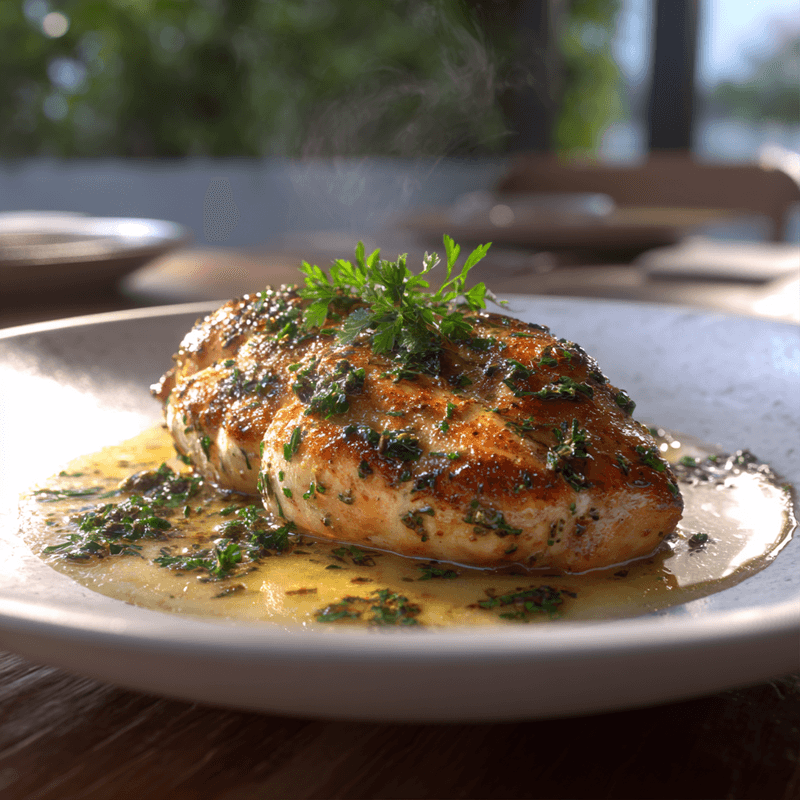
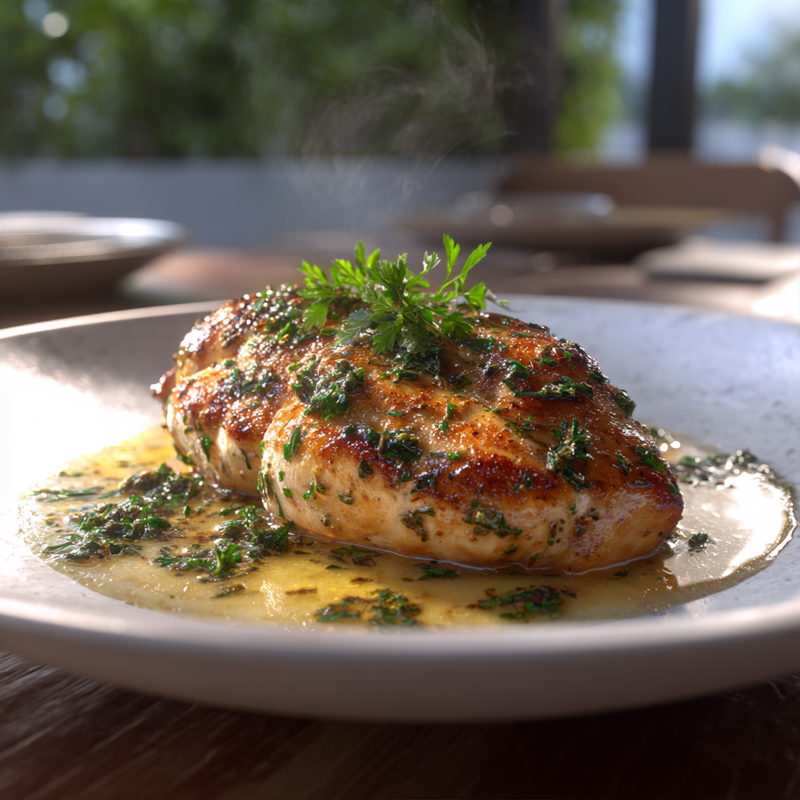
This foolproof method produces golden, juicy chicken breast every time with a flavorful herb butter finish that elevates simple ingredients into an restaurant-quality meal.
Prep Time
10 min
Cook Time
20 min
Total Time
30 min
Servings
4 servings
Ingredients
For 4 servings
- 4 boneless, skinless chicken breasts (about 6-8 oz each)
- 2 tablespoons olive oil
- 1 teaspoon kosher salt
- 1/2 teaspoon black pepper, freshly ground
- 1 teaspoon garlic powder
- 1 teaspoon dried thyme
- 3 tablespoons unsalted butter
- 4 cloves garlic, minced
- 2 tablespoons fresh lemon juice
- 2 tablespoons fresh parsley, chopped
- 1/2 cup chicken broth, low-sodium
Instructions
- 1
Prepare the chicken
Remove chicken breasts from refrigerator and let sit at room temperature for 15-20 minutes. Pat completely dry with paper towels, removing all moisture. If breasts are uneven in thickness, place between plastic wrap and pound the thick ends with a meat mallet until uniformly about 3/4 inch thick throughout.
- 2
Season generously
In a small bowl, combine salt, black pepper, garlic powder, and dried thyme. Rub the olive oil over both sides of each chicken breast, then sprinkle the seasoning mixture evenly over both sides, pressing gently to adhere.
- 3
Heat the pan
Place a large skillet, preferably cast iron or stainless steel, over medium-high heat. Allow it to heat for 2-3 minutes until very hot. You should feel strong heat when holding your hand several inches above the pan.
- 4
Sear the chicken
Carefully place the seasoned chicken breasts in the hot pan, presentation side down. Do not move or touch them for 6-7 minutes, allowing a golden-brown crust to develop. The chicken should release naturally from the pan when ready to flip.
- 5
Flip and continue cooking
Using tongs, flip each breast to the other side. Reduce heat to medium and continue cooking for another 6-8 minutes, until the internal temperature reaches 165°F when checked with an instant-read thermometer in the thickest part.
- 6
Rest the chicken
Transfer the cooked chicken breasts to a clean plate and tent loosely with aluminum foil. Let rest for 5-10 minutes while you prepare the sauce. This resting period allows juices to redistribute throughout the meat.
- 7
Make the pan sauce
Return the same skillet to medium heat and add butter. Once melted and foaming, add minced garlic and cook for 30-45 seconds until fragrant but not browned. Pour in chicken broth and lemon juice, scraping up any browned bits from the bottom of the pan with a wooden spoon.
- 8
Finish and serve
Let the sauce simmer for 2-3 minutes until slightly reduced and thickened. Stir in fresh parsley. Return the chicken breasts to the pan, turning to coat in the sauce, or simply spoon the sauce over the plated chicken. Serve immediately while hot.
Nutrition Facts
Per serving (estimated)
320 calories
Calories
3g
Carbs
48g
Protein
13g
Fat
0g
Fiber
680mg
Sodium
1g
Sugar