Caesar Salad Recipe: Crisp, Creamy & Restaurant-Quality
Learn how to make the perfect Caesar salad with crisp romaine, creamy dressing, and golden croutons. Restaurant-quality results at home!
cookwithlucia.com/recipes/ceasar-salad
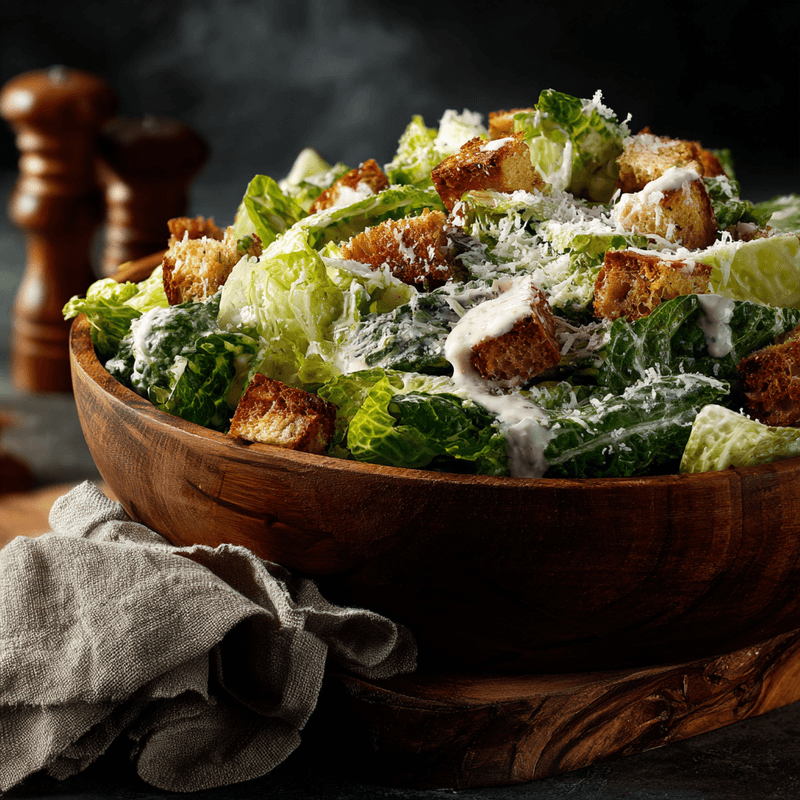
There's something absolutely magical about that first bite of a perfectly crafted Caesar salad—the satisfying crunch of crisp romaine lettuce, the luxuriously creamy dressing coating every leaf, and those golden, garlicky croutons adding just the right amount of texture. When done right, this iconic salad transforms from a simple side dish into something truly spectacular that can steal the show at any meal. I'll never forget the first time I truly fell in love with Caesar salad—I was at a small family gathering, and my aunt brought out this enormous wooden bowl filled with the most vibrant, perfectly dressed greens I'd ever seen. The dressing was so creamy and tangy, with just the right hint of garlic and anchovy, and every single leaf was coated to perfection. From that moment on, I was determined to recreate that restaurant-quality Caesar salad experience in my own kitchen, and after years of experimenting, I've finally perfected a recipe that delivers every single time.
What makes this Caesar salad recipe so special is that it combines authentic flavors with practical home-cooking techniques that anyone can master. You don't need fancy equipment or hard-to-find ingredients—just a few quality components and a little bit of love. In this post, I'm going to walk you through everything you need to know to create the ultimate Caesar salad, from making your own creamy dressing from scratch to achieving those perfectly golden homemade croutons. We'll explore the fascinating history behind this beloved dish, discover why each ingredient plays such a crucial role, and I'll share all my best tips and tricks for getting restaurant-quality results in your own kitchen. Whether you're preparing a light lunch, looking for the perfect starter for a family dinner, or simply craving something fresh and satisfying, this Caesar salad is about to become your new go-to recipe.
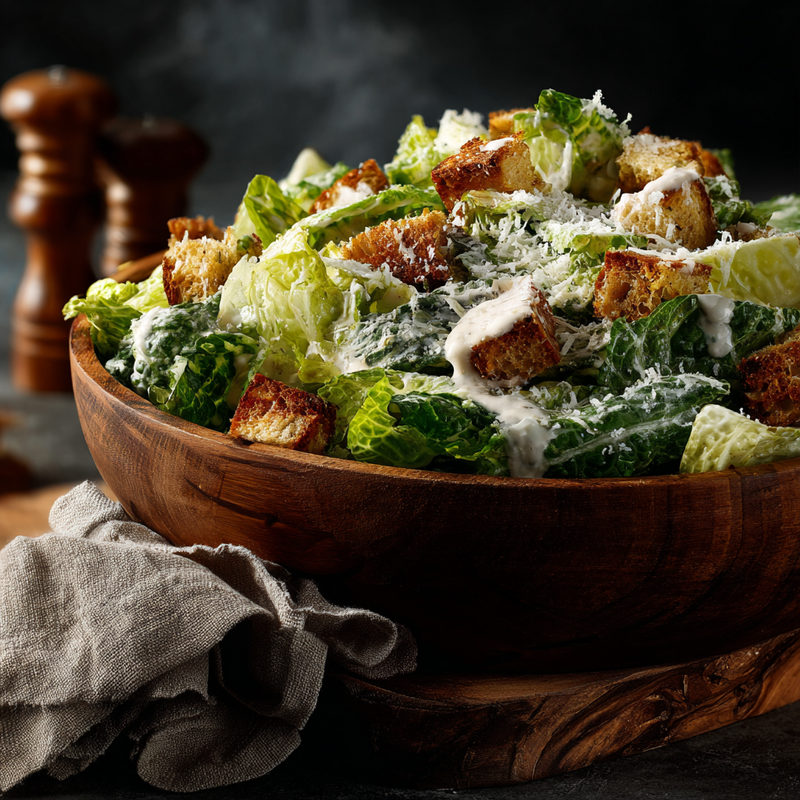
What is Caesar Salad?
Have you ever wondered why this particular salad has maintained its popularity for nearly a century? The Caesar salad is one of those rare dishes that has achieved true culinary icon status, and for good reason. Created in the 1920s by Italian-American restaurateur Caesar Cardini in Tijuana, Mexico, this salad was born out of necessity when Cardini needed to quickly prepare something special for guests with limited ingredients on hand. The original recipe featured whole romaine lettuce leaves that diners would pick up with their fingers, dressed tableside with a dramatic flair that added to the dining experience. What sets Caesar salad apart from other leafy dishes is its distinctively bold and savory flavor profile—the combination of tangy lemon juice, umami-rich anchovies, sharp aged cheese, pungent garlic, and creamy emulsified dressing creates a taste that's simultaneously complex and perfectly balanced. The genius of this salad lies in how these seemingly simple ingredients come together to create something far greater than the sum of their parts. Unlike sweeter, lighter salads, the Caesar salad offers a more robust, almost meaty flavor that makes it substantial enough to serve as a main course when topped with grilled chicken or shrimp. Ready to bring this legendary dish to your own table and experience why it's remained a favorite for generations?
Why You'll Love This Caesar Salad
Incredibly Easy to Master: Despite its restaurant-quality taste, this Caesar salad is surprisingly simple to prepare at home. The dressing comes together in just minutes with a whisk and a bowl, and once you've made it a couple of times, you'll have the technique down so well that you won't even need to measure. There's no complicated emulsification process or tricky techniques—just straightforward steps that yield consistently delicious results every single time.
Bold, Unforgettable Flavors: The flavor profile of this Caesar salad is what dreams are made of. Each bite delivers a perfect harmony of tangy, savory, and creamy notes that dance across your palate. The sharp bite of fresh garlic mellows into the rich dressing, while the anchovies add a deep umami quality that's never fishy but always satisfying. The aged cheese brings a nutty, salty complexity that ties everything together beautifully.
Budget-Friendly Elegance: While Caesar salad tastes like something you'd order at an upscale restaurant, the ingredients are remarkably affordable and accessible. A few heads of romaine, some pantry staples, and a bit of cheese create enough salad to feed your whole family without breaking the bank. You'll spend a fraction of what you'd pay at a restaurant and end up with even better results.
Crowd-Pleasing Perfection: I've yet to meet someone who doesn't light up when Caesar salad appears on the table. It's one of those universally beloved dishes that appeals to both adventurous eaters and picky family members alike. The familiar flavors and satisfying textures make it a safe bet for any gathering, yet it's special enough that people always feel like they're getting a treat.
Endlessly Customizable: While the classic Caesar salad is perfect as is, it also serves as an amazing canvas for your creativity. Add grilled chicken for a complete meal, toss in some chickpeas for extra protein and fiber, or throw in cherry tomatoes for a pop of color and freshness. You can adjust the garlic level, make the dressing lighter or richer, or experiment with different types of lettuce while staying true to the spirit of the dish.
Perfect for Meal Prep: Unlike many salads that turn soggy and sad after a few hours, the components of Caesar salad actually hold up beautifully when stored separately. You can prep your lettuce, make your dressing, and bake your croutons all ahead of time, then assemble individual portions throughout the week for quick, healthy lunches that taste freshly made. This makes it infinitely more practical than dishes that require last-minute preparation, putting it in the same convenience category as grain bowls but with far more exciting flavors.
Key Ingredients and What They Bring
Let's talk about what makes this Caesar salad truly exceptional, starting with the star of the show: crisp, fresh romaine lettuce. You want to look for heads that are firm, bright green, and free from any brown spots or wilting. The romaine provides not just a neutral base but a specific crisp, crunchy texture that holds up beautifully under the weight of the creamy dressing without becoming limp or soggy. I always wash and thoroughly dry my romaine—excess water is the enemy of a great Caesar salad because it dilutes the dressing and prevents it from properly clinging to the leaves.
The anchovy fillets are perhaps the most misunderstood ingredient in Caesar salad, but they're absolutely essential to achieving that authentic, deeply savory flavor. Don't worry if you're not typically an anchovy fan—when blended into the dressing, they don't taste fishy at all. Instead, they dissolve completely and add an incredible umami depth that makes people ask, "What's that amazing flavor I can't quite identify?" You can use anchovy paste as a convenient alternative, but whole fillets packed in olive oil tend to have a cleaner, more refined taste.
Fresh garlic brings a pungent, spicy kick that's absolutely crucial to the Caesar salad experience. I use raw garlic minced very finely or pressed through a garlic press, which releases all those powerful oils and compounds. The key is using fresh cloves rather than pre-minced garlic from a jar—the flavor difference is night and day. Start with a smaller amount if you're sensitive to garlic and adjust according to your preference, but don't skip it entirely or you'll lose a fundamental element of what makes this salad so distinctive.
The cheese component traditionally uses aged Italian hard cheese, which brings a sharp, nutty, salty complexity that's irreplaceable. Freshly grated cheese is essential here—the pre-grated versions often contain anti-caking agents that affect both texture and flavor. The cheese does double duty in this recipe, getting mixed into the creamy dressing and also sprinkled generously over the top for visual appeal and extra bursts of salty goodness in every bite.
Fresh lemon juice provides the bright, acidic backbone that cuts through all the richness and brings balance to the Caesar salad. I always use freshly squeezed lemon juice rather than bottled because it has a cleaner, more vibrant flavor without any bitter or metallic notes. The acidity also helps emulsify the dressing, creating that luscious, creamy consistency we're after. Dijon mustard works alongside the lemon juice to add tanginess and act as an emulsifier, helping bind the oil and other ingredients into a smooth, cohesive dressing. It contributes a subtle sharpness and complexity that elevates the entire flavor profile.
Extra virgin olive oil forms the base of the dressing, providing richness and helping carry all those bold flavors. I prefer using a mild, fruity olive oil rather than a very peppery or bitter one, as you want the oil to blend seamlessly with the other ingredients rather than dominate the taste. The quality of your olive oil matters here since it makes up such a large proportion of the dressing—choose something you'd be happy to use for dipping bread. Finally, homemade croutons add that essential textural contrast that makes every bite of Caesar salad interesting. Made from good crusty bread cubed and tossed with olive oil and garlic, then baked until golden and crispy, they provide little bursts of crunchy, garlicky goodness throughout the salad.
How to Make Caesar Salad — Quick Overview
Creating the perfect Caesar salad is a beautiful, straightforward process that unfolds in just a few simple stages. You'll begin by preparing your homemade croutons, cutting day-old bread into rustic cubes and tossing them with olive oil, minced garlic, and a pinch of salt before baking them in a hot oven until they turn gloriously golden and crispy. The aroma of garlic and toasting bread that fills your kitchen during this step is absolutely intoxicating and builds anticipation for the finished salad. While those croutons are achieving crispy perfection, you'll move on to creating the star of the show—that lusciously creamy Caesar dressing.
The dressing comes together in a simple bowl where you'll whisk together minced garlic, mashed anchovies, fresh lemon juice, Dijon mustard, and grated cheese until everything is well combined. Then, you'll slowly drizzle in the olive oil while whisking constantly, watching as the mixture transforms from separated ingredients into a thick, creamy, emulsified dressing that coats the back of a spoon beautifully. This whole process takes maybe five minutes, and the result is infinitely better than anything you could buy in a bottle. The key is to add the oil gradually and keep whisking—this gentle emulsification is what creates that signature Caesar salad dressing texture.
Once your dressing is ready and your croutons have cooled slightly, assembly is quick and satisfying. You'll tear your clean, dry romaine lettuce into bite-sized pieces and place them in a large bowl, then drizzle the dressing over the top and toss everything together with clean hands or salad tongs until every single leaf is beautifully coated. The final flourish involves scattering those golden croutons over the dressed greens, adding an extra shower of freshly grated cheese, and perhaps a crack of black pepper for visual appeal. From start to finish, you're looking at about thirty minutes of active time, with most of that devoted to baking the croutons, making this Caesar salad an absolutely achievable weeknight dinner option or impressive weekend dish.
Top Tips for Perfecting Caesar Salad
The quality of your ingredients makes an enormous difference in the final result of your Caesar salad, so start with the freshest romaine lettuce you can find. Look for heads that are heavy for their size with tightly packed leaves and no signs of rust or browning at the edges. When you get your lettuce home, wash it thoroughly but gently, then dry it completely—I cannot stress this enough. Invest in a salad spinner or take the time to pat each leaf dry with clean kitchen towels, because even a little bit of water clinging to the leaves will prevent the dressing from adhering properly and dilute all those wonderful flavors you've worked so hard to create.
When making your dressing, temperature matters more than you might think. All your ingredients should be at room temperature before you begin, which helps them emulsify more easily and creates a smoother, more cohesive dressing. If your olive oil has been stored in a cool place and has become cloudy or thick, let it sit at room temperature for twenty minutes or so before using it. Cold ingredients are more likely to separate and create a broken, oily dressing rather than that creamy emulsion we're after. Also, add your oil very slowly at first—starting with just a few drops while whisking constantly allows the emulsion to form properly, and once it's established, you can add the remaining oil in a thin, steady stream.
Don't be afraid to taste and adjust your Caesar salad dressing as you go. Everyone's palate is different, and factors like the saltiness of your anchovies and cheese, the tartness of your lemons, and the pungency of your garlic can vary significantly. Start with the recipe proportions, then taste the dressing and ask yourself what it needs. Too sharp? Add a tiny bit more olive oil to mellow it out. Not quite tangy enough? A squeeze more lemon juice will brighten everything up. Want more of that savory depth? Another anchovy fillet or a bit more cheese will do the trick. This kind of intuitive seasoning is what separates a good Caesar salad from a truly exceptional one.
Timing your assembly is crucial for maintaining that perfect textural contrast in your Caesar salad. Dress your lettuce no more than five to ten minutes before serving—any earlier and the salt in the dressing will begin to draw moisture out of the leaves, making them wilt and lose their crisp snap. Similarly, add your croutons at the very last moment before bringing the salad to the table. They're at their absolute best when they're still slightly warm from the oven and haven't had time to absorb moisture from the dressing and become soft.
For the best homemade croutons, use bread that's a day or two old rather than fresh—slightly stale bread actually works better because it has less moisture and will crisp up more thoroughly in the oven. Cut your cubes roughly the same size so they bake evenly, and don't crowd them on the baking sheet. Give them space to breathe and achieve maximum crispiness on all sides. Toss them once or twice during baking to ensure even browning, and watch them carefully during the last few minutes because they can go from perfectly golden to burnt very quickly.
Consider making a double batch of Caesar salad dressing and storing the extra in a jar in your refrigerator. The flavors actually improve and meld together beautifully over a day or two, and having dressing on hand makes throwing together this salad for a quick lunch or last-minute dinner incredibly easy. The dressing will keep for up to five days in the fridge—just let it come to room temperature and give it a good whisk before using, as the olive oil may solidify when cold. You can also prepare your croutons up to three days in advance and store them in an airtight container at room temperature, which is perfect for meal planning.
When it comes to the anchovy situation, quality matters immensely. Look for anchovies packed in olive oil rather than cheaper versions packed in soybean oil, as they have a cleaner, less fishy flavor. If you're introducing someone to Caesar salad who's nervous about the anchovies, start with just one or two fillets in the dressing—you'll still get that essential umami depth without an overwhelming fishiness. As they become more accustomed to the flavor, you can gradually increase the amount in future batches. Trust me, even anchovy skeptics usually fall in love with Caesar salad once they taste how the fish melts into the background and simply enhances everything else.
Variations and Flavor Twists
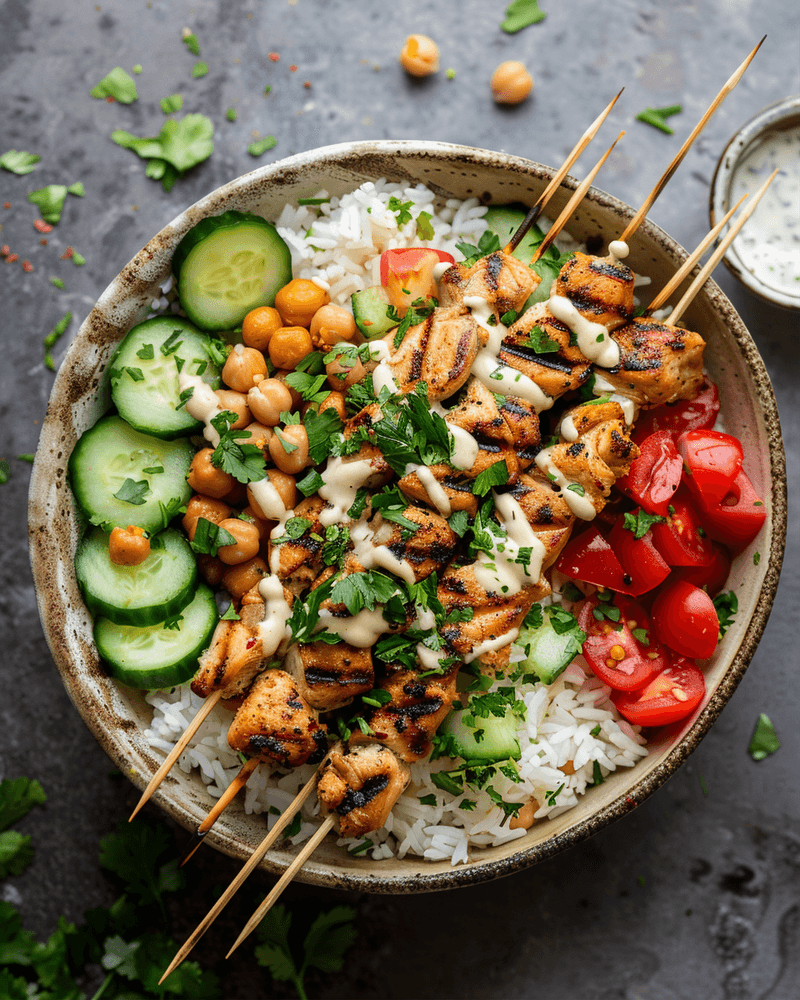
While the classic Caesar salad is absolutely perfect as written, there are some wonderful variations that can breathe new life into this beloved dish. For a heartier meal-worthy version, top your Caesar salad with sliced grilled chicken breast that's been seasoned with herbs and garlic—the warm, smoky protein transforms this side dish into a complete, satisfying dinner that's still relatively light and fresh. Alternatively, grilled shrimp makes an elegant addition that cooks quickly and pairs beautifully with the creamy, garlicky dressing.
If you're looking to add more vegetables and create a more substantial salad, try the "kale Caesar" variation where you replace half the romaine with finely shredded kale. Massage the kale with a bit of lemon juice and olive oil first to tenderize it and reduce any bitterness, then combine it with the romaine and dress as usual. The kale adds a slightly earthier flavor and holds up even better than romaine under the weight of the dressing, making it perfect for meal prep situations. You can also add some color and sweetness by tossing in halved cherry tomatoes or roasted red peppers, which complement the savory dressing beautifully.
For those who enjoy a bit of heat, create a spicy Caesar salad by whisking a teaspoon of your favorite hot sauce or a pinch of cayenne pepper into the dressing. The heat plays wonderfully against the creamy richness and adds an exciting kick that makes each bite more interesting. You could also add some thinly sliced jalapeños or a sprinkle of red pepper flakes over the top for visual appeal and bursts of spice throughout.
A Mediterranean-inspired twist involves adding chickpeas that have been roasted until crispy with cumin and paprika, which provide extra protein, fiber, and a delightful crunch that complements the traditional croutons. Throw in some sliced cucumbers and a handful of kalamata olives for even more Mediterranean flair. This variation is particularly popular with those looking to add more plant-based protein to their Caesar salad without using meat. Finally, for a fun presentation change, try making "Caesar salad wraps" where you use whole romaine leaves as vessels, filling them with the dressed chopped lettuce, extra croutons, and your choice of protein for a hand-held version that's perfect for casual gatherings.
What to Serve with Caesar Salad
Caesar salad is wonderfully versatile and pairs beautifully with a wide range of dishes, making it easy to incorporate into virtually any menu. For a classic pairing, serve your Caesar salad alongside grilled chicken breasts that have been marinated in lemon juice, garlic, and herbs—the light, protein-rich main course complements the rich, creamy salad perfectly. Grilled lamb chops or beef kebabs also make excellent companions, as their robust, savory flavors stand up well to the bold dressing without overwhelming it.
If you're in the mood for seafood, grilled or baked salmon pairs exceptionally well with Caesar salad. The fatty richness of the salmon mirrors the creamy dressing while its mild flavor doesn't compete with the salad's bold taste. Grilled shrimp skewers are another fantastic option, especially when they're seasoned with garlic and lemon to echo the flavors already present in the Caesar salad. For a more casual meal, serve your Caesar salad with homemade flatbreads or garlic breadsticks that you can use to scoop up any extra dressing left in the bowl.
Soup and salad is a time-honored combination, and Caesar salad works particularly well with tomato-based soups like a rich, creamy tomato bisque or a hearty minestrone packed with vegetables and beans. The warm, comforting soup provides a nice temperature contrast to the cool, crisp salad, and together they create a satisfying, well-rounded meal that's perfect for cozy evenings. A bowl of roasted red pepper soup or butternut squash soup would also be lovely choices that add color and seasonal appeal to your table.
For a more substantial spread, serve Caesar salad as part of a larger meal that includes roasted vegetables like asparagus, bell peppers, or zucchini drizzled with olive oil and sprinkled with herbs. Garlic mashed potatoes or herb-roasted baby potatoes make excellent starchy sides that balance the lightness of the salad. If you're hosting a gathering, consider setting up a build-your-own Caesar salad bar where guests can customize their portions with various proteins, extra toppings, and different crouton options—it's interactive, fun, and ensures everyone gets exactly what they want.
Storing and Reheating Tips
Proper storage is essential for maintaining the quality of your Caesar salad components and ensuring you can enjoy leftovers without any compromise in flavor or texture. The most important rule is to always store your salad components separately rather than as an assembled dish—once dressed, Caesar salad has a very short shelf life and will become soggy and unappetizing within just a couple of hours. Store your washed and thoroughly dried romaine lettuce in an airtight container lined with paper towels, which will absorb any excess moisture and keep the leaves crisp and fresh for up to four days in the refrigerator.
Your homemade Caesar salad dressing will keep beautifully in an airtight jar or container in the refrigerator for up to five days, actually improving in flavor as the ingredients have time to meld together. The olive oil in the dressing will likely solidify when cold, making the dressing thick and difficult to pour, so be sure to remove it from the refrigerator twenty to thirty minutes before you plan to use it. Let it come to room temperature naturally, then give it a vigorous shake or whisk to re-emulsify everything before drizzling it over your lettuce. If you notice any separation, don't worry—that's completely normal and a quick whisk will bring it back together perfectly.
Croutons should be stored separately from both the lettuce and the dressing to maintain their wonderful crispy texture. Once completely cooled, transfer them to an airtight container or zip-top bag and store at room temperature for up to three days. Don't refrigerate your croutons, as the humidity in the refrigerator will make them soft and chewy rather than crisp. If your croutons do lose some of their crunch after a day or two, you can refresh them by spreading them on a baking sheet and warming them in a three hundred and fifty degree oven for about five minutes.
When it comes to freezing, the dressing doesn't freeze well due to its emulsified nature—the ingredients will separate upon thawing and won't come back together properly no matter how much you whisk. However, you can freeze your unbaked crouton cubes for up to two months. Just toss your bread cubes with the oil and seasonings, spread them on a baking sheet, and freeze until solid before transferring to a freezer bag. When you're ready to use them, bake straight from frozen, adding just a few extra minutes to the cooking time.
If you've made Caesar salad with added protein like grilled chicken, store the protein separately from the other components and consume it within three days for optimal food safety and quality. When you're ready to enjoy your salad again, assemble only the portion you plan to eat immediately, leaving the remaining components stored separately for future meals. This approach ensures that every serving of your Caesar salad tastes as fresh and delicious as the first one, with that perfect contrast of crisp lettuce, creamy dressing, and crunchy croutons that makes this dish so irresistible.
Frequently Asked Questions
Can I make Caesar salad ahead of time for a gathering?
Absolutely, and in fact, preparing components ahead is a smart strategy for stress-free entertaining! Make your dressing up to two days in advance and store it in the refrigerator, prepare your croutons the day before and keep them in an airtight container at room temperature, and wash and dry your lettuce the morning of your gathering. When it's time to serve, simply assemble the Caesar salad in a large bowl right before your guests arrive, ensuring everything stays crisp and fresh.
What can I substitute for anchovies if I really can't find them?
While anchovies provide that authentic umami depth that defines Caesar salad, you can create a similar savory quality using a combination of alternatives. Try adding an extra tablespoon of grated cheese along with a teaspoon of soy sauce or a small squeeze of miso paste, both of which contribute that rich, savory complexity without any fish flavor. Keep in mind that the result will taste slightly different from a traditional Caesar salad, but it will still be delicious and creamy.
How do I keep my lettuce crisp after washing?
The secret to crispy lettuce is removing every bit of moisture after washing, which prevents dilution of the dressing and keeps the leaves from wilting. Use a salad spinner to remove most of the water, then lay the leaves out on clean kitchen towels and gently pat them dry, or let them air dry for twenty minutes before storing. When storing washed lettuce in the refrigerator, always line your container with paper towels and replace them if they become damp.
Can I make Caesar salad without raw egg?
Yes, and actually, this recipe doesn't include raw egg at all, which makes it safer for everyone including pregnant individuals and those with compromised immune systems. Traditional Caesar salad sometimes includes raw egg yolk for extra richness and to help with emulsification, but the combination of Dijon mustard and slowly whisked olive oil creates a beautifully creamy dressing without any raw eggs. If you want additional richness, you can add a spoonful of mayonnaise to the dressing instead.
How can I tell when my croutons are perfectly done?
Perfectly baked croutons should be golden brown on all sides with a crispy exterior and just a tiny bit of chewiness remaining in the very center. They'll continue to crisp up slightly as they cool, so it's better to remove them when they're light golden rather than waiting for them to turn deep brown, which can result in burnt, bitter croutons. Give the pan a shake—if the croutons slide around easily and sound crispy against the pan, they're ready to come out of the oven.
Is Caesar salad suitable for meal prep lunches?
Caesar salad is actually one of the best salads for meal prep because its components hold up so well when stored separately! Pack your washed lettuce, dressing, croutons, and any proteins in separate containers, then combine them right before eating for a lunch that tastes freshly made. The sturdy romaine leaves are much more resilient than delicate greens and won't wilt as quickly, making this Caesar salad a practical choice for weekly meal preparation that doesn't sacrifice flavor or texture.
Caesar Salad
A classic Caesar salad with crisp romaine lettuce, creamy homemade dressing, and golden garlic croutons. This restaurant-quality salad features bold, savory flavors and the perfect textural contrast.
Prep Time
20 min
Cook Time
15 min
Total Time
35 min
Servings
4 servings
Ingredients
For 4 servings
- 3 cups crusty bread, cut into 3/4-inch cubes
- 4 tablespoons extra virgin olive oil, divided
- 3 cloves garlic, minced and divided
- 1/4 teaspoon salt, plus more to taste
- 4-5 anchovy fillets, packed in olive oil
- 2 tablespoons fresh lemon juice
- 1 tablespoon Dijon mustard
- 1/2 cup grated aged Italian hard cheese, plus more for serving
- 1/3 cup extra virgin olive oil for dressing
- 1/4 teaspoon black pepper
- 2 large heads romaine lettuce, washed and dried
Instructions
- 1
Preheat oven
Preheat your oven to 375°F (190°C) and line a large baking sheet with parchment paper. This temperature ensures the croutons will crisp up evenly without burning.
- 2
Prepare crouton mixture
In a large bowl, toss the bread cubes with 3 tablespoons of olive oil, half of the minced garlic, and 1/4 teaspoon of salt. Mix thoroughly with your hands until every cube is lightly coated with the garlicky oil mixture.
- 3
Bake croutons
Spread the bread cubes in a single layer on the prepared baking sheet, making sure they have space between them for even crisping. Bake for 12-15 minutes, tossing once halfway through, until golden brown and crispy on all sides.
- 4
Cool croutons
Remove the croutons from the oven and let them cool on the baking sheet for 5 minutes. They will continue to crisp up as they cool, developing that perfect crunchy texture.
- 5
Make dressing base
In a medium bowl, mash the anchovy fillets with the back of a fork until they form a paste. Add the remaining minced garlic, lemon juice, and Dijon mustard, whisking everything together until well combined.
- 6
Add cheese to dressing
Whisk in the grated cheese until it's fully incorporated into the dressing mixture. The cheese will help thicken the dressing and add that essential savory, nutty flavor.
- 7
Emulsify the dressing
While whisking constantly, very slowly drizzle in the 1/3 cup of olive oil, starting with just a few drops at a time. As the mixture begins to emulsify and thicken, you can add the oil in a thin, steady stream while continuing to whisk vigorously until the dressing is thick and creamy.
- 8
Season the dressing
Add the black pepper and taste the dressing, adjusting the seasoning with additional salt, lemon juice, or garlic as needed. The dressing should be tangy, savory, and well-balanced.
- 9
Prepare the lettuce
Tear the romaine lettuce into bite-sized pieces, about 2-3 inches long, and place them in a large salad bowl. Make sure the lettuce is completely dry before adding the dressing.
- 10
Dress the salad
Drizzle about three-quarters of the dressing over the lettuce and toss gently but thoroughly with clean hands or salad tongs. Continue tossing until every leaf is evenly coated with the creamy dressing, adding more dressing if needed.
- 11
Add croutons
Scatter the cooled croutons over the dressed lettuce, distributing them evenly throughout the salad. Reserve a few croutons to place on top for presentation.
- 12
Finish and serve
Sprinkle additional grated cheese over the top of the salad and add a few cracks of black pepper for visual appeal. Serve immediately while the lettuce is still crisp and the croutons are crunchy, passing extra dressing and cheese at the table.
Nutrition Facts
Per serving (estimated)
385 calories
Calories
22g
Carbs
11g
Protein
29g
Fat
4g
Fiber
625mg
Sodium
3g
Sugar