Carrot Cake Loaf Cake Recipe – Moist & Delicious
This Carrot Cake Loaf Cake is perfectly moist, warmly spiced, and topped with cream cheese frosting. Easy one-bowl recipe ready in under an hour!
cookwithlucia.com/recipes/carrot-cake-loaf-cake
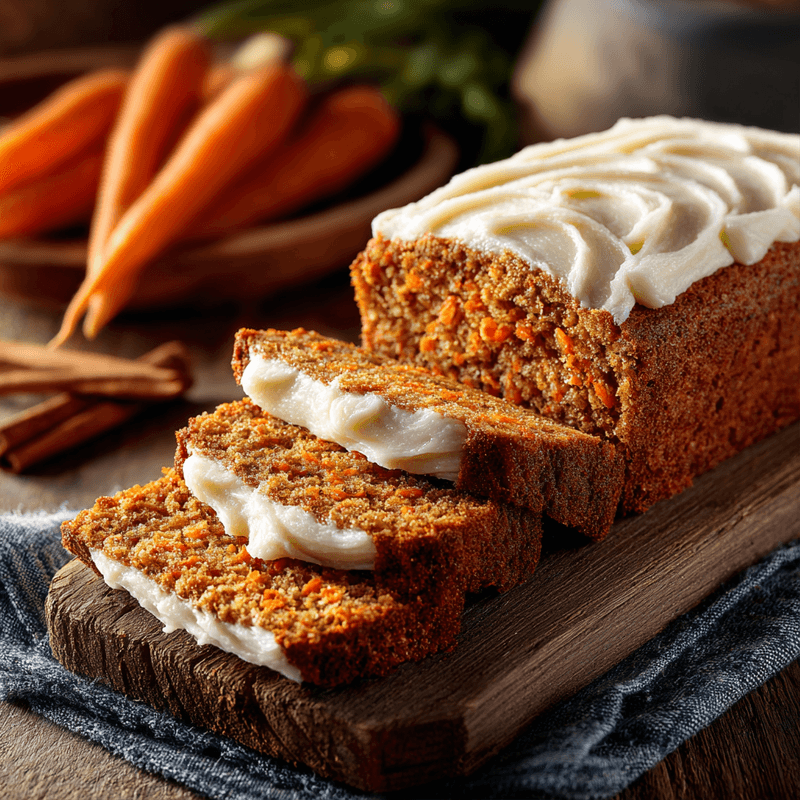
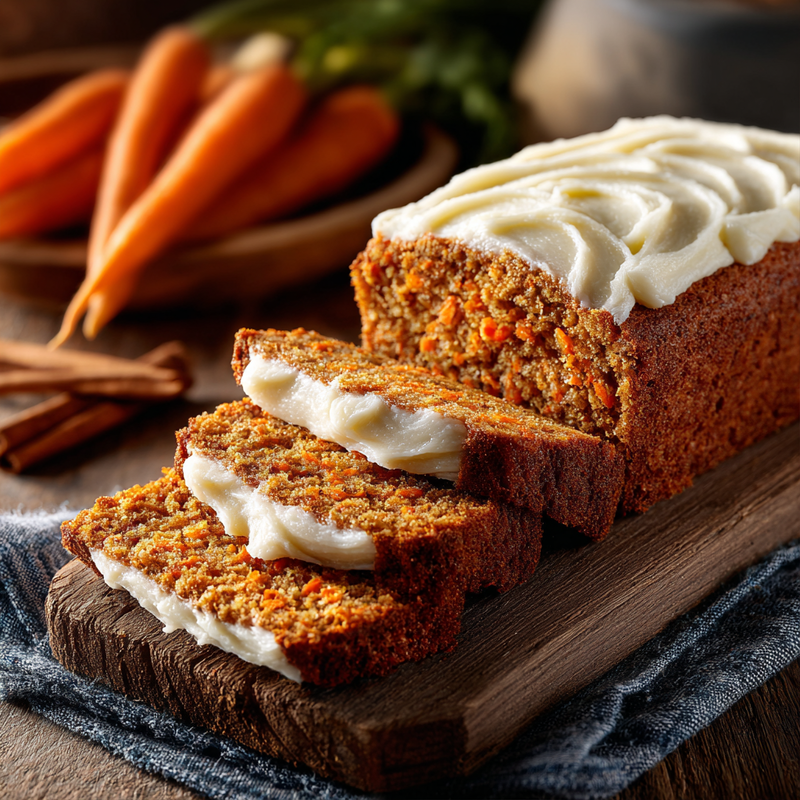
There's something magical about slicing into a perfectly moist carrot cake loaf cake, watching the golden crumb reveal flecks of vibrant orange carrot and catching that first whiff of cinnamon and nutmeg. This isn't just any cake—it's the kind of dessert that transforms an ordinary afternoon into something special, filling your kitchen with warmth and your heart with comfort. I'll never forget the first time I baked a carrot cake loaf cake in my grandmother's kitchen, thinking I was being clever by turning her classic layer cake into something more casual and snackable. The result was a revelation: all the beloved flavors of traditional carrot cake, but in a simpler, more approachable form that's perfect for slicing and sharing throughout the week.
What makes this carrot cake loaf cake truly special is how it manages to be both elegantly sophisticated and wonderfully homey at the same time. It's fancy enough to serve at gatherings yet simple enough to enjoy with your morning coffee on a quiet Tuesday. The beauty of this recipe lies in its versatility and ease—you don't need any special equipment or professional baking skills to create something that looks and tastes like it came from an artisan bakery. In this post, I'm going to walk you through every step of creating the perfect carrot cake loaf cake, from selecting your ingredients to achieving that coveted moist crumb, plus I'll share my favorite tips for customizing it to your taste. Whether you're a seasoned baker or just starting your culinary journey, this recipe will become your new go-to for impressive yet effortless baking.
What is Carrot Cake Loaf Cake?
You might be wondering: isn't a carrot cake loaf cake just regular carrot cake in a different pan? Well, yes and no! While it shares the same beloved flavor profile as its layer cake cousin, the carrot cake loaf cake has its own distinct personality. This delightful creation takes all the warmth of traditional carrot cake—the sweet shredded carrots, aromatic spices like cinnamon and nutmeg, and that signature moist texture—and transforms it into a more casual, sliceable loaf format.
Originating from the broader carrot cake tradition that became popular in America during the health food movement of the 1960s and 70s, the loaf cake version offers a more approachable, everyday interpretation of this classic dessert. What sets the carrot cake loaf cake apart is its dense, tender crumb that's perfect for slicing thick or thin, depending on your mood. The flavor profile is beautifully balanced: natural sweetness from the carrots themselves, warmth from the spices, a hint of vanilla, and often a tangy cream cheese frosting that cuts through the sweetness perfectly. Unlike towering layer cakes that require assembly and patience, this loaf cake is wonderfully forgiving and comes together in a single bowl, making it perfect for both novice bakers and busy home cooks. Ready to bake something that'll have everyone asking for the recipe?
Why You'll Love This Carrot Cake Loaf Cake
Incredibly Easy to Make: This carrot cake loaf cake comes together in just one bowl with no mixer required. You simply whisk together your wet ingredients, fold in your dry ingredients, stir in those gorgeous shredded carrots, and pour everything into a loaf pan. There's no creaming butter, no separating eggs, and no complicated techniques—just straightforward mixing that takes about 15 minutes of hands-on time. Even if you've never baked a cake before, you'll feel confident making this recipe.
Naturally Moist and Tender: The combination of oil and shredded carrots creates a carrot cake loaf cake with an incredibly moist texture that stays fresh for days. Unlike butter-based cakes that can dry out quickly, the oil keeps every slice tender and delicious. The carrots themselves release moisture as the cake bakes, creating pockets of sweetness throughout. You'll never have to worry about serving a dry cake again.
Perfectly Portioned: Unlike a full-sized layer cake that requires a crowd to finish, this carrot cake loaf cake serves 8-10 people comfortably, making it ideal for small gatherings or weekly meal prep. The loaf shape means you can slice exactly what you need and wrap the rest for later, enjoying fresh cake over several days without the pressure of finishing a massive dessert. It's also much easier to transport than a frosted layer cake if you're bringing dessert to a friend's house.
Budget-Friendly Ingredients: Every ingredient in this carrot cake loaf cake is pantry-staple affordable. Carrots are inexpensive year-round, and the rest of the recipe calls for everyday items like flour, sugar, eggs, and basic spices. You don't need exotic ingredients or expensive add-ins to create something that tastes absolutely luxurious. This is the kind of recipe that proves impressive baking doesn't have to break the bank.
Endlessly Customizable: While this carrot cake loaf cake is perfect as written, it also serves as a fantastic base for your own creativity. Fold in chopped walnuts or pecans for crunch, add raisins or dried cranberries for extra sweetness, or incorporate shredded coconut for tropical flair. You can adjust the spice levels to your preference, swap in whole wheat flour for added nutrition, or even make it dairy-free by using a plant-based frosting. The recipe adapts beautifully to your dietary needs and flavor preferences.
Makes Amazing Leftovers: Perhaps my favorite thing about this carrot cake loaf cake is how it actually improves after a day or two. The flavors meld together beautifully, the texture becomes even more tender, and each slice tastes like you spent hours perfecting it. It's the ultimate make-ahead dessert that takes the stress out of entertaining, and it's equally delicious for breakfast, snack time, or dessert.
Key Ingredients and What They Bring
Let me walk you through the ingredients that make this carrot cake loaf cake so special, because understanding what each component contributes will help you bake with confidence. Fresh carrots are obviously the star of the show—I recommend using about two cups of finely shredded carrots, which equals roughly three medium carrots. The carrots provide natural sweetness, beautiful color, and incredible moisture that keeps your carrot cake loaf cake tender for days. When you shred them finely, they practically melt into the batter, distributing their flavor evenly throughout every bite.
The flour provides structure to your carrot cake loaf cake, and I always use all-purpose flour for its reliable results and tender crumb. You want just enough flour to support the weight of the carrots without making the cake heavy or dense. Granulated sugar sweetens the cake beautifully, but it also helps create that lovely golden crust on top of your loaf. Some recipes use brown sugar for deeper molasses notes, but I find that white sugar lets the carrot flavor shine while still providing plenty of sweetness.
Vegetable oil is absolutely crucial for achieving that signature moist texture in your carrot cake loaf cake. Unlike butter, which can make cakes dense and prone to drying out, oil creates a tender, almost silky crumb that stays soft even when refrigerated. I typically use canola or sunflower oil for their neutral flavor, but you could also use melted coconut oil if you enjoy that subtle tropical note. The eggs bind everything together while adding richness and helping the cake rise properly—I use three large eggs for a standard loaf.
Now let's talk about the spices, because they're what transform this from plain carrot bread into a proper carrot cake loaf cake. Cinnamon is the primary spice, providing warmth and that classic carrot cake flavor we all know and love. I use a full tablespoon because I'm not shy about spice! Ground nutmeg adds depth and a slightly sweet, nutty complexity that makes people wonder what your secret ingredient is. A pinch of ground ginger brings brightness and a subtle zing that wakes up all the other flavors. Baking powder and baking soda work together to give your carrot cake loaf cake a beautiful rise and light texture despite all those heavy, moist carrots. Finally, a touch of vanilla extract and a pinch of salt round out the flavors, with the salt especially important for balancing the sweetness and making all the other flavors pop.
How to Make Carrot Cake Loaf Cake — Quick Overview
Making this carrot cake loaf cake is wonderfully straightforward, and I want to give you a quick roadmap before we dive into the detailed steps. You'll start by preparing your loaf pan and preheating your oven to 350°F, which gives you plenty of time to mix your batter while the oven comes to temperature. The mixing process itself is beautifully simple: you'll whisk together your oil, sugar, eggs, and vanilla in one bowl until they're smooth and slightly thickened, then add your dry ingredients—flour, spices, baking powder, baking soda, and salt—stirring just until everything is combined without any streaks of flour remaining.
Once your batter comes together, you'll fold in those beautiful shredded carrots along with any optional add-ins like nuts or raisins you might be using. This is where your carrot cake loaf cake really starts to take shape, as the batter transforms into something gorgeously speckled with orange and incredibly fragrant with spices. After pouring the batter into your prepared loaf pan, the cake bakes for about 50-60 minutes, filling your kitchen with the most incredible aroma of cinnamon and vanilla.
The total time from start to finish is roughly an hour and fifteen minutes, including prep time, and most of that is hands-off baking time where you can relax or prepare your cream cheese frosting. When your carrot cake loaf cake emerges from the oven with a golden top and a toothpick inserted in the center comes out clean, you'll let it cool completely before adding any frosting. The hardest part is waiting for it to cool, but trust me, patience pays off with cleaner slices and frosting that doesn't melt into puddles!
Top Tips for Perfecting Carrot Cake Loaf Cake
After making countless carrot cake loaf cakes over the years, I've learned some tricks that make the difference between good and absolutely spectacular. First, always shred your carrots finely using the small holes on a box grater or a food processor with the shredding attachment. Large carrot chunks can create moisture pockets and uneven texture in your carrot cake loaf cake, while finely shredded carrots practically disappear into the batter, creating that signature moist crumb. I also recommend squeezing out any excess moisture from your shredded carrots if they seem particularly wet, as too much liquid can make your cake dense.
Room temperature eggs make a huge difference in how well your batter emulsifies. Cold eggs don't blend as smoothly with the oil, which can result in a slightly separated batter and less tender texture in your finished carrot cake loaf cake. If you forget to take your eggs out ahead of time, simply place them in a bowl of warm water for five minutes before cracking. Another game-changing tip is to avoid overmixing once you add the flour—stir just until you can't see any more dry streaks, because overworking the batter develops too much gluten and creates a tough, chewy cake instead of a tender one.
Investing in an oven thermometer has revolutionized my baking, and it's especially important for loaf cakes that need a full hour in the oven. If your oven runs hot, your carrot cake loaf cake might brown too quickly on top while remaining underbaked in the center. If it runs cool, you'll end up with a pale, dense cake. I've found that 350°F is the sweet spot, but you need to know your actual oven temperature to nail it. Speaking of doneness, the toothpick test is your friend, but look for a few moist crumbs clinging to it rather than waiting for it to come out completely clean—an entirely clean toothpick often means you've slightly overbaked.
Greasing and flouring your loaf pan is non-negotiable, but I've found that lining the bottom with parchment paper and leaving an overhang on the sides creates handles that make removing your carrot cake loaf cake absolutely foolproof. You can also use a baking spray that contains flour, which creates an even coating in all those corners. If you're adding nuts, toast them first! Ten minutes in a 350°F oven brings out their oils and deepens their flavor dramatically, taking your carrot cake loaf cake from homemade to professional.
For the cream cheese frosting, make sure both your cream cheese and butter are at true room temperature—soft enough to blend smoothly but not melted or greasy. If they're too cold, you'll end up with lumps; too warm, and your frosting will be soupy. I also recommend frosting only the top of your carrot cake loaf cake rather than the sides, which keeps it casual and snackable while still looking beautiful. Finally, don't skip the cooling time—frost a warm cake and you'll have a melted mess, but a completely cooled cake provides the perfect canvas for your tangy, sweet frosting.
Variations and Flavor Twists
One of my favorite things about this carrot cake loaf cake is how easily it adapts to different flavors and dietary preferences. For a truly decadent version, try my Tropical Paradise variation: add half a cup of shredded sweetened coconut and half a cup of crushed pineapple (well-drained) to the batter. The pineapple adds extra moisture and tropical sweetness while the coconut provides wonderful texture. This version pairs beautifully with a lime-infused cream cheese frosting for a vacation-inspired carrot cake loaf cake.
If you're looking for extra crunch and nutty flavor, the Classic Walnut & Raisin version never disappoints. Fold in three-quarters of a cup of toasted chopped walnuts and half a cup of golden raisins just before pouring your batter into the pan. The walnuts provide satisfying texture contrast to the tender cake, while the raisins add little bursts of concentrated sweetness. This is the most traditional variation and the one my family requests most often.
For those wanting to reduce refined sugar, you can create a Naturally Sweetened carrot cake loaf cake by replacing half the granulated sugar with unsweetened applesauce and using honey or maple syrup for the remaining sweetness. You'll need to reduce the oil slightly since the applesauce adds moisture, but the result is a lighter cake that still delivers on flavor. This version works wonderfully with a Greek yogurt frosting instead of cream cheese for an even healthier twist.
A Spiced Chai variation transforms your carrot cake loaf cake into something truly special by adding half a teaspoon each of ground cardamom, ground ginger, and a pinch of black pepper along with your cinnamon and nutmeg. These warming spices create a complex, aromatic cake that's perfect for cozy afternoons. Finally, for a fun kid-friendly version, try mixing in half a cup of mini chocolate chips—the chocolate doesn't overpower the carrot flavor but adds little pockets of melty sweetness that children (and adults!) absolutely love.
What to Serve with Carrot Cake Loaf Cake
This carrot cake loaf cake is delicious on its own, but pairing it thoughtfully can elevate your entire dessert experience. My absolute favorite accompaniment is a hot cup of spiced tea—the warming notes in chai or cinnamon tea echo the spices in the cake beautifully, creating a harmonious flavor profile that feels like a warm hug. The tannins in tea also help cut through the richness of the cream cheese frosting, refreshing your palate between bites.
For a more indulgent presentation, serve your carrot cake loaf cake alongside a scoop of vanilla ice cream or a dollop of lightly sweetened whipped cream. The cold, creamy element provides wonderful temperature and texture contrast against the tender, spiced cake. I especially love how the ice cream begins to melt slightly, creating a spontaneous sauce that mingles with the frosting. If you're serving this for a gathering, consider offering a fresh fruit salad on the side—berries, orange segments, and sliced kiwi provide bright, acidic notes that balance the cake's sweetness.
Coffee is another natural partner for carrot cake loaf cake, particularly a rich, medium-dark roast that has enough body to stand up to the spices without overwhelming them. A cappuccino or latte with their creamy foam works especially well if your cake is particularly sweet. For an elegant afternoon gathering, pair thin slices of carrot cake loaf cake with a selection of herbal teas and fresh mint sprigs as garnish.
If you want to create a complete dessert spread, serve your carrot cake loaf cake as part of a dessert board with fresh nuts, dried fruits, small cookies, and cheese. Yes, cheese! A mild, creamy cheese like mascarpone or even a good cream cheese pairs wonderfully with the cake's spices. This approach lets guests customize their experience and creates a beautiful, Instagram-worthy presentation that encourages lingering and conversation.
Storing and Reheating Tips
Proper storage is key to maintaining your carrot cake loaf cake's incredible moisture and flavor over several days. If your cake is unfrosted, wrap it tightly in plastic wrap once it's completely cooled, then place it in an airtight container or resealable bag. Stored this way at room temperature, your carrot cake loaf cake will stay fresh for up to three days, though I find it actually tastes even better on day two as the flavors meld together. If you've frosted your cake, refrigeration becomes necessary since cream cheese frosting requires cool temperatures—place the frosted loaf in an airtight container and refrigerate for up to five days.
Freezing is an excellent option for longer storage, and this carrot cake loaf cake freezes beautifully for up to three months. For best results, I recommend freezing the cake unfrosted, wrapped first in plastic wrap and then in aluminum foil to prevent freezer burn. You can freeze the entire loaf or slice it first and freeze individual portions, which is incredibly convenient when you want just a single serving. If you do freeze a frosted cake, place it in the freezer uncovered for about an hour until the frosting hardens, then wrap it carefully—this prevents the wrap from sticking to and destroying your beautiful frosting.
When you're ready to enjoy your frozen carrot cake loaf cake, thaw it overnight in the refrigerator still wrapped, then bring it to room temperature before serving. This gradual thawing prevents condensation from making your cake soggy. If you're in a hurry, you can thaw individual slices at room temperature in about an hour. For reheating, I generally prefer enjoying this cake at room temperature or slightly chilled, but if you want to warm it up, the best method is wrapping a slice in a damp paper towel and microwaving for 10-15 seconds. This creates a steamy environment that refreshes the cake without drying it out.
If you want to recapture that fresh-from-the-oven experience, you can reheat slices in a 300°F oven for about 8-10 minutes wrapped loosely in foil. Remove the foil for the last two minutes to crisp up the top slightly. However, I'll be honest—I think carrot cake loaf cake is absolutely perfect at room temperature, and the cream cheese frosting is at its most luxurious when it's cool but not cold, so I rarely bother reheating mine. The key is always returning the cake to room temperature if it's been refrigerated, as this allows the flavors to fully bloom and the texture to soften perfectly.
Frequently Asked Questions
Can I make this carrot cake loaf cake ahead of time?
Absolutely! In fact, this is one of the best make-ahead desserts I know. The carrot cake loaf cake can be baked up to two days in advance and stored at room temperature if unfrosted, or up to five days ahead if you refrigerate it after frosting. The flavors actually deepen and improve as it sits, making it even more delicious than when freshly baked.
What can I substitute for eggs to make this carrot cake loaf cake?
For each egg, you can use a "flax egg" made by mixing one tablespoon of ground flaxseed with three tablespoons of water and letting it sit for five minutes until gelatinous. Alternatively, use a quarter cup of unsweetened applesauce per egg. Both substitutions work well in this carrot cake loaf cake, though the texture will be slightly denser and the rise a bit less dramatic than with regular eggs.
My carrot cake loaf cake sank in the middle—what went wrong?
A sunken center usually indicates one of three issues: opening the oven door too early (before the structure sets), using too much leavening agent, or underbaking. Make sure you don't peek at your carrot cake loaf cake until at least 45 minutes into baking, measure your baking powder and soda carefully, and test for doneness with a toothpick before removing from the oven.
Can I reduce the sugar in this carrot cake loaf cake recipe?
You can reduce the sugar by up to one-quarter cup without dramatically affecting the texture, though the cake will be noticeably less sweet. Keep in mind that sugar doesn't just provide sweetness—it also contributes to moisture and tenderness in your carrot cake loaf cake. If you reduce it too much, you'll end up with a drier, more bread-like texture rather than a proper cake.
How do I know when my carrot cake loaf cake is perfectly done?
Your carrot cake loaf cake is done when a toothpick inserted into the center comes out with just a few moist crumbs attached—not wet batter, but not completely clean either. The top should be golden brown and spring back lightly when touched, and the edges should just be pulling away from the sides of the pan. This typically takes 50-60 minutes at 350°F, but oven temperatures vary.
Can I make this recipe into muffins instead of a loaf?
Definitely! This carrot cake loaf cake batter makes excellent muffins. Divide the batter among 12 lined muffin cups and reduce the baking time to 20-25 minutes. The muffins are done when a toothpick inserted in the center comes out with just a few moist crumbs. This is a great way to create individual portions perfect for lunchboxes or grab-and-go breakfasts with all the same delicious flavor.
Carrot Cake Loaf Cake
A moist and tender carrot cake baked in a loaf pan, filled with warm spices and topped with cream cheese frosting. Perfect for any gathering or as an everyday treat.
Prep Time
15 min
Cook Time
60 min
Total Time
1h 15m
Servings
8 servings
Ingredients
For 8 servings
- 2 cups finely shredded carrots (about 3 medium carrots)
- 1 and 1/2 cups all-purpose flour
- 1 cup granulated sugar
- 3/4 cup vegetable oil
- 3 large eggs, at room temperature
- 2 teaspoons ground cinnamon
- 1 teaspoon baking powder
- 1/2 teaspoon baking soda
- 1/2 teaspoon ground nutmeg
- 1/4 teaspoon ground ginger
- 1/2 teaspoon salt
- 2 teaspoons vanilla extract
- 1/2 cup chopped walnuts or pecans (optional)
- 1/2 cup raisins (optional)
- 8 ounces cream cheese, softened
- 4 tablespoons unsalted butter, softened
- 2 cups powdered sugar
- 1 teaspoon vanilla extract for frosting
Instructions
- 1
Prepare pan and oven
Preheat your oven to 350°F (175°C). Grease a 9x5-inch loaf pan thoroughly with butter or cooking spray, then dust with flour, tapping out any excess. For easier removal, line the bottom with parchment paper leaving an overhang on the sides.
- 2
Shred the carrots
Peel and finely shred your carrots using the small holes of a box grater or a food processor with the shredding attachment. Measure out exactly 2 cups of shredded carrots, packing them lightly. If the carrots seem very wet, gently squeeze out excess moisture with your hands or a clean kitchen towel.
- 3
Mix wet ingredients
In a large mixing bowl, whisk together the vegetable oil, granulated sugar, eggs, and vanilla extract until well combined and slightly thickened, about 1-2 minutes. The mixture should be smooth and pale in color. Make sure your eggs are at room temperature for the best emulsification.
- 4
Combine dry ingredients
In a separate medium bowl, whisk together the flour, cinnamon, baking powder, baking soda, nutmeg, ginger, and salt until evenly distributed. This ensures that the leavening agents and spices are evenly incorporated throughout the batter.
- 5
Mix batter
Add the dry ingredients to the wet ingredients, stirring gently with a wooden spoon or rubber spatula just until no streaks of flour remain. Be careful not to overmix, as this can result in a tough, dense cake. A few small lumps are perfectly fine.
- 6
Fold in carrots
Gently fold the shredded carrots into the batter until evenly distributed throughout. If using nuts or raisins, fold them in at this stage as well. The batter will be thick and studded with orange flecks of carrot.
- 7
Bake the cake
Pour the batter into your prepared loaf pan, spreading it evenly and smoothing the top with a spatula. Bake in the preheated oven for 50-60 minutes, until a toothpick inserted into the center comes out with just a few moist crumbs attached. The top should be golden brown and spring back lightly when touched.
- 8
Cool the cake
Remove the cake from the oven and let it cool in the pan for 15 minutes on a wire rack. Then carefully remove the cake from the pan using the parchment overhang if you used it, and transfer to the wire rack to cool completely, about 1 hour. The cake must be completely cool before frosting.
- 9
Make cream cheese frosting
While the cake cools, make the frosting by beating together the softened cream cheese and butter with an electric mixer on medium speed until smooth and creamy, about 2 minutes. Gradually add the powdered sugar, beating on low speed at first then increasing to medium-high. Add the vanilla extract and beat until light and fluffy, about 2-3 minutes.
- 10
Frost and serve
Once the cake is completely cool, spread the cream cheese frosting generously over the top of the loaf using an offset spatula or butter knife. You can leave the sides unfrosted for a casual, rustic look. Slice and serve immediately, or store covered in the refrigerator. Let refrigerated slices come to room temperature for 15 minutes before serving for the best texture and flavor.
Nutrition Facts
Per serving (estimated)
485 calories
Calories
62g
Carbs
6g
Protein
24g
Fat
2g
Fiber
340mg
Sodium
45g
Sugar