Bursting Soup Dumplings: Master Xiaolongbao at Home
Learn to make authentic bursting soup dumplings (xiaolongbao) at home. Silky wrappers filled with savory broth and meat in your own kitchen.
cookwithlucia.com/recipes/bursting-soup-dumplings-dumplings-xiaolongbao-via-msshiandmrhe
Close your eyes and imagine stepping into a bustling Shanghai dim sum house on a cool morning. Steam rises from bamboo baskets stacked high, carrying the scent of ginger and savory broth. Diners lean in eagerly as servers place delicate parcels on tables, each dumpling a translucent pouch barely containing its precious cargo. The moment you lift one with chopsticks, you can see the golden broth shimmering inside, threatening to burst at any moment. This is the magic of xiaolongbao, those incredible bursting soup dumplings that have captivated food lovers around the world.
What makes Chinese cuisine so endlessly fascinating is its mastery of technique and texture. These soup dumplings represent the pinnacle of dumpling-making artistry, requiring patience, precision, and an understanding of how gelatin transforms into liquid gold when steamed. The Shanghainese approach to food celebrates subtle sophistication, where delicate flavors layer upon each other rather than shouting for attention. It's a cuisine that rewards careful attention and gentle handling.
Creating authentic bursting soup dumplings in your home kitchen might seem intimidating, but I'm here to show you it's absolutely achievable. Yes, it requires some time and practice, but the ingredients are surprisingly accessible, and the techniques, once understood, become second nature. When you bite into your first homemade xiaolongbao and that savory broth floods your mouth, you'll understand why this dish is worth every moment of effort. Let's bring the soul of Shanghai's dumpling houses into your kitchen.
A Taste of the Culture
Bursting soup dumplings hold a cherished place in Shanghainese cuisine as both an everyday comfort and a celebratory dish. Street vendors and humble dumpling shops serve them alongside Michelin-starred restaurants, proving that true mastery transcends price points. In Shanghai, xiaolongbao aren't just food, they're a point of civic pride, with locals engaging in passionate debates about which neighborhood shop makes the best version. Families gather around steamer baskets for weekend breakfasts, and these dumplings mark special occasions throughout the year.
The genius of Shanghainese cooking lies in its pursuit of "xian" that elusive umami-rich savoriness that doesn't rely on overwhelming spices or heavy sauces. Instead, it builds depth through patient techniques like reducing stocks, balancing sweetness with acidity, and understanding how different proteins contribute their unique flavors. Ginger provides warmth without heat, Shaoxing cooking wine adds complexity, and the interplay of soy sauce and sugar creates a rounded, satisfying taste that feels both comforting and refined.
These dumplings reflect core Chinese values of harmony and balance. The wrapper must be thin enough to see through yet strong enough to hold precious soup. The filling needs enough fat to stay juicy but not so much it becomes greasy. The broth should be flavorful without overpowering the delicate meat. This quest for perfect equilibrium extends throughout Chinese culinary philosophy, where extremes are avoided in favor of thoughtful middle paths. Regional variations exist across China, from the crab roe versions of Jiangsu to the larger, soupier tangbao, but Shanghai's xiaolongbao remain the gold standard for their delicate construction and balanced flavors.
The Ingredients That Define This Dish
Creating exceptional bursting soup dumplings starts with understanding each component's role in this delicate construction. The wrapper dough requires just two ingredients: all-purpose flour and water, mixed to create a smooth, elastic dough that can be rolled paper-thin. Chinese cooks traditionally use a specific ratio that creates wrappers with enough structure to pleat beautifully yet remain tender after steaming. The key is achieving the right hydration level, typically around sixty percent water to flour by weight, though humidity and flour protein content may require small adjustments.
The filling combines ground meat, usually a mixture that's seventy percent lean to thirty percent fat, ensuring juiciness without greasiness. I recommend using ground chicken or beef that's been freshly ground or pulsed in a food processor for the best texture. Ginger, minced to a fine paste, provides that essential warming note that defines xiaolongbao's flavor profile. Fresh ginger root is non-negotiable here; the dried powder simply cannot deliver the bright, aromatic quality needed. Shaoxing cooking wine, a fermented rice-based cooking liquid, adds depth and complexity. You can find it at any Asian grocery store, and while some recipes suggest alternatives, the authentic flavor really comes from this traditional ingredient.
The magic ingredient that creates the soup inside each dumpling is gelatin-rich stock. Traditional recipes call for simmering chicken or beef bones for hours until the collagen breaks down and the stock becomes thick and jiggly when chilled. This aspic, as it's called, gets chopped into small cubes and mixed into the filling. When steamed, it melts into that glorious hot broth that makes these dumplings burst in your mouth. You can also use unflavored beef gelatin powder mixed with homemade or quality store-bought stock if time is limited, though the flavor won't be quite as rich.
Soy sauce and a touch of sugar balance the savory elements, while white pepper adds subtle warmth without visible specks. Sesame oil, used sparingly, contributes a nutty aroma that shouldn't dominate. Green onions, finely minced, provide freshness and a gentle bite. For the dipping sauce, Chinese black vinegar offers that distinctive sweet-sour tang that cuts through the richness. Look for Chinkiang vinegar at Asian markets; it's smoother and more complex than regular rice vinegar. Fresh ginger threads in the dipping sauce echo the filling's warmth and aid digestion. Each ingredient plays its part in creating the symphony of flavors that makes bursting soup dumplings unforgettable.
Cooking the Authentic Way
Mastering bursting soup dumplings requires breaking the process into manageable stages, each building upon the last. Begin with the stock preparation, ideally the day before you plan to make dumplings. Simmer chicken or beef bones with ginger slices and green onion in water for at least four hours, until the liquid reduces by half and becomes rich and gelatinous. Strain it thoroughly, chill it overnight, and you'll have a firm jelly that can be diced into small cubes. This is your soup foundation, the secret that transforms ordinary dumplings into bursting xiaolongbao.
The filling comes next, and proper mixing technique matters enormously. Combine your ground meat with minced ginger, Shaoxing wine, soy sauce, sugar, white pepper, and sesame oil, then stir vigorously in one direction for several minutes. This develops the myosin proteins, creating a sticky, cohesive mixture that will hold together during steaming. The Chinese call this texture "shang jin" or "achieving strength," and you'll know you've reached it when the mixture becomes noticeably tacky and pulls away from the bowl's sides. Gently fold in your chopped aspic cubes and minced green onions at the end, being careful not to break up the gelatin too much.
Wrapper making separates good xiaolongbao from great ones. Mix your flour and water until a shaggy dough forms, then knead for ten minutes until completely smooth and elastic. Rest it for thirty minutes to relax the gluten, making rolling easier. Traditional dumpling makers roll each wrapper individually from small dough portions, creating circles that are thinner at the edges than the center. This ensures the pleated top doesn't become too thick while providing a sturdy base to hold the soup. If you're new to this, a small rolling pin and patience will get you there; aim for wrappers about three inches in diameter and nearly translucent.
Pleating xiaolongbao is an art form that improves with practice. Hold a wrapper in your palm, place a tablespoon of filling in the center, and use your other hand to make small pleats around the edge, working in a circle and gathering the dough toward the top. Aim for at least fourteen to eighteen pleats for that classic chrysanthemum appearance. The final twist and pinch at the top seals everything securely. Don't worry if your first attempts look rustic; even imperfect dumplings taste incredible, and your technique will refine with each batch you make.
Steaming requires attention to detail and gentle heat. Line your bamboo or metal steamer baskets with perforated parchment paper or cabbage leaves to prevent sticking. Arrange dumplings with space between them, as they'll expand slightly during cooking. Bring your steamer water to a rolling boil, then place the baskets over the steam and cook for exactly eight to ten minutes. The timing is crucial: too short and the wrappers remain doughy, too long and they may burst or become tough. You'll know they're perfect when the wrappers turn translucent and you can see the filling and broth inside, with the dough appearing glossy and slightly puffed.
Bringing It All Together
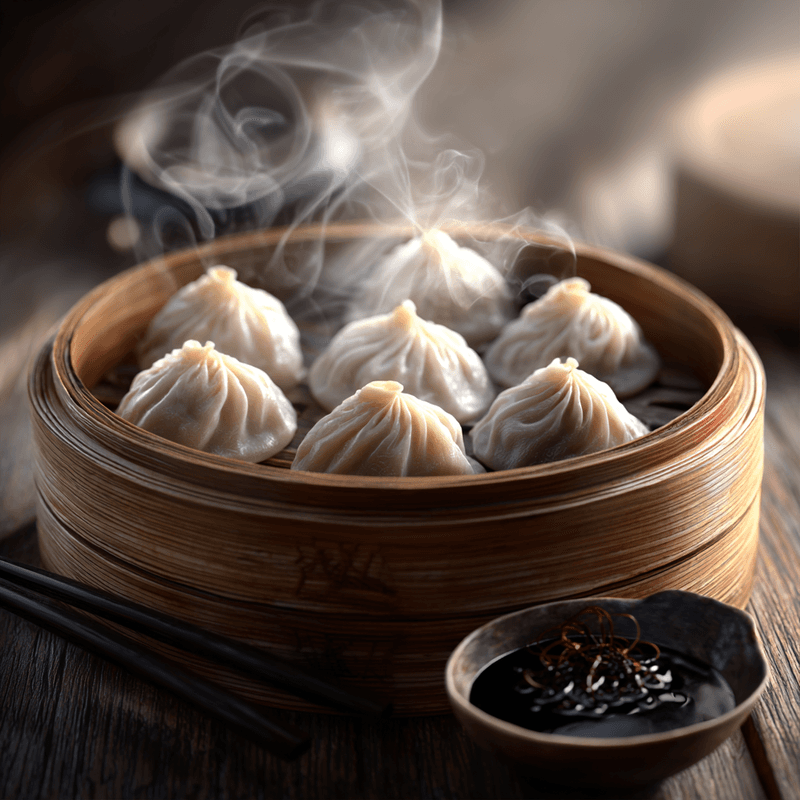
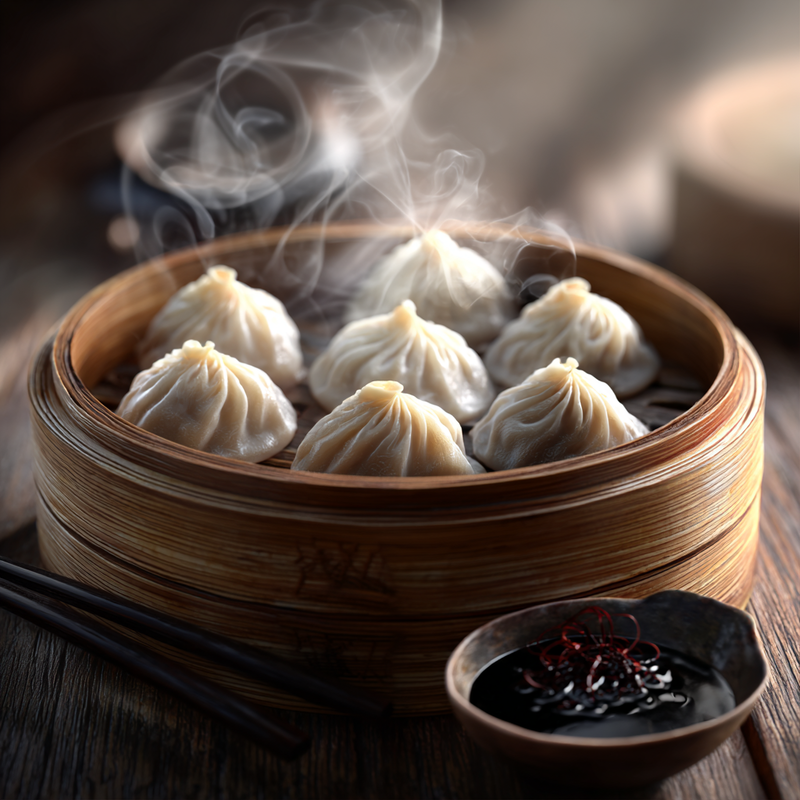
The presentation of bursting soup dumplings is as important as their construction, transforming individual components into a complete dining experience. Steam rises dramatically as you lift the bamboo basket lid, revealing a neat arrangement of delicate parcels, their pleated tops standing proud like tiny gathered purses. Each dumpling should glisten slightly from the steam's moisture, the wrapper thin enough that you can glimpse the rich filling inside without it becoming transparent to the point of fragility.
Traditional service involves placing the steamer basket directly on the table, often on a small plate or trivet. Alongside, you'll want small dishes for the dipping sauce, typically a mixture of Chinese black vinegar and thin ginger threads, though some prefer adding a few drops of soy sauce for extra saltiness. Some restaurants provide soup spoons, recognizing that capturing every drop of precious broth is essential to the xiaolongbao experience. The eating ritual itself is part of the charm: carefully lift a dumpling by its pleated top, dip the base in vinegar, place it on your spoon, and bite a small opening to sip the hot broth before eating the rest in one or two bites.
Garnishes remain minimal in authentic presentations because the dumplings themselves are the stars. However, fresh cilantro leaves or additional ginger threads can add visual appeal and complementary flavors. Some modern interpretations serve xiaolongbao with pickled vegetables or a small cucumber salad to provide cooling contrast and textural variety. The key is maintaining the focus on these remarkable dumplings while offering elements that enhance rather than compete with their delicate nature.
Make It Your Own
While traditional bursting soup dumplings are perfection in themselves, there's plenty of room for creative adaptation once you've mastered the basics. Consider fusion fillings that blend Shanghainese technique with other flavor profiles: a Middle Eastern-spiced filling with cumin and coriander, or a Southeast Asian version incorporating lemongrass and galangal into the broth. These variations honor the dumpling-making craft while introducing flavors that might feel more familiar or exciting to your palate.
Spice level adjustments are straightforward with xiaolongbao since the traditional version is relatively mild. Add minced fresh chili to your filling for heat throughout, or create a spicy dipping sauce with chili oil and Sichuan peppercorns for those who want fire without altering the dumplings themselves. This approach lets everyone at your table enjoy their preferred heat level, making bursting soup dumplings accessible to various taste preferences.
Protein variations work beautifully with this technique. Substitute ground turkey for a leaner option, or use lamb for a richer, more distinctive flavor that pairs wonderfully with cumin and garlic. Seafood xiaolongbao filled with minced shrimp or crab create an elegant variation popular in coastal Chinese regions. For vegetarian versions, finely chopped mushrooms mixed with tofu and vegetable stock gelatin can create surprisingly satisfying soup dumplings, though the texture will differ from meat-based versions.
Introducing bursting soup dumplings to hesitant eaters often works best by emphasizing the fun, interactive nature of eating them. Let family members help with pleating, turning dinner preparation into an engaging activity. Start with milder seasonings and gradually increase ginger and other aromatics as palates adjust. Serving them alongside familiar dishes like steamed vegetables or simple noodles can make the meal feel less foreign while still showcasing these special dumplings.
Keeping and Reusing Leftovers
Bursting soup dumplings are remarkable in their versatility when it comes to storage, though the best experience always comes from eating them fresh and hot from the steamer. Uncooked dumplings freeze exceptionally well, making them perfect for meal prep. Arrange pleated xiaolongbao on a parchment-lined baking sheet, freeze until solid, then transfer to freezer bags. They'll keep for up to three months and can be steamed directly from frozen, adding just two to three extra minutes to the cooking time.
Cooked leftover dumplings lose some of their textural magic as the wrappers absorb the soup, but they're far from worthless. Refrigerate them in an airtight container for up to two days. Resteaming gently can revive them somewhat, though they'll never quite match the original burst of hot broth. Some cooks embrace this transformation, pan-frying leftover xiaolongbao in a bit of oil to create crispy-bottomed potstickers with a tender top, a different but delicious preparation.
Creative next-day uses include chopping leftover dumplings and adding them to fried rice for umami-rich bursts of flavor, or simmering them in a simple broth with vegetables to create a quick soup where the dumplings break down and enrich the liquid. The filling mixture itself, if you've made extra, freezes beautifully for up to two months. Thaw it overnight in the refrigerator before using it to fill fresh wrappers, ensuring the aspic remains solid until cooking.
The dough for wrappers should be used within a day of making, kept wrapped tightly in plastic in the refrigerator. It doesn't freeze well in its raw state. However, extra rolled wrappers can be stacked with parchment between them and frozen, though they become slightly more fragile. The gelatin stock keeps refrigerated for up to five days or frozen for three months, making it easy to prepare in large batches whenever you have bones available.
Your Questions Answered
Where can I find the special ingredients for bursting soup dumplings?
Most ingredients for xiaolongbao are available at standard supermarkets, with just a few items requiring an Asian grocery store visit. Shaoxing cooking wine and Chinese black vinegar are the main specialty ingredients, though many well-stocked supermarkets now carry them in international aisles. Asian markets offer the best selection and prices, and online retailers ship these shelf-stable items easily if you don't have local access.
How spicy are traditional soup dumplings?
Authentic bursting soup dumplings are not spicy at all in terms of chili heat. They feature warming ginger and white pepper, which provide aromatic depth rather than burning sensation. The flavor profile emphasizes savory, slightly sweet, and umami-rich notes that appeal to nearly all palates. Any heat comes from the dipping sauce, which you control completely, making xiaolongbao naturally suitable for those who prefer milder foods.
What's the proper way to eat xiaolongbao without burning yourself?
The traditional technique involves lifting the dumpling by its pleated top with chopsticks, placing it on a soup spoon, and carefully biting a small opening in the wrapper to release steam before sipping the broth. Let it cool for thirty seconds after it comes out of the steamer, as that internal soup reaches extremely high temperatures. Never pop an entire xiaolongbao in your mouth immediately; the scalding broth can burn badly, and you'll miss the experience of savoring the soup separately from the wrapper and filling.
Can I make these dumplings authentically without spending all day in the kitchen?
Absolutely, though some advance preparation helps enormously. Make your gelatin stock on a weekend and freeze it in portions, prepare filling the night before, and the actual wrapper-making and pleating can happen in about ninety minutes once you've practiced a few times. Some cooks use quality store-bought dumpling wrappers, though they're typically thicker than ideal for bursting soup dumplings. The process becomes much faster with experience, and many families turn it into a social cooking session where multiple hands make quick work of pleating.
What should I serve alongside soup dumplings for a complete meal?
Bursting soup dumplings pair beautifully with simple steamed or stir-fried vegetables like bok choy, gai lan, or snow peas that provide freshness and crunch without competing flavors. A light cucumber salad dressed with rice vinegar and sesame oil offers cooling contrast. Cold appetizers like tea eggs or marinated tofu work well, as does a clear soup with wontons or noodles. The key is keeping accompaniments light and simple, allowing the xiaolongbao to remain the meal's centerpiece.
Is there a significant difference between homemade and restaurant soup dumplings?
Homemade bursting soup dumplings can absolutely rival restaurant versions once you've refined your technique, with the advantage of controlling filling quality and seasoning to your exact preferences. Restaurant xiaolongbao benefit from dumpling makers who've pleated thousands of them, achieving remarkable consistency and delicate wrappers. However, the satisfaction of creating these technical marvels in your own kitchen, and the ability to make them exactly as you like them, makes the home version special in ways restaurant dumplings cannot match. With practice, your homemade soup dumplings will earn enthusiastic praise from everyone lucky enough to try them.
Bursting Soup Dumplings (Xiaolongbao)
Authentic Shanghainese soup dumplings with silky thin wrappers enclosing savory meat filling and hot, flavorful broth that bursts in your mouth.
Prep Time
90 min
Cook Time
10 min
Total Time
5h
Servings
24 dumplings
Ingredients
For 24 dumplings
- 3 cups chicken or beef stock, homemade
- 2 teaspoons unflavored beef gelatin powder
- 1 pound ground chicken or beef (70% lean, 30% fat)
- 2 tablespoons fresh ginger, minced
- 3 tablespoons Shaoxing cooking wine
- 2 tablespoons soy sauce
- 1 teaspoon sugar
- 1/2 teaspoon white pepper
- 1 teaspoon sesame oil
- 3 green onions, finely minced
- 2 cups all-purpose flour
- 3/4 cup warm water
- 1/4 cup Chinese black vinegar, for serving
- 2 tablespoons fresh ginger, julienned, for serving
Instructions
- 1
Prepare gelatin stock
Heat the chicken or beef stock in a saucepan until simmering. Sprinkle gelatin powder over the stock and whisk until completely dissolved. Pour into a shallow dish and refrigerate for at least 4 hours or overnight until firmly set. Once solid, dice the aspic into small cubes about 1/4-inch in size.
- 2
Make the filling
In a large bowl, combine ground meat, minced ginger, Shaoxing wine, soy sauce, sugar, white pepper, and sesame oil. Stir vigorously in one direction for 3-4 minutes until the mixture becomes sticky and cohesive. Gently fold in the diced gelatin cubes and minced green onions. Refrigerate while preparing the dough.
- 3
Prepare the dough
Add flour to a large bowl and slowly pour in warm water while stirring with chopsticks or a fork. Once a shaggy dough forms, knead on a clean surface for 8-10 minutes until completely smooth and elastic. Cover with a damp towel and let rest for 30 minutes to relax the gluten.
- 4
Roll the wrappers
Divide the rested dough into 24 equal pieces and keep covered. Working with one piece at a time, roll into a ball, then flatten and roll into a circle about 3-3.5 inches in diameter. The edges should be thinner than the center. Stack finished wrappers with parchment between them to prevent sticking.
- 5
Fill and pleat
Place a wrapper in your palm and add 1 tablespoon of filling to the center. Using your other hand, make small pleats around the edge, gathering the dough upward and working in a circle. Aim for 14-18 pleats for an authentic look. Twist and pinch the top firmly to seal completely.
- 6
Prepare for steaming
Line bamboo or metal steamer baskets with perforated parchment paper or lightly oiled cabbage leaves. Arrange dumplings at least 1 inch apart as they will expand slightly. Do not overcrowd the steamer baskets.
- 7
Steam the dumplings
Bring water in the steamer base to a rolling boil. Place the steamer baskets over the boiling water, cover tightly, and steam for 8-10 minutes. The wrappers should become translucent and glossy, and you should be able to see the filling and broth inside.
- 8
Serve immediately
Carefully transfer the steamer basket to the table or remove dumplings with a spatula to serving plates. Mix black vinegar with julienned ginger for dipping sauce. Let dumplings cool for 30 seconds before eating. To eat, lift by the top, place on a spoon, bite a small opening, sip the broth, then enjoy the rest.
Nutrition Facts
Per serving (estimated)
85 calories
Calories
9g
Carbs
6g
Protein
3g
Fat
0.5g
Fiber
180mg
Sodium
0.5g
Sugar