Broccoli Chickpea Pasta: Easy Healthy Vegetarian Recipe
This broccoli chickpea pasta is a 30-minute vegetarian meal packed with protein, fiber, and flavor. Simple ingredients, bold taste, perfect weeknight dinner!
cookwithlucia.com/recipes/broccoli-chickpea-pasta-easy-healthy-vegetarian-entree-recipe
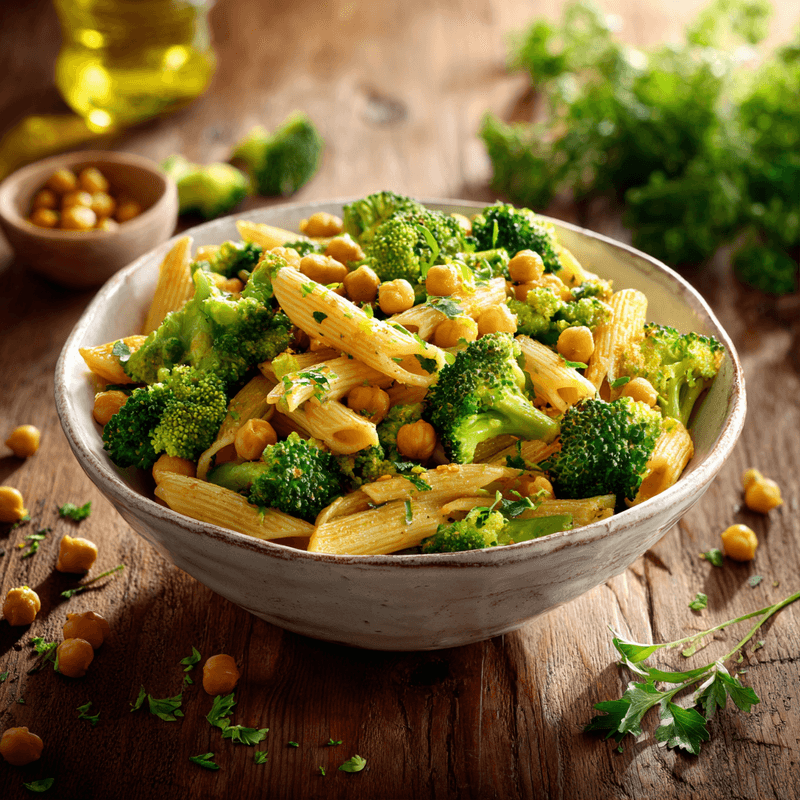
There's something magical about a dish that comes together in thirty minutes yet tastes like you've been simmering love in a pot all afternoon. This broccoli chickpea pasta is exactly that kind of recipe—the kind where vibrant green florets meet tender, nutty chickpeas in a light garlic-infused sauce that clings to every strand of pasta. Each bite delivers a satisfying combination of textures: the gentle crunch of perfectly cooked broccoli, the creamy interior of chickpeas, and the comforting chew of al dente pasta. It's wholesome without being bland, healthy without sacrificing an ounce of flavor.
I stumbled upon this broccoli chickpea pasta one evening when my pantry was looking rather sparse and my energy levels were even more depleted. I had a head of broccoli in the crisper, a can of chickpeas in the cupboard, and a serious craving for something nourishing that wouldn't require an elaborate shopping trip or hours in the kitchen. What started as a "let's see what happens" experiment quickly became a weekly staple in my home. My family now requests this dish by name, and I've made it for friends who are always surprised that something so simple can be so deeply satisfying.
What makes this recipe truly special is its beautiful balance of simplicity and nutrition. You're getting a complete meal with protein, fiber, complex carbohydrates, and vegetables all in one bowl, yet the ingredient list is refreshingly short and the technique is straightforward enough for a Tuesday night. In this post, I'll walk you through everything you need to know to make this broccoli chickpea pasta absolutely shine—from selecting the best ingredients to mastering the timing, plus creative variations that keep this dish exciting week after week. Let's dive into a recipe that proves healthy eating can be absolutely delicious.
What is Broccoli Chickpea Pasta?
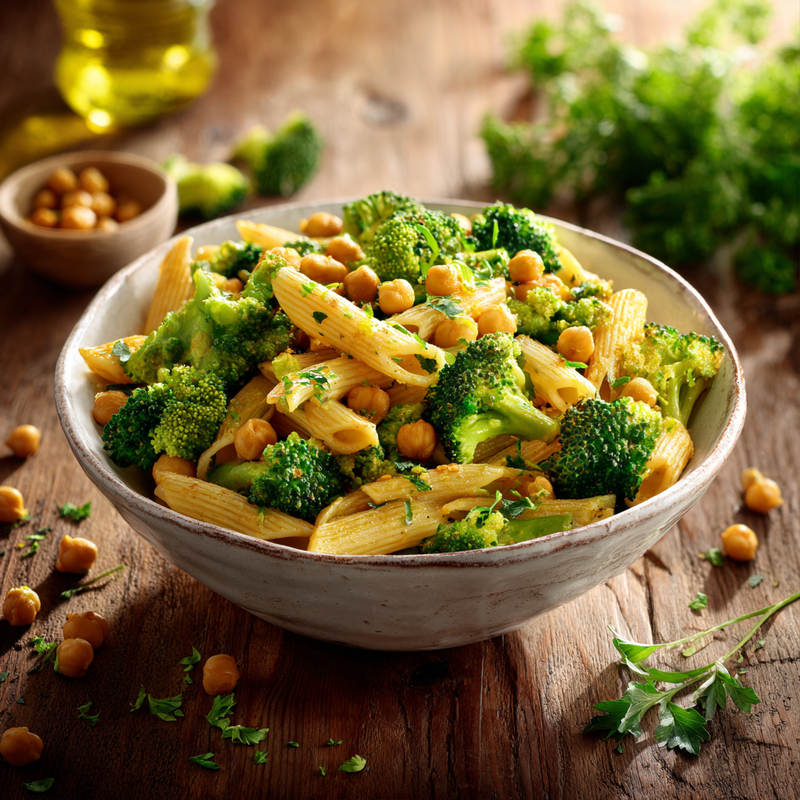
Have you ever wondered what happens when Italian comfort food meets plant-based protein power? That's exactly what broccoli chickpea pasta delivers. This dish is a beautiful example of how vegetarian cooking has evolved beyond simple salads and side dishes into hearty, satisfying main courses that appeal to everyone at the table, regardless of their dietary preferences. The concept is wonderfully straightforward: tender pasta tossed with roasted or sautéed broccoli florets, protein-rich chickpeas, garlic, olive oil, and a medley of seasonings that bring everything together in harmonious flavor.
While this broccoli chickpea pasta doesn't claim ancient origins or regional pedigree, it represents the modern approach to home cooking where health-consciousness meets convenience. The flavor profile is decidedly Mediterranean—think bright garlic notes, fruity olive oil, perhaps a hint of red pepper flakes for warmth, and the option of lemon zest to add brightness. What makes it stand out is how the chickpeas absorb the seasonings while adding a satisfying heartiness that transforms this from a simple vegetable pasta into a proper entrée. The broccoli brings a subtle earthiness and slight bitterness that plays beautifully against the mild, creamy chickpeas, while the pasta serves as the perfect canvas to bring it all together. Ready to make this weeknight wonder your own?
Why You'll Love This Broccoli Chickpea Pasta
It's Ready in 30 Minutes or Less: When hunger strikes and you need dinner on the table fast, this broccoli chickpea pasta comes to the rescue without requiring you to compromise on nutrition or taste. While your pasta water comes to a boil and the noodles cook, you'll have plenty of time to prepare the broccoli and chickpeas. Everything comes together in one final toss, which means you're sitting down to a hot, satisfying meal in less time than it would take to order takeout and wait for delivery.
Packed with Plant-Based Protein: Each serving of this dish delivers a substantial protein punch thanks to the combination of chickpeas and pasta. Chickpeas alone provide about 15 grams of protein per cup, and when you add the pasta, you're looking at a meal that will keep you satisfied for hours. This makes the broccoli chickpea pasta an excellent choice for vegetarians, those reducing meat consumption, or anyone looking to incorporate more plant-based meals into their routine without feeling deprived.
Budget-Friendly Without Sacrificing Quality: Let's be honest—eating healthy shouldn't require a second mortgage. This broccoli chickpea pasta relies on pantry staples and affordable fresh produce that you can find at any grocery store. Canned chickpeas cost pennies per serving, broccoli is available year-round at reasonable prices, and pasta is one of the most economical ingredients you can stock. You're creating a restaurant-worthy meal for a fraction of what you'd spend dining out.
Incredibly Versatile and Customizable: This recipe is more of a framework than a strict formula, which means you can adjust it based on what's in your kitchen or your family's preferences. Add sun-dried tomatoes for sweetness, toss in some olives for brininess, increase the garlic if you're a fellow garlic lover, or add fresh herbs like basil or parsley at the end. The broccoli chickpea pasta adapts beautifully to whatever creative direction you want to take it.
Perfect for Meal Prep: Unlike many pasta dishes that turn soggy and sad in the refrigerator, this broccoli chickpea pasta holds up remarkably well as leftovers. The chickpeas actually taste even better the next day after they've had time to marinate in the seasonings, and the broccoli maintains its texture nicely. Pack it for work lunches, enjoy it as a quick dinner when you get home late, or serve it cold as a pasta salad on warmer days.
Compared to heavy cream-based pasta dishes that leave you feeling sluggish, this version energizes rather than weighs you down, making it ideal for those evenings when you still have things to do after dinner. Trust me, once you experience how good wholesome eating can taste, you'll be making this broccoli chickpea pasta on repeat.
Key Ingredients and What They Bring
Let's talk about the simple yet powerful ingredients that make this broccoli chickpea pasta so special. The pasta itself is your foundation, and I recommend choosing a shape with some texture—penne, fusilli, or orecchiette work beautifully because their nooks and crannies catch the chickpeas and small broccoli pieces. Whole wheat pasta adds extra fiber and a nutty flavor that complements the earthiness of the broccoli, though regular pasta works perfectly well if that's what you have on hand. The key is cooking it just to al dente, as it will continue to absorb flavors when you toss everything together.
Broccoli is the verdant star of this dish, bringing not just vibrant color but also a wealth of vitamins, minerals, and that characteristic slightly bitter, green flavor that makes vegetables so appealing. Fresh broccoli crowns work best, cut into bite-sized florets that cook quickly and evenly. When properly prepared, the florets should have a slight tenderness while maintaining enough structure to provide textural interest in every forkful of this broccoli chickpea pasta.
Chickpeas transform this from a side dish into a legitimate meal. These legumes are nutritional powerhouses, delivering protein, fiber, iron, and folate while adding a creamy, almost buttery quality to the dish. I typically use canned chickpeas for convenience—just be sure to drain and rinse them well to remove excess sodium. If you prefer cooking dried chickpeas, absolutely do so, though canned ones are perfectly suitable and dramatically reduce your prep time.
Garlic is non-negotiable in my kitchen, and this broccoli chickpea pasta is no exception. Fresh garlic cloves, thinly sliced or minced, provide that pungent, aromatic foundation that makes the entire dish come alive. As the garlic gently sizzles in olive oil, it perfumes your kitchen and infuses the oil with flavor that will coat every ingredient. Don't be shy with the garlic—this dish can handle a generous amount.
Extra virgin olive oil serves multiple purposes here, acting as both cooking medium and sauce base. A good quality olive oil adds fruity, peppery notes that elevate the simple ingredients into something truly delicious. You'll use it to sauté the garlic and vegetables, and a final drizzle of raw olive oil at the end adds a luxurious finish. Red pepper flakes bring gentle heat that awakens your palate without overwhelming the other flavors, while lemon juice or zest adds brightness that cuts through the richness and makes the whole dish taste more vibrant and alive. Finally, fresh herbs like parsley or basil contribute a pop of color and fresh, green flavor that makes this broccoli chickpea pasta feel restaurant-special.
How to Make Broccoli Chickpea Pasta — Quick Overview
The beauty of this broccoli chickpea pasta lies in its straightforward preparation that even novice cooks can master with confidence. You'll start by bringing a large pot of well-salted water to a rolling boil, then cooking your pasta according to package directions until it reaches that perfect al dente texture—tender but still with a slight bite. Here's a pro tip: reserve about a cup of the starchy pasta cooking water before draining, as this liquid gold will help create a silky sauce that brings all the components together beautifully.
While your pasta cooks, you'll prepare the vegetables and chickpeas in a large skillet. Heat olive oil over medium heat, add your garlic and red pepper flakes, and let them sizzle just until fragrant—about thirty seconds to a minute, watching carefully to ensure the garlic doesn't burn. Then add your broccoli florets and chickpeas, seasoning generously with salt and pepper. You can add a splash of that reserved pasta water to help steam the broccoli until it reaches tender-crisp perfection, with the chickpeas warming through and beginning to take on the flavors of the garlic-infused oil.
The final step is where the magic happens with this broccoli chickpea pasta. Add your drained pasta directly to the skillet with the vegetables and chickpeas, tossing everything together over low heat. Gradually add splashes of the reserved pasta water, stirring continuously, until a light sauce forms that clings to the pasta and coats every ingredient. Finish with a squeeze of fresh lemon juice, a drizzle of your best olive oil, and a generous handful of fresh herbs. The entire process takes about thirty minutes from start to finish, resulting in a dish that looks impressive, tastes incredible, and nourishes your body completely.
Top Tips for Perfecting Broccoli Chickpea Pasta
Salt your pasta water generously—it should taste like the sea. This is your only opportunity to season the pasta itself from the inside out, and properly salted pasta makes a tremendous difference in the final dish. Don't be timid here; add at least a tablespoon of salt to your boiling water before adding the pasta. This foundational step ensures your broccoli chickpea pasta has flavor in every single bite, not just on the surface.
Don't overcook your broccoli, as it will continue to cook slightly from residual heat even after you turn off the stove. You're aiming for tender-crisp florets that still have vibrant green color and a bit of structural integrity. Overcooked, mushy broccoli turns gray-green and loses its appealing texture, which would diminish the overall appeal of your broccoli chickpea pasta. If you prefer your broccoli more tender, that's absolutely fine—just be intentional about it rather than accidentally overcooking.
Toast your chickpeas slightly for an extra dimension of flavor and texture. After draining and rinsing them, pat them completely dry with a kitchen towel, then let them sizzle in the olive oil for a few minutes before adding the broccoli. This creates little crispy spots on the chickpeas that add delightful textural contrast to the finished dish. Some chickpeas might even pop slightly, which is perfectly normal and creates wonderfully crunchy bits throughout your broccoli chickpea pasta.
Reserve more pasta water than you think you'll need, because you can always discard extra but you can't get it back once it's gone down the drain. That starchy water is the secret to creating a cohesive sauce that binds all the ingredients together rather than having dry pasta with vegetables sitting on top. Add it gradually, a few tablespoons at a time, tossing constantly until the pasta looks glossy and slightly saucy. The broccoli chickpea pasta should look cohesive and unified, not dry or separated.
Adjust seasoning at the very end, after everything has come together. The pasta water adds salt, the chickpeas might have residual sodium, and the cheese if you're using it contributes saltiness as well. Taste the finished dish and add more salt, pepper, red pepper flakes, or lemon juice as needed. This final adjustment is what separates good cooking from great cooking, and it's especially important for a simple dish like this broccoli chickpea pasta where there's nowhere for under-seasoning to hide.
Consider finishing the dish with a high-quality ingredient that adds luxury to the simple components. A drizzle of your finest extra virgin olive oil, a shower of freshly grated parmesan-style cheese, a handful of toasted pine nuts, or even some crispy breadcrumbs can elevate this broccoli chickpea pasta from weeknight dinner to something you'd proudly serve to guests. These finishing touches add visual appeal and an extra layer of flavor that makes the dish memorable.
Use a large skillet or pan for combining everything at the end, giving yourself plenty of room to toss the pasta with the vegetables and chickpeas without ingredients flying everywhere. A pan that's too small makes it difficult to properly coat the pasta and distribute the chickpeas and broccoli evenly. If necessary, you can even return everything to the pasta pot you used for boiling if it's larger than your skillet. The goal is ensuring every serving of this broccoli chickpea pasta has a balanced distribution of all the delicious components.
Variations and Flavor Twists
Transform this broccoli chickpea pasta into a creamy dream by adding a dollop of cashew cream or tahini to the sauce. Blend soaked raw cashews with water until silky smooth, or simply stir a few tablespoons of tahini into the pasta with some of the reserved cooking water. The result is a rich, velvety sauce that clings to everything while keeping the dish completely plant-based. The nutty flavor of cashew or tahini complements both the broccoli and chickpeas beautifully, creating a more indulgent version that's perfect when you're craving comfort food.
Create a sun-dried tomato version by adding a half cup of chopped sun-dried tomatoes along with the chickpeas. The tomatoes bring a concentrated sweetness and slight tang that contrasts beautifully with the earthiness of the broccoli. If you use oil-packed sun-dried tomatoes, you can use some of that flavorful oil in place of plain olive oil. This variation turns your broccoli chickpea pasta into something with Mediterranean flair that's particularly appealing during warmer months when you want bright, sunny flavors.
Spice lovers should try the arrabbiata-inspired version with significantly more red pepper flakes and a splash of tomato paste stirred into the olive oil. This creates a spicy, robust dish with heat that builds gradually with each bite. The broccoli and chickpeas actually balance the spice nicely, and the pasta helps temper the heat. Add fresh basil at the end for an aromatic finish that complements the spicy, tomato-kissed flavors. This version of broccoli chickpea pasta is perfect for those evenings when you want something that wakes up your taste buds.
For an Asian-inspired twist, replace the olive oil with toasted sesame oil, swap the garlic for fresh ginger, and finish with soy sauce and a sprinkle of sesame seeds. Add some thinly sliced scallions and perhaps some edamame alongside the chickpeas. This completely transforms the dish into something that tastes like it came from a different cuisine entirely, proving just how versatile the basic components of broccoli chickpea pasta can be. The nutty sesame and aromatic ginger create an entirely new flavor profile that's equally delicious.
Create a heartier version by adding sautéed mushrooms and a splash of vegetable broth for deeper umami flavors. Cremini or shiitake mushrooms work particularly well, contributing earthiness and meaty texture that makes the dish even more substantial. The mushrooms also add another layer of nutrition while keeping the dish completely vegetarian. This variation of broccoli chickpea pasta feels especially appropriate during cooler months when you're craving something warming and grounding.
What to Serve with Broccoli Chickpea Pasta
A simple arugula salad with lemon vinaigrette provides a peppery, refreshing contrast to the warm, comforting pasta. The slight bitterness of fresh arugula echoes the broccoli's flavor notes while adding crisp, raw texture that balances the tender pasta. Dress the greens simply with lemon juice, olive oil, salt, and pepper, perhaps adding some shaved parmesan-style cheese and toasted nuts. This combination turns your broccoli chickpea pasta into a complete meal with fresh vegetables served two ways.
Crusty bread is always welcome alongside pasta, providing something to soak up any flavorful olive oil left in the bowl. Choose a rustic artisan loaf with a chewy interior and crackling crust, perhaps rubbing the slices with a cut garlic clove and toasting them lightly. You could also make simple garlic bread by spreading olive oil mixed with minced garlic on bread slices and toasting until golden. The bread adds substance and makes the meal feel more abundant without requiring much additional effort.
Roasted vegetables like cherry tomatoes, bell peppers, or zucchini make excellent companions to this broccoli chickpea pasta. Toss your chosen vegetables with olive oil, salt, and herbs, then roast them at high heat until caramelized and tender. The roasted vegetables add color, additional nutrition, and slightly sweet, concentrated flavors that complement the main dish beautifully. This is particularly nice when you're serving the pasta to guests and want to create a more substantial spread.
A refreshing cucumber and tomato salad with fresh herbs offers cool, crisp contrast to the warm pasta. Dice cucumbers and tomatoes, toss with thinly sliced red onion, fresh parsley or mint, lemon juice, and olive oil. This bright, crunchy side adds hydration and freshness that balances the heartiness of the broccoli chickpea pasta. It's especially appealing during warmer weather when you want something light alongside your meal.
For beverages, serve sparkling water with lemon or lime slices, which refreshes the palate between bites without competing with the food's flavors. Herbal iced tea, particularly mint or lemon varieties, also works beautifully. If you're serving this broccoli chickpea pasta for a special occasion, consider a sparkling grape juice or pomegranate juice which adds festivity without any prohibited ingredients. The slight sweetness of fruit-based beverages can actually complement the savory, garlicky pasta quite nicely.
Storing and Reheating Tips
Store leftover broccoli chickpea pasta in an airtight container in the refrigerator where it will keep beautifully for up to four days. Make sure the pasta has cooled to room temperature before sealing it in the container, as trapping steam can create excess moisture that makes the pasta soggy. I find that glass containers with tight-fitting lids work best, as they don't absorb odors and allow you to see exactly what's inside. The flavors actually meld and deepen overnight, so day-two broccoli chickpea pasta often tastes even better than freshly made.
For freezing, this dish works reasonably well for up to two months, though the broccoli texture may soften slightly upon reheating. Portion the cooled pasta into freezer-safe containers or heavy-duty freezer bags, pressing out excess air before sealing. Label with the date so you can track freshness. When you're ready to enjoy it, thaw overnight in the refrigerator rather than at room temperature for food safety. Frozen and reheated broccoli chickpea pasta might benefit from a splash of fresh lemon juice and a drizzle of olive oil to refresh the flavors.
Reheating on the stovetop yields the best results and helps maintain the pasta's texture. Place the desired portion in a skillet with a splash of water or vegetable broth, covering with a lid and warming over medium-low heat. Stir occasionally until heated through, adding more liquid if needed to prevent sticking. This gentle reheating method ensures your broccoli chickpea pasta doesn't dry out or become gummy. The steam from the covered pan helps revive the vegetables and pasta without overcooking them.
Microwave reheating works in a pinch, though it requires more attention to prevent drying. Place the pasta in a microwave-safe container, add a tablespoon or two of water, and cover loosely with a damp paper towel. Heat in thirty-second intervals, stirring between each, until warmed through. The broccoli chickpea pasta should be steaming hot in the center but not dried out around the edges. If it seems dry, stir in a little olive oil or a splash of vegetable broth.
For a completely different experience, try enjoying leftover broccoli chickpea pasta cold as a pasta salad. The flavors are quite good served chilled, though you might want to refresh it with additional lemon juice, olive oil, and fresh herbs. Add some halved cherry tomatoes, diced cucumber, or fresh spinach to transform the leftovers into something that feels entirely new. This is my favorite packed lunch option, as it requires no reheating and tastes delicious at room temperature.
Frequently Asked Questions
Can I make this broccoli chickpea pasta ahead of time?
Absolutely! This dish is excellent for meal prep and actually benefits from some resting time as the flavors meld together. Cook the entire recipe as directed, let it cool completely, then refrigerate. When ready to serve, reheat gently on the stovetop with a splash of water or broth to refresh the texture. I often make a double batch on the weekend specifically for easy weeknight dinners throughout the week.
What can I substitute for chickpeas if I don't have any?
White beans like cannellini or great northern beans work beautifully and offer a similar creamy texture and protein content. Lentils, particularly the small brown or green varieties, also substitute well if you cook them separately first. For a different texture, cubed and sautéed firm tofu adds protein while keeping the dish vegetarian. Each alternative changes the flavor profile slightly but maintains the hearty, satisfying nature of the broccoli chickpea pasta.
How do I prevent my pasta from getting mushy?
The key is cooking your pasta only until al dente, which means it should have a slight firmness when you bite into it. Start checking the pasta a minute or two before the package's suggested cooking time, as you want to drain it just before it reaches perfect tenderness since it will continue cooking when tossed with the hot vegetables. Always reserve pasta water before draining, and toss everything together over low heat rather than high to prevent overcooking.
Can I use frozen broccoli instead of fresh?
Yes, frozen broccoli florets work perfectly and can actually save you prep time. There's no need to thaw them first—simply add the frozen florets directly to your hot skillet with the chickpeas, allowing a minute or two longer for them to heat through and release their moisture. Frozen broccoli may release more water than fresh, so you might need less of the reserved pasta water when creating your sauce. The convenience of frozen vegetables makes this broccoli chickpea pasta even more accessible for busy weeknights.
How can I make this dish more filling?
While the broccoli chickpea pasta is quite satisfying as written, you can increase the heartiness by using a larger portion of chickpeas, adding a second type of bean, or incorporating some cooked lentils. Including additional vegetables like spinach, kale, or zucchini also adds volume and nutrition without heaviness. Some people enjoy topping their bowl with toasted nuts or seeds for healthy fats and extra protein, which contributes to lasting satiety.
What's the best way to tell when the broccoli is perfectly cooked?
Perfectly cooked broccoli for this recipe should be tender enough to pierce easily with a fork but still have some resistance—not soft or mushy. The florets should maintain their vibrant green color rather than turning olive or gray-green, which indicates overcooking. A good test is to taste a piece; it should be tender but still have a slight pleasant texture. Remember that the broccoli in your broccoli chickpea pasta will continue to soften slightly from residual heat even after you remove it from the stove, so err on the side of slightly underdone.
Broccoli Chickpea Pasta
A healthy, protein-packed vegetarian pasta dish featuring tender broccoli florets, hearty chickpeas, and al dente pasta tossed in a light garlic and olive oil sauce.
Prep Time
10 min
Cook Time
20 min
Total Time
30 min
Servings
4 servings
Ingredients
For 4 servings
- 12 ounces pasta (penne, fusilli, or orecchiette)
- 3 cups broccoli florets, cut into bite-sized pieces
- 1 can (15 ounces) chickpeas, drained and rinsed
- 4 cloves garlic, thinly sliced
- 1/3 cup extra virgin olive oil, divided
- 1/2 teaspoon red pepper flakes
- 1 teaspoon salt, plus more for pasta water
- 1/2 teaspoon black pepper
- 1 cup reserved pasta cooking water
- 2 tablespoons fresh lemon juice
- 1/4 cup fresh parsley, chopped
- 1/4 cup grated parmesan-style cheese (optional)
Instructions
- 1
Boil pasta water
Bring a large pot of water to a rolling boil over high heat. Add at least 1 tablespoon of salt to the water. The water should taste pleasantly salty, like the sea, which will season your pasta from the inside out.
- 2
Cook the pasta
Add the pasta to the boiling salted water and cook according to package directions until al dente, usually 8-10 minutes. Stir occasionally to prevent sticking. Before draining, reserve 1 cup of the starchy pasta cooking water and set aside.
- 3
Prepare chickpeas
While the pasta cooks, pat the drained and rinsed chickpeas completely dry with a clean kitchen towel or paper towels. This helps them crisp up slightly when cooked and prevents excess moisture in your finished dish.
- 4
Sauté garlic
In a large skillet, heat 1/4 cup of olive oil over medium heat. Add the sliced garlic and red pepper flakes, stirring constantly for 30-60 seconds until the garlic becomes fragrant and just begins to turn golden. Be careful not to burn the garlic as it will become bitter.
- 5
Cook chickpeas
Add the dried chickpeas to the skillet with the garlic and red pepper flakes. Sauté for 3-4 minutes, stirring occasionally, until the chickpeas develop some golden spots and become slightly crispy on the outside. Season with half the salt and pepper.
- 6
Add broccoli
Add the broccoli florets to the skillet with the chickpeas. Pour in about 1/4 cup of the reserved pasta water and cover the skillet with a lid. Let the broccoli steam for 3-4 minutes until tender-crisp and bright green, stirring once halfway through. The broccoli should be easily pierced with a fork but still have some texture.
- 7
Combine pasta and vegetables
Drain the pasta and add it directly to the skillet with the broccoli and chickpeas. Toss everything together over low heat, gradually adding the reserved pasta water a few tablespoons at a time. Continue tossing and adding water until the pasta is glossy and a light sauce coats everything evenly.
- 8
Season and finish
Remove the skillet from heat. Add the fresh lemon juice, remaining olive oil, and remaining salt and pepper. Toss well to combine. Taste and adjust seasoning as needed, adding more salt, pepper, lemon juice, or red pepper flakes to your preference.
- 9
Garnish and serve
Sprinkle the chopped fresh parsley over the pasta and toss once more. Divide among serving bowls and top with grated cheese if desired. Drizzle each serving with a little extra virgin olive oil for a luxurious finish. Serve immediately while hot.
Nutrition Facts
Per serving (estimated)
485 calories
Calories
65g
Carbs
17g
Protein
18g
Fat
9g
Fiber
620mg
Sodium
4g
Sugar