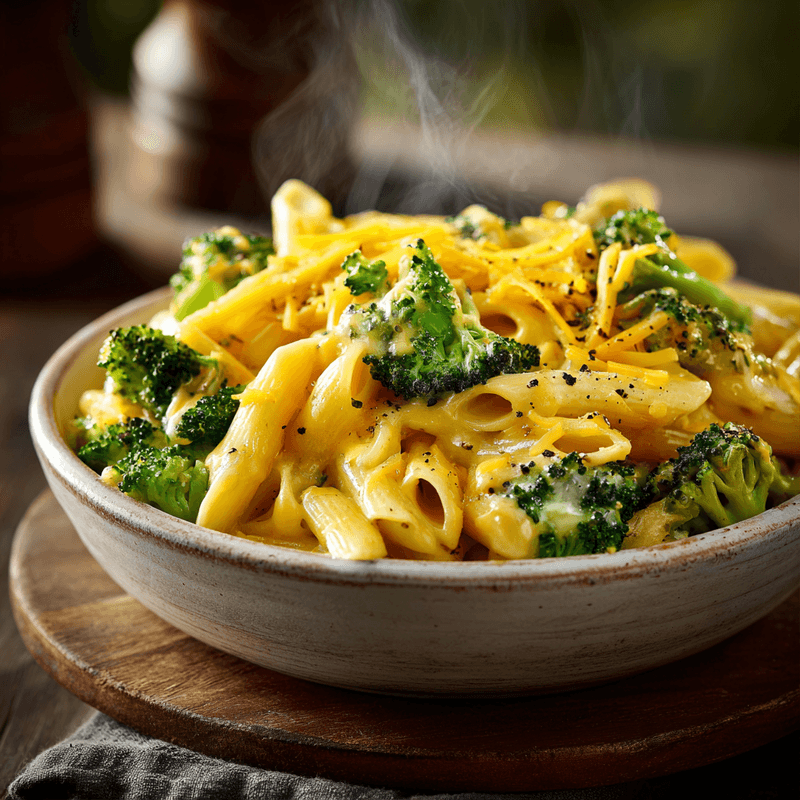
Broccoli Cheese Pasta Recipe — A Creamy, Cheesy Delight
This broccoli cheese pasta recipe delivers creamy, cheesy comfort in 30 minutes. Perfect for busy weeknights with simple ingredients everyone loves!
cookwithlucia.com/recipes/broccoli-cheese-pasta-recipe820282128202a-creamy-cheesy160delight-mushroomsalus
There's something absolutely magical about twirling your fork through tender pasta coated in a velvety cheese sauce, studded with vibrant green broccoli florets that offer the perfect tender-crisp bite. That first forkful of broccoli cheese pasta is pure comfort—the kind that makes you close your eyes and savor every creamy, cheesy moment. I'll never forget the evening I first created this broccoli cheese pasta recipe in my kitchen. It was one of those hectic weeknights when I opened my refrigerator to find a head of broccoli, some cheese, and a box of pasta staring back at me. What started as a "let's see what happens" experiment turned into a family favorite that my kids now request at least twice a week. The beauty of this dish lies in its simplicity—no fancy ingredients, no complicated techniques, just wholesome comfort food that comes together in about thirty minutes.
This broccoli cheese pasta recipe is special because it strikes that perfect balance between indulgent and nutritious. You're getting your vegetables in the most delicious way possible, wrapped in a cheese sauce that makes even the pickiest eaters ask for seconds. In this post, I'll walk you through everything you need to know to master this recipe—from understanding what makes it so irresistible to pro tips that'll have you cooking like you've been making this for years. Whether you're a busy parent looking for a quick dinner solution or someone who simply loves the combination of pasta and cheese, this recipe is about to become your new go-to. Let's dive into this creamy, dreamy world of broccoli cheese pasta together!
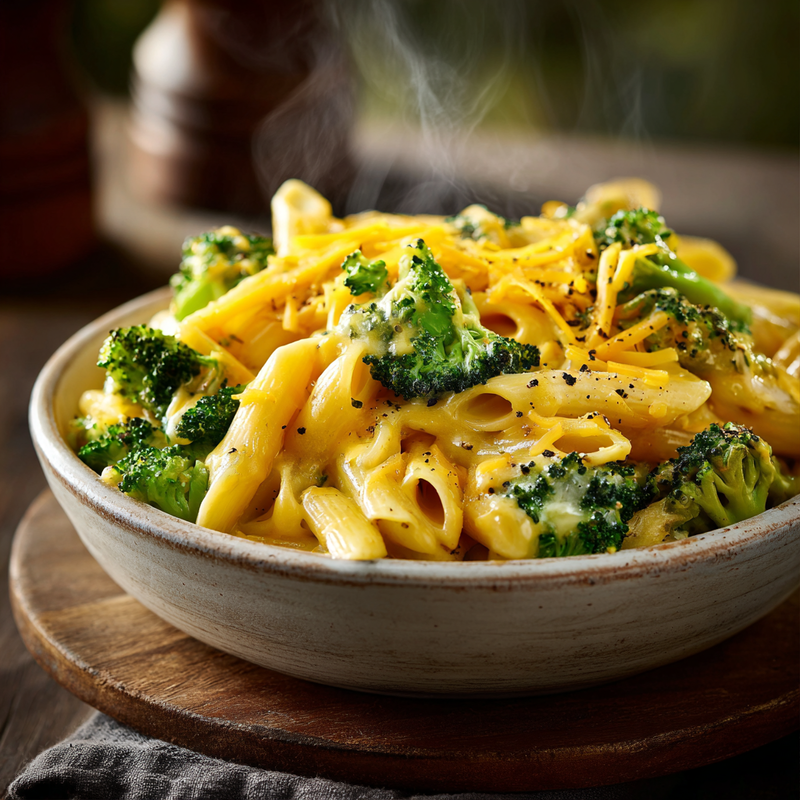
What is Broccoli Cheese Pasta?
Have you ever wondered what happens when you take the beloved flavors of broccoli cheese soup and transform them into a satisfying pasta dish? That's essentially what broccoli cheese pasta is—a glorious mashup of comfort food classics. This dish originated from the American tradition of combining cheese sauces with vegetables, creating a one-pot wonder that satisfies both nutritional needs and comfort food cravings. The beauty of this broccoli cheese pasta recipe lies in its straightforward approach: tender pasta shapes swimming in a creamy, sharp cheese sauce, punctuated by bright green broccoli florets that add color, texture, and a subtle earthy sweetness.
The key flavor profile here is all about balance. You get the rich, tangy sharpness of aged cheddar (or your favorite cheese) playing against the mild, slightly sweet flavor of broccoli. The pasta acts as the perfect canvas, absorbing the sauce while providing that satisfying chew we all love. What makes this broccoli cheese pasta recipe stand out from similar dishes is its simplicity—no béchamel complications, no fussy ingredients, just pure, unadulterated cheesy goodness. Ready to fall in love with this dish? Keep reading!
Why You'll Love This Broccoli Cheese Pasta
Incredibly Quick and Easy: This broccoli cheese pasta recipe comes together in just thirty minutes from start to finish, making it perfect for those evenings when you're racing against the clock. There's no complicated prep work, no waiting around for things to reduce or simmer for hours. You simply cook your pasta, steam your broccoli, whip up a quick cheese sauce, and toss everything together. Even kitchen beginners will feel like accomplished chefs with this one.
Packed with Flavor: The combination of sharp cheddar cheese, creamy sauce, and perfectly cooked broccoli creates a symphony of flavors that dance on your palate. Each bite delivers that satisfying cheese pull, the comforting texture of pasta, and the fresh, green taste of broccoli. It's like eating a hug in bowl form. The sauce clings to every pasta shape, ensuring that no bite is ever bland or boring.
Budget-Friendly Magic: Unlike many restaurant-quality dishes, this broccoli cheese pasta recipe won't break the bank. Pasta, broccoli, and cheese are affordable staples that you can find at any grocery store. You're creating a filling, satisfying meal for four people for less than what you'd spend on a single takeout entrée. That's smart cooking that saves money without sacrificing taste.
Crowd-Pleasing Power: I've served this broccoli cheese pasta recipe to picky toddlers, discerning teenagers, and health-conscious adults—everyone cleans their plate. There's something universally appealing about the cheese-and-pasta combination, and the broccoli adds a nutritional boost that parents appreciate. It's the rare dish that makes everyone at the table happy, regardless of age or dietary preferences.
Infinitely Customizable: While this recipe is perfect as written, it's also incredibly adaptable to your taste preferences and what you have in your pantry. Want it spicier? Add some red pepper flakes. Prefer different vegetables? Swap in cauliflower or peas. This flexibility means you'll never get bored with this broccoli cheese pasta recipe. It's like having a master template that you can remix endlessly.
Perfect for Meal Prep: This dish stores beautifully and actually tastes even better the next day once the flavors have melded together. Make a big batch on the weekend, and you've got lunch or dinner sorted for several days. It reheats like a dream and maintains its creamy texture, making it ideal for busy professionals or students who need reliable, delicious meals ready to go.
Compared to traditional macaroni and cheese, this broccoli cheese pasta recipe offers more nutritional value with the addition of broccoli while delivering the same level of comfort and satisfaction. You're essentially upgrading a classic comfort food into something you can feel good about serving regularly. Ready to get cooking? Let's explore what makes this dish tick!
Key Ingredients and What They Bring
The pasta you choose forms the foundation of this broccoli cheese pasta recipe, and shape matters more than you might think. I typically reach for short pasta shapes like penne, rigatoni, or shells because their ridges and curves capture the cheese sauce beautifully. These shapes also match the size of the broccoli florets, creating a balanced bite every time your fork scoops up the dish. The pasta provides that essential comfort food texture—tender yet with a slight chew—and acts as a vehicle for delivering the creamy sauce to your taste buds.
Fresh broccoli is the vegetable star of this show, bringing vibrant color, nutritional power, and a subtle sweetness that balances the richness of the cheese. When cooked just right, broccoli florets offer a tender-crisp texture that contrasts wonderfully with the soft pasta and smooth sauce. The slight earthiness of broccoli also prevents the dish from becoming overly heavy or one-dimensional. I always recommend using fresh broccoli rather than frozen for this broccoli cheese pasta recipe because it holds its texture better and has a brighter, more pronounced flavor.
Sharp cheddar cheese is my go-to choice for creating that signature tangy, rich flavor that defines this dish. The sharpness cuts through the creaminess of the sauce, preventing it from tasting flat or overly mild. When melted, good cheddar creates those gorgeous cheese strands that make every forkful Instagram-worthy. You can substitute with other cheeses like Gruyère for nuttiness or a combination of mozzarella and parmesan for a milder, stretchier sauce, but sharp cheddar gives you that classic comfort food taste.
Butter adds richness and helps create the base of your cheese sauce while contributing a subtle sweetness and silky mouthfeel. It's essential for building flavor layers and helps the sauce coat the pasta evenly. Regular unsalted butter works perfectly here, giving you control over the salt level in your finished dish. The butter also adds a glossy sheen to the sauce that makes everything look as good as it tastes.
All-purpose flour acts as the thickening agent that transforms milk into a luscious, creamy sauce. This simple ingredient is what gives your broccoli cheese pasta recipe its signature coating consistency—not too thick, not too thin, but just right. The flour also helps prevent the cheese from separating or becoming grainy when melted. Just a few tablespoons create the perfect texture that clings to pasta without feeling heavy or gloppy.
Milk provides the liquid base for your cheese sauce, adding creaminess without the heaviness of cream. Whole milk works best for this broccoli cheese pasta recipe because it has enough fat content to create a rich sauce while still feeling light enough to eat a generous serving. The milk also helps distribute the cheese flavor evenly throughout the dish. If you prefer a lighter version, you can use low-fat milk, though the sauce will be slightly less rich and may need an extra bit of cheese for optimal flavor.
Garlic powder and seasonings like salt, pepper, and a pinch of mustard powder elevate this dish from good to spectacular. These aromatics add depth and complexity, preventing the sauce from tasting one-dimensional. The mustard powder, in particular, is a secret weapon that enhances the cheese flavor without making the dish taste like mustard. These simple seasonings work behind the scenes to make every component taste more like itself, creating a harmonious, well-rounded broccoli cheese pasta recipe that tastes like you spent hours developing the flavors.
How to Make Broccoli Cheese Pasta — Quick Overview
The cooking process for this broccoli cheese pasta recipe follows a beautifully simple workflow that even beginners can master. You'll start by bringing a large pot of salted water to a rolling boil, then adding your pasta and cooking it until it's just tender with a slight bite. About three minutes before your pasta finishes cooking, you'll add the broccoli florets directly into the same pot, allowing them to steam and soften alongside the pasta. This one-pot approach saves time, reduces dishes, and ensures both components finish at the same time. The pasta water becomes starchy and flavorful, and you'll reserve a cup of it before draining—this liquid gold will help adjust your sauce consistency later.
While your pasta and broccoli cook, you'll create a simple cheese sauce using the classic roux method. Melt butter in a saucepan, whisk in flour to create a paste, then gradually add milk while whisking constantly to prevent lumps. The mixture will thicken into a smooth, creamy base that's perfect for melting in your cheese. Once the sauce reaches the right consistency, you'll remove it from heat and stir in generous handfuls of shredded cheese until everything melts into silky, golden perfection. The aroma at this stage is absolutely intoxicating—rich, cheesy, and comforting.
The final step involves tossing your drained pasta and broccoli with the cheese sauce, adding splashes of reserved pasta water to achieve your desired consistency. This is where the magic happens—the sauce coats every piece of pasta, the broccoli distributes evenly throughout, and everything comes together into one cohesive, beautiful dish. From start to finish, this broccoli cheese pasta recipe takes about thirty minutes, with only fifteen minutes of actual hands-on work. The rest is just watching pots and stirring occasionally, making it perfect for weeknight cooking when you're juggling multiple tasks.
Top Tips for Perfecting Broccoli Cheese Pasta
The quality of your cheese makes or breaks this broccoli cheese pasta recipe, so always buy a block of cheese and shred it yourself rather than using pre-shredded varieties. Pre-shredded cheese contains anti-caking agents that prevent smooth melting and can make your sauce grainy or separated. Freshly shredded cheese melts like a dream, creating that silky, smooth sauce you're after. Invest five extra minutes in shredding your own cheese, and you'll taste the difference immediately.
Timing is everything when it comes to cooking your broccoli perfectly. You want florets that are tender but still have a slight bite—not mushy, not crunchy. Adding the broccoli to the pasta water three minutes before the pasta finishes ensures both elements reach the perfect texture simultaneously. If your broccoli florets are particularly large, cut them into smaller, bite-sized pieces so they cook evenly. Nobody wants to bite into a giant, undercooked broccoli stem in an otherwise perfect bowl of broccoli cheese pasta.
When making your cheese sauce, patience with the roux is crucial. Cook the butter and flour mixture for at least two minutes before adding milk—this cooking time eliminates the raw flour taste that can ruin your sauce. Whisk constantly while adding milk in a slow, steady stream rather than dumping it all in at once. This gradual addition prevents lumps and creates the smoothest possible base for your broccoli cheese pasta recipe. If lumps do form, don't panic—just keep whisking vigorously and they'll usually smooth out.
Seasoning your pasta water generously is a step many home cooks skip, but it's essential for building flavor from the ground up. Your pasta water should taste like the ocean—salty and well-seasoned. This seasons the pasta from the inside out, ensuring that every component of your broccoli cheese pasta recipe is flavorful, not just the sauce. Underseasoned pasta will make the entire dish taste flat, no matter how delicious your cheese sauce is.
Avoid overheating your cheese sauce once you've added the cheese, as high heat can cause the proteins to seize up and become grainy or stringy. Remove your sauce from direct heat before stirring in the cheese, letting residual heat do the melting work. If the sauce seems too thick after adding cheese, thin it with reserved pasta water rather than more milk—the starchy pasta water helps the sauce cling to the noodles better and adds a subtle flavor boost to your broccoli cheese pasta recipe.
For the creamiest possible result, let your milk come to room temperature before adding it to the roux, or at least take the chill off by microwaving it for thirty seconds. Cold milk hitting a hot roux can cause temperature shock that leads to lumps or uneven thickening. Room temperature milk incorporates smoothly and reduces the whisking time needed to achieve that perfect, silky consistency.
Presentation matters, even for a simple weeknight dinner like this broccoli cheese pasta recipe. Before serving, give the dish a final toss and adjust the consistency if needed—the sauce should coat the pasta generously without pooling in the bottom of the bowl. Finish with a sprinkle of extra shredded cheese on top, a crack of black pepper, and maybe some red pepper flakes for color and a tiny kick. These small touches transform a homey pasta dish into something that looks restaurant-worthy and makes everyone excited to dig in.
Variations and Flavor Twists
For a protein-packed version of this broccoli cheese pasta recipe, stir in shredded rotisserie chicken or cubed cooked chicken breast during the final tossing stage. The addition transforms this side-dish pasta into a complete, satisfying main course that provides balanced nutrition. The mild flavor of chicken pairs beautifully with the cheese sauce without overwhelming the broccoli, and it makes the dish more filling for hungry appetites. This variation is perfect for using up leftover chicken from previous meals.
Create a spicy kick by adding red pepper flakes to the cheese sauce or stirring in a spoonful of your favorite hot sauce at the end. The heat cuts through the richness of the cheese and adds an exciting dimension that keeps your taste buds engaged. For those who love bold flavors, try incorporating a teaspoon of smoked paprika into the sauce for a subtle smoky depth that makes this broccoli cheese pasta recipe taste more complex and sophisticated.
Switch up the vegetable profile by replacing half the broccoli with cauliflower florets for a milder, slightly sweeter flavor. You can also add frozen peas during the last minute of pasta cooking for pops of sweetness and additional color. Cherry tomatoes halved and stirred in at the end add bright acidity that balances the richness beautifully. These vegetable variations keep the dish interesting while maintaining the core concept of the broccoli cheese pasta recipe.
For a more sophisticated flavor profile, substitute half the cheddar with Gruyère or fontina cheese. These European cheeses add nutty, complex notes that elevate the dish from everyday comfort food to dinner party-worthy fare. You can also stir in a tablespoon of cream cheese for extra tang and creaminess, or add a handful of grated parmesan for salty, umami depth. Each cheese brings its own personality to this adaptable broccoli cheese pasta recipe.
Make it whole grain or gluten-free by simply swapping regular pasta for whole wheat pasta, chickpea pasta, or your favorite gluten-free variety. The cheese sauce works equally well with any pasta type, so dietary restrictions don't mean missing out on this delicious broccoli cheese pasta recipe. For a lower-carb version, use chickpea or lentil pasta, which adds extra protein and fiber while maintaining that satisfying pasta texture everyone loves.
What to Serve with Broccoli Cheese Pasta
A simple green salad with a bright vinaigrette provides the perfect counterpoint to the richness of this broccoli cheese pasta recipe. The crisp lettuce, fresh vegetables, and acidic dressing cut through the creamy cheese sauce and refresh your palate between bites. Toss together mixed greens, cucumber slices, cherry tomatoes, and red onion with a lemon vinaigrette for a side that takes five minutes but adds so much to the meal. The contrast in textures and temperatures makes each component taste even better.
Garlic bread or cheesy breadsticks turn this pasta into a complete Italian-inspired feast that everyone will devour. The crunchy, buttery bread is perfect for soaking up any extra cheese sauce left in your bowl, and the garlic flavors complement the broccoli beautifully. If you're feeling ambitious, make homemade garlic knots, but honestly, a good quality store-bought loaf brushed with garlic butter and toasted works wonderfully alongside this broccoli cheese pasta recipe.
Roasted vegetables add even more nutrition and variety to your meal without much extra effort. Toss carrots, bell peppers, and zucchini with olive oil and seasonings, then roast them while your pasta cooks. The caramelized edges and concentrated flavors of roasted vegetables provide textural contrast and make the meal feel more substantial. This combination works especially well when serving the broccoli cheese pasta recipe to guests who appreciate a vegetable-forward menu.
A light soup like tomato basil or vegetable soup makes this pasta stretch further and adds warmth to the meal, especially during cooler months. The acidity of tomato soup particularly complements the richness of the cheese sauce, creating a satisfying balance. Serve the soup as a starter before the pasta, or alongside it for a comforting, filling dinner that feels like a special occasion.
Fresh fruit salad offers a refreshing, naturally sweet ending to this savory meal. The brightness of citrus, berries, and melon cleanses your palate after the rich broccoli cheese pasta recipe and provides a lighter dessert option. Alternatively, serve with sparkling water infused with lemon or cucumber for a refreshing beverage that won't compete with the flavors of your main dish.
Storing and Reheating Tips
This broccoli cheese pasta recipe stores beautifully in the refrigerator for up to four days when kept in an airtight container. Let the pasta cool completely before transferring it to storage containers—this prevents condensation that can make the dish watery. The cheese sauce will thicken considerably as it cools, which is completely normal. When properly stored, the flavors actually deepen and meld together overnight, making leftovers taste even more delicious than the freshly made version.
For freezing, this dish can be stored for up to two months, though the texture of the broccoli may soften slightly upon reheating. Portion the cooled pasta into individual freezer-safe containers or bags, removing as much air as possible to prevent freezer burn. Label with the date and contents, then freeze flat for easy stacking. When you're ready to enjoy your broccoli cheese pasta recipe again, thaw overnight in the refrigerator for best results, though you can also reheat from frozen if you're in a pinch.
The best reheating method is on the stovetop, which allows you to control the consistency and restore that fresh-made creaminess. Place the pasta in a skillet or saucepan over medium-low heat, adding a splash of milk or water to loosen the sauce. Stir frequently until heated through, about five to seven minutes. This gentle reheating prevents the cheese from separating and keeps the broccoli from becoming mushy. The stovetop method truly brings this broccoli cheese pasta recipe back to life.
For microwave reheating, transfer a portion to a microwave-safe bowl and add a tablespoon or two of milk. Cover with a damp paper towel to retain moisture and prevent splattering. Heat in thirty-second intervals, stirring between each, until warmed through. This usually takes two to three minutes total. The microwave won't give you quite the same texture as stovetop reheating, but it's perfectly acceptable for quick lunches when time is limited.
Oven reheating works well when you're warming up a large quantity of this broccoli cheese pasta recipe for a family meal. Preheat your oven to 350°F, transfer the pasta to an oven-safe dish, and stir in a bit of milk to restore creaminess. Cover tightly with foil and bake for twenty to twenty-five minutes until heated through, stirring halfway through. For a crispy top, remove the foil during the last five minutes and sprinkle with extra cheese. This method transforms leftovers into a delicious baked pasta dish.
Frequently Asked Questions
Can I make this broccoli cheese pasta recipe ahead of time?
Absolutely! This dish is actually fantastic for make-ahead meal planning. Prepare the entire recipe as directed, then let it cool completely before storing in the refrigerator for up to two days. When you're ready to serve, reheat gently on the stovetop with a splash of milk to restore the creamy consistency. The flavors often taste even better after sitting overnight, making it perfect for stress-free entertaining or meal prep.
What can I substitute for the broccoli in this recipe?
While broccoli is the star here, you can easily swap it for cauliflower, which offers a milder flavor and similar texture. Asparagus cut into one-inch pieces works beautifully in spring, and frozen peas added during the last minute of cooking provide sweetness and color. You could even use a combination of vegetables like broccoli and carrots for added nutrition. The cheese sauce is versatile enough to complement almost any vegetable you choose.
How do I prevent the cheese sauce from becoming grainy?
Grainy sauce usually results from overheating the cheese or using pre-shredded cheese with anti-caking agents. Always remove your sauce from direct heat before adding cheese, and use freshly shredded cheese for the smoothest results. Stir the cheese in gradually, allowing each addition to melt completely before adding more. If your sauce does become grainy, try whisking in a tablespoon of cream or a splash of reserved pasta water while the sauce is still warm.
Can I double this broccoli cheese pasta recipe for a crowd?
Yes, this recipe doubles beautifully! Use a large stockpot for cooking the pasta and broccoli, and make the cheese sauce in a larger saucepan or Dutch oven. Keep in mind that doubling the recipe may require a few extra minutes of cooking time for the sauce to thicken properly. This makes it perfect for family gatherings, potlucks, or meal prepping multiple servings at once.
How do I know when the broccoli is perfectly cooked?
Perfectly cooked broccoli for this recipe should be tender enough to pierce easily with a fork but still have a slight bite—not mushy or falling apart. The florets should be bright green, not dull or olive-colored, which indicates overcooking. When you add the broccoli to the boiling pasta water about three minutes before the pasta is done, test it at the two-minute mark. If it needs more time, give it another minute, checking frequently to avoid overcooking.
Can I use a different type of cheese in this recipe?
Definitely! While sharp cheddar gives this broccoli cheese pasta recipe its classic flavor, you can experiment with Gruyère for nuttiness, fontina for creaminess, or a combination of mozzarella and parmesan for a milder taste. Monterey Jack melts beautifully and offers a gentle flavor that kids often prefer. Just avoid using only hard cheeses like parmesan, as they don't create the same creamy sauce—instead, combine them with softer melting cheeses for the best texture and flavor balance.
Broccoli Cheese Pasta
A creamy, cheesy pasta dish featuring tender broccoli florets in a rich cheese sauce. Ready in 30 minutes and perfect for weeknight dinners.
Prep Time
10 min
Cook Time
20 min
Total Time
30 min
Servings
4 servings
Ingredients
For 4 servings
- 12 ounces penne pasta or rigatoni
- 3 cups broccoli florets, cut into bite-sized pieces
- 3 tablespoons unsalted butter
- 3 tablespoons all-purpose flour
- 2 cups whole milk, at room temperature
- 2 cups sharp cheddar cheese, freshly shredded
- 1/2 teaspoon garlic powder
- 1/2 teaspoon salt
- 1/4 teaspoon black pepper
- 1/4 teaspoon mustard powder
- 1/2 cup reserved pasta water
- Extra shredded cheese for serving
Instructions
- 1
Boil pasta water
Fill a large pot with water and add a generous amount of salt. Bring the water to a rolling boil over high heat. The water should taste like the ocean when properly salted.
- 2
Cook the pasta
Add the pasta to the boiling water and cook according to package directions until al dente, usually 10-12 minutes. Stir occasionally to prevent sticking.
- 3
Add broccoli to pasta
About 3 minutes before the pasta is finished cooking, add the broccoli florets directly to the pasta water. Continue cooking until both the pasta and broccoli are tender but still have a slight bite.
- 4
Reserve pasta water
Before draining, scoop out and reserve 1 cup of the starchy pasta cooking water. This will help adjust the sauce consistency later.
- 5
Drain pasta and broccoli
Drain the pasta and broccoli in a colander and set aside. Do not rinse, as the starch on the pasta helps the sauce cling better.
- 6
Make the roux
In a large saucepan over medium heat, melt the butter completely. Add the flour and whisk continuously for 2 minutes until the mixture is smooth and slightly golden. This cooking time removes the raw flour taste.
- 7
Add milk gradually
Slowly pour the milk into the roux while whisking constantly to prevent lumps. Continue whisking until the mixture is smooth and begins to thicken, about 4-5 minutes. The sauce should coat the back of a spoon.
- 8
Season the sauce
Add the garlic powder, salt, black pepper, and mustard powder to the sauce. Stir well to combine and let cook for another minute to allow the flavors to meld.
- 9
Melt in the cheese
Remove the saucepan from direct heat. Add the shredded cheddar cheese in three additions, stirring after each until completely melted and smooth. The residual heat will melt the cheese without causing it to become grainy.
- 10
Combine pasta and sauce
Add the drained pasta and broccoli to the cheese sauce. Toss everything together until every piece is well coated with the creamy sauce.
- 11
Adjust consistency
If the sauce seems too thick, add reserved pasta water a few tablespoons at a time, stirring after each addition, until you reach your desired consistency. The sauce should generously coat the pasta without being watery.
- 12
Serve immediately
Transfer the broccoli cheese pasta to serving bowls. Top with extra shredded cheese and a crack of black pepper if desired. Serve hot and enjoy immediately for the best texture and flavor.
Nutrition Facts
Per serving (estimated)
520 calories
Calories
58g
Carbs
22g
Protein
21g
Fat
4g
Fiber
580mg
Sodium
7g
Sugar