Best Chicken Caesar Salad With Homemade Croutons
Master the art of the perfect chicken Caesar salad with crispy homemade croutons, tender grilled chicken, and a creamy, authentic dressing.
cookwithlucia.com/recipes/best-chicken-caesar-salad-with-homemade-croutons
There's something magical about a truly exceptional chicken Caesar salad with homemade croutons that elevates it from simple lunch to culinary triumph. The interplay of textures—crisp romaine, crunchy golden croutons, tender chicken, and that impossibly creamy dressing clinging to every leaf—creates a symphony in your mouth. I've watched so many home cooks settle for limp lettuce with bottled dressing and stale store-bought croutons, never realizing they're missing the transformative power of the real thing.
The beauty of this dish lies not in complexity but in technique. When you understand how to coax maximum flavor from simple ingredients, you unlock a version of chicken Caesar salad that makes restaurant versions pale in comparison. The homemade croutons alone will change how you think about salads forever—each cube a perfect balance of crackly exterior and tender, olive oil-soaked interior that practically melts on your tongue.
If you've been intimidated by making Caesar dressing from scratch or think croutons aren't worth the effort, I'm here to guide you through every step with confidence. This isn't about following complicated recipes blindly. It's about understanding why we toast bread at a specific temperature, how emulsification creates that silky dressing, and what makes chicken juicy rather than dry. Once these principles click, you'll be creating the best chicken Caesar salad with homemade croutons without even glancing at measurements.
The Science Behind the Method
The magic of a chicken Caesar salad with homemade croutons starts with understanding three fundamental processes: emulsification, the Maillard reaction, and proper protein cooking. When we create the dressing, we're forcing oil and water-based ingredients to blend into a stable, creamy emulsion through the lecithin in egg yolk—the same principle that makes mayonnaise possible. This creates that luxurious coating that clings to lettuce rather than pooling at the bottom of your bowl.
The homemade croutons showcase the Maillard reaction beautifully. As bread cubes toast in the oven, amino acids and sugars on their surface undergo complex chemical changes at temperatures above 285°F, creating hundreds of new flavor compounds. This is why homemade croutons taste fundamentally different from raw bread—they develop nutty, caramelized notes that store-bought versions, often fried or stale, simply can't match. The olive oil we toss them in conducts heat efficiently while adding its own fruity richness.
For the chicken, we're managing protein denaturation. Chicken breast proteins begin tightening around 140°F and continue firming until they're overcooked and dry. By cooking to exactly 165°F and then resting, we allow juices to redistribute throughout the meat, creating tender, moist pieces that contrast beautifully with crisp elements. Understanding these processes transforms you from someone following a recipe to someone who truly understands how to build perfect texture and flavor in every component of this classic dish.
Tools and Ingredients You'll Need
For the best chicken Caesar salad with homemade croutons, you'll need a few key tools that make the process smooth and enjoyable. A good chef's knife is essential for cutting bread into uniform cubes and slicing chicken—consistency in size means even cooking. A large baking sheet for the croutons ensures they don't crowd and steam instead of crisp. If you don't have a baking sheet, a cast-iron skillet works beautifully, though you'll need to work in batches. For the dressing, a whisk and a sturdy bowl are sufficient, but an immersion blender creates an even silkier emulsion if you have one.
Your ingredients deserve attention too. For croutons, choose a rustic bread with good structure—sourdough, ciabatta, or a country loaf all work wonderfully. Avoid soft sandwich bread, which turns to mush. Day-old bread is actually ideal because it's slightly dried out and absorbs olive oil perfectly without becoming soggy. For the chicken, boneless, skinless breasts or thighs both work, though thighs stay juicier and more forgiving if you're newer to cooking proteins.
The dressing requires the freshest ingredients possible. Lemon juice should be freshly squeezed—bottled juice has a tinny, flat taste. Garlic must be fresh, not the pre-minced jarred kind. For the anchovy component, look for oil-packed anchovies in tins or jars; they provide the essential umami depth that defines Caesar flavor. Quality olive oil matters here—it's a primary flavor, not just a cooking medium. For the romaine, choose hearts with crisp, tightly packed leaves that snap cleanly rather than bend limply.
Budget-friendly alternatives exist for everything. Can't find anchovies? A small amount of fish sauce provides similar savory depth. No fancy olive oil? A neutral oil with a splash of good quality works. The one place not to compromise is the egg—you need a fresh egg yolk for proper emulsification and food safety.
The Method, Step by Step
Let's walk through creating the best chicken Caesar salad with homemade croutons from start to finish, beginning with the croutons since they need to cool completely. Preheat your oven to 375°F and cut your bread into three-quarter-inch cubes—this size creates the perfect ratio of crispy exterior to tender interior. Toss the cubes in a large bowl with olive oil, minced garlic, and a pinch of salt, using your hands to ensure every surface is coated. The bread should glisten but not be soggy; aim for about two tablespoons of oil per three cups of bread cubes.
Spread the seasoned bread in a single layer on your baking sheet, making sure pieces don't touch. This is crucial—crowded croutons steam and soften rather than developing that golden, crunchy exterior. Bake for 12 to 15 minutes, tossing halfway through, until they're deeply golden and crisp all the way through. They'll continue crisping as they cool, so pull them when they're just past golden rather than waiting for dark brown. Set them aside while you prepare the other components.
For the chicken, season both sides generously with salt and pepper, then heat a skillet or grill pan over medium-high heat until a drop of water sizzles immediately. Cook the chicken for 6 to 7 minutes per side for breasts, or until an instant-read thermometer reads 165°F in the thickest part. The surface should develop beautiful golden-brown areas—that's the Maillard reaction at work again, creating savory depth. Remove the chicken to a cutting board and let it rest for at least 5 minutes, allowing juices to redistribute so they don't run out when you slice.
While the chicken rests, make your dressing. In a bowl, mash two anchovy fillets with a garlic clove until you have a paste. Add an egg yolk and whisk vigorously, then begin adding olive oil drop by drop while whisking constantly. This slow addition is key to emulsification—rush it and you'll have separated, oily dressing. Once you've added about a quarter cup of oil and the mixture has thickened noticeably, you can add the remaining oil in a thin stream while continuing to whisk.
When all the oil is incorporated and you have a thick, mayonnaise-like consistency, whisk in fresh lemon juice, which will thin the dressing to coating consistency. Taste and adjust—it should be punchy with garlic and anchovy, tangy from lemon, and rich from oil. If it's too thick, whisk in a teaspoon of water at a time until it reaches the perfect consistency to coat lettuce leaves without being runny.
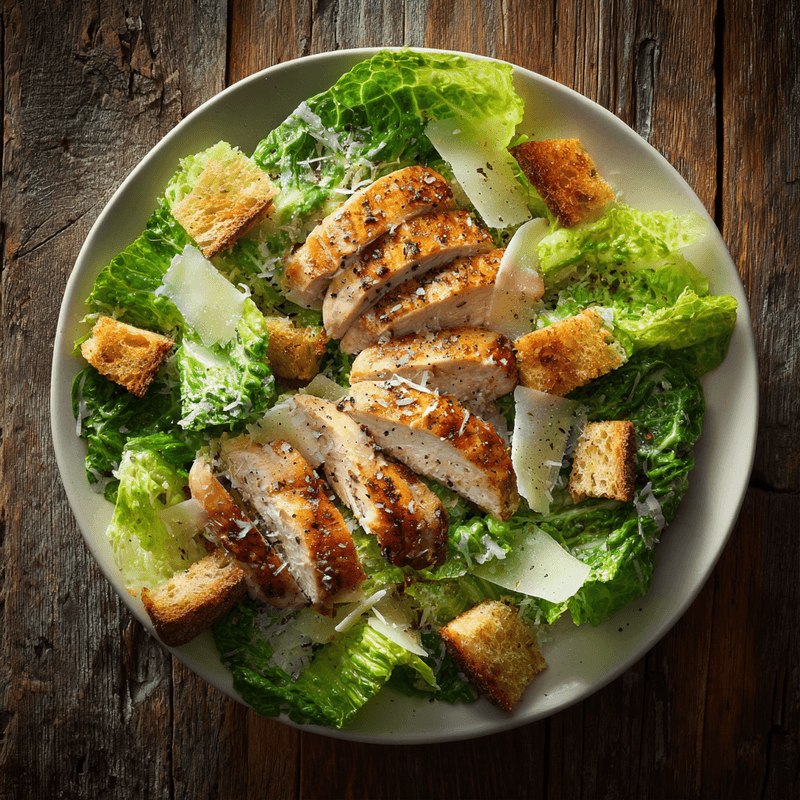
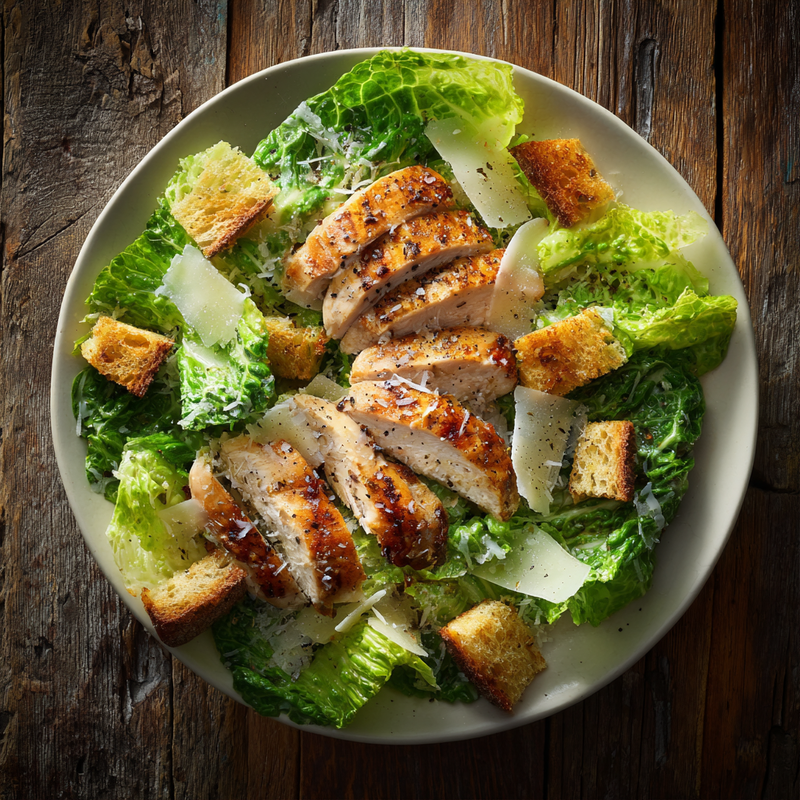
Now assemble your masterpiece. Tear romaine leaves into bite-sized pieces and place them in your largest bowl. Add just enough dressing to coat the leaves—you want them glossy, not drowning. Toss gently but thoroughly with your hands, ensuring every leaf has contact with the dressing. Slice the rested chicken against the grain into strips, which keeps it tender. Divide the dressed lettuce among plates, top with chicken slices, scatter those beautiful homemade croutons generously, and finish with shaved cheese and a final crack of black pepper.
Troubleshooting Guide
If your dressing breaks and looks oily rather than creamy, don't panic—you can save it. Start with a fresh egg yolk in a clean bowl and slowly whisk in the broken dressing as if it were oil. The new yolk provides fresh emulsifiers that will bring everything back together into silky perfection. To prevent this in the first place, make sure all ingredients are at room temperature and add oil very slowly at the beginning.
Soggy croutons are usually the result of crowding on the baking sheet or pulling them too early. If your croutons didn't crisp properly, spread them out more and return them to the oven for another 5 minutes. They should sound hollow when you tap two together and feel completely dry to the touch. If they're too hard, like rocks, you've overbaked them—reduce your oven temperature by 25°F next time and watch them more carefully in the final minutes.
Dry, rubbery chicken means it was overcooked. Chicken breast goes from perfectly done to overcooked in just a few degrees, which is why an instant-read thermometer is so valuable. If your chicken is already overcooked, slice it very thin and make sure it's well-dressed—the moisture from the dressing helps compensate. For next time, consider brining your chicken in salted water for 30 minutes before cooking, which gives you a bigger margin of error.
If your chicken Caesar salad with homemade croutons tastes flat or bland, you likely underseasoned at multiple stages. Salt should be added to the croutons, the chicken, and the dressing separately. Don't try to fix it all at the end. Each component needs its own seasoning to build layers of flavor. Also check that your anchovies and garlic are providing enough punch—the dressing should taste almost too strong on its own because it mellows when mixed with lettuce.
Wilted lettuce happens when dressing is added too far in advance or when the lettuce wasn't properly dried after washing. Romaine should be completely dry before dressing—even a little water dilutes the dressing and causes leaves to wilt faster. If you need to prep ahead, keep lettuce, dressing, and toppings separate until just before serving. A salad spinner is one of the best investments for this purpose, but patting leaves dry with clean kitchen towels works too.
Taking It to the Next Level
Once you've mastered the classic chicken Caesar salad with homemade croutons, there are countless ways to elevate it further. Try infusing your crouton oil with fresh herbs like rosemary or thyme before tossing—the gentle heat of baking releases their essential oils throughout each cube. Some chefs add a pinch of smoked paprika to the bread cubes for a subtle smoky dimension that plays beautifully with the creamy dressing.
For the dressing, consider adding a teaspoon of high-quality mustard, which not only aids emulsification but adds a subtle tangy complexity. A small splash of Worcestershire sauce deepens the umami notes alongside the anchovies. If you want to impress guests at a gathering, make the dressing tableside—the theatrical whisking and the aroma of fresh garlic and lemon create an unforgettable experience.
Experiment with chicken preparation methods too. Grilling over charcoal adds incredible smoky depth, while a spice rub with cumin and coriander before cooking creates warm, aromatic notes. Some restaurants marinate their chicken in buttermilk overnight, which tenderizes the meat and adds subtle tang. You can also switch proteins entirely—grilled shrimp or seared fish turn this into an elegant dinner option while maintaining the classic Caesar profile.
The presentation matters more than you might think. Instead of tossing everything together, try composing the salad: arrange dressed lettuce as a bed, fan sliced chicken artfully across it, and strategically place croutons for visual impact. A scattering of additional shaved cheese and a lemon wedge on the side elevates it from weeknight dinner to something special enough for a family gathering.
Storing Your Results
Proper storage ensures your chicken Caesar salad with homemade croutons components stay fresh for multiple meals. The croutons are the easiest—once completely cooled, store them in an airtight container at room temperature for up to five days. They'll stay remarkably crisp as long as no moisture gets in. Never refrigerate croutons, as the humidity will make them stale and soft. If they do lose their crunch, refresh them in a 350°F oven for 3 to 4 minutes.
Cooked chicken should be cooled to room temperature within two hours, then transferred to an airtight container and refrigerated. Properly stored, it stays safe and delicious for three to four days. Keep it in whole pieces if possible rather than sliced, as this preserves moisture better. When you're ready to use it, you can serve it cold, at room temperature, or gently warmed—just don't microwave it at high power, which will dry it out.
The dressing is trickier because it contains raw egg yolk. Store it in a sealed container in the coldest part of your refrigerator and use it within two days for best quality and safety. The lemon juice provides some protection through its acidity, but raw egg requires respect. If you're nervous about food safety or need longer storage, you can make the dressing with pasteurized eggs without sacrificing texture or flavor.
Never store dressed salad—the lettuce will wilt into an unappetizing mess within hours. Instead, keep all components separate and assemble individual portions as needed. This approach actually makes the best chicken Caesar salad with homemade croutons perfect for meal prep. Wash and dry your lettuce, store it wrapped in paper towels in a container, and you can build fresh salads throughout the week in just minutes.
Common Questions
Can I make chicken Caesar salad with homemade croutons without anchovies?
While anchovies are traditional and provide essential umami depth, you can substitute them if necessary. Try using two teaspoons of fish sauce, which offers similar savory complexity, or a tablespoon of capers mashed into paste. The flavor will be different but still delicious, though purists might argue it's no longer a true Caesar.
What's the best way to get creamy dressing without raw eggs?
If raw eggs concern you, use pasteurized eggs, which are heat-treated to eliminate bacteria while remaining raw and perfect for emulsifying. Alternatively, start with a base of mayonnaise, which is already emulsified, and whisk in lemon juice, garlic, and anchovy paste. The texture will be slightly different but still quite good.
How do I scale this recipe for a large family gathering?
The croutons and dressing scale beautifully—just multiply quantities as needed. For a crowd, I recommend setting up a salad bar with components separate so guests can build their own portions, ensuring nothing wilts. Cook chicken in batches rather than crowding the pan, which lowers temperature and causes steaming instead of proper browning.
Why do my croutons taste bland even after seasoning?
Bread soaks up more seasoning than you'd expect. Be generous with salt and garlic when tossing the cubes, and remember that flavors mellow during baking. Taste a cooled crouton before serving the salad—if it's bland, you can toss the batch with a bit more salt and garlic oil and return it to the oven for 2 minutes to refresh.
Can I use a different type of lettuce instead of romaine?
Romaine is classic because its sturdy leaves hold up to heavy dressing without wilting immediately, and its crisp texture contrasts perfectly with creamy dressing. That said, Little Gem lettuce works beautifully as a more delicate option, and even kale can work if you massage it first to tenderize. Avoid tender lettuces like butter lettuce, which will wilt instantly.
How can I make this feel more substantial for dinner?
The beauty of chicken Caesar salad with homemade croutons is its versatility. Add more protein by increasing the chicken portion or including hard-boiled eggs. Some people add chickpeas for extra fiber and heartiness. You can also serve it alongside warm flatbread or as a generous portion over quinoa for a grain-bowl variation that's incredibly satisfying.
Best Chicken Caesar Salad With Homemade Croutons
A classic chicken Caesar salad featuring crispy homemade garlic croutons, perfectly grilled chicken breast, and a rich, creamy Caesar dressing made from scratch.
Prep Time
20 min
Cook Time
25 min
Total Time
45 min
Servings
4 servings
Ingredients
For 4 servings
- 3 cups day-old bread, cut into 3/4-inch cubes (sourdough or ciabatta)
- 3 tablespoons extra virgin olive oil, divided
- 3 cloves garlic, minced, divided
- 1 teaspoon salt, divided
- 1 pound boneless, skinless chicken breasts
- 1/2 teaspoon black pepper
- 2 anchovy fillets, oil-packed
- 1 large egg yolk, at room temperature
- 1/2 cup extra virgin olive oil
- 2 tablespoons fresh lemon juice
- 2 large romaine lettuce hearts, torn into bite-sized pieces
- 1/2 cup shaved hard cheese, for serving
- Extra black pepper, for finishing
Instructions
- 1
Prepare the croutons
Preheat your oven to 375°F. In a large bowl, toss the bread cubes with 2 tablespoons olive oil, two-thirds of the minced garlic, and half the salt until every piece is evenly coated. The bread should glisten but not be saturated with oil.
- 2
Bake the croutons
Spread the seasoned bread cubes in a single layer on a large baking sheet, ensuring they don't touch each other. Bake for 12 to 15 minutes, tossing halfway through, until golden brown and crispy throughout. Remove from oven and let cool completely on the baking sheet.
- 3
Season the chicken
While the croutons bake, pat the chicken breasts dry with paper towels and season both sides generously with the remaining salt and black pepper. Let sit at room temperature for 5 minutes to allow seasoning to penetrate.
- 4
Cook the chicken
Heat the remaining tablespoon of olive oil in a large skillet or grill pan over medium-high heat until shimmering. Add the chicken breasts and cook undisturbed for 6 to 7 minutes, until golden brown on the bottom. Flip and cook another 6 to 7 minutes until the internal temperature reaches 165°F.
- 5
Rest the chicken
Transfer the cooked chicken to a cutting board and let rest for at least 5 minutes. This allows the juices to redistribute throughout the meat, ensuring it stays moist and tender when sliced.
- 6
Make the dressing base
In a medium bowl, mash the anchovy fillets with the remaining minced garlic using a fork until you have a smooth paste. Add the egg yolk and whisk vigorously for 30 seconds until well combined and slightly lightened in color.
- 7
Emulsify the dressing
While whisking constantly, add the 1/2 cup olive oil drop by drop at first, then in a very thin stream once the mixture begins to thicken and emulsify. Continue whisking until all oil is incorporated and you have a thick, mayonnaise-like consistency. This process takes about 3 to 4 minutes of continuous whisking.
- 8
Finish the dressing
Whisk in the fresh lemon juice, which will thin the dressing to the perfect coating consistency. Taste and adjust seasoning if needed—the dressing should be bold, punchy, and well-balanced between richness, tang, and savory depth.
- 9
Prepare the lettuce
Ensure the romaine lettuce pieces are completely dry by spinning in a salad spinner or patting with clean kitchen towels. Any water remaining on the leaves will dilute the dressing and cause wilting.
- 10
Dress the salad
Place the dried lettuce in your largest bowl and add about two-thirds of the dressing. Using your hands, gently but thoroughly toss the lettuce until every leaf is coated with dressing and glistens. Add more dressing if needed, but avoid over-dressing.
- 11
Slice the chicken
Slice the rested chicken breasts against the grain into half-inch strips. Cutting against the grain ensures maximum tenderness in every bite.
- 12
Assemble and serve
Divide the dressed lettuce among four plates or bowls. Top each portion with sliced chicken, scatter the homemade croutons generously over the top, and finish with shaved cheese and freshly cracked black pepper. Serve immediately while the croutons are still crispy.
Nutrition Facts
Per serving (estimated)
485 calories
Calories
22g
Carbs
32g
Protein
30g
Fat
3g
Fiber
720mg
Sodium
2g
Sugar