Moist Banana Bread Recipe: Easy & Delicious Every Time
This easy banana bread recipe creates perfectly moist, flavorful loaves every time. Simple ingredients, foolproof method, and endless variations!
cookwithlucia.com/recipes/banana-bread-recipe
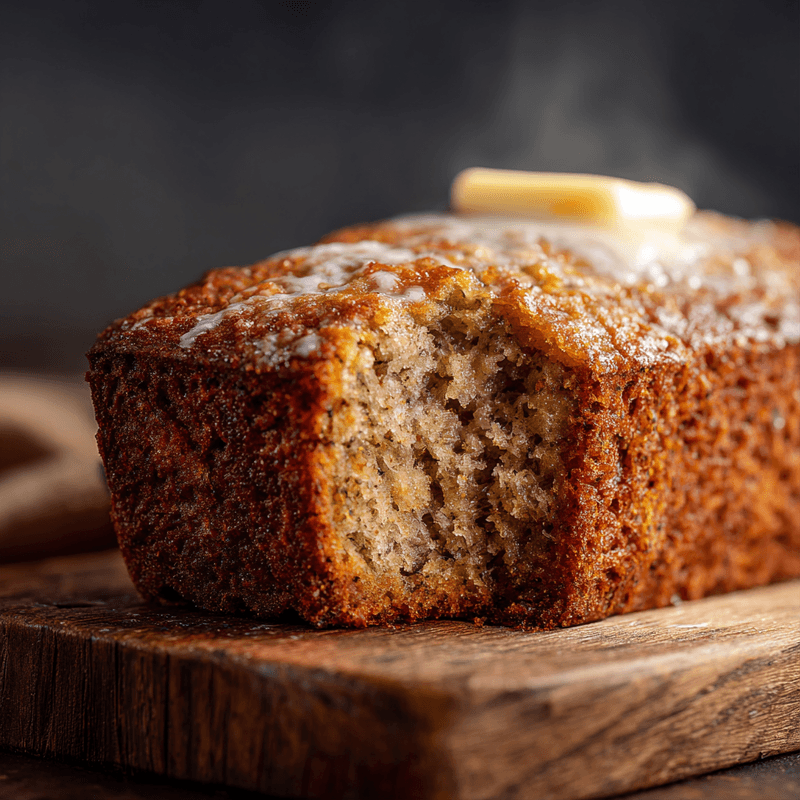
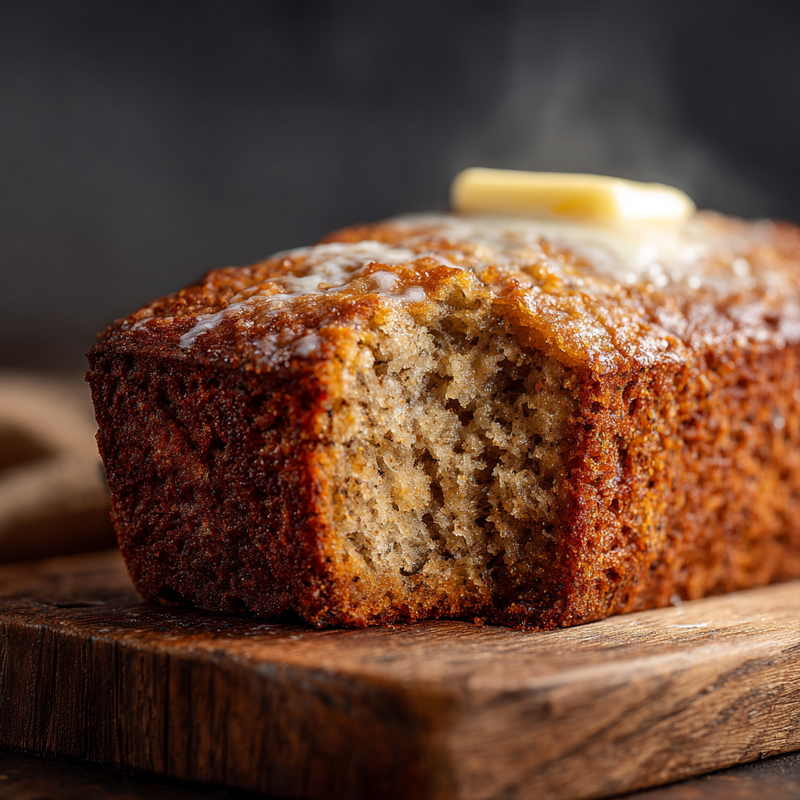
There's something absolutely magical about the aroma of freshly baked banana bread wafting through your kitchen on a quiet morning. That sweet, comforting scent mingles with notes of vanilla and warm spices, creating an irresistible invitation that draws everyone to the kitchen. The golden-brown crust gives way to an incredibly moist, tender crumb that practically melts on your tongue, while sweet banana flavor permeates every single bite. This is the kind of baking that fills your home with warmth and creates those precious moments when family gathers around the counter, unable to wait for the loaf to cool completely.
I'll never forget the first time I truly mastered this banana bread recipe. I was visiting my neighbor who had just moved from a small coastal town, and she shared her grandmother's secret for achieving that perfect texture—it wasn't about fancy ingredients or complicated techniques, but rather about understanding when to mix and when to stop. That conversation transformed my baking completely. Since then, I've baked this banana bread recipe countless times, tweaking and perfecting it until it became the version I'm sharing with you today. It's become my go-to solution for those overripe bananas sitting on the counter, and honestly, I sometimes let bananas ripen intentionally just so I have an excuse to bake it.
This recipe is special because it delivers consistent, bakery-quality results without requiring professional skills or hard-to-find ingredients. Whether you're an experienced baker or someone who's never turned on their oven, this banana bread recipe will work beautifully for you. In this post, I'll walk you through everything you need to know—from understanding what makes banana bread so beloved, to mastering the technique, to creative variations that'll keep this recipe exciting for years to come. Let's dive into the wonderful world of homemade banana bread and discover why this simple loaf has captured hearts for generations.
What is Banana Bread?
Have you ever wondered why we call it "bread" when it's actually more like cake? That's one of the delightful quirks of this beloved baked good. Banana bread is a moist, sweet quick bread that originated in America during the 1930s, right around the time baking powder and baking soda became widely available in households. The Great Depression era encouraged resourceful home cooks to find ways to use every ingredient, and overripe bananas that might otherwise be discarded found their perfect purpose in this recipe.
What sets banana bread apart from regular cake is its denser, more substantial texture and the fact that it's leavened with baking soda or baking powder rather than yeast. The flavor profile is beautifully balanced—predominantly sweet with natural banana essence, often enhanced with warm spices like cinnamon or nutmeg, and a subtle vanilla undertone that rounds everything out. The beauty of this banana bread recipe lies in its versatility; it works equally well as a breakfast treat with your morning coffee, an afternoon snack, or even a simple dessert after dinner.
Regional variations exist throughout the world, with some cultures adding coconut, others incorporating chocolate chips or nuts, and some keeping it beautifully simple. Ready to bring this classic into your kitchen?
Why You'll Love This Banana Bread Recipe
Incredibly Simple and Beginner-Friendly: This banana bread recipe requires no special equipment beyond a mixing bowl and a loaf pan. You won't need a stand mixer, food processor, or any complicated techniques. Everything comes together with just a whisk and a spatula, making it perfect for those busy weekday evenings when you want something homemade but don't have hours to spend in the kitchen. The straightforward method means there's very little that can go wrong, giving you confidence every single time you bake.
Uses Ingredients You Already Have: One of the best things about this recipe is that it relies on pantry staples you likely already own. Flour, sugar, eggs, butter, and of course, those overripe bananas that have been sitting on your counter. No need to make a special trip to specialty stores or hunt down exotic ingredients. This accessibility makes the banana bread recipe something you can whip up on a whim whenever the craving strikes or unexpected guests arrive.
Delivers Restaurant-Quality Moisture: The hallmark of exceptional banana bread is that incredible, tender moisture that persists for days after baking. This recipe achieves that coveted texture through the perfect ratio of wet to dry ingredients and the use of very ripe bananas that contribute natural moisture and sweetness. Unlike dry, crumbly versions you might have tried elsewhere, this stays soft and delicious from the first slice to the last.
Budget-Friendly Baking: At a time when grocery costs seem to climb every week, this banana bread recipe offers incredible value. The ingredients are inexpensive, and you're actually rescuing bananas that might otherwise go to waste. For just a few dollars, you can create a substantial loaf that serves eight to ten people, making it far more economical than purchasing baked goods from cafes or bakeries.
Endlessly Customizable: While the base recipe is wonderful on its own, it serves as a blank canvas for your creativity. Add chocolate chips for the kids, fold in walnuts for extra crunch, swirl in nut butter for richness, or incorporate blueberries for a fruity twist. This flexibility means you'll never get bored with this banana bread recipe, and you can adapt it to suit different preferences and dietary needs.
Perfect for Meal Prep and Gifting: This banana bread freezes beautifully, which means you can bake multiple loaves when you have time and stash them away for busy weeks ahead. It also makes a thoughtful, homemade gift for neighbors, colleagues, or friends. Compared to more elaborate baked goods, banana bread has a homey, comforting appeal that people absolutely love receiving. Trust me, once you start making this, you'll want to bake it every single week!
Key Ingredients and What They Bring
Let's talk about what goes into making this banana bread recipe truly exceptional, because understanding your ingredients helps you become a better baker. First and foremost are the bananas themselves—you want them very ripe, with deep brown spots covering most of the peel. These overripe bananas are sweeter, more flavorful, and much easier to mash into a smooth consistency. They provide the signature flavor and contribute significant moisture to the batter. If your bananas aren't quite ripe enough, you can speed up the process by placing them in a paper bag for a day or two.
All-purpose flour creates the structure of your banana bread, forming the network that holds everything together. I use regular all-purpose flour because it provides just the right amount of gluten development for a tender yet sturdy crumb. Some recipes call for cake flour, but I find that all-purpose strikes the perfect balance for this particular banana bread recipe. The key is not to overmix once the flour is added, as that can lead to a tough, dense texture.
Granulated sugar sweetens the bread and helps create that beautiful golden-brown crust we all love. It also contributes to moisture retention, which is why this bread stays fresh for days. Some banana bread recipes use brown sugar for a deeper molasses flavor, and you can certainly substitute half the white sugar with brown if you prefer a more caramel-like taste. Butter adds richness, flavor, and tenderness to the crumb. I always use unsalted butter so I can control the salt level in the recipe precisely.
Eggs serve multiple purposes in this banana bread recipe—they bind the ingredients together, add structure, contribute to the rise, and create that tender texture we're after. Room temperature eggs incorporate more easily into the batter and create a more uniform texture. Baking soda is the leavening agent that makes the bread rise and creates those beautiful air pockets throughout. It reacts with the natural acidity in the bananas to produce carbon dioxide bubbles that lighten the batter.
Vanilla extract might seem like a small addition, but it enhances all the other flavors and adds a warm, aromatic quality that makes the banana bread smell absolutely incredible while baking. A pinch of salt is essential—it balances the sweetness and makes all the flavors more pronounced. Never skip the salt, even in sweet recipes, because it truly makes a difference in the final taste.
How to Make Banana Bread Recipe — Quick Overview
The process of making this banana bread recipe is wonderfully straightforward and intuitive, even if you've never baked before. You'll start by preparing your loaf pan and preheating your oven, then move on to mashing those beautifully ripe bananas until they're smooth with just a few small lumps remaining. The wet ingredients—mashed bananas, melted butter, beaten eggs, sugar, and vanilla—get mixed together first until everything is well combined and the mixture looks creamy and uniform. This is when your kitchen starts smelling amazing, with that sweet banana aroma filling the air.
Next comes the gentle incorporation of dry ingredients. You'll whisk together your flour, baking soda, and salt in a separate bowl, then fold this mixture into the wet ingredients using a light hand and a rubber spatula. This is the crucial moment where technique matters most—you want to mix just until no dry flour streaks remain, but not a moment longer. Overmixing develops too much gluten and results in a tough, rubbery texture instead of the tender crumb we're aiming for in this banana bread recipe. The batter should look thick, lumpy, and somewhat rough, which is exactly what you want.
Once your batter is ready, you'll pour it into your prepared loaf pan and smooth the top gently. The bread bakes for about an hour in a moderate oven, during which time your entire home will smell like a cozy bakery. You'll know it's done when a toothpick inserted into the center comes out with just a few moist crumbs attached. The total time from start to finish is roughly an hour and twenty minutes, including about twenty minutes of active preparation time. It's truly one of the most rewarding and low-effort baking projects you can undertake.
Top Tips for Perfecting Banana Bread Recipe
The ripeness of your bananas cannot be overstated when it comes to this banana bread recipe. Bananas that are yellow with just a few brown spots aren't ripe enough—you want bananas that are predominantly brown, very soft to the touch, and smell intensely sweet. These ultra-ripe bananas have converted much of their starch into sugar, which means more sweetness, more flavor, and better moisture in your final loaf. If you're in a hurry, you can roast unripe bananas in their peels at 300°F for about fifteen to twenty minutes until they're blackened and soft, though naturally ripened bananas do taste slightly better.
Measuring your flour correctly makes an enormous difference in texture. The best method is to spoon flour into your measuring cup and level it off with a knife, rather than scooping directly from the bag, which compacts the flour and can result in using up to twenty-five percent more than the recipe intends. Too much flour creates a dry, heavy banana bread recipe that lacks that signature moistness. If you have a kitchen scale, even better—measure by weight for the most consistent results every single time you bake.
Don't skip the step of bringing your eggs to room temperature before mixing them into your banana bread recipe. Cold eggs don't incorporate as smoothly into the batter and can cause the melted butter to solidify into little clumps, creating an uneven texture. Simply place your eggs in a bowl of warm water for about five minutes before cracking them, and they'll be perfect. Similarly, make sure your melted butter has cooled slightly before adding it to the bananas—if it's too hot, it can partially cook the eggs and create an unpleasant texture.
Mixing technique is where many home bakers go wrong with banana bread recipes. Once you add the flour mixture to the wet ingredients, you need to switch from vigorous stirring to gentle folding. Use a rubber spatula and fold the batter over itself in broad strokes, rotating the bowl as you go. Stop mixing the moment you no longer see streaks of dry flour—some small lumps are perfectly fine and will bake out. The batter should look a bit rough and uneven, not smooth like cake batter. This gentle handling keeps the gluten development minimal and ensures a tender crumb.
Oven temperature accuracy is critical for this banana bread recipe. Many home ovens run hot or cold by as much as twenty-five degrees, which can mean the difference between perfectly baked bread and something that's burned on the outside but raw in the middle. Invest in an inexpensive oven thermometer to check your actual oven temperature. If your banana bread tends to brown too quickly on top before the center is done, tent it loosely with aluminum foil about halfway through baking to protect the surface while the interior finishes cooking.
The toothpick test is your best friend for determining doneness. Insert a wooden toothpick or thin skewer into the very center of the loaf—if it comes out completely clean, your bread is actually overbaked and may be dry. You want a few moist crumbs clinging to the toothpick, which indicates the bread is perfectly done and will have that ideal moist texture. Remember that the bread continues cooking slightly from residual heat even after you remove it from the oven, so slightly underdone is better than overdone.
Cooling your banana bread properly ensures the best texture and makes slicing much easier. Let the loaf cool in the pan for about ten to fifteen minutes after removing it from the oven—this allows the structure to set up and makes it less likely to fall apart when you remove it. Then turn it out onto a wire cooling rack to cool completely. I know it's tempting to slice into warm banana bread, and you certainly can, but the texture and flavor actually improve as it cools and the moisture distributes evenly throughout the loaf. For the cleanest slices, wait until the bread is completely cool, and use a serrated knife with a gentle sawing motion.
Variations and Flavor Twists
One of my favorite ways to transform this banana bread recipe is by creating a chocolate version that tastes absolutely decadent. Simply fold in one cup of semi-sweet chocolate chips to the batter just before pouring it into the pan, or for an even richer variation, replace a quarter cup of the flour with unsweetened cocoa powder and add an extra tablespoon of sugar. The combination of chocolate and banana is classic for a reason—the flavors complement each other beautifully, and the melted chocolate chips create little pockets of gooey richness throughout the loaf.
For a nutty, textured variation, add three-quarters of a cup of chopped walnuts or pecans to your banana bread recipe. Toast the nuts in a dry skillet for a few minutes before adding them to enhance their flavor and create an even more complex taste profile. The nuts add a wonderful crunch that contrasts beautifully with the soft, moist crumb of the bread. You can also press a few extra walnut halves into the top of the batter before baking for a beautiful, bakery-style presentation.
If you love warm spices, turn this into a spiced banana bread recipe by adding one teaspoon of ground cinnamon, a quarter teaspoon of nutmeg, and a pinch of ground ginger to your dry ingredients. These warming spices complement the banana flavor beautifully and make your home smell absolutely incredible while the bread bakes. During cooler months, this spiced version feels especially cozy and comforting, perfect for weekend mornings with a hot cup of tea.
For a tropical twist that'll transport you to warmer climates, fold in half a cup of shredded coconut and half a cup of diced fresh pineapple to the batter. You can also add a quarter teaspoon of coconut extract along with the vanilla for even more tropical flavor. This variation of the banana bread recipe is bright, fruity, and feels like a mini vacation in every bite. Just be aware that the extra moisture from the pineapple may require a few additional minutes of baking time.
If you need to accommodate dietary restrictions, this banana bread recipe adapts reasonably well to modifications. For a lighter version, you can substitute half the butter with unsweetened applesauce or Greek yogurt, though the texture will be slightly different—still delicious, just a bit less rich. You can also experiment with whole wheat flour for half of the all-purpose flour to add more fiber and nutrients, though this creates a denser, heartier loaf with a nuttier flavor.
What to Serve with Banana Bread Recipe
This banana bread recipe shines beautifully on its own, but pairing it with the right accompaniments can elevate the experience even further. My absolute favorite way to enjoy a slice is with a generous smear of softened butter, which melts into the warm bread and adds an extra layer of richness. For a more indulgent treat, try cream cheese—either plain or whipped with a touch of honey—spread thickly on a slice. The tangy creaminess of the cream cheese contrasts perfectly with the sweet banana flavor and creates an almost cheesecake-like experience.
For breakfast or brunch, serve your banana bread alongside fresh fruit like strawberries, blueberries, or sliced peaches. The bright, fresh fruit balances the richness of the bread and adds color to your plate, making it feel more substantial and complete. A small bowl of Greek yogurt with a drizzle of honey also pairs wonderfully, adding protein and a tangy element that complements the sweetness of the banana bread recipe.
Beverage pairings can make or break your banana bread experience. Hot coffee is classic for a reason—the slight bitterness of the coffee cuts through the sweetness and enhances all the flavors in the bread. Black tea, especially robust varieties like English Breakfast, works similarly well. For a non-caffeinated option, try a glass of cold milk—it's nostalgic and perfect, especially if you're enjoying this treat in the afternoon or evening.
If you're serving this banana bread recipe as a dessert, consider turning it into a more elaborate presentation by toasting slices and serving them with a scoop of vanilla ice cream and a drizzle of caramel sauce. The warm bread, cold ice cream, and sweet caramel create a restaurant-worthy dessert that'll impress anyone at your table. You can also top slices with fresh whipped cream and a sprinkle of cinnamon for a simpler but still special finish.
For a complete brunch spread, serve this banana bread alongside scrambled eggs, fresh fruit salad, and perhaps some cheese. The combination of sweet and savory items creates a balanced meal that satisfies different cravings and accommodates various preferences. This also works beautifully for casual weekend gatherings when you want to offer a variety without spending all morning in the kitchen.
Storing and Reheating Tips
Proper storage is essential for maintaining the wonderful texture and flavor of this banana bread recipe. Once your loaf has cooled completely to room temperature, wrap it tightly in plastic wrap or aluminum foil, making sure there are no gaps where air can sneak in and dry out your bread. Stored this way at room temperature on your kitchen counter or in a bread box, the banana bread will stay fresh and moist for three to four days. Interestingly, the flavor actually develops and improves slightly on the second day as the moisture distributes evenly throughout the loaf.
For longer storage, refrigeration can extend the life of your banana bread recipe to about a week, though I find that refrigeration can sometimes make the texture slightly firmer. If you do refrigerate it, make sure it's wrapped very well to prevent it from absorbing odors from other foods in your refrigerator. Before serving refrigerated banana bread, let it come to room temperature for about thirty minutes, or warm individual slices gently for the best eating experience.
Freezing is where banana bread really shines for make-ahead planning. This banana bread recipe freezes exceptionally well for up to three months without any loss of quality. You can freeze the entire loaf or slice it first and freeze individual portions, which is incredibly convenient for quick breakfasts or snacks. To freeze, wrap the bread or individual slices very tightly in plastic wrap, then wrap again in aluminum foil or place in a freezer-safe bag with as much air pressed out as possible. Label with the date so you remember when you baked it.
When you're ready to enjoy frozen banana bread, the best approach is to thaw it slowly at room temperature while still wrapped—this typically takes two to three hours for a whole loaf or about thirty minutes for individual slices. The wrapping traps the moisture as the bread thaws, preventing it from becoming soggy or dry. If you're in a hurry, you can microwave individual slices from frozen for about thirty to forty-five seconds, checking every fifteen seconds to avoid overheating.
For reheating previously baked banana bread and restoring that fresh-from-the-oven experience, the oven method works beautifully. Wrap the whole loaf or large slices in aluminum foil and warm in a 300°F oven for about ten to fifteen minutes until heated through. This gentle heating preserves the moisture and texture perfectly. For individual slices, you can also use a toaster on a low setting, which crisps the edges slightly while warming the interior—this creates a wonderful textural contrast. The microwave works in a pinch for quick reheating; just use short bursts of fifteen to twenty seconds at medium power to avoid making the bread rubbery, and place a small cup of water in the microwave alongside the bread to maintain moisture in the air.
Frequently Asked Questions
Can I make this banana bread recipe ahead of time?
Absolutely! This is one of the best make-ahead baked goods because the flavor and texture actually improve after resting for a day. Bake your banana bread up to two days before you need it, let it cool completely, wrap it tightly, and store at room temperature. The moisture will distribute evenly throughout the loaf, creating an even more tender crumb. For longer advance preparation, freeze the baked and cooled loaf for up to three months and thaw it the night before you need it.
Can I substitute the all-purpose flour with whole wheat flour?
You can, though it will change the texture and flavor of your banana bread recipe significantly. I recommend starting with a fifty-fifty blend of all-purpose and whole wheat flour to maintain tenderness while adding the nutty flavor and nutritional benefits of whole grains. Using entirely whole wheat flour will create a much denser, heavier loaf with a stronger, earthier flavor. If you go this route, you may need to add an extra tablespoon or two of liquid to compensate for whole wheat flour's higher absorption rate.
Why did my banana bread sink in the middle?
A sunken center usually indicates one of three issues with your banana bread recipe execution. First, the bread may have been underbaked—the structure hadn't fully set before you removed it from the oven, causing it to collapse as it cooled. Second, you may have used too much banana or liquid ingredients, overwhelming the flour's ability to provide structure. Finally, overmixing the batter develops too much gluten, which can create an unstable structure that collapses. Make sure to check doneness with a toothpick, measure ingredients carefully, and mix gently just until combined.
Can I reduce the sugar in this banana bread recipe?
You can reduce the sugar somewhat, though it will affect both sweetness and texture. Sugar doesn't just provide sweetness—it also contributes to moisture retention, browning, and the tender crumb texture. I'd suggest reducing the sugar by no more than one-quarter cup if you prefer a less sweet version. Keep in mind that very ripe bananas provide significant natural sweetness, so if your bananas are especially ripe and sweet, a small sugar reduction works perfectly fine without compromising the final result.
How do I know when my banana bread is fully baked?
The most reliable test for this banana bread recipe is the toothpick method—insert a wooden toothpick or thin skewer into the very center of the loaf, and it should come out with just a few moist crumbs attached, not wet batter. Additionally, the top should be deep golden brown, the edges should be pulling slightly away from the pan, and the loaf should spring back when gently pressed. An instant-read thermometer inserted into the center should read between 200°F and 205°F when the bread is fully baked.
Can I make this banana bread recipe into muffins instead?
Absolutely! This batter works wonderfully for banana muffins, which is perfect when you want individual portions or need something that bakes faster. Fill standard muffin cups about two-thirds full and bake at the same temperature for eighteen to twenty-two minutes, checking with a toothpick for doneness. The shorter baking time makes muffins a great option for busy mornings, and they're ideal for packing in lunchboxes or freezing individually for quick grab-and-go breakfasts. This recipe typically yields about twelve standard muffins or six jumbo muffins.
Classic Banana Bread
Incredibly moist and tender banana bread with perfect sweetness and rich banana flavor. This foolproof recipe uses simple pantry ingredients to create bakery-quality results every time.
Prep Time
15 min
Cook Time
60 min
Total Time
1h 15m
Servings
8 servings
Ingredients
For 8 servings
- 3 large very ripe bananas, mashed (about 1 1/2 cups)
- 1/3 cup unsalted butter, melted and slightly cooled
- 3/4 cup granulated sugar
- 2 large eggs, room temperature
- 1 teaspoon vanilla extract
- 1 1/2 cups all-purpose flour
- 1 teaspoon baking soda
- 1/2 teaspoon salt
- 1/4 teaspoon ground cinnamon (optional)
Instructions
- 1
Prepare pan and oven
Preheat your oven to 350°F (175°C). Grease a 9x5-inch loaf pan thoroughly with butter or cooking spray, then dust lightly with flour, tapping out any excess. This ensures your banana bread will release easily from the pan after baking.
- 2
Mash the bananas
Peel your very ripe bananas and place them in a large mixing bowl. Using a fork or potato masher, mash the bananas until mostly smooth with just a few small lumps remaining. You should have about one and a half cups of mashed banana.
- 3
Mix wet ingredients
Add the melted and slightly cooled butter to the mashed bananas and stir to combine. Mix in the sugar, beaten eggs, and vanilla extract, stirring until the mixture is well combined and looks creamy. The sugar should be mostly dissolved and everything should be evenly distributed.
- 4
Combine dry ingredients
In a separate medium bowl, whisk together the flour, baking soda, salt, and cinnamon if using. Whisking aerates the flour and ensures the leavening agents are evenly distributed throughout, which helps your bread rise uniformly.
- 5
Fold together gently
Add the dry ingredient mixture to the wet ingredients all at once. Using a rubber spatula, gently fold the ingredients together with broad strokes, scraping from the bottom and folding over the top. Stop mixing as soon as no streaks of dry flour remain—the batter should look thick and somewhat lumpy, not smooth.
- 6
Pour into pan
Transfer the batter into your prepared loaf pan, scraping the bowl to get every bit. Gently smooth the top with your spatula to create an even surface, but don't press down hard or overmix.
- 7
Bake until done
Place the pan in the center of your preheated oven and bake for 55 to 65 minutes. The banana bread is done when a toothpick inserted into the center comes out with just a few moist crumbs attached, not wet batter. The top should be deep golden brown and spring back lightly when touched.
- 8
Cool and serve
Remove the pan from the oven and let the bread cool in the pan on a wire rack for 10 to 15 minutes. Then carefully turn the loaf out onto the wire rack to cool completely before slicing. For the cleanest slices, use a serrated knife with a gentle sawing motion.
Nutrition Facts
Per serving (estimated)
285 calories
Calories
48g
Carbs
5g
Protein
9g
Fat
2g
Fiber
280mg
Sodium
26g
Sugar