Asian High Protein Sesame Chicken Recipe | Easy & Healthy
Learn to make restaurant-quality Asian high protein sesame chicken at home. Crispy coating, tender meat, and 40g protein per serving. Perfect for meal prep!
cookwithlucia.com/recipes/asian-high-protein-sesame-chicken
There's something magical about mastering a dish that delivers both incredible flavor and serious nutritional power. Asian high protein sesame chicken is exactly that kind of recipe — one that transforms simple chicken breast into a restaurant-worthy meal while packing in the protein your body needs. When you get it right, you're rewarded with pieces of tender chicken wrapped in a gloriously crispy coating, all glazed with a sauce that balances sweet, savory, and nutty notes in perfect harmony.
I know what you might be thinking: high protein versions of beloved dishes often sacrifice taste for nutrition. But this Asian high protein sesame chicken proves that theory completely wrong. The secret lies in understanding how to maximize the protein content through smart ingredient choices while maintaining the textural contrast that makes sesame chicken so addictive. The exterior stays shatteringly crisp even after tossing in sauce, while the interior remains juicy and packed with lean protein.
The beauty of this technique is that once you understand the fundamental principles — the proper coating method, the ideal frying temperature, and the sauce-to-chicken ratio — you'll find yourself making this dish on repeat. Whether you're meal prepping for the week, cooking for family gatherings, or simply craving takeout-style food that aligns with your fitness goals, this Asian high protein sesame chicken delivers every single time. Let me walk you through exactly how to achieve perfection.
The Science Behind the Method
The magic of Asian high protein sesame chicken starts with understanding protein coagulation and moisture retention. When chicken breast is cooked properly, the proteins contract just enough to firm up while retaining moisture within the muscle fibers. This is why we never skip the velveting step — a traditional Chinese technique where chicken is marinated in egg whites or a light cornstarch slurry. This creates a protective barrier that locks in juices even during high-heat cooking.
The crispy coating works through a different scientific principle: starch gelatinization followed by dehydration. When you coat the chicken in a mixture containing cornstarch or potato starch, the granules absorb moisture, swell, and then form a rigid structure when exposed to hot oil. This creates those incredibly crispy shards that stay crunchy longer than wheat flour-based coatings. The higher ratio of protein to coating in this version means you're maximizing nutritional value without sacrificing texture.
The sauce component relies on emulsification and caramelization. Natural sugars in honey or date syrup caramelize slightly when heated, creating depth and complexity. Meanwhile, sesame oil acts as a flavor carrier, distributing its distinctive nuttiness throughout every drop of sauce. Understanding these processes means you can adjust ratios, substitute ingredients, and still achieve that perfect balance of crispy, saucy, and protein-rich that defines exceptional Asian high protein sesame chicken.
Tools and Ingredients You'll Need
For this Asian high protein sesame chicken, your most important tool is a heavy-bottomed pan or wok that retains heat consistently. I prefer a carbon steel wok because it heats evenly and allows you to toss the chicken without losing temperature, but a cast iron skillet works beautifully too. If you only have a regular non-stick pan, that's perfectly fine — just work in smaller batches so the temperature doesn't drop. A cooking thermometer is invaluable for maintaining oil temperature between 350-375°F, which is the sweet spot for achieving maximum crispiness.
You'll also want a wire rack set over a baking sheet for draining the fried chicken. This keeps air circulating around all sides, preventing the bottom from getting soggy. For mixing, have several medium bowls ready — one for the marinade, one for the coating mixture, and one for the sauce. A pair of tongs or chopsticks will help you turn the chicken pieces safely while frying. Don't have a thermometer? You can test oil readiness by dropping a small piece of bread or batter into it; if it sizzles immediately and rises to the surface, you're good to go.
Ingredient-wise, the star is obviously high-quality chicken breast. Look for organic or free-range if possible, as these tend to have better texture and flavor. The coating calls for cornstarch or potato starch — both create superior crispiness compared to all-purpose flour. For the sauce, you'll need low-sodium soy sauce, toasted sesame oil, honey or date syrup, rice vinegar, and plenty of toasted sesame seeds. Fresh garlic and ginger are non-negotiable for authentic flavor depth. If you want to boost protein even further, consider adding a tablespoon of unflavored protein powder to your coating mixture — it integrates seamlessly and adds an extra 10-15 grams of protein per batch.
The Method, Step by Step
Begin by preparing your chicken breast properly, which is the foundation of perfect Asian high protein sesame chicken. Cut the chicken into uniform bite-sized pieces, roughly 1.5-inch cubes, ensuring even cooking throughout. Place these pieces in a bowl and add two egg whites and a tablespoon of cornstarch, massaging gently until every piece is coated in this silky mixture. This velveting step should sit for at least 15 minutes, allowing the proteins in the egg white to begin their tenderizing work. During this time, you'll notice the coating becomes slightly sticky and adheres beautifully to the chicken.
While the chicken marinates, prepare your coating station and sauce. In a shallow bowl, combine one cup of cornstarch with a tablespoon of garlic powder, a teaspoon of ground ginger, and a half teaspoon of white pepper. Mix thoroughly so the seasonings distribute evenly. In a separate saucepan, combine three tablespoons of soy sauce, two tablespoons of honey, one tablespoon of rice vinegar, two minced garlic cloves, a teaspoon of freshly grated ginger, and one tablespoon of toasted sesame oil. Warm this mixture over low heat, stirring until the honey dissolves completely and the sauce becomes fragrant. The aroma of garlic and ginger blooming in the sauce is your signal that flavors are melding beautifully.
Now for the coating process, which determines the final texture of your Asian high protein sesame chicken. Remove the chicken pieces from the marinade one at a time, letting excess drip off, then drop them into the cornstarch mixture. Toss to coat completely, pressing gently so the starch adheres to every surface. Shake off any excess — you want a thin, even coating rather than thick clumps. Lay the coated pieces on a clean plate without touching, which prevents them from sticking together. Let them rest for about five minutes; this allows the coating to hydrate slightly and creates a better seal when it hits the hot oil.
Heat about two inches of neutral oil in your wok or deep skillet to 365°F. This temperature is crucial: too low and the coating absorbs oil and becomes greasy; too high and the exterior burns before the interior cooks through. Working in batches of 6-8 pieces, gently lower the chicken into the oil using tongs or a slotted spoon. Don't overcrowd the pan, as this drops the temperature dramatically. Fry for 3-4 minutes without disturbing, allowing the bottom to set and turn golden. Then flip each piece and fry for another 3-4 minutes until the chicken is cooked through and the coating is deeply golden and crispy. The internal temperature should reach 165°F.
As each batch finishes, transfer the pieces to your prepared wire rack. This is the moment where restraint pays off — resist tossing the chicken in sauce immediately. Letting it rest for 2-3 minutes allows steam to escape and the coating to crisp up even further. Once all the chicken is fried and slightly cooled, heat the prepared sauce in a large wok or skillet over medium-high heat until it's bubbling gently. Add all the chicken pieces at once and toss continuously for 30-45 seconds, just until each piece is glazed but the coating hasn't had time to soften. The goal is a glossy, clingy sauce that enhances rather than drowns the crispy texture.
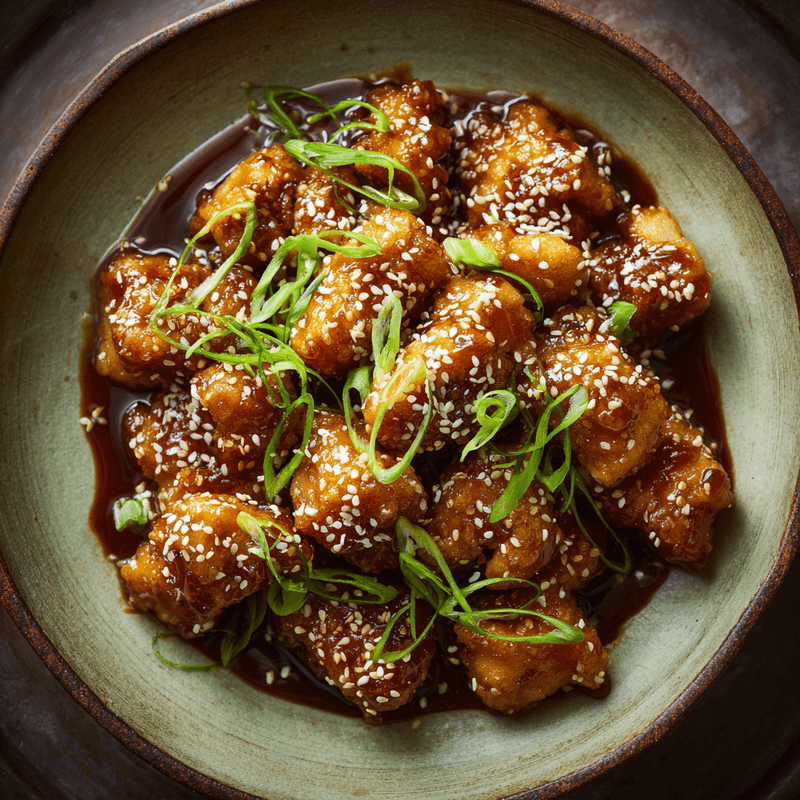
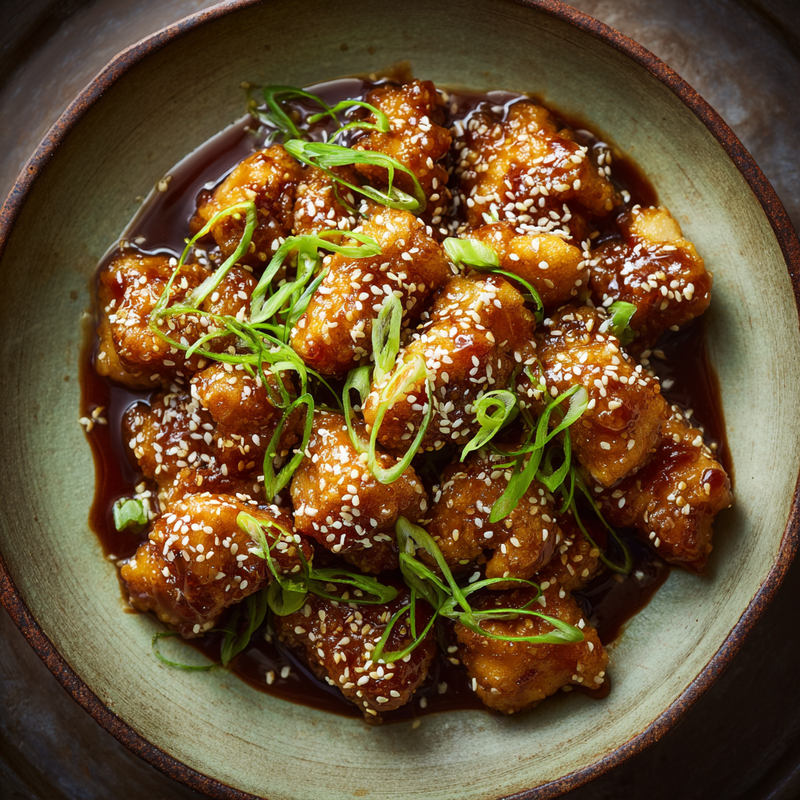
Finally, remove from heat immediately and transfer to a serving platter. Sprinkle generously with toasted sesame seeds and sliced green onions for that authentic restaurant presentation. The finished Asian high protein sesame chicken should glisten under the light, with visible sesame seeds clinging to the glossy surface. When you bite into a piece, you should hear a satisfying crunch before your teeth sink into tender, juicy chicken. The sauce should provide just enough sweetness to balance the savory elements, with that distinctive sesame aroma that makes this dish so crave-worthy.
Troubleshooting Guide
If your coating is falling off during frying, the issue usually lies in the initial preparation. Make sure you're allowing the velveting marinade to sit long enough and that your coating mixture is completely dry. Moisture is the enemy of adhesion, so pat the chicken relatively dry before coating, and ensure the cornstarch hasn't absorbed humidity from the air. You can also try double-coating: dip the marinated chicken back into the egg white mixture briefly after the first cornstarch coating, then coat again. This creates an extra-secure seal.
Soggy coating despite proper frying technique often means your oil temperature dropped too low or you're adding the sauce too soon. Invest in a thermometer if you keep facing this issue — it's genuinely transformative for frying success. Also, make sure you're giving the fried chicken those crucial minutes to rest before saucing. If the coating has already softened, you can actually rescue it by spreading the sauced chicken on a baking sheet and placing it under a hot broiler for 2-3 minutes. This re-crisps the exterior while caramelizing the sauce slightly.
Dry, tough chicken is the result of overcooking, which is easy to do with lean chicken breast. The solution is twofold: first, don't skip the velveting marinade, as this provides insurance against dryness. Second, watch your frying time carefully and check the internal temperature of a larger piece. Remember that chicken continues cooking from residual heat after you remove it from the oil, so pulling it at exactly 165°F means it will rise a few degrees while resting. For Asian high protein sesame chicken, slightly under rather than over is always better.
If your sauce is too thick or too thin, you can adjust it easily. A too-thick sauce won't coat evenly and creates gloppy spots. Thin it with a tablespoon of water or low-sodium chicken broth at a time until it reaches the consistency of warm maple syrup. A too-thin sauce slides right off the chicken instead of clinging. Thicken it by mixing half a teaspoon of cornstarch with a tablespoon of cold water, then stirring this slurry into the simmering sauce. It will thicken within 30 seconds.
Taking It to the Next Level
Once you've mastered the basic Asian high protein sesame chicken, there are numerous ways to elevate it further. Try incorporating different oils for frying — avocado oil adds a subtle richness, while refined coconut oil contributes a barely perceptible sweetness that complements the sauce beautifully. For the coating, experiment with adding a tablespoon of nutritional yeast, which provides a subtle umami depth and an extra protein boost. Some cooks add a pinch of five-spice powder to the cornstarch mixture, which introduces warm, complex notes of star anise and cinnamon.
The sauce offers endless opportunities for customization while maintaining the core sesame profile. A teaspoon of gochugaru or red pepper flakes transforms this into a spicy version that still honors the original. For deeper umami, add a teaspoon of white miso paste to the sauce mixture. If you prefer a more pronounced ginger flavor, double the fresh ginger and add a small piece when frying the garlic. You can also finish the dish with a drizzle of black sesame oil for a more assertive, almost smoky sesame flavor that serious sesame lovers will appreciate.
For professional-level presentation, serve your Asian high protein sesame chicken over a bed of cauliflower rice or quinoa rather than white rice, keeping the entire meal high in protein. Garnish with microgreens, thinly sliced red chilies, and extra sesame seeds in both white and black varieties for visual contrast. Some restaurants finish the dish with a light sprinkle of crispy fried garlic or shallots, adding another textural element. The key is balancing additions so they enhance rather than overshadow the star ingredient.
Storing Your Results
Proper storage of Asian high protein sesame chicken requires understanding that the crispy coating is the most vulnerable element. If you're meal prepping, I recommend storing the fried chicken and sauce separately. Place the cooled, unsauced chicken in an airtight container lined with paper towels, which absorb any residual moisture. It will keep in the refrigerator for up to four days. Store the sauce in a separate small container. When you're ready to eat, reheat the chicken pieces in a 400°F oven for 8-10 minutes until they're hot and crispy again, then toss with reheated sauce.
If you've already combined the chicken and sauce, accept that the coating will soften somewhat during storage. This version keeps well for three days in an airtight container in the refrigerator. To reheat, spread the chicken in a single layer on a baking sheet and warm in a 375°F oven for 10-12 minutes. The oven method is superior to microwaving, which steams the coating and makes it rubbery. You can also reheat in an air fryer at 375°F for 6-8 minutes, which actually does a remarkable job of restoring crispiness.
Freezing Asian high protein sesame chicken is possible but requires some strategy. Freeze only the fried, unsauced chicken. Spread the pieces on a baking sheet and freeze until solid, then transfer to a freezer bag, removing as much air as possible. This prevents the pieces from freezing together in one solid mass. Frozen chicken will keep for up to two months. To serve, thaw overnight in the refrigerator, then crisp in the oven at 400°F for 12-15 minutes before tossing with freshly made sauce. Never freeze the sauced version, as the coating becomes irredeemably soggy upon thawing.
Common Questions
Can I make Asian high protein sesame chicken in an air fryer instead of deep frying?
Absolutely, and the results are surprisingly excellent. Spray the coated chicken pieces lightly with oil spray, arrange them in a single layer in your air fryer basket without touching, and cook at 400°F for 12-15 minutes, flipping halfway through. The coating won't be quite as shatteringly crisp as deep-fried versions, but it's a worthy trade-off for the convenience and reduced oil usage. Just make sure not to overcrowd the basket, working in batches if necessary.
How can I increase the protein content even further?
Beyond using chicken breast, which is already exceptionally lean and protein-rich, you can add unflavored whey or plant-based protein powder to the cornstarch coating mixture at a 1:4 ratio. This adds 10-15 grams of protein per batch without affecting taste or texture noticeably. You can also serve the Asian high protein sesame chicken over edamame or add a side of steamed soybeans, which contributes additional plant-based protein to round out the meal.
What's the best way to scale this recipe for a large gathering?
Frying in batches is essential regardless of quantity to maintain proper oil temperature. Prepare all your chicken through the coating stage, then fry in batches and keep the finished pieces warm in a 200°F oven while you complete the rest. Make the sauce in a larger batch — it scales perfectly. When all the chicken is fried, combine everything in a very large wok or even a large roasting pan, tossing in batches if needed to ensure even coating.
Can I substitute chicken thighs for breast meat?
You can, though it changes the nutritional profile significantly. Chicken thighs have more fat and slightly less protein per ounce, so the "high protein" designation becomes less accurate. However, thighs are more forgiving and harder to overcook, making them excellent for beginners. The cooking time remains about the same, but check that the internal temperature reaches 175°F for thighs, which is higher than the 165°F target for breasts. The richer flavor of thigh meat does pair wonderfully with the sesame sauce.
Why does my sauce separate or look grainy?
Separation usually occurs when the sauce is overheated or if the honey crystallizes. Keep the sauce at a gentle simmer rather than a rolling boil, and stir frequently. If you notice graininess developing, remove from heat immediately and whisk in a teaspoon of warm water. The sauce should be smooth and glossy. Using liquid honey rather than crystallized honey helps prevent this issue. Some cooks add the tiniest pinch of xanthan gum as an emulsifier, though it's rarely necessary with proper temperature control.
How do I adjust this recipe for high altitude cooking?
High altitude affects frying by lowering the boiling point of water, which can make chicken take longer to cook through while the exterior browns. Reduce your oil temperature by about 10-15 degrees and expect to add an extra minute or two to the frying time. Use a meat thermometer to verify doneness rather than relying solely on timing. The sauce components aren't significantly affected by altitude, though water-based ingredients may reduce slightly faster due to increased evaporation at higher elevations.
Asian High Protein Sesame Chicken
Restaurant-quality sesame chicken with a crispy coating and savory-sweet sauce, optimized for maximum protein content. Each serving delivers over 40g of protein while maintaining authentic Asian flavors and addictive texture.
Prep Time
25 min
Cook Time
20 min
Total Time
45 min
Servings
4 servings
Ingredients
For 4 servings
- 2 pounds chicken breast, cut into 1.5-inch cubes
- 2 large egg whites
- 1 cup plus 2 tablespoons cornstarch, divided
- 1 tablespoon garlic powder
- 1 teaspoon ground ginger
- 1/2 teaspoon white pepper
- 3 cups neutral oil for frying (vegetable or avocado oil)
- 3 tablespoons low-sodium soy sauce
- 2 tablespoons honey or date syrup
- 1 tablespoon rice vinegar
- 1 tablespoon toasted sesame oil
- 3 cloves garlic, minced
- 1 teaspoon fresh ginger, grated
- 3 tablespoons toasted sesame seeds
- 2 green onions, sliced for garnish
- 1/4 teaspoon sea salt
Instructions
- 1
Velvet the chicken
Place the cubed chicken breast in a large bowl. Add the egg whites and 1 tablespoon of cornstarch. Massage the mixture into the chicken pieces until each piece is thoroughly coated in the silky coating. Let the chicken rest for 15-20 minutes at room temperature to allow the velveting process to tenderize the meat and create a protective moisture barrier.
- 2
Prepare coating mixture
In a shallow bowl, combine 1 cup of cornstarch, garlic powder, ground ginger, white pepper, and sea salt. Mix thoroughly with a fork or whisk until all the seasonings are evenly distributed throughout the starch. This dry mixture will create the crispy coating that defines excellent sesame chicken.
- 3
Make the sauce
In a small saucepan over low heat, combine the soy sauce, honey, rice vinegar, toasted sesame oil, minced garlic, and grated fresh ginger. Stir continuously until the honey dissolves completely and the sauce becomes fragrant, about 3-4 minutes. Remove from heat and set aside. The sauce should be smooth and glossy with a consistency similar to warm maple syrup.
- 4
Coat the chicken
Remove chicken pieces from the marinade one at a time, allowing excess to drip off. Drop each piece into the cornstarch mixture and toss to coat completely, pressing gently to ensure adhesion. Shake off excess coating and place on a clean plate without pieces touching. Let rest for 5 minutes to allow the coating to set properly.
- 5
Heat the oil
Pour neutral oil into a heavy-bottomed wok or deep skillet to a depth of about 2 inches. Heat over medium-high heat until the oil reaches 365°F on a cooking thermometer. If you don't have a thermometer, test by dropping a small piece of bread into the oil; it should sizzle immediately and turn golden within 60 seconds.
- 6
Fry the chicken
Working in batches of 6-8 pieces, carefully lower the coated chicken into the hot oil using tongs. Fry without disturbing for 3-4 minutes until the bottom turns deep golden brown. Flip each piece and fry for another 3-4 minutes until the coating is crispy and the internal temperature reaches 165°F. Don't overcrowd the pan, as this drops the temperature and results in greasy, soggy coating.
- 7
Drain and rest
Transfer fried chicken pieces to a wire rack set over a baking sheet, allowing air to circulate around all sides. Let rest for 2-3 minutes while you fry the remaining batches. This resting period allows excess oil to drain and the coating to crisp up even further, creating that signature shatteringly crispy texture.
- 8
Toss with sauce
Heat the prepared sauce in a large wok or skillet over medium-high heat until bubbling gently. Add all the fried chicken pieces at once and toss continuously for 30-45 seconds, just until each piece is glossy and coated. Work quickly to prevent the coating from softening.
- 9
Garnish and serve
Immediately transfer the sauced chicken to a serving platter. Sprinkle generously with toasted sesame seeds and sliced green onions. Serve immediately while the coating is still crispy and the chicken is hot. The finished dish should glisten with sauce while maintaining textural contrast between the crispy exterior and tender interior.
Nutrition Facts
Per serving (estimated)
420 calories
Calories
32g
Carbs
42g
Protein
14g
Fat
1g
Fiber
620mg
Sodium
9g
Sugar