Asian Carrot Cucumber Salad – 15 Minute Healthy Dinner
Light, crisp Asian carrot cucumber salad ready in 15 minutes. Fresh vegetables, tangy dressing, and bold flavors make this healthy veggie dish perfect.
cookwithlucia.com/recipes/asian-carrot-cucumber-salad-15-minute-veggie-dishes-dinner-healthy
Picture a vibrant street market where vendors expertly slice fresh vegetables into paper-thin ribbons, tossing them with fragrant dressings that balance sweet, salty, sour, and spicy in perfect harmony. The crunch of cucumber against carrot, the snap of cilantro stems, and the gentle heat of fresh ginger create a symphony of textures and tastes. This is the world of Asian vegetable salads, where simplicity meets sophistication and every ingredient has a purpose.
What makes Asian cuisine's approach to vegetable dishes so compelling is the respect given to raw ingredients. Rather than masking vegetables under heavy dressings, Asian cooking traditions highlight their natural characteristics while adding layers of complementary flavors. An Asian carrot cucumber salad embodies this philosophy perfectly, transforming everyday produce into something remarkable through careful preparation and a well-balanced dressing.
This home version captures that authentic spirit without requiring specialty equipment or hard-to-find ingredients. You'll create restaurant-quality results in just 15 minutes, making it an ideal choice for busy weeknight dinners or last-minute gatherings. The beauty of this Asian carrot cucumber salad lies in its versatility as a light main dish, a refreshing side, or even a crunchy topping for grain bowls. Every bite delivers that characteristic Asian balance of flavors that keeps you reaching for more.
A Taste of the Culture
Across Asia, fresh vegetable salads hold a special place in daily meals, serving as palate cleansers, digestive aids, and cooling counterpoints to richer dishes. In Southeast Asian countries, these salads often appear as side dishes at street food stalls, providing refreshing relief from tropical heat. In East Asian cuisine, pickled and fresh vegetable preparations accompany nearly every meal, offering textural contrast and nutritional balance.
The genius of Asian vegetable salads lies in their adherence to fundamental flavor principles. Every cuisine across the continent understands that a great dish must balance sweet, sour, salty, and sometimes spicy elements. This Asian carrot cucumber salad follows that tradition, with sugar balancing rice vinegar's acidity, soy sauce or tamari providing umami depth, and fresh aromatics like ginger and garlic adding complexity without overwhelming the vegetables' natural sweetness.
This approach reflects broader cultural values around food and health. Asian culinary traditions have long recognized that raw or lightly prepared vegetables support digestion and provide essential nutrients. Meals are rarely complete without something fresh and crisp to balance heavier proteins and starches. The practice of eating with the seasons, choosing vegetables at peak freshness, runs deep in these food cultures.
Regional variations abound, of course. A Japanese-inspired version might emphasize sesame and feature a lighter hand with sweetness. Korean-style preparations often include gochugaru for heat and more pronounced garlic. Southeast Asian interpretations lean into lime juice, fish sauce, and fresh herbs. This particular Asian carrot cucumber salad draws inspiration from multiple traditions, creating a harmonious blend that feels both authentic and accessible.
The Ingredients That Define This Dish
Carrots and cucumbers form the foundation of this salad, but their preparation matters enormously. Choose firm, crisp cucumbers without soft spots, preferably Persian or English varieties with fewer seeds and thinner skins. Their mild flavor and crunchy texture provide the perfect canvas for the dressing. Carrots should be deeply colored and sweet, not woody or bitter. The act of julienning or ribboning these vegetables isn't just aesthetic; it increases surface area for the dressing to cling to and creates a more elegant eating experience.
Rice vinegar stands as the cornerstone of the dressing, offering a gentler acidity than distilled white vinegar or even apple cider vinegar. Look for unseasoned rice vinegar in the Asian aisle of most supermarkets. Its mild, slightly sweet character allows other flavors to shine while providing the essential sour element. Some cooks substitute with a combination of lime juice and a touch of regular vinegar, which works beautifully and adds citrus brightness to this Asian carrot cucumber salad.
Soy sauce or tamari brings the crucial umami depth that makes Asian cuisine so craveable. Tamari, a Japanese-style soy sauce often made without wheat, works wonderfully for those avoiding gluten. The salty, savory richness balances the vinegar's tartness and enhances the vegetables' natural flavors. Just a tablespoon or two transforms the entire dish from simple to sophisticated.
Sesame oil deserves special attention. This isn't cooking oil; it's a flavoring agent with an intensely nutty, toasted character. A little goes a long way, and using too much can overwhelm the salad. Look for toasted sesame oil in small bottles, stored away from light to preserve its delicate flavor. Combined with neutral oil, it creates a dressing base that coats vegetables without heaviness.
Fresh ginger and garlic provide aromatic punch that awakens every bite of this Asian carrot cucumber salad. Grate ginger finely so it distributes throughout the dressing rather than existing as fibrous bits. Mince garlic until nearly paste-like for similar reasons. These aromatics are signature elements in Asian cooking, offering both flavor and digestive benefits that have been valued for millennia.
Sugar or honey rounds out the dressing's sharp edges, creating balance rather than overt sweetness. Some traditions use palm sugar or coconut sugar, which add subtle caramel notes. Regular granulated sugar works perfectly well, dissolving easily into the liquid components. This touch of sweetness is essential to achieving that characteristic Asian flavor harmony.
Garnishes like sesame seeds, fresh cilantro, scallions, and crushed peanuts aren't mere decoration. They add final layers of flavor, texture, and visual appeal. Toasted sesame seeds provide nutty crunch, cilantro offers herbal brightness, scallions contribute mild onion flavor, and peanuts deliver protein and richness. Each element serves a purpose in the overall composition.
Cooking the Authentic Way
Begin with vegetable preparation, which determines the salad's final texture and appearance. Wash and dry your cucumbers and carrots thoroughly. For cucumbers, you can peel them entirely for a uniform appearance, leave the skin on for color contrast and added nutrients, or create a striped effect by peeling lengthwise strips. Slice them in half lengthwise, then use a spoon to scrape out any large seeds if using a variety with prominent seed pockets. Cut into thin half-moons or julienne into matchsticks, depending on your preferred presentation.
Carrots require similar attention to achieve that restaurant-quality appearance in your Asian carrot cucumber salad. Peel them, then decide on your cutting method. A julienne peeler creates beautiful, delicate ribbons that tangle elegantly with cucumber pieces. A sharp knife allows you to cut precise matchsticks that provide more substantial crunch. A box grater's large holes work in a pinch, though the texture differs. Whatever method you choose, aim for uniformity so pieces are evenly coated and pleasantly textured.
The dressing comes together in minutes but requires proper technique for the best results. In a bowl or jar, combine rice vinegar, soy sauce, sugar, grated ginger, and minced garlic. Whisk or shake vigorously until the sugar dissolves completely. This step is crucial because undissolved sugar creates an unbalanced dressing. Taste and adjust the proportions to your preference, keeping in mind that the dressing should taste slightly too intense on its own since it will be diluted by the vegetables.
Add the sesame oil and neutral oil last, whisking constantly to create an emulsion. This temporary blending of oil and vinegar creates a smoother dressing that clings better to vegetables. If you're adding any heat through red pepper flakes or fresh chilies, incorporate them now so their flavors have time to infuse the liquid.
Combining vegetables with dressing requires a light hand and proper timing. If serving immediately, toss the julienned carrots and cucumbers with the dressing right before eating, using just enough to coat everything lightly. The vegetables should glisten but not swim in liquid. If preparing ahead, keep components separate and dress the salad within 30 minutes of serving to maintain maximum crispness.
Finishing touches elevate this Asian carrot cucumber salad from good to exceptional. Sprinkle toasted sesame seeds over the top, scatter torn cilantro leaves and sliced scallions, and add a handful of roughly chopped roasted peanuts if desired. These final additions should be applied just before serving so they maintain their distinct textures rather than becoming soggy. The visual appeal matters in Asian cuisine, where eating is understood as a multi-sensory experience.
Bringing It All Together
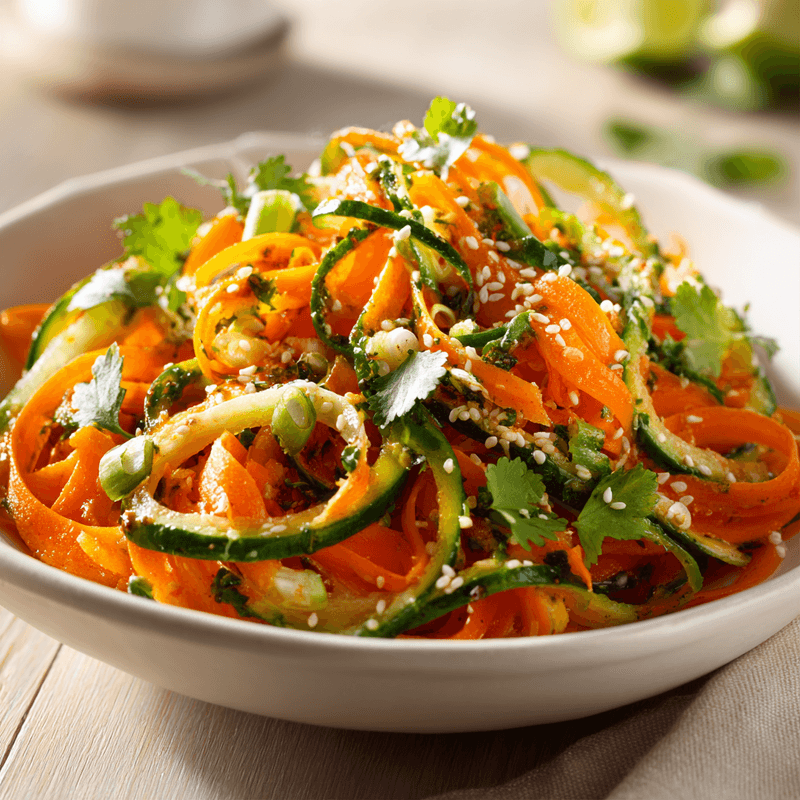
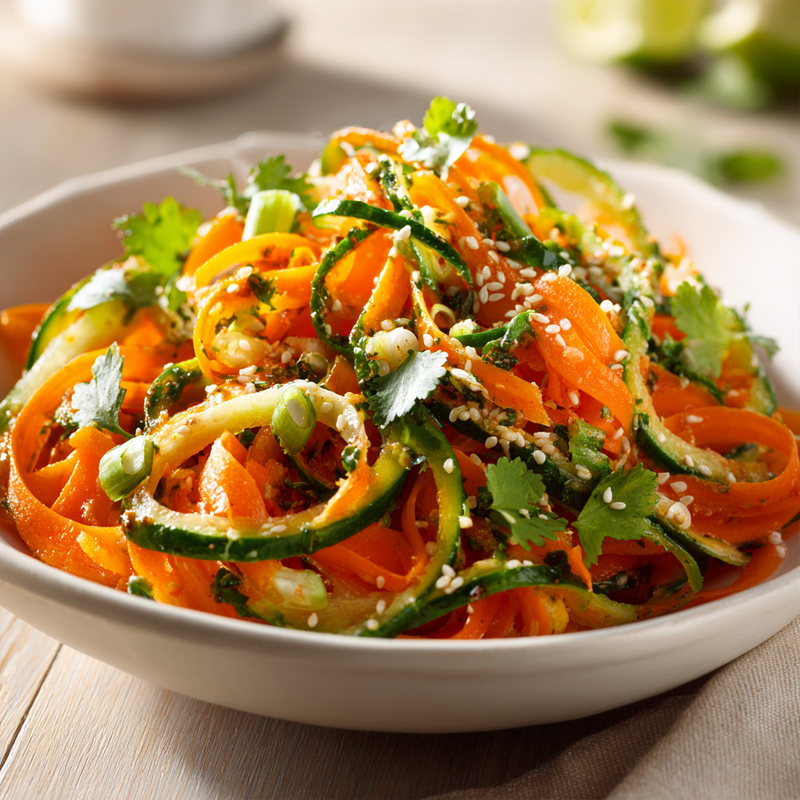
When properly assembled, this Asian carrot cucumber salad presents as a colorful tangle of orange and green, glistening with dressing and dotted with seeds and herbs. The components work in concert: crisp vegetables provide structure, the dressing adds flavor and moisture, and garnishes contribute textural contrast and aromatic complexity. Each forkful should deliver crunch, tang, sweetness, and savory depth simultaneously.
Traditional serving styles vary by context. As a side dish, this salad pairs beautifully with grilled proteins, stir-fried dishes, or rice-based meals. It cuts through richness and provides refreshing contrast to heavier flavors. As a light main course, especially during warm weather, it can be augmented with protein like grilled chicken, shrimp, or crispy tofu, transforming it into a complete meal. Some cooks serve it over rice noodles or alongside spring rolls for a satisfying vegetarian dinner.
The eating experience should be immediate and refreshing. Unlike Western salads that can sit dressed for a while, this Asian carrot cucumber salad is best enjoyed when vegetables retain their maximum crispness and the dressing hasn't yet drawn out moisture. Encourage diners to take generous portions, as the light, healthy nature of this dish means it rarely feels heavy even when consumed in quantity. The interplay of textures keeps each bite interesting.
Make It Your Own
This versatile Asian carrot cucumber salad welcomes creative adaptations while maintaining its essential character. For fusion approaches, try adding thinly sliced red cabbage for additional color and crunch, or incorporate julienned jicama for apple-like sweetness and texture. Shredded Napa cabbage creates a more substantial salad reminiscent of Asian slaws, while adding edamame or chickpeas boosts protein content for a more filling meal.
Spice level adjustments allow you to tailor heat to individual preferences. The base recipe stays mild and family-friendly, but adding sriracha to the dressing, sprinkling red pepper flakes on top, or incorporating thinly sliced fresh chilies brings varying degrees of warmth. Start conservatively, as you can always add more heat but cannot remove it once incorporated.
Protein additions transform this side dish into a complete meal. Grilled chicken sliced into strips, pan-seared shrimp, or crispy tofu cubes all complement the vegetables beautifully. For a vegetarian boost that maintains the Asian flavor profile, try adding steamed edamame, marinated tempeh, or seasoned chickpeas. Each protein option absorbs the dressing differently, creating subtle variations in the final dish.
Introducing this Asian carrot cucumber salad to hesitant eaters works best through gradual adaptation. Start with familiar vegetables, perhaps adding bell peppers or snap peas alongside the carrots and cucumbers. Reduce the ginger and garlic initially, then increase gradually as palates adjust. Letting diners add their own garnishes gives them control over new flavors, making the experience less intimidating. The naturally sweet carrots and mild cucumbers provide an accessible entry point to Asian flavors.
Keeping and Reusing Leftovers
Storage strategies differ for dressed versus undressed versions of this Asian carrot cucumber salad. If you've already combined vegetables with dressing, consume within 24 hours for best quality. The cucumbers will release water and lose their crisp texture, though the flavor remains good. Store in an airtight container in the refrigerator, and drain any accumulated liquid before serving leftovers.
For maximum freshness over several days, store components separately. Keep cut vegetables in containers lined with paper towels to absorb excess moisture, changing the towels daily. The dressing keeps well for up to a week in a sealed jar, actually improving as flavors meld. This separation strategy allows you to prepare components in advance and assemble fresh servings as needed throughout the week.
Creative repurposing transforms leftovers into new meals. Use the dressed salad as a topping for grain bowls, mixing it with brown rice or quinoa for added texture and flavor. Stuff it into lettuce wraps along with grilled protein for a light, refreshing meal. Toss it with cold noodles for an Asian-inspired pasta salad, or layer it into sandwiches for added crunch and brightness.
Freezing isn't recommended for this fresh Asian carrot cucumber salad, as both cucumbers and dressed vegetables lose their desirable texture when frozen and thawed. The high water content in cucumbers means they become mushy and unappetizing after freezing. The dressing can be frozen separately if you've made a large batch, thawed overnight in the refrigerator and shaken well before use. For best results, always keep this dish fresh rather than attempting long-term preservation.
Your Questions Answered
Can I find all the ingredients at a regular supermarket?
Absolutely! Most standard grocery stores now carry rice vinegar, soy sauce, and sesame oil in their Asian foods section. Fresh ginger and garlic are typically in the produce department year-round. If your local store doesn't stock rice vinegar, a combination of apple cider vinegar with a pinch of extra sugar makes an acceptable substitute. Only specialty garnishes like specific Asian herbs might require an Asian market, but cilantro and scallions are universally available.
How spicy is this Asian carrot cucumber salad?
The base recipe contains no heat whatsoever, making it suitable for all palates including children. The flavor profile focuses on sweet, sour, and savory balance rather than spiciness. You control the heat level entirely through optional additions like red pepper flakes, sriracha, or fresh chilies. This makes it perfect for family gatherings where diners have different spice tolerances, as each person can add heat to their individual portion.
What's the proper way to serve this at a gathering?
In keeping with Asian serving customs, present this salad family-style in a large, shallow bowl that showcases its colorful appearance. Place it on the table alongside other dishes, allowing guests to serve themselves. If offering as part of a larger meal, position it as a palate cleanser between richer courses. For more casual gatherings, consider setting up a build-your-own bowl station where guests can add this Asian carrot cucumber salad to their base of rice or noodles along with other toppings.
Is it better to stay traditional or experiment with fusion flavors?
Both approaches have merit! Making the traditional version first gives you a baseline understanding of the authentic flavor profile and how the components interact. Once you've mastered that, experimentation becomes more informed and successful. The beauty of this Asian carrot cucumber salad lies in its adaptability; the core technique and flavor principles remain sound even when you swap vegetables or adjust seasonings. Trust the balance of sweet, sour, salty, and savory while making it your own.
What beverages pair well with this dish?
Freshly brewed jasmine tea or green tea complements the light, refreshing nature of this Asian carrot cucumber salad beautifully, echoing traditional Asian beverage choices. For something more substantial, try iced oolong tea or barley tea, both popular across Asia. Coconut water provides natural sweetness that harmonizes with the salad's flavors. Fresh ginger tea, served warm or iced, echoes the ginger in the dressing while aiding digestion. Any light, non-sweet beverage works well, as you want to cleanse your palate rather than compete with the salad's delicate balance.
Can I prepare this for meal prep throughout the week?
Yes, with the right strategy! Prep all your vegetables at the beginning of the week, storing them in separate airtight containers with paper towels to maintain crispness. Make a full batch of dressing and keep it refrigerated in a jar. Each day, combine only the portion you plan to eat that day, dressing it fresh. This approach gives you the convenience of meal prep while maintaining the optimal texture that makes this Asian carrot cucumber salad so appealing. The vegetables stay crisp and fresh for 4-5 days when stored properly, and the dressing lasts even longer.
Asian Carrot Cucumber Salad
A refreshing 15-minute Asian-inspired salad featuring crisp carrots and cucumbers tossed in a tangy, sweet-savory dressing with sesame oil, ginger, and garlic.
Prep Time
15 min
Cook Time
0 min
Total Time
15 min
Servings
4 servings
Ingredients
For 4 servings
- 2 large cucumbers, preferably Persian or English, julienned or sliced into half-moons
- 3 large carrots, peeled and julienned into matchsticks
- 3 tablespoons rice vinegar, unseasoned
- 2 tablespoons soy sauce or tamari
- 1 tablespoon granulated sugar or honey
- 1 tablespoon toasted sesame oil
- 1 tablespoon neutral oil, such as vegetable or grapeseed oil
- 1 tablespoon fresh ginger, peeled and finely grated
- 2 cloves garlic, minced to a paste
- 2 tablespoons toasted sesame seeds
- 1/4 cup fresh cilantro leaves, roughly chopped
- 2 scallions, thinly sliced
- 1/4 cup roasted peanuts, roughly chopped (optional)
- 1/4 teaspoon red pepper flakes (optional, for heat)
Instructions
- 1
Prepare the cucumbers
Wash and dry the cucumbers thoroughly. If desired, peel them entirely, leave the skin on, or create a striped pattern by peeling lengthwise strips. Slice cucumbers in half lengthwise and use a spoon to scrape out any large seeds. Cut into thin half-moons or julienne into matchsticks, aiming for uniform pieces about 1/8-inch thick.
- 2
Prepare the carrots
Peel the carrots and julienne them into thin matchsticks using a sharp knife, julienne peeler, or the large holes of a box grater. Try to match the size of your cucumber pieces for visual consistency and even coating. Place prepared vegetables in a large mixing bowl and set aside.
- 3
Make the dressing base
In a small bowl or jar with a lid, combine rice vinegar, soy sauce, and sugar. Add the finely grated ginger and minced garlic. Whisk vigorously or shake with the lid on until the sugar completely dissolves, about 30 seconds. Taste and adjust the balance of sweet, sour, and salty to your preference.
- 4
Emulsify the oils
Add the toasted sesame oil and neutral oil to the vinegar mixture. Whisk constantly for about 20 seconds to create a temporary emulsion that will help the dressing cling to the vegetables. If using red pepper flakes for heat, add them now so their flavor infuses into the dressing.
- 5
Dress the vegetables
Pour the dressing over the prepared cucumbers and carrots. Toss gently but thoroughly using tongs or your hands, ensuring every piece is lightly coated. Use just enough dressing so the vegetables glisten without sitting in a pool of liquid. If preparing ahead, wait until 30 minutes before serving to maintain maximum crispness.
- 6
Add garnishes
Sprinkle toasted sesame seeds evenly over the salad. Add the roughly chopped cilantro leaves and sliced scallions, distributing them throughout. If using peanuts, scatter them over the top just before serving so they maintain their crunch.
- 7
Serve immediately
Transfer the salad to a serving bowl or individual plates. Serve immediately while the vegetables are at their crispest and the dressing is freshly coating each piece. Provide serving utensils and encourage guests to take generous portions of this light, refreshing dish.
Nutrition Facts
Per serving (estimated)
145 calories
Calories
16g
Carbs
3g
Protein
8g
Fat
3g
Fiber
520mg
Sodium
9g
Sugar