50+ Festive Spring Party Desserts (Easy Easter Treats!)
Discover 50+ easy spring party desserts perfect for family gatherings! From simple cookies to elegant cakes, find the ideal sweet treats today.
cookwithlucia.com/recipes/50-festive-easter-party-desserts-for-your-holiday-dinner-or-spring-potluck-easy-easter-treats
When the flowers start blooming and the weather warms, there's nothing quite like celebrating with family and friends over a spread of delightful desserts. Whether you're planning a spring gathering, a weekend potluck, or simply want to bring something special to share, having a collection of tried-and-true dessert ideas makes entertaining so much easier. I've spent years testing and perfecting sweet treats that look impressive but don't require advanced pastry skills or obscure ingredients. These 50+ festive spring party desserts range from quick no-bake options to show-stopping layered cakes, ensuring you'll find something perfect no matter your skill level or time constraints.
What I love most about spring dessert planning is the opportunity to work with fresh seasonal flavors—bright citrus, tender berries, fragrant herbs like mint and lavender, and light creamy textures that feel perfect after a hearty meal. The key to successful party desserts isn't complexity; it's choosing recipes that can be partially or fully prepared ahead, transport well, and appeal to a variety of tastes. Throughout this comprehensive guide, I'll walk you through categories of spring party desserts, offer practical preparation strategies, and share the techniques that ensure your sweets turn out beautifully every time. By the end, you'll have a master list of easy spring treats that will make you the most popular guest at any gathering.
The Science Behind Perfect Party Desserts
Understanding what makes a dessert suitable for gatherings transforms your approach to recipe selection and preparation. The best spring party desserts balance three critical factors: structural stability, flavor that develops or holds well over time, and visual appeal that survives transportation. When you bake cookies, bars, or cakes for events, you're working against time and environmental factors that don't affect desserts served immediately at home.
Structural stability comes down to moisture content and ingredient ratios. Desserts with too much moisture become soggy or fall apart during transport, while overly dry treats turn crumbly and unappealing. The ideal party dessert has enough fat and sugar to retain moisture without becoming sticky, and enough structure from flour, eggs, or setting agents to maintain shape. This is why brownies, blondies, and sturdy cookies consistently outperform delicate cream puffs at potlucks.
Flavor development is equally important. Many desserts actually improve after a rest period—the sugars dissolve more fully, spices bloom, and components meld together. When planning your spring party desserts, choose recipes that specifically benefit from advance preparation. Bar cookies often taste better the next day, frostings set more smoothly after chilling, and no-bake desserts need time for layers to firm properly. Understanding this timing element means you can batch-prepare multiple desserts without stress, knowing they'll be at peak deliciousness when served.
Tools and Ingredients You'll Need
Creating a collection of easy spring treats doesn't require a professional kitchen, but having the right tools makes preparation significantly smoother. For baked desserts, invest in quality baking sheets that won't warp in the oven—warped pans cause uneven baking and frustrating results. I recommend having at least two half-sheet pans (18x13 inches) lined with parchment paper or silicone baking mats. For bar cookies and layered desserts, a 9x13-inch metal or glass baking pan is essential, along with an 8x8-inch pan for smaller batches.
Mixing equipment varies by recipe complexity. A handheld electric mixer handles most cake batters, frostings, and whipped toppings, though a stand mixer becomes invaluable if you're preparing multiple desserts. For no-bake options, you'll need mixing bowls in various sizes, rubber spatulas for folding, and a sturdy whisk. Don't overlook the importance of measuring tools—dry measuring cups for flour and sugar, liquid measuring cups for milk and oils, and measuring spoons for precise ingredient additions.
Ingredient quality directly impacts your final results with spring party desserts. Use unsalted butter so you control salt levels precisely, and always check that your baking powder and baking soda are fresh—they lose potency after six months. For chocolate-based desserts, choose real chocolate or high-quality cocoa powder rather than artificial chocolate-flavored products. Fresh extracts like vanilla, almond, and lemon provide superior flavor compared to imitation versions. When working with citrus, always zest before juicing, and use organic fruits when possible since you're using the peel.
For spring-specific touches, stock up on food coloring gels (more vibrant than liquids), decorating sugars in pastel shades, and simple piping bags with basic tips. Fresh berries, edible flowers, and mint sprigs make beautiful natural garnishes that require no special skill. Having these essentials on hand means you can transform a simple cake or cookie into something celebration-worthy.
Categories of Easy Spring Treats
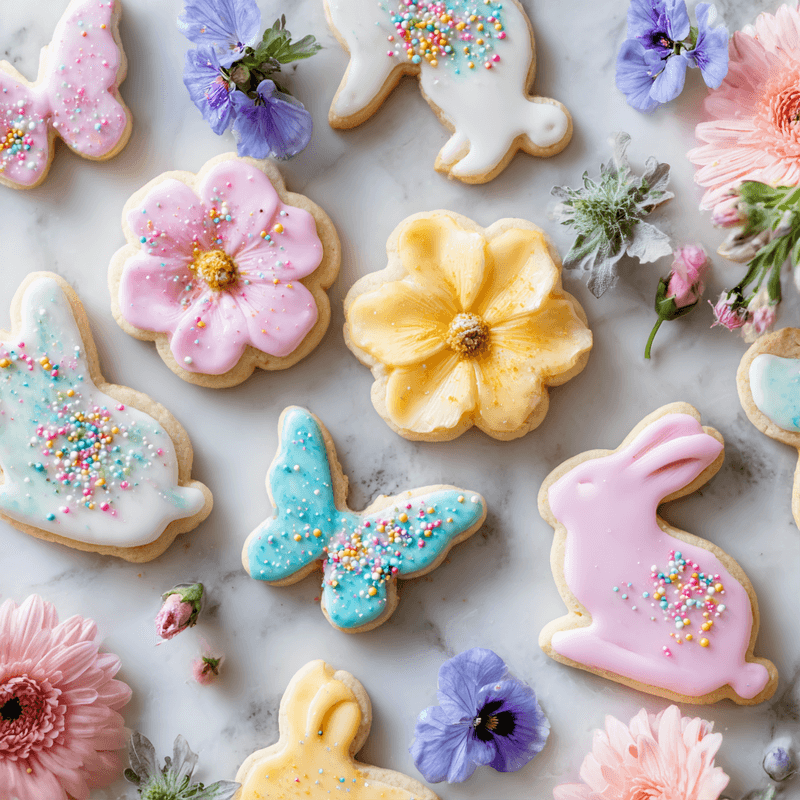
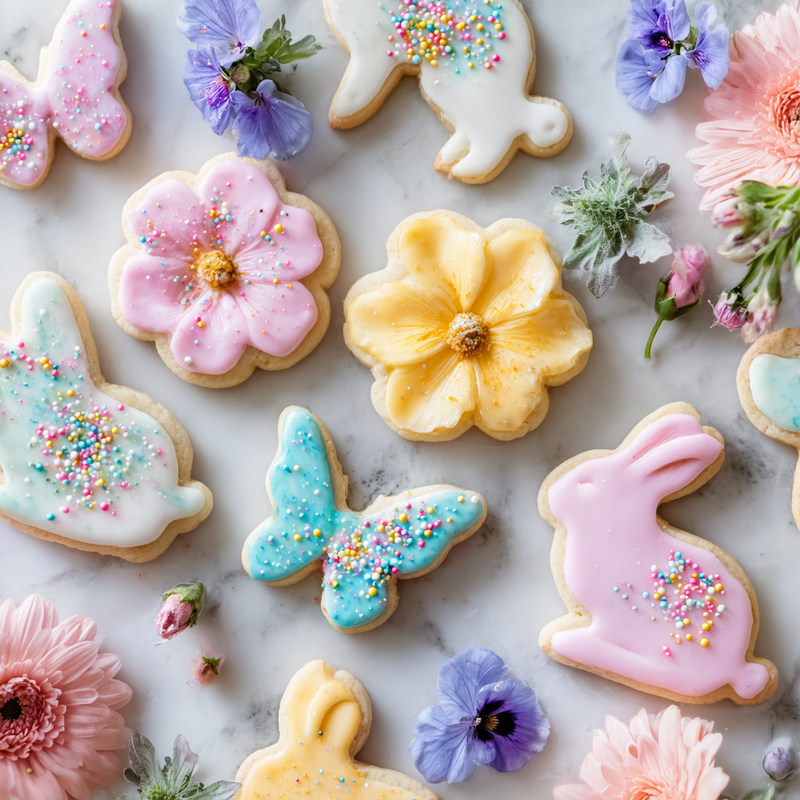
Let me break down the most successful categories of spring party desserts, starting with cookies and bars—the workhorses of any dessert table. Sugar cookies cut into spring shapes (flowers, butterflies, bunnies) look festive with simple icing or colored sugar. Lemon bars offer bright citrus flavor with a buttery shortbread base, while classic brownies satisfy chocolate lovers. Blondies studded with white chocolate chips and macadamia nuts provide a butterscotch alternative. Rice treats can be shaped, colored, and decorated endlessly. Seven-layer bars combine graham crackers, coconut, chocolate chips, and condensed milk into an irresistible treat. Thumbprint cookies filled with fruit preserves add elegance without difficulty.
Cakes and cupcakes form the centerpiece category of spring party desserts. A simple vanilla or lemon sheet cake can be dressed up with pastel frosting and spring decorations. Carrot cake with cream cheese frosting feels seasonally appropriate and feeds a crowd. Pound cake loaves can be glazed, sliced, and served easily. Cupcakes in spring flavors—strawberry, lemon, coconut, or funfetti—allow for individual servings and creative decorating. Bundt cakes look impressive with minimal effort, especially when drizzled with glaze. Poke cakes soaked with flavored gelatin create beautiful layered effects and stay moist for days.
No-bake desserts deserve special attention when planning easy spring treats because they free up oven space and often taste better when made ahead. Cheesecake bars with fruit toppings set up in the refrigerator without baking. Chocolate peanut butter balls require just mixing and rolling. Fruit trifles layer cake cubes, pudding, and fresh berries in clear glasses for visual impact. Icebox cakes made with cookies and whipped cream soften into cake-like texture overnight. Coconut macaroons dipped in chocolate need only brief baking and minimal ingredients.
Fruit-forward desserts celebrate spring's bounty beautifully. Strawberry shortcake can be assembled individual-style with biscuits, macerated berries, and whipped cream. Berry crumbles or crisps served in a large baking dish let guests help themselves. Lemon tarts or tartlets showcase citrus brightness. Fruit pizzas on sugar cookie crusts topped with cream cheese spread and fresh fruit arrange into stunning displays. Parfaits layered with yogurt, granola, and berries offer a lighter option that still feels indulgent.
Preparation Strategies for Multiple Desserts
When tackling 50+ festive spring party desserts for inspiration, you'll want a strategic approach to actually preparing multiple items without overwhelming yourself. I've learned that successful party dessert preparation follows a clear timeline that maximizes efficiency while ensuring everything tastes fresh. Start by categorizing your chosen recipes by preparation method and storage requirements—this reveals natural batching opportunities.
Begin your preparation three to five days before your event with desserts that freeze well or improve with age. Unfrosted cakes can be baked, cooled completely, wrapped tightly in plastic wrap, and frozen. Cookie doughs can be prepared, shaped, and frozen on baking sheets before transferring to freezer bags. Brownies and bars actually taste better after a day or two as flavors meld. Focus these early days on recipes requiring the most hands-on time or oven space.
Two days before, shift to desserts needing refrigeration time. No-bake cheesecakes, icebox cakes, and pudding-based desserts benefit from extended chilling. Make your frostings, glazes, and whipped toppings, storing them in airtight containers. Prepare components for assembly—bake cookie bases for fruit pizzas, make crumble toppings for crisps, or prepare pastry cream for tarts. This component-focused approach means you're not doing everything the day before.
The day before your gathering, complete assembly and final baking. Frost cakes that were frozen earlier, decorate cookies that have been baked and cooled, and assemble layered desserts. For easy spring treats that include fresh fruit, prepare everything except the fruit, adding it the morning of the event to prevent sogginess. Create an assembly line approach—if you're making multiple cookie varieties, do all the baking first, then all the frosting, then all the decorating.
Day-of preparation should be minimal: final touches like whipped cream dollops, fresh herb garnishes, dusting with powdered sugar, or adding fresh berries. Transport desserts in sturdy containers—cardboard cake boxes work well for cookies and bars, while plastic containers with secure lids protect frosted items. Bring serving utensils and consider the serving logistics at your destination.
Flavor Combinations That Define Spring
The most memorable spring party desserts incorporate seasonal flavors that signal the change from winter to warmer months. Citrus—particularly lemon—dominates spring dessert tables for good reason. The bright acidity cuts through rich butter and sugar, providing balance that prevents sweetness from becoming cloying. Lemon pairs beautifully with virtually everything: blueberries in muffins, raspberries in tarts, lavender in cookies, or simply on its own in pound cake. Don't overlook other citrus options like orange (wonderful with cranberries or chocolate) or lime (perfect with coconut or strawberries).
Berries represent spring's fresh fruit harvest and offer versatility in easy spring treats. Strawberries provide sweet-tart flavor and beautiful color in everything from shortcakes to chocolate-dipped treats. Blueberries hold their shape when baked, making them ideal for muffins, crisps, and crumbles. Raspberries deliver intense flavor that stands up to rich chocolate or cream cheese. Blackberries work wonderfully in cobblers and bars. When fresh berries aren't available or affordable, frozen berries work equally well in baked applications—just don't thaw them first to prevent excess moisture.
Floral and herbal notes elevate spring party desserts from ordinary to sophisticated. Lavender adds perfumed elegance to shortbread and sugar cookies, but use it sparingly as it can quickly become soapy. Fresh mint brightens chocolate desserts and pairs naturally with berries. Rosewater transforms simple cakes and frostings into something exotic and memorable. Vanilla bean (not just extract) provides flecked visual interest and more complex flavor. Almond extract enhances cherry, berry, and stone fruit desserts.
Creamy, tangy dairy components balance sweet elements while adding richness. Cream cheese frosting remains a favorite for good reason—it's less sweet than buttercream and has pleasant tanginess. Mascarpone provides silky texture in fillings and frostings. Greek yogurt adds protein and moisture to cakes while keeping them light. Whipped cream, whether plain or stabilized, tops almost everything beautifully. Cultured buttermilk creates tender crumbs in cakes and adds subtle tang.
Decorating Techniques for Beautiful Presentation
Even the simplest desserts become celebration-worthy with thoughtful presentation, and most decorating techniques for spring party desserts require minimal skill or special equipment. Start with the foundation—a well-baked, evenly colored dessert needs less decoration to look appealing. For cookies and bars, clean cuts matter enormously. Use a sharp knife wiped clean between cuts, or for brownies and bars, use a plastic knife which prevents dragging and creates neater edges.
Frosting application transforms ordinary cakes into centerpieces. For sheet cakes, an offset spatula allows you to spread frosting smoothly and evenly. Don't overwork the frosting—spread it once and leave it rather than going back repeatedly which picks up crumbs. For a rustic look that hides imperfections, create swoops and swirls with the back of a spoon. If you're comfortable with piping bags, a simple star tip creates beautiful borders and rosettes with minimal practice. For easy spring treats, consider a "naked" or "semi-naked" cake style where frosting doesn't fully cover the sides—this looks intentionally rustic and artistic.
Color brings spring themes to life without requiring artistic talent. Pastel food coloring gels mixed into white frosting create soft yellows, pinks, blues, and greens that signal the season. Use an ombre effect by dividing frosting into portions and gradually adding more coloring to each. Colored sanding sugars sprinkled over cookies or cupcakes add sparkle and texture. Edible glitter or luster dust creates elegant shimmer for special occasions. Natural colors from fruit purees—raspberry for pink, blueberry for purple, strawberry for red—provide alternatives to artificial coloring.
Garnishes provide the finishing touch that makes spring party desserts memorable. Fresh berries arranged artfully on top of tarts, cakes, or individual servings add color and indicate flavor. Mint leaves tucked among berries provide green contrast. Edible flowers like pansies, violets, or nasturtiums create stunning focal points—ensure any flowers are specifically labeled edible and pesticide-free. Chocolate shavings made by running a vegetable peeler along a chocolate bar add elegance. Toasted coconut, chopped nuts, or cookie crumbs provide texture contrast. A simple dusting of powdered sugar through a fine-mesh strainer over a stencil creates patterns and designs.
Accommodating Dietary Preferences
When preparing easy spring treats for gatherings, accommodating various dietary needs ensures all guests can enjoy your offerings. Understanding common substitutions and their effects helps you adapt recipes successfully. For those avoiding gluten, many bar cookies and no-bake desserts adapt well to gluten-free all-purpose flour blends—look for blends containing xanthan gum which provides structure. Flourless chocolate cakes, macaroons, and meringue-based desserts are naturally gluten-free. Always check labels on ingredients like vanilla extract and baking powder, as some contain gluten.
Dairy-free spring party desserts have become easier with improved plant-based products. Coconut cream whips beautifully when chilled overnight and separated from the liquid. Almond, oat, or soy milk substitute for regular milk in most recipes at a 1:1 ratio. Coconut oil replaces butter in many applications, though it lacks butter's flavor—add a bit more vanilla or almond extract to compensate. Dairy-free chocolate chips and cream cheese alternatives exist in most stores. Fruit-based desserts like sorbets, fruit salads with honey-lime dressing, or baked fruit crisps made with coconut oil naturally avoid dairy.
Reducing sugar while maintaining dessert appeal requires understanding sugar's multiple roles—it provides sweetness, but also moisture, texture, and browning. You can typically reduce sugar by 25% in most recipes without dramatically affecting results. Alternative sweeteners like honey or maple syrup add distinct flavors and extra moisture—reduce other liquids slightly when using them. Fruit purees provide natural sweetness and moisture in cakes and muffins. For easy spring treats that feel lighter, focus on desserts where fruit is the star—berry trifles, fruit tarts with less sugar in the custard, or baked fruits with minimal added sweeteners.
Nut-free desserts matter when serving groups, as nut allergies can be severe. Many spring party desserts naturally avoid nuts—sugar cookies, lemon bars, vanilla cake, fruit crisps made with oat topping, and most chocolate desserts. When recipes call for almond extract, use vanilla instead. Replace nut flours with additional all-purpose flour or oat flour. Sunflower seed butter substitutes for peanut butter in no-bake treats. Always read labels carefully, as many chocolate chips and sprinkles are processed in facilities with nuts.
Transport and Serving Logistics
Successfully moving your spring party desserts from home to gathering requires planning beyond just making them taste delicious. Temperature-sensitive desserts need insulated carriers or coolers with ice packs—anything with whipped cream, cream cheese frosting, or custard fillings must stay cool to remain food-safe. For multi-hour events, consider how long desserts will sit out and choose accordingly. Brownies, cookies, and pound cakes withstand room temperature far better than cheesecakes or cream pies.
Packaging prevents disaster during transport. For cookies and bars, layer them in containers with parchment paper between layers to prevent sticking. Cupcakes need carriers with secure individual slots—invest in a proper cupcake carrier if you make them often, or improvise with boxes and crumpled parchment paper to prevent sliding. Sheet cakes travel best in their baking pans covered tightly with foil—you can frost directly in the pan for this reason. For easy spring treats like trifles or parfaits, assemble them in individual clear plastic cups with lids rather than one large bowl, making serving effortless.
Presentation at the venue deserves consideration. Bring serving utensils—spatulas for cakes, tongs for cookies, spoons for scooping desserts. Consider whether you'll have table space, how desserts will be labeled (helpful for those with allergies), and whether you need plates, forks, and napkins. For potluck-style gatherings, pre-cut bars and brownies so guests can easily take pieces. Arrange cookies on platters rather than leaving them stacked in containers. Position garnishes strategically so the first serving looks as good as the last.
Timing your arrival matters more than you might think. If possible, arrive early enough to set up desserts properly but not so early that they sit out too long. For desserts requiring last-minute assembly—adding whipped cream, arranging fresh fruit, dusting with powdered sugar—bring components separately and finish on-site. This ensures everything looks fresh and prevents sogginess or melting during transport.
Budget-Friendly Approaches to Abundant Desserts
Creating 50+ festive spring party desserts on a reasonable budget requires smart shopping and strategic recipe selection. Start by identifying recipes that share common ingredients—if you're making lemon bars, lemon cake, and lemon cookies, you'll use multiple bags of lemons, reducing per-recipe cost. Buy staple ingredients in bulk when possible: flour, sugar, butter, eggs, and vanilla extract are significantly cheaper in larger quantities and store well.
Choose easy spring treats that feature affordable seasonal ingredients. In spring, citrus remains relatively inexpensive compared to winter berries. Carrots for carrot cake cost little year-round. Coconut, both shredded and in other forms, provides affordable tropical flair. Chocolate chips and cocoa powder go on sale frequently—stock up when prices drop. Nuts are expensive, so save them for accent rather than main ingredients, or omit them entirely from recipes where they're optional.
No-bake desserts often cost less than baked ones because they require fewer ingredients and no oven time (reducing energy costs). Rice treats, chocolate peanut butter balls, and icebox cakes deliver impressive results from pantry staples. Bar cookies stretch further than individual cookies since there's less waste from dough scraps. Sheet cakes serve more people per batch than layer cakes while requiring the same ingredient investment.
Decoration spending can spiral quickly, but simple approaches work beautifully for spring party desserts. A dusting of powdered sugar costs pennies. Food coloring transforms plain white frosting into pastels without expensive specialty products. Fresh fruit as garnish—a few strategically placed strawberries or lemon slices—provides color and indicates flavor. Skip expensive fondant, modeling chocolate, and intricate piped designs in favor of rustic, homestyle presentation that looks intentional and welcoming.
Common Questions
How far in advance can I prepare spring party desserts?
Most cookies and bars keep well for 3-4 days when stored in airtight containers at room temperature, making them perfect for advance preparation. Unfrosted cakes can be baked and frozen for up to three months—wrap them tightly in plastic wrap, then foil. No-bake desserts typically need 24 hours to set properly, making them ideal two-day-ahead projects. Apply fresh fruit garnishes and whipped cream toppings the day of serving to maintain their appearance and texture.
What desserts hold up best in warm weather?
For outdoor spring gatherings, choose easy spring treats that don't require refrigeration and won't melt in sunshine. Cookies, brownies, blondies, and bars remain stable in warm temperatures. Pound cakes and bundt cakes with simple glazes rather than frosting work well. Avoid anything with whipped cream, cream cheese frosting, or chocolate ganache unless you can keep them in coolers. Fruit crisps and cobblers actually taste wonderful served warm or at room temperature.
How do I calculate quantities for large gatherings?
For dessert-focused events, plan for 2-3 servings per person since people typically sample multiple options. For events where dessert follows a full meal, 1-2 servings per person suffices. A 9x13-inch pan of bars yields about 24 pieces. Standard cookie recipes make 2-3 dozen depending on size. Sheet cakes serve 30-40 people. Having variety matters more than abundance—five different desserts with modest quantities appeal more than enormous amounts of just one or two types.
Can I successfully double or triple recipes?
Most cookie, bar, and cake recipes double successfully without adjustment to technique or baking time per batch. However, avoid doubling recipes in a single mixing bowl—make multiple separate batches instead to ensure proper mixing and consistent results. No-bake desserts also double well. When multiplying recipes, be especially careful with measurements, as small errors compound. Consider making one test batch before committing to large-scale production for important events.
What are the best make-ahead spring party desserts for beginners?
Beginners should focus on foolproof easy spring treats that don't require advanced techniques. Sugar cookies with simple frosting are forgiving and festive. Brownies from a quality mix dressed up with added chocolate chips rarely fail. No-bake treats like rice treats shaped and decorated with colored candy melts require no baking skill. Sheet cakes frosted simply with store-bought frosting and decorated with fresh berries look impressive while being nearly impossible to ruin. Bar cookies like lemon bars or seven-layer bars offer built-in portion control and straightforward preparation.
How do I prevent desserts from drying out?
Proper storage is essential for maintaining moisture in spring party desserts. Always cool baked goods completely before storing to prevent condensation. Store cookies and bars in airtight containers with a piece of bread—the bread releases moisture that the desserts absorb. For cakes, wrap tightly in plastic wrap, then foil. Brush cake layers with simple syrup before frosting to lock in moisture. Avoid refrigerating desserts unless necessary, as refrigeration accelerates staling. When reheating, use gentle methods like low oven temperatures or brief microwave intervals rather than high heat that drives out moisture.
Classic Spring Sugar Cookies
Buttery, tender sugar cookies perfect for cutting into spring shapes and decorating with pastel icing. These easy spring treats hold their shape beautifully and taste delicious.
Prep Time
20 min
Cook Time
10 min
Total Time
90 min
Servings
36 cookies
Ingredients
For 36 cookies
- 3 cups all-purpose flour
- 1 1/2 teaspoons baking powder
- 1/2 teaspoon salt
- 1 cup unsalted butter, softened to room temperature
- 1 1/2 cups granulated sugar
- 2 large eggs, at room temperature
- 2 teaspoons vanilla extract
- 1/2 teaspoon almond extract
- 3 cups powdered sugar, for icing
- 3-4 tablespoons milk, for icing
- Food coloring gel in pastel colors
- Colored sanding sugar for decoration (optional)
Instructions
- 1
Combine dry ingredients
In a medium bowl, whisk together the flour, baking powder, and salt until evenly distributed. Set this mixture aside while you prepare the wet ingredients. Proper mixing of dry ingredients ensures even distribution of leavening throughout your dough.
- 2
Cream butter and sugar
In a large bowl or stand mixer, beat the softened butter and granulated sugar together on medium speed for 3-4 minutes until the mixture is light, fluffy, and pale in color. This creaming process incorporates air that helps cookies rise and creates tender texture. Scrape down the sides of the bowl as needed.
- 3
Add eggs and extracts
Beat in the eggs one at a time, mixing well after each addition and scraping down the bowl. Add the vanilla and almond extracts and mix until fully incorporated. The mixture may look slightly curdled at this stage, which is normal and will smooth out when you add the flour.
- 4
Incorporate dry ingredients
With the mixer on low speed, gradually add the flour mixture to the butter mixture, mixing just until the dough comes together and no flour streaks remain. Avoid overmixing, which can lead to tough cookies. The dough should be soft but not sticky.
- 5
Chill the dough
Divide the dough into two equal portions and flatten each into a disk about 1 inch thick. Wrap each disk tightly in plastic wrap and refrigerate for at least 1 hour or up to 3 days. Chilling firms the butter, making the dough easier to roll and helping cookies hold their shape during baking.
- 6
Roll and cut cookies
Preheat your oven to 350°F (175°C) and line baking sheets with parchment paper. On a lightly floured surface, roll one disk of dough to 1/4-inch thickness. Cut into desired shapes using cookie cutters, placing cut cookies on prepared baking sheets 2 inches apart. Gather scraps, re-roll once, and cut additional cookies.
- 7
Bake the cookies
Bake cookies for 8-10 minutes, until edges are just set but cookies are still pale—they should not brown. The centers may look slightly underdone, but they'll firm up as they cool. Let cookies cool on the baking sheet for 5 minutes before transferring to a wire rack to cool completely.
- 8
Prepare icing
In a medium bowl, whisk together powdered sugar and 3 tablespoons of milk until smooth. The icing should be thick but pourable—add more milk a teaspoon at a time if needed. Divide icing into separate bowls and tint with food coloring gel to desired pastel shades.
- 9
Decorate cookies
Once cookies are completely cool, spread or pipe icing onto each cookie. Immediately sprinkle with colored sanding sugar if desired, before icing sets. Let decorated cookies sit at room temperature for at least 2 hours until icing hardens completely before stacking or storing.
Nutrition Facts
Per serving (estimated)
145 calories
Calories
21g
Carbs
2g
Protein
6g
Fat
0g
Fiber
55mg
Sodium
13g
Sugar