30-Minute Sourdough Discard Pizza Crust | No Yeast!
Turn sourdough discard into crispy pizza crust in 30 minutes—no yeast needed! Budget-friendly, zero-waste recipe perfect for family dinners.
cookwithlucia.com/recipes/30-minute-sourdough-discard-pizza-crust-no-yeast
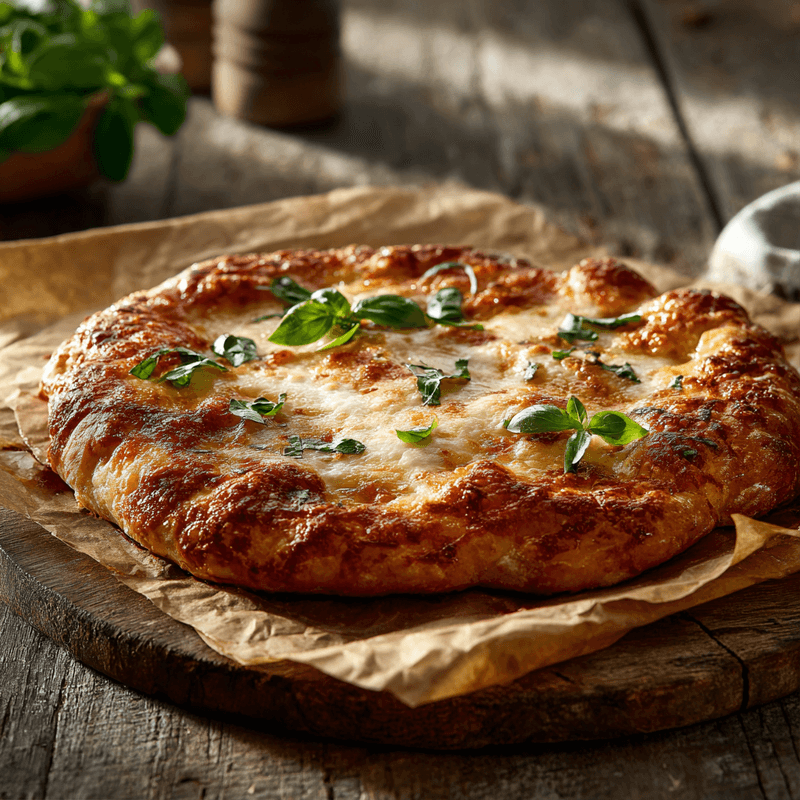
If you maintain a sourdough starter, you already know the struggle: every feeding sends a cup of perfectly good flour and water straight to the trash. Or worse, you keep it in the fridge telling yourself you'll find a use for it someday. Today is that day, and this 30-minute sourdough discard pizza crust is about to become your new weeknight hero.
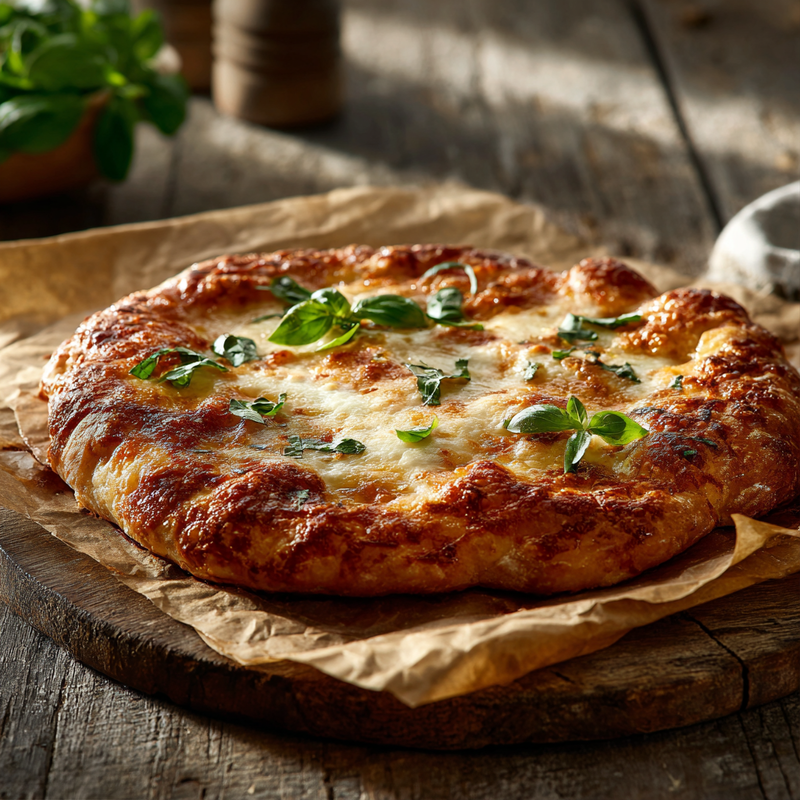
I'm talking about crispy-edged, chewy-centered pizza that costs pennies per serving and uses ingredients you already have on hand. No yeast packets to buy. No rising time. No expensive specialty flours. Just your sourdough discard—that tangy, flavor-packed mixture you've been guilt-tripping yourself over—transformed into restaurant-quality pizza crust in the time it takes to stream an episode of your favorite show.
At roughly 75 cents per serving for the crust alone, this is the kind of recipe that makes home cooking feel like a superpower. You're rescuing ingredients from the bin, skipping the takeout menu, and feeding your family something genuinely delicious for less than the cost of a single slice at most pizza chains. And because this 30-minute sourdough discard pizza crust requires zero proofing time, you can decide on pizza for dinner at 5:30 and be eating by 6:00.
Why This Recipe Is a Budget Winner
The magic of this 30-minute sourdough discard pizza crust lies in what it doesn't require. Traditional pizza dough demands active dry yeast, which runs about four to six dollars for a jar that might give you a dozen pizzas. You'll also need planning ahead—most yeasted doughs want at least an hour to rise, often two, and the best versions sit overnight in the fridge. That's time, money, and mental energy.
This recipe hijacks the natural leavening power already present in your sourdough discard. You're not buying yeast. You're not watching the clock. You're mixing five ingredients in one bowl, rolling out dough, and baking. The entire process from cupboard to table clocks in at thirty minutes, which means you can skip the twenty-dollar pizza delivery and the forty-minute wait.
Compare this to frozen pizza crusts at three to five dollars each, or take-and-bake options that run even higher. A single batch of this sourdough discard pizza crust costs under three dollars total and yields two generous personal pizzas or one large family-size base. If you're already maintaining a starter, you're literally turning waste into dinner. And because the base is so simple—flour, discard, oil, salt, and a pinch of baking powder—you can make this recipe every single week without ever adding a special ingredient to your shopping list.
Affordable Ingredients, Maximum Impact
Let's talk about what makes this 30-minute sourdough discard pizza crust so economical. Your sourdough discard is the star, and it's completely free—it's the byproduct of starter maintenance you're doing anyway. One cup of discard replaces both the yeast and a portion of the flour in traditional recipes, giving you tangy depth and structure without spending a dime.
All-purpose flour is your next component, and buying a ten-pound bag for about four dollars gives you enough for twenty batches of pizza. Look for store-brand flour—there's no meaningful difference in performance for pizza dough, and you'll save thirty to fifty percent compared to name brands. Bread flour works beautifully if you have it on hand, but it's absolutely not necessary for excellent results.
Olive oil adds richness and helps create those crispy edges everyone fights over. A single tablespoon per crust means one bottle lasts months. If olive oil feels pricey, any neutral oil works perfectly—vegetable, canola, or sunflower oil all clock in under three dollars per bottle and perform identically in this application.
Baking powder provides a little extra lift without the wait time of yeast. One small tin costs about two dollars and lasts for dozens of pizzas since you're using just half a teaspoon per batch. Make sure yours is fresh—baking powder loses potency after about six months, and you'll know it's still good if it fizzes when you add it to liquid.
Salt is the final essential, and you probably have it in your pantry already. Just half a teaspoon seasons the entire crust, making even the cheapest table salt last practically forever. Some recipes call for fancy sea salt or kosher salt, but honestly, save those for finishing touches and use whatever you have for the dough itself.
How to Make This 30-Minute Sourdough Discard Pizza Crust
The process is wonderfully straightforward, which is exactly what you want on a busy weeknight. Start by preheating your oven to 475°F—this is hotter than most recipes call for, and that high heat is the secret to crispy crust with a tender interior. If you have a pizza stone or steel, put it in the oven now to heat up. If not, a regular baking sheet flipped upside down works brilliantly and costs nothing.
While the oven heats, combine your sourdough discard with flour, oil, salt, and baking powder in a large bowl. Use a wooden spoon or your hands to mix everything together until it forms a shaggy dough. Don't overthink this part—you're looking for the ingredients to come together, not for perfectly smooth dough. If it feels too sticky, add flour one tablespoon at a time. If it seems dry and won't hold together, add water by the teaspoon.
Turn the dough onto a lightly floured counter and knead it just ten to fifteen times—enough to bring it together into a cohesive ball. This isn't bread that needs gluten development; it's pizza that needs to be tender. Divide the dough in half for personal pizzas or keep it whole for a large family-size crust. Roll it out directly on parchment paper to whatever thickness you prefer, knowing that thinner crusts get crispier and thicker ones stay chewier.
Transfer the parchment with your rolled-out dough onto your preheated surface or a room-temperature baking sheet. Add your toppings quickly—sauce, cheese, vegetables, whatever you love—and slide it into that blazing hot oven. Ten to twelve minutes later, you'll have golden, bubbling, absolutely perfect pizza that cost you less than a fancy coffee.
Stretching It Further
The beauty of this 30-minute sourdough discard pizza crust is how easily it multiplies across your weekly meal plan. Make a double batch of dough and keep half in the refrigerator for up to three days. When you're ready to use it, let it sit at room temperature for ten minutes while the oven preheats, then roll and bake as usual. This gives you two pizza nights with only one mixing session.
Leftover pizza—if you're lucky enough to have any—transforms beautifully into next-day lunch. Reheat slices in a dry skillet over medium heat for three to four minutes, covering with a lid to warm the toppings while the bottom gets crispy again. This method beats microwave reheating by a mile and takes barely any longer.
You can also bake the crust without toppings for eight minutes, let it cool completely, and freeze it wrapped tightly in plastic and foil. These par-baked crusts last three months in the freezer and go straight from freezer to oven topped with sauce and cheese. It's your own homemade frozen pizza operation, and each crust costs about a third of store-bought versions.
For families, this recipe is a gift that keeps giving. Kids can roll their own personal-size crusts and choose their own toppings, turning dinner into an interactive activity that somehow makes everyone happy. One batch of dough yields four kid-size pizzas, and the total ingredient cost stays under four dollars even with cheese and sauce included.
Smart Swaps and Variations
While this 30-minute sourdough discard pizza crust is already incredibly flexible, a few strategic swaps can adapt it to whatever you have on hand. If you're out of all-purpose flour, whole wheat flour works wonderfully—use about three-quarters whole wheat to one-quarter all-purpose for good texture, or go fully whole wheat if you enjoy heartier crusts. The dough may need a touch more water since whole wheat absorbs liquid differently.
For a completely oil-free version, replace the olive oil with two tablespoons of plain yogurt or even mashed banana. The texture shifts slightly—less crispy, more tender—but it still bakes up beautifully and shaves a few cents off the cost. This swap also adds a subtle tang that complements the sourdough flavor nicely.
If you don't have baking powder, you can skip it entirely. The crust will be slightly denser but still delicious, especially if you roll it thin. Alternatively, a quarter teaspoon of baking soda mixed with a teaspoon of lemon juice or vinegar creates the same leavening effect and uses ingredients most kitchens already have.
Seasonings transform this basic crust into something special without adding real cost. Stir a teaspoon of garlic powder, dried oregano, or Italian seasoning into the dry ingredients before mixing. Fresh or dried herbs from your garden—basil, rosemary, thyme—can be kneaded into the dough for gorgeous flavor and visual appeal.
For a completely different direction, make this into flatbread by rolling it thinner and baking it without toppings for six to eight minutes until golden. Brush with garlic oil and cut into strips for dipping, or use it as a base for sandwiches and wraps throughout the week.
Storage and Reheating
Unbaked dough keeps beautifully in the refrigerator for up to four days, wrapped tightly in plastic wrap or sealed in an airtight container. The flavors actually deepen as it sits, giving you even more of that characteristic sourdough tang. Before using chilled dough, let it rest at room temperature for about fifteen minutes—it'll be easier to roll and shape without springing back.
Baked pizza stores well in the refrigerator for three to four days. Stack slices between pieces of parchment paper in an airtight container to prevent them from sticking together or drying out. The crust stays surprisingly good even after several days, though it does soften slightly in storage.
For freezing, I prefer to freeze par-baked crusts rather than fully topped pizzas. Bake the plain crust for eight minutes, let it cool completely, then wrap it tightly in two layers—first plastic wrap, then aluminum foil. Label with the date and freeze for up to three months. When you're ready to use it, top the frozen crust and bake at 475°F for twelve to fifteen minutes until the toppings are hot and the cheese is melted.
Reheating pizza properly makes all the difference between sad, rubbery slices and something almost as good as fresh. The skillet method is my favorite: place slices in a dry skillet over medium heat, add a few drops of water to the pan away from the pizza, and cover immediately. The steam reheats the toppings while the direct heat crisps the bottom. This takes about four minutes and delivers results that honestly improve on microwave reheating by about a thousand percent.
Your Questions Answered
Can I make this without a sourdough starter?
Technically, you need sourdough discard for this specific recipe since it provides both structure and flavor. However, if you don't maintain a starter, you can create a quick substitute by mixing equal parts flour and water with a tablespoon of plain yogurt, then letting it sit at room temperature for twelve to twenty-four hours. It won't have the same depth as established discard, but it works in a pinch.
What's the cheapest way to top these pizzas?
Canned tomato sauce costs about a dollar and tops six pizzas. Shredded mozzarella bought in bulk blocks—which you shred yourself—runs about half the price of pre-shredded bags. Seasonal vegetables from the discount rack, canned mushrooms, sliced olives, and even canned chickpeas make excellent toppings that cost pennies per pizza. Skip the processed meats and load up on vegetables and cheese for maximum flavor at minimum cost.
Can I make this crust ahead for a gathering?
Absolutely, and it's actually easier that way. Mix the dough the morning of your event, divide it into individual portions, and refrigerate them wrapped in plastic. About thirty minutes before you want to bake, roll out all the crusts and arrange them on parchment-lined baking sheets. Let everyone top their own, then bake in batches. The whole process feels effortless when the dough is already made.
How do I prevent the crust from getting soggy?
Soggy pizza happens when there's too much moisture from toppings or not enough heat. Use sauce sparingly—two to three tablespoons is plenty for a personal pizza. If you're using watery vegetables like tomatoes or zucchini, pat them dry with paper towels first. Make sure your oven is fully preheated to 475°F, and bake the pizza on the lowest rack where heat is most intense.
Does this work with unfed starter instead of discard?
Yes, unfed starter and discard are essentially the same thing—starter that hasn't been refreshed recently. Whether your discard is a day old or a week old doesn't matter much for this recipe. Very old discard that's developed a strong alcohol smell might give you more tang, which some people love. Just stir it well before measuring since the liquid and flour separate during storage.
Can I double or triple this recipe for meal prep?
Definitely, and it's one of the smartest meal prep moves you can make. A triple batch gives you six personal pizzas or three large ones. Mix everything in a large bowl, divide the dough into portions, and refrigerate or freeze what you won't use immediately. Having pre-portioned pizza dough in your freezer means dinner is always thirty minutes away, and your cost per meal stays incredibly low even when life gets chaotic.
30-Minute Sourdough Discard Pizza Crust
Quick and easy pizza crust using sourdough discard with no yeast needed. Ready in just 30 minutes with crispy edges and chewy center.
Prep Time
10 min
Cook Time
12 min
Total Time
22 min
Servings
2 personal pizzas
Ingredients
For 2 personal pizzas
- 1 cup sourdough discard, unfed
- 1 and 1/2 cups all-purpose flour, plus more for dusting
- 1 tablespoon olive oil
- 1/2 teaspoon salt
- 1/2 teaspoon baking powder
- 1-2 tablespoons water, if needed
Instructions
- 1
Preheat oven
Preheat your oven to 475°F. If using a pizza stone or steel, place it on the lowest rack to heat up for at least 15 minutes. If using a baking sheet, you can flip it upside down and preheat it as well, or use it at room temperature.
- 2
Mix dough ingredients
In a large mixing bowl, combine the sourdough discard, all-purpose flour, olive oil, salt, and baking powder. Stir with a wooden spoon or use your hands to bring the mixture together into a shaggy dough. If the dough feels too dry and won't come together, add water one tablespoon at a time until it forms a cohesive ball.
- 3
Knead briefly
Turn the dough out onto a lightly floured work surface. Knead gently for about 10-15 times, just until the dough comes together into a smooth ball. Avoid over-kneading as this pizza dough should remain tender, not chewy like bread.
- 4
Divide and rest
Divide the dough in half for two personal-size pizzas, or keep it whole for one large pizza. Let the dough rest for 2-3 minutes while you prepare your toppings and tear off pieces of parchment paper for baking.
- 5
Roll out dough
Place one portion of dough on a piece of parchment paper. Using a rolling pin or your hands, roll or stretch the dough to your desired thickness—about 1/4 inch thick for crispy crust, or 1/2 inch for chewier texture. You can make it round, rectangular, or any shape that fits your baking surface.
- 6
Add toppings
Transfer the parchment paper with rolled dough onto a pizza peel, cutting board, or the back of a baking sheet for easy transfer. Add your sauce, spreading it thinly and leaving a small border around the edges. Add cheese and any other toppings you desire, being careful not to overload the pizza.
- 7
Bake pizza
Carefully slide the parchment paper with the topped pizza onto your preheated pizza stone or baking sheet in the oven. Bake for 10-12 minutes, until the crust is golden brown on the edges and the cheese is melted and bubbly. Watch closely during the last few minutes to prevent burning.
- 8
Cool and serve
Remove the pizza from the oven using oven mitts and slide it onto a cutting board. Let it cool for 2-3 minutes before slicing, which allows the cheese to set slightly and makes cutting easier. Slice and serve immediately while hot.
Nutrition Facts
Per serving (estimated)
320 calories
Calories
58g
Carbs
9g
Protein
5g
Fat
2g
Fiber
590mg
Sodium
1g
Sugar