30-Minute Sourdough Discard Cinnamon Rolls Recipe
Transform your sourdough discard into bakery-quality cinnamon rolls in just 30 minutes! Quick, fluffy, and perfect for breakfast gatherings.
cookwithlucia.com/recipes/30-minute-sourdough-discard-cinnamon-rolls
Picture this: you walk into a cozy bakery on a weekend morning, and the first thing that hits you is that intoxicating aroma of cinnamon and sugar mingling with the warm, yeasty scent of fresh-baked dough. Your mouth waters before you even see the golden, swirled pastries behind the glass case. That's the magic of cinnamon rolls, a beloved comfort food that has graced breakfast tables and coffee shop counters for generations. What makes these pastries so universally adored is their perfect balance of soft, pillowy dough, sweet cinnamon filling, and rich glaze that brings everything together in one indulgent bite.
Now imagine recreating that bakery experience in your own kitchen, but with a clever twist that both reduces waste and adds depth of flavor. These 30-minute sourdough discard cinnamon rolls combine the best of both worlds: the tangy complexity that sourdough starter brings to baked goods, and the speed of a quick bread method that doesn't require hours of proofing. If you've been maintaining a sourdough starter, you know that regular feedings create excess starter that often ends up in the compost bin. This recipe transforms that "discard" into something genuinely special. The result is cinnamon rolls that taste like they took all morning to make, with a subtle sourdough tang that elevates them beyond ordinary sweet rolls, all ready to enjoy in just half an hour from start to finish.
A Taste of the Culture
Cinnamon rolls hold a special place in American baking traditions, though their origins trace back to Swedish kanelbullar and other European sweet rolls. In the United States, these spiraled treats became synonymous with weekend breakfasts, family gatherings, and the kind of indulgent morning meal that turns an ordinary day into something special. They represent the American love affair with convenience without sacrificing comfort—a baked good that feels fancy enough for guests but familiar enough for everyday enjoyment.
The beauty of American baking culture lies in its adaptability and innovation. While European traditions often emphasize precise techniques passed down through generations, American home baking has always embraced shortcuts and clever hacks that make delicious food more accessible. The rise of sourdough baking in recent years has brought with it a community of home bakers looking for creative ways to use every bit of their starter, leading to innovations like these quick sourdough discard cinnamon rolls.
What makes this particular approach so aligned with modern American food values is its dual focus on sustainability and speed. We don't want to waste ingredients, but we also don't always have three hours to wait for dough to rise. These 30-minute sourdough discard cinnamon rolls answer both needs perfectly. They reflect a growing movement in home baking that honors traditional flavors and techniques while adapting them to fit our busy lives. The sourdough discard adds a depth of flavor that you simply can't get from regular quick bread recipes, giving these rolls a complexity that makes people ask, "What's your secret?"
The Ingredients That Define This Dish
The star ingredient in these 30-minute sourdough discard cinnamon rolls is, of course, the sourdough discard itself. This is the portion of starter you remove before feeding your main culture, typically unfed and kept in the refrigerator. Don't worry about whether it's been fed recently or how active it is—for this recipe, we're using it purely for flavor, not leavening. The discard contributes a subtle tanginess that balances the sweetness of the filling and adds a depth that makes these rolls taste more sophisticated than typical quick versions. You'll need about one cup, which is roughly what most bakers remove during a single feeding.
All-purpose flour forms the structure of these rolls, and it's the perfect choice for achieving that tender, pull-apart texture we associate with great cinnamon rolls. Bread flour would create too much chew, while cake flour would make them too delicate. The protein content in all-purpose flour hits that sweet spot, especially when we're working with a quick method that doesn't develop much gluten. Make sure to measure your flour properly—spooning it into the measuring cup and leveling it off rather than scooping directly from the bag, which can pack in too much flour and create dense rolls.
Baking powder and baking soda work together as the leavening agents in these 30-minute sourdough discard cinnamon rolls, replacing the long fermentation time traditional cinnamon rolls require. The baking powder provides most of the lift, while the baking soda neutralizes some of the acidity from the sourdough discard and helps with browning. This combination creates rolls that rise beautifully in the oven, developing those characteristic fluffy layers without any waiting time.
The cinnamon filling is where these rolls really shine. Use fresh, high-quality cinnamon if possible—the difference between fresh and stale cinnamon is remarkable. Ceylon cinnamon offers a more delicate, sweet flavor, while cassia cinnamon (the most common grocery store variety) provides that bold, spicy kick most Americans associate with cinnamon rolls. Brown sugar creates the gooey, caramelized layer between the spirals, melting into the dough as the rolls bake. Some recipes use granulated sugar, but brown sugar's moisture content and molasses notes create a richer, more complex filling.
Butter plays multiple roles in this recipe—it enriches the dough, creates flakiness, and forms the base of the cinnamon filling. Use unsalted butter so you can control the salt level precisely. The butter should be melted for the dough but softened for spreading on the rolled-out dough before adding the cinnamon sugar. This softened butter acts as glue, helping the filling adhere to the dough and preventing it from falling out when you slice the rolls.
Milk adds tenderness and helps bring the dough together quickly. Whole milk creates the richest flavor, but any milk will work, including non-dairy alternatives if needed. The milk should be at room temperature or slightly warm—cold milk can make the butter in the dough solidify into little lumps, creating an uneven texture. If you forget to take your milk out ahead of time, just microwave it for about twenty seconds.
Cooking the Authentic Way
The first stage in making these 30-minute sourdough discard cinnamon rolls is mixing the dough, which takes just minutes. In a large mixing bowl, whisk together your dry ingredients: flour, sugar, baking powder, baking soda, and salt. This ensures even distribution of the leavening agents, which is crucial for uniform rising. In a separate bowl, combine your sourdough discard, melted butter, and milk, whisking until smooth. The mixture might look a bit curdled—that's normal when acidic ingredients meet dairy. Pour the wet ingredients into the dry and stir with a wooden spoon or spatula just until a shaggy dough forms. Don't overmix at this stage; some lumps are perfectly fine and will work themselves out during kneading.
The second stage is kneading, but this is nothing like traditional bread kneading. Turn your dough out onto a lightly floured surface and knead it just eight to ten times—literally count them. You're not developing gluten for structure; you're simply bringing the dough together into a cohesive mass. Over-kneading will activate too much gluten and make your 30-minute sourdough discard cinnamon rolls tough instead of tender. The dough should feel soft and slightly tacky but not sticky. If it's sticking to your hands, dust with just a touch more flour, but be conservative—too much flour creates dense rolls.
Rolling and filling is the third stage, and it's where your cinnamon rolls take shape. Pat or roll your dough into a rectangle roughly nine by twelve inches. Don't stress about perfect measurements—close is good enough. Spread your softened butter evenly across the entire surface, leaving just a half-inch border on one long edge (this will be your sealing edge). Mix your brown sugar and cinnamon together, then sprinkle it generously over the buttered surface. Use your hands to press the filling gently into the butter, which helps it stay in place during rolling. Starting from the long edge opposite your border, roll the dough into a tight log, keeping even pressure as you go. When you reach the end, pinch the seam closed.
The fourth stage is cutting the rolls, which requires a gentle hand to avoid squashing them. Using a sharp knife or unflavored dental floss (the floss trick really works!), slice your log into eight equal pieces. If you're using a knife, use a gentle sawing motion rather than pressing straight down. Dental floss is actually the superior method: slide it under the log, bring the ends up and cross them over the top, then pull tight to slice through cleanly. The floss method keeps the rolls perfectly round instead of slightly flattened on one side. Arrange your sliced rolls in a greased nine-inch round or eight-inch square baking pan, placing them close together but not touching. They'll expand as they bake and create those beautiful pull-apart edges.
Baking is the fifth stage, and timing is everything for perfect 30-minute sourdough discard cinnamon rolls. Your oven should be preheated to 375°F—not hotter, even though higher heat might seem like it would speed things up. Too-high heat will brown the outside before the inside cooks through. Bake for eighteen to twenty-two minutes, until the tops are golden brown and the centers don't look wet or doughy. The rolls will puff up beautifully, filling in the gaps between them. When you tap the top of a center roll, it should feel set, not squishy. If the tops are browning too quickly but the centers aren't done, tent the pan loosely with foil for the last few minutes of baking.
The final stage is glazing while the rolls are still warm. You can make a simple glaze by whisking together powdered sugar, a splash of milk, and vanilla extract until smooth and pourable. Some people prefer cream cheese frosting, which you can make by beating softened cream cheese with butter, powdered sugar, and vanilla. The key is applying your glaze or frosting while the rolls are warm but not piping hot—if they're too hot, the glaze will simply melt and disappear into the rolls rather than creating that beautiful white coating on top. Warm rolls allow the glaze to sink in slightly while still maintaining a visible layer on the surface, creating the perfect balance of sweetness in every bite.
Bringing It All Together
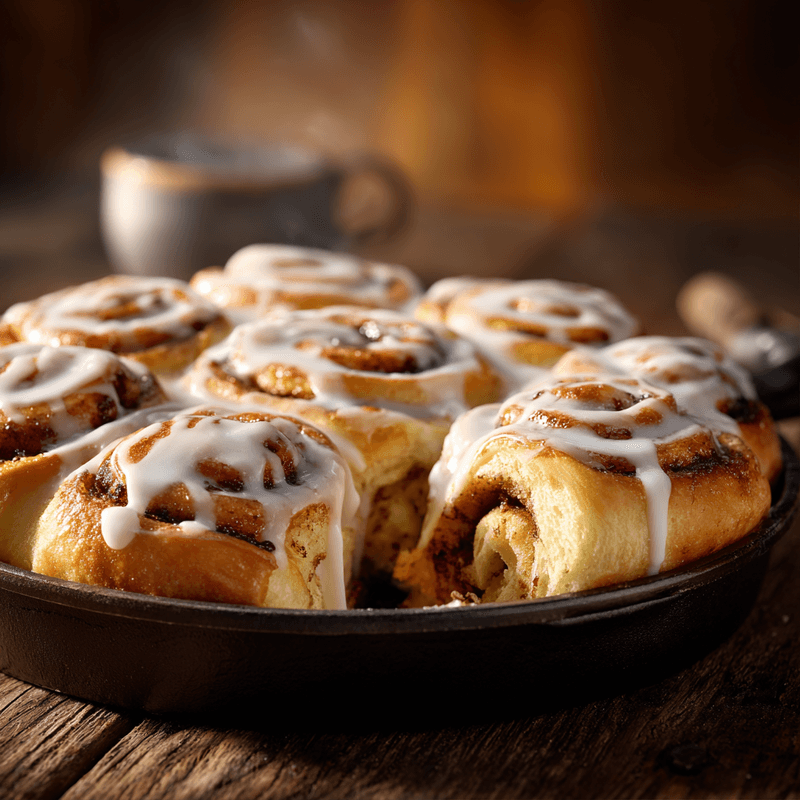
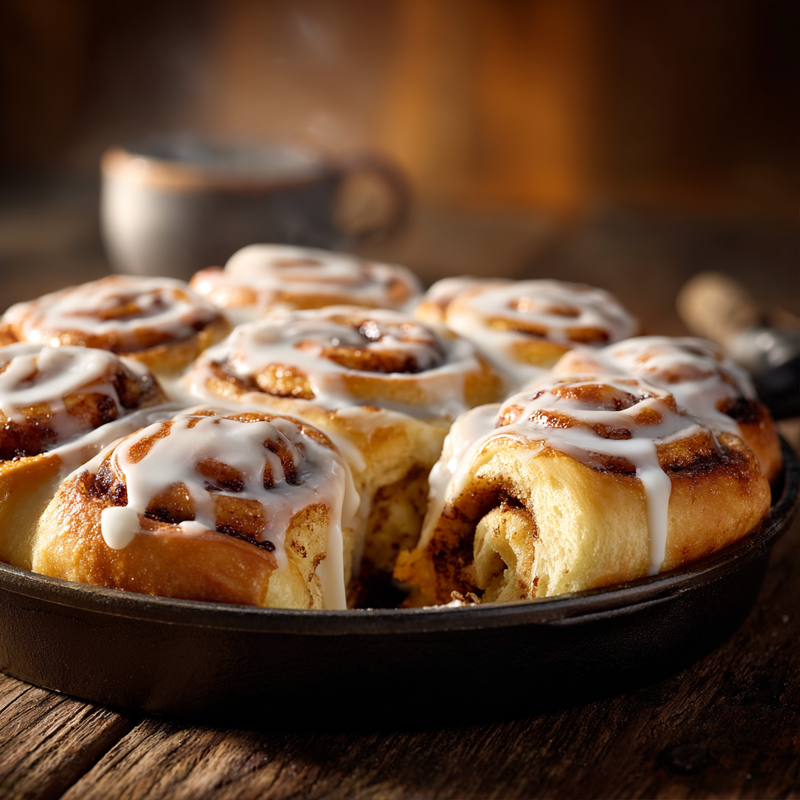
When your 30-minute sourdough discard cinnamon rolls emerge from the oven, they should be golden brown on top with slightly darker edges where the cinnamon sugar has caramelized. The rolls will have puffed up and pressed against each other, creating those signature soft sides that make cinnamon rolls so irresistible to pull apart. As they cool for just five minutes, you'll see a bit of the cinnamon filling bubbling around the edges—that's the sign of a good, generous filling that didn't hold back on flavor.
The traditional approach to serving involves drizzling or spreading your glaze while the rolls are in the pan, allowing it to pool in the gaps between rolls and create little pockets of sweetness. Some people prefer to remove the rolls from the pan first, placing them on a serving platter before glazing, which creates a more controlled presentation. Either way works beautifully. The glaze should be applied generously—these are indulgent breakfast treats, not the time for restraint.
The eating experience of these rolls is all about temperature and texture contrasts. The outside should have just a hint of resistance before giving way to that incredibly soft, fluffy interior. Each bite combines the tender dough with the sweet, spicy filling and the creamy glaze, creating a perfect balance of flavors and textures. The subtle sourdough tang appears as a background note, adding complexity without overwhelming the classic cinnamon roll taste. These are best enjoyed with a hot cup of coffee or tea, served family-style on a weekend morning or at a casual gathering where people can help themselves to seconds.
Make It Your Own
The beautiful thing about these 30-minute sourdough discard cinnamon rolls is how adaptable they are to different tastes and dietary needs. If you love the combination of fruit and cinnamon, try adding finely diced apples or raisins to your filling. Toss the apple pieces with a bit of lemon juice first to prevent browning, then scatter them over the cinnamon sugar before rolling. The fruit adds little bursts of freshness that cut through the richness of the dough and glaze.
For those who prefer a less sweet version, you can reduce the sugar in both the dough and the filling by about one-third without dramatically affecting the texture. You might also try a cream cheese glaze instead of the traditional powdered sugar version—the tanginess of cream cheese plays beautifully with the sourdough notes in the dough. Some bakers like adding chopped nuts to the filling; pecans or walnuts provide a nice textural contrast and a slightly savory element that balances the sweetness.
Spice level variations can transform the flavor profile entirely. Add a pinch of cardamom or nutmeg to your cinnamon sugar for a more complex, warming spice blend. A tiny bit of ground ginger adds zing without making the rolls taste like ginger snaps. For a truly indulgent version, try spreading a thin layer of chocolate hazelnut spread or date syrup under the cinnamon sugar, creating a richer, more decadent filling that still honors the traditional cinnamon roll concept.
If you're introducing these to people who are hesitant about sourdough or unfamiliar flavors, simply don't mention the sourdough discard. The tang is subtle enough that most people won't identify it specifically—they'll just notice that these rolls taste especially good, with more depth than typical quick versions. You can also make mini versions by cutting the log into twelve pieces instead of eight, creating smaller rolls that feel less intimidating and are perfect for gatherings where people want to sample multiple items.
Keeping and Reusing Leftovers
These 30-minute sourdough discard cinnamon rolls are definitely best the day they're made, but they store reasonably well for two to three days. Keep them in an airtight container at room temperature, not in the refrigerator—refrigeration makes the dough turn stale faster. When you're ready to enjoy a leftover roll, pop it in the microwave for about fifteen to twenty seconds. The gentle heat will soften the dough and make the filling gooey again, almost like they're fresh from the oven.
For longer storage, these rolls freeze beautifully. Wrap them individually in plastic wrap, then place all the wrapped rolls in a freezer bag. They'll keep for up to two months. To reheat, unwrap a frozen roll and microwave it for thirty to forty seconds, or let it thaw at room temperature for an hour and then warm it briefly. The texture won't be quite as perfect as fresh, but it's pretty close, and infinitely better than no cinnamon roll at all.
Leftover rolls can be repurposed in creative ways. Cube them and use them in a breakfast bread pudding, mixing with eggs, milk, and vanilla, then baking until set. The cinnamon swirl creates beautiful flavor pockets throughout the pudding. You can also slice them horizontally and toast them, creating a sweet, crispy treat that's almost like cinnamon toast but with much more personality. Some people like crumbling leftover rolls over yogurt or oatmeal, adding texture and sweetness to a simple breakfast.
Your Questions Answered
Can I use active sourdough starter instead of discard?
Absolutely! Active starter works just as well in these 30-minute sourdough discard cinnamon rolls. The only difference is that active starter might contribute a slightly stronger sourdough flavor, which some people actually prefer. Since we're using baking powder and baking soda for leavening rather than relying on the wild yeast in the starter, it doesn't matter whether your starter is at peak activity or has been sitting in the fridge for a week.
How can I make these even faster?
The biggest time-saver is having all your ingredients measured and ready before you start—professional bakers call this mise en place. You can also make the dough the night before, roll it up with the filling, slice it, arrange the rolls in the pan, cover tightly, and refrigerate overnight. In the morning, let them sit at room temperature while your oven preheats, then bake as directed. They might need an extra minute or two in the oven since they're starting cold, but this method means fresh cinnamon rolls with even less morning effort.
What if I don't have sourdough discard?
If you don't maintain a sourdough starter, you can substitute the sourdough discard with an equal amount of Greek yogurt thinned with a tablespoon or two of milk, or with buttermilk. These substitutions provide the tanginess that makes these rolls special without requiring you to keep a starter. The flavor will be slightly different from true sourdough discard, but the rolls will still be delicious and have that pleasant slight tang that sets them apart from ordinary cinnamon rolls.
Can I make these dairy-free?
Yes, with a few simple swaps, you can make dairy-free 30-minute sourdough discard cinnamon rolls. Replace the butter with coconut oil or a plant-based butter substitute, and use your favorite non-dairy milk. For the glaze, use powdered sugar mixed with non-dairy milk and vanilla. The texture will be slightly different—coconut oil doesn't create quite the same richness as butter—but the rolls will still be tender and flavorful. Just make sure your sourdough starter itself was made with water, not milk.
Why are my rolls dense instead of fluffy?
The most common cause of dense rolls is too much flour, which happens when you scoop the measuring cup directly into the flour bag or pack it down. Always spoon flour into your measuring cup and level it off with a knife. Over-kneading can also create dense rolls by developing too much gluten—remember, you only need eight to ten kneads, not the several minutes of kneading that bread requires. Finally, make sure your baking powder is fresh; old leavening agents lose their power and won't create the lift you need for fluffy cinnamon rolls.
What should I serve with these rolls?
These 30-minute sourdough discard cinnamon rolls are rich and sweet enough to be the star of a breakfast or brunch spread, but they pair wonderfully with fresh fruit, especially berries or sliced citrus that provide a tart contrast to the sweetness. Scrambled eggs or a vegetable frittata alongside the rolls creates a more balanced meal if you're serving them for a leisurely weekend breakfast. For beverages, strong coffee is traditional, but spiced tea or fresh-squeezed orange juice also complement the cinnamon and sugar flavors beautifully. Some people love enjoying them with a cold glass of milk, which is perfect for cutting the richness of the glaze.
30-Minute Sourdough Discard Cinnamon Rolls
Quick and fluffy cinnamon rolls made with sourdough discard, requiring no rise time. These tender, tangy-sweet rolls are ready from start to finish in just 30 minutes.
Prep Time
15 min
Cook Time
20 min
Total Time
35 min
Servings
8 rolls
Ingredients
For 8 rolls
- 1 cup (240g) sourdough discard, unfed
- 2 cups (240g) all-purpose flour, plus more for dusting
- 2 tablespoons granulated sugar
- 2 teaspoons baking powder
- 1/2 teaspoon baking soda
- 3/4 teaspoon salt
- 1/4 cup (60ml) whole milk, room temperature
- 3 tablespoons unsalted butter, melted
- 3 tablespoons unsalted butter, softened, for filling
- 1/2 cup (100g) packed brown sugar
- 1 tablespoon ground cinnamon
- 1 cup (120g) powdered sugar, for glaze
- 2-3 tablespoons milk, for glaze
- 1/2 teaspoon vanilla extract, for glaze
Instructions
- 1
Preheat and prepare
Preheat your oven to 375°F (190°C). Grease a 9-inch round cake pan or 8-inch square baking pan with butter or cooking spray and set aside. Having your pan ready before you start ensures you can work quickly once the dough is mixed.
- 2
Mix dry ingredients
In a large mixing bowl, whisk together the flour, granulated sugar, baking powder, baking soda, and salt until well combined. Whisking ensures the leavening agents are evenly distributed throughout the flour, which helps the rolls rise uniformly.
- 3
Combine wet ingredients
In a separate medium bowl, whisk together the sourdough discard, milk, and melted butter until smooth. The mixture may look slightly curdled due to the acidity of the sourdough meeting the dairy—this is completely normal and won't affect your final results.
- 4
Form the dough
Pour the wet ingredients into the dry ingredients and stir with a wooden spoon or rubber spatula just until a shaggy dough forms. Don't overmix—some lumps are fine and will disappear during kneading. Overmixing at this stage can develop too much gluten and make tough rolls.
- 5
Knead briefly
Turn the dough out onto a lightly floured surface and knead gently 8-10 times, just until the dough comes together into a cohesive ball. The dough should feel soft and slightly tacky but not sticky. If it sticks to your hands, dust with just a tiny bit more flour.
- 6
Roll and fill
Roll or pat the dough into a rectangle approximately 9x12 inches. Spread the softened butter evenly over the entire surface, leaving a 1/2-inch border on one long edge. Mix the brown sugar and cinnamon together, then sprinkle evenly over the buttered surface and press gently to adhere.
- 7
Roll and slice
Starting from the long edge opposite the border, tightly roll the dough into a log. Pinch the seam to seal. Using a sharp knife or unflavored dental floss, cut the log into 8 equal pieces. Dental floss works particularly well—slide it under the log, cross the ends over the top, and pull tight to slice cleanly without squashing the rolls.
- 8
Arrange and bake
Place the sliced rolls cut-side up in your prepared pan, spacing them slightly apart. They'll expand during baking to create those signature pull-apart edges. Bake for 18-22 minutes, until the tops are golden brown and the centers are set, not doughy.
- 9
Make the glaze
While the rolls bake, whisk together the powdered sugar, 2 tablespoons milk, and vanilla extract until smooth. Add the remaining tablespoon of milk if needed to reach a pourable but not too-thin consistency. The glaze should ribbon off the whisk and slowly settle back into itself.
- 10
Glaze and serve
Remove the rolls from the oven and let cool for 5 minutes in the pan. Drizzle or spread the glaze generously over the warm rolls, allowing it to pool between them. Serve warm for the best texture and flavor, pulling the rolls apart to enjoy.
Nutrition Facts
Per serving (estimated)
285 calories
Calories
48g
Carbs
4g
Protein
9g
Fat
1g
Fiber
380mg
Sodium
26g
Sugar