27 Easy One-Pot Dinner Recipes for Minimal Cleanup
Discover 27 easy one-pot dinner recipes that make weeknight cooking a breeze. From hearty stews to savory rice dishes, minimal cleanup guaranteed!
cookwithlucia.com/recipes/27-easy-one-pot-dinner-recipes-for-minimal-cleanup
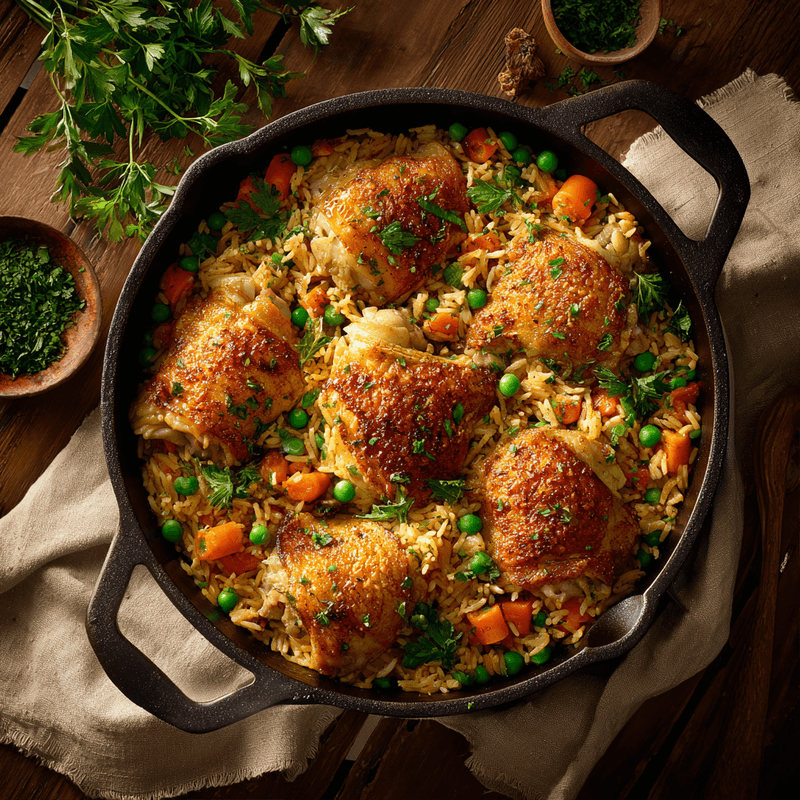
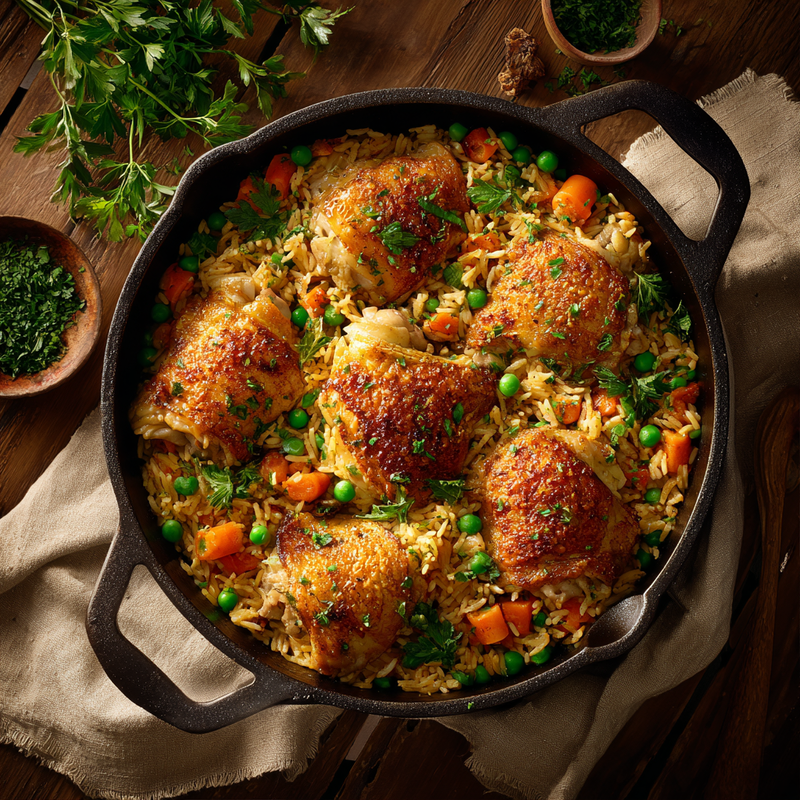
There's something almost magical about one-pot dinners, isn't there? That moment when you realize you've created a complete, nourishing meal using just a single pot, skillet, or Dutch oven—and the best part is looking at your kitchen afterward and seeing hardly any dishes to wash. I still remember the evening that changed my relationship with weeknight cooking forever. I'd just come home after a long day, stared at my kitchen with exhaustion, and thought about ordering takeout for the third time that week. Instead, I threw together a simple chicken and rice dish in one pot, and as it simmered away filling my kitchen with the most incredible aromas, I realized I'd discovered the secret to stress-free home cooking. That single pot delivered tender, flavorful chicken nestled in perfectly seasoned rice with vegetables throughout, and cleanup took all of three minutes. Since that revelation, I've been on a mission to develop, test, and perfect one-pot dinner recipes that deliver maximum flavor with minimal fuss.
What makes these 27 easy one-pot dinner recipes truly special is that they're not just about convenience—though that's certainly a huge bonus. These recipes are about bringing real, satisfying, home-cooked meals to your table without the overwhelming cleanup that often discourages us from cooking at home. Whether you're feeding a hungry family on a busy Tuesday night, meal prepping for the week ahead, or hosting friends for a cozy evening gathering, these one-pot wonders have you covered. In this comprehensive guide, I'll walk you through a diverse collection of one-pot dinner recipes spanning different cuisines and cooking styles, share the techniques that make them foolproof, and give you all the tips you need to customize them to your family's tastes. Ready to transform your weeknight dinner routine and reclaim your evenings from kitchen cleanup duty?
What Are One-Pot Dinner Recipes?
So what exactly counts as a one-pot dinner recipe? Simply put, it's any complete meal—protein, vegetables, and often a starch or grain—that cooks together in a single vessel from start to finish. We're talking about Dutch ovens brimming with aromatic stews, sheet pans loaded with roasted chicken and vegetables (yes, sheet pans count!), large skillets filled with creamy pasta dishes, and slow cookers that do all the work while you go about your day. The beauty of these easy one-pot dinner recipes is that the ingredients cook together, allowing flavors to meld and develop in ways that separate components simply can't match. The rice absorbs the savory cooking liquid from the meat, the vegetables take on the aromatics from the spices, and everything becomes greater than the sum of its parts.
Historically, one-pot cooking has roots in nearly every culture around the world—from Moroccan tagines to Asian clay pot rice, from Spanish paella to American chili. These cooking methods developed out of necessity and practicality, but they've endured because they produce incredibly delicious results. Today's one-pot dinner recipes honor these traditions while adapting to modern schedules and ingredients. The key characteristic that makes these recipes so appealing is the layering of flavors and the hands-off cooking time that lets you focus on other things—or simply relax—while dinner practically makes itself. Trust me, once you master a few of these techniques, you'll wonder how you ever cooked any other way!
Why You'll Love These One-Pot Dinner Recipes
Minimal Cleanup Means More Time for What Matters. Let's be honest—the main reason we all love one-pot dinner recipes is the cleanup situation. Or rather, the lack thereof. When you've only dirtied one pot, cleanup becomes a five-minute task instead of a half-hour ordeal. No stack of pans, no multiple cutting boards, no collection of serving dishes cluttering your counter. Just one pot to wash, and you're done. This means more time to spend with family, more time to relax after dinner, and significantly less stress about the aftermath of cooking. For busy families, this alone is worth its weight in gold.
Budget-Friendly Without Sacrificing Flavor. These easy one-pot dinner recipes are incredibly economical because they make the most of every ingredient. You're using the cooking liquid to infuse grains, incorporating affordable vegetables alongside proteins, and stretching more expensive ingredients further. A pound of chicken thighs becomes a meal for six when combined with rice and vegetables in one pot. Root vegetables and beans transform into hearty, satisfying dinners that cost just a few dollars to prepare. Plus, you're less likely to order expensive takeout when you know dinner is just one pot away.
Foolproof Techniques That Build Your Confidence. One-pot cooking is wonderfully forgiving. The longer cooking times and moist cooking environments mean it's harder to overcook proteins, and the flavors have time to develop and balance themselves. If you're newer to cooking or feeling rusty, these recipes are perfect confidence-builders. You'll master fundamental techniques like building flavor through layering, understanding how different ingredients cook at different rates, and developing your palate—all while producing delicious meals your family will request again and again.
Incredibly Versatile and Customizable. Each of these one-pot dinner recipes serves as a template you can adapt to what's in your pantry or what your family prefers. Don't have green beans? Use broccoli instead. Not a fan of a particular spice? Swap it for something you love. These recipes are flexible frameworks that welcome your creativity and personal touches.
Perfect for Meal Prep and Leftovers. One-pot meals often taste even better the next day as the flavors continue to meld. They're ideal for batch cooking on weekends, and most reheat beautifully. Make a big pot on Sunday, and you've got lunch or dinner covered for several days. This makes these easy one-pot dinner recipes perfect for meal preppers and anyone trying to eat more home-cooked meals throughout the week.
They're Crowd-Pleasers Every Time. Whether you're cooking for picky eaters, hungry teenagers, or dinner guests, one-pot meals have universal appeal. The comforting, home-style nature of these dishes resonates with everyone. Plus, serving straight from a beautiful Dutch oven or skillet adds a rustic, welcoming touch that makes any meal feel special. Ready to get started? Let's dive into what makes these recipes work!
Key Ingredients and What They Bring
While each of the 27 easy one-pot dinner recipes in this collection uses different specific ingredients, there are some common elements that appear throughout and contribute to their success. Understanding these key components will help you not just follow these recipes, but also create your own one-pot masterpieces. Quality proteins form the foundation of most of these dishes—think bone-in chicken thighs that release gelatin and flavor as they cook, beef chuck that becomes melt-in-your-mouth tender during braising, or firm white fish that stays intact while absorbing surrounding flavors. The proteins provide substance and satisfaction while contributing their own savory depth to the overall dish.
Aromatic vegetables like onions, garlic, celery, and bell peppers create the flavor base that makes these one-pot dinner recipes so crave-worthy. When these aromatics cook in oil at the beginning of your recipe, they release their essential oils and sugars, creating a foundation of flavor that permeates everything else in the pot. I always take my time with this step—rushing it means missing out on layers of flavor development. Tomatoes, whether fresh, canned, or in paste form, bring acidity and umami that brighten and deepen flavors simultaneously. They also contribute moisture and help create those luscious sauces that coat grains and vegetables so perfectly.
Broth or stock serves as the cooking liquid in many of these recipes, and using quality broth makes a noticeable difference in the final dish. Chicken broth works beautifully in mild dishes, while beef broth adds robust flavor to heartier preparations. Vegetable broth keeps things lighter and works across different protein choices. Grains and starches like rice, pasta, potatoes, or lentils absorb all those wonderful flavors while providing satisfying bulk and texture contrast. They transform the cooking liquid into something cohesive rather than soupy, creating that perfect consistency where everything clings together.
Spices and herbs are where you really make these easy one-pot dinner recipes your own. Warm spices like cumin and coriander bring earthiness, while herbs like thyme and rosemary add aromatic complexity. Fresh herbs stirred in at the end brighten everything up with a pop of fresh flavor and color. Finally, a splash of acidity at the end—whether from lemon juice, lime juice, or vinegar—is often the secret ingredient that makes a good one-pot meal absolutely spectacular. It brightens all the other flavors and provides balance, especially in richer dishes. Keep these components in mind, and you'll understand the anatomy of a perfect one-pot dinner.
How to Make One-Pot Dinners — Quick Overview
The beauty of these 27 easy one-pot dinner recipes is that they all follow similar fundamental techniques, even when the specific ingredients vary. Understanding this basic framework means you'll be able to approach any one-pot recipe with confidence and even improvise your own creations. Most one-pot dinners begin with building a flavor base by sautéing aromatics—onions, garlic, ginger, or other vegetables—in oil or butter until they're fragrant and softened. This typically takes about five to seven minutes and creates the foundation upon which all other flavors build. You'll know you're on the right track when your kitchen starts smelling absolutely amazing.
Next, you'll typically add your protein and brown it on all sides if using meat, or simply add it to the pot if using something more delicate like fish or tofu. This browning step isn't just about color—it creates complex flavors through the Maillard reaction and adds depth to your final dish. After the protein, you'll add your spices, allowing them to toast briefly in the hot oil to bloom their flavors, followed by your cooking liquid, tomatoes if using them, and any longer-cooking vegetables or grains. This is where the magic really happens—everything simmers together, usually for twenty to forty minutes depending on the specific recipe, allowing flavors to meld while the grains absorb the seasoned liquid and the proteins become tender.
During the final minutes of cooking, you'll add any quick-cooking vegetables like peas, spinach, or delicate greens that only need a few minutes to cook through. You'll also taste and adjust your seasoning—this is crucial and shouldn't be skipped. Finally, you'll often finish with fresh herbs, a squeeze of citrus, or a drizzle of quality olive oil that brings everything together and adds brightness. From start to finish, most of these one-pot dinner recipes take between thirty and fifty minutes, with much of that being hands-off simmering time. The actual active cooking time is usually just fifteen to twenty minutes, making these recipes perfect for busy weeknights when you want something homemade but don't have hours to spend in the kitchen.
Top Tips for Perfecting One-Pot Dinner Recipes
Choose the Right Pot for the Job. The vessel you use matters more than you might think when making these easy one-pot dinner recipes. A heavy-bottomed Dutch oven with a tight-fitting lid distributes heat evenly and retains moisture beautifully, making it ideal for braises and rice dishes. A large, deep skillet works wonderfully for pasta dishes and sautés where you want some evaporation. Make sure your pot is large enough to hold all ingredients comfortably with room for stirring—overcrowding leads to steaming rather than browning and can result in mushy textures.
Layer Your Ingredients Strategically. Not everything should go in the pot at once, even though it all cooks together eventually. Add ingredients in order of cooking time—aromatics first, then proteins that need browning, followed by longer-cooking vegetables and grains, and finally quick-cooking elements at the end. This ensures everything finishes cooking at the same time with optimal texture. I learned this lesson the hard way when I once added delicate spinach at the beginning of a recipe—it completely disintegrated into an unrecognizable mush.
Don't Skip the Browning Step. When a recipe calls for browning meat or sautéing aromatics until golden, resist the urge to rush. Those caramelized bits stuck to the bottom of the pot (called fond) are pure flavor, and they'll incorporate into your dish when you add liquid and scrape them up. Proper browning also adds color to your final dish and creates complex, layered flavors you simply can't achieve by dumping everything in at once. Be patient here—it's worth it.
Manage Your Heat Carefully. One-pot cooking often involves starting with higher heat for browning, then reducing to a gentle simmer for the cooking phase. A rolling boil can cause rice to become mushy, pasta to break apart, or proteins to toughen. Once you've brought everything to a boil, reduce the heat to maintain a gentle simmer where you see small bubbles breaking the surface occasionally. This lower, slower cooking produces the most tender, flavorful results in these one-pot dinner recipes.
Resist the Urge to Stir Too Much. While you want to stir occasionally to prevent sticking and ensure even cooking, constant stirring releases too much starch from grains, making the final dish gummy rather than fluffy. It also prevents proper browning and can break apart delicate ingredients. Once everything is in the pot and simmering, give it a gentle stir every ten minutes or so, but otherwise let it do its thing undisturbed.
Taste and Adjust Before Serving. This is perhaps the most important tip for perfecting any of these easy one-pot dinner recipes. Flavors mellow as they cook, and what tasted perfectly seasoned twenty minutes ago might need a boost before serving. Always taste your dish just before serving and adjust the salt, acid, and spices as needed. A squeeze of fresh lemon juice or a sprinkle of finishing salt can elevate a good dish to spectacular.
Let It Rest Before Serving. Just like a roast needs to rest before slicing, many one-pot dinners benefit from sitting off the heat for five to ten minutes before serving. This allows the grains to finish absorbing any remaining liquid, the proteins to reabsorb their juices, and the flavors to settle and harmonize. Cover the pot and let it rest—you'll notice a significant improvement in texture and cohesiveness.
Embrace Substitutions and Make It Your Own. These recipes are frameworks, not rigid rules. If you don't have a particular vegetable, use what you have. Prefer different spices? Go for it. The techniques remain the same regardless of the specific ingredients, so feel confident making substitutions based on your preferences, dietary needs, or what's available in your pantry. Some of my best one-pot dinner recipes have come from creative substitutions born of necessity.
Variations and Flavor Twists
One of the greatest advantages of mastering these easy one-pot dinner recipes is how easily you can adapt them to create entirely new dishes. For a Mediterranean twist on any chicken and rice one-pot meal, swap the standard seasonings for oregano, lemon zest, and olives, and add artichoke hearts in the final minutes of cooking. The bright, briny flavors completely transform the dish while using the exact same cooking technique. You'll love how the olives and artichokes bring a sophisticated flavor that feels restaurant-worthy but requires no additional effort.
To create Asian-inspired variations, replace traditional herbs with fresh ginger and garlic, use coconut milk in place of broth or cream, and finish with lime juice, cilantro, and a drizzle of sesame oil. This works beautifully with chicken, shrimp, or tofu-based one-pot dinner recipes. The coconut milk creates an incredibly creamy, rich sauce that clings to rice or noodles perfectly, while the ginger adds warmth and the lime provides essential brightness. I often add snap peas or bok choy during the last few minutes for textural contrast and vibrant color.
For those who love bold, spicy flavors, create a Mexican-inspired version of nearly any one-pot dinner recipe by incorporating cumin, smoked paprika, and diced green chilies. Add black beans or pinto beans for extra protein and fiber, use tomatoes with chilies instead of plain tomatoes, and finish with fresh cilantro, lime wedges, and diced avocado. These additions transform a simple chicken and rice dish into something that tastes like your favorite restaurant meal. The smoky heat from the spices combined with the cooling creaminess of avocado creates an addictive flavor combination.
If you're looking for lighter, vegetable-forward versions of these one-pot dinner recipes, replace half the grain with riced cauliflower, or use spiralized vegetables instead of pasta. You can also create fully vegetarian versions by swapping the protein for chickpeas, white beans, or cubed firm tofu, and using vegetable broth instead of chicken or beef broth. The cooking techniques remain identical, but you'll end up with a lighter dish that's perfect for warmer weather or when you're craving something less heavy. I particularly love using white beans in place of chicken—they absorb flavors beautifully and create a wonderfully creamy texture.
For an indulgent, comfort-food version of any of these easy one-pot dinner recipes, stir in cream, cream cheese, or shredded cheese during the final minutes of cooking. This creates incredibly rich, creamy sauces that coat every component. Add mushrooms for earthiness, use butter instead of oil for richness, and incorporate fresh or dried herbs like thyme or rosemary for aromatic depth. These richer versions are perfect for cozy evenings when you want something truly satisfying and comforting. The cheese melts into the hot grains or pasta, creating strings of deliciousness with every serving.
What to Serve with One-Pot Dinner Recipes
While these 27 easy one-pot dinner recipes are complete meals on their own, serving them with a few simple sides can round out your dinner and make it feel even more special. A simple green salad with crisp lettuce, cucumbers, and tomatoes dressed in a light vinaigrette provides refreshing contrast to the richer, more substantial one-pot main dish. The crisp, cool vegetables and acidic dressing cleanse your palate between bites and add nutritional variety to the meal. I like to prep a big bowl of salad while the one-pot dinner simmers—perfect timing and minimal extra effort.
Warm, crusty bread is perhaps the ideal accompaniment to most one-pot dinner recipes, especially those with saucy or braised components. Use it to soak up every last bit of the flavorful cooking liquid—nothing should go to waste! Whether you choose a rustic whole grain loaf, soft dinner rolls, or flatbread, bread adds textural contrast and makes the meal feel more abundant. If you want to get fancy, brush the bread with olive oil and garlic before warming it in the oven.
For one-pot meals that are grain-based, consider serving a simple vegetable side that you can quickly roast or steam while your main dish cooks. Roasted broccoli with lemon, steamed green beans with almonds, or sautéed zucchini add color, texture, and additional nutrients without creating much extra cleanup. These lighter vegetable sides complement the heartier one-pot dinner without competing with it or making you feel overly full.
Pickled vegetables or a quick cucumber salad bring bright, acidic notes that cut through richer one-pot dinner recipes beautifully. The tangy, crunchy contrast wakes up your palate and adds an exciting textural element. I often make a quick pickle by thinly slicing cucumbers or red onions and tossing them with vinegar, a pinch of sugar, and salt—it takes five minutes and adds so much to the meal.
For beverages, iced mint tea or lemonade provides refreshing balance to these substantial meals, while sparkling water with citrus keeps things light and palate-cleansing. The key is choosing sides and beverages that complement rather than compete with your one-pot dinner, keeping the meal satisfying but not overwhelming. Remember, the beauty of these easy one-pot dinner recipes is their simplicity and completeness, so don't feel obligated to add elaborate sides—sometimes the one-pot dish and a simple salad or bread is absolutely perfect.
Storing and Reheating Tips
One of the best things about these easy one-pot dinner recipes is how well they store and reheat, making them ideal for meal prep and ensuring you get maximum value from your cooking efforts. Once your one-pot dinner has cooled to room temperature, transfer any leftovers to airtight containers and refrigerate within two hours of cooking. Most one-pot meals will stay fresh in the refrigerator for three to four days, and many actually taste even better the next day as the flavors continue to develop and meld together. I often intentionally make extra, knowing that Thursday's leftovers will be even more delicious than Tuesday's fresh batch.
For longer storage, most one-pot dinner recipes freeze beautifully for up to three months. Allow the food to cool completely, then portion it into freezer-safe containers or heavy-duty freezer bags, removing as much air as possible to prevent freezer burn. Label each container with the recipe name and date so you can keep track of what you have. I like to freeze individual portions so I can thaw exactly what I need for quick lunches or nights when I don't feel like cooking. To thaw, transfer the container to the refrigerator the night before you plan to eat it, or use the defrost function on your microwave for quicker thawing.
When reheating these one-pot dinner recipes, your method depends on the specific dish and how much time you have. For stovetop reheating, place the leftovers in a pot over medium-low heat, adding a splash of broth or water to loosen any thickened sauces and prevent sticking. Stir occasionally and heat until warmed through, usually about ten to fifteen minutes. This method produces the best texture, especially for rice and grain-based dishes. For oven reheating, preheat to 350°F, transfer the leftovers to an oven-safe dish, cover with foil to prevent drying, and heat for twenty to twenty-five minutes or until hot throughout. This works particularly well for larger portions.
Microwave reheating is the quickest option and works fine for most of these easy one-pot dinner recipes, though it may produce slightly less ideal texture than stovetop or oven methods. Place the portion in a microwave-safe container, add a tablespoon or two of water or broth, cover loosely, and microwave on medium power in one-minute intervals, stirring between each interval, until heated through. The added moisture and medium power prevent drying and ensure even heating. Regardless of your reheating method, always ensure leftovers reach an internal temperature of 165°F for food safety. With proper storage and reheating, these one-pot dinners provide delicious meals well beyond the initial cooking day.
Frequently Asked Questions
Can I Make These One-Pot Dinner Recipes Ahead of Time?
Absolutely! Many of these easy one-pot dinner recipes are actually perfect for make-ahead meals. You can fully cook most dishes, cool them completely, and refrigerate for up to two days before reheating and serving. Some dishes, like stews and braises, actually develop deeper flavors when made ahead. For optimal results, slightly undercook grains if you're making the dish ahead, as they'll continue to absorb liquid and soften during storage and reheating.
What If I Don't Have a Dutch Oven?
Don't worry—you can adapt these one-pot dinner recipes to whatever cookware you have! A large, deep skillet with a lid works for most recipes, as does a heavy-bottomed pot. For oven-based one-pot recipes, any oven-safe pot or even a deep baking dish covered tightly with foil will work. The key is having a vessel that's large enough to hold all ingredients with room to stir, and that can withstand your chosen cooking method.
How Can I Make These Recipes Spicier or Milder?
Adjusting heat level in these easy one-pot dinner recipes is simple. To increase spice, add red pepper flakes, diced fresh chilies, or cayenne pepper along with your other seasonings. Start with a small amount and taste as you go—you can always add more. To make recipes milder, reduce or omit spicy ingredients, and consider adding a dollop of yogurt or a squeeze of lemon juice at serving time to balance any residual heat.
Can I Double These Recipes for Larger Gatherings?
Yes, most of these one-pot dinner recipes double beautifully for feeding crowds or extra meal prep. Just make sure your pot is large enough to accommodate the increased volume—you'll likely need a large Dutch oven or stockpot. Keep in mind that cooking times may increase slightly when cooking larger quantities, particularly the time it takes to come to a simmer. Check for doneness rather than relying solely on timing when scaling up recipes.
How Do I Know When Rice or Grains Are Perfectly Cooked in One-Pot Meals?
Rice and grains are done when they've absorbed all the liquid and are tender but not mushy. For rice, you should see small steam holes on the surface when it's done, and it should be fluffy and separate easily with a fork. If there's still liquid after the recommended cooking time, continue simmering uncovered for a few more minutes. If the grains are still firm but the liquid is gone, add a splash more liquid and continue cooking. The residual heat during resting also helps finish the cooking process.
What's the Best Way to Prevent Food from Sticking to the Bottom?
Preventing sticking in these easy one-pot dinner recipes starts with using enough fat (oil or butter) at the beginning and ensuring your pot is properly heated before adding ingredients. Stir occasionally during cooking, and make sure you're maintaining a gentle simmer rather than a vigorous boil. Using a heavy-bottomed pot distributes heat evenly and prevents hot spots that can cause sticking. If you notice food beginning to stick, reduce the heat immediately and add a small splash of liquid while gently scraping the bottom with a wooden spoon.
These 27 easy one-pot dinner recipes represent a diverse collection of meals that will transform your weeknight cooking routine, reduce your cleanup time, and bring delicious, home-cooked food to your table with minimal stress. From hearty stews and creamy risottos to vibrant stir-fries and comforting casseroles, there's a one-pot dinner for every craving and occasion. Master these techniques, experiment with the variations, and soon you'll be creating your own signature one-pot masterpieces that your family requests again and again. Happy cooking, and enjoy all that extra time you'll have now that cleanup is just one pot away!
Easy One-Pot Chicken and Rice
A simple, flavorful one-pot dinner featuring tender chicken thighs, seasoned rice, and vegetables all cooked together in one pot for minimal cleanup and maximum flavor.
Prep Time
15 min
Cook Time
35 min
Total Time
50 min
Servings
6 servings
Ingredients
For 6 servings
- 2 tablespoons olive oil
- 6 bone-in, skin-on chicken thighs
- 1 teaspoon salt, divided
- 1/2 teaspoon black pepper
- 1 medium yellow onion, diced
- 3 cloves garlic, minced
- 1 1/2 cups long-grain white rice, uncooked
- 3 cups chicken broth
- 1 can (14.5 oz) diced tomatoes with juices
- 1 teaspoon dried thyme
- 1 teaspoon paprika
- 1/2 teaspoon cumin
- 1 bay leaf
- 1 cup frozen peas
- 1 cup diced carrots
- 2 tablespoons fresh parsley, chopped
- 1 lemon, cut into wedges for serving
Instructions
- 1
Season the chicken
Pat the chicken thighs dry with paper towels and season both sides generously with half the salt and all the black pepper. This helps create a flavorful, golden crust during browning.
- 2
Brown the chicken
Heat olive oil in a large Dutch oven or heavy-bottomed pot over medium-high heat. Once shimmering, add the chicken thighs skin-side down and cook without moving for 5-6 minutes until deeply golden brown. Flip and brown the other side for 3-4 minutes, then transfer chicken to a plate and set aside.
- 3
Sauté the aromatics
Pour off all but about 2 tablespoons of fat from the pot. Add the diced onion and cook over medium heat for 4-5 minutes, stirring occasionally, until softened and translucent. Add the minced garlic and cook for 1 minute more until fragrant, stirring constantly to prevent burning.
- 4
Toast the rice
Add the uncooked rice to the pot with the aromatics and stir to coat with the oil. Cook for 2-3 minutes, stirring frequently, until the rice grains turn slightly translucent at the edges. This toasting step adds a subtle nutty flavor to the finished dish.
- 5
Add liquids and seasonings
Pour in the chicken broth and diced tomatoes with their juices, scraping up any browned bits from the bottom of the pot with a wooden spoon. Stir in the thyme, paprika, cumin, remaining salt, and bay leaf. Bring the mixture to a boil over high heat.
- 6
Add vegetables and chicken
Once boiling, stir in the diced carrots. Nestle the browned chicken thighs into the rice mixture, skin-side up, along with any accumulated juices from the plate. The chicken should be partially submerged but the skin should remain above the liquid for crispy results.
- 7
Simmer covered
Reduce heat to low, cover the pot with a tight-fitting lid, and simmer gently for 25-30 minutes without lifting the lid. The rice should absorb the liquid and the chicken should reach an internal temperature of 165°F. Resist the urge to stir during this time.
- 8
Add peas and rest
Remove the pot from heat and quickly stir in the frozen peas, then immediately replace the lid. Let the pot rest off the heat for 5-10 minutes to allow the rice to finish absorbing any remaining liquid and the peas to heat through.
- 9
Fluff and serve
Remove and discard the bay leaf. Gently fluff the rice with a fork, being careful not to break apart the chicken. Taste and adjust seasoning with additional salt if needed.
- 10
Garnish and enjoy
Sprinkle the fresh chopped parsley over the top and serve directly from the pot with lemon wedges on the side. Squeeze fresh lemon juice over individual portions for brightness and enhanced flavor.
Nutrition Facts
Per serving (estimated)
485 calories
Calories
48g
Carbs
32g
Protein
16g
Fat
3g
Fiber
720mg
Sodium
5g
Sugar