25 Sweet Easter Treat Ideas for Stunning Dessert Tables
Discover 25 sweet treat ideas perfect for spring gatherings. From elegant layered desserts to bite-sized delights, make your dessert table unforgettable.
cookwithlucia.com/recipes/25-sweet-easter-treat-ideas-that-make-every-dessert-table-pop
25 Sweet Easter Treat Ideas That Make Every Dessert Table Pop
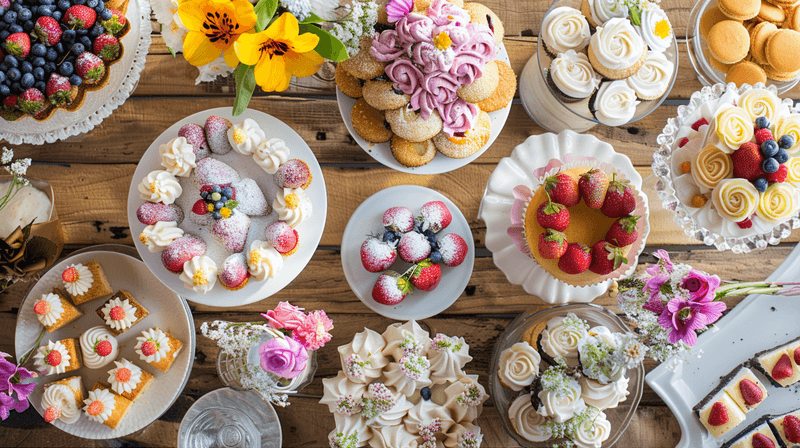
Picture this: your spring dessert table becomes the centerpiece of the gathering, with guests circling back again and again, phones raised to capture the display before taking that first irresistible bite. Colorful pastel treats arranged in tiers, delicate garnishes catching the light, and the sweet aroma of vanilla, citrus, and fresh berries filling the room. When you present a thoughtfully curated collection of sweet treats for your spring celebration, you're not just serving dessert—you're creating an experience that lingers in everyone's memory long after the last crumb disappears.
The beauty of planning sweet treat ideas for your dessert table lies in the variety and visual impact you can achieve. Unlike a single showpiece cake, a collection of treats lets you play with height, color, texture, and flavor profiles that appeal to every palate. Some guests gravitate toward rich chocolate creations, while others prefer light and fruity confections. By offering an assortment, you ensure everyone finds their perfect sweet ending.
What I love most about these 25 sweet treat ideas is that they range from incredibly simple no-bake options to more elaborate creations that showcase your baking prowess. You don't need to master all of them—choose five to seven that complement each other visually and offer flavor diversity. The secret to an impressive dessert table isn't complexity; it's thoughtful curation, beautiful presentation, and treats that taste as spectacular as they look.
What Makes This Collection Truly Special
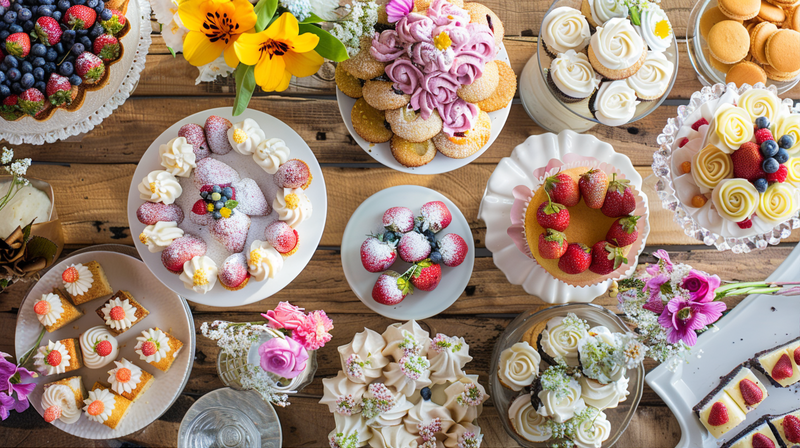
The magic of assembling sweet treat ideas for your spring dessert table comes from the interplay of colors, textures, and heights that create visual drama. Imagine pale pink strawberry cream puffs arranged on a cake stand, sitting beside a rustic wooden board displaying chocolate-dipped fruit, while individual parfait glasses filled with layered lemon mousse add elegance at varying elevations. This dimensional approach transforms your table from a simple spread into an Instagram-worthy installation.
From a flavor perspective, these sweet treat ideas span the entire spectrum of spring tastes. Bright citrus notes from lemon bars and orange-infused cream cheese frosting cut through richer chocolate and caramel elements. Fresh berries add bursts of tartness that cleanse the palate between bites. Delicate floral hints from rose water or orange blossom water in certain treats provide sophistication without overwhelming.
The approachability factor sets this collection apart from intimidating multi-tiered cakes or complex French patisserie. Many of these sweet treat ideas use familiar techniques—mixing, folding, dipping, layering—that home bakers already know. The impressive results come from attention to detail in decoration and presentation rather than advanced culinary school skills. A simple sugar cookie becomes extraordinary with royal icing in spring pastels and edible flower garnishes.
Compared to ordering from a bakery where a modest dessert platter might cost several hundred dollars, creating your own collection of sweet treats offers both creative control and significant savings. You control the quality of every ingredient, adjust sweetness levels to your preference, and accommodate any dietary needs among your guests. The personal touch of homemade treats, especially when beautifully presented, conveys thoughtfulness that no bakery box can match.
The Foundation Ingredients Worth Investing In
Quality butter makes an undeniable difference across virtually all these sweet treat ideas. European-style butter with higher fat content creates richer, more tender cookies, flakier pastry, and silkier buttercream. The flavor depth it provides, especially in simple treats like shortbread or butter cookies, justifies the modest price increase. For recipes where butter plays a supporting role rather than starring, standard unsalted butter works perfectly well.
Vanilla extract versus vanilla bean paste versus whole vanilla beans represents another decision point in your ingredient strategy. For treats where vanilla shines as the primary flavor—vanilla bean panna cotta, French buttercream, or sugar cookies—splurge on vanilla bean paste or scrape fresh beans for those visible specks that signal quality. In chocolate-heavy treats or those with bold fruit flavors, pure vanilla extract delivers excellent results at a fraction of the cost.
Chocolate quality dramatically impacts your finished sweet treats, particularly in ganache, truffles, or chocolate-dipped items where it's the dominant flavor. Choose chocolate with at least 60% cacao for dark chocolate applications and premium milk chocolate for smoother, creamier results. Chocolate chips work wonderfully in cookies and bars, but for dipping and coating, invest in proper couverture chocolate or quality baking bars that melt smoothly and set with an attractive sheen.
Fresh citrus zest and juice elevate sweet treat ideas from good to unforgettable. The essential oils in lemon, lime, and orange zest provide concentrated flavor that bottled juice simply cannot replicate. For a spring dessert table, having four to five lemons and a couple of oranges on hand ensures you can add brightness to cream cheese frostings, glazes, curds, and mousses. The investment is minimal, but the flavor impact is substantial.
Cream cheese should be full-fat and preferably a name brand for consistent results in frostings, cheesecake bars, and cream cheese-based fillings. Store brands sometimes contain more moisture or stabilizers that affect texture. Since cream cheese features prominently in many crowd-pleasing sweet treat ideas, this is one area where brand consistency prevents disappointing results.
Food coloring choices matter more than many home bakers realize. Gel food coloring provides vibrant, true-to-shade colors without adding excess liquid that can throw off recipes. For achieving the soft pastels perfect for spring treats, gel colors allow you to add just a tiny amount for subtle tints. Natural food colorings from fruit and vegetable sources work beautifully if you prefer to avoid synthetic dyes, though the color palette is more limited.
Building Your Dessert Table Collection
Start your preparation by categorizing sweet treat ideas into make-ahead components, day-before assembly items, and day-of finishing touches. This strategic approach prevents last-minute panic and ensures everything tastes fresh. Cookies, bars, and brownies actually improve when baked one to two days ahead, as flavors meld and textures set properly. Store them in airtight containers at room temperature, adding any glazes or decorative elements the morning of your gathering.
For layered desserts like trifles, parfaits, or mousse cups, prepare all components separately up to two days in advance. Bake cake layers and store wrapped tightly. Make mousses, curds, and puddings and refrigerate in sealed containers. Cook any fruit compotes and let them chill completely. On the day before your event, assemble these sweet treat ideas in their serving vessels, cover carefully, and refrigerate. This timing allows flavors to marry while maintaining distinct textural layers.
Chocolate-dipped items require attention to humidity and temperature. Temper your chocolate properly if you want that professional snap and shine, or use candy melts for a simpler approach that still looks beautiful. Dip strawberries, pretzels, cookies, or marshmallows no more than 24 hours before serving, storing them in a cool, dry place rather than the refrigerator to prevent condensation from dulling the chocolate's sheen.
Frosted cupcakes and decorated cookies represent the visual stars of your sweet treat ideas collection. Bake cupcakes two days ahead and freeze them unfrosted—they'll be incredibly moist when thawed. Make your buttercream or cream cheese frosting the day before and refrigerate, then bring to room temperature and rewhip before piping. Decorate cookies with royal icing three to five days in advance; the icing needs time to harden completely for easy handling and stacking on your display.
No-bake treats like truffles, energy bites, or cream-filled pastries often benefit from chilling time that allows flavors to develop and textures to firm up. Roll truffles and refrigerate them for at least four hours or overnight before the final coating in cocoa powder, nuts, or chocolate. These sweet treat ideas are perfect for beginners since they require no oven and minimal equipment while still delivering impressive results.
Your assembly timeline should flow backward from your serving time. If guests arrive at 2 PM, plan to have everything plated by 1 PM, giving you an hour buffer for last-minute adjustments and inevitable minor crises. Between 11 AM and 1 PM, focus on arranging your treats on serving platters, adding fresh garnishes, dusting with powdered sugar, or drizzling final glazes. This is when your sweet treat ideas transform from individual items into a cohesive, stunning presentation.
Creating Visual Drama Through Presentation
Height variation creates the most immediate visual impact on your dessert table. Use cake stands of different heights, stack vintage books under platters, or invest in a tiered serving stand specifically designed for displaying treats. Position taller items toward the back and shorter ones in front, ensuring every sweet treat remains visible and accessible. This layered approach draws the eye upward and makes even a modest number of treats appear abundant.
Color coordination ties your collection of sweet treat ideas into a unified theme rather than a random assortment. For spring gatherings, consider a palette of soft pastels—blush pink, mint green, pale yellow, and lavender—accented with white and touches of gold. Alternatively, go bold with vibrant jewel tones or create an elegant monochromatic display in shades of one color family. Your serving dishes, linens, and garnishes should reinforce this color story.
Garnishing transforms simple treats into magazine-worthy creations. Fresh mint leaves add a pop of green and hint of freshness. Edible flowers like pansies, violets, or rose petals provide delicate beauty and convey the season. Candied citrus slices, gold leaf, or pearl dust add luxury. Fresh berries clustered around the base of cake stands or scattered across the table fill negative space beautifully. These finishing touches take minutes but elevate the entire presentation exponentially.
Serving vessels themselves become part of the aesthetic. Vintage china plates, rustic wooden boards, modern white ceramic platters, and glass cake stands each convey different moods. Mixing textures and materials adds interest—a marble board beside a copper tray beside a crystal stand creates sophisticated variety. For individual sweet treat ideas like mousse cups or mini cheesecakes, invest in attractive small glasses, ramekins, or dessert cups that guests can pick up easily without disturbing the presentation.
Scaling Your Sweet Spread for Different Crowd Sizes
For intimate gatherings of 8-12 people, select five to seven different sweet treat ideas with two to three pieces of each type per person. This allows everyone to sample multiple options without creating excessive leftovers. Focus on variety in both form and flavor—perhaps lemon bars, chocolate truffles, strawberry shortcake cups, decorated sugar cookies, and mini fruit tarts. This combination offers citrus, chocolate, fruity, and buttery options in various textures.
When hosting 20-30 guests, expand to eight to ten different treats but keep portion sizes modest. Mini versions of classic desserts work beautifully at this scale—mini cupcakes instead of full-size, bite-sized brownies instead of large squares, two-bite cookies instead of bakery-size rounds. Smaller portions encourage sampling across the spread and reduce the intimidation factor of committing to a large serving of something unfamiliar.
For truly large gatherings of 40-plus people, the key to managing your sweet treat ideas is recruiting help and choosing recipes that scale easily. Assign different treats to different helpers, or prepare everything yourself over the course of a week by choosing items with varying shelf lives. Sheet cakes cut into decorated squares, large batches of cookies, and no-bake treats like chocolate bark broken into pieces all multiply efficiently. Focus on three to four showstopper items supplemented by simpler crowd-pleasers.
Advance preparation becomes crucial at any scale. Two weeks before, finalize your menu of sweet treat ideas and create a detailed shopping list organized by store section. One week before, purchase all non-perishable ingredients and any special decorating supplies. Five days before, begin baking and preparing items with longer shelf lives. This staggered approach distributes the workload and ensures you're not frantically baking at midnight before your event.
Preserving Freshness and Quality
Most cookies and bars store beautifully at room temperature in airtight containers for up to five days, making them ideal make-ahead sweet treat ideas. Layer them between sheets of parchment paper to prevent sticking, and avoid mixing different types in one container as flavors and textures can transfer. Soft, chewy cookies stay fresh longer with a piece of bread tucked into the container, which they'll absorb moisture from, maintaining their texture.
Cream-based and custard-filled sweet treats require refrigeration and should be consumed within two to three days for optimal food safety and quality. Cover them loosely with plastic wrap or store in containers with tight-sealing lids, ensuring the covering doesn't touch delicate decorations or frosting. When ready to serve, let these treats sit at room temperature for 15-20 minutes so the flavors can bloom and the textures soften from their chilled state.
Freezing extends the life of many sweet treat ideas significantly when done properly. Unfrosted cakes, cookie dough, and many baked goods freeze beautifully for up to three months. Wrap items tightly in plastic wrap, then aluminum foil, then place in freezer bags with all air pressed out. Label everything clearly with contents and date. Thaw items in the refrigerator overnight, then bring to room temperature before decorating or serving.
Chocolate-dipped and chocolate-coated treats resist humidity and temperature changes poorly, so storage environment matters enormously. Never refrigerate chocolate-dipped items unless absolutely necessary, as condensation will form when removed and create a dull, streaky appearance. Instead, store them in a cool, dry place in single layers, not touching, in airtight containers. In hot weather, a temperature-controlled room beats a warm kitchen, but avoid the moisture of refrigeration.
Creative Variations for Every Preference
Transform your sweet treat ideas into individual portions for easier serving and elegant presentation. Mini cheesecakes baked in muffin tins, individual fruit crisps in ramekins, or mousse portions in shot glasses all eliminate the need for cutting and plating during the event. Guests appreciate the portion control and the ability to easily try multiple items without committing to large servings. These individual presentations also photograph beautifully, with each guest potentially sharing your gorgeous desserts on social media.
For a more casual, rustic approach, embrace the charm of imperfect, homestyle sweet treat ideas that emphasize flavor over precision. Hand-formed cookies with visible texture, rustic fruit galettes with crimped edges, or brownies with a beautifully crackled top all convey warmth and authenticity. Serve them on wooden boards or simple white platters, garnished with fresh fruit and powdered sugar. This approach feels welcoming and takes pressure off achieving bakery-perfect results.
Seasonal variations keep your sweet treat ideas fresh and relevant throughout the year. In spring, focus on strawberries, rhubarb, lemon, and pastel decorations. Summer calls for tropical fruits, lighter mousses, and no-bake options. Autumn welcomes warm spices, apples, pears, and caramel. Winter brings citrus, pomegranate, and rich chocolate. By rotating your core recipes through seasonal lenses with different flavors and decorations, you build a repertoire without learning entirely new techniques.
Healthier adaptations make your sweet treat ideas more inclusive without sacrificing visual appeal. Naturally sweetened fruit-based treats, dark chocolate with higher cacao percentages, and desserts featuring nuts and seeds appeal to health-conscious guests. Date-based energy balls rolled in coconut, dark chocolate bark with nuts and dried fruit, or fruit skewers with a yogurt-based dip offer sweetness with nutritional value. Include one or two of these options alongside more indulgent choices.
Gluten-free and dairy-free versions of popular sweet treat ideas ensure all guests can enjoy your spread. Almond flour or coconut flour creates tender cookies and cakes that happen to be gluten-free. Coconut cream whips into a remarkably convincing dairy-free topping. Dark chocolate is often naturally dairy-free. Rather than segregating these items, integrate them seamlessly into your display—many guests won't even realize they're enjoying allergen-friendly treats that taste just as delicious as traditional versions.
Your Sweet Treat Planning Questions Answered
How far in advance can I prepare everything?
Most sweet treat ideas improve with strategic advance preparation, allowing flavors to develop and textures to set properly. Cookies and bars can be baked up to five days ahead and stored airtight at room temperature, or frozen for up to three months. Frostings and fillings keep refrigerated for up to a week. Assemble layered desserts the day before serving. Reserve only final garnishes, dustings of powdered sugar, and chocolate drizzles for the morning of your event to ensure the freshest appearance.
What if my chocolate seizes or won't temper properly?
Chocolate temperament frustrates even experienced bakers, so have a backup plan for your chocolate-based sweet treat ideas. If chocolate seizes from water contact, it's unfortunately unusable for dipping, but you can incorporate it into brownies or hot chocolate. If tempering fails repeatedly, switch to candy melts formulated for easy melting and setting without tempering. They lack the sophisticated snap of tempered chocolate but provide beautiful, stable coatings that set quickly and resist melting at room temperature.
Can I transport a fully arranged dessert table?
Transporting assembled sweet treat ideas requires planning but is entirely feasible with the right approach. Pack items in sturdy, shallow boxes lined with non-slip shelf liner to prevent sliding. Transport tiered stands disassembled, then reconstruct on-site. Bring extra garnishes, powdered sugar, and touch-up frosting in case anything needs refreshing after travel. Arrive early enough to arrange everything thoughtfully. For temperature-sensitive items, use coolers with ice packs, but allow refrigerated treats to come to room temperature before serving.
What's the best way to accommodate different dietary needs?
Diversity in your sweet treat ideas naturally accommodates various preferences and restrictions. Label each item with a small card listing primary ingredients or common allergens present. Include at least one option each that's gluten-free, dairy-free, and nut-free, plus fresh fruit as a naturally accommodating choice. Many traditional recipes adapt easily—swap regular flour for gluten-free blends, use coconut cream instead of dairy, or choose seeds instead of nuts. Communicate with guests beforehand about severe allergies requiring dedicated preparation spaces.
How do I keep everything looking fresh throughout the event?
Several strategies maintain the pristine appearance of your sweet treat ideas during extended gatherings. Don't put everything out at once—refresh the table halfway through with a second wave of treats that look freshly arranged. Keep backup garnishes nearby for quick touch-ups. Position the dessert table away from direct sunlight and heat sources that might melt chocolate or wilt decorations. Encourage guests to use the serving utensils provided rather than fingers. For outdoor events, consider timing your dessert service during cooler parts of the day.
What quantities should I actually prepare?
Plan for two to three small servings per person across your variety of sweet treat ideas, understanding that not everyone indulges heavily in dessert while others will sample multiple items. A party of 20 people needs 40-60 individual portions total, distributed across your 7-10 different offerings. Adjust upward if your crowd has a particularly strong sweet tooth or if dessert is the main event rather than following a full meal. Having modest leftovers is ideal—running out disappoints guests, while excessive quantities create waste and storage challenges.
The Complete Collection of 25 Sweet Treat Ideas
Let me walk you through the full roster of sweet treat ideas that will make your dessert table the talk of every gathering. Start with classic lemon bars featuring bright, tangy filling on a buttery shortbread crust, topped with a generous dusting of powdered sugar. Their vibrant yellow color and clean, refreshing flavor cleanse the palate between richer treats.
Strawberry shortcake cups layered in clear glasses showcase fluffy cake, macerated strawberries, and clouds of whipped cream in perfect visual harmony. Each layer remains distinct, creating that appealing striped effect that guests love to photograph before diving in with their spoons.
Chocolate-dipped strawberries offer elegance in simplicity—choose the largest, most beautiful berries you can find, ensure they're completely dry before dipping, and drizzle with white chocolate for contrasting color. They add fresh fruit to your sweet treat ideas while satisfying chocolate cravings.
Mini cheesecakes baked in muffin tins provide individual portions of this universally beloved dessert. Top them with fresh berries, fruit compote, or a simple swirl of berry sauce for color and flavor variation. Their creamy texture contrasts beautifully with crunchier cookies and bars.
Sugar cookies cut into spring shapes and decorated with royal icing in pastel colors become edible art. Use flooding and outlining techniques to create professional-looking designs, adding details with edible markers or additional piping for dimension.
Brownies cut into perfect squares and topped with a glossy chocolate ganache represent indulgent chocolate satisfaction. Add a sprinkle of flaky sea salt or chopped nuts for textural contrast and sophisticated flavor balance.
Lemon mousse served in small glasses or cups provides light, airy relief from denser sweet treat ideas. The silky texture and bright citrus flavor refresh the palate, and a candied lemon slice garnish adds visual polish.
Coconut macaroons dipped in dark chocolate offer wonderful textural variation with their chewy interiors and crispy edges. They're naturally gluten-free, making them inclusive, and their golden color adds warmth to your color palette.
Mini fruit tarts featuring pastry cream and fresh seasonal berries arranged in jewel-like patterns are showstoppers that look far more difficult than they are. Use store-bought tart shells if pressed for time, focusing your energy on beautiful fruit arrangement.
Chocolate truffles rolled in cocoa powder, chopped nuts, or coconut provide rich, intense chocolate flavor in perfect two-bite portions. Display them in paper candy cups for easy serving and an elegant presentation.
Carrot cake bars topped with cream cheese frosting deliver the beloved flavor of this classic in portable, shareable form. Garnish with a light dusting of cinnamon or tiny carrot decorations made from marzipan.
Raspberry crumble bars combine buttery streusel topping with tart-sweet fruit filling. The contrast between the crispy top and jammy center makes these sweet treat ideas irresistible, and their rustic appearance has genuine charm.
Vanilla bean panna cotta topped with berry compote wobbles delightfully in individual serving glasses. The sophisticated Italian dessert impresses guests while requiring minimal actual hands-on time.
Chocolate bark loaded with nuts, dried fruit, and a sprinkle of sea salt can be broken into irregular shards for casual serving. Its versatility means you can customize it to include favorite mix-ins or match your color theme.
Mini pavlovas with whipped cream and fresh fruit are light, ethereal, and naturally gluten-free. Their crispy exterior and marshmallowy interior create textural magic, and they're stunning topped with colorful berries.
Blueberry hand pies made with flaky pastry and fresh or frozen blueberries are portable and perfect for casual outdoor gatherings. Brush with an egg wash and sprinkle with coarse sugar before baking for beautiful golden color.
Chocolate-covered pretzels provide that addictive sweet-salty combination. Drizzle with contrasting chocolate colors and add sprinkles for festive appeal that matches your theme.
Lime coconut bars transport taste buds to tropical paradises with their bright lime flavor and creamy coconut base. The pale green color adds variety to your sweet treat ideas palette.
Orange cream cheese cookies feature soft, cake-like texture with bright orange zest throughout the dough and in the frosting. Their cheerful flavor and color bring sunshine to your spread.
Chocolate-dipped almond biscotti offer sophisticated crunch perfect for coffee service. Their twice-baked texture means they store exceptionally well, making them ideal for advance preparation.
Strawberry cream puffs filled with vanilla pastry cream and fresh strawberries look incredibly impressive but use straightforward techniques. Stack them on a tiered stand for dramatic height.
Salted caramel squares combine buttery shortbread, chewy caramel, and chocolate topping in one indulgent package. Cut them small—they're rich, and guests appreciate modest portions of intense flavors.
Lemon raspberry cake pops dipped in white chocolate and decorated with spring sprinkles are playful and portable. Arrange them in a decorative stand or foam block for easy serving.
Chocolate mousse cups topped with whipped cream and chocolate shavings deliver sophisticated chocolate flavor in an airy, light texture. Serve in clear vessels to showcase the layering.
Fruit skewers drizzled with honey and sprinkled with mint offer a lighter option that still feels special and festive. Thread colorful fruits in rainbow patterns for maximum visual impact among your sweet treat ideas.
This complete collection of 25 sweet treat ideas gives you endless combinations to create the perfect dessert table for any spring gathering, summer celebration, or special occasion. Mix and match based on your available time, skill level, and flavor preferences, knowing that each treat has been chosen for its reliable deliciousness and beautiful presentation potential. Your dessert table will absolutely pop with color, variety, and irresistible appeal that keeps guests coming back for just one more taste.
Classic Lemon Bars
Bright, tangy lemon bars with a buttery shortbread crust and smooth, creamy filling, dusted with powdered sugar for a stunning spring dessert table centerpiece.
Prep Time
20 min
Cook Time
45 min
Total Time
1h 5m
Servings
16 bars
Ingredients
For 16 bars
- 1 cup unsalted butter, softened
- 2 cups all-purpose flour, divided
- 1/2 cup powdered sugar, plus more for dusting
- 1/4 teaspoon salt
- 4 large eggs, room temperature
- 1 1/2 cups granulated sugar
- 1/3 cup fresh lemon juice (about 3 lemons)
- 2 tablespoons lemon zest (about 2 lemons)
- 1/2 teaspoon baking powder
Instructions
- 1
Prepare pan and preheat
Preheat your oven to 350°F (175°C). Line a 9x13-inch baking pan with parchment paper, leaving overhang on the sides for easy removal later. This preparation ensures your lemon bars release cleanly and look professional when cut.
- 2
Make shortbread crust
In a large mixing bowl, cream together the softened butter and 1/2 cup powdered sugar until light and fluffy, about 2-3 minutes. Mix in 1 3/4 cups flour and salt until just combined and the mixture resembles coarse crumbs. Press this mixture evenly into the bottom of your prepared pan.
- 3
Bake the crust
Bake the crust for 18-20 minutes until it's lightly golden at the edges but still pale in the center. The crust should feel set when gently touched. Remove from the oven but leave the oven on, as you'll need it again shortly.
- 4
Prepare lemon filling
While the crust bakes, whisk together the eggs and granulated sugar in a medium bowl until well combined and slightly thickened. Add the fresh lemon juice and lemon zest, whisking until smooth. In a small bowl, combine the remaining 1/4 cup flour with the baking powder, then whisk this into the lemon mixture until no lumps remain.
- 5
Pour and bake filling
Pour the lemon filling over the hot crust immediately after removing it from the oven. The heat helps the filling set properly. Carefully transfer the pan back to the oven and bake for 22-25 minutes, until the filling is set and no longer jiggles in the center when gently shaken.
- 6
Cool completely
Remove the pan from the oven and let the lemon bars cool completely at room temperature, which takes about 2 hours. Then refrigerate for at least 2 hours or overnight until fully chilled and firm. This chilling time is essential for clean cuts and the best texture.
- 7
Cut and dust
Using the parchment overhang, lift the entire slab of lemon bars out of the pan onto a cutting board. Use a sharp knife, wiping it clean between cuts, to slice into 16 squares. Just before serving, dust generously with powdered sugar through a fine-mesh sieve for a beautiful, professional finish.
- 8
Serve and store
Arrange the lemon bars on your dessert table, maintaining their powdered sugar coating. Store any leftovers in an airtight container in the refrigerator for up to 5 days. The bars taste best when allowed to sit at room temperature for about 10 minutes before serving.
Nutrition Facts
Per serving (estimated)
245 calories
Calories
35g
Carbs
3g
Protein
11g
Fat
1g
Fiber
95mg
Sodium
24g
Sugar