22 Healthy Freezer Meals You'll Actually Love
Discover 22 healthy freezer meals that are delicious, nutritious, and easy to prep. Save time and money with these family-friendly make-ahead recipes.
cookwithlucia.com/recipes/22-healthy-freezer-meals-that-youll-actually-love-healthy-freezer-meals-freezer-meals-freezer-meal-prep
Picture this: it's a busy weeknight, you're exhausted from a long day, and the last thing you want to do is spend an hour in the kitchen. You open your freezer and there it is—a beautifully prepared, wholesome meal just waiting to be reheated. This is the magic of healthy freezer meals, and trust me, once you discover how simple and transformative they can be, you'll wonder how you ever lived without them. I remember when I first started my freezer meal prep journey. I was skeptical that frozen food could actually taste good, let alone be something my family would genuinely enjoy. But after one successful Sunday afternoon of batch cooking, followed by weeks of stress-free dinners, I was completely converted. These aren't your typical bland, mushy frozen dinners. These are vibrant, flavorful, nutritious meals that taste just as fresh as the day you made them.
What makes healthy freezer meals so special is that they give you back your most precious resource: time. Instead of scrambling to figure out dinner every single night, you can dedicate a few hours once or twice a month to preparing multiple meals at once. In this comprehensive guide, I'm sharing 22 of my absolute favorite healthy freezer meals that my family requests again and again. You'll learn exactly how to prep them, store them properly, and reheat them to perfection. Whether you're feeding a busy family, meal prepping for yourself, or just want to be prepared for those hectic weeks, these recipes will transform the way you approach dinnertime. Let's dive into the wonderful world of freezer meal prep and discover how easy it can be to eat well, even on your busiest days.
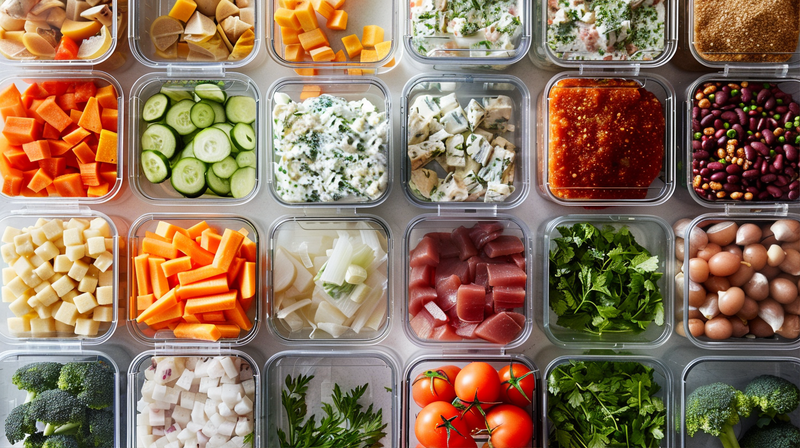
What Are Healthy Freezer Meals?
Healthy freezer meals are exactly what they sound like—nutritious, home-cooked dishes that you prepare in advance and store in your freezer for future enjoyment. But here's the thing that makes them truly special: these aren't those sad, freezer-burned leftovers you find forgotten in the back of your freezer. These are intentionally crafted meals designed specifically to freeze beautifully and taste absolutely delicious when reheated. Think hearty stews, flavorful casseroles, perfectly seasoned proteins, and wholesome grain bowls—all made with fresh ingredients and none of the preservatives or excessive sodium you'd find in store-bought frozen dinners.
The concept of healthy freezer meals has evolved dramatically over the years. What started as simple casseroles has transformed into a diverse collection of internationally-inspired dishes that cater to various dietary preferences and taste profiles. From zesty Mediterranean chicken bowls to warming Asian-inspired soups, from protein-packed breakfast burritos to comforting pasta bakes, the possibilities are truly endless. The key is understanding which ingredients freeze well and which cooking methods preserve the best texture and flavor. When done right, healthy freezer meals can be just as satisfying as freshly cooked food, and they offer the incredible convenience of having a home-cooked meal ready in minutes. Ready to transform your meal planning routine and reclaim your weeknight sanity?
Why You'll Love These Healthy Freezer Meals
They Save You Serious Time During Busy Weeks Imagine cutting your weeknight cooking time from an hour to just fifteen minutes. That's the reality with healthy freezer meals. By dedicating a few focused hours to meal prep, you're essentially giving yourself the gift of time throughout the entire month. No more staring into the refrigerator wondering what to make, no more last-minute grocery store runs, and no more cooking fatigue after a long day. You simply pull out a prepared meal, reheat it, and dinner is served. It's like having a personal chef, except you're the one who made these delicious creations.
Your Wallet Will Thank You Healthy freezer meals are incredibly budget-friendly because they allow you to buy ingredients in bulk and take advantage of sales. When chicken goes on sale, you can buy several packages and turn them into multiple freezer meals. You'll waste less food because everything has a purpose, and you'll stop spending money on expensive takeout or restaurant meals during those frantic evenings. Plus, cooking in larger batches means you're using your energy and resources more efficiently.
They're Genuinely Delicious and Nutritious This is where healthy freezer meals really shine. Unlike processed frozen dinners loaded with preservatives and sodium, your homemade freezer meals are packed with real vegetables, lean proteins, whole grains, and wholesome ingredients. You control exactly what goes into each dish, which means you can make them as healthy as you want while keeping the flavors bold and exciting. My family actually gets excited when I tell them we're having one of our favorite freezer meals for dinner.
Perfect for Any Skill Level Whether you're a kitchen novice or an experienced home cook, healthy freezer meals are accessible to everyone. The recipes don't require fancy techniques or hard-to-find ingredients. Most follow simple assembly or one-pot cooking methods that are forgiving and straightforward. If you can chop vegetables and follow basic instructions, you can absolutely master freezer meal prep.
They Keep You On Track with Health Goals When you have healthy freezer meals ready to go, you're far less likely to order unhealthy takeout or grab something processed and convenient. Having nutritious options at your fingertips removes the temptation to make less healthy choices when you're tired or hungry. It's meal insurance that supports your wellness journey while still delivering on taste and satisfaction.
Key Ingredients and What They Bring to Healthy Freezer Meals
When it comes to creating successful healthy freezer meals, understanding your ingredients is absolutely crucial. Lean proteins like chicken breast, turkey, and beef are the foundation of many freezer-friendly dishes because they freeze exceptionally well and retain their texture when properly stored. These proteins absorb marinades beautifully before freezing, which means the flavors actually deepen during storage. I love using boneless, skinless chicken thighs for many of my healthy freezer meals because they stay incredibly moist and tender even after freezing and reheating.
Vegetables play a starring role in healthy freezer meals, but not all vegetables freeze equally well. Hardy vegetables like bell peppers, onions, carrots, and green beans maintain their structure beautifully, while leafy greens and high-water content vegetables like zucchini need special consideration. I typically sauté vegetables slightly before assembling freezer meals, which helps preserve their texture and concentrates their flavors. Root vegetables like sweet potatoes are absolute champions in the freezer, emerging just as delicious as when they went in.
Whole grains and legumes add substance, fiber, and nutrition to healthy freezer meals while helping them stay satisfying and filling. Brown rice, quinoa, and lentils freeze remarkably well, especially when slightly undercooked before freezing. They absorb the flavors of whatever sauce or seasoning they're paired with, making them incredibly versatile. Beans are another freezer meal superstar—they're inexpensive, nutritious, and add wonderful heartiness to soups, stews, and casseroles.
Quality broths and sauces are the secret weapons in creating healthy freezer meals that taste restaurant-worthy. A good homemade or low-sodium broth provides depth of flavor without excess salt, while tomato-based sauces freeze perfectly and taste even better after their flavors meld together. I always make extra sauce when cooking and freeze the surplus for future meals. Coconut milk is another excellent addition for creamy, dairy-free freezer meals that maintain their luxurious texture beautifully. Fresh herbs and bold spices elevate every dish, and I've learned that slightly over-seasoning before freezing accounts for the minor flavor dulling that can occur during storage.
How to Make Healthy Freezer Meals — Quick Overview
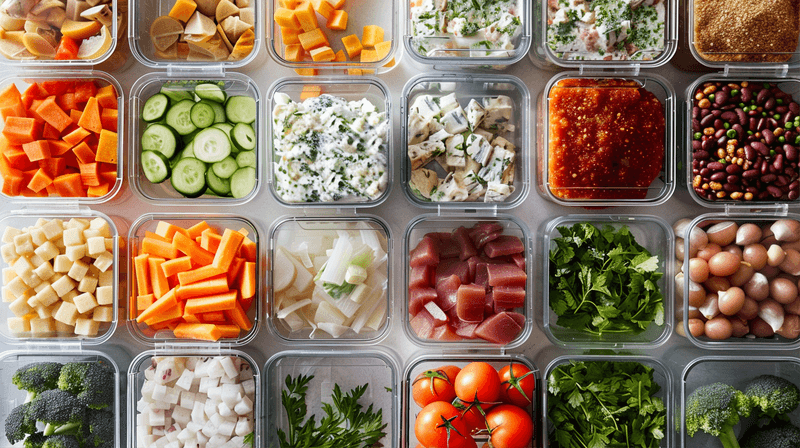
Creating healthy freezer meals is simpler than you might imagine, and the process becomes even easier once you establish your routine. The journey begins with choosing your recipes and creating a detailed shopping list. I recommend starting with four to six different recipes for your first freezer meal prep session, which will give you plenty of variety without feeling overwhelming. Spend an hour or two on a weekend afternoon doing all your chopping, browning proteins, and preparing components. This assembly-line approach is incredibly efficient and actually quite enjoyable when you put on some music or your favorite podcast.
Once your ingredients are prepped, it's time for assembly. This is where the magic happens and you'll feel like you're running your own meal production line. Have your freezer-safe containers or bags laid out, label them clearly with the dish name and date, and begin portioning everything according to your recipes. For most healthy freezer meals, you'll combine raw or partially cooked ingredients that will finish cooking when you reheat them. Some dishes, like casseroles or soups, can be fully cooked before freezing. The key is removing as much air as possible from storage bags to prevent freezer burn and ensuring everything is completely cooled before placing it in the freezer.
The actual freezing process requires a bit of strategy for best results. Place your healthy freezer meals flat in the freezer initially so they freeze quickly and stack efficiently once solid. Most properly stored freezer meals maintain excellent quality for three to four months, though many last even longer. When you're ready to enjoy your creation, simply transfer it to the refrigerator the night before to thaw safely, then reheat using your preferred method. The entire process from freezer to table typically takes less than thirty minutes, which is faster than most delivery options and infinitely more nutritious and delicious.
Top Tips for Perfecting Your Healthy Freezer Meals
Invest in quality storage containers and freezer bags specifically designed for freezer use. Regular plastic bags simply don't provide adequate protection against freezer burn, and you'll end up with icy, unappetizing meals. I swear by heavy-duty freezer bags and glass containers with airtight lids for my healthy freezer meals. The upfront investment pays for itself quickly when your food maintains its fresh taste and texture for months.
Always label everything with detailed information including the dish name, date prepared, and reheating instructions. Trust me, after a few weeks, that mystery container in your freezer won't be so obvious anymore. I use freezer tape and permanent markers, and I even note any additional ingredients needed at serving time, like fresh herbs or a squeeze of citrus. This small step saves enormous frustration later and ensures your healthy freezer meals are actually used rather than forgotten.
Cool your food completely before freezing to maintain food safety and prevent ice crystals from forming. Hot food raises the temperature inside your freezer and can partially thaw neighboring items. I spread cooked components on baking sheets to cool quickly, then transfer them to storage containers once they've reached room temperature. This extra patience results in much better texture and flavor in your finished healthy freezer meals.
Undercook pasta and rice slightly when you're incorporating them into healthy freezer meals that will be reheated with liquid. These grains continue absorbing moisture during freezing and reheating, and you want to avoid ending up with mushy results. I typically cook pasta to just before al dente and rice to about eighty percent done. They'll finish cooking perfectly when you reheat the dish, maintaining that ideal texture everyone loves.
Freeze meals in portion sizes that match your household needs. If you're cooking for one or two people, portion your healthy freezer meals into individual servings so you're not forced to thaw more than you need. For larger families, family-size portions make more sense. I often do a combination of both, which gives me flexibility depending on who's eating and when.
Consider the final texture when choosing recipes for freezer meals. Some ingredients simply don't freeze well—cream-based sauces can separate, potatoes can become grainy, and fried foods lose their crispiness. Focus on recipes specifically designed for freezing, or dishes where texture changes won't significantly impact enjoyment. Soups, stews, casseroles, marinated proteins, and sauced dishes are all excellent candidates for healthy freezer meals.
Create a freezer inventory system to track what you have and when it was made. I keep a simple list on my refrigerator or use a notes app on my phone. This prevents the dreaded freezer graveyard of forgotten meals and helps with meal planning. When I prepare new healthy freezer meals, I update my inventory and try to use older items first, ensuring nothing goes to waste.
Variations and Flavor Twists for Your Healthy Freezer Meals
One of the most exciting aspects of healthy freezer meals is how endlessly customizable they can be. Take a basic chicken and vegetable stir-fry base and transform it into completely different dishes by changing your seasoning profiles. Use Mediterranean herbs like oregano, basil, and garlic with olives and tomatoes for an Italian-inspired version. Switch to cumin, coriander, and turmeric with chickpeas for a warming Middle Eastern twist. The same protein and vegetable foundation becomes multiple distinct meals depending on your spice cabinet.
For those following plant-based diets or trying to incorporate more meatless meals, virtually any of these healthy freezer meals can be adapted with protein-rich alternatives. Replace chicken or beef with extra-firm tofu, tempeh, or additional legumes like chickpeas and black beans. I've found that mushrooms add wonderful umami depth and meaty texture to vegetarian freezer meals. Lentils are particularly fantastic because they're inexpensive, nutritious, and freeze beautifully while maintaining their texture.
Adjust the heat level in your healthy freezer meals to suit your family's preferences. If you're feeding spice-sensitive eaters, keep the base mild and offer hot sauce or crushed red pepper flakes as optional additions at serving time. For heat lovers like myself, incorporate jalapeños, cayenne pepper, or your favorite hot sauce directly into the dish before freezing. The flavors meld beautifully during storage, creating deeply spiced meals that are absolutely crave-worthy.
Create breakfast-focused healthy freezer meals by preparing make-ahead breakfast burritos, egg muffin cups, or overnight oats portions. These morning meals are lifesavers during busy weeks when you need something nutritious but don't have time to cook. I love assembling breakfast burritos with scrambled eggs, vegetables, and cheese, then wrapping them individually for grab-and-go convenience.
Experiment with global flavors to keep your healthy freezer meals interesting and prevent menu fatigue. Try Asian-inspired sesame ginger chicken, Moroccan-spiced chickpea stew, Greek lemon herb meatballs, or Mexican-style burrito bowls. Each cuisine brings unique flavor profiles that make healthy freezer meals feel special rather than repetitive. My family loves the variety, and it encourages everyone to try new ingredients and flavor combinations.
What to Serve with Your Healthy Freezer Meals
The beauty of healthy freezer meals is that they're often complete, balanced dishes on their own, but adding fresh accompaniments elevates them from convenient to truly special. A simple green salad with crisp lettuce, cucumber, and tomatoes dressed in a bright vinaigrette adds freshness and crunch that beautifully contrasts with reheated freezer meals. The cool, crisp texture provides wonderful balance, especially alongside warm, hearty dishes like stews or casseroles.
Freshly baked bread or warm flatbreads transform healthy freezer meals into a more substantial feast while providing something to soak up delicious sauces. I often keep naan or pita bread in my freezer alongside my prepared meals, and they reheat in minutes for an easy addition. Garlic bread made quickly in the oven adds aromatic appeal and makes even simple meals feel more indulgent and satisfying.
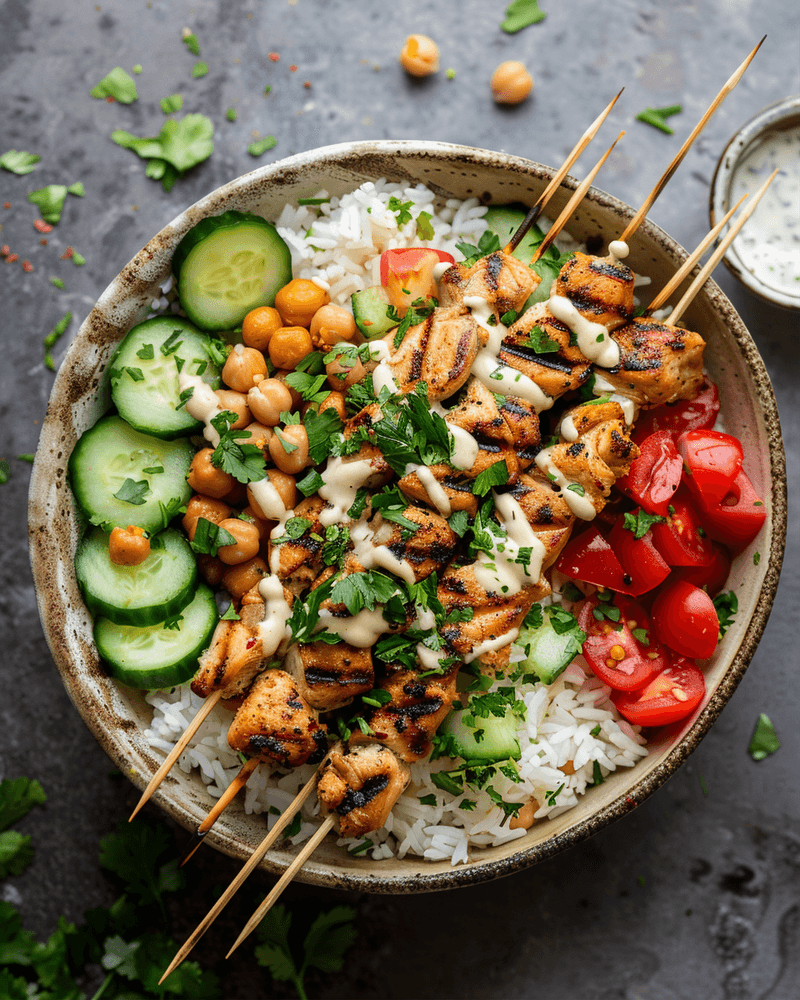
Quick-cooking grains like couscous, bulgur, or instant rice make excellent foundations for saucy healthy freezer meals. These grains cook in less than ten minutes, which means your total meal preparation time remains minimal while adding satisfying substance. I particularly love serving grain bowls topped with reheated proteins and vegetables from my freezer stash, finished with fresh herbs and a drizzle of tahini or yogurt sauce.
Roasted vegetables prepared fresh while your freezer meal reheats add color, nutrition, and wonderful caramelized flavor. Toss whatever vegetables you have on hand with olive oil and seasonings, spread them on a baking sheet, and roast at high heat. They'll be perfectly done right when your main dish is ready, and the combination of freshly roasted vegetables with prepared freezer meals creates a restaurant-quality dining experience.
Fresh garnishes and finishing touches make an enormous difference in how healthy freezer meals taste and look. Keep fresh herbs, citrus wedges, toasted nuts, seeds, and quality olive oil on hand to brighten up reheated dishes. A handful of fresh cilantro, a squeeze of lime, or a sprinkle of toasted almonds adds vibrant flavor and visual appeal that makes healthy freezer meals feel freshly made rather than reheated.
Storing and Reheating Tips for Healthy Freezer Meals
Proper storage is absolutely critical for maintaining the quality and safety of your healthy freezer meals. After assembly and complete cooling, transfer meals to freezer-safe containers or heavy-duty freezer bags, removing as much air as possible to prevent freezer burn. Glass containers with airtight lids work beautifully for dishes you'll reheat in the oven or microwave, while freezer bags are perfect for soups, stews, and marinated proteins because they save space and thaw quickly. Your healthy freezer meals will maintain optimal quality for three to four months when stored at zero degrees Fahrenheit or below, though they remain safe to eat indefinitely if kept consistently frozen.
For refrigeration, most healthy freezer meals can be safely thawed in the refrigerator for twenty-four hours before reheating. This gradual thawing method is the safest approach and helps maintain the best texture. If you're in a hurry, place sealed freezer bags in a bowl of cold water, changing the water every thirty minutes until thawed. Never thaw healthy freezer meals on the counter at room temperature, as this creates an environment where bacteria can multiply rapidly.
Reheating methods vary depending on the type of meal and your available time. For oven reheating, which produces the best texture for casseroles and baked dishes, preheat your oven to 350°F and reheat covered for thirty to forty-five minutes, or until heated through to 165°F internally. Remove the cover for the last ten minutes if you want a crispy top. Stovetop reheating works wonderfully for soups, stews, and saucy dishes—simply transfer to a pot over medium heat, stirring occasionally and adding a splash of broth or water if needed to prevent sticking.
Microwave reheating is the fastest option for healthy freezer meals, though it sometimes produces less ideal textures. Use microwave-safe containers, cover with a microwave-safe lid or damp paper towel to retain moisture, and heat in one to two minute intervals, stirring between sessions to ensure even heating. Always verify that food reaches 165°F throughout before serving. For best results with microwaved meals, let them rest for a minute or two after heating, which allows the temperature to equalize and improves overall texture.
Frequently Asked Questions About Healthy Freezer Meals
Can I Make Healthy Freezer Meals Ahead for an Entire Month?
Absolutely! Many people successfully prepare a full month's worth of healthy freezer meals in one dedicated prep session. I recommend starting with two weeks' worth if you're new to freezer meal prep, then gradually increasing as you become more comfortable with the process. The key is choosing recipes with varied flavors and textures so you don't experience menu fatigue. With proper labeling and organization, you'll have a freezer full of delicious options that make dinnertime effortless for weeks.
What Ingredients Should I Avoid in Healthy Freezer Meals?
Certain ingredients don't freeze well and should be avoided or added fresh after reheating. Cream-based sauces can separate and become grainy, though they can sometimes be whisked smooth again. Raw potatoes become mushy and grainy when frozen, so it's better to add fresh potatoes when reheating or use sweet potatoes which freeze much better. Crispy or fried components lose their texture in the freezer. Fresh herbs, delicate greens, and crunchy toppings are best added just before serving to maintain their vibrant flavor and texture.
How Do I Prevent Freezer Burn on My Healthy Freezer Meals?
Freezer burn occurs when air reaches the food's surface, causing dehydration and oxidation. Prevent it by using proper freezer-safe containers, removing as much air as possible from freezer bags before sealing, and wrapping items in multiple layers if needed. Always ensure your healthy freezer meals are completely sealed and stored at a consistent zero degrees Fahrenheit or below. Using your meals within three to four months also helps maintain optimal quality and prevents freezer burn from developing.
Can I Freeze Meals in Glass Containers Safely?
Yes, but you need to use glass containers specifically designed for freezer use and leave adequate headspace for expansion. Regular glass containers can crack when contents freeze and expand. I love using tempered glass containers with airtight lids for my healthy freezer meals because they're environmentally friendly, don't absorb odors or stains, and can go directly from freezer to oven. Just remember never to put frozen glass directly into a hot oven—let it thaw first or start in a cold oven to prevent thermal shock.
How Can I Make Healthy Freezer Meals for Special Dietary Needs?
Healthy freezer meals are incredibly adaptable to various dietary requirements. For low-carb diets, focus on protein and vegetable-based meals, using cauliflower rice instead of regular grains. For dairy-free needs, coconut milk works beautifully in creamy dishes, and nutritional yeast adds cheesy flavor. Gluten-free options are endless when you use naturally gluten-free grains like rice and quinoa. The beauty of making your own healthy freezer meals is complete control over ingredients, allowing you to customize everything to match your specific dietary needs while maintaining delicious flavor.
What's the Best Way to Organize My Freezer for Meal Prep?
Organization transforms your freezer from chaotic to functional. I use labeled bins or baskets to group healthy freezer meals by category—breakfast, chicken dishes, beef dishes, vegetarian options, and soups. Storing bags flat initially allows them to freeze in space-efficient stackable shapes. Keep a running inventory list on your freezer door or in a notes app, crossing off meals as you use them. Place newer meals toward the back and older ones in front, ensuring you rotate through your stock and use everything while it's at peak quality. This system makes meal selection easy and prevents healthy freezer meals from being forgotten in the depths of your freezer.
22 Healthy Freezer Meals Collection
A comprehensive collection of 22 nutritious, delicious make-ahead meals designed specifically for freezing, providing convenient home-cooked options for busy weeknights.
Prep Time
3h
Cook Time
2h
Total Time
5h
Servings
22 complete meals
Ingredients
For 22 complete meals
- 5 pounds boneless skinless chicken breasts
- 3 pounds lean ground turkey
- 2 pounds lean ground beef
- 4 pounds assorted vegetables (bell peppers, onions, carrots, broccoli)
- 3 cups brown rice, uncooked
- 2 cups quinoa, uncooked
- 4 cans (15 oz each) black beans, drained and rinsed
- 4 cans (15 oz each) chickpeas, drained and rinsed
- 6 cans (15 oz each) diced tomatoes
- 4 cups low-sodium chicken broth
- 2 cups low-sodium vegetable broth
- 3 tablespoons olive oil
- 6 cloves garlic, minced
- 2 tablespoons ground cumin
- 2 tablespoons chili powder
- 1 tablespoon paprika
- 1 tablespoon dried oregano
- 1 tablespoon dried basil
- 2 teaspoons ground turmeric
- 2 teaspoons ground coriander
- Salt and pepper to taste
- 2 cups shredded cheese (optional)
- Fresh herbs for garnish (cilantro, parsley, basil)
Instructions
- 1
Plan Your Meals
Begin by selecting 22 different recipes from various categories including chicken dishes, beef meals, turkey options, and vegetarian selections. Create a comprehensive shopping list organized by ingredient type. Review your freezer space to ensure adequate room for storing all completed meals.
- 2
Prep All Ingredients
Wash and chop all vegetables into uniform pieces for even cooking. Dice onions, slice bell peppers, chop carrots, and prepare any other vegetables according to your chosen recipes. Measure out all spices and seasonings, organizing them by recipe for efficient assembly.
- 3
Cook Proteins
Brown ground meats in batches in a large skillet over medium-high heat, breaking them into small pieces and seasoning with salt and pepper. Cook until no longer pink, about 8-10 minutes per batch. For chicken breasts, you can either cook them fully and shred, or leave them raw for recipes that cook during reheating. Drain excess fat and let cool completely.
- 4
Prepare Grains Partially
Cook brown rice and quinoa to about 80% doneness in separate pots according to package directions but reducing cooking time by 3-4 minutes. This prevents mushiness when reheating. Drain any excess water and spread on baking sheets to cool quickly. Fluff with a fork once cooled.
- 5
Sauté Vegetables
In a large skillet, heat olive oil over medium-high heat and sauté onions until softened, about 3-4 minutes. Add bell peppers and carrots, cooking for another 5 minutes until slightly tender but still crisp. Season with salt, pepper, and any recipe-specific spices. This pre-cooking helps vegetables maintain better texture after freezing.
- 6
Assemble Freezer Meals
Set up an assembly line with all your prepped ingredients, freezer bags, and containers. Label each storage container with the meal name, date, and reheating instructions before filling. Combine ingredients according to each specific recipe, portioning them into family-sized or individual servings as preferred.
- 7
Add Liquids and Seasonings
For soups and stews, add broth and canned tomatoes to your containers. For marinated dishes, pour sauce or marinade over proteins and vegetables. Season generously, as flavors can mellow slightly during freezing. Remember to leave 1-2 inches of headspace in containers for liquid expansion during freezing.
- 8
Remove Air and Seal
For freezer bags, use the water displacement method by slowly lowering the filled bag into water, allowing pressure to push out air before sealing at the top. For containers, press plastic wrap directly onto the surface of the food before adding the lid to minimize air exposure. Ensure all seals are tight and secure.
- 9
Flash Freeze Flat
Place filled freezer bags flat on baking sheets and arrange in a single layer in your freezer. This allows them to freeze quickly in a flat shape, which stacks efficiently and thaws evenly. Leave containers upright with adequate space around them for air circulation during initial freezing.
- 10
Organize in Freezer
Once meals are completely frozen solid (usually 24 hours), reorganize your freezer for efficient storage. Stack flat bags vertically like files in a filing cabinet, group similar meals together in bins, and place your freezer inventory list in a visible location. Position older meals toward the front for first use.
- 11
Thaw Safely
When ready to use a healthy freezer meal, transfer it from freezer to refrigerator 24 hours before needed. Place on a plate or in a bowl to catch any condensation. For faster thawing, submerge sealed bags in cold water, changing water every 30 minutes until thawed.
- 12
Reheat Thoroughly
For oven reheating, preheat to 350°F and bake covered for 30-45 minutes until internal temperature reaches 165°F. For stovetop, place in a pot over medium heat, stirring occasionally and adding liquid if needed. For microwave, heat in 2-minute intervals, stirring between sessions. Always verify food reaches safe internal temperature before serving.
- 13
Add Fresh Elements
Just before serving, enhance your reheated meals with fresh garnishes like chopped herbs, a squeeze of citrus, dollop of yogurt, or sprinkle of cheese. These fresh additions brighten flavors and add textural contrast, making your healthy freezer meals taste restaurant-fresh and beautifully presented.
Nutrition Facts
Per serving (estimated)
380 calories
Calories
42g
Carbs
28g
Protein
12g
Fat
7g
Fiber
520mg
Sodium
6g
Sugar