One-Pan Spring Celebration Treats That Save Time & Money
Easy one-pan spring treats perfect for family gatherings. Minimal cleanup, maximum flavor. Sweet and savory recipes that work on any budget!
cookwithlucia.com/recipes/20-delicious-easter-treats-my-money-cottage-in-2025-easter-treats-easter-snacks-easter-sweet
Let me tell you something: nobody enjoys spending hours scrubbing baking sheets and mixing bowls after making treats for a family gathering. The joy of creating delicious food shouldn't be buried under mountains of dirty dishes. That's exactly why I've become obsessed with one-pan celebration treats that deliver incredible flavor without the kitchen chaos.
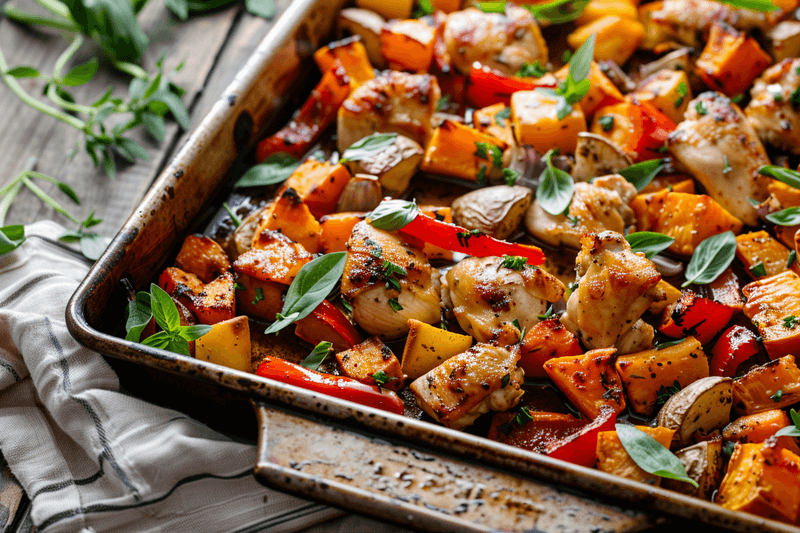
Imagine pulling a golden, beautifully caramelized sheet pan from your oven, filled with tender ingredients that have roasted together into sweet, fragrant perfection. The edges are crispy and burnished, the centers are soft and yielding, and the whole kitchen smells like warmth and comfort. Everything has mingled together—natural sugars have caramelized, juices have concentrated, and flavors have deepened in ways that simply don't happen when you cook components separately. Whether you're preparing savory bites or sweet treats, the one-pan method transforms simple ingredients into something that looks like you've been working all day.
Here's my promise: with the right techniques and smart ingredient choices, you can create celebration-worthy treats using just one pan, minimal prep time, and ingredients that won't break your budget. No complicated steps, no specialty equipment, and most importantly, no sink full of dishes waiting for you when your guests arrive. Just beautiful food that brings people together, made the smart way.
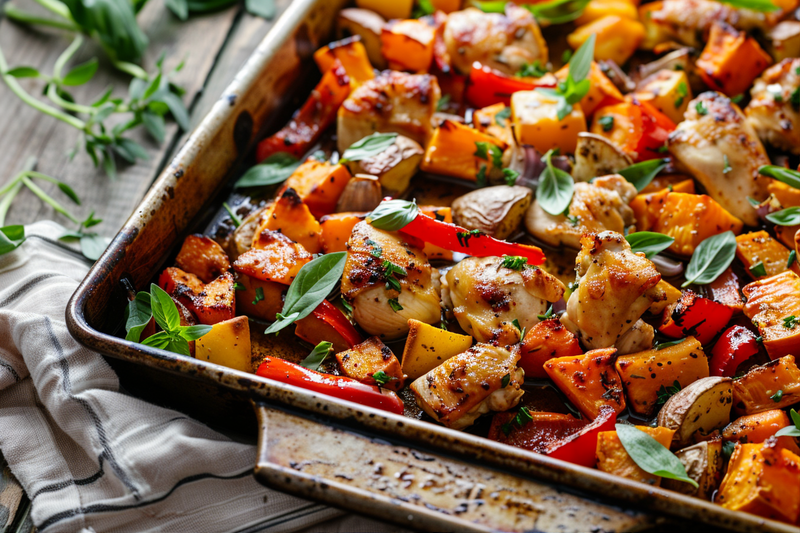
The One-Pan Philosophy
Cooking everything together on a single pan isn't just about convenience—though that's certainly a wonderful benefit. The real magic happens when ingredients share space in the oven and their flavors begin to mingle and concentrate. As vegetables release moisture and natural sugars caramelize against the hot pan, they create fond—those beautiful browned bits that add depth to every bite. Proteins render their juices, which then season and flavor everything around them.
The art of one-pan cooking lies in understanding timing and placement. You're orchestrating a symphony where different ingredients enter at different moments, ensuring that delicate items don't overcook while heartier components develop the texture and color you want. A cherry tomato needs far less time than a chunk of sweet potato, so smart cooks know to add them at strategic intervals.
What makes this method both the laziest and the smartest approach is how it forces you to think clearly about your ingredients. You can't hide mistakes under complicated techniques or fancy sauces. Everything is exposed, honest, and real. The simplicity actually elevates the food because each ingredient shines in its natural glory, enhanced by the company it keeps and the direct heat that transforms it. This is cooking stripped down to its essence, and it's absolutely beautiful.
What Goes In
When selecting ingredients for one-pan treats, you need components that share similar cooking times or that can be cut to accommodate different timing needs. Root vegetables like carrots, parsnips, and sweet potatoes are my go-to foundation—they handle high heat beautifully and develop sweet, caramelized edges while staying tender inside. Cut them into uniform pieces, roughly one-inch cubes or half-inch slices, and they'll roast to perfection in about thirty to forty minutes.
Protein options that work brilliantly include chicken pieces (thighs stay moister than breasts), tender beef chunks, or even chickpeas for a plant-based version. The key is choosing cuts that benefit from roasting rather than quick cooking. Chicken thighs, for instance, have enough fat to stay juicy while their skin crisps up gorgeously. If you're using something leaner, a light coating of oil prevents drying.
Quick-cooking vegetables like bell peppers, zucchini, cherry tomatoes, and red onions should be cut larger or added partway through cooking. I typically add these during the last fifteen to twenty minutes. They provide fresh flavor and bright color without turning to mush. Fresh herbs like rosemary, thyme, and sage can be scattered over everything at the start—their oils infuse the entire pan as they roast.
For sweet treat versions, fruits that hold their shape work best: apple slices, pear chunks, stone fruits in season, or berries added at the end. Nuts like almonds, walnuts, or pecans add crunch and healthy fats. A drizzle of honey or maple syrup helps with caramelization, while warming spices like cinnamon, cardamom, and ginger create aromatic depth. The beauty of this method is its flexibility—swap ingredients based on what's available at your market or what needs using in your refrigerator.
Assembly and Cooking
The first step in successful one-pan cooking happens before anything touches the pan: preparation and organization. Line up your ingredients, already cut to the right sizes, and preheat your oven to a solid roasting temperature—I typically use 400°F to 425°F depending on what I'm making. This high heat creates the caramelization and crispy edges that make one-pan meals so appealing.
Pan choice genuinely matters here. A large rimmed sheet pan (often called a half-sheet pan) gives you maximum surface area, which means less crowding and better browning. For savory dishes with more liquid or items that benefit from covered cooking partway through, a large cast-iron skillet or Dutch oven works beautifully. Whatever you choose, make sure it's sturdy enough to handle high heat without warping.
Arrange your heartiest, longest-cooking ingredients first, spreading them in a single layer with space between each piece. Overcrowding is the enemy of good roasting—items will steam rather than caramelize if they're touching. Drizzle with oil (olive oil for savory, coconut or a neutral oil for sweet), season generously with salt and your chosen spices, and toss everything to coat evenly. Use your hands for this; it's the most effective way to ensure every surface is seasoned.
Slide the pan into your preheated oven and set a timer for the halfway point. When it rings, remove the pan and add your quicker-cooking ingredients. Give everything a good stir or flip to ensure even browning and prevent sticking. This is when I often add a splash of broth, a drizzle of honey, or a squeeze of citrus to build flavor layers. Return to the oven for the second half of cooking.
In the final five minutes, consider adding delicate finishing touches: a handful of fresh herbs, a sprinkle of nuts, or tender greens that just need to wilt. The residual heat will be enough to warm these through without overcooking them. When everything is golden and tender, remove from the oven and let it rest for a few minutes before serving. This resting time allows juices to redistribute and flavors to settle.
Secrets for One-Pan Success
The single most important rule for beautiful one-pan meals is respecting the space between ingredients. When items are crowded together, they release steam that prevents proper browning. Leave at least a half-inch between pieces, and if your pan looks too full, divide the ingredients between two pans instead. Trust me, the improved texture is worth using an extra pan.
Building layers of flavor starts with proper seasoning at the beginning, but doesn't end there. Halfway through cooking, when you flip or stir, taste a piece if possible and adjust. This is your moment to add a pinch more salt, a dash of spice, or something acidic like lemon juice to brighten everything up. Each layer of seasoning creates depth that transforms simple ingredients into something memorable.
Knowing when to stir and when to leave things alone is an art form. For maximum caramelization, let ingredients sit undisturbed for at least the first fifteen to twenty minutes. This allows the bottoms to develop that gorgeous golden-brown crust. Then flip or stir once, maybe twice maximum, during the entire cooking time. Constant stirring prevents browning and creates mushy textures.
For crispy edges with moist interiors, the secret lies in oil distribution and oven temperature. A light coating of oil on every surface—not drowning in it—creates crispness. Too much oil leads to greasy, soggy results. The high oven temperature (400°F or above) drives off moisture quickly, allowing surfaces to brown before interiors dry out.
Don't forget about the pan itself. A dark, heavy pan absorbs and radiates heat more effectively than a thin, shiny one, leading to better browning. If you're getting pale, steamed vegetables instead of golden ones, the issue might be your pan rather than your technique.
Finally, embrace the fond. Those browned bits stuck to the pan aren't mess—they're concentrated flavor. After removing your finished dish, deglaze the pan with a splash of broth or water while it's still hot, scraping up those bits to create an instant sauce. This adds another layer of flavor and makes cleanup easier.
Rounding Out the Meal
While your one-pan dish roasts away, you have time to pull together simple sides that complement without complicating your meal. A fresh salad takes just minutes—mixed greens with a quick vinaigrette made from olive oil, vinegar, and a touch of honey balances rich roasted flavors beautifully. Toss in some toasted nuts or seeds for extra crunch and nutrition.
Grains like quinoa, rice, or couscous make excellent foundations for serving your one-pan creation. Start them on the stovetop when your pan goes into the oven, and they'll be ready at the same time. The grains soak up any delicious juices from the roasted ingredients, and they add satisfying substance to the meal.
Quick yogurt-based sauces elevate everything with minimal effort. Stir together plain yogurt with crushed garlic, lemon juice, and fresh herbs for a cooling contrast to warm roasted vegetables. For sweet treats, a simple drizzle made from honey thinned with a bit of warm water and vanilla extract adds elegance.
Warm flatbread or dinner rolls complete the experience, perfect for scooping up every last bit of flavor. If you're keeping things truly simple, store-bought options work perfectly—just warm them in the oven during the last five minutes of cooking time. The goal is a complete, balanced meal that feels abundant without requiring hours of preparation or creating kitchen chaos.
Leftovers and Next-Day Ideas
One-pan meals often taste even better the next day as flavors continue to meld and develop overnight. Store leftovers in airtight containers in the refrigerator within two hours of cooking. They'll keep beautifully for three to four days, giving you ready-made lunches or quick dinners throughout the week.
Roasted vegetables and proteins transform brilliantly into grain bowls. Layer cooked quinoa or rice in a container, top with your reheated one-pan ingredients, add a handful of fresh greens, and drizzle with tahini or your favorite dressing. This creates a completely different meal experience from the original serving.
Wraps and flatbreads become vehicles for delicious leftovers. Warm your components, tuck them into soft tortillas or pita bread, add some fresh vegetables or herbs, and you have a portable lunch that's anything but boring. The roasted flavors work especially well in this format.
For sweet treat leftovers, consider transforming them into breakfast parfaits by layering with yogurt and granola, or warming them gently and serving over oatmeal. The key to successful reheating is using gentler heat than the original cooking—a 325°F oven or a covered skillet on medium-low prevents drying out while bringing everything back to the perfect temperature.
Answers to Your Questions
What type of pan works best for one-pan celebration treats?
A heavy-duty rimmed half-sheet pan (approximately 18 by 13 inches) is my top choice for most one-pan recipes. The light-colored aluminum conducts heat evenly, the rim contains any juices, and the size provides enough space to avoid overcrowding. For dishes with more liquid or those requiring covered cooking, a large cast-iron skillet or enameled Dutch oven excels.
Can I swap vegetables based on what's in season?
Absolutely—seasonal swapping is one of the joys of one-pan cooking. In spring, try asparagus, snap peas, and baby carrots. Summer brings zucchini, bell peppers, and tomatoes. Autumn is perfect for butternut squash, Brussels sprouts, and cauliflower. Winter calls for root vegetables like turnips, parsnips, and sweet potatoes. Just match cooking times by cutting quicker-cooking items larger and harder vegetables smaller.
How do I ensure everything gets crispy instead of soggy?
Crispness comes from three factors: proper spacing (leave room between ingredients), adequate heat (400°F minimum), and the right amount of oil (a light coating, not pooling). Pat vegetables dry before tossing with oil—excess moisture is the enemy of crispy edges. Finally, resist the urge to stir too often; let items develop a golden crust before flipping.
Can I double the recipe and still use one pan?
Doubling typically requires two pans to maintain proper spacing. Overcrowding prevents browning and leads to steaming instead of roasting. The good news is that two pans cook at the same temperature and timing, so you're not adding complexity—just using another pan. Rotate their positions halfway through for even cooking.
Should I line my pan with foil or parchment?
For easier cleanup, parchment paper works wonderfully and doesn't interfere with browning. Avoid covering parchment edges with ingredients to prevent burning. Foil reflects heat differently and can sometimes prevent optimal caramelization, though it certainly makes cleanup easier. For maximum browning and flavor development, cook directly on a well-oiled pan and embrace the soaking afterward.
How far ahead can I prep ingredients before cooking?
You can cut vegetables and season proteins up to 24 hours ahead. Store them separately in the refrigerator in airtight containers. Don't toss vegetables with oil and seasonings until just before roasting, as salt draws out moisture that can make them soggy. Having everything prepped means you can assemble and get the pan in the oven in just five minutes when you're ready to cook.
Making It Your Own
The beauty of one-pan celebration treats lies in their adaptability to your preferences, dietary needs, and what's available in your kitchen. Once you understand the basic principles—timing, spacing, temperature, and seasoning—you can riff endlessly on the theme. Think of the technique as a template rather than a rigid recipe.
Consider flavor profiles from different culinary traditions. Mediterranean versions might feature olive oil, garlic, lemon, and oregano with chickpeas and vegetables. Middle Eastern-inspired pans could include warming spices like cumin, coriander, and cinnamon with roasted cauliflower and sweet potato. Asian-influenced combinations work beautifully with ginger, garlic, and a finishing drizzle of sesame oil.
For sweet treats, the same principles apply with different ingredients. Stone fruits tossed with honey and cardamom, roasted until their sugars caramelize, create a stunning dessert. Apple slices with cinnamon and pecans transform into something special with just heat and time. Berries need only the briefest roasting to concentrate their flavors—add them in the last ten minutes and watch them burst into jammy perfection.
Texture contrast elevates one-pan meals from good to spectacular. Include something crispy (roasted chickpeas, nuts, or seeds), something creamy (a yogurt-based sauce or mashed avocado), and something fresh (herbs, citrus, or raw vegetables added at the end). These contrasts keep each bite interesting and make the meal feel more complete.
Don't be afraid to finish with flourishes that add visual appeal and flavor complexity. A scatter of pomegranate seeds adds jewel-toned brightness and sweet-tart pops. Toasted nuts or seeds provide crunch and richness. Fresh herbs like cilantro, parsley, or mint bring color and freshness. A squeeze of citrus right before serving brightens everything. These final touches take seconds but make your dish look and taste restaurant-worthy.
The Budget-Friendly Advantage
One-pan cooking naturally lends itself to budget-conscious meal planning, and that's something worth celebrating. By focusing on seasonal produce and simple proteins, you're automatically choosing ingredients at their peak availability and lowest prices. Root vegetables, winter squash, and hearty greens cost pennies per serving yet deliver tremendous flavor and nutrition when roasted properly.
Building meals around vegetables rather than expensive proteins stretches your food budget significantly. A single chicken thigh or a small portion of beef, when combined with generous amounts of roasted vegetables, creates a satisfying meal that feels abundant. The vegetables aren't afterthoughts—they're the stars, with protein playing a supporting role.
The one-pan method also reduces waste because you can easily incorporate odds and ends from your refrigerator. That half an onion, the few remaining carrots, the bell pepper that's starting to soften—everything can go onto the pan together. You're not following a rigid recipe that demands specific quantities; you're working with what you have and making it delicious.
Energy efficiency matters too, especially when budgets are tight. Running one oven for one pan uses less energy than multiple burners and appliances. The relatively short cooking time (usually under an hour) means you're not heating your kitchen for hours. In warmer months, consider using this method early in the day before peak heat, then serving the results at room temperature for gatherings.
Leftovers from one-pan meals provide ready-made lunches that save money on takeout and food waste. When you've invested minimal time and created minimal mess, you're more likely to cook at home regularly, which is always the most budget-friendly choice. The skills you develop with one-pan cooking—understanding heat, timing, and seasoning—transfer to all areas of cooking, making you more confident and capable in the kitchen overall.
Creating Community Around Simple Food
Some of the most memorable gatherings happen around the simplest food. There's something profoundly welcoming about a large pan set in the center of the table, still warm from the oven, with everyone serving themselves family-style. It feels casual and abundant, encouraging people to relax and enjoy both the food and the company.
One-pan meals remove the stress that often accompanies hosting. You're not frantically timing multiple dishes or chained to the stove while guests socialize without you. The oven does the work, giving you time to actually be present with the people you've invited into your home. That presence and relaxation shows in the atmosphere of the gathering.
When you serve food that's approachable and unfussy, you're sending a message that perfection isn't the goal—connection is. Your guests feel comfortable because they're not worried about using the wrong fork or understanding complicated preparations. It's just good food, honestly made, shared with warmth. That authenticity creates the conditions for real conversation and genuine enjoyment.
The act of preparing simple, wholesome food for others is itself an expression of care. You've thought about their preferences, their dietary needs, their comfort. You've created something nourishing with your own hands. In our fast-paced world, that kind of intentional hospitality has become increasingly rare and therefore increasingly meaningful.
One-pan celebration treats prove that impressive doesn't mean complicated, and delicious doesn't require professional training or expensive ingredients. It just requires understanding a few basic principles, working with quality ingredients, and cooking with attention and care. These are skills anyone can develop, and meals anyone can create, regardless of experience level or budget constraints.
Seasonal Celebrations Throughout the Year
While spring gatherings might inspire thoughts of tender vegetables and bright flavors, the one-pan philosophy serves you beautifully through every season. Understanding how to adapt your approach to what's fresh and available keeps meals interesting and costs manageable year-round.
Spring brings delicate vegetables that need gentler treatment and shorter cooking times. Asparagus spears, snap peas, baby carrots, and new potatoes roast quickly at high heat. Pair them with quick-cooking proteins and finish with fresh herbs and lemon for meals that taste like sunshine. The lighter feeling of spring food matches the season's energy of renewal and growth.
Summer's abundance makes one-pan cooking almost effortless. Zucchini, bell peppers, tomatoes, and eggplant practically beg to be roasted together. The high water content of summer vegetables means they release flavorful juices that concentrate as they cook, creating natural sauces. These meals are perfect served at room temperature for outdoor gatherings, making advance preparation easy.
Autumn's hearty vegetables—butternut squash, Brussels sprouts, cauliflower, and sweet potatoes—were practically designed for roasting. Their dense textures and sweet flavors deepen and caramelize beautifully with the one-pan method. This is the season when warming spices like cinnamon, nutmeg, and ginger really shine, creating aromatic meals that make the whole house smell incredible.
Winter calls for comfort, and one-pan meals deliver. Root vegetables, cabbage, and hardy greens stand up to long roasting times, developing deep, rich flavors. This is when the oven's warmth is welcome rather than burden, and when meals that cook for an hour feel like cozy luxury rather than excessive time investment. The simplicity of preparation becomes especially valuable during busy seasons when time feels precious.
The Joy of Minimal Cleanup
Let's return to where we started: the dishes. After creating a beautiful meal that's nourished and delighted everyone at your table, the last thing you want is an hour of scrubbing pots and pans. The one-pan approach means exactly what it promises—one pan to wash, along with your prep cutting board and knife.
If you've lined your pan with parchment, cleanup becomes almost absurdly easy. Let the pan cool, lift out the parchment with any stuck bits, and you're left with a pan that needs only a quick wash. Even without parchment, a well-oiled pan releases food relatively easily, especially if you let it soak briefly in hot soapy water.
The mental relief of minimal cleanup shouldn't be underestimated. When cooking doesn't create chaos, you're more likely to do it regularly. When you're more likely to cook regularly, you eat better, save money, and enjoy the process rather than dreading it. This positive cycle builds genuine cooking confidence and competence.
Some cooks find the cleanup time to be meditative—a quiet moment after the social energy of a meal to reflect and wind down. Even for those people, less is more. A five-minute cleanup leaves you feeling accomplished rather than exhausted, ready to enjoy the rest of your evening rather than collapsing in exhaustion.
The efficiency of one-pan cooking extends beyond the immediate meal. You're saving water, dish soap, and time—resources that matter whether you're concerned about environmental impact, utility bills, or simply having more hours in your day for things you actually enjoy. Cooking shouldn't be a burden; it should be a pleasure and a gift you give yourself and others.
Final Thoughts on Simple Excellence
Mastering one-pan cooking is really about mastering the fundamentals—understanding how heat transforms ingredients, how flavors build and combine, and how simple techniques create complex results. These aren't trendy tricks or flashy skills; they're the foundation of good cooking that will serve you for a lifetime.
The confidence that comes from pulling a gorgeous pan from the oven, knowing you created something delicious with minimal fuss, transforms your relationship with cooking. You stop seeing it as a chore requiring recipes and start seeing it as a creative practice where you work with ingredients, heat, and time to create nourishment and pleasure.
One-pan celebration treats prove that special occasions don't require stress, fancy equipment, or complicated techniques. They require good ingredients, attention to detail, and the willingness to embrace simplicity. Sometimes the most impressive thing you can do is take excellent ingredients and treat them simply, allowing their natural flavors to shine.
As you practice this approach, you'll develop intuition about timing, seasoning, and combinations. You'll start creating your own variations, guided by what looks good at the market and what sounds delicious to you. That's when cooking shifts from following instructions to expressing creativity—and that's when it becomes truly joyful.
So the next time you're planning for a family gathering, a weekend dinner, or any occasion that calls for special food, remember that special doesn't have to mean complicated. One pan, good ingredients, proper technique, and genuine care create meals that bring people together and leave you with time and energy to actually enjoy their company. That's the real definition of celebration food—dishes that enhance connection rather than exhausting the cook. Here's to simple excellence, minimal cleanup, and the joy of sharing good food with people you care about.
One-Pan Spring Celebration Treats
A versatile one-pan roasted vegetable and protein dish perfect for family gatherings, featuring seasonal ingredients with minimal cleanup and maximum flavor.
Prep Time
15 min
Cook Time
40 min
Total Time
55 min
Servings
6 servings
Ingredients
For 6 servings
- 2 pounds sweet potatoes, cut into 1-inch cubes
- 1 pound carrots, cut into 1-inch pieces
- 2 red bell peppers, cut into 1-inch pieces
- 1 large red onion, cut into wedges
- 1 pound boneless chicken thighs, cut into 2-inch pieces
- 3 tablespoons olive oil
- 2 teaspoons salt
- 1 teaspoon black pepper
- 1 tablespoon fresh rosemary, chopped
- 1 tablespoon fresh thyme leaves
- 4 cloves garlic, minced
- 1 teaspoon smoked paprika
- 1/2 teaspoon ground cumin
- 2 tablespoons lemon juice
- Fresh parsley for garnish
Instructions
- 1
Preheat oven
Preheat your oven to 425°F and position a rack in the center. Line a large rimmed baking sheet with parchment paper for easier cleanup, or lightly oil the pan if you prefer direct contact for better browning.
- 2
Prepare vegetables
Cut sweet potatoes and carrots into uniform 1-inch pieces so they cook evenly. Place them on the prepared baking sheet, spreading them out to ensure proper spacing. These heartier vegetables need the full cooking time to become tender and caramelized.
- 3
Season first batch
Drizzle the sweet potatoes and carrots with 2 tablespoons of olive oil, then sprinkle with 1 teaspoon salt, half the black pepper, the rosemary, thyme, and minced garlic. Toss everything together with your hands to coat evenly, then spread in a single layer with space between pieces.
- 4
Begin roasting
Place the pan in the preheated oven and roast for 20 minutes without disturbing. This initial roasting time allows the vegetables to develop a golden-brown bottom and begin caramelizing, which creates depth of flavor.
- 5
Prepare protein and peppers
While the vegetables roast, prepare the chicken thighs by cutting them into 2-inch pieces and seasoning with remaining salt, pepper, smoked paprika, and cumin. Cut the bell peppers and red onion into large pieces that will cook in the remaining time without becoming mushy.
- 6
Add second batch
After 20 minutes, remove the pan from the oven and add the seasoned chicken pieces, bell peppers, and red onion wedges. Drizzle with the remaining tablespoon of olive oil and toss everything together gently, then spread back into a single layer.
- 7
Continue roasting
Return the pan to the oven and roast for another 20 minutes, or until the chicken is cooked through (internal temperature of 165°F) and the vegetables are tender with caramelized edges. The peppers should be softened but still holding their shape.
- 8
Finish and serve
Remove from the oven and immediately drizzle with fresh lemon juice to brighten all the flavors. Let rest for 5 minutes to allow juices to redistribute, then garnish with fresh parsley and serve directly from the pan for a beautiful family-style presentation.
Nutrition Facts
Per serving (estimated)
385 calories
Calories
42g
Carbs
24g
Protein
12g
Fat
7g
Fiber
890mg
Sodium
12g
Sugar